10th Mar, 2026
Everest Base Camp Trek Distance: How Far is the Journey to Base Camp?
Introduction
Many trekkers preparing for the Everest Base Camp adventure ask one common question before arriving in Nepal: how far is the Everest Base Camp trek? Understanding the total distance helps travelers prepare physically, plan daily trekking stages, and set realistic expectations for the journey.
Table of Contents
The Everest Base Camp trek is not a single-day hike but a multi-day expedition through the Khumbu region of Nepal. The route follows ancient Himalayan trade paths, passes through Sherpa villages, crosses suspension bridges, and climbs gradually toward the base of Mount Everest.
Trekkers typically walk for nearly two weeks while covering a total distance of around 130 kilometers round trip between Lukla and Everest Base Camp. Each day brings a different landscape, from forest valleys and rivers to alpine plateaus and glacier terrain.
Knowing the distances between villages and daily trekking hours helps trekkers prepare physically and mentally for the journey.
This guide from Northern Trekking Team explains the Everest Base Camp trek distance, daily route breakdown, altitude gain, and how the distance is distributed across each stage of the trek.
Total Distance of the Everest Base Camp Trek
The classic Everest Base Camp trek begins after a flight from Kathmandu to Lukla.
From Lukla, trekkers follow the Khumbu Valley until reaching Everest Base Camp and then return along the same trail.
Total Trek Distance
Typical trek statistics include:
• Approximately 130 kilometers round trip
• 65 kilometers one way from Lukla to Everest Base Camp
• 12 to 14 days trekking duration
Daily walking distances vary depending on the trekking itinerary and acclimatization schedule.
Daily Distance Breakdown of the Everest Base Camp Trek
Understanding daily distances helps trekkers visualize the route.
Lukla to Phakding
Distance: 8 kilometers
Walking time: 3–4 hours
This first stage remains relatively easy with gradual downhill trails following the Dudh Koshi River.
Phakding to Namche Bazaar
Distance: 11 kilometers
Walking time: 5–6 hours
The trail includes multiple suspension bridges and a steep uphill climb to Namche Bazaar.
Namche serves as the main Sherpa town of the Khumbu region.
Namche Bazaar Acclimatization Day
Trekkers hike toward Everest View Hotel and surrounding viewpoints before returning to Namche.
Distance: 4–5 kilometers
Purpose: altitude acclimatization.
Namche Bazaar to Tengboche
Distance: 10 kilometers
Walking time: 5 hours
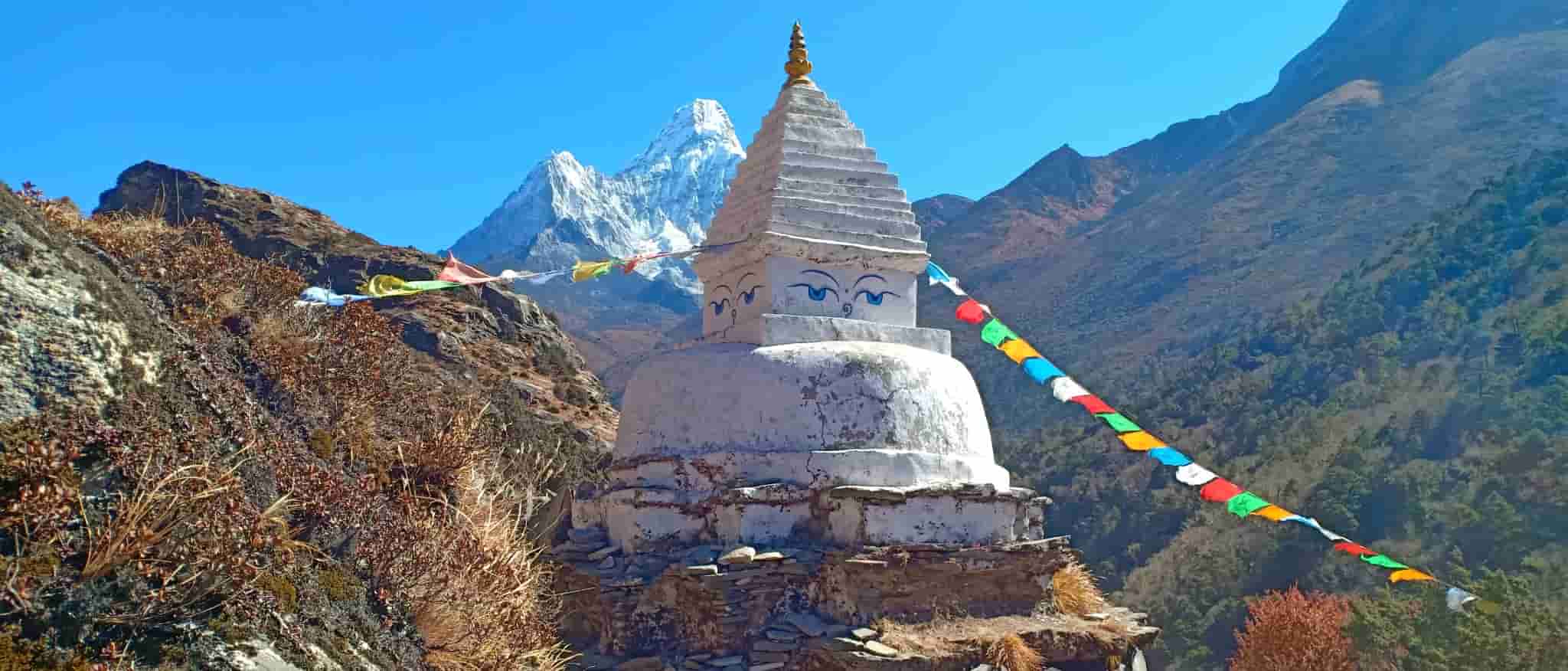
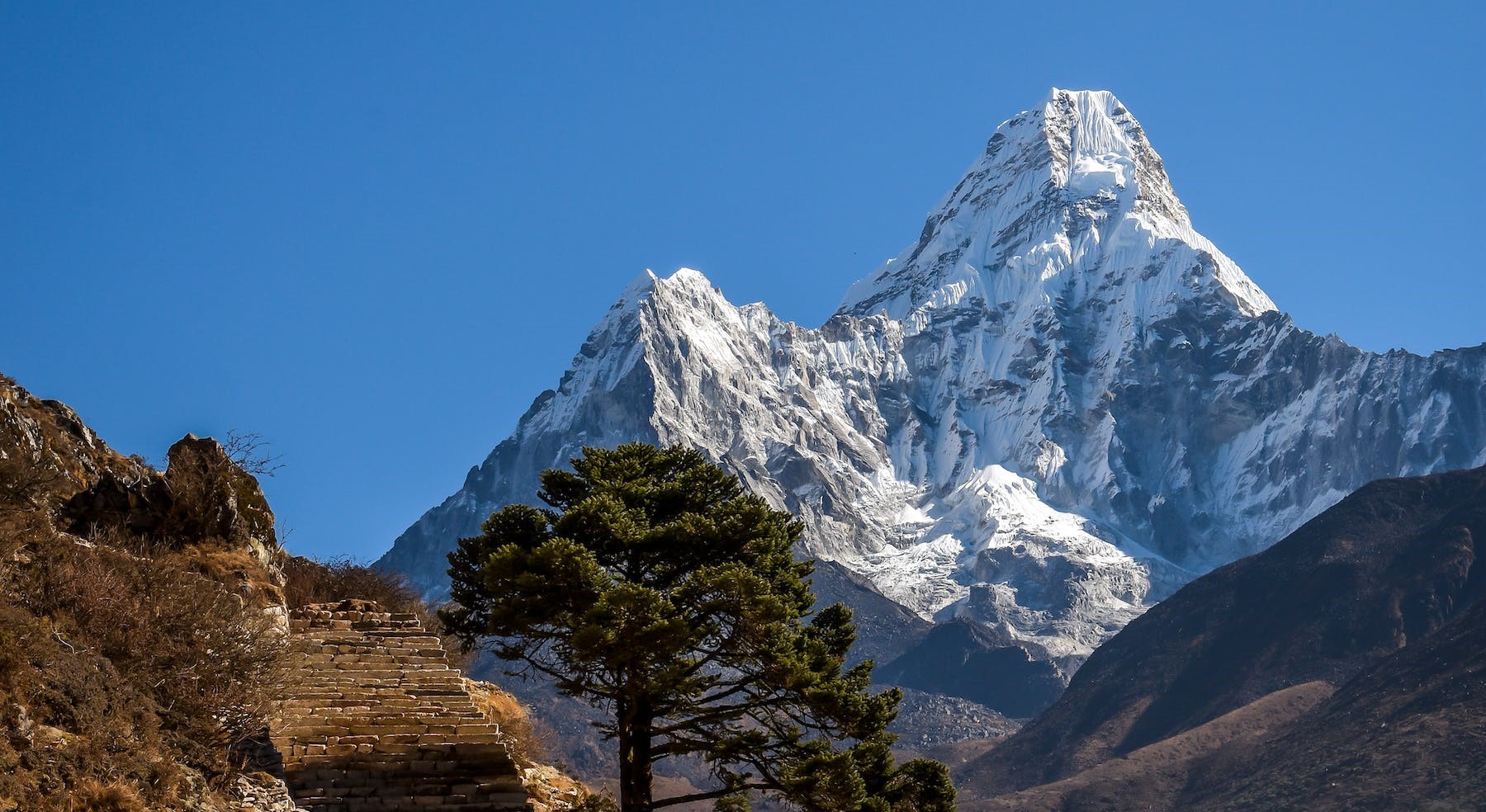
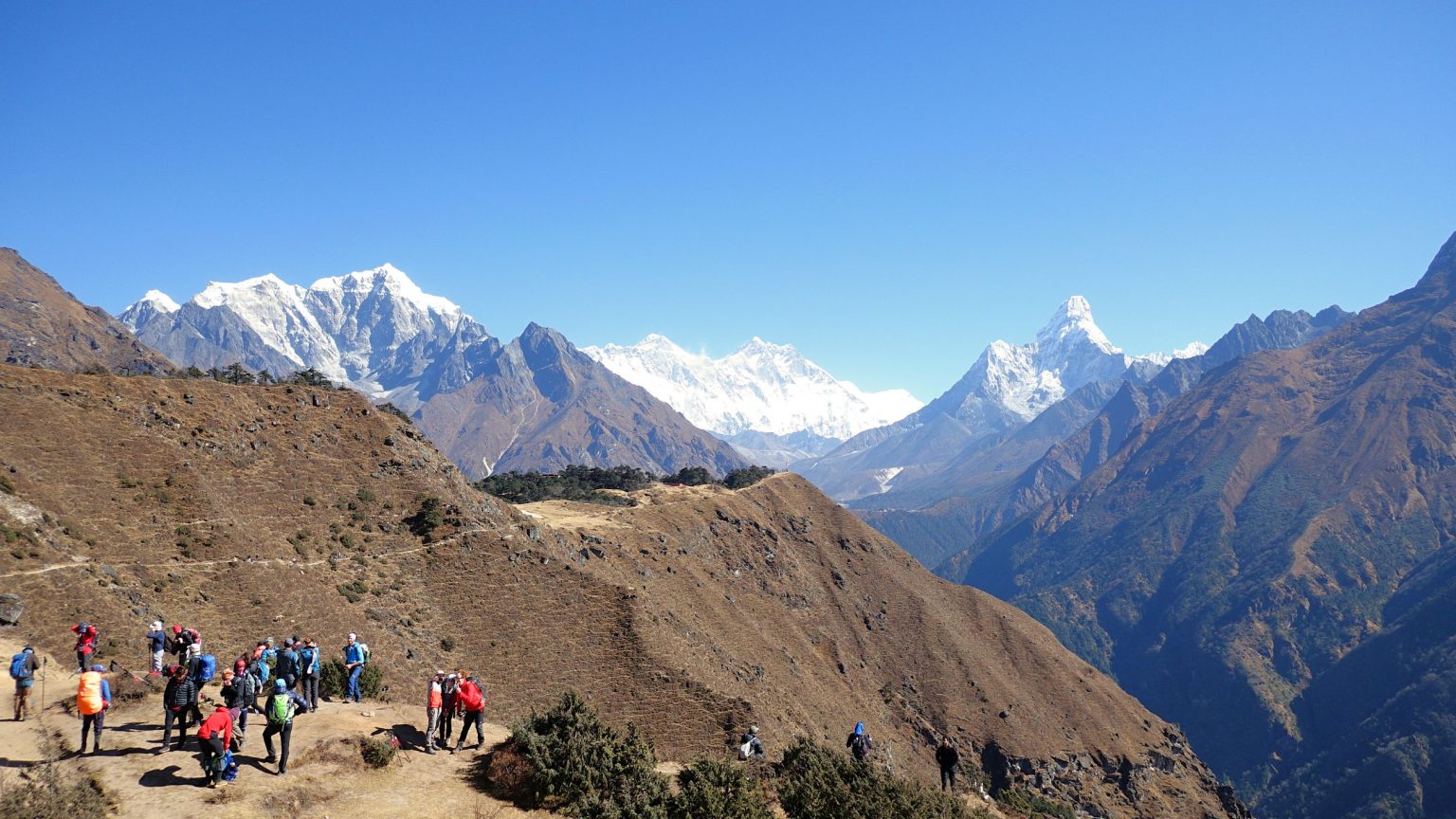
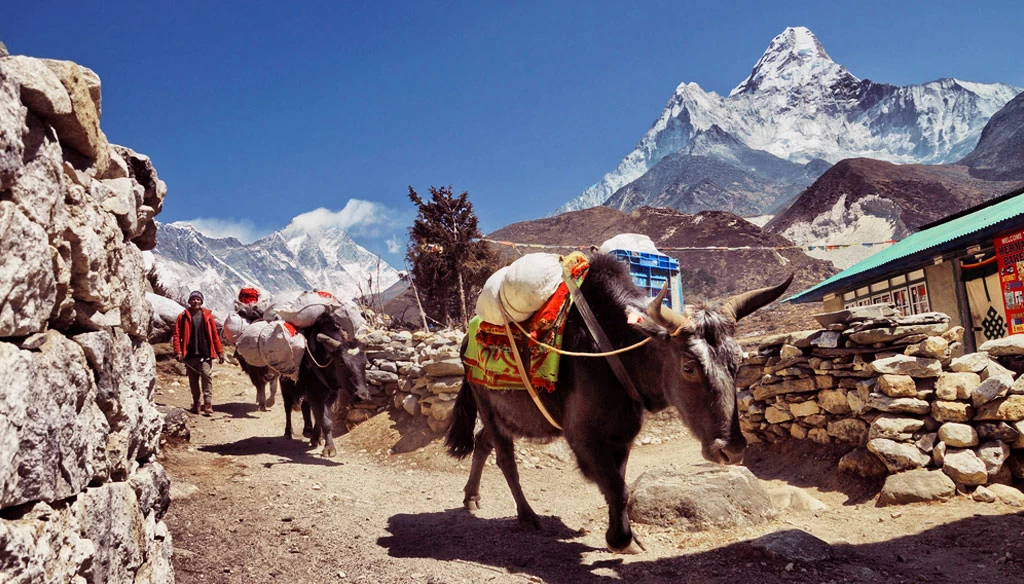
This stage offers some of the best mountain views including Everest, Lhotse, and Ama Dablam.
Tengboche Monastery remains the cultural highlight of this section.
Tengboche to Dingboche
Distance: 11 kilometers
Walking time: 5–6 hours
Trekkers move above the tree line and enter a wide alpine valley.
Dingboche Acclimatization Day
Trekkers hike to Nagarjun Hill or nearby viewpoints.
Distance: 5–6 kilometers
This hike helps the body adapt to higher altitude.
Dingboche to Lobuche
Distance: 8 kilometers
Walking time: 5 hours
The route passes memorials dedicated to Everest climbers and gradually approaches the Khumbu glacier region.
Lobuche to Gorak Shep
Distance: 5 kilometers
Walking time: 3 hours
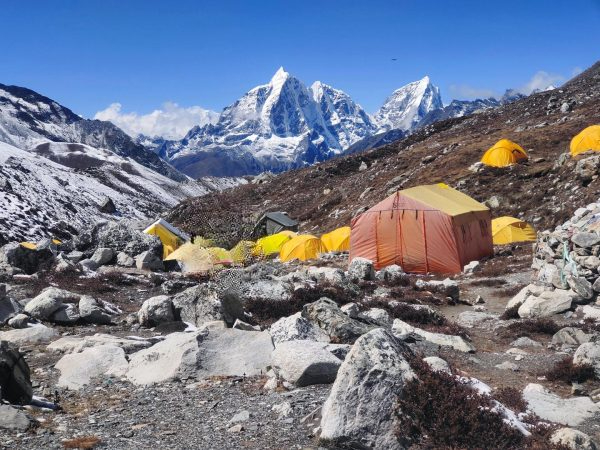
This stage involves rocky glacier terrain.
Gorak Shep serves as the last settlement before Everest Base Camp.
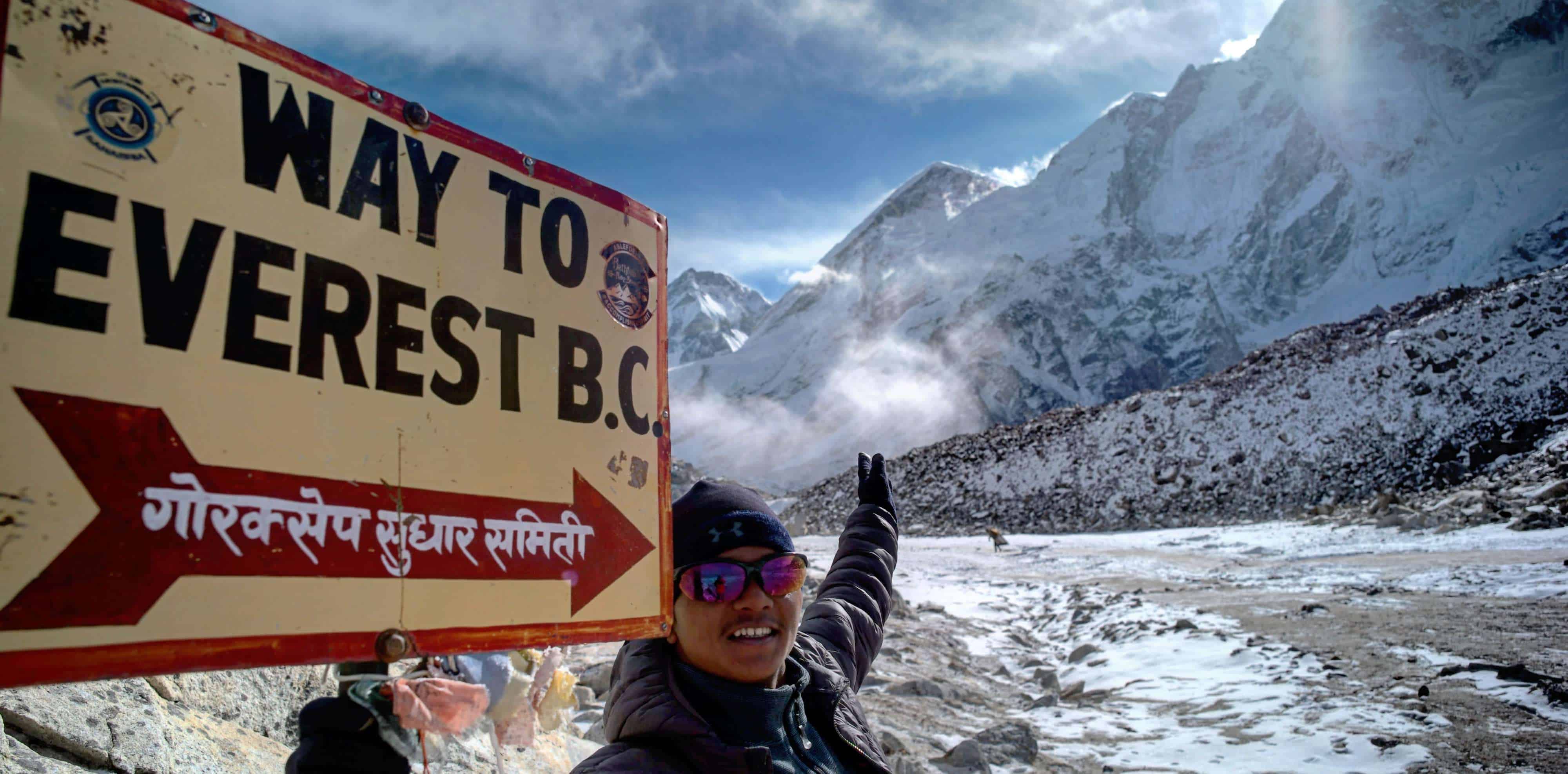
Gorak Shep to Everest Base Camp
Distance: 3 kilometers one way
Walking time: 2–3 hours
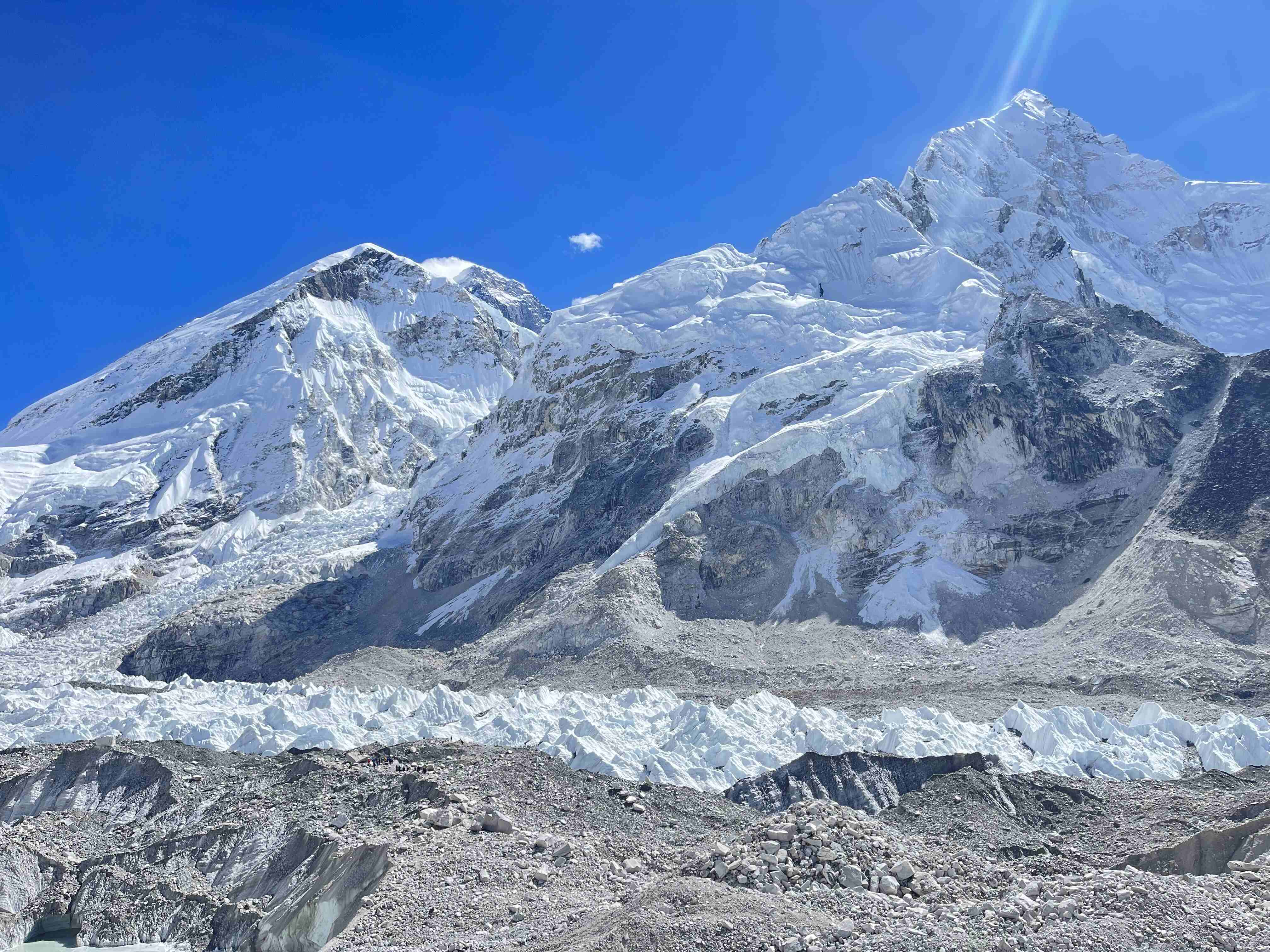
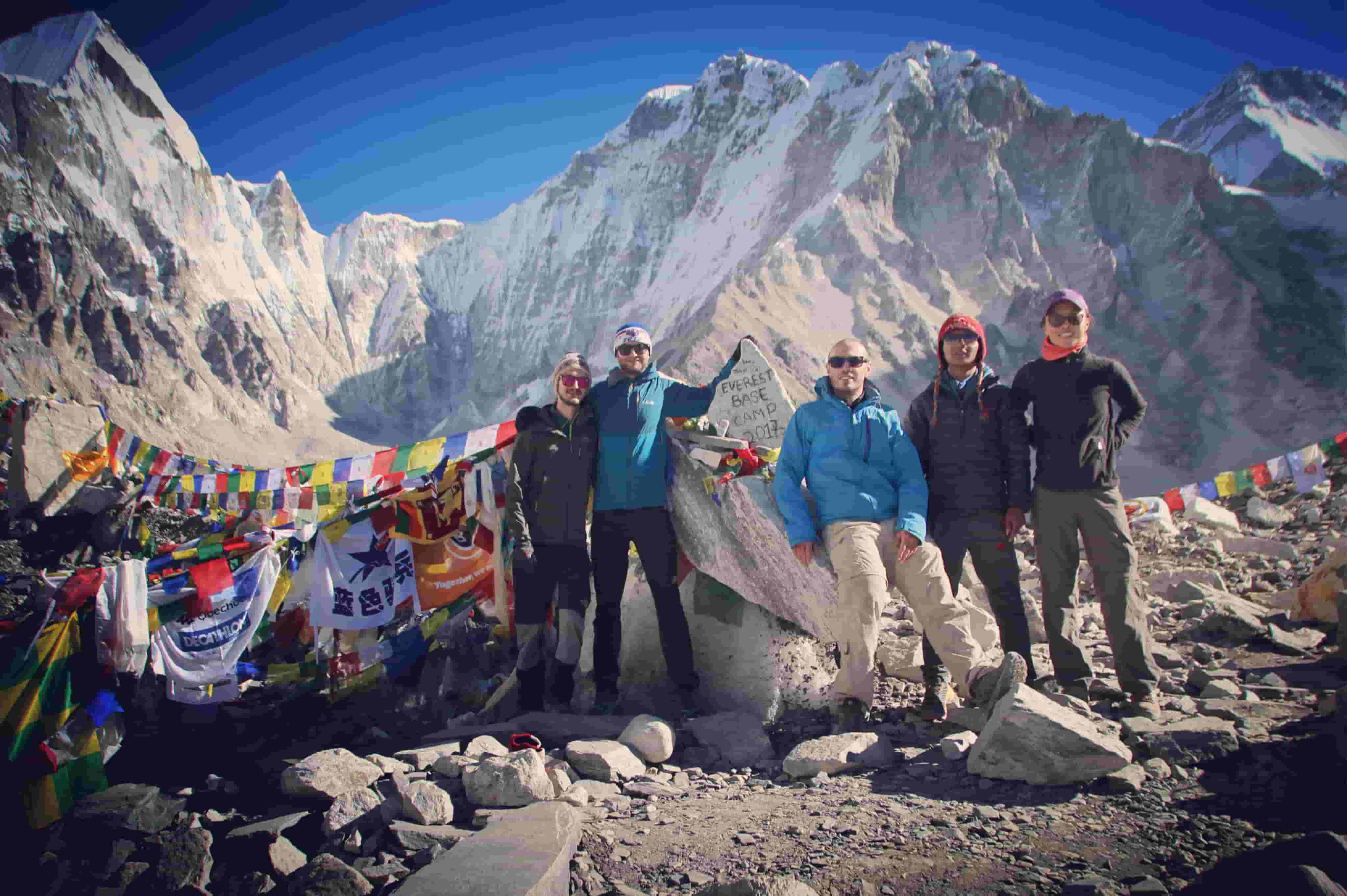
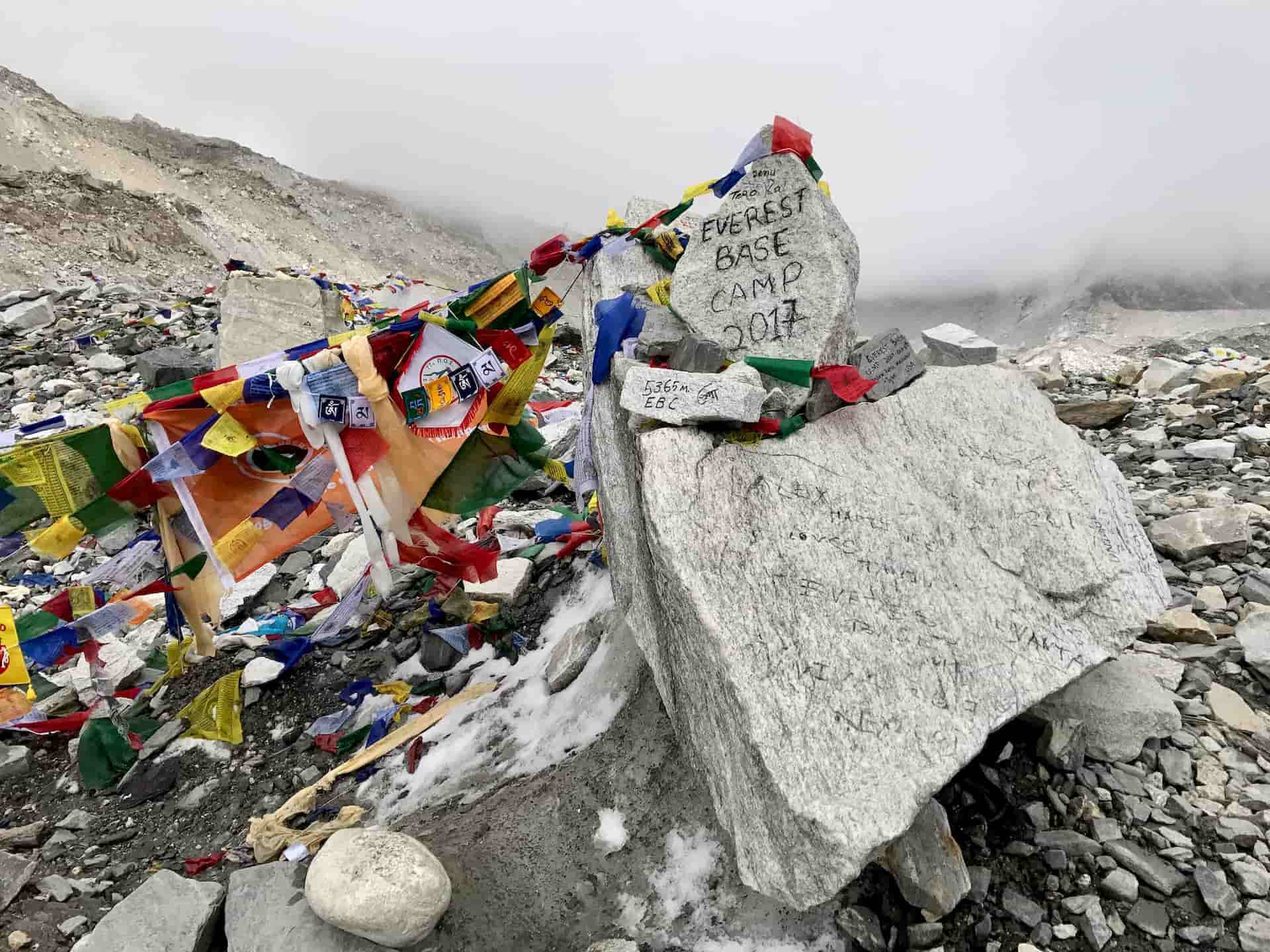
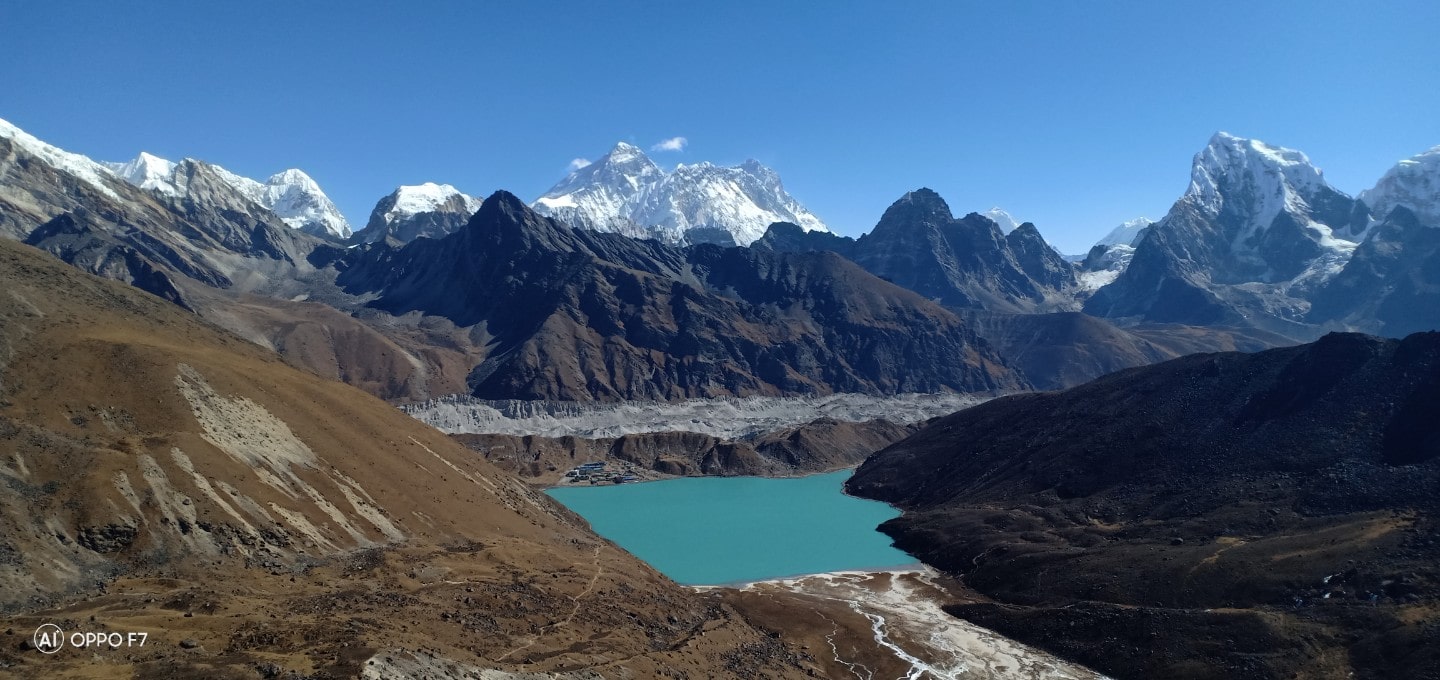
Trekkers finally reach Everest Base Camp beneath the Khumbu Icefall.
After visiting the base camp, trekkers return to Gorak Shep for overnight accommodation.
Kala Patthar Distance and Viewpoint
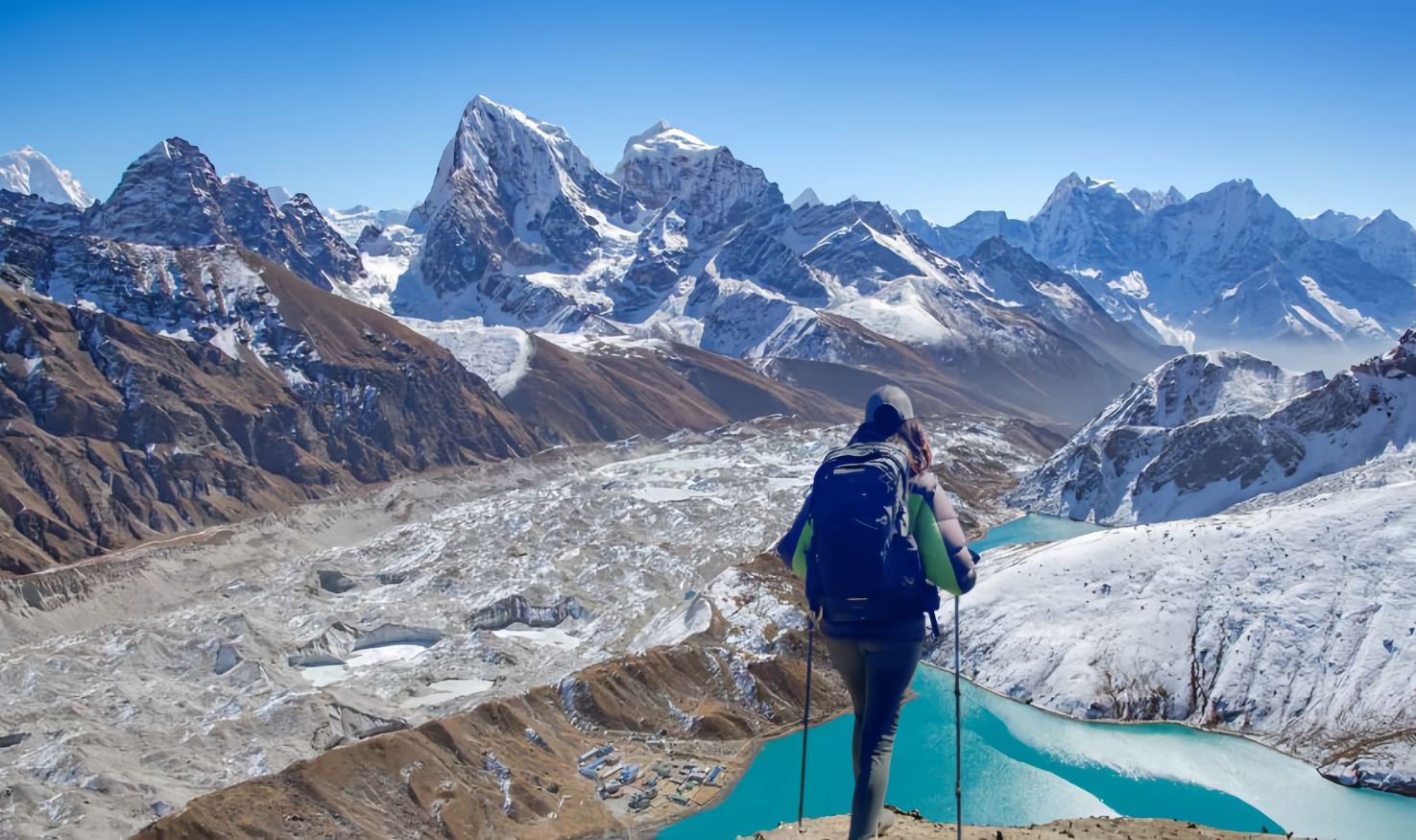
Most trekkers also climb Kala Patthar (5,545 meters) for panoramic views of Mount Everest.
Distance from Gorak Shep: 1.5 kilometers
Walking time: 2 hours ascent
Kala Patthar provides the best close view of Everest during the trek.
Why the Distance Feels Longer at High Altitude
Although the Everest Base Camp trek distance may seem manageable on paper, altitude significantly affects walking speed and energy levels.
Several factors increase perceived difficulty:
• Reduced oxygen levels above 4,000 meters
• Steep mountain trails
• Cold temperatures
• Daily elevation gain
Trekkers typically walk slowly to conserve energy and allow proper acclimatization.
Total Elevation Gain During the Trek
In addition to horizontal distance, trekkers climb significant vertical elevation.
Key altitude points include:
• Lukla – 2,860 meters
• Namche Bazaar – 3,440 meters
• Dingboche – 4,410 meters
• Lobuche – 4,940 meters
• Gorak Shep – 5,164 meters
• Everest Base Camp – 5,364 meters
• Kala Patthar – 5,545 meters
The gradual ascent helps the body adapt to thin air.
Average Daily Walking Distance
Trekkers typically cover:
• 8–12 kilometers per day
• 5–7 hours of walking
The pace remains slow due to altitude and terrain conditions.
Terrain Along the Everest Base Camp Route
The trekking trail includes various types of terrain.
Trekkers encounter:
• Stone staircases
• Rocky mountain paths
• Suspension bridges
• Glacier moraines near base camp
The changing landscape keeps the journey visually exciting while presenting moderate physical challenges.
Can Beginners Complete the Everest Base Camp Trek?
Yes, many trekkers without previous high-altitude trekking experience successfully complete the journey each year.
Success depends on:
• Proper physical preparation
• Slow trekking pace
• Adequate acclimatization
Moderate fitness levels usually suffice for completing the trek.
Tips to Manage the Distance During the Trek
Trekkers can manage the distance comfortably with several strategies.
Walk Slowly
Sherpa guides often say “bistari bistari”, meaning slowly.
A steady pace conserves energy.
Hydrate Well
Trekkers should drink 3–4 liters of water daily to prevent dehydration and altitude sickness.
Use Trekking Poles
Trekking poles reduce pressure on knees during descents.
Carry a Light Daypack
Most trekkers hire porters who carry larger bags, allowing trekkers to walk comfortably.
Why Trek with Northern Trekking Team
Choosing a reliable trekking company helps trekkers manage the journey safely.
Northern Trekking Team provides:
• Experienced licensed guides
• Well-planned Everest Base Camp itineraries
• Porter support for comfortable trekking
• Safety monitoring throughout the trek
Professional support ensures trekkers enjoy the adventure without unnecessary stress.
Conclusion
The Everest Base Camp trek distance covers approximately 130 kilometers round trip through the spectacular landscapes of the Khumbu region. Trekkers walk through Sherpa villages, cross Himalayan valleys, and gradually climb toward the base of Mount Everest.
Although the total distance may seem challenging, proper pacing, acclimatization days, and professional guidance make the trek achievable for most travelers.
With preparation and support from Northern Trekking Team, the Everest Base Camp trek becomes one of the most rewarding adventures in the Himalayas.
Recent From Everest Base Camp Trek Distance: How Far is the Journey to Base Camp?
Jun 27, 2022
Jun 27, 2022

Jul 19, 2022
Sep 20, 2025
Jan 03, 2023
Feb 03, 2023
Feb 17, 2023
Feb 23, 2023
Mar 03, 2023
Mar 14, 2023
Mar 20, 2023
Mar 28, 2023
Apr 06, 2023
Jul 31, 2023
Aug 28, 2023

Jan 04, 2026


Mar 10, 2026
Mar 10, 2026


Apr 03, 2026
Sep 10, 2026
Sep 14, 2026
Sep 23, 2026
Sep 23, 2026
Oct 05, 2026