4th Jan, 2026
How Difficult is Mera Peak Climbing?
How Difficult is Mera Peak Climbing?
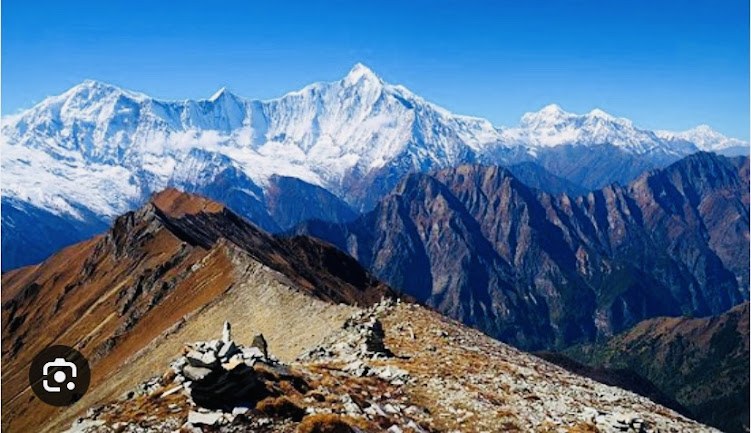
Mera Peak sits at 6,476m, high enough to humble you, gentle enough to invite you. The climb isn’t brutally technical, but it’s far from a casual trek. Most people reach the summit by combining steady footwork, decent endurance, and smart acclimatization, but altitude is the real gatekeeper. Difficulty here is less about ropes and more about oxygen—thin, precious, and often underestimated.
Table of Contents
From Kathmandu, the journey begins like a classic Himalayan trek: flights to Lukla, then days of walking past rivers that roar like passing planes, forests that smell of damp pine, and villages where yaks own the trail and bells announce their right of way. The route concludes back in Lukla after the summit, usually followed by a flight to Kathmandu or a helicopter backup if weather turns moody.
Mera Peak’s difficulty comes in three layers:
-
High altitude stress
-
Long trekking days before the climb
-
Basic snow and glacier skills required near the summit
It’s considered challenging, but achievable for climbers with good fitness and proper guidance. You won’t need advanced mountaineering mastery, but you will need respect for the mountain, patience for altitude, and strength for the trek that leads you there.
Understanding the Difficulty in Detail
1. Altitude is the hardest part
Above 5,000m, every breath feels borrowed. Your body works harder to deliver oxygen, your heart taps faster, and even simple tasks—like tying boots or adjusting gloves—feel like chores with extra weight. At High Camp, the air is sharp and cold, tasting faintly metallic. Nights can feel restless, as if your body is rehearsing for a place it’s not sure it can reach.
Altitude sickness is the most common challenge. Symptoms can start subtly—head pressure, appetite fading, energy draining like a phone battery in winter. If ignored, altitude becomes the biggest threat, more than crevasses or ice slopes.
2. Trekking days add to the endurance challenge
Before you climb, you trek. Mera Peak itineraries often span 12–14 days, and the pre-climb trek includes climbs and descents that build your stamina while slowly introducing your body to elevation. Days stretch long. Some trails tilt steeply upward, dusty and winding. Others descend through slippery stone steps where moss grows thick like green velvet.
Trekking difficulty isn’t extreme, but it accumulates. The body gets tired before the summit day, which makes recovery and pacing important.
3. Technical difficulty is moderate, not advanced
Mera Peak is a glacier and snow climb, but the technical grade is considered F (Facile/Basic) or PD (Peu Difficile/Moderately Easy) depending on conditions. You’ll use crampons to grip the ice, a harness for safety, and a rope while crossing the glacier. The summit slope is usually 30–45 degrees. Not vertical, not flat—just steep enough to make you focus on each step.
Basic skills needed:
-
Walking in crampons without tripping yourself
-
Being roped on a glacier
-
Ascending a snow slope steadily
-
Handling cold conditions
No advanced rock or ice climbing is typically required.
4. Weather and cold conditions increase the difficulty
At night, the temperature can dip below -15°C at high camps. Mornings begin with frozen tent zippers, stiff boots, and a sunrise that paints the snow pink before turning blinding white. The wind can roar. The sun can burn. The cold bites exposed skin instantly.
You must climb in layers, manage hydration, and protect yourself from frostbite and snow blindness.
5. Route risks exist but are manageable
Risks include:
-
Glacier crevasses (crossed roped with guide)
-
Snow slope slip risk (protected by crampons and rope)
-
Extreme cold (managed by gear and pacing)
-
Weather delays (common but safe with itinerary buffers)
The danger isn’t high if you climb with a guide team and follow acclimatization schedules properly.
Fitness Requirements and Difficulty Rating
Ideal fitness profile
-
Comfortable hiking 5–7 hours a day for multiple days
-
Good cardiovascular endurance
-
No need to lift heavy loads (porters carry gear)
-
Able to handle cold camping nights
-
Mentally patient with slow altitude pacing
Who finds it difficult?
-
Those skipping acclimatization
-
People underestimating altitude
-
Travelers with low cardio fitness
-
Those uncomfortable in extreme cold
-
Anyone rushing the summit
Who finds it achievable?
-
Fit trekkers with gradual altitude gain
-
Climbers with prior Himalayan trekking experience
-
Anyone training 6–8 weeks before the trip
-
Those climbing with experienced guides
Mera Peak Difficulty Rating Summary
| Factor | Difficulty Level |
|---|---|
| Altitude | High / Most challenging |
| Technical climbing | Moderate / Basic snow climb |
| Trek duration | Long / Endurance building |
| Weather & cold | High impact |
| Rope and glacier travel | Guided, low skill barrier |
| Overall difficulty | Challenging but achievable |
Acclimatization: The Key to Reducing Difficulty
A smart itinerary typically includes stops like:
-
Chutanga or Thuli Kharka (early trekking days)
-
Kothe (forest and river trail phase)
-
Thangnak (glacier valley entry)
-
Khare (acclimatization hub)
-
High Camp (final staging)
Climbers often do a rest day in Khare and a training session on the glacier before summit push. This dramatically reduces perceived difficulty.
Summit Day Difficulty Explained
You wake around 1–2 AM. The night is painfully quiet. Stars look close enough to pinch. The glacier crunches under crampons like stepping on broken glass, rhythmic and crisp. Your headlamp cuts a thin white tunnel ahead. Breathing becomes your pace setter. Slow in, slow out. No conversation. Just the sound of your own lungs and the occasional murmur of the guide checking the rope.
By sunrise, you’re pushing upward. The snow reflects light fiercely. The summit ridge narrows. The view opens like a curtain—Makalu, Kanchenjunga, Lhotse, Everest itself, standing enormous and aloof. Exhaustion meets awe. That moment feels difficult, emotional, physical, spiritual. Not impossible. Just earned.
Permits and Required Logistics
-
Mera Peak Climbing Permit (issued by NMA)
-
Sagarmatha National Park Permit
-
Lukla flight logistics
All climbers are counted as full passengers for flights, including children above 24 months.
Training and Preparation to Reduce Difficulty
6–8 weeks before the climb
Training focus:
-
Stair climbing or hill hiking
-
Cycling, swimming, or brisk jogging
-
Core strength workouts
-
Long weekend hikes with light pack
-
Breathing control training
On the mountain training day
Usually at Khare glacier:
-
Boot and crampon check
-
Rope movement basics
-
Ice axe handling
-
Glacier safety briefing
You don’t need perfection. Just comfort and confidence.
Packing for Mera Peak
Essentials:
-
Mountaineering boots (crampon compatible)
-
Crampons
-
Harness and carabiners
-
Warm layers (down jacket, thermal base, fleece)
-
Sunglasses or goggles
-
Gloves, hat, balaclava
-
Headlamp
-
Sleeping bag rated for -20°C
Porters handle most gear, so your summit day bag stays light.
Cost Factors That Influence Difficulty Experience
Mera Peak climbing cost depends on guide experience, season, flights, and logistics support. Higher-end packages include better acclimatization planning, stronger guide-to-client ratio, premium tents, and comfortable lodges, which directly reduce how difficult the climb feels.
Frequently Asked Questions (FAQs)
1. Is Mera Peak harder than Island Peak?
Not really in technical grade, but Mera Peak is higher, which makes altitude tougher. Island Peak is steeper and more technical, Mera Peak is more endurance and altitude based.
2. Do I need prior climbing experience for Mera Peak?
No advanced experience is required. Prior Himalayan trekking helps, but basic snow and glacier skills are taught during the trip.
3. What is the success rate for Mera Peak summit?
Summit success is high—many guided groups reach the top when acclimatization is followed properly and weather cooperates.
4. What is the hardest part of Mera Peak climbing?
Altitude. The air gets very thin above 6,000m, making breathing the biggest challenge.
5. Can beginners climb Mera Peak?
Yes, fit beginners can summit Mera Peak with a professional guide team and a proper itinerary.
6. How fit do I need to be for Mera Peak?
You should be able to hike 5–7 hours a day comfortably, and have good cardio endurance.
7. Do I need oxygen for Mera Peak?
Oxygen is not mandatory, but some operators carry it for emergency use. Most people summit without personal oxygen if acclimatization is adequate.
8. How cold is Mera Peak at High Camp?
It can drop below -15°C at night. Proper warm layers are crucial.
9. How long do I stay at the summit?
Usually 5–10 minutes due to altitude and cold, enough for photos and enjoying the view.
10. What gear is required for Mera Peak?
Mountaineering boots, crampons, harness, warm layers, sunglasses, gloves, and a cold-rated sleeping bag.
11. When is the best season for Mera Peak climbing?
Spring (March–May) and Autumn (October–November) are the best, offering stable weather and clear mountain visibility.
12. How difficult is the trek to Mera Peak Base Camp?
Moderate. Long days add up, but the trail is not highly technical.
13. Are kids allowed on Mera Peak climb?
Children above 24 months can fly, but small kids are not recommended at extreme altitude like the summit due to its 6,476m height.
14. Are porters included in Mera Peak climbing?
Yes, most packages include porter support to carry climbing gear and personal luggage.
15. How steep is Mera Peak summit slope?
Typically 30–45 degrees, considered a basic snow climb when done roped with crampons.
Final Thoughts
Mera Peak is difficult in a way that tests your lungs more than your limbs, your patience more than your technique. It’s a climb that rewards slow mornings, cautious altitude gain, and disciplined hydration. The challenge is real, the danger manageable, the summit entirely unforgettable.
Recent From How Difficult is Mera Peak Climbing?
Jun 27, 2022
Jun 27, 2022

Jul 19, 2022
Sep 20, 2025
Jan 03, 2023
Feb 03, 2023
Feb 17, 2023
Feb 23, 2023
Mar 03, 2023
Mar 14, 2023
Mar 20, 2023
Mar 28, 2023
Apr 06, 2023
Jul 31, 2023
Aug 28, 2023


Mar 10, 2026
Mar 10, 2026



Apr 03, 2026
Sep 10, 2026