4th Oct, 2026
Gokyo Renjo La Pass Trek Guide & Porter Services: Complete Guide
Introduction: A Quieter Way Through the Khumbu
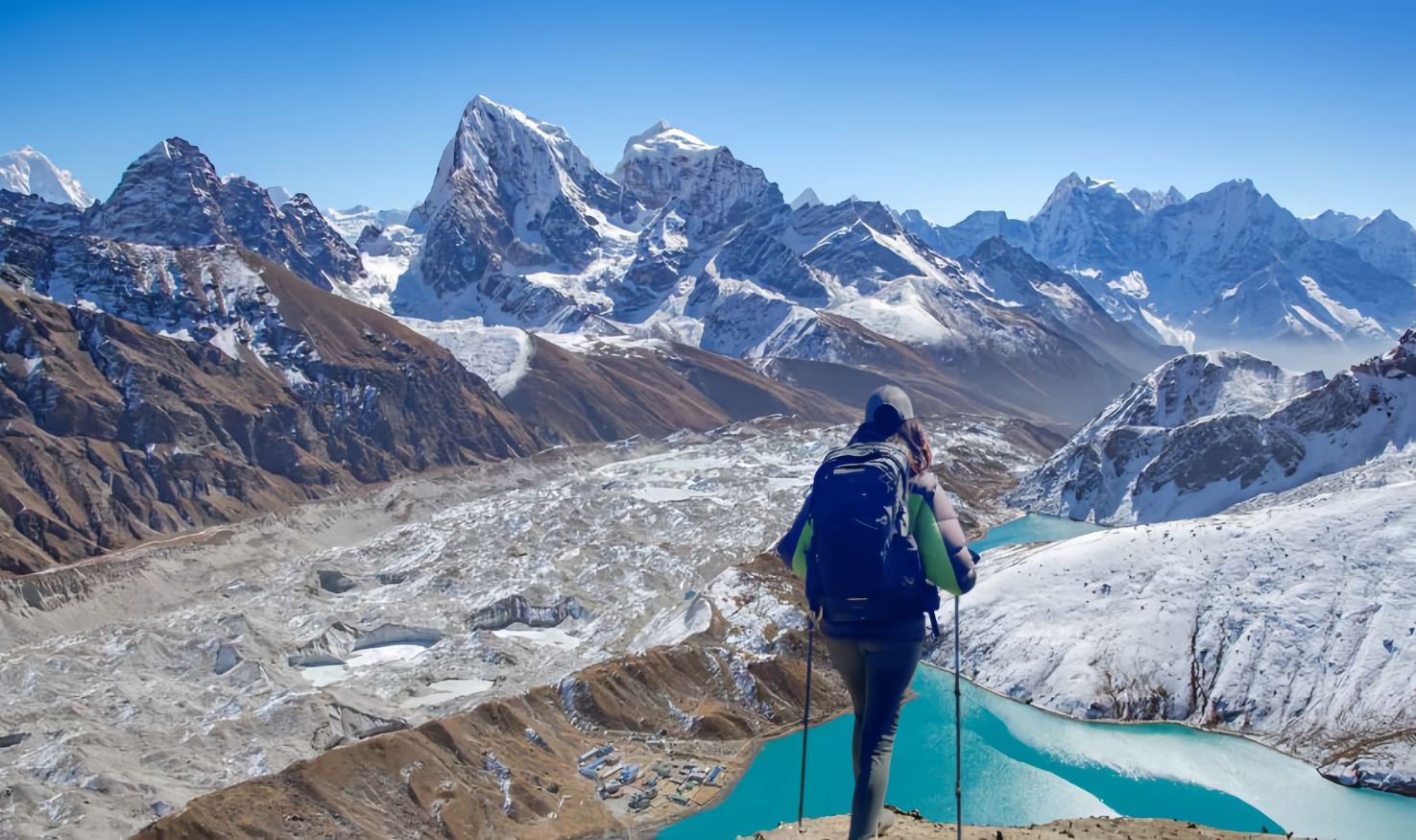
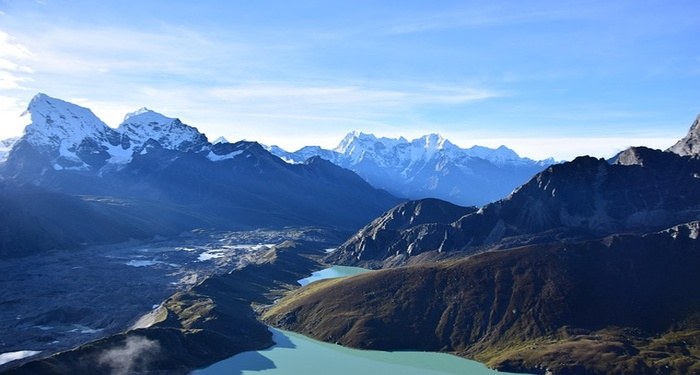
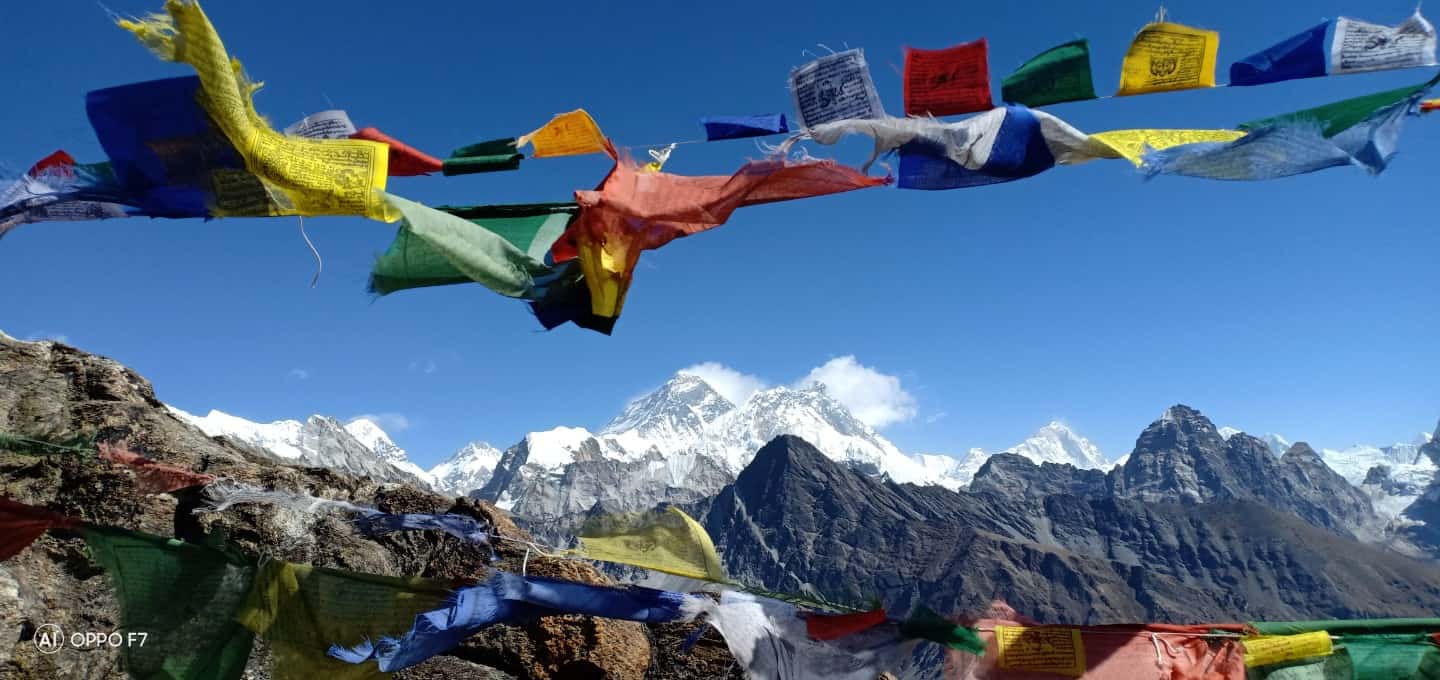
The Gokyo Renjo La Pass Trek is one of the best alternatives to the crowded Everest Base Camp route. It leads up the Gokyo Valley to a chain of turquoise lakes, climbs Gokyo Ri (about 5,357 m) for a panorama of Everest, Lhotse, Makalu and Cho Oyu, then crosses the Renjo La Pass (about 5,345 m) near the Tibet border. The descent passes Lungden and Thame before rejoining Namche Bazaar.
Table of Contents
At altitudes above 4,500 m, two services decide how enjoyable and safe the trip feels: your guide, who manages pace, health and weather decisions, and your porter, who carries your bag so you can save energy for the climbs. This guide explains how both work on the Northern Trekking Team package, along with the itinerary, cost, permits and the top 10 questions trekkers ask.
Gokyo Renjo La Pass Trek at a Glance
| Detail | Information |
|---|---|
| Duration | 12 days (the page notes 12 to 14 days depending on pace) |
| Start / end | Kathmandu; fly to Lukla and back |
| Highest point | Gokyo Ri, about 5,357 m |
| Renjo La Pass | About 5,345 m (some sources quote up to 5,360 m) |
| Difficulty | Listed as moderate; the text also calls it strenuous and moderate to challenging |
| Accommodation | Teahouses and lodges |
| Meals | Breakfast, lunch and dinner on trek |
| Group size | 2 or more |
| Best seasons | October to November and March to May (the page also lists September to December and March to June) |
| Price | From US$1,295 per person |
Why Choose Gokyo Renjo La?
- Fewer crowds than the main Everest Base Camp trail.
- Gokyo Lakes and Gokyo Ri: Turquoise lakes below the Ngozumpa Glacier, the largest glacier in Nepal.
- A high pass without the full Three Passes commitment: Renjo La delivers a big pass crossing in 12 days rather than 18 or more. For comparison, the company's Everest Three High Passes Trek runs 18 days.
- Cultural stops: Sherpa villages and Thame Monastery.
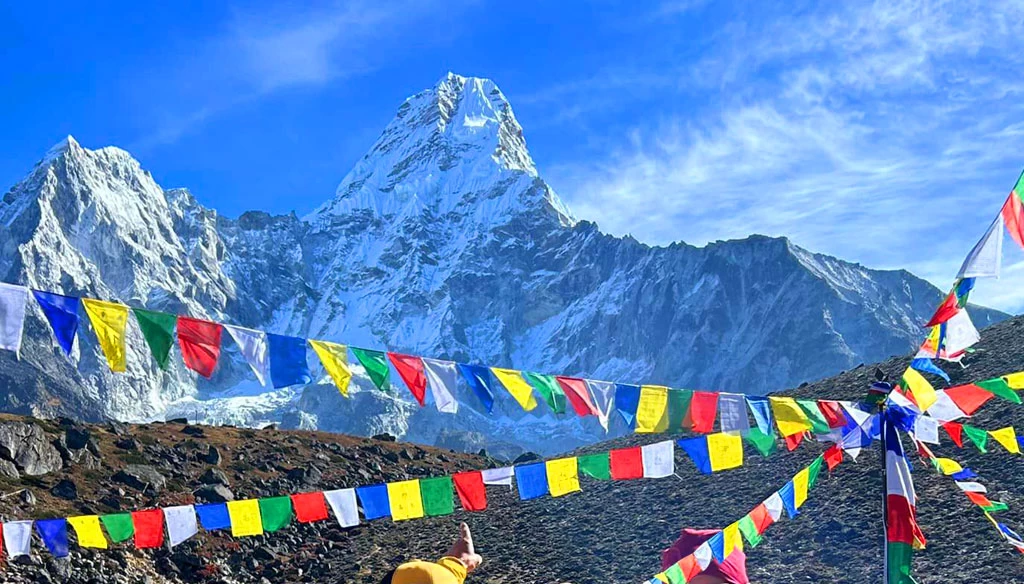
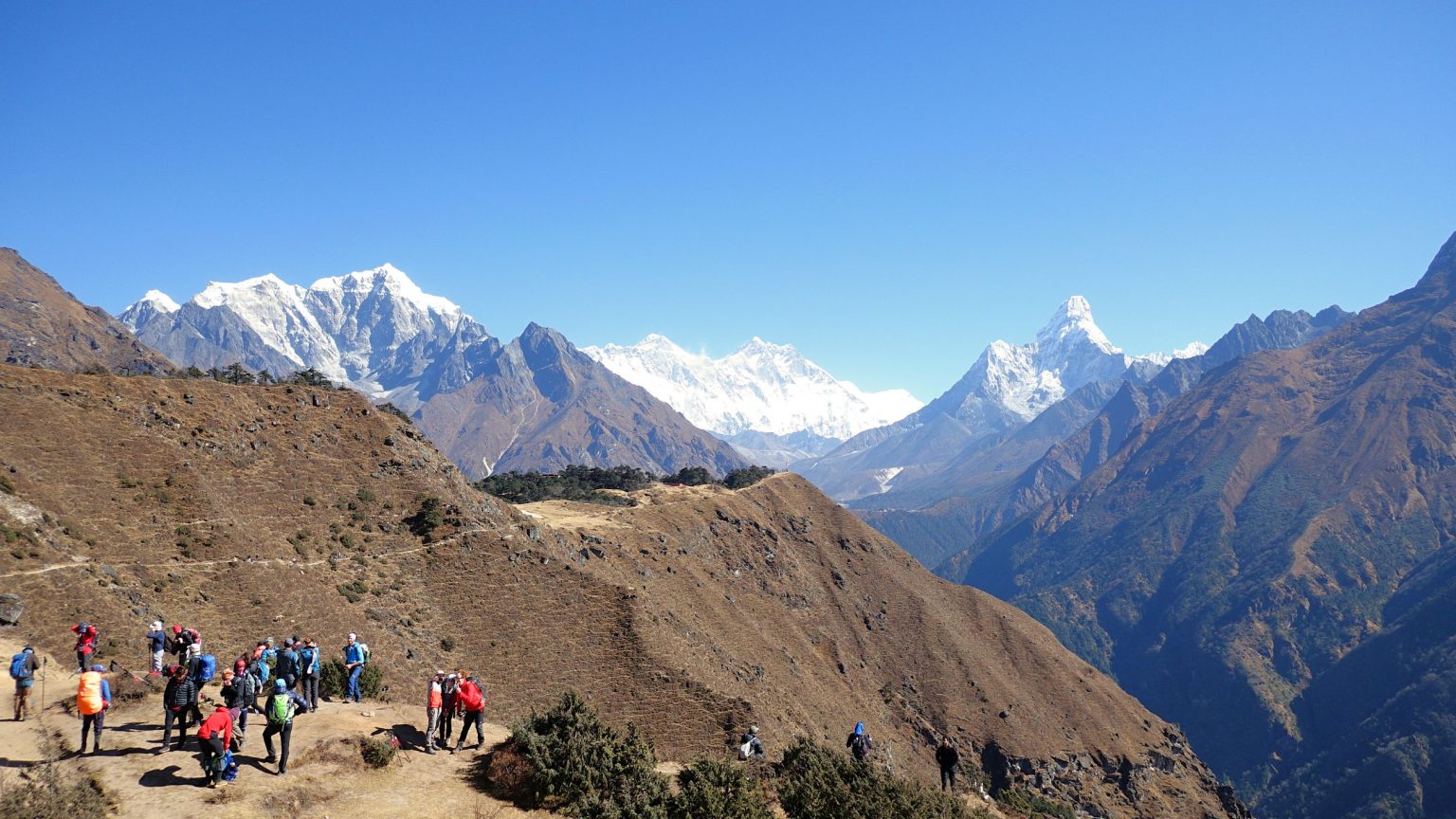
- Views from Renjo La: Everest, Lhotse, Makalu, Cho Oyu and Ama Dablam, plus the Gokyo Valley below.
Guide Service: What You Get
The Package Guide
The package includes a first-aid trained, government-licensed, English-speaking trekking guide. Groups of more than six also receive an assistant guide. The company says you meet your guide at the pre-trek briefing in Kathmandu, which covers the route, safety guidelines and a gear checklist.
What a Good Guide Does on This Route
- Paces the climb. The Gokyo Valley gains altitude quickly, so slow, steady walking matters.
- Monitors your health. The company lists an oximeter and group first-aid kit for checking oxygen saturation in emergencies.
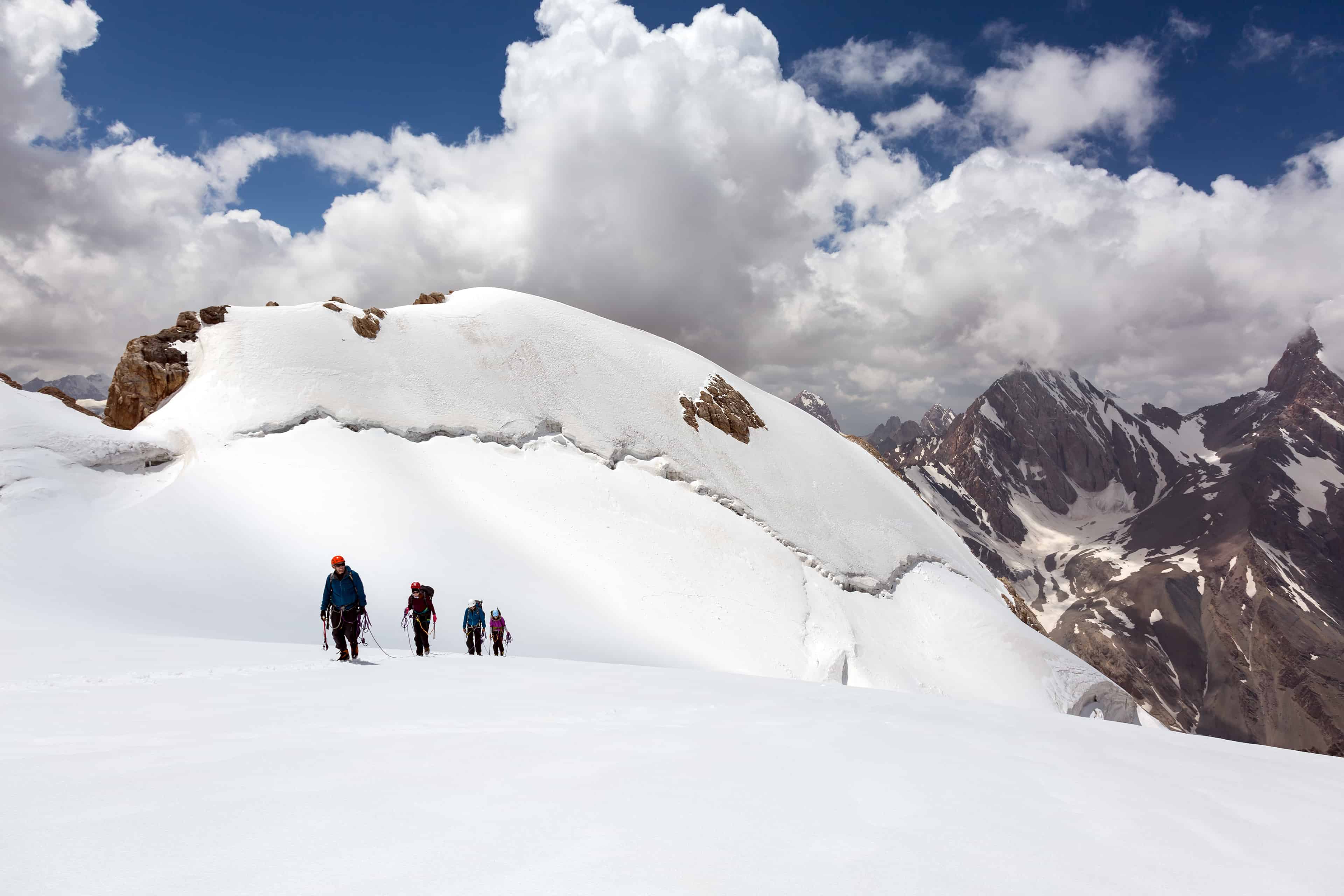
- Makes pass-day decisions. Weather, wind and snow at Renjo La can change plans. Your guide decides when to start and whether to continue.
- Handles logistics: teahouse rooms, meals, permits, flights and communication.
- Explains the region: Sherpa culture, Thame Monastery and the Gokyo Valley.
Questions to Ask Before Booking
- How many times has the lead guide crossed Renjo La, and in which seasons?
- What is the plan if snow or wind closes the pass?
- Is a buffer day built in?
- How often are oximeter checks done?
One reviewer on the trip page, a trekker from Indonesia, praised guide Ming Mar for his knowledge and support. The review count is small, so ask the company for more references.
Porter Service: How It Works
The Basics
The package includes one porter for every two trekkers, carrying up to 20 to 22 kg of shared luggage. That works out to roughly 10 to 11 kg per trekker. The company says it covers the porter's salary, food, drinks, accommodation, insurance and transportation costs.
You carry a small daypack with water, a warm layer, rain jacket, sunscreen, snacks, camera and valuables. Everything else goes in the duffel, which the company supplies.
Weight Limits and Flights
The Kathmandu to Lukla flight has a 15 kg baggage limit, and extra weight is charged by the airline. Because a shared porter carries a combined 20 to 22 kg, both trekkers must keep their duffel contents modest. Leave non-essentials in the free luggage storage the company offers in Kathmandu.
Questions to Ask About Porters
- Will the porter cross Renjo La with the group on summit-style days?
- Do porters have proper boots, warm clothing and microspikes if needed?
- What happens if snow makes the pass unsafe for a loaded porter?
Tipping
Tips for guides and porters are not included, though the company says they are expected. Ask for tipping guidance when you book, and plan to tip at the end of the trek.
12-Day Itinerary Overview
| Day | Route | Altitude |
|---|---|---|
| 1 | Arrive Kathmandu, briefing and guide introduction | 1,400 m |
| 2 | Fly to Lukla, trek to Phakding | 2,610 m |
| 3 | Phakding to Namche Bazaar | 3,440 m |
| 4 | Acclimatization day in Namche (Syangboche / Everest View hike) | 3,440 m |
| 5 | Namche to Phortse Thanga | 3,650 m |
| 6 | Phortse Thanga to Machhermo | 4,470 m |
| 7 | Machhermo to Gokyo | 4,790 m |
| 8 | Climb Gokyo Ri and explore the lakes | 5,357 m |
| 9 | Cross Renjo La to Lumde (Lungden) | 5,345 m pass |
| 10 | Lumde to Namche Bazaar | 3,440 m |
| 11 | Namche to Lukla | 2,800 m |
| 12 | Fly Lukla to Kathmandu | 1,400 m |
Notes on the schedule:
- Day 5 to Day 7 climbs from 3,650 m to 4,790 m in three days, and the only dedicated rest day is in Namche. The Gokyo Ri day helps acclimatization, but consider asking about an extra buffer day for weather or altitude.
- Day 10 is long: Lumde to Namche in one day, passing Thame. Check the walking time with your guide.
- The page quotes slightly different heights for Lumde (4,650 m and 4,700 m), so treat altitudes as approximate.
- High-season flights to and from Lukla operate from Ramechhap airport, which is 4 to 5 hours east of Kathmandu. Build in spare days around your international flight.
Cost: What Is and Is Not Included
Price: From US$1,295 per person. The page also says typical prices run US$1,200 to US$1,500 depending on season and services.
Included
- Airport transfers and 2 nights in a Kathmandu hotel with breakfast
- 10 nights in teahouses and lodges
- Breakfast, lunch and dinner on trek, with one tea or coffee per meal, plus fruit after dinner
- Round-trip Kathmandu to Lukla flights
- Sagarmatha National Park permit and Khumbu Pasang Lhamu Rural Municipality fees
- Licensed guide, assistant guide for groups over six, and porter service (1 porter per 2 trekkers)
- Oximeter and first-aid kit
- Water purification tablets
- Loan of a sleeping bag, down jacket and walking poles (to be returned)
- Trek map, local SIM card with limited data, certificate, T-shirt, cap and duffel
- Luggage storage in Kathmandu and a farewell dinner
Not included: international flights, Nepal visa, Kathmandu lunches and dinners (except the farewell dinner), travel insurance with evacuation cover, alcohol, bottled water, snacks, hot showers, charging, Wi-Fi, extra baggage fees, delays and extra nights, and tips.
Best Time to Trek Gokyo Renjo La Pass
- October to November: Clear skies and stable weather. Fixed departures are listed through this period.
- March to May: Warm days and good visibility, though trails are busier.
- Winter and monsoon: Cold, snowy or wet, and generally not recommended for pass crossings.
The company lists fixed departures from October 2026 through December 2026, with additional dates in late December.
Why Book with Northern Trekking Team?
Northern Trekking Team is a Kathmandu-based company that lists a government license (204741/075/076) and a Nepal Tourism license (2651/075), with TAAN, NTB and NMA affiliations on its site. The Gokyo trip page is clear on porter weight limits and says the porter's salary and insurance are covered, which is useful transparency. For related routes, see the Gokyo Lake Trek, the Everest Base Camp Trek and the Everest Base Camp with Gokyo Lakes Trek. The company also publishes pages on altitude tips and trekking equipment.
Gokyo Renjo La Pass Trek: Top 10 FAQs (Detailed)
1. How much does the Gokyo Renjo La Pass Trek cost?
The trip page lists US$1,295 per person for the 12-day package, and also says typical costs run from US$1,200 to US$1,500 depending on season and services. Peak season (October to November and March to May) usually costs more than the off-season.
The price covers airport transfers, Kathmandu hotel nights, teahouse lodging, three meals a day on trek, Lukla flights, park permits, a licensed guide, a shared porter, an oximeter and first-aid kit, and loaned gear such as a down jacket and sleeping bag. You still need to budget for international flights, visa, travel insurance, Kathmandu meals, drinks, hot showers, charging, extra baggage and tips.
2. How difficult is the Gokyo Renjo La Pass Trek?
The trip facts rate it moderate, but the page text also calls it strenuous and moderate to challenging, and that second description is closer to the reality. You will walk 5 to 8 hours a day, spend several nights above 4,400 m, and cross a pass at about 5,345 m.
No technical climbing is required, but altitude, cold and long days make this a demanding trek. Previous trekking experience helps, and the company recommends starting physical preparation several months before departure with regular walks, strength training and endurance work. Day 9 over Renjo La and Day 10 down to Namche are the hardest back-to-back stretch.
3. Do I need a guide for this trek?
Nepal does not legally require a guide in the Everest region, but one is strongly recommended. The terrain is remote above Machhermo, the pass can be snowy or windy, and altitude problems can develop quickly. The package includes a first-aid trained, licensed, English-speaking guide, and groups above six also get an assistant guide.
Your guide sets the pace, handles permits and lodging, checks your oxygen saturation with the oximeter, and decides whether conditions on Renjo La are safe. Going without a guide to save money is a poor trade on a route like this.
4. Is a porter included, and how much weight can they carry?
Yes. The package includes one porter per two trekkers, carrying up to 20 to 22 kg of shared luggage, which is about 10 to 11 kg each. The company says porter salary, food, drinks, accommodation, insurance and transportation are covered.
You carry only a daypack. Keep in mind that the Lukla flight allows 15 kg, so pack light and use the Kathmandu luggage storage for extras. Before booking, ask whether porters cross Renjo La with the group, what equipment they carry for snow, and what the backup plan is if conditions are unsafe. Tipping is not included but is expected, so ask for guidance.
5. When is the best time to do the Gokyo Renjo La Pass Trek?
The best months are October to November and March to May, when skies are clear and mountain views are best. The trip page also lists September to December and March to June as workable windows. Autumn tends to bring stable weather and drier trails, while spring is warmer but busier.
Avoid the monsoon (June to August) and deep winter, when snow and cold can make the pass unsafe. The company lists fixed departures from October through December 2026, so you can choose a date that fits your schedule. Weather in the mountains changes fast, so stay flexible.
6. How many days does the Gokyo Renjo La Pass Trek take, and what is the route?
The package is 12 days from Kathmandu to Kathmandu, though the page notes that 12 to 14 days is common depending on pace. The route runs Lukla, Phakding, Namche Bazaar (with an acclimatization day), Phortse Thanga, Machhermo, Gokyo, Gokyo Ri, Renjo La, Lumde (Lungden), then back through Thame to Namche and Lukla.
Two practical points: first, the schedule climbs quickly between Namche and Gokyo, so ask about a buffer day. Second, high-season flights use Ramechhap, so keep spare days at the end of your trip in case of flight delays.
7. What permits do I need?
The company arranges permits for you. The package includes the Sagarmatha National Park permit and the Khumbu Pasang Lhamu Rural Municipality entry fee. The additional information section also mentions a TIMS card, but permit rules in the Everest region have changed in recent years, so ask the team to confirm exactly which permits are issued.
You only need to provide your passport details and photos. Keep your permits with you on the trail, as they are checked at several points. Also remember that the Nepal visa is not included.
8. How do I avoid altitude sickness on this trek?
Altitude sickness is a real risk on this route. Follow these steps:
- Walk slowly and drink plenty of fluids.
- Use the Namche rest day and the Gokyo Ri day for acclimatization.
- Avoid alcohol and report headaches, dizziness, nausea or shortness of breath early.
- Ask about an extra buffer day, since the climb from Namche to Gokyo is fast.
- Ask your doctor about altitude medication.
- If symptoms worsen, descend. That is the cure.
Your guide carries an oximeter and first-aid kit and can arrange evacuation, but your insurance must cover helicopter rescue. See the company's page on altitude tips for more.
9. What should I know about the flight to Lukla?
The trip includes round-trip Kathmandu to Lukla flights, but the page notes that high-season flights operate from Ramechhap airport, about 4 to 5 hours' drive east of Kathmandu. That means very early starts and extra travel time. Lukla flights are also prone to weather delays, so build at least one spare day into your schedule before your international flight home.
The baggage limit is 15 kg, and extra weight is charged directly by the airline. Pack your duffel carefully, wear your heaviest items on the plane, and leave non-essentials in the company's Kathmandu luggage storage.
10. What gear and insurance do I need?
You need warm layers, a waterproof shell, broken-in waterproof boots, warm gloves and hat, sunglasses, sunscreen, a headlamp, water bottles and a daypack. The company lends a sleeping bag, down jacket and walking poles if you do not have your own, to be returned after the trip. Microspikes are a good idea if there is snow on the pass, so ask your guide.
Travel insurance is mandatory. It should cover high-altitude trekking, medical emergencies and helicopter evacuation. Check that the policy covers at least 5,500 m, and carry your details in a waterproof bag. See the company's trekking equipment list for a full checklist.
Final Thoughts
The Gokyo Renjo La Pass Trek rewards trekkers who prepare well. A strong guide, a well-supported porter team, a flexible schedule and the right gear turn a demanding route into a trip you remember for the lakes, the views from Gokyo Ri and the quiet climb over Renjo La.
Ready to plan? See dates, price and the full itinerary on the Gokyo Renjo La Pass Trek page, message Northern Trekking Team on WhatsApp at +977 9842907439, or email info@northerntrekkingteam.com to ask about porter arrangements, buffer days and pass contingency plans.
Recent From Gokyo Renjo La Pass Trek Guide & Porter Services: Complete Guide
Jun 27, 2022
Jun 27, 2022

Jul 19, 2022
Sep 20, 2025
Jan 03, 2023
Feb 03, 2023
Feb 17, 2023
Feb 23, 2023
Mar 03, 2023
Mar 14, 2023
Mar 20, 2023
Mar 28, 2023
Apr 06, 2023
Jul 31, 2023
Aug 28, 2023

Jan 04, 2026


Mar 10, 2026
Mar 10, 2026



Apr 03, 2026
Sep 10, 2026
Sep 14, 2026