5th Oct, 2026
Island Peak Climbing Difficulty: Complete Guide
The Short Answer: How Hard Is Island Peak?
Island Peak is a hard but achievable climb for fit, well-prepared trekkers. Northern Trekking Team lists the trip difficulty as "Hard." The challenge comes from three things working together: altitude (the summit is about 6,189 m), a long, cold summit day, and a handful of steep, exposed sections that need crampons, ropes and a guide.
Table of Contents
It is often called a "trekking peak," but that label undersells it. You do not need years of mountaineering experience, yet you do need strong fitness, good acclimatization, and the willingness to learn basic climbing skills at base camp. The 17-day itinerary from Northern Trekking Team includes Everest Base Camp and Kala Patthar first, which builds altitude tolerance before you attempt the peak.
Island Peak Difficulty at a Glance
| Factor | Rating | Why |
|---|---|---|
| Overall difficulty | Hard | Listed as "Hard" on the trip page |
| Altitude | High | Summit about 6,189 m; base camp about 5,100 m |
| Technical difficulty | Moderate (basic alpine) | Steep rock, glacier travel, a fixed-rope headwall, a narrow summit ridge |
| Physical effort | Very high | Long approach plus a summit push of roughly 10 to 12 hours |
| Cold and wind | Severe | Midnight start, strong winds higher up |
| Experience needed | Some trekking at altitude helps | Climbing skills taught at base camp |
| Trip length | 17 days | Includes EBC and several acclimatization days |
Understanding the Technical Grade
Sources describe Island Peak's technical grade in slightly different ways, which is worth knowing before you read other guides. Wikipedia lists the easiest route, the North Ridge, as PD+, meaning a mix of glacier travel, scrambling and ice climbing, and describes the final climb as somewhat difficult because of steep sections. Other operators rate it F to PD, or PD (2B), so the label changes but the picture is consistent: a basic alpine climb, not a walk.
The elevation also varies by source. Wikipedia gives the height as 6,165 m, while Nepali operators, including Northern Trekking Team, quote 6,189 m. Either way, you are well above 6,000 m.
What the Route Involves
Based on common route descriptions and the operator's itinerary:
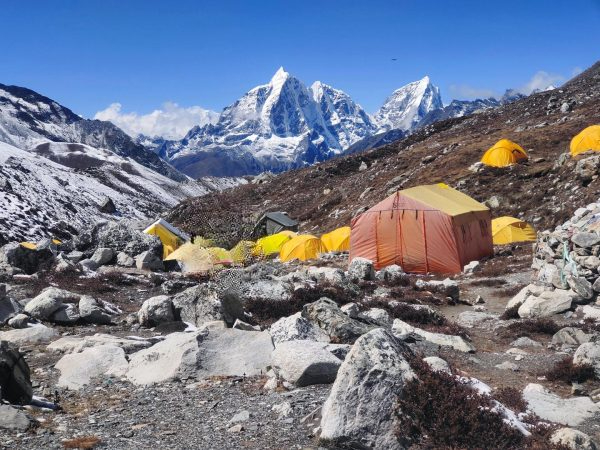
- Base camp (about 5,100 m): A steep walk up moraine from Chhukung, with a night in tents and climbing training.
- Rocky gullies and scrambling: In the dark, you climb steep rock with exposed sections, using hands as well as feet.
- Crampon point and glacier: You put on crampons, rope up and cross snow with crevasses. A fixed aluminum ladder about five metres high has been used to cross a crevasse since the 2016 autumn season.
- The headwall: Another operator describes a steep headwall of roughly 45 to 50 degrees on ice, leading to the summit ridge, with a round trip of 10 to 12 hours and a start around midnight. You climb it on fixed ropes using an ascender (jumar).
- Summit ridge: A narrow, exposed ridge with big drops on both sides, then the summit and views of Lhotse, Makalu, Ama Dablam and Baruntse.
- Descent: Rappelling the steep sections and a long walk back to base camp, then Chhukung.
What Makes Island Peak Hard?
1. Altitude
At about 6,189 m, there is roughly half the oxygen available at sea level. Even strong athletes can feel slow, breathless and cold. Most failed summit attempts are caused by altitude symptoms, not by technical difficulty.
2. The Summit Day
Northern Trekking Team's schedule has you leave base camp around 1 AM. You climb in the dark, in cold and wind, for many hours, then descend all the way back to Chhukung on the same day. The page notes you reach the summit around noon, though other operators recommend topping out earlier because winds rise in the afternoon. Your guide makes the final call based on conditions.
3. Exposure and Steep Sections
The headwall and summit ridge are not technically extreme, but they feel serious when you are tired, wearing crampons and clipped to a rope. Comfort with heights matters.
4. Cold
Night temperatures at base camp and high on the mountain drop far below freezing. Cold hands and feet, wind chill and freezing water bottles are common problems.
5. Cumulative Fatigue
By the time you reach Island Peak you have already trekked for 11 days, including the Everest Base Camp section. That builds acclimatization, but it also means you arrive with tired legs.
How the 17-Day Itinerary Helps You Cope
One of the strongest features of this trip is that it builds altitude before the climb instead of rushing to base camp.
| Day | Route | Sleeping altitude |
|---|---|---|
| 1 | Arrive Kathmandu | 1,400 m |
| 2 | Fly to Lukla, trek to Phakding | 2,643 m |
| 3 | Phakding to Namche Bazaar | 3,440 m |
| 4 | Acclimatization day in Namche | 3,440 m |
| 5 | Namche to Tengboche | 3,857 m |
| 6 | Tengboche to Dingboche | 4,400 m |
| 7 | Rest and acclimatization at Dingboche | 4,400 m |
| 8 | Dingboche to Lobuche | 4,950 m |
| 9 | Lobuche to Gorak Shep, visit Everest Base Camp | 5,164 m |
| 10 | Kala Patthar at dawn, then down toward Dingboche | About 4,400 m |
| 11 | Rest and acclimatization at Dingboche | 4,400 m |
| 12 | Dingboche to Island Peak Base Camp, climbing training | 5,100 m |
| 13 | Summit Island Peak (6,189 m), return to Chhukung | 6,189 m, sleep lower |
| 14 | Chhukung to Pangboche | 3,985 m |
| 15 | Pangboche to Namche Bazaar | 3,440 m |
| 16 | Namche to Lukla | 2,860 m |
| 17 | Fly to Kathmandu | 1,400 m |
This structure includes three rest or acclimatization days, a visit above 5,500 m at Kala Patthar, and a training session at base camp. It is a sound approach, but there is no spare day in the schedule for bad weather on summit day, so ask the company how it handles delays and whether you can add a buffer day.
A note on the page: the Day 10 and Day 11 altitude labels are inconsistent, so rely on your guide's daily briefing for exact figures.
How Hard Is It for Different Types of Climber?
| Your background | How hard it will feel |
|---|---|
| Experienced mountaineer | Moderate; altitude and cold are the main factors |
| Fit hiker with past altitude trekking (EBC, passes) | Hard but realistic with good preparation |
| Fit but no altitude experience | Very hard; consider a trek like EBC first |
| Beginner with low fitness | Not recommended |
The company says people of many ages have completed the trip, and recommends that people over 60 consult a doctor first.
Training: How to Prepare
Start 8 to 12 weeks before departure. Focus on:
- Cardio endurance: Hiking, running, cycling or stair climbing 3 to 4 times a week.
- Loaded hikes: Weekly long hikes with a 8 to 10 kg pack, ideally with elevation gain.
- Leg and core strength: Squats, lunges, step-ups and planks.
- Stamina for long days: At least one 6 to 8 hour hike in your final month.
- Boot and gear practice: Wear your boots on long walks. Practice putting on crampons and a harness at home if you can.
- Altitude simulation (optional): Altitude training masks or tents can help but do not replace acclimatization.
Island Peak vs Mera Peak vs Lobuche Peak
| Island Peak (about 6,189 m) | Mera Peak (about 6,476 m) | Lobuche East (about 6,119 m) | |
|---|---|---|---|
| Main challenge | Steep headwall and exposure | Altitude and long glacier walking | Steep, more sustained climbing |
| Technical level | Moderate | Easier technically | Generally harder than Island |
| Operator's view | A bit more technical than Mera | Slightly easier technically | Check the trip page |
According to the Northern Trekking Team page, Mera Peak is slightly easier technically than Island Peak, while Island has more exposed sections. Mera is higher, so altitude is the bigger issue there. If you want less technical climbing, consider the company's Mera Peak Climbing. For a harder objective, there is the Lobuche Peak Climbing.
Safety and Success Rates
The trip page gives two figures: an estimated 95% of people who climb Island Peak returning home successfully, and a summit success rate of around 85% to 95%. Treat these as general estimates rather than guarantees. Success depends on weather, acclimatization, fitness and the guide's judgment, so ask the company for its own recent summit record.
Key safety points:
- A guide is mandatory for Island Peak, and permits are issued through a registered agency.
- The trek leader carries a first aid kit, and the page notes guides are trained and licensed.
- Turn-around decisions belong to the guide. Respect them.
- Descend if altitude symptoms worsen.
Gear: What Is Provided and What You Bring
Provided in the package (per the page): crampons, ice axe, ascender (jumar), harness, figure-eight descender, carabiners, helmet, climbing rope, down-filled mattress, tents, dining and kitchen tents, a refundable sleeping bag, down jacket and duffel, plus a climbing training course at base camp.
You bring: mountaineering boots (crampon-compatible), warm layers, waterproof shell, insulated gloves or mittens, glacier glasses, headlamp, trekking poles, gaiters, daypack, personal first aid kit and personal items. Rentals are available in Kathmandu if you do not own boots or other technical gear.
Cost, Season and Booking
- Price: From US$2,290 per person for the 17-day package. The FAQ section of the page quotes older figures (US$2,129 and US$1,989), so confirm the current price.
- Fixed departures: Listed from October to November 2026 and September to November 2027.
- Best seasons: March to May and September to November. These periods have the most stable weather.
- Included: private transfers, 2 nights in a 3-star Kathmandu hotel, meals and lodging on trek, Kathmandu to Lukla flights, a trek guide and climbing guide, cook and support staff, permits, climbing gear and base camp camping.
- Not included: international flights, visa, Kathmandu lunches and dinners, travel insurance, personal gear, tips, drinks, showers, charging and a porter. A porter costs US$319 extra, with a 20 to 25 kg limit.
Island Peak Climbing Difficulty FAQs (Detailed)
1. How hard is it to climb Island Peak?
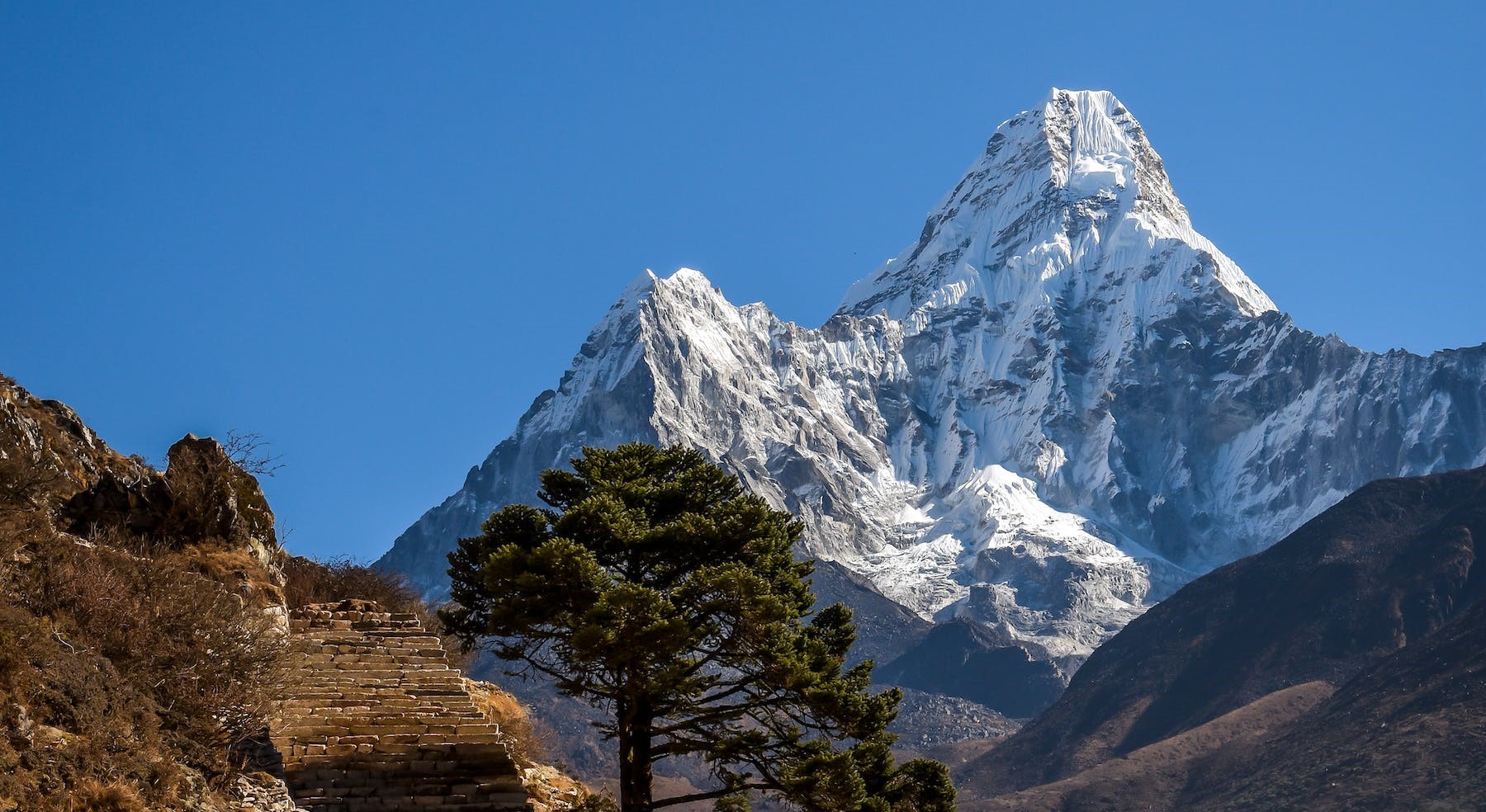
Island Peak is a hard climb, and Northern Trekking Team rates the trip that way. It is not a technical rock or ice climb like Ama Dablam, but you are above 6,000 m, you start around 1 AM in the cold, you use crampons and fixed ropes on a steep headwall, and the day lasts roughly 10 to 12 hours.
Most people who struggle do so because of altitude, fatigue and cold, not because of technical difficulty. With good fitness, proper acclimatization and a capable guide, it is achievable for many trekkers.
2. Can a beginner climb Island Peak?
Yes, many first-time climbers summit Island Peak, but "beginner" should mean a beginner at climbing, not at fitness or altitude. The company teaches basic skills at base camp, including crampon use, ice axe technique, rope handling and ascending and descending on fixed lines.
Before booking, you should be in excellent physical condition and ideally have trekked at altitude before, for example to Everest Base Camp. If you have never been above 4,000 m, consider doing a high-altitude trek first. The page says the climb is "not for beginners" in the sense of fitness, so prepare seriously.
3. How technical is Island Peak, and what is the grade?
Grades vary by source. Wikipedia lists the North Ridge as PD+, while other operators say F to PD or PD (2B). The common thread is a basic alpine climb with:
- Steep rock scrambling in the dark
- Glacier travel with crevasses, including a ladder crossing in some seasons
- A fixed-rope headwall of about 45 to 50 degrees on ice
- A narrow summit ridge with exposure
The Northern Trekking Team page also says Island Peak "does not require any technical mountaineering skills," while elsewhere stating a guide is mandatory because the climb is technical. In practice, treat it as a semi-technical climb that you can learn with training, and expect to use crampons, a harness, ropes and an ascender.
4. How fit do I need to be, and how should I train?
You need strong cardiovascular fitness and leg endurance. Start training 8 to 12 weeks before your trip with cardio (running, cycling, stair climbing), weekly long hikes with a loaded pack, and leg and core strength work. Include at least one 6 to 8 hour hike before you leave.
The company recommends starting preparation well in advance and suggests that people over 60 see a doctor first. Wear your boots on long walks to prevent blisters, and practice with your harness and crampons if you own them. Fitness will not prevent altitude sickness, but it makes everything else easier.
5. What is summit day like, and how long does it take?
Summit day is the hardest day of the trip. On the Northern Trekking Team itinerary you leave Island Peak Base Camp (about 5,100 m) around 1 AM, climb by headlamp, reach the summit (the page says around noon), then descend all the way to Chhukung. Other operators describe a round trip of 10 to 12 hours from base camp.
Expect steep rocky gullies, a glacier section, the fixed-rope headwall and a narrow ridge. Time on the summit is usually only a few minutes because of the cold and thin air. Your guide may change the start time, delay or turn the group back if weather or conditions are unsafe, so keep a flexible attitude.
6. Is altitude sickness a risk, and does the itinerary help?
Yes, altitude sickness is a real risk above 3,000 m. The 17-day itinerary builds acclimatization with rest days at Namche Bazaar and Dingboche, a visit to Everest Base Camp and Kala Patthar (about 5,550 m), a second rest day in Dingboche and a night at base camp with training before the summit push.
To lower your risk:
- Walk slowly, drink plenty of fluids and eat well.
- Avoid alcohol and report headaches, nausea, dizziness or sleep problems early.
- Ask your doctor about altitude medication.
- Descend if symptoms worsen.
There is no built-in spare day for summit weather in the schedule, so ask about adding a buffer day.
7. What is the success rate, and is Island Peak dangerous?
The trip page quotes an estimated 95% of climbers returning home successfully and a summit success rate of around 85% to 95%. These figures are general estimates, not guarantees, and they depend on weather, acclimatization, fitness and the guide's decisions. Ask the company for its own recent results.
The page says Island Peak is not dangerous if you prepare properly, but any 6,000 m climb carries risk: altitude illness, crevasses, cold injuries, rockfall and weather changes. Use a licensed guide, follow instructions, wear your safety gear correctly and be willing to turn back.
8. Is Island Peak harder than Mera Peak or Lobuche?
According to Northern Trekking Team, Mera Peak is slightly easier technically than Island Peak, while Island Peak has more exposed sections. Mera is higher, though, so altitude and long glacier walking make it demanding in a different way. Lobuche East is generally considered steeper and more sustained than Island Peak, so it is often the next step up.
Choose Mera if you want less technical climbing and views of Everest from the summit area, and choose Island if you want a short, steep, more alpine-style summit day. The company offers all three, so you can compare itineraries and prices.
9. When is the best time to climb Island Peak?
The best seasons are March to May and late September to early November (and into December). These periods have the most stable weather and clearer skies. Spring is warmer, and autumn has cool, dry conditions. Winter is cold and windy, and the monsoon (June to August) brings rain, poor visibility and unstable conditions.
Northern Trekking Team lists fixed departures from October to November 2026 and from September to November 2027. If you travel in late May or later, expect stronger winds or snowfall at higher elevations.
10. How much does Island Peak climbing cost, and what is included?
The 17-day package starts at US$2,290 per person on the trip page. It includes private transfers, 2 nights in a Kathmandu hotel with breakfast, meals and lodging on trek, Kathmandu to Lukla flights, a trek guide and climbing guide, cook and support staff, permits and fees, all required climbing gear, camping at base camp and a climbing training course.
Not included are international flights, visa, Kathmandu lunches and dinners, personal gear, drinks, showers, charging, tips and a porter (US$319 extra, 20 to 25 kg).
Insurance is essential. The page says your policy should cover evacuation to 5,500+ m, but the summit is about 6,189 m, so choose a policy that explicitly covers mountaineering up to at least 6,200 m and helicopter evacuation. Also check that it covers trip delays and cancellation.
Final Thoughts
Island Peak is one of the best first Himalayan summits in Nepal, but it deserves respect. It is hard because of altitude, cold and a long summit day, not because of extreme technical moves. A sensible itinerary, good fitness, proper gear and an experienced guide make it a realistic goal for many trekkers.
Ready to plan? See dates, price and the full itinerary on the Island Peak Climbing page, message Northern Trekking Team on WhatsApp at +977 9842907439, or email info@northerntrekkingteam.com to ask about buffer days, insurance requirements and summit success records.
Recent From Island Peak Climbing Difficulty: Complete Guide
Jun 27, 2022
Jun 27, 2022

Jul 19, 2022
Sep 20, 2025
Jan 03, 2023
Feb 03, 2023
Feb 17, 2023
Feb 23, 2023
Mar 03, 2023
Mar 14, 2023
Mar 20, 2023
Mar 28, 2023
Apr 06, 2023
Jul 31, 2023
Aug 28, 2023

Jan 04, 2026


Mar 10, 2026
Mar 10, 2026



Apr 03, 2026
Sep 10, 2026