
22nd Sep, 2026
Island Peak Climbing: Itinerary, Route, Preparation & Climbing Guide
Island Peak Climbing: Introduction
Island Peak — locally known as Imja Tse — is the most climbed trekking peak in Nepal and the standard first step into Himalayan mountaineering for thousands of adventurers every year. Rising to 6,189 meters (20,305 ft) in the heart of the Khumbu region, directly above the Everest Base Camp trail, Island Peak offers a genuine mountaineering experience — fixed ropes, glacier travel, crampons, and a real summit push — without requiring years of technical climbing background.
Table of Contents
But don't mistake "trekking peak" for "easy." Island Peak involves a 45–55 degree ice headwall, crevasse crossings, and a summit day demanding 10–14 hours of sustained effort at extreme altitude. In this guide, Northern Trekking Team breaks down the full route, permits, cost, difficulty, and exactly how to prepare for a successful summit.
Why Climb Island Peak?
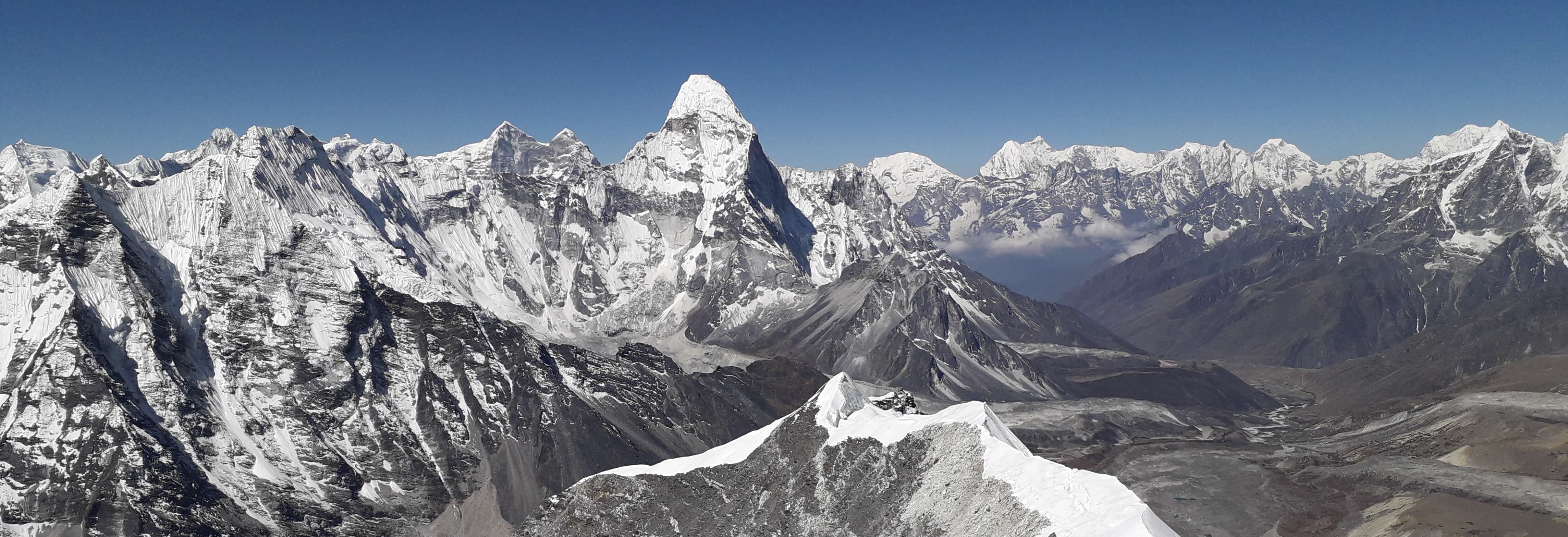
Island Peak sits directly above the Imja Glacier in Sagarmatha National Park, surrounded by some of the most iconic 8,000-meter giants on Earth. From the summit, climbers are treated to a genuine 360-degree Himalayan panorama:
- Mount Everest (8,848 m) to the north
- Lhotse (8,516 m), whose massive South Face rises directly in front of you
- Makalu (8,485 m) to the east
- Cho Oyu (8,188 m) dominating the western horizon
- Striking close-up views of Ama Dablam, Nuptse, Pumori, and the Baruntse range
The peak was first climbed in 1953 by a British team as training for the historic Everest expedition — and it remains today the classic "graduation climb" for trekkers ready to move beyond hiking into real mountaineering.
Island Peak Route Overview
The standard Island Peak route follows the Everest Base Camp (EBC) trekking trail for acclimatization before branching off toward the peak itself.
Route Summary Table
| Stage | Key Stops | Approx. Altitude |
|---|---|---|
| Fly-in | Kathmandu → Lukla | 2,860 m |
| Trek to Namche | Phakding → Namche Bazaar | 3,440 m |
| Acclimatization | Namche Bazaar (rest day) | 3,440 m |
| Trek to Tengboche/Dingboche | Tengboche → Dingboche | 4,410 m |
| Acclimatization | Dingboche (rest day) | 4,410 m |
| Trek to Chhukung | Chhukung village | 4,730 m |
| Base Camp | Island Peak Base Camp | ~5,200 m |
| High Camp (optional) | Crampon Point / High Camp | ~5,600 m |
| Summit | Island Peak (Imja Tse) | 6,189 m |
Most operators route the approach via the classic Lukla → Phakding → Namche Bazaar → Tengboche → Dingboche → Chhukung → Island Peak Base Camp trail, since this mirrors the standard Everest Base Camp itinerary and allows for proper acclimatization before the technical climbing begins.
Island Peak Climbing Itinerary (Kathmandu to Kathmandu)
Itinerary Overview Table
| Day | Route | Altitude | Distance / Duration |
|---|---|---|---|
| 1 | Arrival in Kathmandu | 1,400 m / 4,593 ft | — |
| 2 | Fly to Lukla, trek to Phakding | 2,860 m → 2,643 m / 9,383 ft → 8,671 ft | 7.8 km, 3–4 hrs |
| 3 | Phakding to Namche Bazaar | 3,440 m / 11,286 ft | 11 km, 6–7 hrs |
| 4 | Namche Bazaar — Acclimatization Day | 3,440 m / 11,286 ft | ~3 hrs hiking |
| 5 | Namche Bazaar to Tengboche | 3,857 m / 12,654 ft | 10 km, 5–6 hrs |
| 6 | Tengboche to Dingboche | 4,400 m / 14,435 ft | 9 km, 5–6 hrs |
| 7 | Dingboche — Rest & Acclimatization Day | 4,400 m / 14,435 ft | ~2 hrs hiking |
| 8 | Dingboche to Lobuche | 4,950 m / 16,240 ft | 8 km, 6–7 hrs |
| 9 | Lobuche to Gorak Shep, hike to Everest Base Camp | 5,164 m → 5,364 m / 16,942 ft → 17,598 ft | 12 km, 7–8 hrs |
| 10 | Kala Patthar sunrise hike, trek back to Dingboche | 5,550 m → 4,400 m / 18,208 ft → 14,435 ft | 9 km, 6–7 hrs |
| 11 | Dingboche — Rest & Acclimatization Day | 4,400 m / 14,435 ft | — |
| 12 | Dingboche to Island Peak Base Camp, climbing training | 5,100 m / 16,732 ft | 5 km, 5–6 hrs |
| 13 | Island Peak summit, descend to Chhukung | 6,189 m / 20,305 ft | Summit day |
| 14 | Chhukung to Pangboche | 3,985 m / 13,074 ft | 12 km, 4–5 hrs |
| 15 | Pangboche to Namche Bazaar | 3,440 m / 11,286 ft | 13 km, 6–7 hrs |
| 16 | Namche Bazaar to Lukla | 2,860 m / 9,383 ft | 18 km, 7–8 hrs |
| 17 | Flight to Kathmandu | 1,400 m / 4,593 ft | — |
Detailed Day-by-Day Itinerary
Day 1: Arrival in Kathmandu (1,400 m / 4,593 ft)
Land at Tribhuvan International Airport, where a Northern Trekking Team representative will greet you and transfer you to your hotel. The rest of the day is free to rest after your flight, explore Thamel, and attend a pre-climb briefing where your guide reviews the itinerary, checks your climbing gear, and answers any last-minute questions. Overnight in Kathmandu.
Day 2: Fly to Lukla, Trek to Phakding (2,860 m → 2,643 m)
A short, scenic mountain flight takes you from Kathmandu to Lukla, one of the most dramatic airstrips in the world and the official gateway to the Khumbu region. From Lukla, begin trekking through pine forest and small Sherpa settlements along the Dudh Koshi River, covering 7.8 km in 3–4 hours to reach the village of Phakding. Overnight in Phakding.
Day 3: Phakding to Namche Bazaar (3,440 m)
Today's trek covers 11 km over 6–7 hours, crossing several suspension bridges over the Dudh Koshi River, including the famous Hillary Suspension Bridge, before a steep, switchbacking climb through pine forest into Sagarmatha National Park. The trail rewards you with your first proper views of Mount Everest before arriving in Namche Bazaar, the bustling trading hub of the Khumbu. Overnight in Namche Bazaar.
Day 4: Namche Bazaar — Acclimatization Day (3,440 m)
A crucial rest day for altitude adjustment. Rather than staying static, take a gentle acclimatization hike of around 3 hours — typically up to the Everest View Hotel or the Sagarmatha National Park Visitor Center — both offering spectacular panoramas of Everest, Lhotse, Ama Dablam, and Thamserku. Use the afternoon to explore Namche's shops, bakeries, and Sherpa culture museum. Overnight in Namche Bazaar.
Day 5: Namche Bazaar to Tengboche (3,857 m)
A 10 km, 5–6 hour trek along a scenic trail with continuous mountain views, descending to the Dudh Koshi River before climbing steadily to Tengboche, home to the region's most famous Buddhist monastery. If timed well, you can attend the evening prayer ceremony at Tengboche Monastery, set against a backdrop of Ama Dablam and Everest. Overnight in Tengboche.
Day 6: Tengboche to Dingboche (4,400 m)
Today's 9 km, 5–6 hour trek descends through rhododendron forest before climbing into the open, arid Imja Valley. The landscape shifts noticeably above the treeline as you approach Dingboche, a scenic high-altitude village surrounded by stone-walled fields and dramatic mountain backdrops, including Lhotse and Island Peak itself in the distance. Overnight in Dingboche.
Day 7: Dingboche — Rest & Acclimatization Day (4,400 m)
A second essential acclimatization stop. A gentle 2-hour hike, typically up Nagarjun Hill or toward Chhukung Valley, helps your body adjust to the thinning air before pushing higher. Rest, hydrate well, and enjoy the panoramic views of Makalu and the southern face of Lhotse. Overnight in Dingboche.
Day 8: Dingboche to Lobuche (4,950 m)
A demanding 8 km, 6–7 hour trek along a rocky trail that climbs steadily alongside the Khumbu Glacier's lateral moraine. Along the way, you'll pass memorial chortens dedicated to climbers who lost their lives on Everest — a moving and reflective stretch of the trail. Arrive in the small settlement of Lobuche, perched close to the glacier. Overnight in Lobuche.
Day 9: Lobuche to Gorak Shep, Hike to Everest Base Camp (5,164 m / 5,364 m)
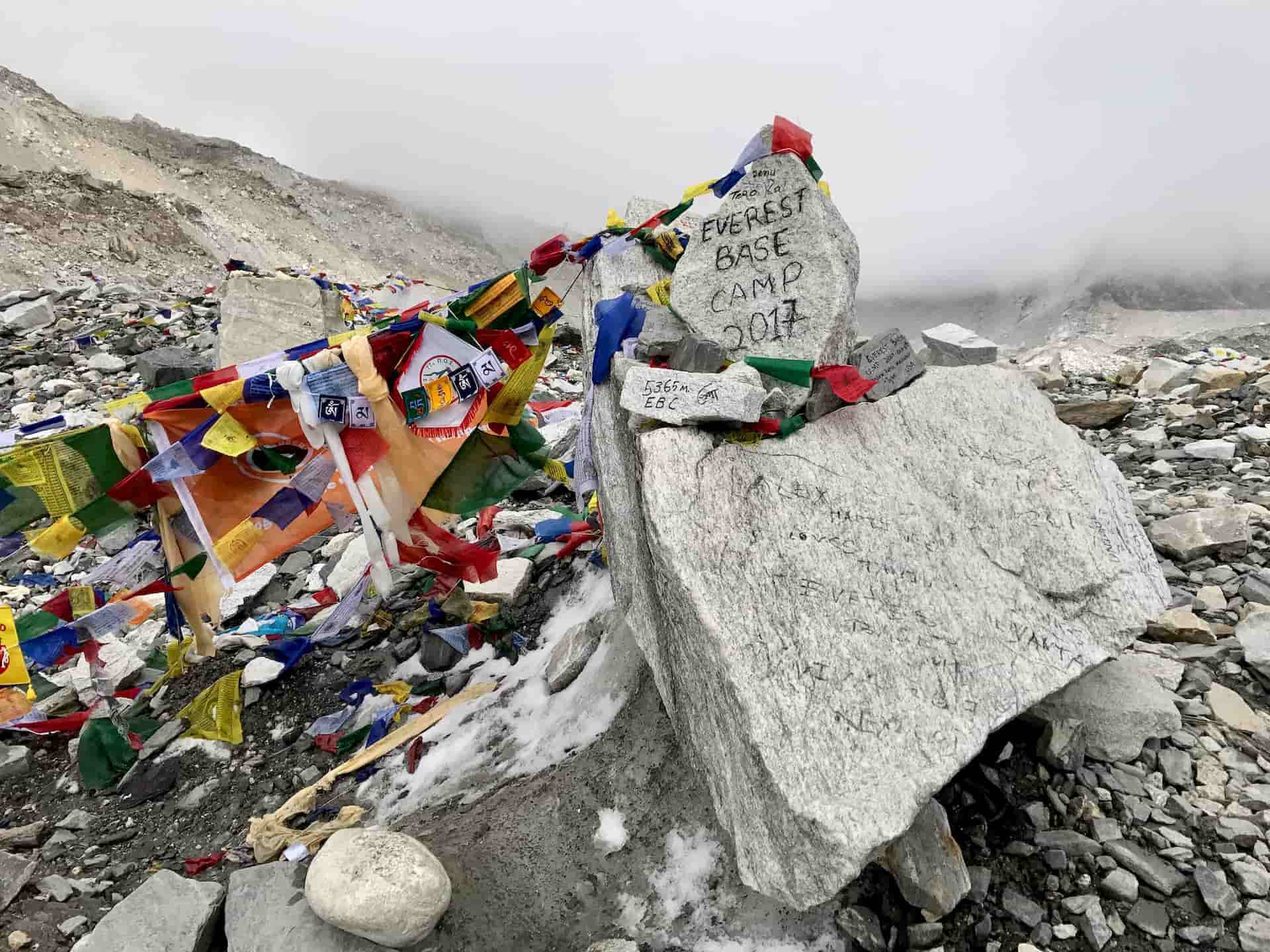
A long and rewarding day covering 12 km over 7–8 hours. Trek across rocky glacial moraine to Gorak Shep, the last settlement before Everest Base Camp, then continue on to Everest Base Camp itself (5,364 m), weaving through the dramatic, ever-shifting Khumbu Icefall terrain. Standing at base camp, surrounded by towering ice pinnacles and (in climbing season) mountaineering tents, is a genuine highlight of the trip. Return to Gorak Shep for the night.
Day 10: Kala Patthar Sunrise Hike, Trek Back to Dingboche (5,550 m → 4,400 m)
Wake before dawn for the steep hike up Kala Patthar (5,550 m), the best viewpoint in the entire region for an unobstructed, close-up view of Mount Everest's summit alongside Nuptse, Lhotse, and Pumori. After sunrise photos, descend back through Gorak Shep and continue trekking down to Dingboche, covering 9 km over 6–7 hours total for the day. Overnight in Dingboche.
Day 11: Dingboche — Rest & Acclimatization Day (4,400 m)
A final rest day before heading toward Island Peak, allowing your body to recover from the exertion of Kala Patthar and Everest Base Camp before the climbing phase begins. Use this day to check climbing gear, rest muscles, and mentally prepare for the technical days ahead. Overnight in Dingboche.
Day 12: Dingboche to Island Peak Base Camp, Climbing Training (5,100 m)
Trek 5 km over 5–6 hours from Dingboche to Island Peak Base Camp, set beneath the peak's dramatic glaciated flanks. In the afternoon, your climbing Sherpa leads a hands-on training session covering crampon technique, jumar (ascender) use, rope management, and ice axe basics — essential preparation for summit day, even for climbers with prior experience. Overnight camping at base camp.
Day 13: Island Peak Summit (6,189 m), Descend to Chhukung
Summit day begins in the early hours of the morning, often around midnight or 1–2 a.m. Climbers rope up, cross glaciated and crevassed terrain, and ascend the famous fixed-rope headwall using jumar technique before reaching the narrow summit ridge and the top of Island Peak (6,189 m) — rewarded with sweeping views of Everest, Lhotse, Makalu, and Cho Oyu. After summiting, descend the same route back to base camp, then continue down to Chhukung for a well-earned rest. Overnight in Chhukung.
Day 14: Chhukung to Pangboche (3,985 m)
A 12 km, 4–5 hour trek descending back through the Imja Valley, retracing part of the earlier route with the satisfaction of a successful summit behind you. Arrive in Pangboche, home to one of the oldest monasteries in the Khumbu region. Overnight in Pangboche.
Day 15: Pangboche to Namche Bazaar (3,440 m)
Continue the descent with a 13 km, 6–7 hour trek, passing back through Tengboche and the forested trail toward Namche Bazaar. With the climbing objective complete, this stretch offers a more relaxed pace to enjoy the scenery one last time. Overnight in Namche Bazaar.
Day 16: Namche Bazaar to Lukla (2,860 m)
The final trekking day covers 18 km over 7–8 hours, retracing the trail back down through Sagarmatha National Park, across the suspension bridges, and through Phakding to Lukla. Celebrate the completion of your trek and climb with your guide and crew. Overnight in Lukla.
Day 17: Flight to Kathmandu (1,400 m)
Board your morning flight back to Kathmandu, weather permitting. Transfer to your hotel, with the rest of the day free for rest, shopping in Thamel, or a celebratory dinner marking the end of your Island Peak climbing expedition with Northern Trekking Team.
Summit Day Route Details
Summit day begins in the dark, typically around midnight or 1–2 a.m., to reach the summit and descend before afternoon weather deteriorates:
- Climbers rope up at Crampon Point and begin ascending glaciated terrain
- The route crosses crevasses using fixed ladders or snow bridges
- Climbers reach the base of the famous headwall — a 45–55 degree ice/snow wall
- The headwall is ascended using fixed ropes and jumar (ascender) technique
- A short, narrow summit ridge leads to the true summit at 6,189 m
- Descent retraces the same route, using rappel/abseiling techniques down the headwall
Summit day covers roughly 10.8 km (6.7 miles) round trip from base camp with about 1,087 m (3,566 ft) of elevation gain, and typically takes 10–14 hours total.
Island Peak Difficulty
| Factor | Details |
|---|---|
| Technical grade | Alpine PD+ (Peu Difficile Plus) |
| Maximum altitude | 6,189 m (20,305 ft) |
| Headwall angle | 45–55 degrees |
| Summit day duration | 10–14 hours |
| Guide requirement | Mandatory (NMA-licensed climbing Sherpa) |
| Technical skills needed | Fixed-rope/jumar ascent, crampon use, basic ice axe technique |
| Suitable for | Fit trekkers with some pre-training; no prior technical climbing required |
Key difficulty factors:
- Altitude — at 6,189 m, altitude is the single biggest factor in success or failure; proper acclimatization along the EBC trail is essential.
- The headwall — the fixed-rope ice/snow wall near the summit is the technical crux of the climb, requiring comfort with a jumar and crampons on steep terrain.
- Crevasse crossings — sections of the glacier require crossing crevasses on ladders or snow bridges, roped to your guide.
- Long summit day — 10–14 hours of sustained physical effort at extreme altitude, often starting in the dark and in freezing temperatures.
- Cold exposure — night starts, high winds, and sub-zero temperatures near the summit demand proper high-altitude gear.
- No prior climbing experience strictly required — but a good level of fitness, some pre-trip training with crampons/jumar, and mental resilience make a significant difference.
Island Peak is often used as a stepping stone toward higher peaks like Mera Peak, Lobuche East, or eventually 7,000–8,000 m expeditions, since it introduces essential mountaineering skills in a relatively controlled setting.
Permits Required for Island Peak Climbing
Climbing Island Peak requires more permits than a standard trek, since it is classified as an official NMA trekking peak.
Required Permits
- Island Peak Climbing Permit — issued by the Nepal Mountaineering Association (NMA)
- Sagarmatha National Park Entry Permit
- Khumbu Pasang Lhamu Rural Municipality Permit
- TIMS Card (in some cases, depending on route and operator arrangement)
- Refundable Garbage Deposit — a team-based environmental deposit, refunded if waste is properly carried out
Permit Cost Table (2026)
| Permit | Approx. Cost |
|---|---|
| Island Peak Climbing Permit (Spring/Autumn) | USD 250 – 350 per person |
| Island Peak Climbing Permit (Winter/Monsoon) | USD 200 per person |
| Sagarmatha National Park Permit | ~USD 25 per person |
| Khumbu Pasang Lhamu Municipality Permit | ~USD 25 per person |
| Garbage Deposit (refundable, per team) | USD 500 |
| Total permit cost (Spring/Autumn, excl. deposit) | ≈ USD 400 per person |
Important permit notes:
- A licensed NMA climbing guide is legally mandatory for Island Peak — solo or unguided climbing is not permitted.
- All permits are arranged through registered Nepali trekking/climbing companies; you never need to handle NMA paperwork directly.
- When you book with Northern Trekking Team, every permit — NMA climbing permit, national park entry, municipality fee, and garbage deposit — is fully arranged and included in your package.
Island Peak Climbing Cost (2026)
Cost varies significantly based on group size, package inclusions, and whether the climb is combined with the full Everest Base Camp trek.
| Package Type | Estimated Cost (per person) | Typical Inclusions |
|---|---|---|
| Budget group package | USD 1,500 – 2,200 | Guide, permits, basic teahouse stays, group climbing gear |
| Standard package (EBC + Island Peak) | USD 2,200 – 3,200 | Permits, Lukla flights, full board, climbing Sherpa, EBC trek combined |
| Premium/private package | USD 3,200 – 4,500+ | Smaller group/private guide, upgraded lodges, extra support crew |
What's typically included:
- All required permits (NMA, Sagarmatha National Park, municipality fee)
- Round-trip Lukla flights
- Licensed climbing Sherpa/guide and porters
- Teahouse accommodation during the trek; tented camping at base camp
- All meals during the trek and climb
- Group climbing equipment (fixed ropes, ladders at crevasses)
- Ground transportation in Kathmandu
What's usually NOT included:
- International flights to/from Nepal
- Nepal visa fees
- Personal climbing gear (harness, crampons, ice axe, mountaineering boots — rentable in Kathmandu or Namche)
- Mandatory travel and rescue/evacuation insurance
- Tips for guide and porter crew
- Personal expenses (snacks, charging, Wi-Fi, hot showers)
Budgeting tip: Very cheap packages (USD 700–1,100 for a short Chhukung-based climb only) typically cover just the guide, permit, and two days of basic food/tent accommodation — with no allowance for gear rental or the full EBC acclimatization trek. Make sure you understand exactly what's included before comparing prices across operators.
Best Time to Climb Island Peak
| Season | Months | Conditions |
|---|---|---|
| Spring | April – May | Stable weather, warming temperatures, good visibility — prime season |
| Autumn | October – November | Clearest skies, most popular climbing season |
| Winter | December – February | Very cold, lower permit fees, fewer climbers |
| Monsoon | June – September | Rain, cloud cover, higher avalanche/rockfall risk — not recommended |
Spring (April–May) and autumn (October–November) are considered the prime climbing windows, offering the most stable weather for both the trekking approach and the technical summit push. Winter climbs are possible for experienced, well-prepared climbers but involve significantly colder conditions.
Preparation & Training for Island Peak
Because Island Peak involves genuine glacier travel and a fixed-rope headwall, proper preparation dramatically improves your chances of a safe, successful summit.
Physical Preparation (start 2–3 months before)
- Cardiovascular training — running, cycling, swimming, stair climbing to build aerobic base
- Leg and core strength — squats, lunges, weighted pack hikes to prepare for summit day exertion
- Long hikes with a loaded pack — simulate multi-hour trekking days on varied terrain
- Altitude simulation (if accessible) — helps your body adapt faster once on the mountain
Technical Preparation
- Practice crampon walking on any available icy or snow-covered terrain
- Learn or refresh jumar (ascender) technique for fixed-rope climbing
- Get comfortable with a climbing harness and basic knot work
- If possible, take a basic mountaineering or glacier travel course before your trip
- Break in your mountaineering boots thoroughly before the expedition
Essential Gear Checklist
- Mountaineering boots (double or insulated single boots rated for altitude)
- Crampons, ice axe, climbing harness, and locking carabiners
- Ascender (jumar) and descender/belay device
- Helmet
- Down suit or heavy insulated jacket + pants for summit day
- Four-season sleeping bag
- Headlamp with spare batteries
- Sunglasses/glacier goggles with strong UV protection
- Trekking poles for the approach trek
- Comprehensive travel insurance covering high-altitude climbing and helicopter evacuation
Why Climb with Northern Trekking Team?
Choosing the right operator matters more than most climbers realize — your climbing Sherpa is the person making critical decisions on summit day, from route choice to turnaround calls in changing weather.
- NMA-licensed climbing Sherpas with proven Island Peak and high-altitude summit experience
- All permits fully arranged — NMA climbing permit, national park fees, and garbage deposit handled for you
- Proper acclimatization built into the itinerary via the full Everest Base Camp trekking route
- Group and personal climbing gear support, including rental options in Kathmandu
- Transparent cost breakdowns with no hidden fees
Ready to take on one of the Himalayas' most iconic trekking peaks? Explore the full itinerary, fixed departure dates, and booking details on the Island Peak Climbing page with Northern Trekking Team.
Island Peak Climbing: FAQs
1. How difficult is Island Peak for a beginner climber?
Island Peak is graded Alpine PD+ (Peu Difficile Plus), meaning it's more demanding than a simple trek but doesn't require advanced technical mountaineering experience. No prior climbing background is strictly required, but a good level of fitness and some pre-trip practice with crampons and a jumar make a significant difference. The main technical challenge is the 45–55 degree fixed-rope headwall near the summit, combined with the physical demands of a 10–14 hour summit day at extreme altitude. Climbers who are reasonably fit and mentally prepared for a long, cold, high-altitude day generally succeed with proper guiding.
2. What permits do I need to climb Island Peak?
You need an Island Peak Climbing Permit issued by the Nepal Mountaineering Association (NMA), a Sagarmatha National Park entry permit, and a Khumbu Pasang Lhamu Rural Municipality permit. A refundable team garbage deposit of USD 500 is also required. Combined, permit costs run approximately USD 400 per person in spring and autumn (slightly less in winter/monsoon). All permits are arranged through your registered trekking company — you never deal with NMA paperwork directly.
3. How much does Island Peak climbing cost in total?
Costs range from around USD 1,500 for a budget group package to USD 4,500+ for a private, premium expedition. A standard package combining the full Everest Base Camp trek with Island Peak climbing typically runs USD 2,200–3,200 per person, including permits, Lukla flights, guide, meals, and accommodation. Personal gear rental, insurance, and tips are usually extra.
4. Do I need a guide to climb Island Peak?
Yes — absolutely mandatory. A licensed NMA climbing guide must accompany all Island Peak climbers; independent or unguided climbing is prohibited under current regulations. Your climbing Sherpa manages route-finding through crevasses, sets up fixed ropes on the headwall, and makes critical safety calls on summit day, including turnaround decisions if weather deteriorates.
5. How many days does the Island Peak climbing trip take?
Most itineraries run 16 to 19 days total, including the trek in via Lukla, acclimatization days along the Everest Base Camp trail, the climb itself, and the return trek/flight to Kathmandu. Shorter "climb-only" options from Chhukung (around 3 days) exist for climbers who have already acclimatized on a separate EBC trek, but most first-time climbers combine both in a single continuous trip.
6. What is the best season to climb Island Peak?
Spring (April–May) and autumn (October–November) are the prime climbing seasons, offering the most stable weather and clearest visibility for both the trek and summit push. Winter climbs are possible for well-prepared climbers at lower permit cost, but conditions are significantly colder. Monsoon season (June–September) is generally avoided due to poor visibility and increased avalanche/rockfall risk.
7. Is prior mountaineering experience required?
No — Island Peak is specifically designed as an accessible introduction to Himalayan mountaineering and does not require prior technical climbing experience. However, climbers benefit significantly from prior practice with crampons, a climbing harness, and jumar/ascender technique, along with a solid base of cardiovascular fitness from regular hiking, running, or similar training in the months before the trip.
8. What is the hardest part of the Island Peak climb?
The summit headwall — a fixed-rope ice/snow section angled at 45 to 55 degrees — is widely considered the technical crux of the climb. Ascending it requires jumar technique and steady crampon footwork at altitude, where every movement takes significantly more effort than at sea level. Combined with the long, cold summit day, this section is where climbers are most likely to feel the physical and mental strain of the climb.
9. How high is Island Peak, and how does it compare to Everest Base Camp?
Island Peak stands at 6,189 meters (20,305 ft) — notably higher than Everest Base Camp itself (5,364 m). Most Island Peak expeditions actually follow the Everest Base Camp trekking trail as far as Dingboche/Chhukung before branching off toward the peak, so climbers get a taste of the EBC trek plus a genuine summit above it.
10. What gear do I need that isn't required for a standard trek?
Beyond standard trekking gear, Island Peak requires mountaineering boots, crampons, an ice axe, a climbing harness, locking carabiners, a jumar (ascender), a descender/belay device, and a helmet. A down suit or heavy insulated layering system is essential for the cold pre-dawn summit push. Much of this technical gear can be rented in Kathmandu or Namche Bazaar rather than purchased outright.
11. Can Island Peak be combined with other treks or peaks?
Yes. Island Peak is most commonly combined with the Everest Base Camp trek, since the approach route overlaps almost entirely and the extra days provide essential acclimatization. Some experienced climbers also use Island Peak as a warm-up before attempting other Khumbu trekking peaks like Mera Peak or Lobuche East, or as preparation for future 7,000–8,000 m expeditions.
12. What is the risk of altitude sickness on Island Peak?
Altitude sickness is a genuine risk given the 6,189 m summit elevation, which is why well-designed itineraries include acclimatization rest days at Namche Bazaar and Dingboche before pushing toward base camp. Climbers should stay well hydrated, ascend gradually, and communicate any symptoms (headache, nausea, dizziness) to their guide immediately — a licensed guide will make the call to descend if needed, which should never be second-guessed.
13. How long is summit day, and what does it actually involve?
Summit day covers roughly 10.8 km (6.7 miles) round trip from base camp with about 1,087 m of elevation gain, typically taking 10 to 14 hours total. Climbers start around midnight or 1–2 a.m., cross crevassed glacier terrain roped to their guide, ascend the fixed-rope headwall using a jumar, reach the summit ridge, and then descend the same route — including rappelling down the headwall — back to base camp, usually finishing by early-to-mid afternoon.
14. Why is Island Peak also called Imja Tse?
Imja Tse is the official Nepali name for the mountain, referring to its position above the Imja Glacier. The name "Island Peak" was given by the British Everest expedition team (including Eric Shipton) in 1953, inspired by how the summit appears to rise like an island surrounded by a "sea" of ice and glacier when viewed from Dingboche.
15. Is Island Peak safe for a first-time high-altitude climber?
Yes, with the right preparation and a properly licensed guide, Island Peak is considered a manageable and appropriate objective for well-acclimatized, moderately fit trekkers attempting their first real climb. It is intentionally used by many operators as an accessible "graduation" climb from trekking into mountaineering. That said, it is still a serious high-altitude objective — success depends heavily on proper acclimatization along the approach trek, quality gear, physical preparation beforehand, and choosing an experienced, NMA-licensed guide.
Final Thoughts
Island Peak remains the ultimate gateway into Himalayan mountaineering — a genuine summit above 6,000 meters that combines the classic Everest Base Camp trekking experience with real glacier travel, a fixed-rope headwall, and the unmatched reward of standing among giants like Everest, Lhotse, and Makalu. It demands proper acclimatization, physical preparation, and the right technical gear, but it doesn't require years of prior climbing experience — making it accessible to determined, reasonably fit trekkers ready to push beyond a standard trek. With a licensed guide, a well-paced itinerary, and the right preparation, summiting Imja Tse is a genuinely achievable and life-changing objective. Ready to take on the climb? Explore the full itinerary and book your 2026 expedition on the Island Peak Climbing page with Northern Trekking Team.
Recent From Island Peak Climbing: Itinerary, Route, Preparation & Climbing Guide
Jun 27, 2022
Jun 27, 2022

Jul 19, 2022
Sep 20, 2025
Jan 03, 2023
Feb 03, 2023
Feb 17, 2023
Feb 23, 2023
Mar 03, 2023
Mar 14, 2023
Mar 20, 2023
Mar 28, 2023
Apr 06, 2023
Jul 31, 2023
Aug 28, 2023


