16th Sep, 2026
Annapurna Luxury Trek: 5-Day Itinerary, Cost & Permits
Most people assume a Himalayan trek means two weeks of damp teahouses, shared squat toilets and a bucket of lukewarm water for a shower. The Annapurna Luxury Trek is the answer to that assumption. In five days you walk ridge to ridge through Gurung villages below Annapurna South and Machhapuchhre, and every night you sleep in a proper mountain lodge with a hot shower, a cooked dinner and a bed you actually want to get into.
Table of Contents
It starts and ends in Pokhara, tops out at just 2,012 m, and asks for nothing more than the ability to walk three to six hours a day. No altitude sickness risk, no high pass, no camping — just the mountains, the villages and the view.
This guide covers the full 5-day itinerary, permit requirements and 2026 fees, a realistic cost breakdown, the best months to go, difficulty, what the lodges are actually like, and the questions travellers ask us most.
Book or customise this trek here: Annapurna Luxury Trek — Northern Trekking Team
Quick Facts: Annapurna Luxury Trek at a Glance
| Detail | Information |
|---|---|
| Trek duration | 5 days (Pokhara to Pokhara) |
| Maximum altitude | Ghandruk — 2,012 m / 6,601 ft |
| Trek start point | Hemja, 30 minutes by road from Pokhara |
| Trek end point | Kimche, then drive back to Pokhara |
| Difficulty | Easy |
| Daily walking | 2–6 hours |
| Accommodation | Luxury lodges and boutique mountain hotels |
| Meals | Breakfast, lunch and dinner included |
| Best seasons | September–December, March–May |
| Permits required | ACAP + TIMS card |
| Guide | Licensed guide included; mandatory in ACAP |
| Group size | 2 people and up |
| Region | Annapurna, Nepal |
Why Choose the Annapurna Luxury Trek?
This is the trek for people who want the Himalaya without the hardship. Here is what actually sets it apart:
- Real comfort every single night. Private rooms, en-suite bathrooms, hot showers, proper beds and cooked meals — not "the lodge had a heater in the dining room" comfort.
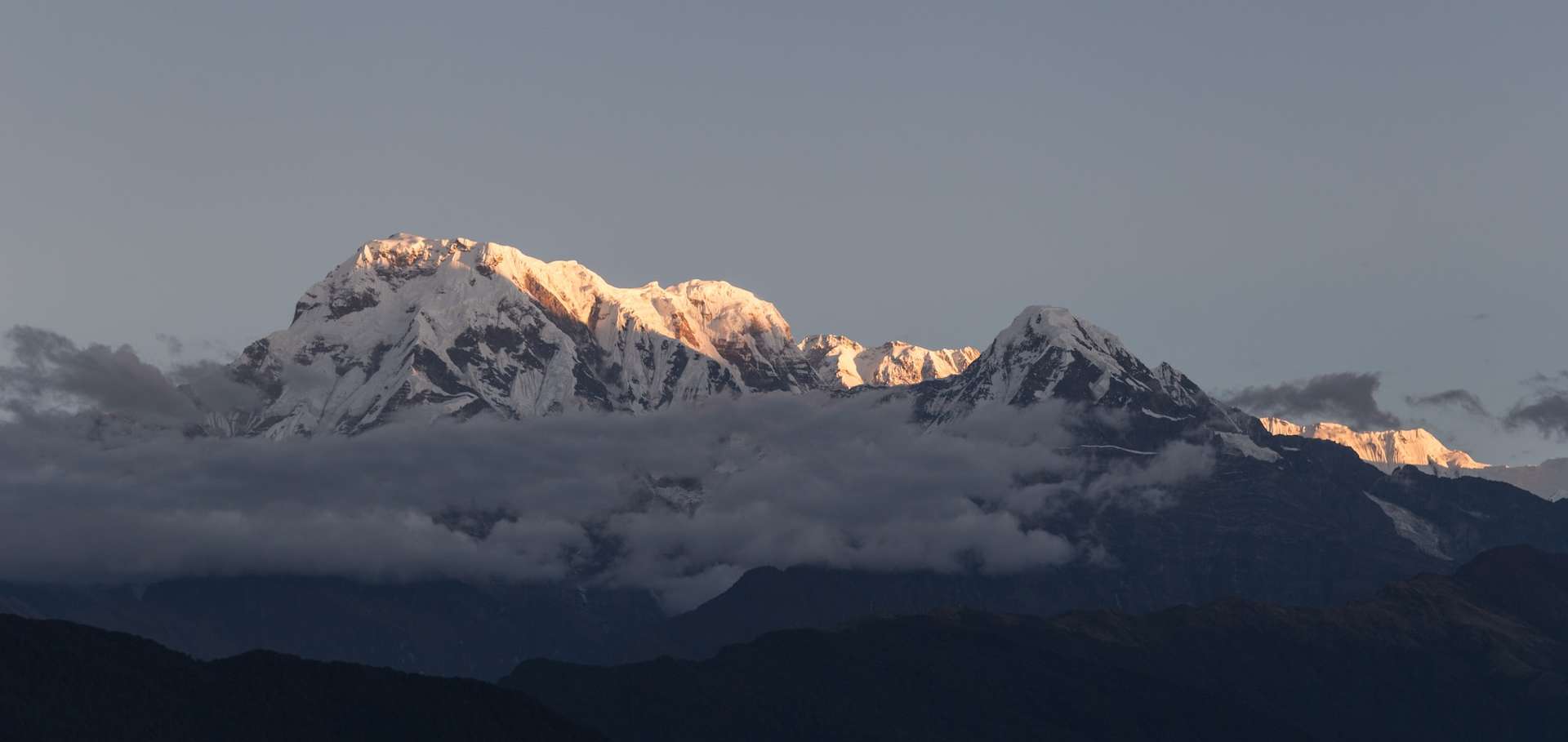
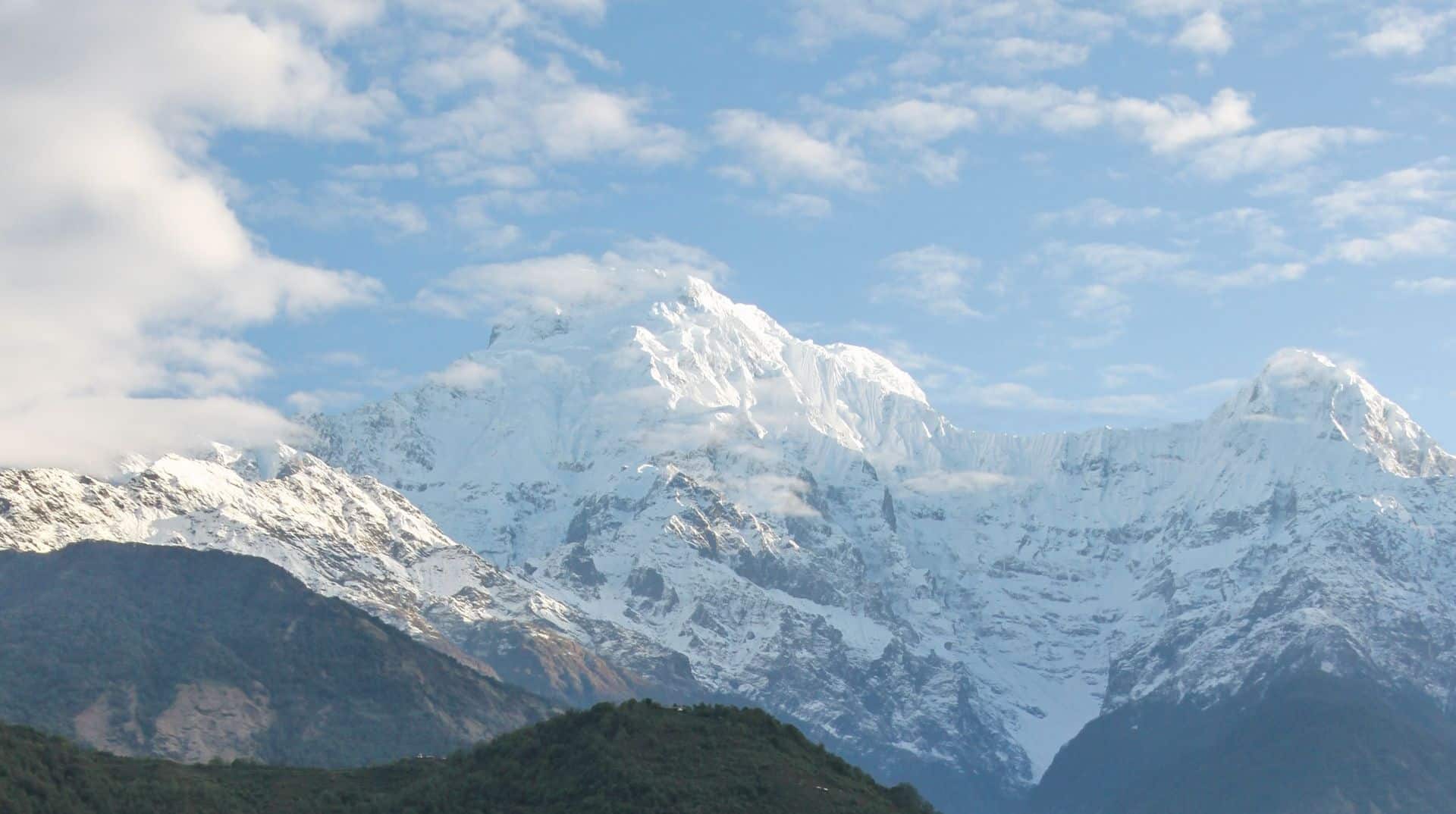
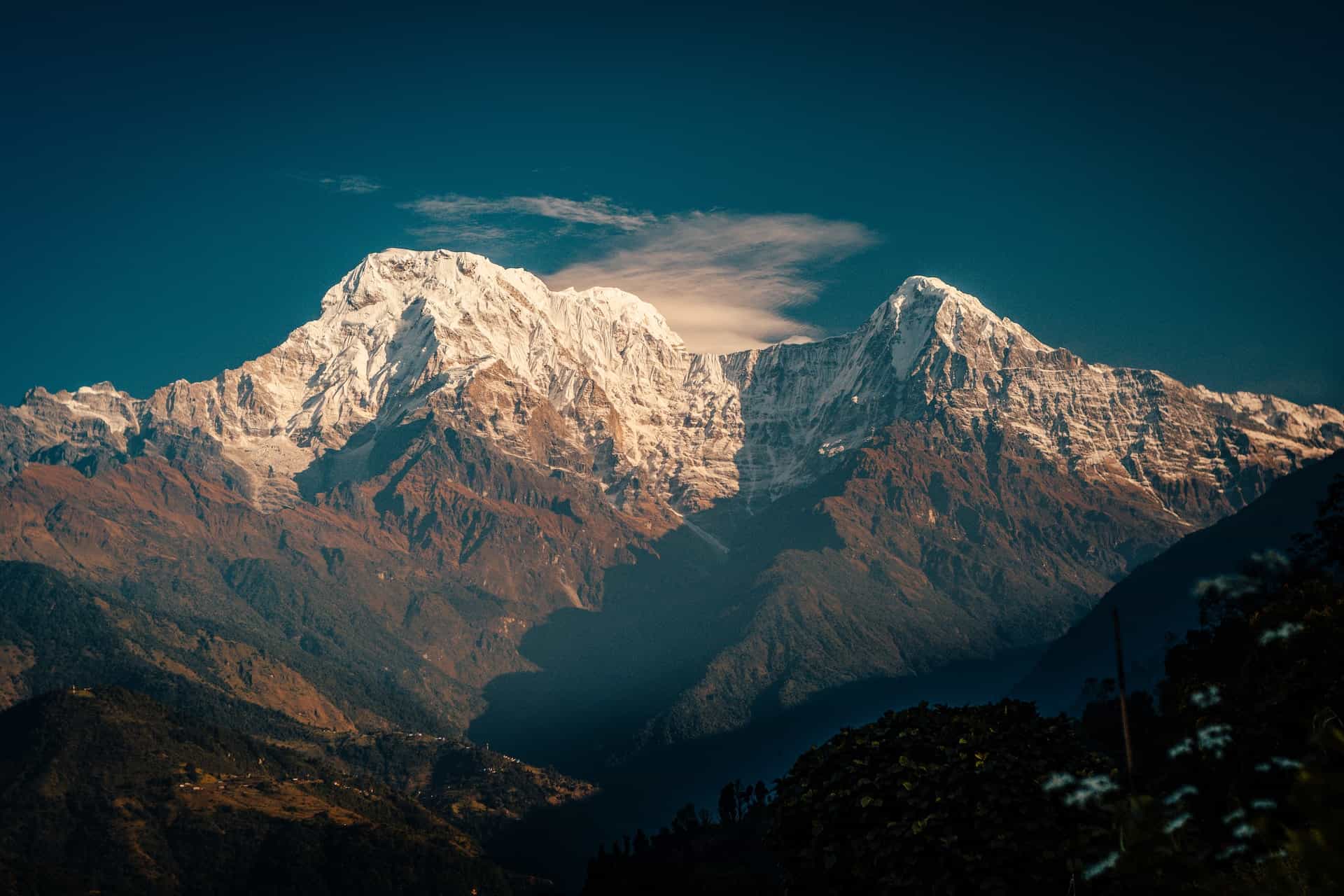
- Big mountains at a low altitude. Annapurna South (7,219 m), Hiunchuli, Machhapuchhre (Fishtail) and the Annapurna range fill the skyline from 2,000 m, which means no acclimatisation days and no altitude risk.
- Only five days. It slots into a Nepal holiday that also includes Kathmandu, Pokhara or Chitwan without eating the whole trip.
- Gurung culture at close range. Ghandruk is one of the largest and most beautiful Gurung villages in Nepal — slate roofs, stone paths, a museum and a strong Gurkha heritage.
- Genuinely easy walking. Well-maintained stone trails, no scrambling, no exposure. Suitable for older travellers, families with teenagers and complete first-timers.
- Everything carried for you. A porter handles the luggage; you walk with a daypack.
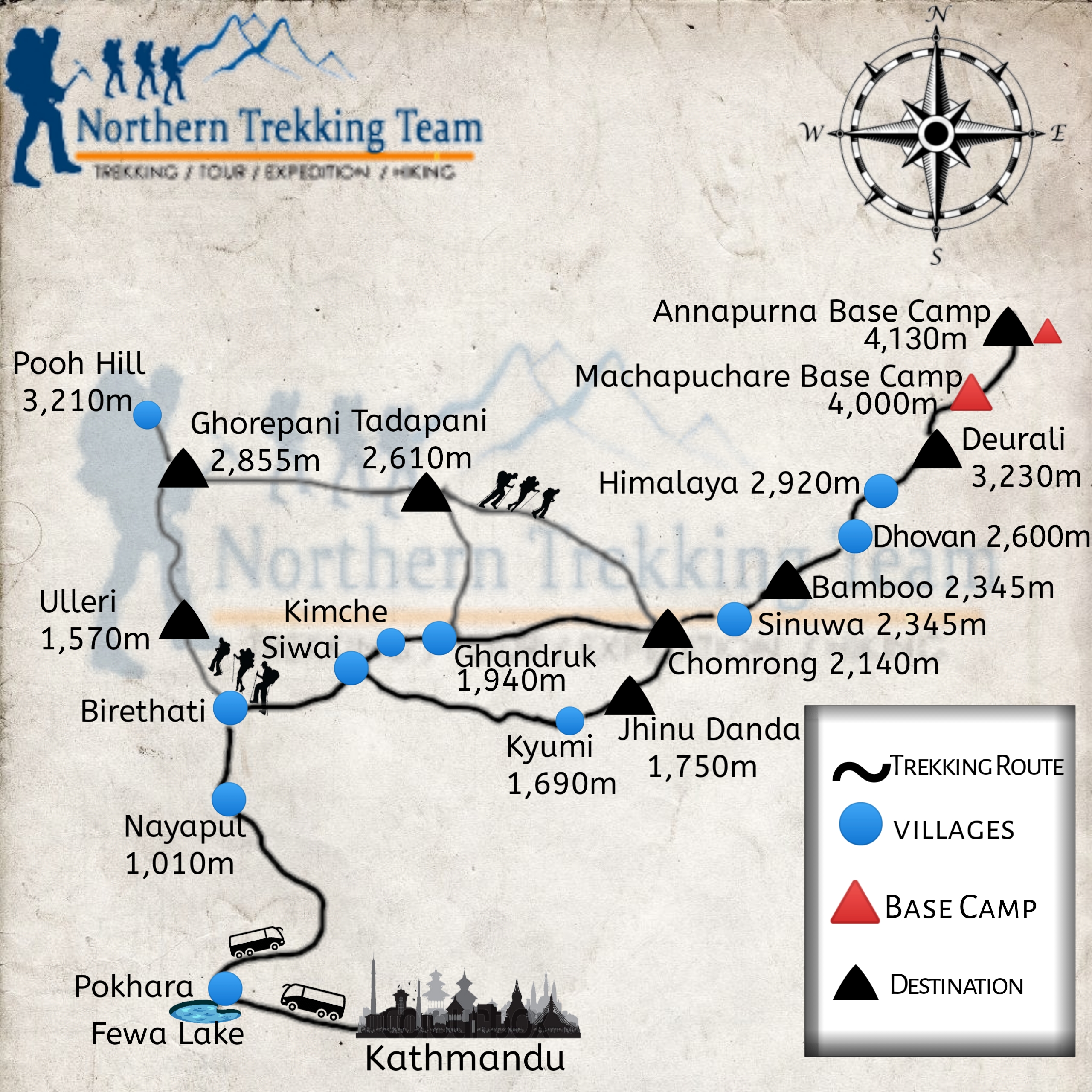
Route note: This is a low-altitude ridge trek through Astam, Dhampus, Landruk and Ghandruk. It does not reach Annapurna Base Camp (4,130 m) — that is a separate 10–13 day itinerary. If ABC is what you want, ask us about the longer Annapurna options instead.
5-Day Annapurna Luxury Trek Itinerary
This is the itinerary we run at Northern Trekking Team, built around comfortable days and the best lodge locations rather than distance covered.
Itinerary Summary Table
| Day | Route | Elevation | Walking / Driving Time |
|---|---|---|---|
| 1 | Pokhara → Hemja (drive), trek to Astam | 1,568 m | 30 min drive + 2–3 hrs |
| 2 | Astam → Dhampus | 1,650 m | 3–4 hrs |
| 3 | Dhampus → Landruk | 1,628 m | 5–6 hrs |
| 4 | Landruk → Ghandruk | 2,012 m | 5–6 hrs |
| 5 | Ghandruk → Kimche, drive to Pokhara | 800 m → 820 m | 2–3 hrs + 3–4 hrs drive |
Day-by-Day Detail
Day 1 — Pokhara to Hemja by road, trek to Astam (1,568 m), 2–3 hours
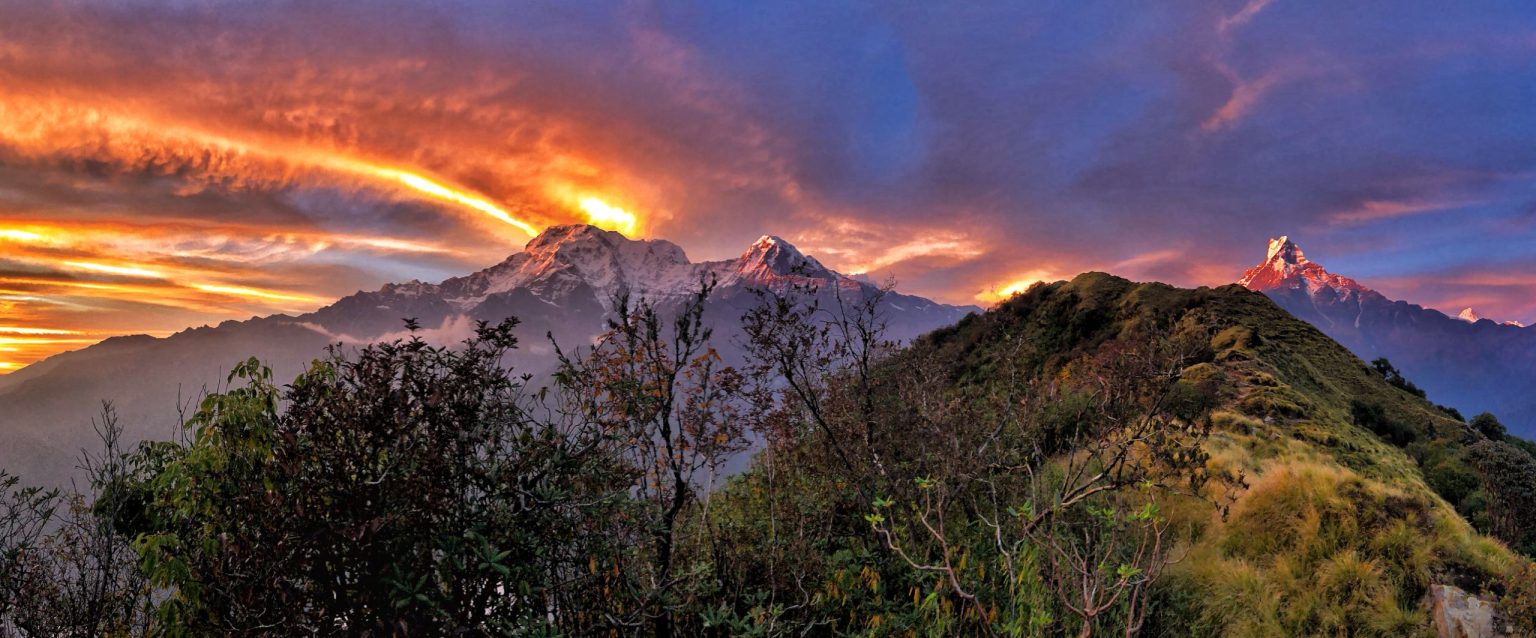
A short 30-minute drive out of Pokhara to Hemja, where the walking starts. The climb up to Astam is gentle, through terraced farmland and small hamlets, with the Annapurna range opening up behind you as you gain height. Astam is a quiet hillside village with almost no through-traffic — an ideal first night. Settle in, take a hot shower and watch the sunset hit Machhapuchhre.
Day 2 — Astam to Dhampus (1,650 m), 3–4 hours
An easy, rolling day through forest and scattered villages. The trail is one of the prettiest low-level stretches in the Annapurna foothills, with Annapurna South and Fishtail in view for most of the walk. Dhampus sits on a long ridge and is famous for its sunrise: the light hits the Annapurnas before it reaches the valley floor. Afternoon free to wander the village.
Day 3 — Dhampus to Landruk (1,628 m), 5–6 hours
The first proper walking day. Drop off the Dhampus ridge through rhododendron and oak forest — spectacular in March and April when the rhododendron is in bloom — then descend into the Modi Khola valley. Landruk clings to a hillside opposite Ghandruk, with terraced fields dropping away below and Annapurna South directly ahead.
Day 4 — Landruk to Ghandruk (2,012 m), 5–6 hours
Descend to the Modi Khola river, cross, then climb the stone staircase up the far side to Ghandruk. It is the biggest climb of the trek and the highest point. Ghandruk is worth the effort: a large, well-preserved Gurung village of slate-roofed stone houses, with a small cultural museum, a monastery, and one of the finest mountain panoramas in Nepal — Annapurna South, Hiunchuli, Gangapurna and Machhapuchhre lined up across the valley.
Day 5 — Ghandruk to Kimche, drive to Pokhara, 2–3 hours walking
A relaxed final morning descending to the roadhead at Kimche (around 1,640 m), where your vehicle is waiting. The drive back to Pokhara takes 3–4 hours through the hills. You arrive with the afternoon free for Phewa Lake, Lakeside cafés, or a farewell dinner.
Want a slower four-night version, a helicopter transfer out of Ghandruk, or this combined with Kathmandu and Chitwan? We customise it — tell us your dates.
Annapurna Luxury Trek Permits (2026)
Good news: this route is not in a restricted area. There is no special permit, no minimum group size and no complicated paperwork. You need two documents, and your agency arranges both.
Permits You Need
| # | Permit | Issued by | Purpose |
|---|---|---|---|
| 1 | Annapurna Conservation Area Permit (ACAP) | NTNC / Nepal Tourism Board | Entry to the Annapurna Conservation Area |
| 2 | TIMS Card (Trekkers' Information Management System) | Nepal Tourism Board / TAAN | Trekker registration and safety tracking |
2026 Permit Fees
| Permit | Foreign nationals | SAARC nationals | Nepali citizens |
|---|---|---|---|
| ACAP | NPR 3,000 (approx. USD 22–25) | NPR 1,000 | NPR 100 |
| TIMS card | NPR 2,000 (approx. USD 15–18) | NPR 600 | Not required |
| Total | Approx. USD 37–43 | Approx. NPR 1,600 | NPR 100 |
Both permits are included in the Northern Trekking Team package price — you do not pay these separately.
Important notes:
- Permits are checked at the Annapurna Conservation Area checkpoints; carry them with you, not in your duffel.
- Fees are per person, non-refundable and non-transferable.
- Permit fees and enforcement policies are revised periodically. Confirm current requirements with us before you travel.
- Children under 10 are generally exempt from ACAP — ask us when booking.
Do You Need a Guide?
Yes. Since April 2023, Nepal has required trekkers in national parks and conservation areas — including Annapurna — to trek with a licensed guide arranged through a registered agency. On this trip a licensed guide and a porter are included as standard, so the rule costs you nothing extra.
Documents Required
- Passport valid at least six months beyond your travel dates
- Nepal visa (available on arrival at Kathmandu airport)
- Two passport-sized photographs
- Travel insurance certificate covering trekking and emergency evacuation
Permits are processed in one working day in Pokhara or Kathmandu.
Annapurna Luxury Trek Cost Breakdown
Package Cost
Luxury Annapurna trekking generally runs from USD 2,000 to USD 3,000 per person, with the final figure driven by four things:
- Lodge standard — premium lodges can cost several hundred dollars a night, where a standard teahouse is a fraction of that
- Group size — per-person cost drops as the group grows
- Trek length — a 5-day itinerary sits at the affordable end of the luxury spectrum
- Private vs shared transport and any add-ons such as helicopter transfers
| Group size | Indicative price per person |
|---|---|
| 2 people | Highest per-person rate |
| 3–5 people | Moderate reduction |
| 6–10 people | Best per-person value |
Prices change with season and lodge availability. Request a live quote for your dates.
What the Package Includes
- All private ground transportation, including airport transfers
- One night's hotel in Pokhara, twin sharing, with breakfast
- All lodge accommodation during the trek
- Daily meals — breakfast, lunch and dinner
- Seasonal fruit on trek
- Farewell dinner in Pokhara
- Annapurna Conservation Area Permit and TIMS card
- Experienced, licensed, English-speaking guide
- Porter, with wages, food, accommodation, transport and insurance covered
- Down jacket and duffel bag (refundable loan)
- First aid kit, trekking map, trekking T-shirt and water bottle
What Is Excluded
- International airfare and airport taxes
- Nepal entry visa fee
- Lunch and dinner in Kathmandu
- Health and travel insurance (strongly recommended)
- Personal trekking gear
- Sightseeing entry fees on city tours
- Laundry, phone calls, bar bills, alcohol and soft drinks
- Tips for guide and porter
- Anything not listed under inclusions
Personal Spending on Trek
Because meals, lodging, permits and staff are all covered, day-to-day spending is minimal:
| Item | Typical cost |
|---|---|
| Bottled or soft drinks | NPR 150–400 |
| Beer | NPR 500–800 |
| Souvenirs in Ghandruk | NPR 500–3,000 |
| Museum entry, Ghandruk | NPR 100–200 |
| Laundry | NPR 300–600 |
Tipping: 10% of the package cost is customary, usually with the guide receiving roughly double the porter's share. Cash in Nepali rupees, handed over on the last day.
Carry cash. ATMs are plentiful in Pokhara but non-existent on the trail, and lodges do not take cards.
Best Time for the Annapurna Luxury Trek
| Season | Months | Conditions | Verdict |
|---|---|---|---|
| Autumn | Sep–Dec | Clear skies, stable weather, sharp mountain views, warm days and cool nights | Best overall |
| Spring | Mar–May | Rhododendron forests in full bloom, warm, occasional afternoon haze | Excellent |
| Winter | Jan–Feb | Cold mornings but often crystal-clear; low altitude means the route stays open | Good, quiet |
| Monsoon | Jun–Aug | Heavy rain, leeches, cloud-covered peaks, slippery stone steps | Avoid |
Best single months: October and November, then March and April.
Because the trek stays below 2,100 m, it remains walkable year-round outside the monsoon — one of its real advantages over higher Annapurna routes that close in winter.
How Difficult Is the Annapurna Luxury Trek?
Easy. This is genuinely a beginner-friendly trek, and it is rated that way for four reasons:
- Low altitude. The highest point is 2,012 m, far below the 2,500 m threshold where altitude sickness normally becomes a concern.
- Short days. Two to six hours of walking, with afternoons free.
- Good trails. Stone-paved paths and village trails throughout — no scrambling, no exposure, no technical sections.
- Light load. A porter carries your main bag. You walk with a daypack of 4–5 kg.
The one demanding section is Day 4: down to the Modi Khola and back up the stone staircase to Ghandruk. It is a genuine climb, but it is on well-built steps and there is no time pressure.
Simple Preparation (start 3–4 weeks out)
- Walk 45–60 minutes, four times a week
- Add two longer weekend walks of 2–3 hours, ideally on hills or stairs
- Practise descending — knees feel the drop to Kimche more than the climbs
- Break in your boots before you arrive; blisters are the single most common problem on this trek
- Basic leg strength work — squats, step-ups, calf raises — twice a week
Anyone in ordinary good health who can walk comfortably for a few hours can complete this trek.
Accommodation and Food
This is where the trek earns the word "luxury."
Lodges on this route are boutique mountain properties, not teahouses. Expect:
- Private rooms with en-suite bathrooms
- Hot showers, reliably
- Proper beds with thick duvets — no sleeping bag needed
- Electricity and charging in the room
- Wi-Fi at most properties (mountain-speed, but present)
- Gardens, terraces and dining rooms built around the mountain view
Food is a step above standard trail fare. Breakfast, lunch and dinner are included throughout, with a mix of:
- Continental breakfasts — eggs, toast, fruit, porridge, good coffee
- Nepali dal bhat, the national dish, done well
- Grilled meats, pasta, soups and fresh vegetable dishes
- Seasonal fruit included daily
- Local Gurung specialities in Ghandruk and Landruk
Dietary requirements — vegetarian, vegan, gluten-free, allergies — are easy to accommodate on this route, but tell us at booking so lodges can plan ahead.
Essential Packing List
Far lighter than a high-altitude trek. No sleeping bag, no crampons, no extreme cold-weather kit.
Clothing
- 2–3 quick-dry trekking shirts
- 2 pairs of trekking trousers (one zip-off is useful)
- Light fleece or mid-layer
- Down jacket (provided on loan) or a warm jacket for evenings
- Light waterproof jacket
- Sun hat, warm hat, light gloves
- 4 pairs trekking socks
Footwear
- Broken-in trekking boots or sturdy trail shoes with grip
- Sandals or light shoes for the lodges
Gear
- 25–30 L daypack
- Trekking poles — highly recommended for the descents
- Reusable water bottle (provided) plus purification tablets
- Sunglasses, SPF 30+ sunscreen, lip balm
- Headlamp or torch
- Power bank
- Camera or binoculars
Documents & Health
- Passport, visa, two passport photos
- Travel insurance certificate
- Personal medication, blister plasters, painkillers, rehydration salts
- Cash in Nepali rupees for drinks, souvenirs and tips
Your main bag goes to the porter; a duffel bag is provided.
Culture and Etiquette in Gurung Villages
Astam, Dhampus, Landruk and Ghandruk are working Gurung settlements, not tourist constructions. A few small courtesies go a long way:
- Greet people with "Namaste", palms together — it is used everywhere and always welcome
- Ask before photographing people, particularly older villagers
- Remove shoes before entering homes, temples and monasteries
- Walk clockwise around chortens, mani walls and prayer wheels
- Dress modestly — shoulders and knees covered in villages
- Accept tea when it is offered; refusing is mildly impolite
- Give to community projects and schools rather than to individual children
- Carry your rubbish out, including batteries and wrappers
Ghandruk's Gurung Museum is worth the small entry fee — the Gurung people are the community behind the Gurkha regiments, and the village wears that history openly.
Frequently Asked Questions
1. Do I need trekking experience for the Annapurna Luxury Trek?
No. It is rated easy, tops out at 2,012 m and involves 2–6 hours of walking a day on good trails. It is one of the best first treks in Nepal.
2. How much does the Annapurna Luxury Trek cost?
Luxury Annapurna trekking typically runs USD 2,000–3,000 per person depending on lodge standard, group size and itinerary length. This 5-day route sits at the affordable end. Request a quote for your dates.
3. Does this trek reach Annapurna Base Camp?
No. The 5-day route goes to Ghandruk at 2,012 m. Annapurna Base Camp sits at 4,130 m and needs a separate 10–13 day itinerary. Ask us if that is what you want.
4. Is there a risk of altitude sickness?
Very low. AMS generally becomes a concern above 2,500 m, and the highest point here is 2,012 m.
5. What permits do I need, and are they included?
ACAP and a TIMS card. Both are included in the package price and arranged by us.
6. Can I do this trek solo?
Nepal requires a licensed guide in conservation areas, and this package has a minimum of two travellers. Solo travellers can still join — contact us about private arrangements.
7. Is there Wi-Fi and mobile signal?
Yes, at most lodges and through most of the route. Coverage is far better than on high-altitude Nepal treks.
8. Do I need a sleeping bag?
No. Lodges provide proper beds with duvets. A down jacket and duffel bag are loaned to you.
9. Is it suitable for children or older travellers?
Yes. Children from around eight upwards and active travellers into their seventies complete this trek regularly. Tell us your group's profile and we will adjust the pace.
10. Can I combine it with other trips?
Easily. Five days leaves room for Kathmandu sightseeing, Chitwan or Bardiya wildlife safari, or a longer stay in Pokhara. Ask us to build the full itinerary.
Ready for the Himalaya Without the Hardship?
The Annapurna Luxury Trek proves you do not need to suffer for a mountain view. Five days, four villages, one of the finest panoramas in Nepal — and a hot shower and a cooked dinner at the end of every one of them.
👉 View full trip details, dates and prices — Annapurna Luxury Trek
📞 Call or WhatsApp: +977 9842907439 | ✉️ info@northerntrekkingteam.com
Recent From Annapurna Luxury Trek: 5-Day Itinerary, Cost & Permits
Jun 27, 2022
Jun 27, 2022

Jul 19, 2022
Sep 20, 2025
Jan 03, 2023
Feb 03, 2023
Feb 17, 2023
Feb 23, 2023
Mar 03, 2023
Mar 14, 2023
Mar 20, 2023
Mar 28, 2023
Apr 06, 2023
Jul 31, 2023
Aug 28, 2023

Jan 04, 2026


Mar 10, 2026
Mar 10, 2026



Apr 03, 2026
Sep 10, 2026