7th Oct, 2026
Do I Need Climbing Experience for Island Peak? The Complete 2026/2027 Guide
Do I Need Climbing Experience for Island Peak?
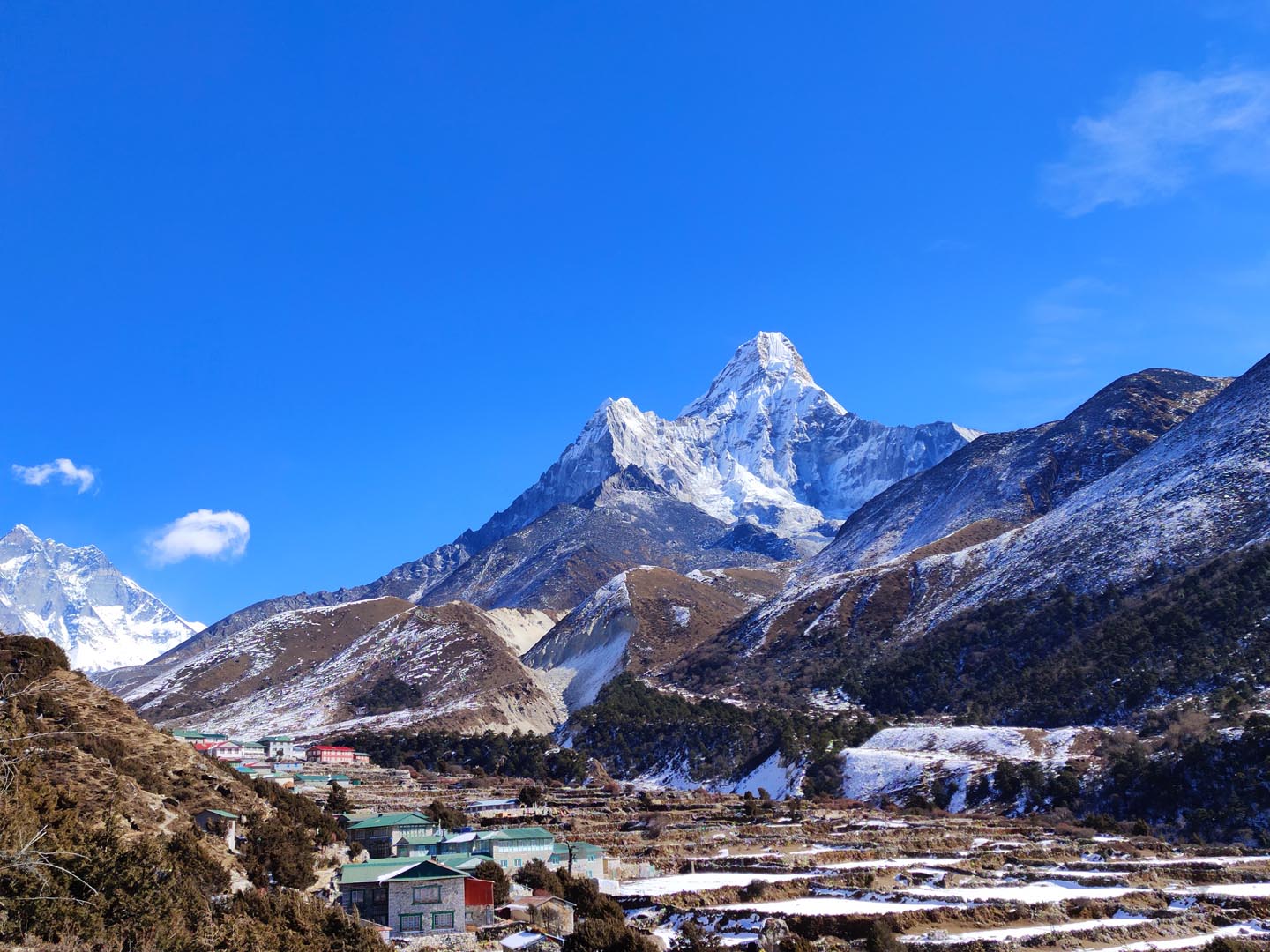
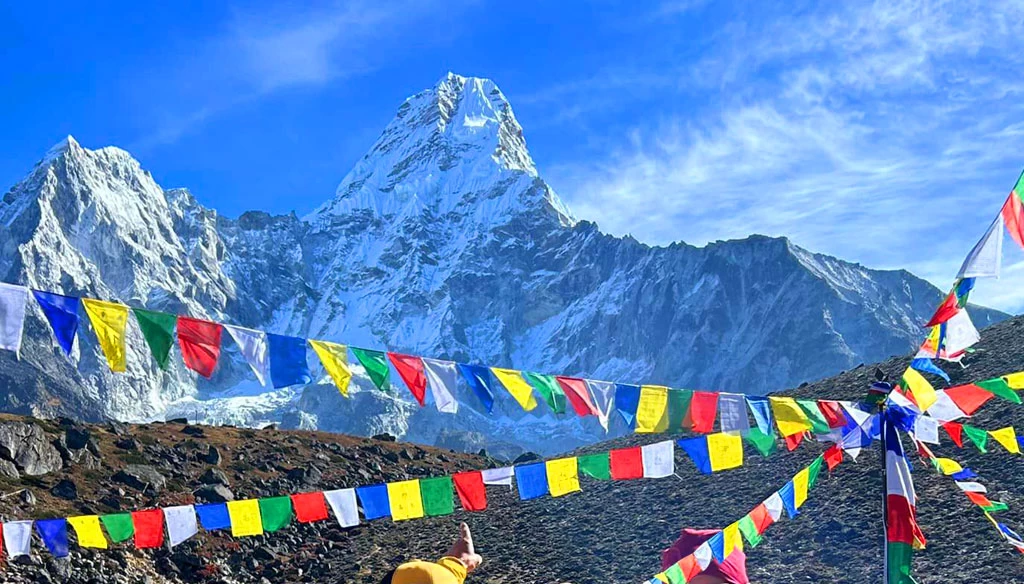
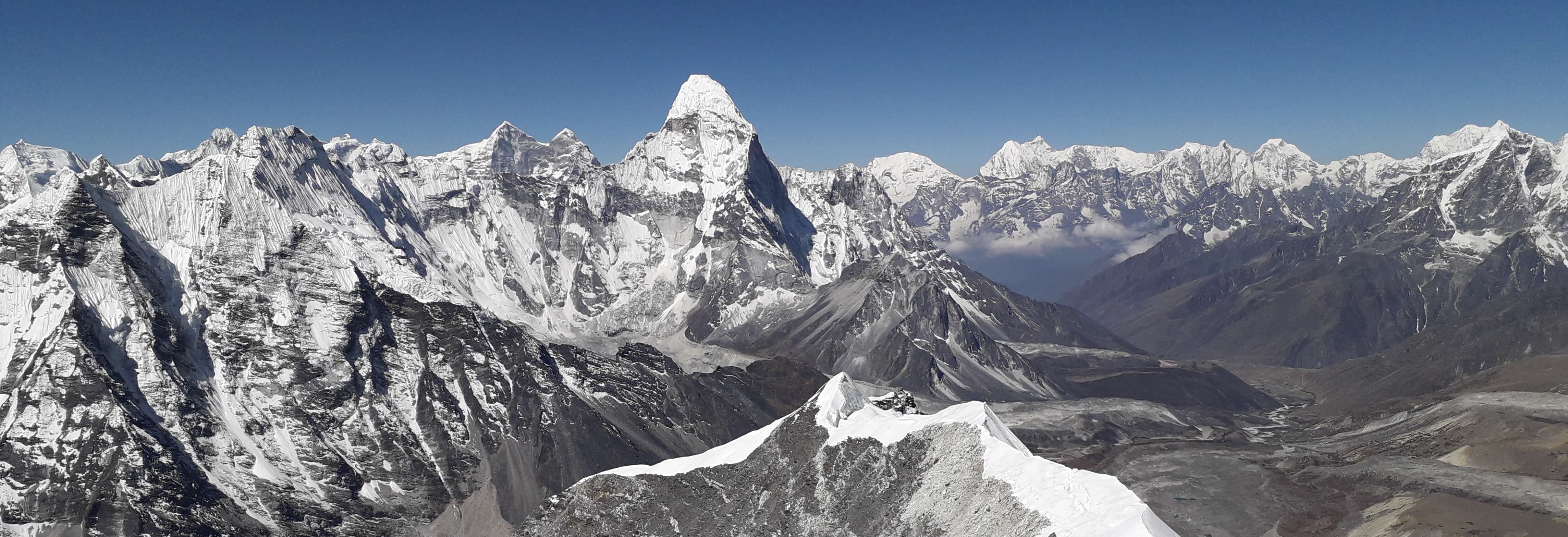
Island Peak (Imja Tse, 6,189 m) is one of the most popular trekking peaks in Nepal. It sits in the heart of the Everest region, and its summit gives you views of Everest, Lhotse, Makalu and Ama Dablam. Many trekkers dream of standing on top, but a common question stops them from booking: do I need climbing experience for Island Peak?
Table of Contents
The Short Answer
No, you do not need prior technical climbing experience to climb Island Peak. With a licensed climbing guide and the right preparation, motivated first-timers summit every season.
You do need three things:
- Good physical fitness and stamina for long days at altitude
- Willingness to learn basic skills. You will use crampons, an ice axe, a harness and a fixed rope.
- Reasonable trekking or high-altitude experience. Past multi-day treks help a lot.
Northern Trekking Team's Island Peak Climbing with EBC is a 17-day trip that includes a climbing training course at Island Peak Base Camp before your summit attempt.
Island Peak at a Glance
| Detail | Information |
|---|---|
| Summit altitude | 6,189 m (20,305 ft) |
| Base Camp | 5,100 m (16,732 ft) |
| High Camp | About 5,500 m (18,044 ft) |
| Duration | 17 days (including Everest Base Camp) |
| Difficulty | Hard |
| Best seasons | September–December and March–May |
| Group size | 2 or more |
| Price | From US$2,290 per person |
Why Is Island Peak Called a "Trekking Peak"?
The Nepal Mountaineering Association classifies Island Peak as a trekking peak. The label means it is a lower-risk entry to Himalayan mountaineering than the 8,000 m giants, and it needs fewer technical skills than a full expedition.
It does not mean the climb is a walk. Summit day is long and cold, and the air holds roughly half the oxygen found at sea level. You also need to feel steady on snow and ice.
What Does the Island Peak Climb Actually Involve?
Understanding the climb helps you judge your own readiness.
1. The approach trek. You trek through Namche Bazaar, Tengboche and Dingboche on the classic Everest Base Camp trail. Many climbers see this as the best preparation, because you build fitness and acclimatise along the way.
2. Base Camp and training. At Island Peak Base Camp (5,100 m), your guide teaches you how to use your equipment safely. This is where first-timers learn the core skills.
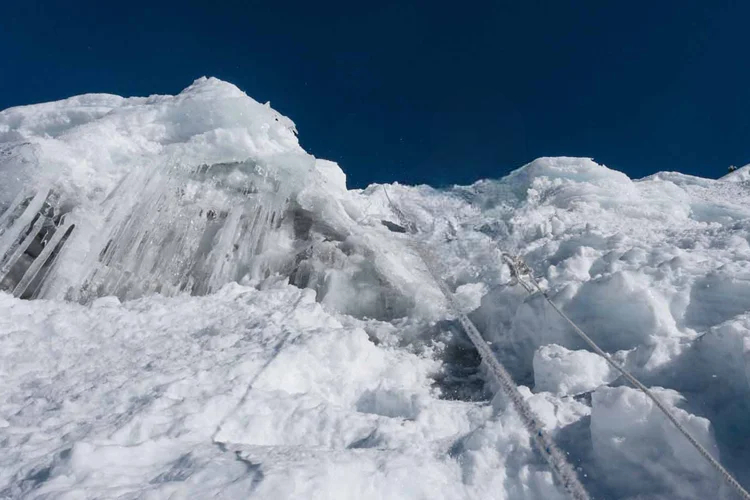
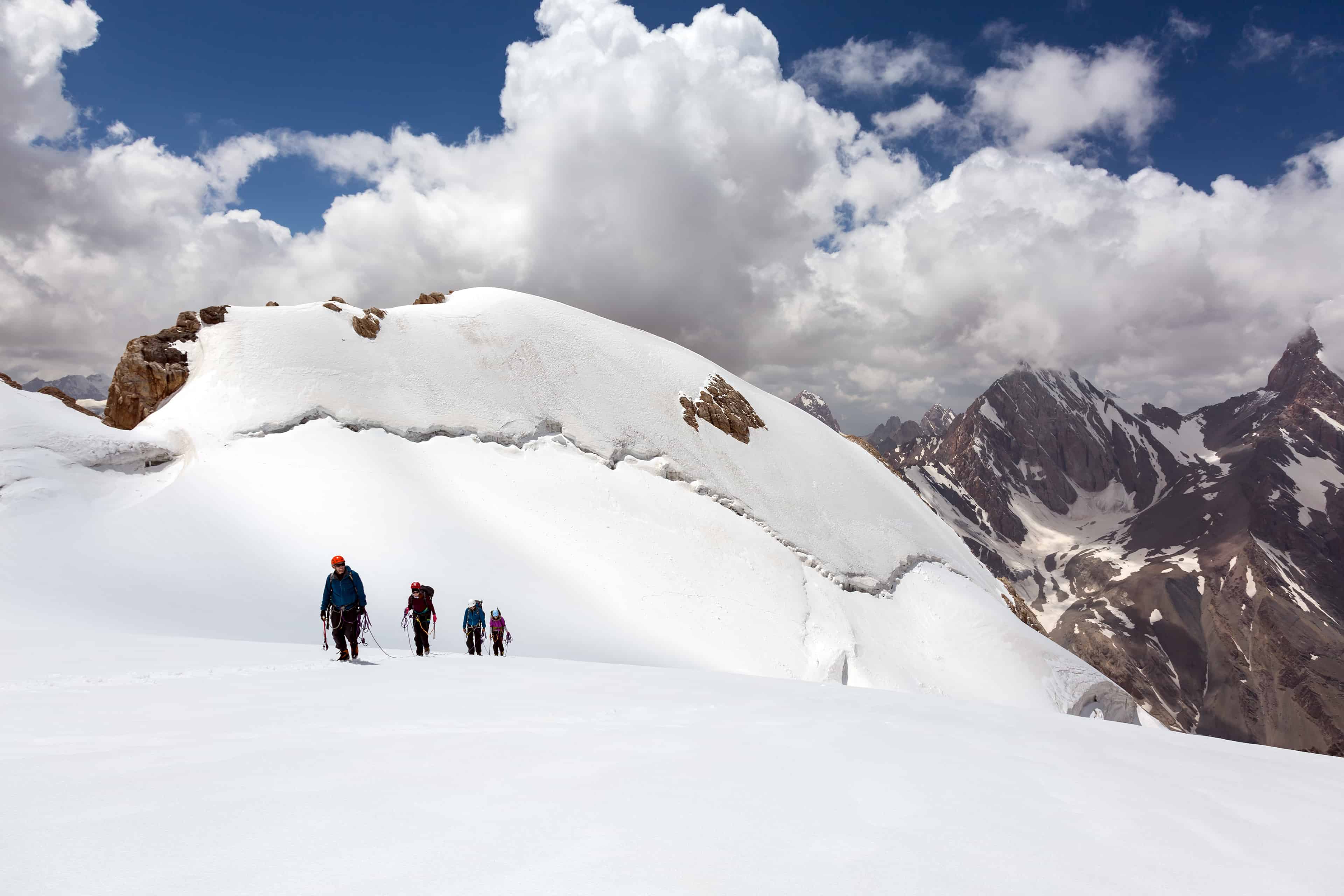
3. Summit day. The summit push starts around 1:00 am. You climb by headlamp over rocky ground, then onto snow and glacier, using crampons and ice axe. Near the top you will use a fixed rope with an ascender (jumar) on the steep section. Summit day takes many hours, and you return to base camp or Chhukung the same day.
4. The descent. You abseil or descend with your guide, then continue down the valley towards Lukla.
The Basic Skills You Will Use
You don't need to arrive knowing these, but you should be ready to learn them:
- Walking in crampons on snow and ice
- Using an ice axe for balance and self-arrest
- Clipping into a harness and fixed rope
- Using an ascender (jumar) to climb the rope
- Descending with a figure-of-eight or similar device
- Moving safely in a roped team on glacier terrain
How Fit Do You Need to Be?
Fitness matters more than climbing history. Aim to be comfortable:
- Hiking 6–8 hours a day with a daypack for several days in a row
- Climbing stairs or hills with a loaded pack
- Staying calm and focused when tired and cold
A good training plan for 8–12 weeks before departure includes:
- Cardio: hiking, running, cycling or swimming, 3–4 times a week
- Leg strength: squats, lunges and step-ups
- Long weekend hikes with a weighted pack
- Core and balance work
Our team also suggests basic fitness work such as walking, jogging and aerobics before departure.
Experience That Helps (But Isn't Required)
You don't need these, but each one improves your odds:
- Multi-day trekking at altitude, such as Everest Base Camp, Annapurna or Langtang
- A winter hiking or snow skills course at home
- Practice walking in crampons and using an ice axe
- A smaller peak first, such as Yala Peak, Pokalde Peak or Mera Peak
If you want a first peak with less commitment, compare it with Lobuche Peak Climbing. Browse all options under peak climbing in Nepal.
Altitude: The Real Challenge
For most people, altitude is a bigger obstacle than technique. Summit day tops 6,000 m, where symptoms of acute mountain sickness can appear: headache, nausea, fatigue and poor sleep.
The itinerary builds in acclimatisation to help:
- Namche Bazaar: rest and acclimatisation day
- Dingboche: a second acclimatisation day
- Everest Base Camp and Kala Patthar: a high-altitude warm-up before the peak
- Base camp training day: more time at 5,100 m before the summit push
Read our guide to altitude tips before you go. Drink plenty of water, climb slowly, and tell your guide about any symptoms early.
What Gear Do You Need?
Technical gear is the part that worries many beginners, but the package covers most of it. The trip page lists the following as included:
- All required personal and group climbing gear, including crampons, ice axe, harness, helmet, carabiners, ascender, figure-of-eight and climbing rope
- Down-filled mattress and camping gear at base camp (tents, dining tent, kitchen tent, toilet tents)
- Sleeping bag, down jacket and duffel bag (refundable)
- Climbing training course at base camp
- Island Peak climbing permit, royalty and government taxes
You'll still need your own clothing layers, mountaineering boots (or rented ones from Kathmandu), gloves, sunglasses, headlamp and personal items. See the full trekking equipment list.
Why a Licensed Guide Matters
A guide is mandatory for Island Peak. Your guide checks your gear, fixes ropes, judges weather and snow conditions, and decides when to turn around.
Northern Trekking Team's guides are government-licensed and certified through TAAN and the Nepal Mountaineering Association. Read more about why trek with Northern Trekking Team and meet our team.
Here's what one climber, Antonio from the United States, said about his guide on Tripadvisor: his guide's constant encouragement kept him going, even when he doubted he could finish. That support often makes the difference between summiting and turning back.
Island Peak Success Rate
The trip page puts the success rate at around 85–95%, depending on the team, weather and each climber's fitness. Most failures come from altitude sickness, poor weather or underestimating the effort, rather than from lack of technical skill.
Best Time to Climb Island Peak
- Autumn (September–early December): stable weather and clear skies. This is the busiest season.
- Spring (March–May): warmer, with good visibility.
- Monsoon and deep winter: not recommended because of rain, snow, cold and poor conditions.
Fixed departures are currently listed for October–November 2026 and September–November 2027 at US$2,290 per person. Check the latest availability on the Island Peak Climbing page.
Frequently Asked Questions About Climbing Island Peak
1. Do I need climbing experience for Island Peak?
No technical climbing experience is required. You do need strong fitness, trekking experience at altitude and willingness to learn basic skills. Northern Trekking Team includes a climbing training course at Island Peak Base Camp, where your guide teaches you how to use crampons, an ice axe, harness and fixed ropes before summit day.
2. Can a complete beginner climb Island Peak?
Yes, fit beginners climb Island Peak every season. It helps to have previous multi-day trekking experience and to train before you arrive. Our team notes the climb is not for beginners who are unprepared, so treat it as a serious expedition.
3. How difficult is Island Peak to climb?
The trip is graded hard. Most of the climb is non-technical, but summit day is long, cold and steep in places, and the altitude makes everything harder. Island Peak is considered slightly harder than Mera Peak.
4. How long does it take to climb Island Peak?
Northern Trekking Team's Island Peak Climbing with EBC takes 17 days from Kathmandu to Kathmandu. We recommend arriving a day or two early so a flight delay doesn't affect your schedule.
5. How much does it cost to climb Island Peak?
The trip is priced from US$2,290 per person on fixed departures. The price includes permits, guide, accommodation, meals during the trek, domestic flights, and climbing gear. Prices can change, so check the trip page.
6. Is a guide mandatory for Island Peak?
Yes. A licensed guide is mandatory because the climb involves glaciers, snow and fixed ropes.
7. Do I need a permit to climb Island Peak?
Yes. The Island Peak climbing permit, royalty and other government taxes are included in the package and arranged by Northern Trekking Team. You don't need to apply yourself.
8. What is the best time to climb Island Peak?
The best seasons are March–May and late September–early December. These months offer the most stable weather and best visibility.
9. How high is Island Peak Base Camp and High Camp?
Base Camp is at about 5,100 m (16,732 ft). High Camp is at about 5,500 m (18,044 ft). The summit is 6,189 m (20,305 ft).
10. What time does summit day start?
Summit day usually starts around 1:00 am so you can climb the snow in colder, safer conditions and have time to descend the same day. Your guide will adjust based on weather and your pace.
11. What climbing gear do I need to bring?
Technical gear such as crampons, ice axe, harness, helmet, carabiners, ascender and rope is provided in the package. Bring your own clothing layers, boots, gloves, sunglasses and headlamp. Mountaineering boots can be rented in Kathmandu. See the gear list.
12. What is the success rate for Island Peak?
The success rate is generally around 85–95%, depending on the weather, the team and climber fitness. Acclimatising well and training in advance improve your chances.
13. Is Island Peak harder than Mera Peak or Lobuche Peak?
Island Peak is a bit more technical than Mera Peak because of its steeper sections. Many climbers also compare it with Lobuche Peak. Ask our team which peak suits your experience.
14. How do I prevent altitude sickness on Island Peak?
Ascend slowly, use the scheduled acclimatisation days, drink plenty of water, eat well and report symptoms early. Common symptoms include headache, fatigue, nausea and trouble sleeping. Read our altitude tips.
15. What insurance and visa do I need?
You need travel insurance that covers emergency helicopter evacuation up to at least 6,200 m, and a Nepal tourist visa. Visas are available on arrival and cost USD 30 (15 days), USD 50 (30 days) or USD 125 (90 days). See passport and visa information.
Final Thoughts: Is Island Peak Right for You?
You don't need to be an experienced mountaineer to climb Island Peak. You need fitness, determination, a good guide and the right preparation. With a base camp training course, all technical gear provided and a well-paced acclimatisation schedule, the climb is achievable for motivated first-timers.
Start training early, choose spring or autumn, and book a licensed team that puts safety first.
Ready to plan your climb?
👉 View the Island Peak Climbing itinerary, dates and price
👉 Customise your trip
👉 Contact Northern Trekking Team
📞 WhatsApp / Phone: +977 9842907439 | ✉️ info@northerntrekkingteam.com
Recent From Do I Need Climbing Experience for Island Peak? The Complete 2026/2027 Guide
Jun 27, 2022
Jun 27, 2022

Jul 19, 2022
Sep 20, 2025
Jan 03, 2023
Feb 03, 2023
Feb 17, 2023
Feb 23, 2023
Mar 03, 2023
Mar 14, 2023
Mar 20, 2023
Mar 28, 2023
Apr 06, 2023
Jul 31, 2023
Aug 28, 2023

Jan 04, 2026


Mar 10, 2026
Mar 10, 2026



Apr 03, 2026
Sep 10, 2026
Sep 14, 2026
Sep 23, 2026
Sep 23, 2026