9th Sep, 2026
Ama Dablam Base Camp Trek: 10-Day Itinerary, Cost, Difficulty & Best Time
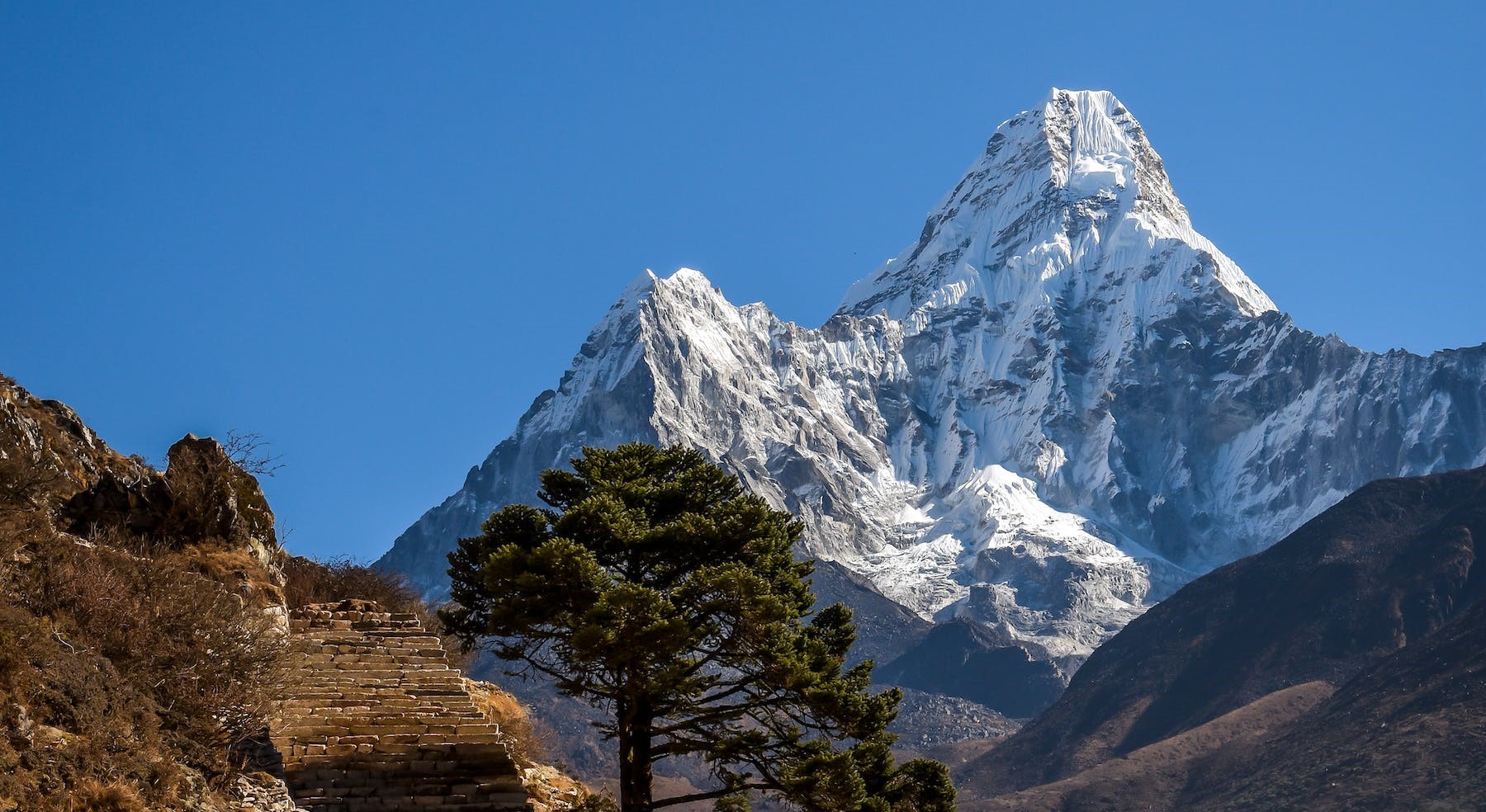
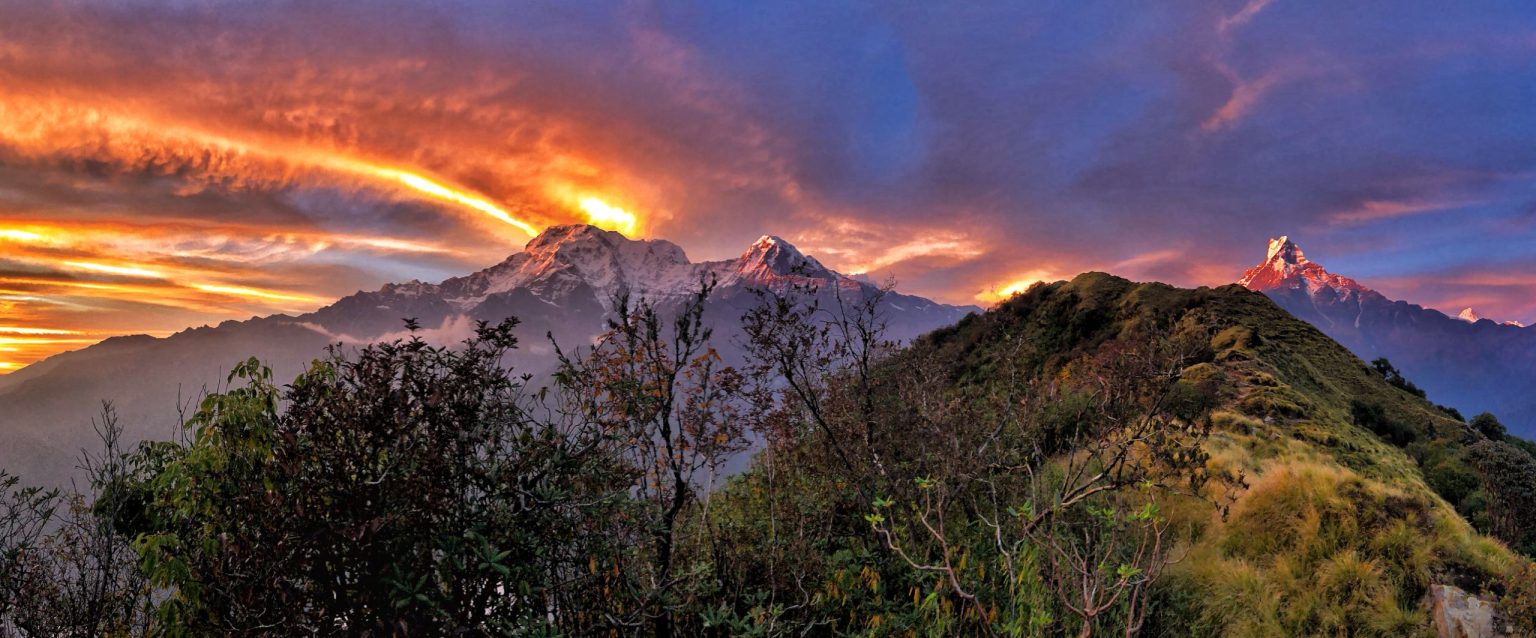
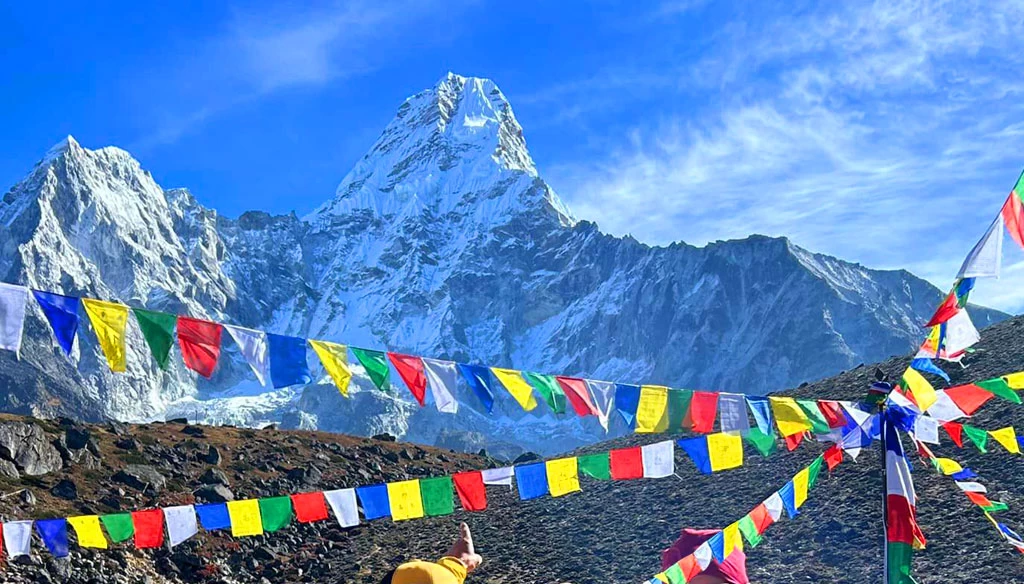
There's a reason Ama Dablam gets called the "Matterhorn of the Himalayas." Even among a skyline that includes Everest, Lhotse, and Nuptse, it's Ama Dablam's dramatic, curved ridgelines and hanging glacier that stop people mid-stride on the trail. You don't need to be a mountaineer to stand at its base and feel that pull — you just need ten days and a decent pair of boots.
Table of Contents
The Ama Dablam Base Camp Trek takes you deep into the Khumbu, through the same Sherpa villages and rhododendron forests that built the legend of Everest Base Camp, but with a sharper focus: getting you face-to-face with one of the most beautiful peaks on Earth, at 4,600m, without the technical climbing gear or the extended timeline of a full expedition. It's the kind of trek that rewards you almost every single day with a mountain view that looks unreal in photos and somehow even better in person.
This guide breaks down the full 10-day itinerary, what it costs, how difficult it actually is, and when to go — everything you need to plan the trip properly. You can check current fixed departure dates and book directly through Northern Trekking Team's Ama Dablam Base Camp Trek page.
Why Trek to Ama Dablam Base Camp?
If you've looked at Everest Base Camp Trek itineraries and felt slightly overwhelmed by the length, the crowds, or the idea of trekking two extra weeks just to see one specific angle of Everest, Ama Dablam Base Camp Trek solves a lot of that. It follows much of the same legendary trail — through Namche Bazaar, Tengboche, and Pangboche — but instead of pushing all the way to Everest Base Camp and Kala Patthar, it turns toward Ama Dablam itself, delivering an equally unforgettable payoff in a shorter window.
Here's what makes it worth doing:
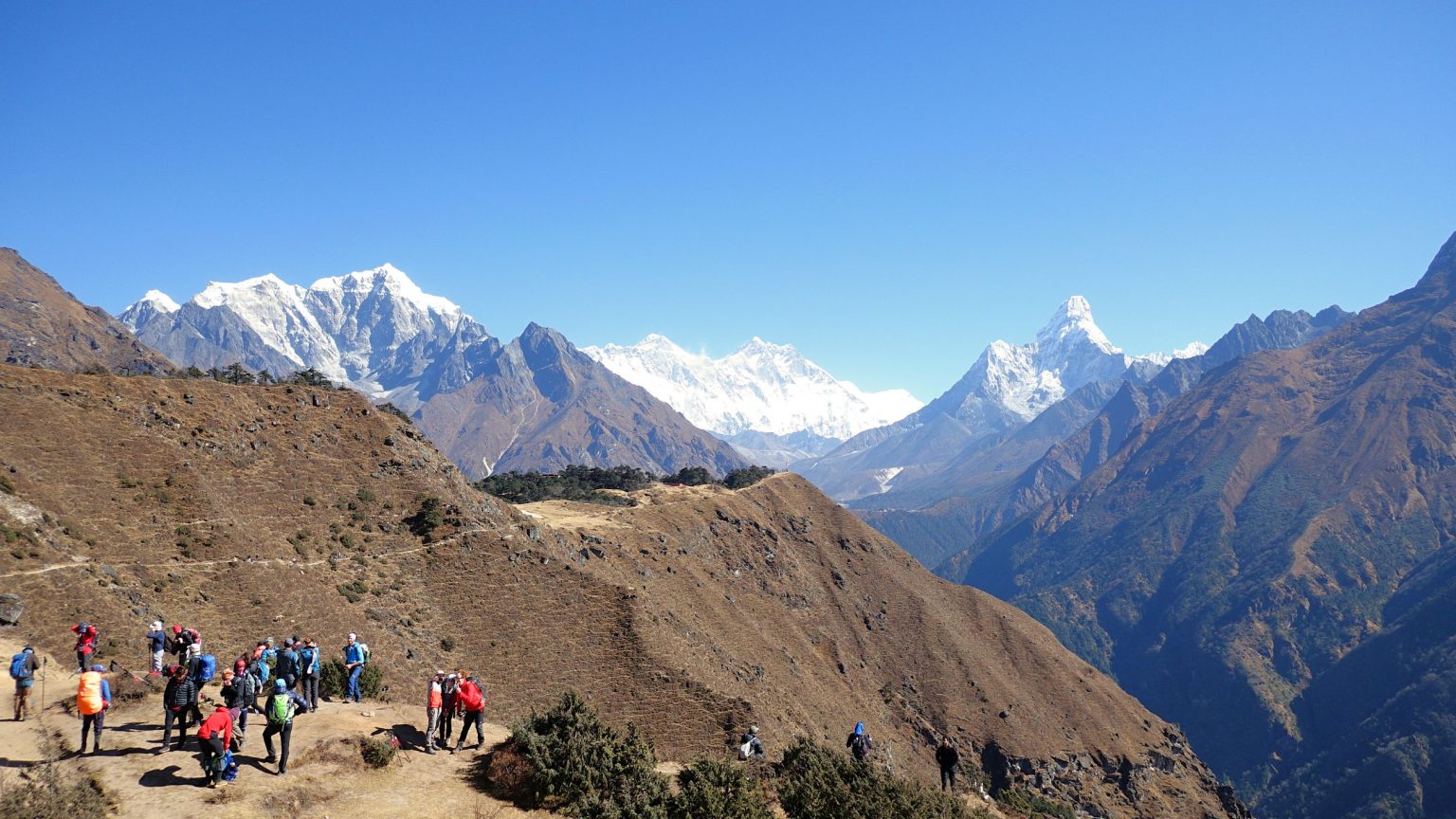
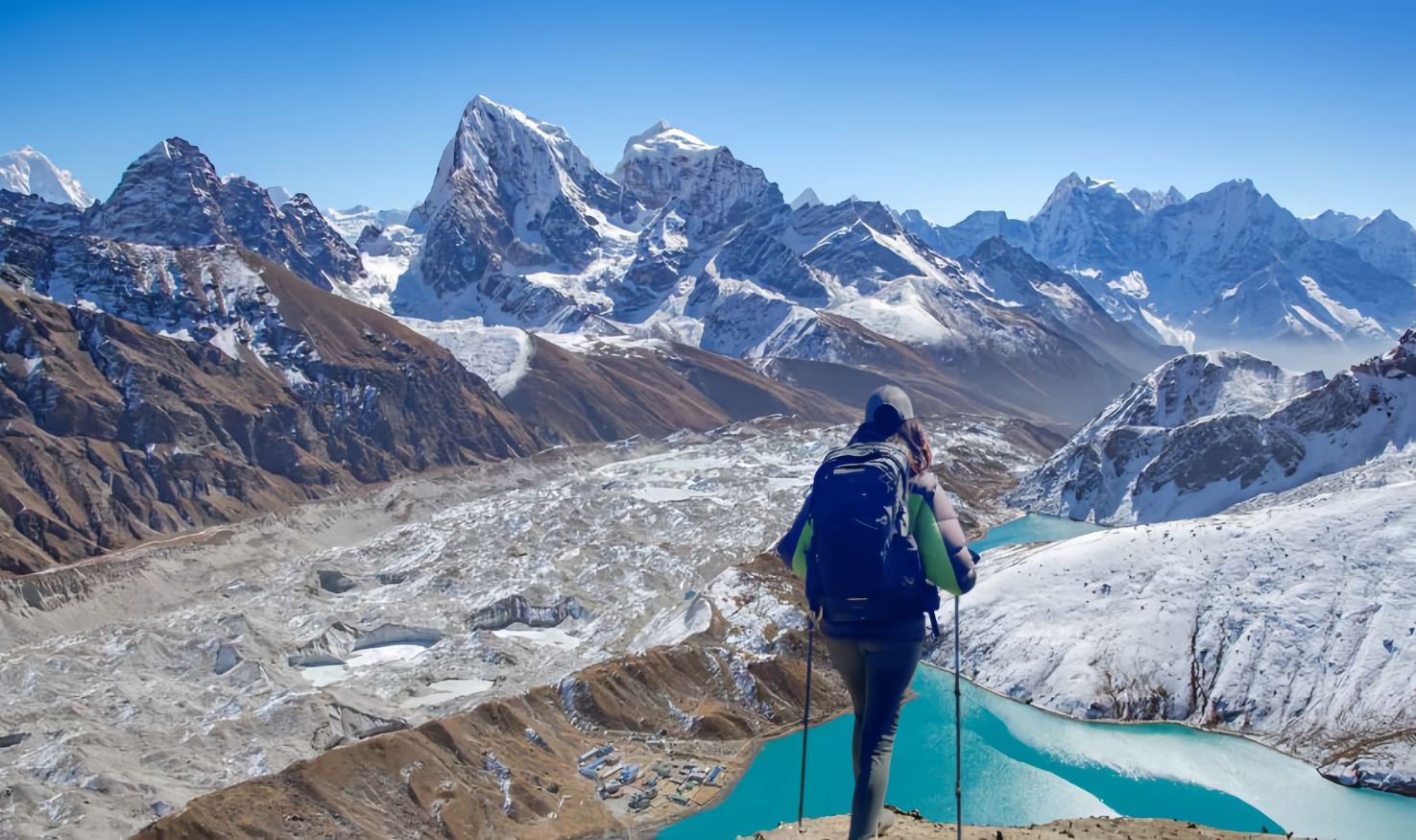
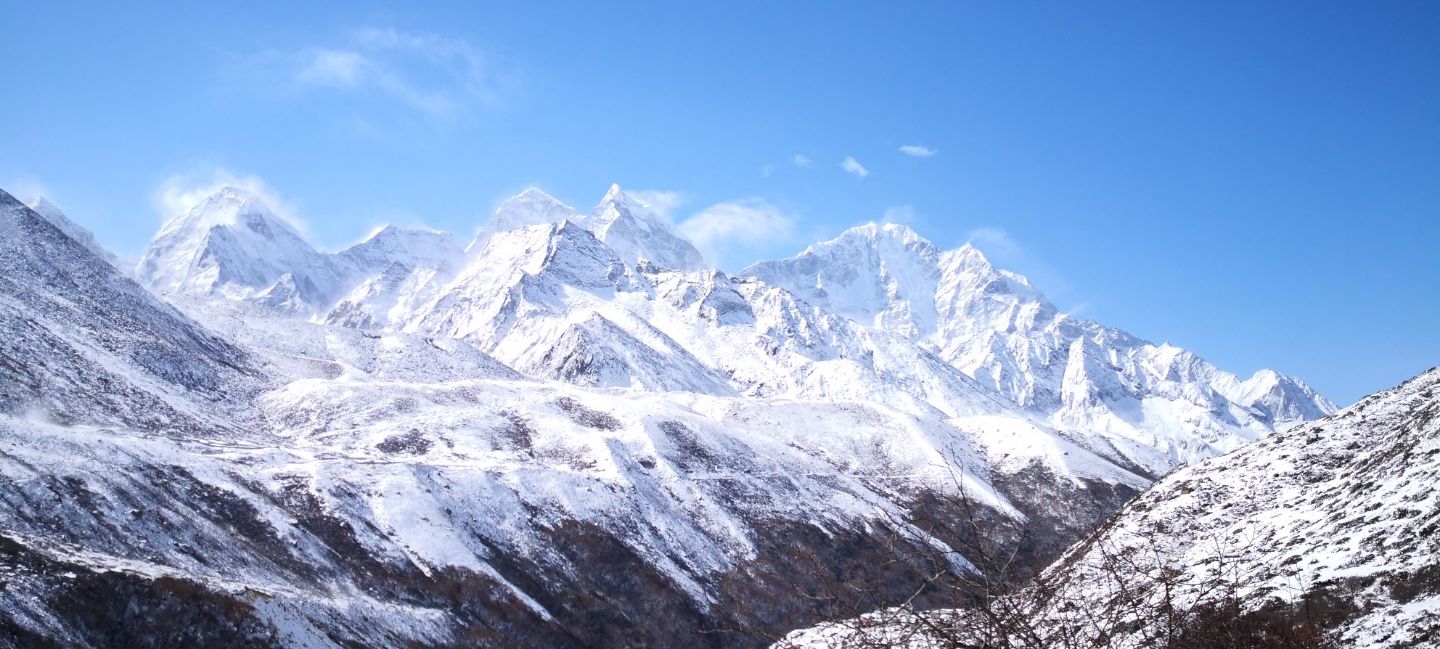
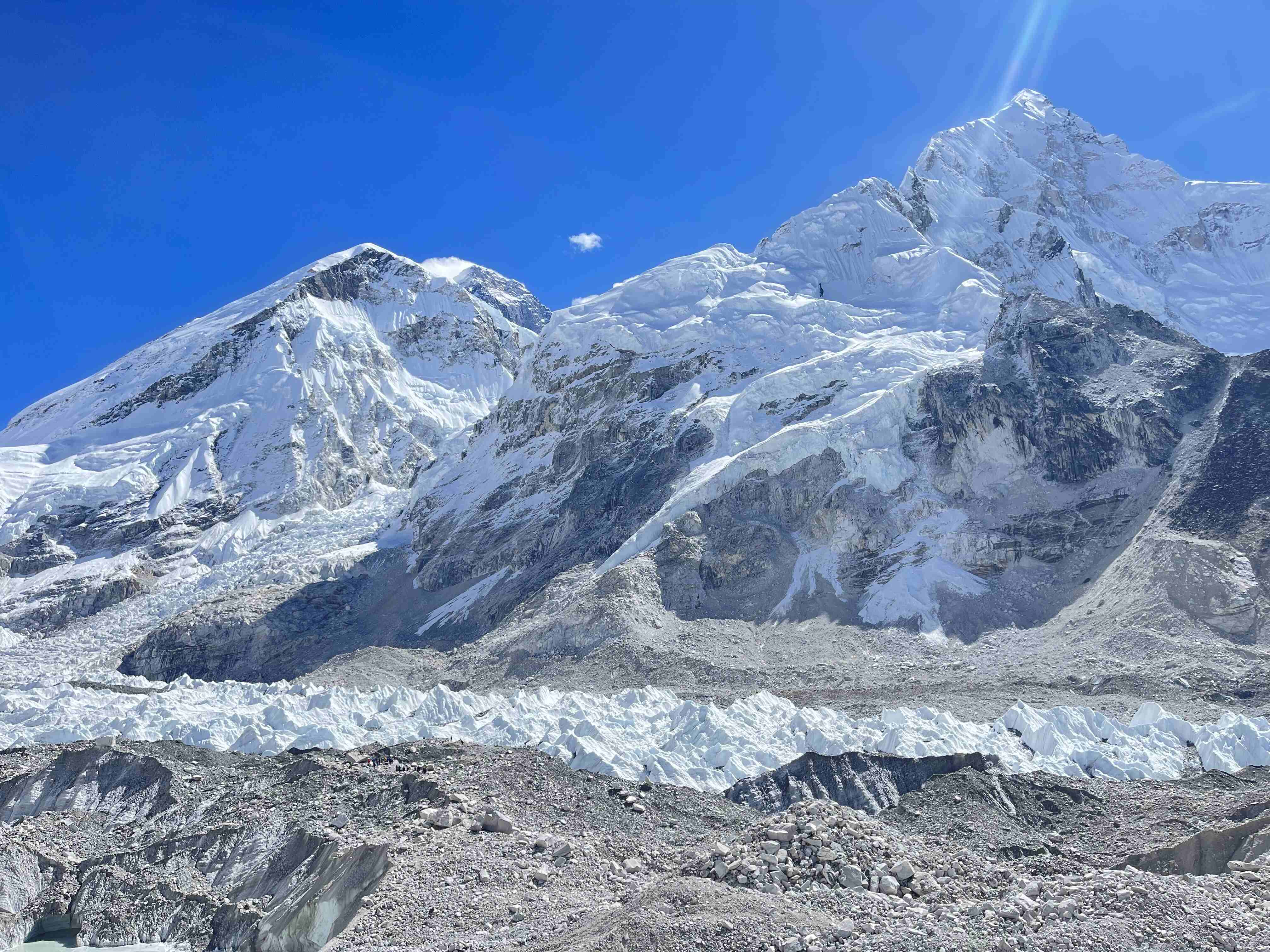
- Unbeatable mountain scenery. You're walking directly beneath Everest, Lhotse, Nuptse, Thamserku, Kangtega, and of course Ama Dablam itself — one of the most photogenic concentrations of 6,000m-plus and 8,000m peaks anywhere in Nepal.
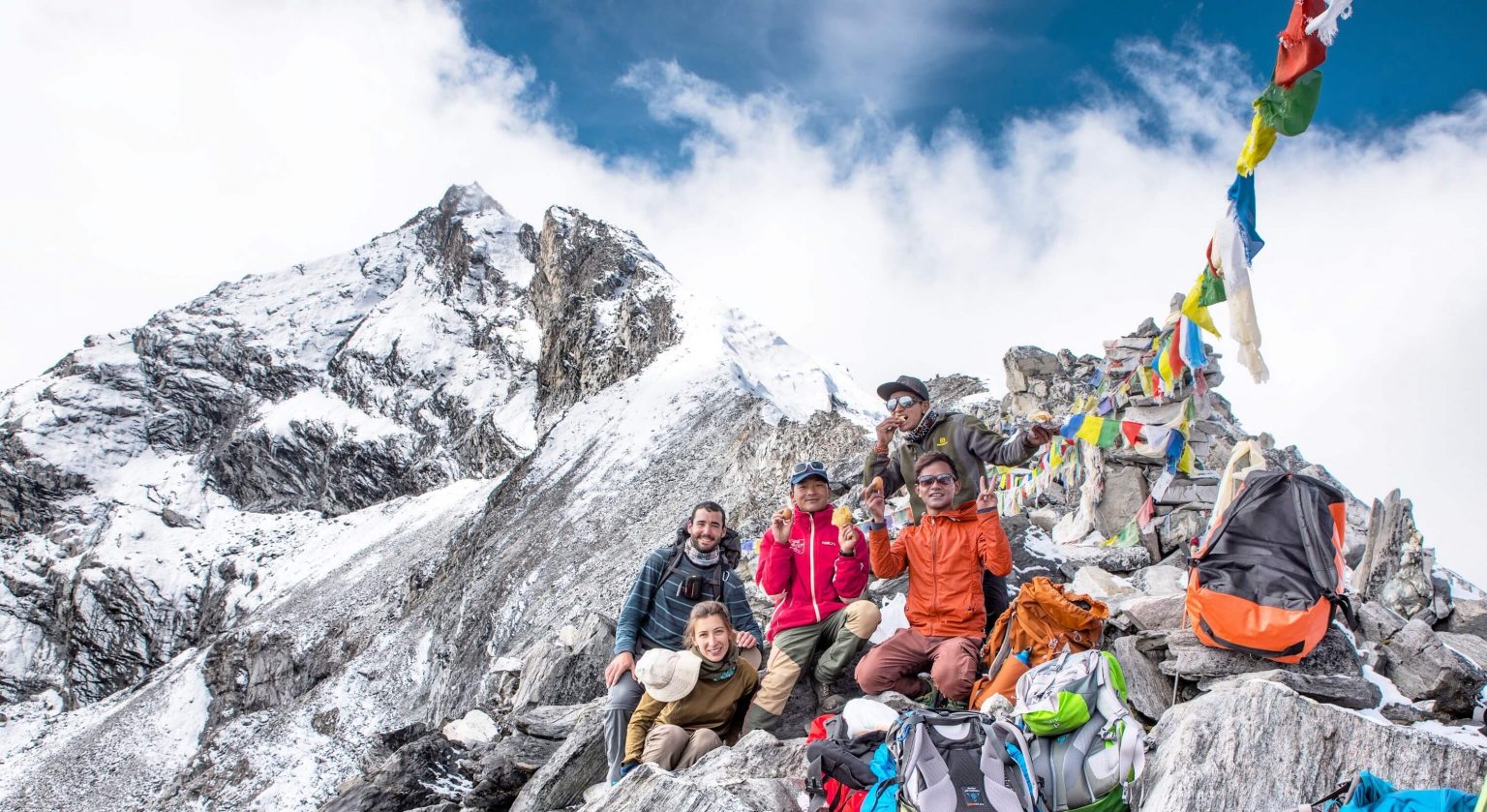
- Deep Sherpa cultural immersion. The trail runs through Namche Bazaar, Khunde, Khumjung, Phortse, Tengboche, and Pangboche — villages with centuries-old monasteries, prayer wheels, and a living Buddhist culture that shapes daily life in the Khumbu.
- A shorter, more accessible timeline. At 10 days total, it fits into a two-week vacation far more comfortably than the 12–16 day itineraries typical of Everest Base Camp treks.
- Genuine acclimatization value. Reaching 4,600m at Ama Dablam Base Camp gives your body real altitude exposure, which makes this trek a smart stepping stone if you're eyeing Everest Base Camp, Island Peak, or the Ama Dablam Expedition itself down the line.
- Fewer crowds at the base camp itself. While the main EBC trail can get busy in peak season, the detour toward Ama Dablam Base Camp sees noticeably less traffic, so you get a quieter, more personal encounter with the mountain.
Ama Dablam Base Camp Trek at a Glance
| Detail | Information |
|---|---|
| Duration | 10 Days |
| Max Altitude | 4,600m (Ama Dablam Base Camp) |
| Region | Everest (Khumbu) Region, Nepal |
| Trip Grade | Moderate |
| Group Size | 1 to 10 people |
| Accommodation | Teahouse/Lodge |
| Meals | Breakfast, Lunch, Dinner |
| Starts / Ends | Kathmandu / Kathmandu |
| Best Season | January–March and September–December |
| Price From | US$ 1,035 per person |
10-Day Ama Dablam Base Camp Trek Itinerary
Here's exactly how the ten days unfold, from your first steps in Kathmandu to the moment you're standing under Ama Dablam's iconic silhouette.
Day 1: Arrival in Kathmandu (1,400m)
Your trek begins the moment you land at Tribhuvan International Airport. The Northern Trekking Team meets you and transfers you to your hotel, leaving you free to wander Thamel's chaotic, colorful streets or simply rest before a pre-trek briefing with your guide, who'll walk you through what the next ten days actually look like.
Day 2: Kathmandu to Lukla (2,860m) to Phakding (2,610m)
An early flight carries you from Kathmandu into Lukla, the small mountain airstrip that serves as the gateway to the entire Khumbu region — and one of the more thrilling short flights you'll ever take, weaving between hillsides before dropping onto a short runway carved into the mountainside. From Lukla, you'll begin trekking almost immediately, following the trail down toward Phakding along the Dudh Koshi river.
Day 3: Phakding to Namche Bazaar (3,440m)
Today's the day the Khumbu really opens up. The trail crosses several suspension bridges strung high above the river, weaves through pine forest, and climbs steadily toward Namche Bazaar — the unofficial capital of the Sherpa homeland. Namche sits in a natural amphitheater carved into the hillside, ringed by peaks like Thamserku and Kongde, and it's here you'll get your first real taste of high-altitude mountain-town life: bakeries, gear shops, bustling markets, and views that make you forget you're tired.
Day 4: Acclimatization Day in Namche Bazaar (3,800m)
Altitude doesn't care how fit you are — everyone needs to adjust, and Namche is the perfect place to do it. Rather than a lazy rest day, most trekkers use this to hike up toward the Everest View Hotel for a jaw-dropping panorama, or wander over to the nearby villages of Khunde and Khumjung to explore quieter Sherpa communities away from the main trail. The "climb high, sleep low" principle is exactly what this day delivers — you gain altitude during the day, then return to Namche's comparatively lower elevation to sleep.
Day 5: Namche Bazaar to Phortse Village (3,840m)
Leaving Namche, the trail trades the busy main EBC route for a quieter path toward Phortse — a traditional Sherpa village perched on a hillside shelf with knockout views of Ama Dablam, Everest, and Lhotse all at once. You'll pass through rhododendron forest along the way (spectacular if you're trekking in spring), and Phortse itself offers a slower, more authentic glimpse into Khumbu village life than the more tourist-heavy stops lower on the trail.
Day 6: Phortse Village to Pangboche (3,985m)
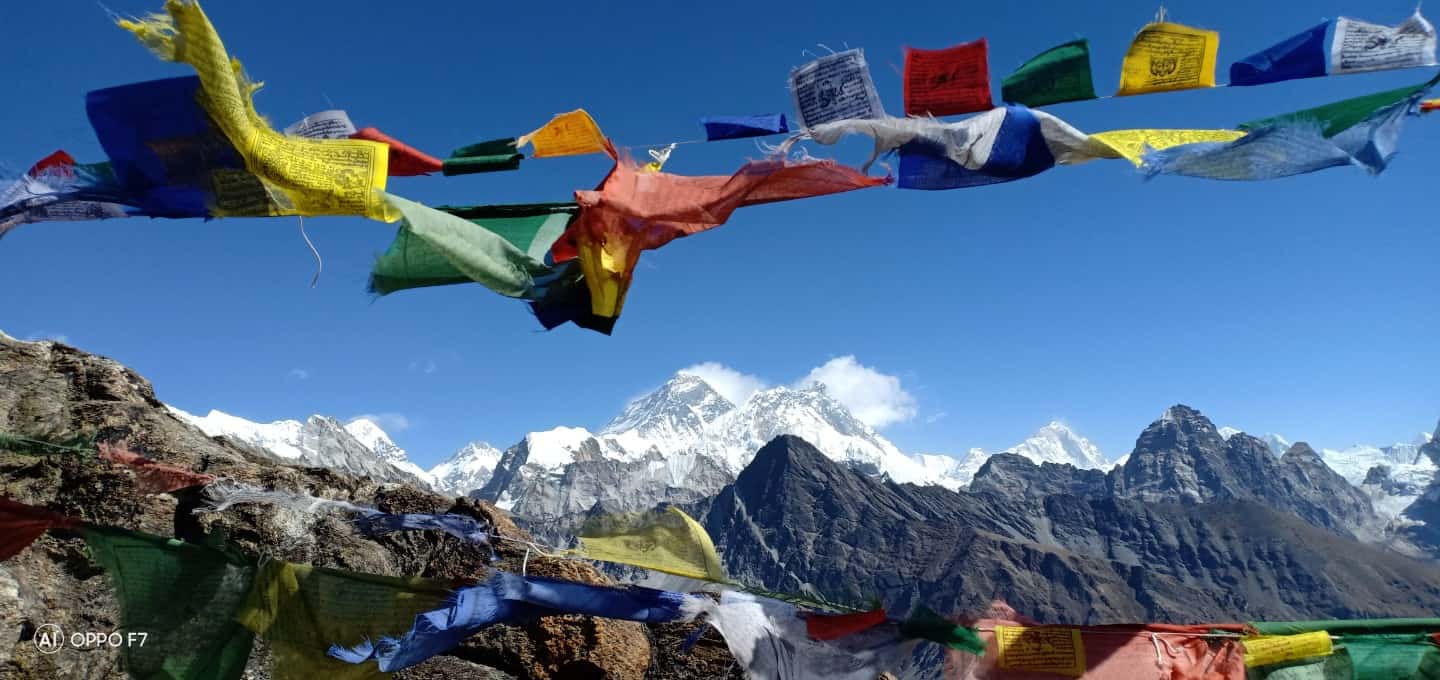
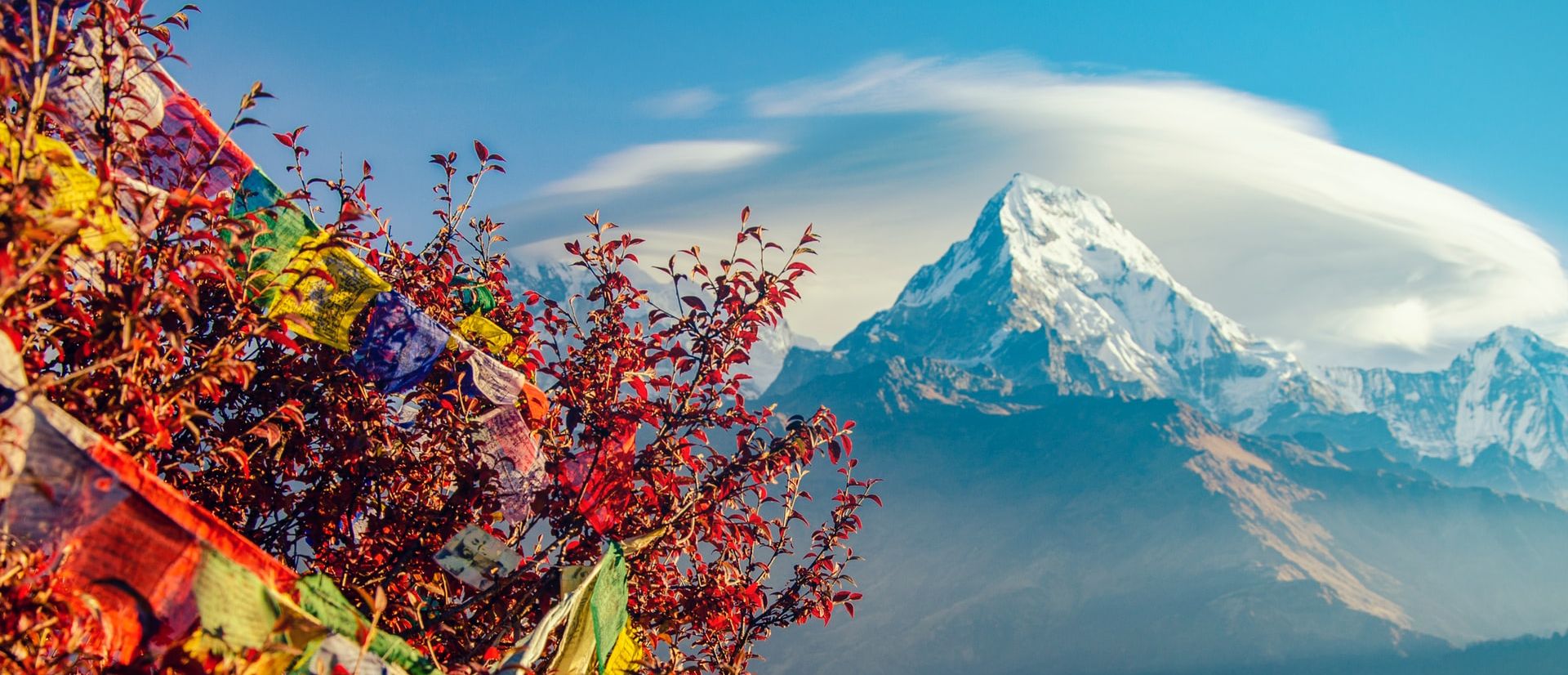
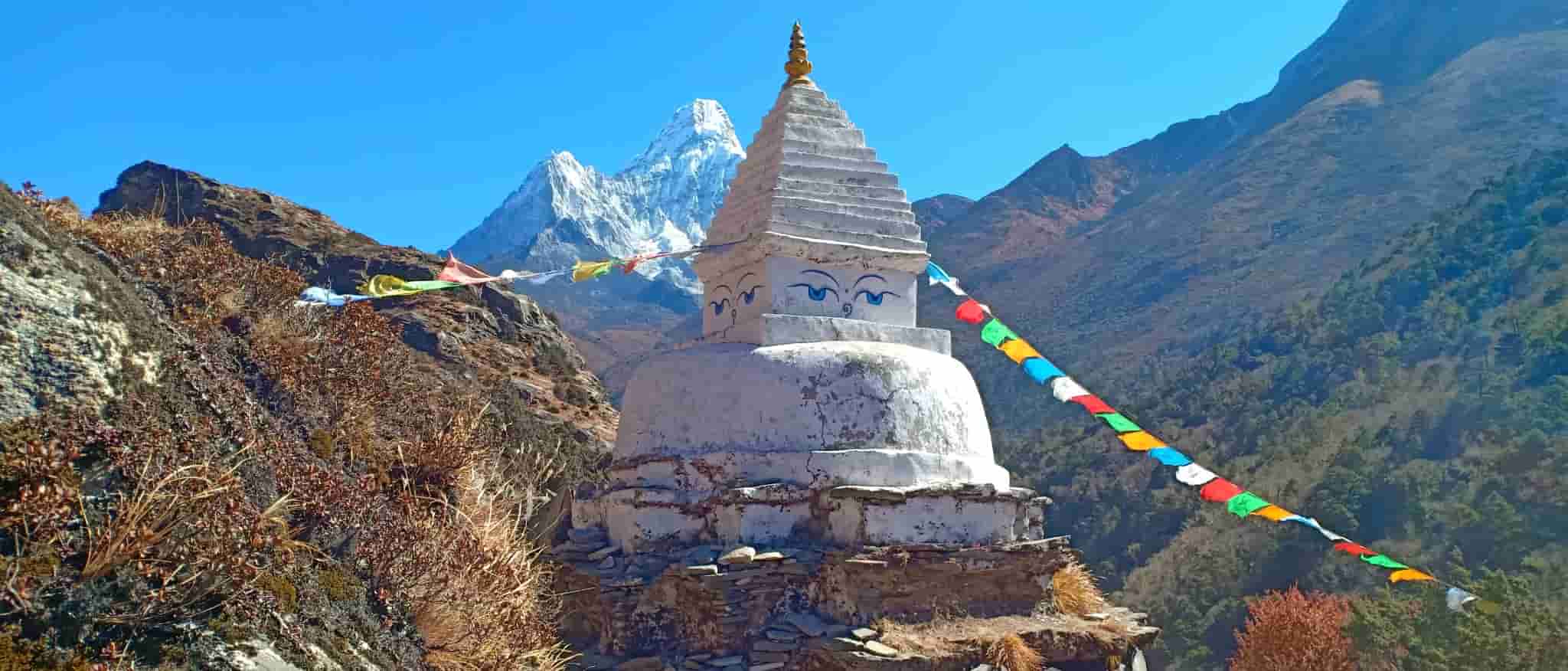
The trail continues through increasingly rugged, high-alpine terrain, prayer flags snapping in the wind as you approach Pangboche — home to one of the oldest and most revered monasteries in the entire Khumbu region. Ama Dablam looms noticeably larger and closer from here, dominating the skyline in a way that makes tomorrow's plan feel very real.
Day 7: Day Trip to Ama Dablam Base Camp (4,600m), Overnight in Pangboche
This is the heart of the trip. With a light daypack, you'll trek up to Ama Dablam Base Camp itself at 4,600m, standing directly beneath the mountain's famous hanging glacier and knife-edge ridgelines — the same base camp used by climbers attempting the actual summit. It's a viewpoint that few trekkers ever reach, and the scale of the mountain up close is genuinely humbling. After soaking it in, you'll descend back to Pangboche for a comfortable overnight stay.
Day 8: Pangboche to Namche Bazaar (3,440m)
Begin retracing your steps, passing back through Tengboche Monastery and enjoying the mountain views one more time from a slightly different angle heading downhill. It's a good day to slow down, take photos you missed on the way up, and reflect on what you just accomplished.
Day 9: Namche Bazaar to Lukla (2,860m)
The final trekking day brings you back down through familiar trail, past the suspension bridges and river crossings that marked your first days in the mountains — usually accompanied by a strong sense of accomplishment (and, for many, sore knees) as Lukla comes back into view.
Day 10: Fly Back to Kathmandu (1,400m)
A scenic morning flight lifts you out of Lukla and back to Kathmandu, giving you one last aerial glimpse of the peaks you just spent over a week walking among. The trip typically wraps with a farewell dinner in Kathmandu — a fitting way to celebrate ten days that will stick with you a lot longer than that.
How Much Does the Ama Dablam Base Camp Trek Cost?
Pricing starts at US$ 1,035 per person for the standard fixed-departure group joining trip, with departures running through September, October, November, and December 2026.
What's Included
- All private ground transportation, including airport transfers
- 2 nights' hotel accommodation in Kathmandu with breakfast
- Domestic flights (Kathmandu–Lukla–Kathmandu) and airport taxes
- All teahouse/lodge accommodation during the trek
- Full board (breakfast, lunch, dinner) plus tea/coffee throughout the trek
- Snacks and seasonal fruit on trek
- Sagarmatha National Park entry permit and Khumbu Pasang Lhamu Rural Municipality fee
- First-aid kit
- Sleeping bag and down jacket (available upon request)
- A refundable duffel bag, trekking T-shirt, and trekking map
- Water purification tablets
- An experienced guide and porter, including their food, accommodation, transport, wages, and insurance
- A farewell dinner in Kathmandu
What's Excluded
- Lunch and dinner in Kathmandu, and any extra nights of accommodation there
- Nepal entry visa fee
- International airfare and airport taxes, plus city sightseeing entrance fees
- Personal expenses — laundry, phone calls, snacks, camera and battery charging
- Extra Kathmandu accommodation due to early arrival, late departure, or an early return from the trek
- Travel and health insurance
- Personal trekking gear
- Tips for your guide and porter (customary and genuinely appreciated)
Given how much is bundled into that base price — flights, permits, full board, and staff — this trek represents strong value for a Khumbu itinerary that delivers Everest Base Camp-caliber scenery in a fraction of the time.
How Difficult Is the Ama Dablam Base Camp Trek?
This trek is graded Moderate, and that's a fair label. You don't need mountaineering experience or technical climbing skills — this is a walking trek on established trails, staying in teahouses the entire way. But "moderate" in the Khumbu still means real daily hiking, typically five to six hours of trail time with meaningful elevation gain, on terrain that includes rocky paths, suspension bridges, and sustained climbs.
The biggest factor isn't fitness — it's altitude. Reaching 4,600m at Ama Dablam Base Camp puts real strain on your body, and the built-in acclimatization day in Namche Bazaar exists for exactly that reason. Trekkers with a solid baseline of cardiovascular fitness, who take the acclimatization day seriously, and who go in with realistic expectations about the effects of altitude tend to have the best experience. It's absolutely achievable for a reasonably fit beginner trekker — but it's not a stroll, and it shouldn't be treated as one.
Best Time to Trek to Ama Dablam Base Camp
The trek runs well across two main windows: January to March and September to December.
- Autumn (September–November) is the classic Khumbu trekking season — post-monsoon skies are clear, temperatures are comfortable during the day, and mountain visibility is usually at its best all year. This is peak season for the Everest region, so expect more company on the main trail through Namche.
- Winter (December–February) brings colder temperatures, especially at higher elevations, but also noticeably quieter trails and crisp, clear mountain views. If you're comfortable with cold mornings and pack the right layers, this is a rewarding time to go with far fewer crowds.
- Spring (March) offers a nice middle ground — rhododendron forests start blooming lower on the trail, days are warming up, and the weather is generally stable heading into the main spring climbing season.
Whichever window you choose, layering properly and being prepared for cold nights above 3,500m matters more than the specific month.
Ama Dablam Base Camp Trek FAQs
1. How difficult is the Ama Dablam Base Camp Trek?
The trek is rated Moderate. It doesn't require any technical climbing skills or prior mountaineering experience, but you should expect five to six hours of walking most days, some steep and rocky sections, and the physical effects of altitude above 3,500m. A reasonably fit beginner trekker can absolutely complete it — the acclimatization day in Namche Bazaar is what makes it manageable.
2. What is the maximum altitude of the Ama Dablam Base Camp Trek?
The highest point is Ama Dablam Base Camp at 4,600m. You'll spend most of the trek between 2,600m and 4,000m, with the base camp visit as a single-day push to the top elevation before descending back to sleep at a lower altitude the same night.
3. How many days do I need for the Ama Dablam Base Camp Trek?
The standard itinerary runs 10 days, Kathmandu to Kathmandu, including the Lukla flights on both ends. That makes it noticeably shorter than the classic Everest Base Camp Trek, which typically runs 12–16 days.
4. Do I need prior trekking experience for this trek?
No technical experience is required, but some hiking fitness helps a lot. If you can comfortably walk 5–6 hours a day on uneven terrain and you're prepared for high-altitude conditions, you're well suited for this trek — even as a first-time Himalayan trekker.
5. What is the best time of year to trek to Ama Dablam Base Camp?
The two main seasons are September to December and January to March. Autumn (Sept–Nov) offers the clearest skies and most stable weather and is the busiest season on trail. Winter (Dec–Feb) is colder but much quieter, and March brings blooming rhododendrons and warming spring conditions.
6. How much does the Ama Dablam Base Camp Trek cost?
Packages start from around US$ 1,035 per person for a fixed group departure, which typically includes Lukla flights, teahouse accommodation, full board meals, permits, and guide/porter support. Costs can vary based on group size, private departures, and added services.
7. Is the Ama Dablam Base Camp Trek the same as the Everest Base Camp Trek?
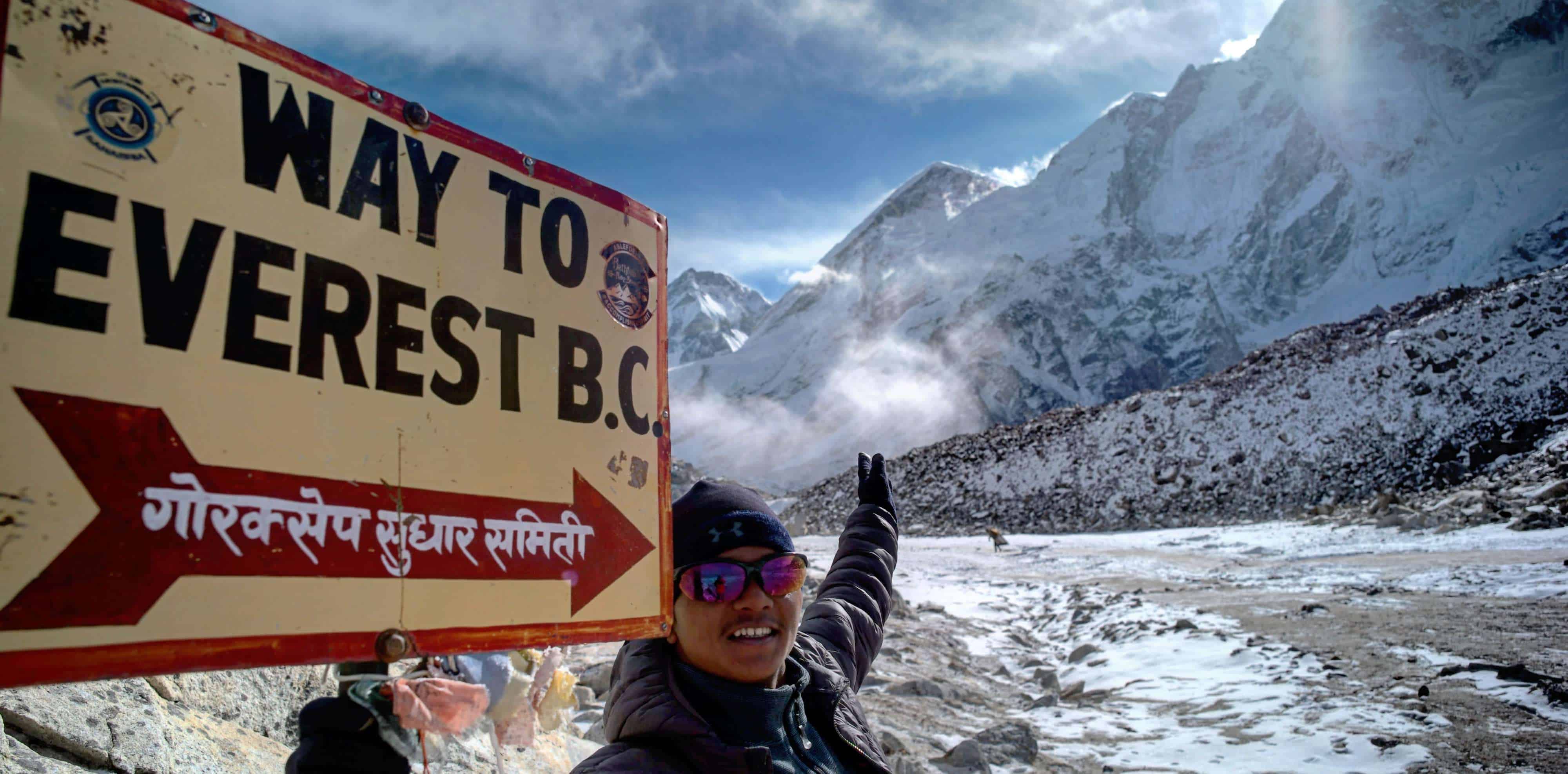
They overlap for the first several days — both follow the same route through Namche Bazaar, Tengboche, and Pangboche — but they diverge near the top. This trek turns toward Ama Dablam Base Camp (4,600m) instead of continuing on to Everest Base Camp and Kala Patthar, making it a shorter, more focused alternative.
8. Can I see Everest on the Ama Dablam Base Camp Trek?
Yes. Along the trail — especially around Namche Bazaar, Phortse, Tengboche, and Pangboche — you'll get clear views of Everest, Lhotse, Nuptse, and several other major peaks, in addition to close-up views of Ama Dablam itself.
9. What permits are required for the Ama Dablam Base Camp Trek?
You'll need a Sagarmatha National Park entry permit and the Khumbu Pasang Lhamu Rural Municipality entry fee, since the trail runs entirely within the Everest (Khumbu) region. Reputable trekking agencies handle these permits as part of the package.
10. Is the Ama Dablam Base Camp Trek good preparation for climbing Ama Dablam or Everest Base Camp?
Yes — it's a genuinely useful acclimatization trip. Reaching 4,600m gives real altitude exposure, and the trail, teahouses, and daily routine closely mirror what you'd experience on the Everest Base Camp Trek or the approach to the Ama Dablam Expedition, making this trek a smart stepping stone before attempting either.
Final Thoughts
The Ama Dablam Base Camp Trek gives you something a lot of Himalayan itineraries struggle to deliver: maximum reward in minimum time. In just ten days, you walk through the same storied Sherpa villages and monasteries that define the Everest region, gain genuine high-altitude experience up to 4,600m, and end up standing at the foot of arguably the most beautiful mountain in Nepal — all without needing technical climbing skills or a month off work.
It's also a smart trek to have on your resume if you're building toward something bigger. The altitude exposure, the trail conditions, and the acclimatization routine mirror exactly what you'd face on the way to Everest Base Camp or on the approach to the Ama Dablam Expedition itself, making this a genuinely useful stepping stone rather than just a scenic detour.
If Ama Dablam has been sitting on your list, ten days is really all it takes. Check current fixed departure dates, full pricing, and trip logistics on the Ama Dablam Base Camp Trek page at Northern Trekking Team, or reach out to their team to arrange a private departure around your own travel dates.
Recent From Ama Dablam Base Camp Trek: 10-Day Itinerary, Cost, Difficulty & Best Time
Jun 27, 2022
Jun 27, 2022

Jul 19, 2022
Sep 20, 2025
Jan 03, 2023
Feb 03, 2023
Feb 17, 2023
Feb 23, 2023
Mar 03, 2023
Mar 14, 2023
Mar 20, 2023
Mar 28, 2023
Apr 06, 2023
Jul 31, 2023
Aug 28, 2023

Jan 04, 2026


Mar 10, 2026
Mar 10, 2026



Apr 03, 2026
Sep 10, 2026