13th Oct, 2026
How Hard Is Island Peak After the Everest Base Camp Trek?
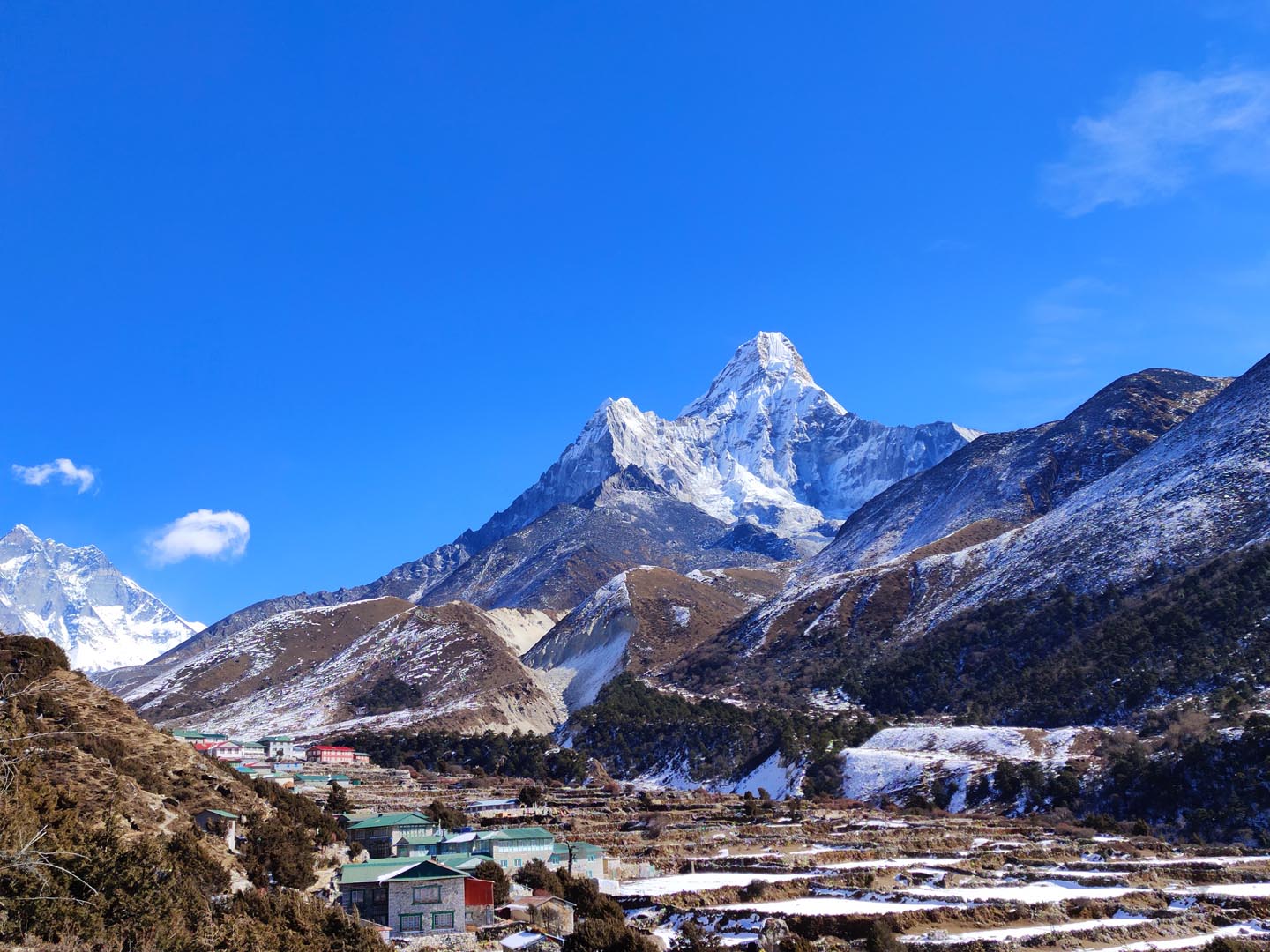
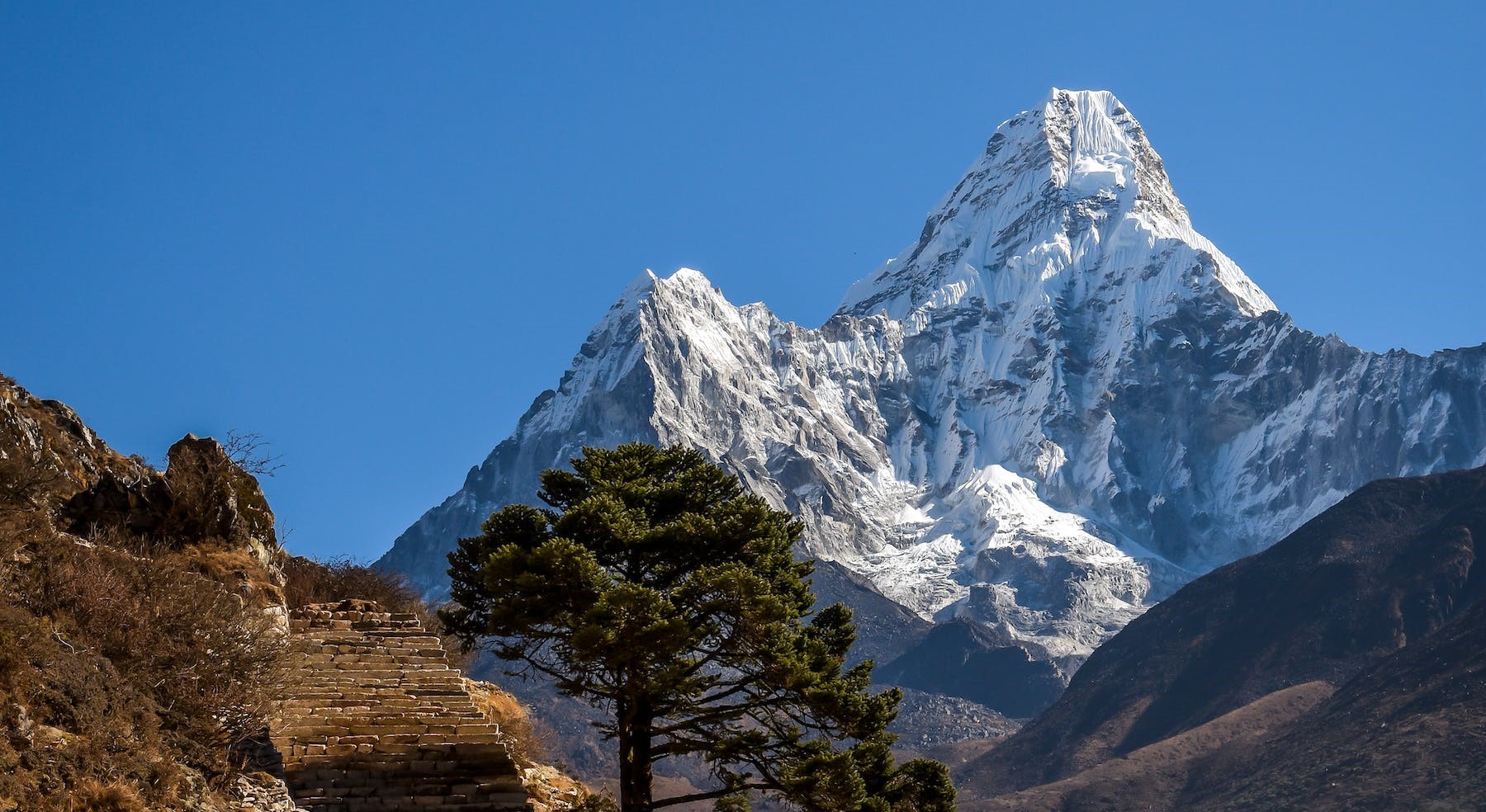
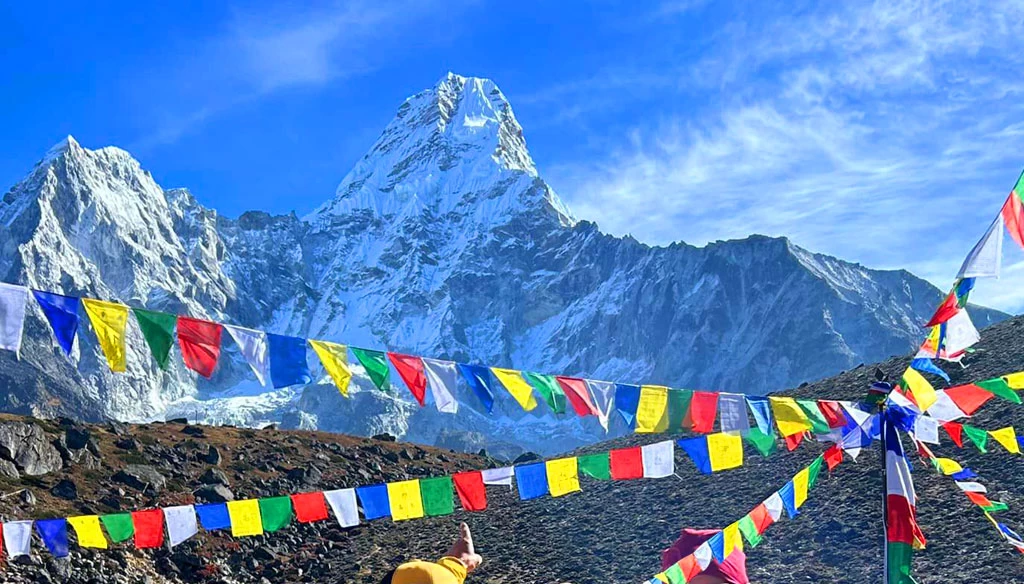
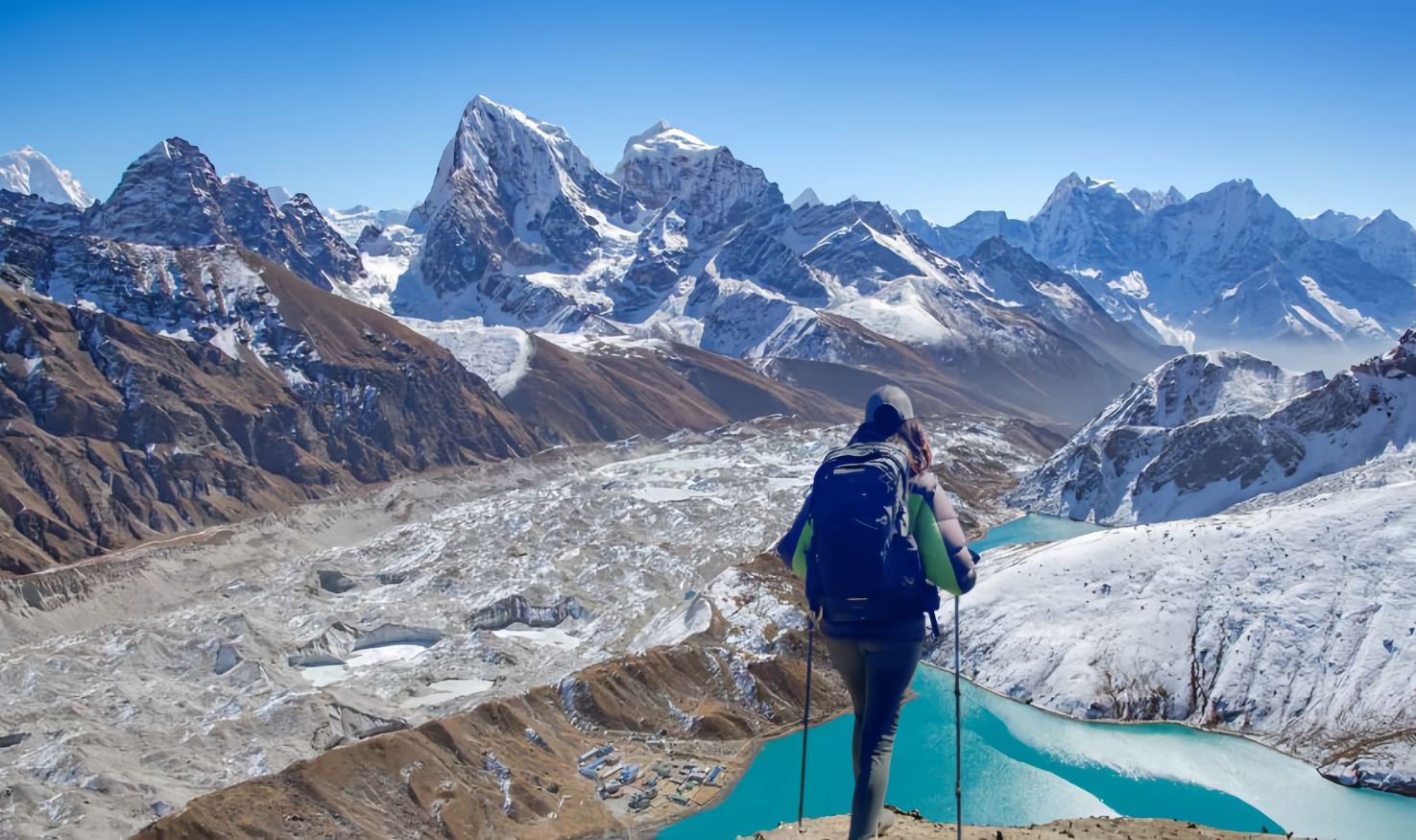
If you’ve walked to Everest Base Camp (EBC), the next question is natural: “Could I climb a Himalayan peak too?” Island Peak (Imja Tse, 6,189 m) is the most common answer. It’s popular with first-time climbers because it needs less technical skill than bigger mountains. But “popular” doesn’t mean “easy”, and doing it right after EBC changes the picture in both good and bad ways.
Table of Contents
This guide gives you an honest answer from the team at Northern Trekking Team. We run the combined Island Peak Climbing with EBC itinerary every season, so we see how people actually handle it.
The Short Answer
Island Peak after EBC is hard, but achievable for a fit, well-prepared trekker. It is a big step up from the EBC walk, mainly because of summit day: a very early start, cold, thin air, steep snow and ice, and many hours of effort. What makes it manageable is that the EBC route gives you excellent acclimatization. What makes it harder is that you arrive already tired from about 12 days on the trail.
Our trip is graded Hard, and that grade is fair.
EBC Trek vs Island Peak: What Changes
| Everest Base Camp Trek | Island Peak Summit | |
|---|---|---|
| Highest point | About 5,364 m (EBC), plus Kala Patthar viewpoint | 6,189 m |
| Terrain | Trekking trail, moraine, rocky paths | Glacier, snow slope, rock, steep ice near the top |
| Technical gear | None | Crampons, ice axe, harness, helmet, fixed ropes |
| Start time | Usually after breakfast | Around 1 am on summit day |
| Longest effort | 7 to 8 hour trekking day | A very long summit day, often 10 hours or more |
| Guide needed | Recommended | Mandatory |
| Cold | Cold at night | Very cold during the climb, with wind |
Island Peak is about 825 m higher than EBC, but the real difference is the style of effort. Trekking is steady walking. Climbing adds a headlamp start in freezing darkness, equipment, ropes and a long day with little room to rest.
What Makes Island Peak Difficult
1. Altitude
At 6,189 m, there is roughly half the oxygen available at sea level. Even strong trekkers feel slower, breathless and colder. The risk of altitude sickness is real, and it doesn’t care how fit you are.
2. The Summit Day
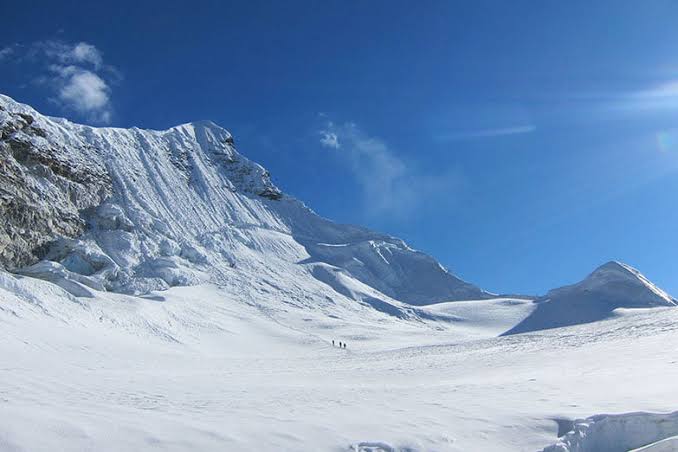
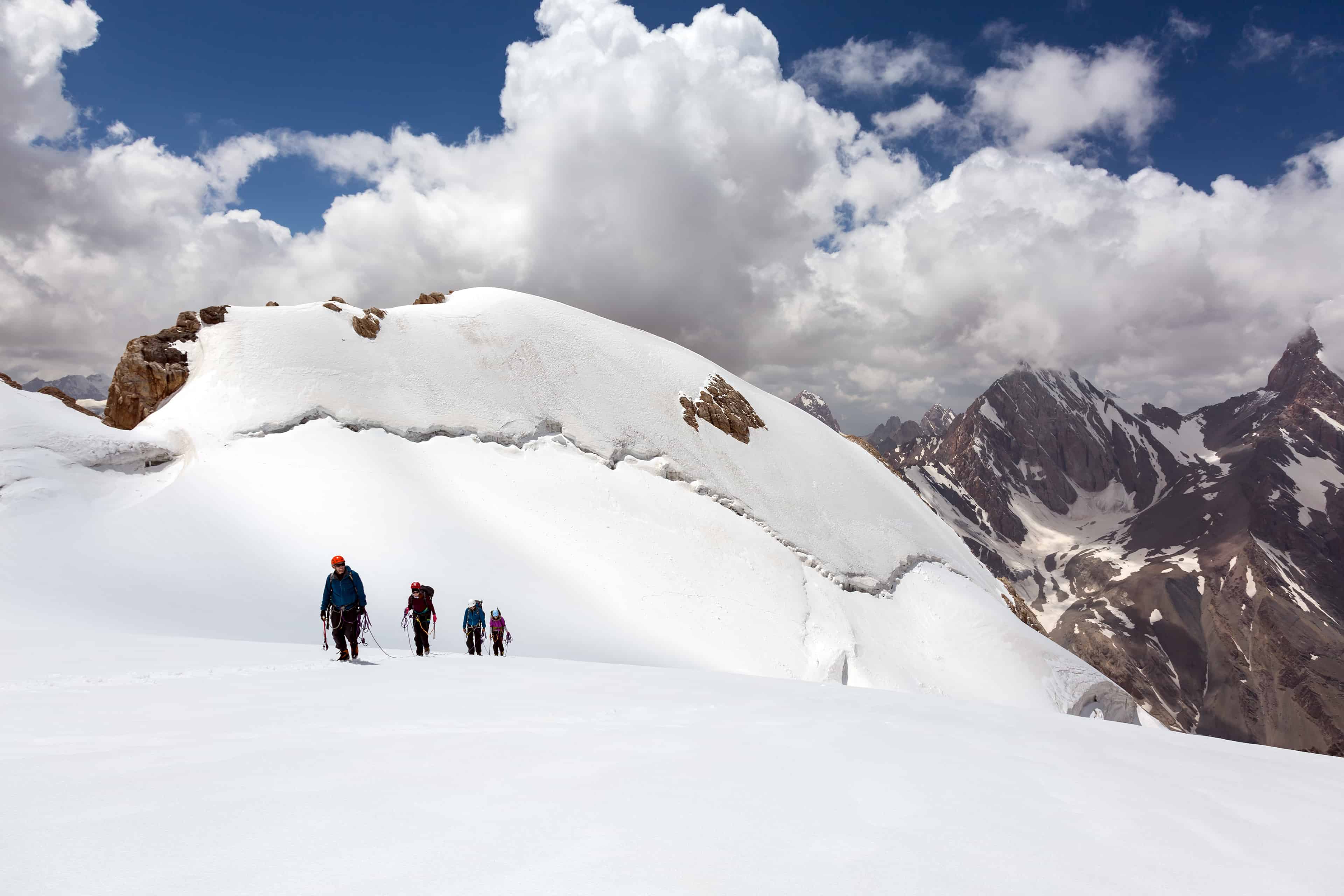
Our schedule starts the summit push from Island Peak Base Camp around 1 am. You climb by headlamp, cross rocky ground and a glacier section, then tackle the steep snow and ice slope near the top using fixed ropes. After reaching the summit and taking photos, you still have to descend all the way back down and continue to Chukung. The descent is where many people feel the exhaustion most.
3. Technical Elements
You don’t need advanced mountaineering skills, but you do need to be comfortable with:
- Walking in crampons on snow and ice
- Using an ascender (jumar) on fixed ropes
- Moving carefully in a harness near exposed sections
- Using an ice axe for balance and safety
4. Cold and Wind
Nights at base camp and the early hours of summit day are bitterly cold. Cold hands and feet are a common reason for turning back, so proper boots, gloves and layers matter.
5. Mental Strain
Summit day tests patience as much as fitness. You’ll have long stretches where you’re tired, cold and unable to see more than your headlamp beam. A steady mindset helps.
How the EBC Trek Helps You
Real Acclimatization
This is the biggest benefit. By the time you reach Island Peak Base Camp, you’ve spent days above 4,000 m and visited the 5,000 m range around Gorak Shep, Everest Base Camp and Kala Patthar. Our itinerary builds in acclimatization days at Namche Bazaar and Dingboche, and a second rest day at Dingboche after EBC. That staged exposure improves your chances far more than flying in and climbing straight away.
Trail Fitness
Eleven days of walking build leg strength, stamina and a good routine for eating, drinking and sleeping at altitude.
Familiarity with the Environment
You know how your body behaves in the mountains, and you’ve learned your own pace and what you need to eat and wear.
How the EBC Trek Can Work Against You
Be honest with yourself about these:
- Accumulated fatigue. By summit day you’ve trekked about 12 days. Your legs may be fine, but your reserves are lower than at the start.
- Common illnesses. Dry-air coughs, stomach upsets and poor sleep are common in the Khumbu. A mild illness on summit day can end the attempt.
- Appetite loss. Many trekkers eat less at altitude and lose weight, which affects energy.
- Time pressure. A tight schedule leaves less room for weather delays. Always keep spare days before your international flight.
Island Peak Summit Day, Step by Step
Here’s a realistic outline of how our summit day (Day 13) works:
- Around 1 am: Wake, eat a light, high-energy breakfast and dress for the cold.
- Early hours: Climb rocky terrain by headlamp with your guide.
- Glacier section: Put on crampons and rope up as required.
- Final slope: Climb the steep snow and ice section using fixed ropes and your ascender.
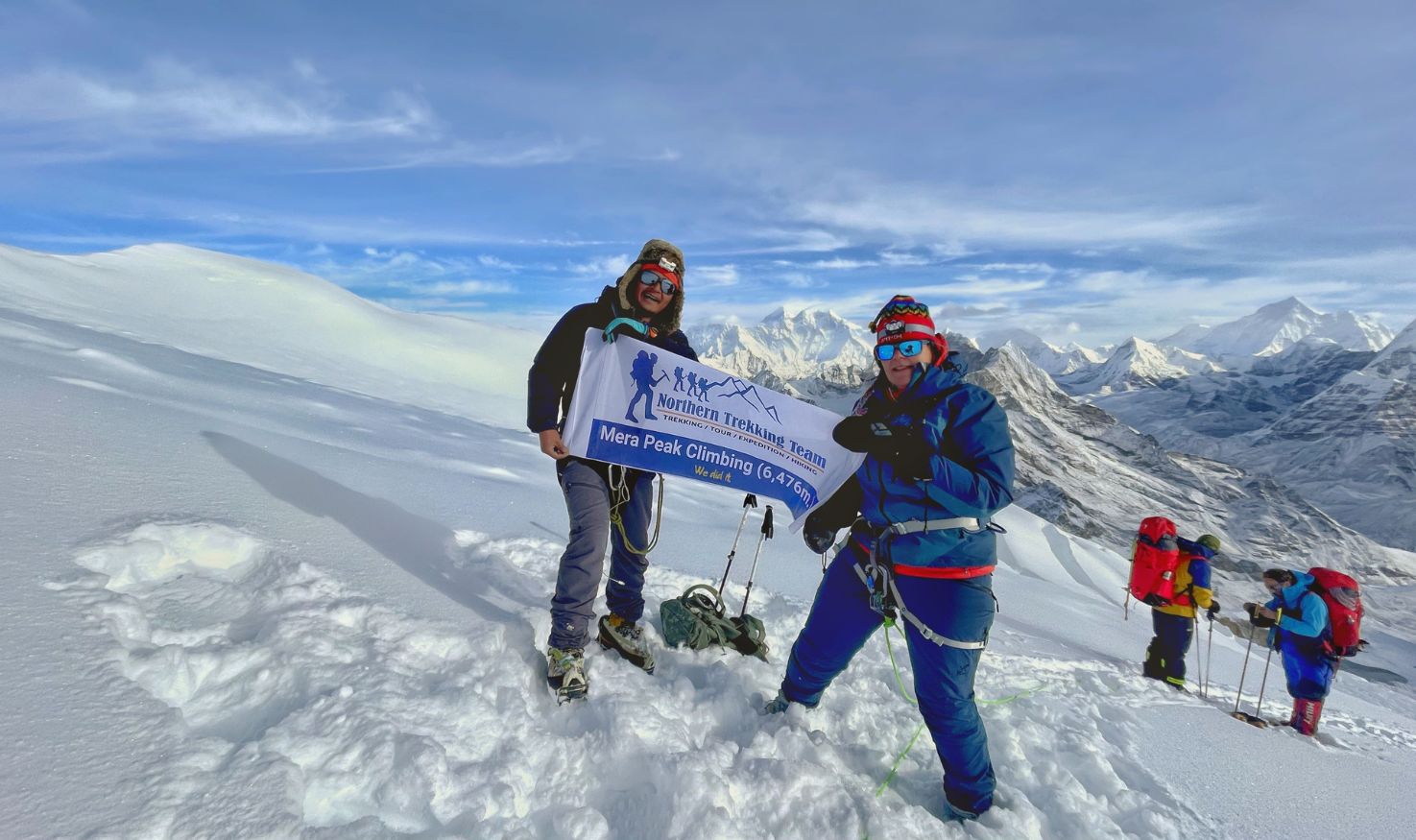
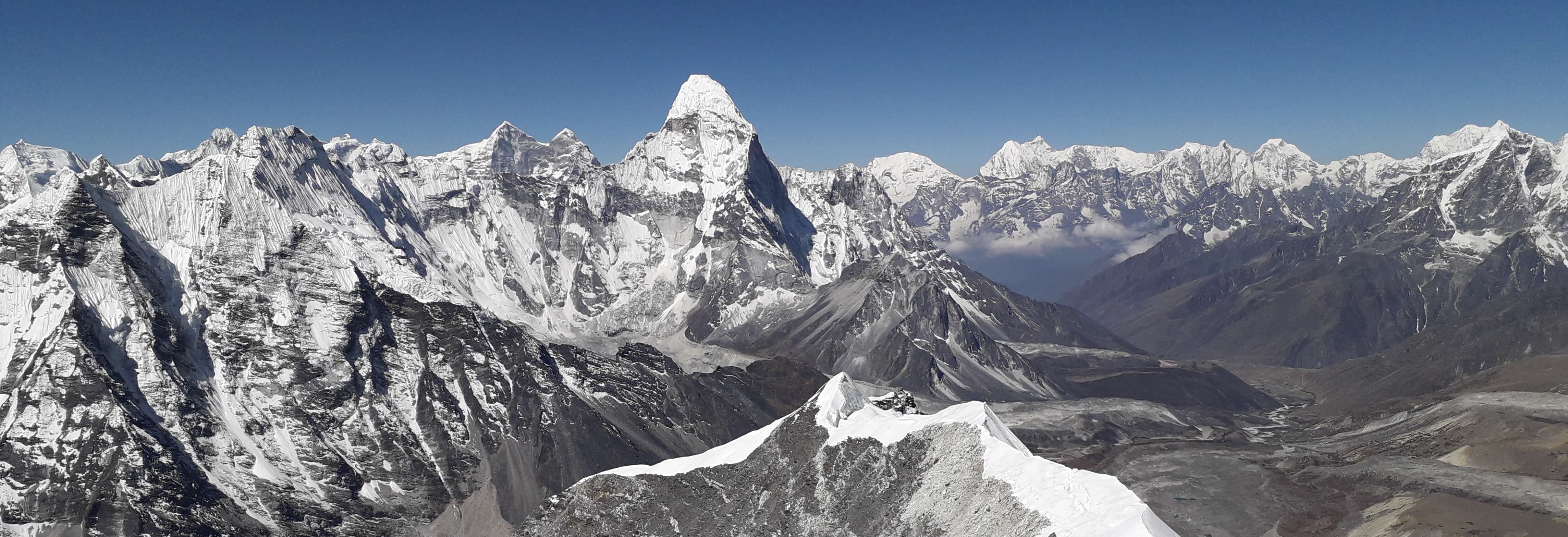
- Summit (6,189 m): Enjoy views of Lhotse, Makalu, Ama Dablam and the surrounding peaks.
- Descent: Return to base camp, then continue to Chukung. This is a very long day.
Your guide controls the timing and can turn the group around if conditions or your health don’t allow a safe summit.
The Training Day at Base Camp
Day 12 is a short trek to Island Peak Base Camp (about 5,100 m) with climbing training included. You practice with crampons, harness, ascender and ice axe so the equipment feels familiar before the real thing. This is one reason beginners can attempt the peak safely with our team.
Are You Ready? A Self-Check
You’re likely ready if you:
- Have completed a multi-day high-altitude trek before
- Can walk 6 to 8 hours a day for several days in a row
- Feel strong and healthy through the EBC section
- Are comfortable with heights and basic exposure
- Can follow instructions and accept your guide’s decisions
You should think twice if you:
- Struggled badly with altitude on the way to EBC
- Are ill, very run-down or not eating well
- Have no trekking experience at all before this trip
- Can’t allow spare days in your schedule
How to Prepare Before You Arrive
- Build endurance for 8 to 12 weeks. Hill walking, running, cycling and stair climbing all help.
- Train with a loaded pack and on uneven terrain.
- Strengthen legs and core, especially for the long descent.
- Break in your boots well before departure.
- Practice long, tiring days back to back, since summit day is about endurance.
- Get a medical check-up if you have any health concerns, especially for older trekkers or anyone over 60.
- Read up on altitude. Our altitude tips page is a good start.
Tips for Doing Island Peak After EBC
- Treat the rest days seriously. Sleep, eat and hydrate on the Dingboche rest days. Don’t push extra hikes if you feel tired.
- Keep eating, even when you have no appetite. Energy matters on summit day.
- Drink plenty of water throughout, and keep a warm drink in an insulated bottle on summit day.
- Protect your hands and feet. Pack warm gloves, spare liners and insulated boots.
- Pace yourself. Slow and steady beats fast and exhausted.
- Listen to your body and your guide. Turning around is a smart decision, not a failure.
- Build in spare days at the end for flight delays between Lukla and Kathmandu.
Our guide to trekking equipment lists what to bring. Technical gear such as crampons, ice axe, harness, helmet and rope is included in our package, and you can rent personal items in Kathmandu.
Cost and Best Season
Our combined 17-day Island Peak and EBC program starts from US$2,290 per person. It includes the climbing permit, a climbing guide, group climbing gear, base camp training, flights to and from Lukla, lodging, camping at base camp and meals on the trek. International flights, your visa, insurance, personal gear and tips are extra.
The best seasons are March to May and September to early December, when weather is most stable. Check the fixed departure dates for upcoming options.
Top 10 FAQs: Island Peak After the EBC Trek
1. How hard is Island Peak after completing the EBC trek?
It is a hard challenge but achievable for fit, well-prepared trekkers. The EBC route improves your acclimatization, but summit day is much tougher than any trekking day. Expect a very early start, cold, steep snow and ice, and a long, tiring descent.
2. Is Island Peak much harder than Everest Base Camp?
Yes. EBC is a high-altitude walk, while Island Peak is a mountaineering climb at 6,189 m with crampons, ropes and an ice axe. The trekking skills you built are useful, but you also need to handle equipment, cold and a long summit push.
3. Do I need climbing experience to attempt Island Peak?
Prior climbing experience isn’t strictly required, but you need good fitness and a head for heights. Our itinerary includes climbing training at Island Peak Base Camp on Day 12, covering crampons, harness, ascender and ice axe use, before the summit attempt.
4. How long is summit day on Island Peak?
It’s a very long day. The push starts around 1 am from base camp, and you return to base camp and continue to Chukung the same day. Total effort often runs 10 hours or more, depending on pace, conditions and group size.
5. Does doing EBC first improve my chances of reaching the summit?
Yes, for most people. Spending about 11 days gaining height gradually, including acclimatization days at Namche and Dingboche and time near 5,000 m, prepares your body better than going straight to the mountain. It improves your chances, though it doesn’t guarantee success.
6. What is the success rate for Island Peak?
Our trip page describes it as roughly 85% to 95%, depending on weather, team fitness and acclimatization. Treat this as a general guide and not a promise. Guides will turn people back if the weather or their health isn’t safe.
7. What are the biggest risks on Island Peak?
The main risks are altitude sickness, cold injury, fatigue and changing weather. Technical hazards include glacier travel and the steep final slope. Good acclimatization, proper gear, a licensed guide and a willingness to turn around reduce these risks.
8. Is a guide mandatory for Island Peak?
Yes. A guide is required, and permits are obtained through a registered agency. Our package includes an experienced climbing guide and support staff.
9. What gear do I need, and what is provided?
Our package provides technical climbing gear, including crampons, ice axe, harness, helmet, ascender, descender and rope, plus a sleeping bag, down jacket and duffel (refundable). You bring personal layers, mountaineering boots (or rent them in Kathmandu), gloves, a headlamp, sunglasses and sun protection. See the equipment list on the Island Peak page.
10. Is Island Peak the right next step after EBC, or should I try another peak?
Island Peak is a popular choice, but you have options. Lobuche Peak, Mera Peak and Pokalde Peak each have a different mix of height, technical difficulty and length. If you’re unsure, contact us and we’ll help you choose based on your experience and schedule.
Final Thoughts
Island Peak after the EBC trek is a serious challenge, but it’s a realistic one. The slow build-up through the Khumbu gives you an advantage, and the training day at base camp prepares you for the equipment. What decides the outcome is your fitness, your health on the day and your willingness to listen to your guide.
If you’re ready to take the next step, see the full itinerary, price and open dates on our Island Peak Climbing with EBC page. You can also compare the standalone Everest Base Camp Trek, browse all peak climbing trips, customize your trip, or read more on the Northern Trekking Team blog.
Recent From How Hard Is Island Peak After the Everest Base Camp Trek?
Jun 27, 2022
Jun 27, 2022

Jul 19, 2022
Sep 20, 2025
Jan 03, 2023
Feb 03, 2023
Feb 17, 2023
Feb 23, 2023
Mar 03, 2023
Mar 14, 2023
Mar 20, 2023
Mar 28, 2023
Apr 06, 2023
Jul 31, 2023
Aug 28, 2023

Jan 04, 2026


Mar 10, 2026
Mar 10, 2026



Apr 03, 2026
Sep 10, 2026
Sep 14, 2026
Sep 23, 2026
Sep 23, 2026