10th Mar, 2026
Best Time to Trek Everest Base Camp: Complete Season Guide
Introduction
The Everest Base Camp trek attracts adventurers from around the world who want to experience the Himalayas and stand beneath the highest mountain on Earth. Yet one of the most important questions travelers ask before planning the journey is simple: when is the best time to trek Everest Base Camp?
Table of Contents
Weather in the Everest region changes dramatically throughout the year. Clear skies, stable temperatures, and safe trekking conditions depend heavily on the season. Choosing the right time improves mountain visibility, trail safety, and overall trekking comfort.
The Everest Base Camp route reaches elevations above 5,300 meters, where weather patterns can shift quickly. Heavy snow, strong winds, or monsoon rain can affect the trail depending on the time of year.
Understanding seasonal conditions helps trekkers plan flights to Lukla, pack the right gear, and schedule the journey during the most favorable months.
This guide from Northern Trekking Team explains the four trekking seasons in the Everest region, including weather conditions, advantages, challenges, and which months provide the best Everest Base Camp trekking experience.
Everest Base Camp Trek Seasons Overview
The Everest region experiences four main trekking seasons.
Each season offers different conditions for trekking:
• Spring (March to May)
• Summer / Monsoon (June to August)
• Autumn (September to November)
• Winter (December to February)
Among these, spring and autumn remain the most popular seasons for Everest Base Camp trekking.
Spring Season: March to May
Spring ranks among the best times to trek Everest Base Camp.
During these months, temperatures gradually warm after winter and the mountains remain highly visible.
Weather Conditions
Average temperatures:
• Namche Bazaar: 5°C to 15°C
• Dingboche: -5°C to 10°C
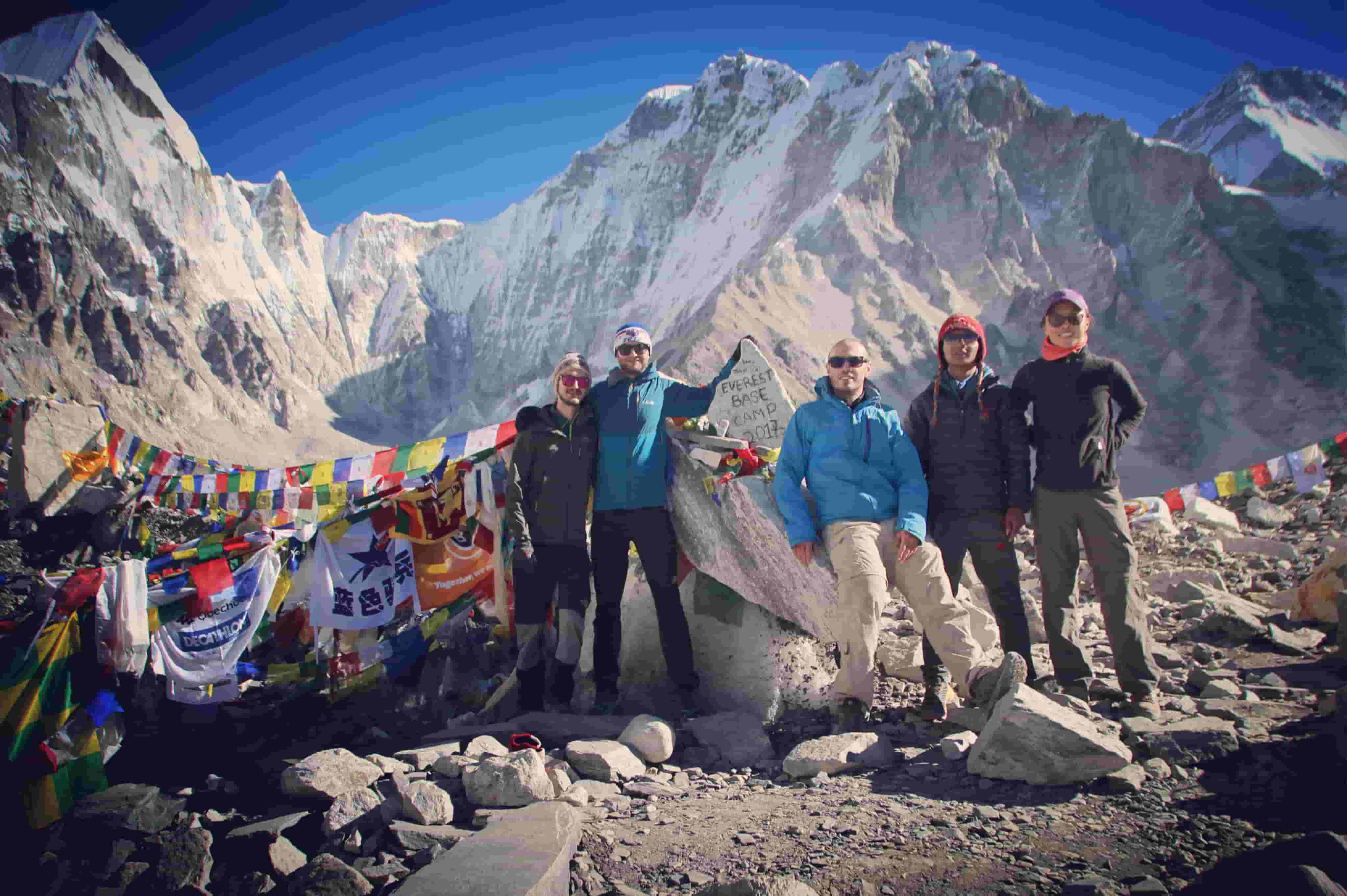
• Everest Base Camp: around -10°C at night
Days usually remain sunny and comfortable for trekking.
Advantages of Spring Trekking
Spring offers several benefits:
• Clear mountain views
• Moderate temperatures
• Blooming rhododendron forests
• Active Everest climbing season
Trekkers often see Everest expeditions preparing at base camp during April and May.
Challenges of Spring
Spring also attracts large numbers of trekkers.
Popular villages such as Namche Bazaar and Tengboche may become busy during peak weeks.
Early booking of accommodation is recommended.
Autumn Season: September to November
Autumn stands as the most popular trekking season in Nepal.
After the monsoon rains end, the skies become exceptionally clear.
Weather Conditions
Autumn weather typically includes:
• Dry air
• Stable temperatures
• Excellent mountain visibility
Average temperatures:
• Namche Bazaar: 5°C to 12°C
• Dingboche: -5°C to 8°C
• Everest Base Camp: below freezing at night
Advantages of Autumn Trekking
Autumn provides ideal trekking conditions:
• Clear panoramic mountain views
• Stable weather patterns
• Comfortable daytime temperatures
Many trekkers consider October the best month for the Everest Base Camp trek.
Challenges of Autumn
High popularity means trails become busy during October and early November.
Flights to Lukla also experience heavy demand.
Winter Season: December to February
Winter trekking in the Everest region offers a quieter experience but comes with colder temperatures.
Weather Conditions
Temperatures drop significantly at high altitude:
• Namche Bazaar: around -5°C
• Dingboche: -10°C or colder
• Everest Base Camp: often below -20°C at night
Snowfall occasionally blocks trails above 4,000 meters.
Advantages of Winter Trekking
Winter offers several unique benefits:
• Fewer trekkers on the trail
• Peaceful villages
• Clear winter skies
Trekkers seeking solitude often prefer winter journeys.
Challenges of Winter
Extreme cold becomes the main challenge.
Some tea houses at higher elevations may close during the coldest months.
Trekkers require strong cold-weather gear.
Summer / Monsoon Season: June to August
Summer in Nepal coincides with the monsoon season.
Heavy rainfall affects trekking routes in many regions.
Weather Conditions
Typical monsoon conditions include:
• Frequent rain
• Cloudy skies
• Reduced mountain visibility
Trails can become muddy and slippery.
Advantages of Monsoon Trekking
Despite challenges, monsoon trekking offers:
• Lush green landscapes
• Fewer trekkers
• Unique cultural experiences
Some experienced trekkers still travel during this season.
Challenges of Monsoon
Several factors make this the least popular season:
• Rainy conditions
• Leeches on lower trails
• Flight delays to Lukla
Trekkers often prefer other seasons for clearer views.
Best Month for Everest Base Camp Trek
While both spring and autumn remain excellent, several months stand out.
April
One of the best months for trekking.
Benefits include:
• Stable weather
• Blooming forests
• Everest expeditions visible at base camp
October
October offers exceptional visibility after the monsoon season.
Trekkers enjoy:
• Crisp air
• Clear skies
• Spectacular mountain panoramas
November
Cooler temperatures but fewer trekkers compared to October.
Mountain views remain excellent.
Temperature Overview by Altitude
Temperature varies with elevation during the trek.
Approximate averages:
• Lukla (2,860 m): 10°C to 20°C in spring
• Namche Bazaar (3,440 m): 5°C to 15°C
• Dingboche (4,410 m): -5°C to 10°C
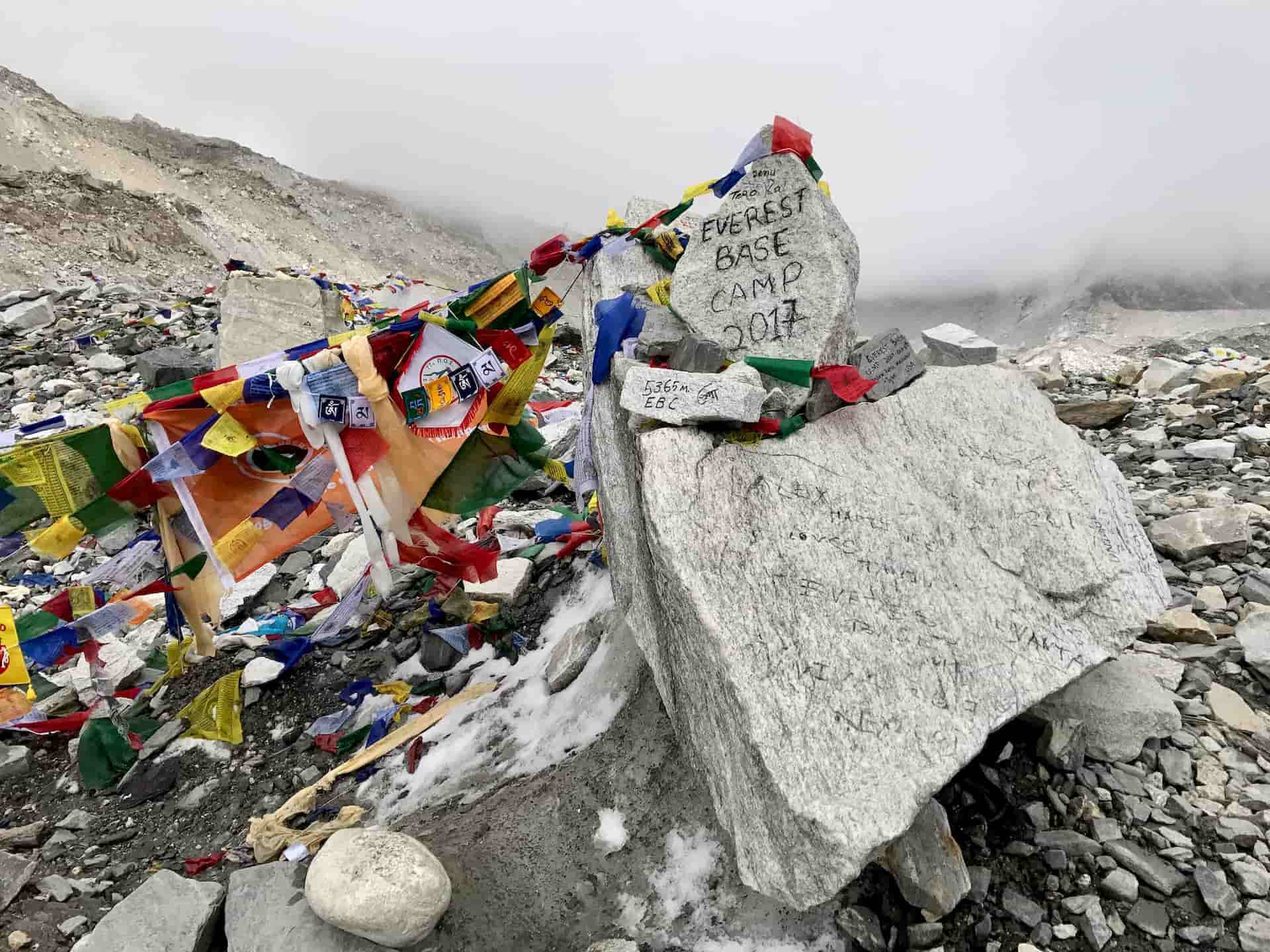
• Everest Base Camp (5,364 m): -10°C or colder
Night temperatures drop significantly at higher elevations.
Why Timing Matters for Everest Base Camp Trek
Choosing the right trekking season influences several aspects of the journey.
Mountain Visibility
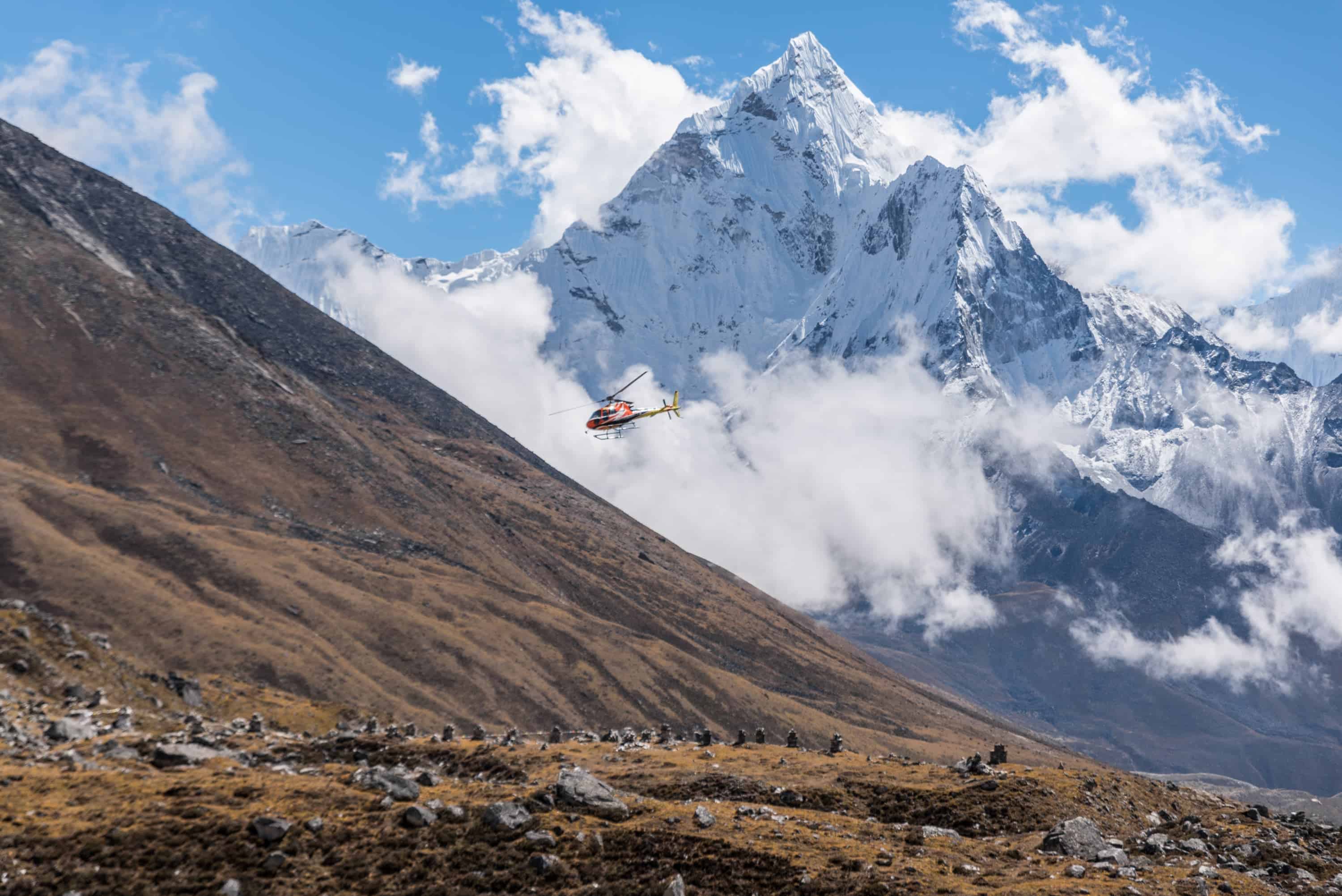
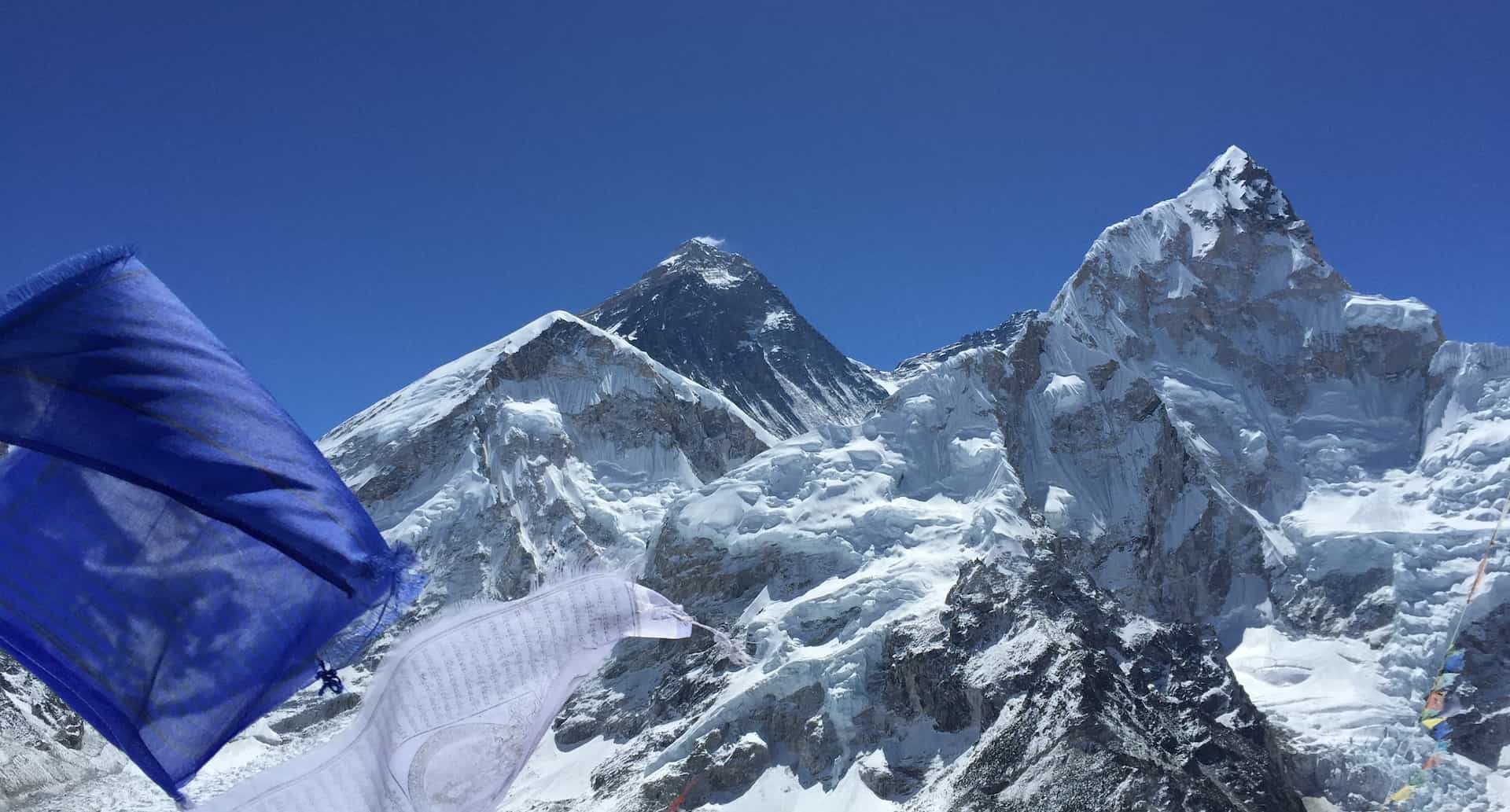
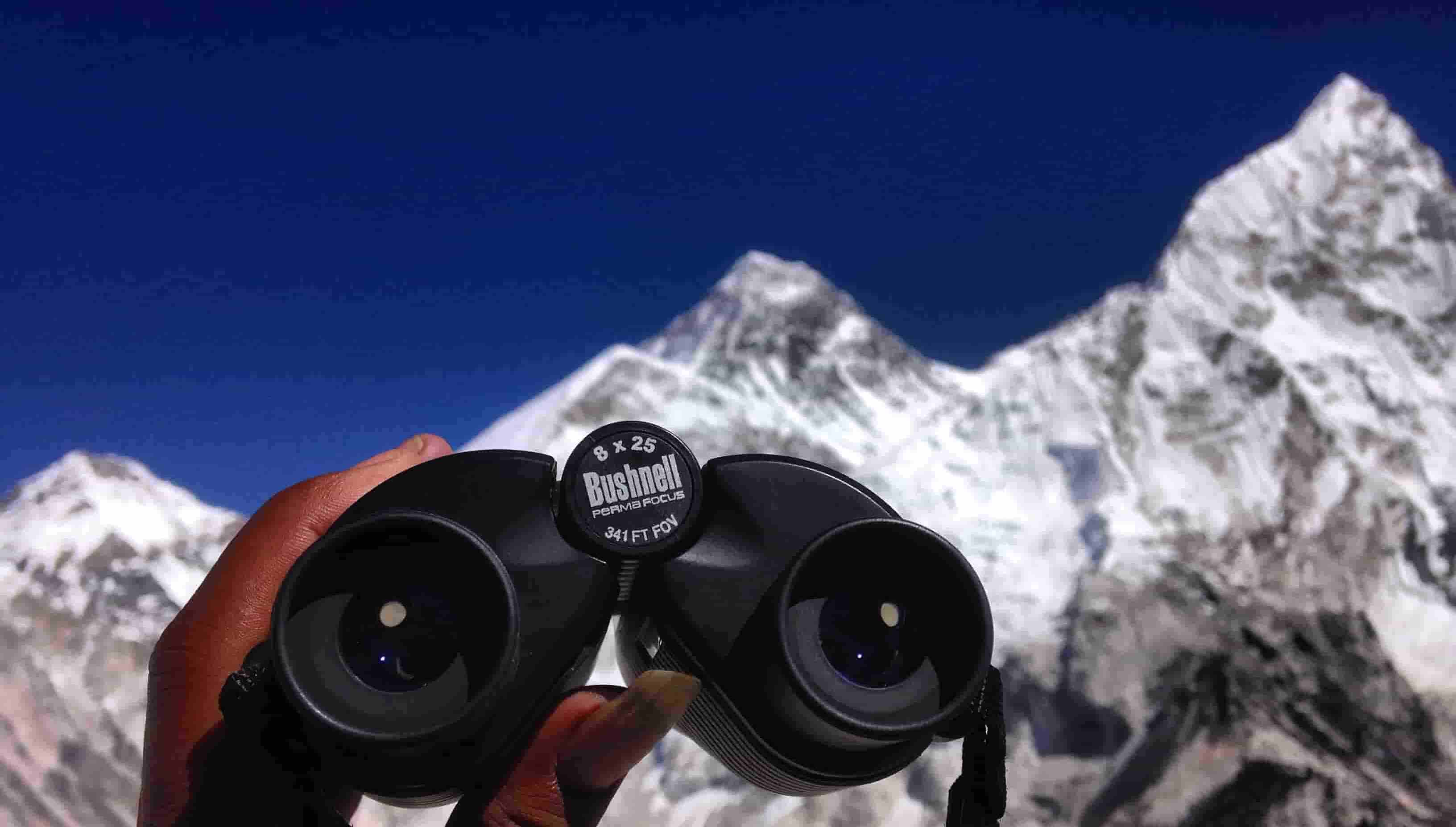
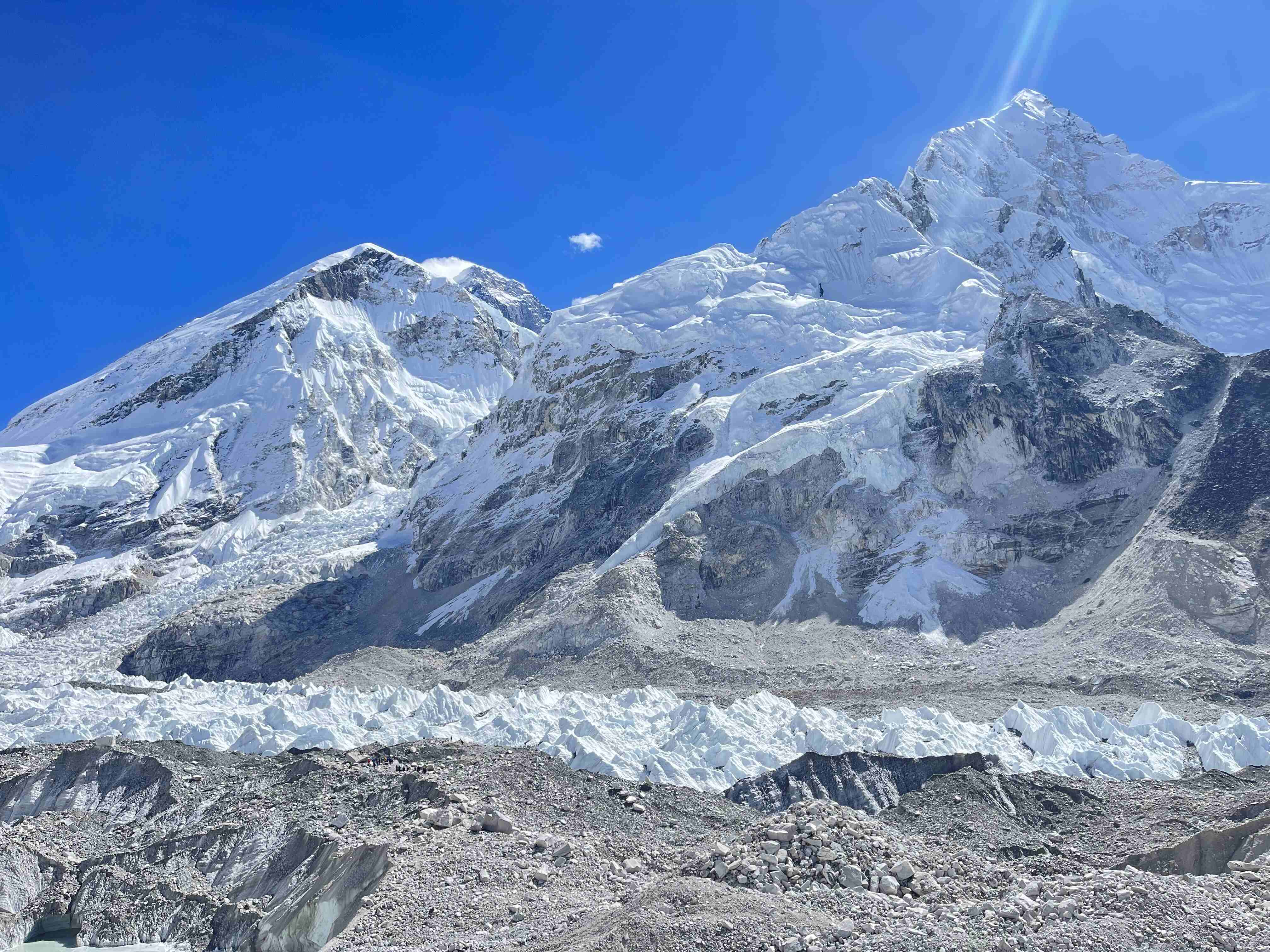
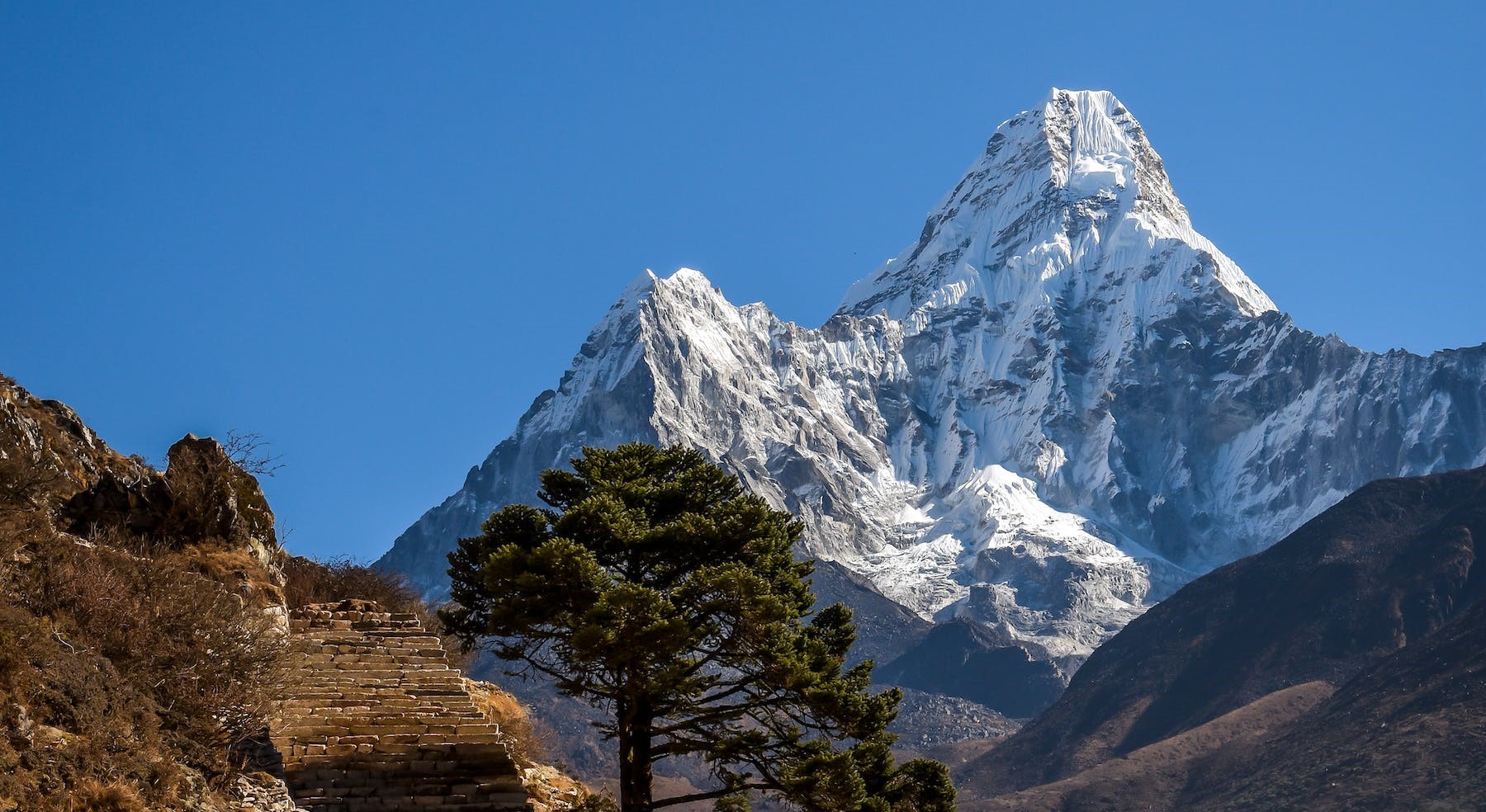
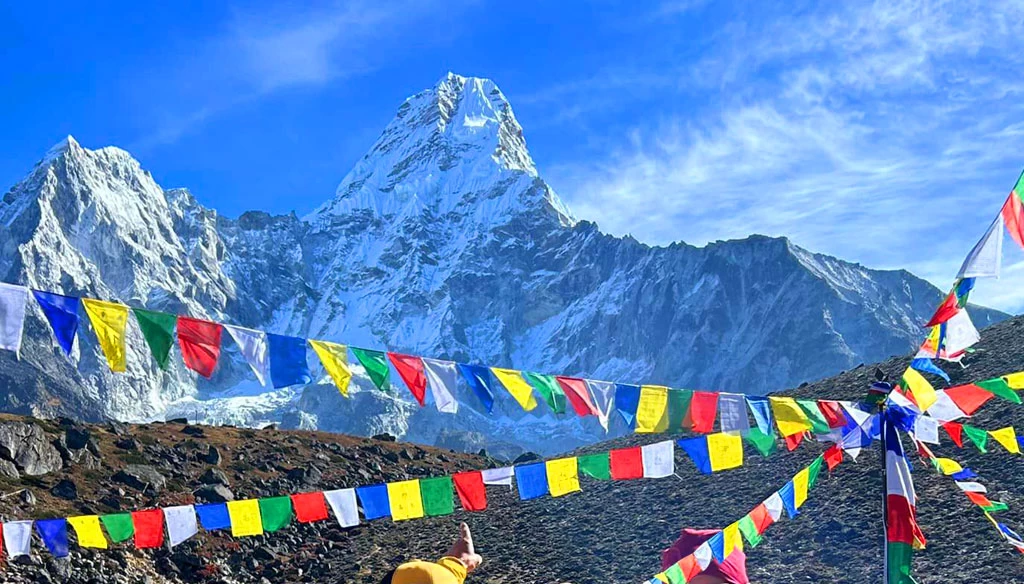
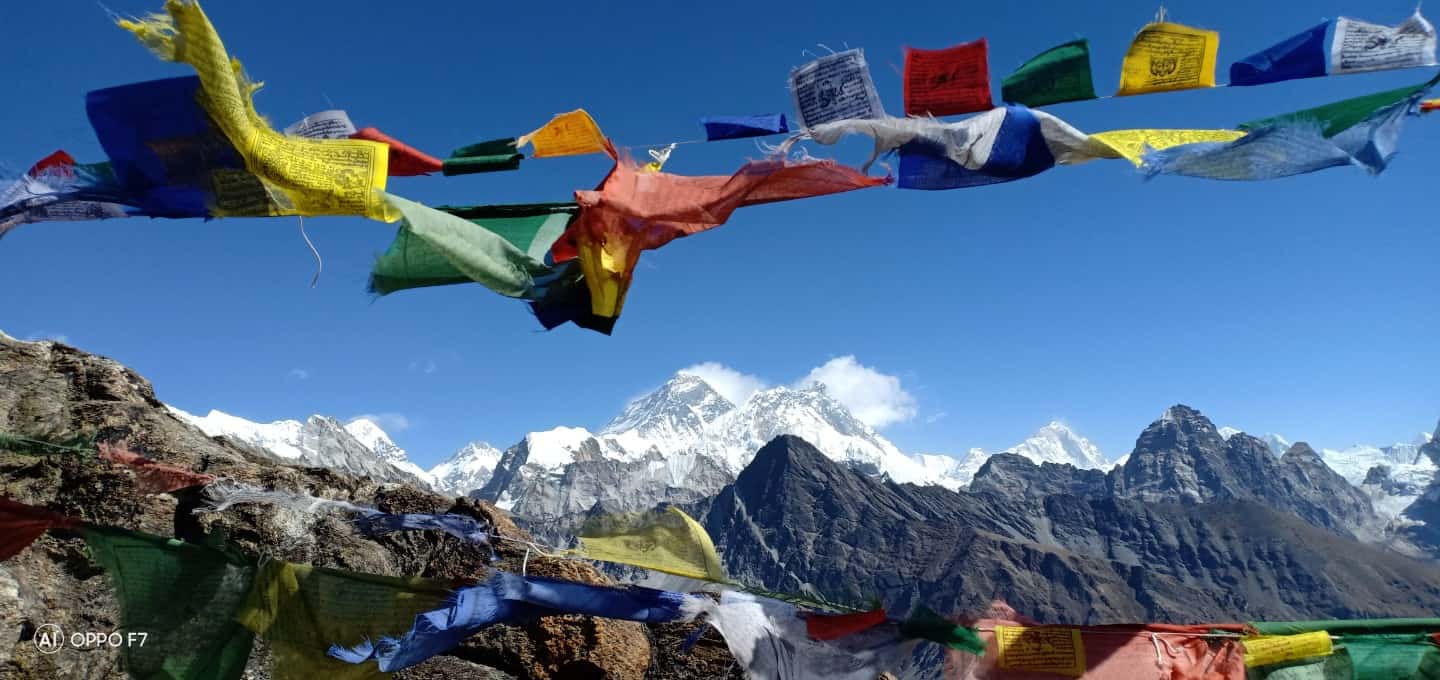
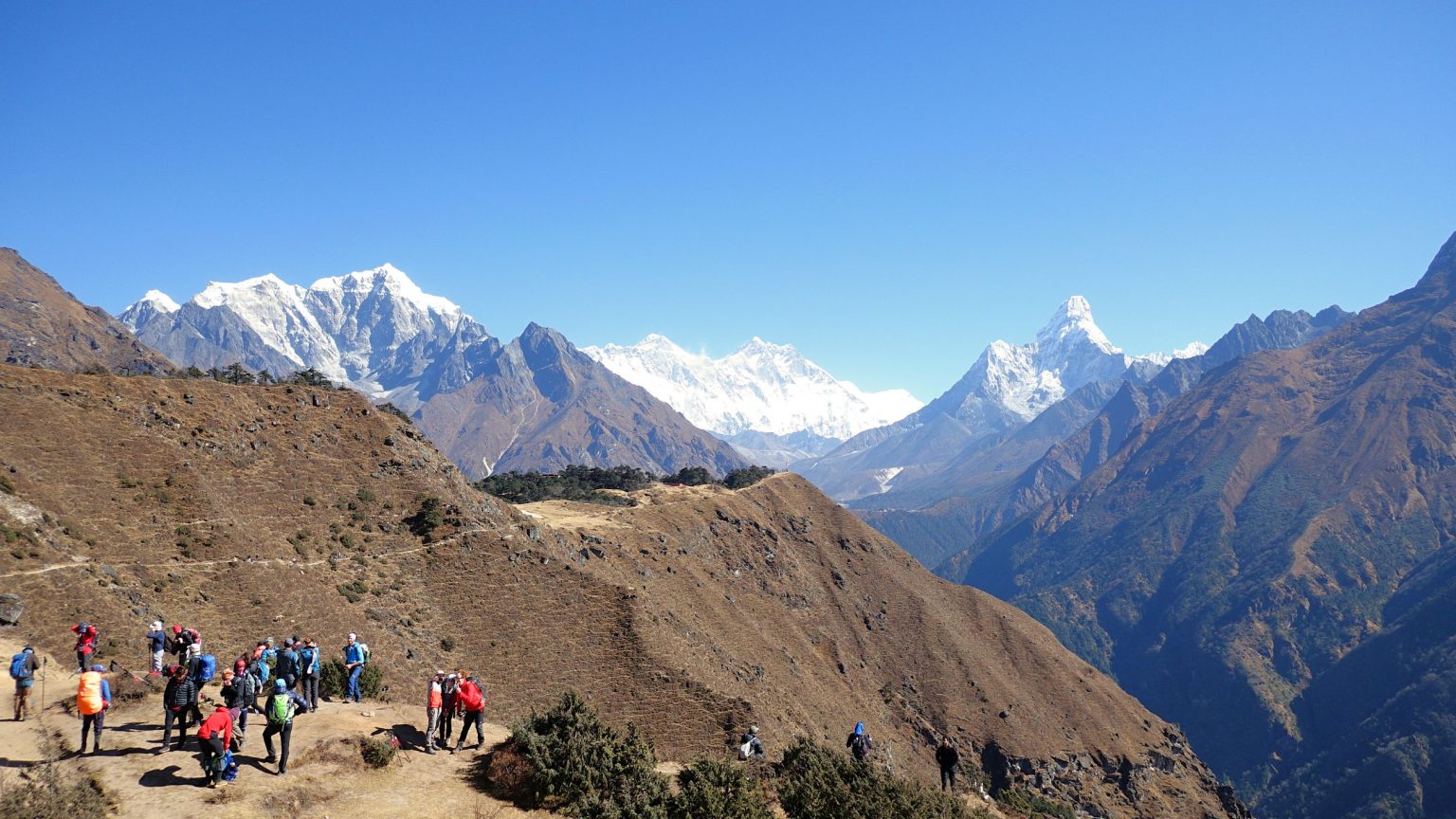
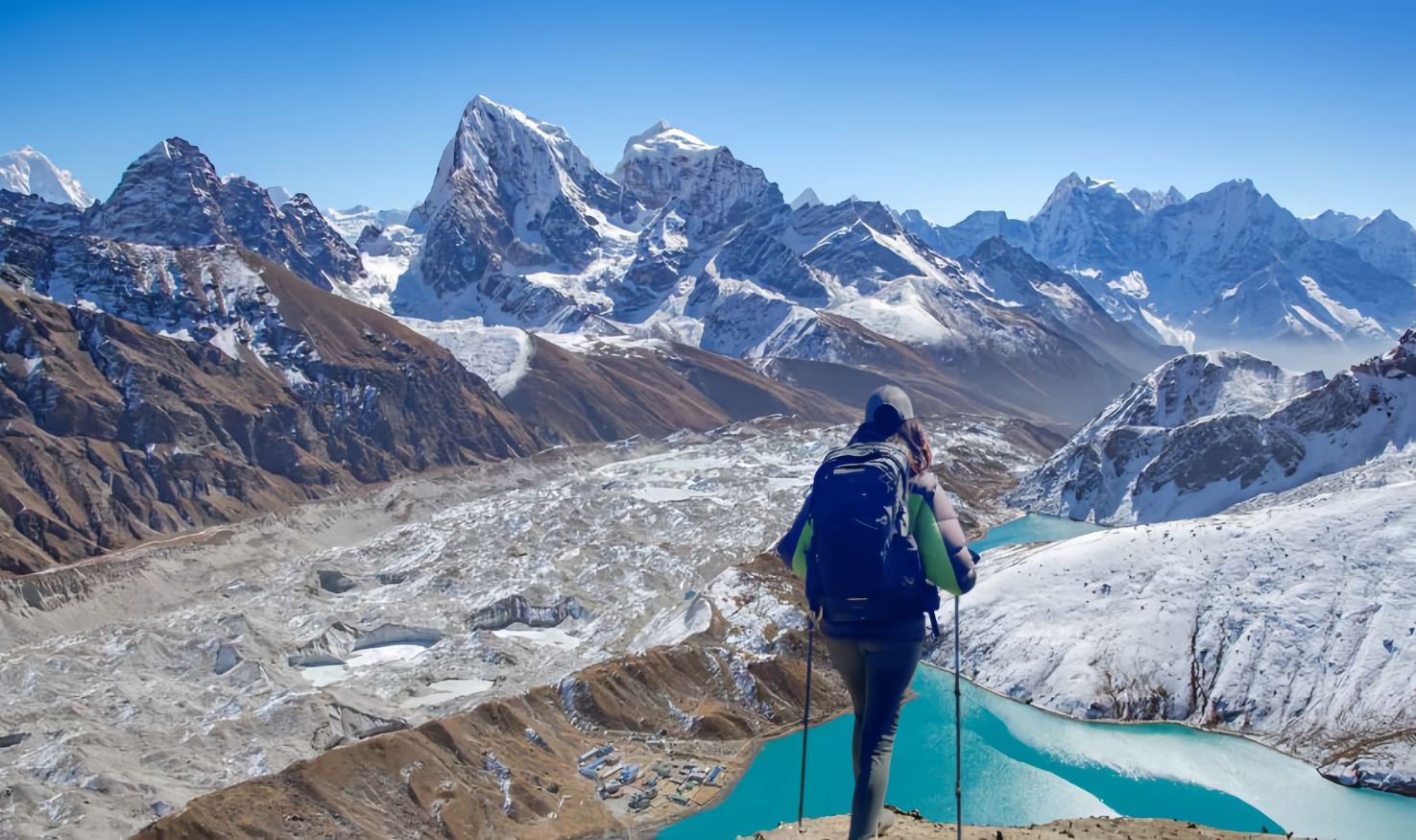
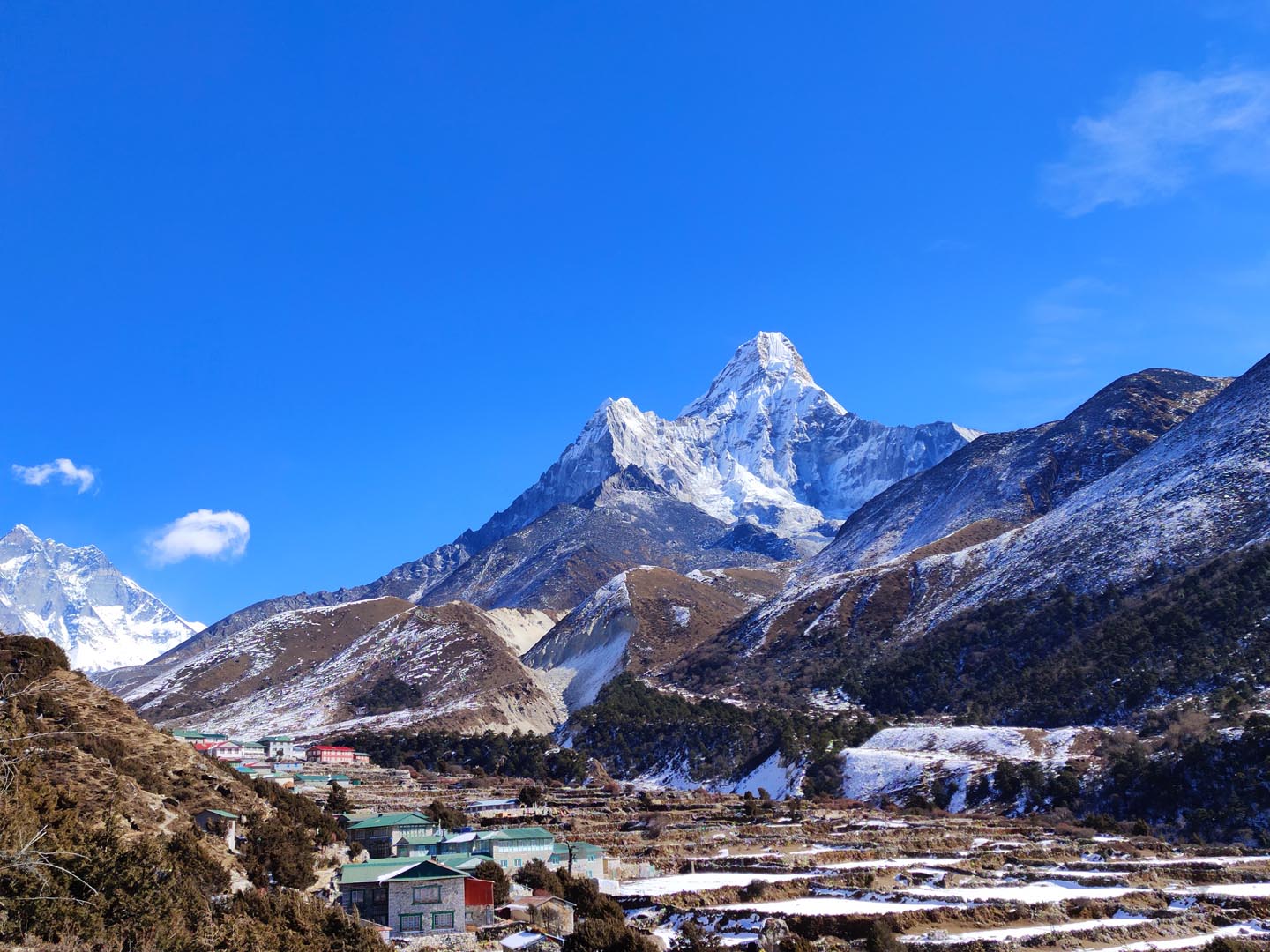
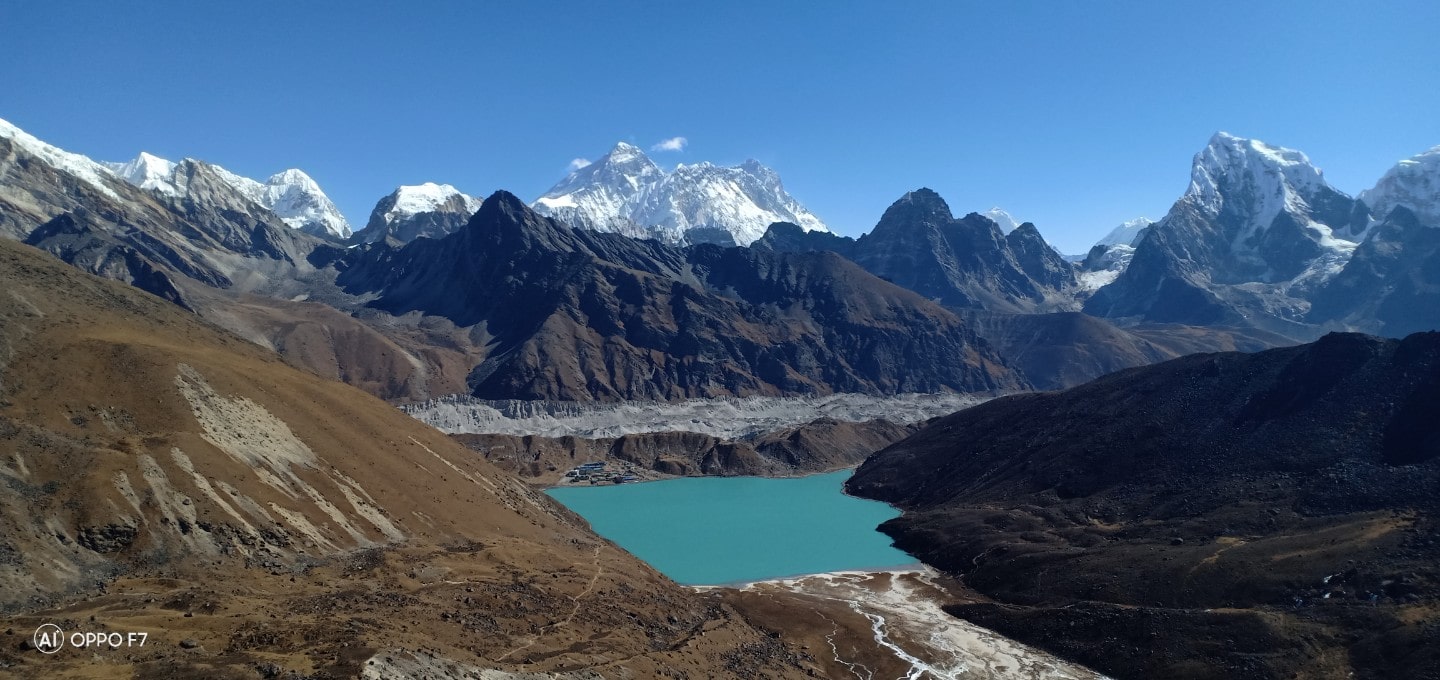
Clear skies allow trekkers to see Everest, Lhotse, Ama Dablam, and Nuptse.
Trail Safety
Dry trails reduce slipping risks.
Flight Reliability
Flights between Kathmandu and Lukla operate more reliably during stable weather seasons.
Trekking Comfort
Moderate temperatures improve daily hiking comfort.
Why Trek with Northern Trekking Team
The right trekking company helps travelers choose the best time for their Everest Base Camp journey.
Northern Trekking Team provides:
• Expert seasonal guidance
• Safe and flexible trekking itineraries
• Experienced guides familiar with Everest weather patterns
• Support throughout the trek
Local knowledge ensures trekkers experience the Himalayas at the most suitable time.
Conclusion
Choosing the best time to trek Everest Base Camp greatly improves the trekking experience. Weather conditions, trail safety, and mountain visibility all depend on seasonal timing.
Spring and autumn remain the most favorable trekking seasons, offering clear skies, comfortable temperatures, and stable weather patterns.
Trekkers seeking quiet trails may prefer winter, while adventurous travelers sometimes explore the region during the monsoon season.
With proper planning and support from Northern Trekking Team, trekkers experience one of the world’s most remarkable journeys through the heart of the Himalayas.
Recent From Best Time to Trek Everest Base Camp: Complete Season Guide
Jun 27, 2022
Jun 27, 2022

Jul 19, 2022
Sep 20, 2025
Jan 03, 2023
Feb 03, 2023
Feb 17, 2023
Feb 23, 2023
Mar 03, 2023
Mar 14, 2023
Mar 20, 2023
Mar 28, 2023
Apr 06, 2023
Jul 31, 2023
Aug 28, 2023

Jan 04, 2026


Mar 10, 2026
Mar 10, 2026



Apr 03, 2026
Sep 10, 2026
Sep 14, 2026
Sep 23, 2026
Sep 23, 2026
Oct 05, 2026