23rd Sep, 2026
Ama Dablam Base Camp Trek: Cost, Itinerary & Permits
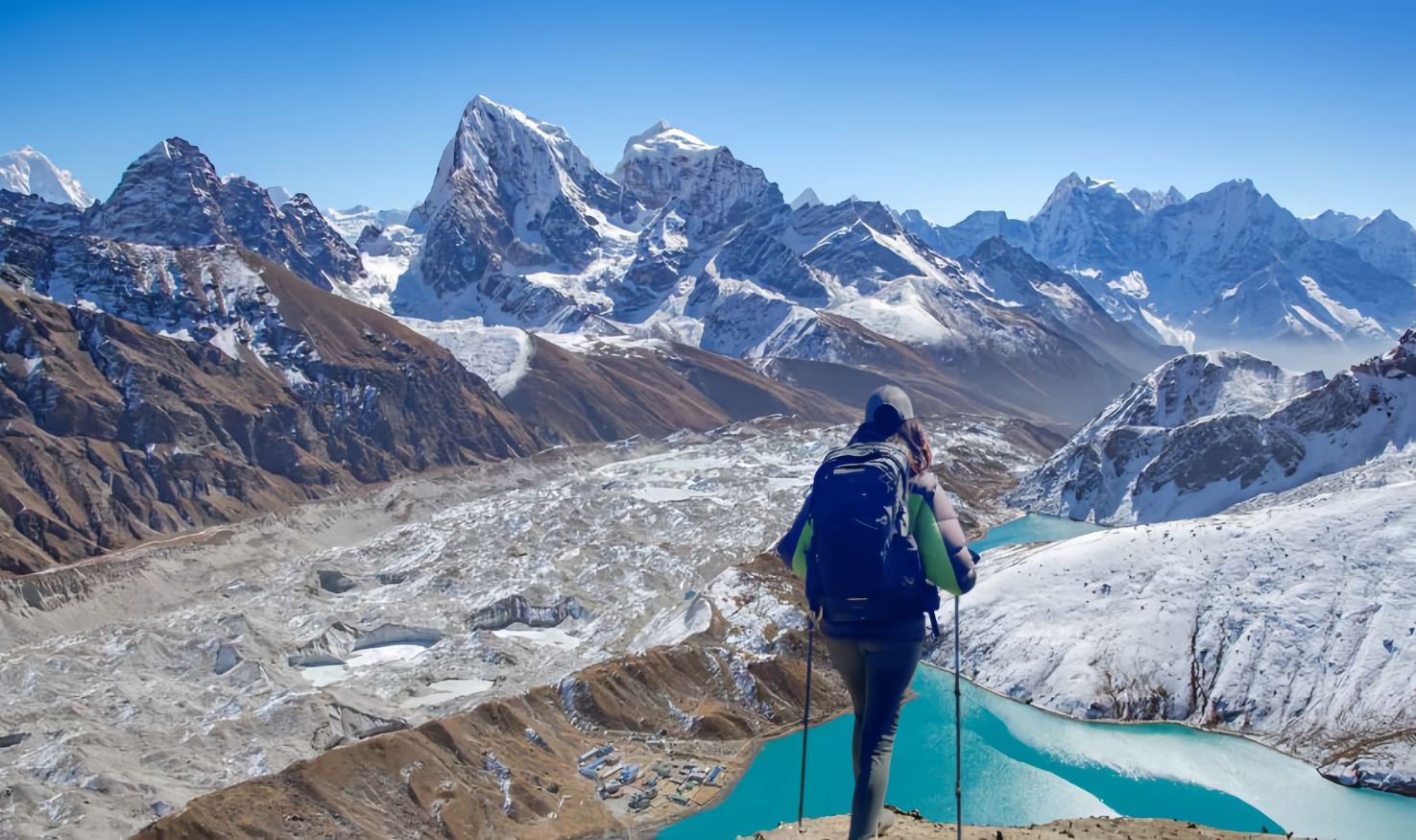
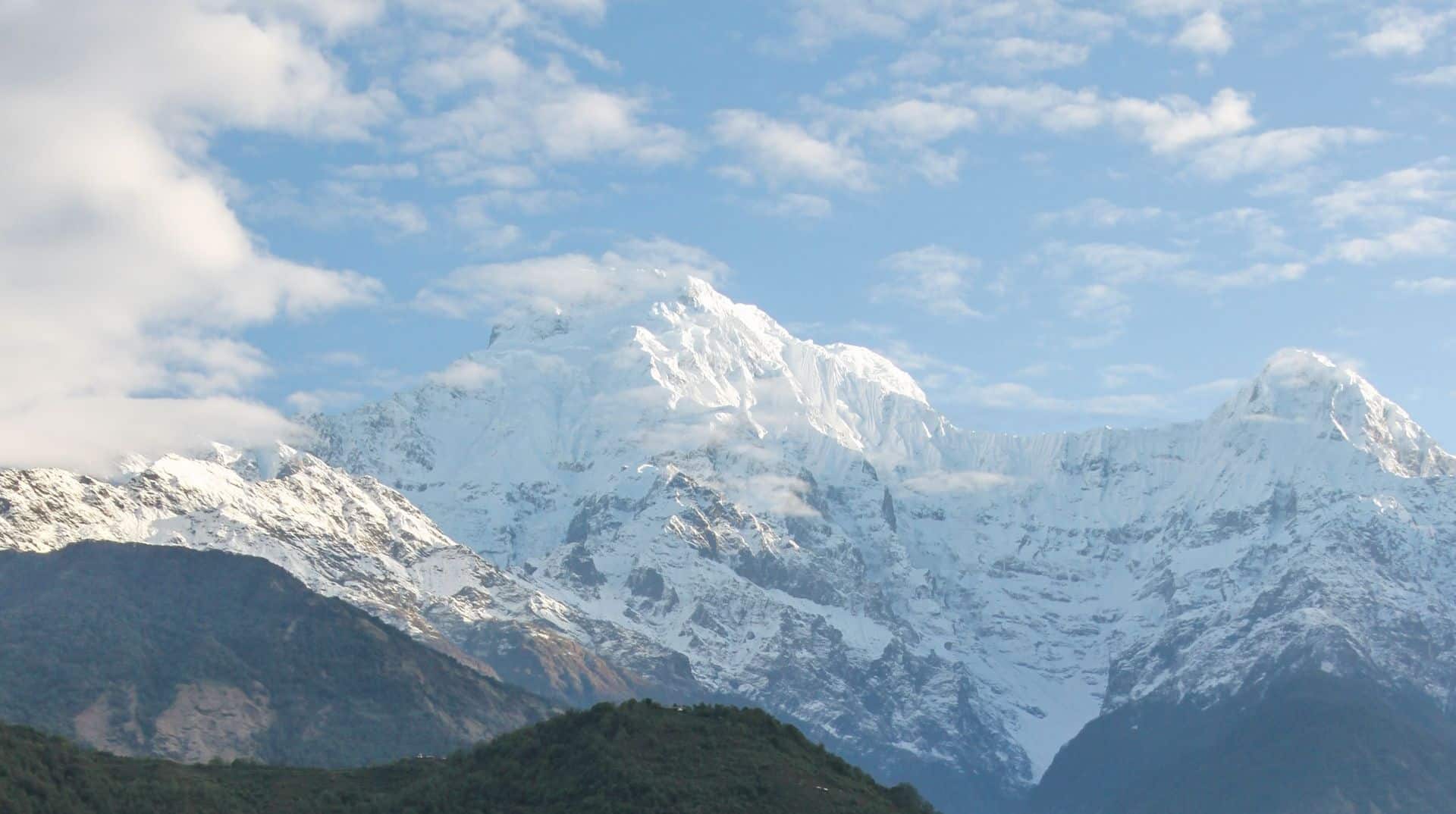
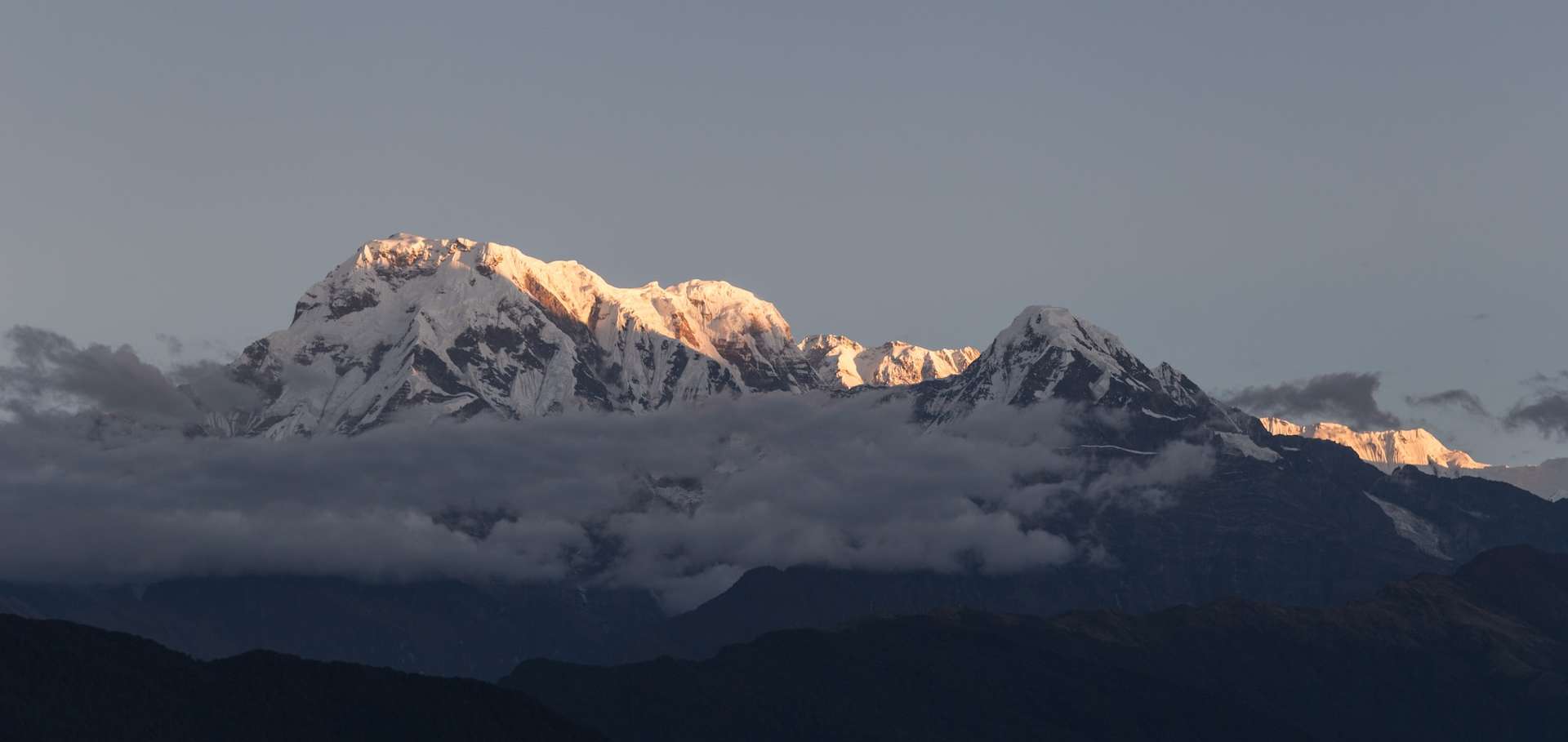
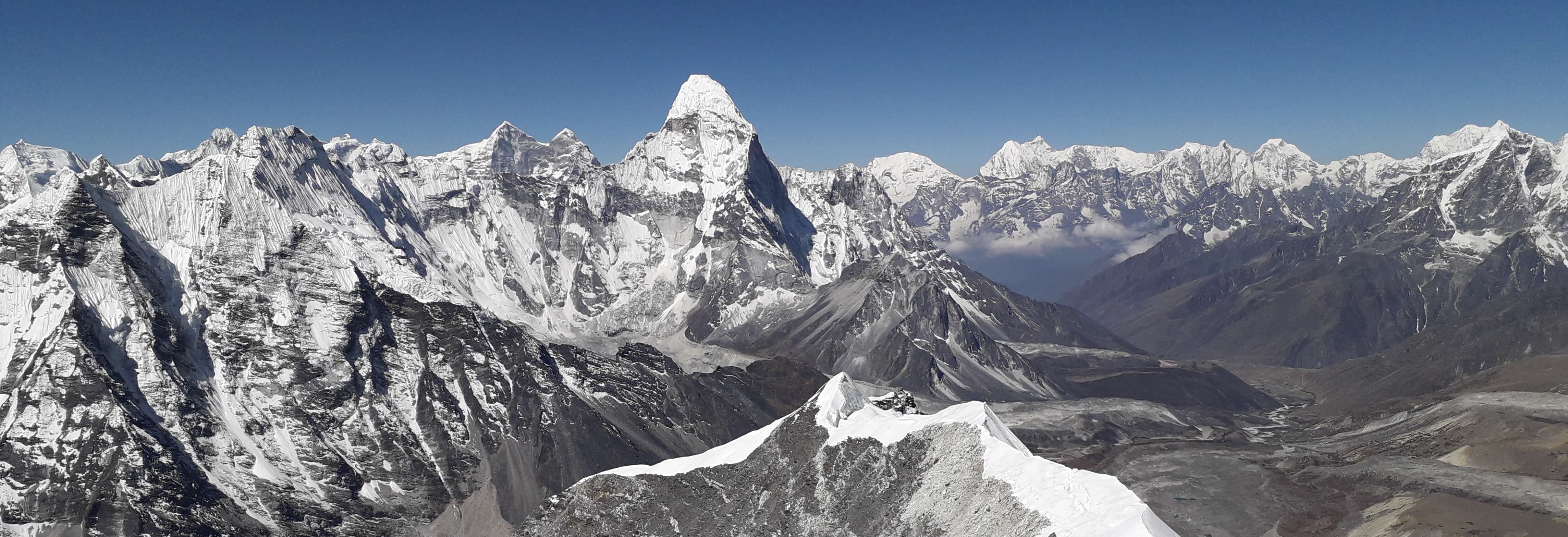
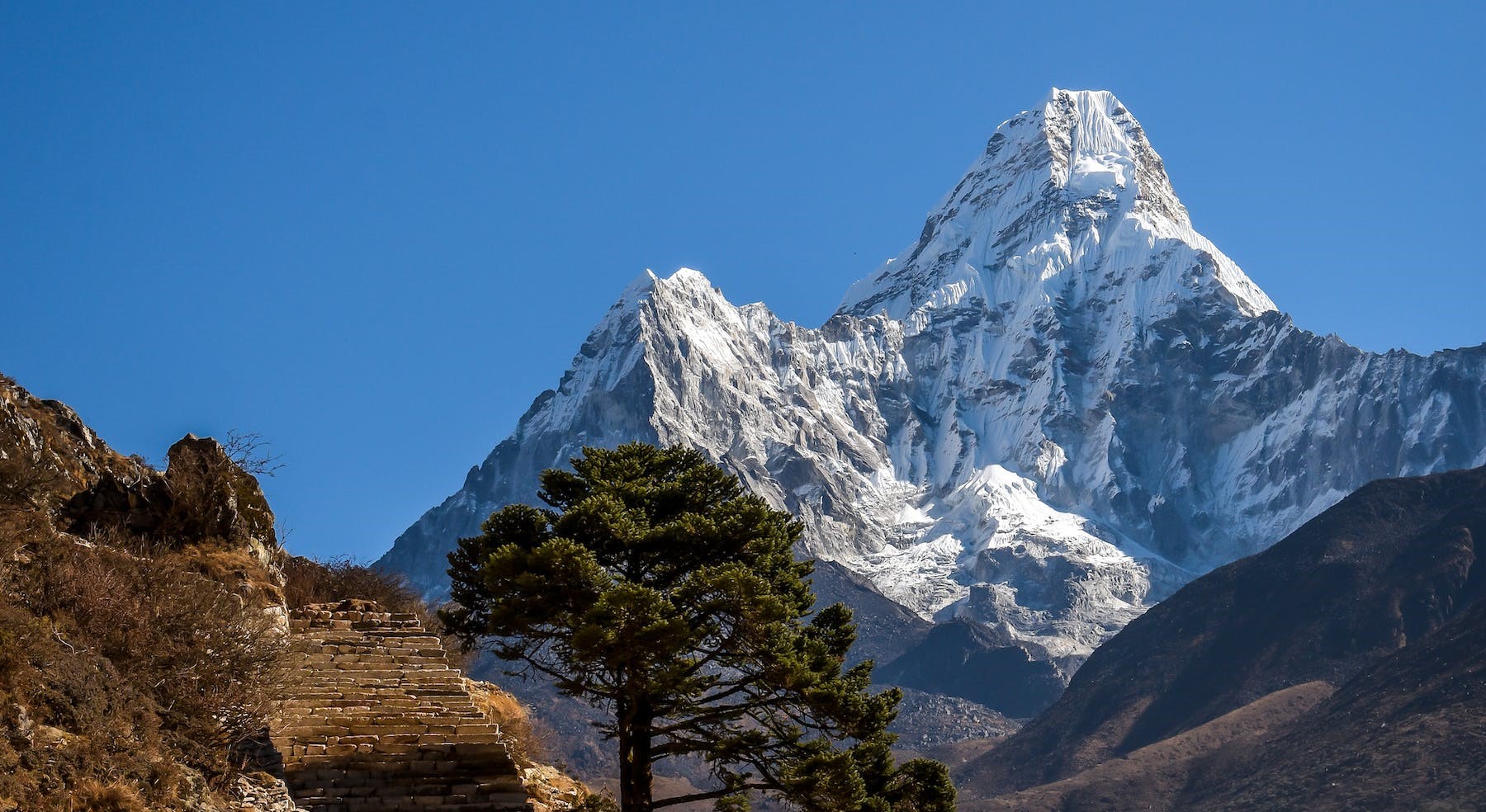
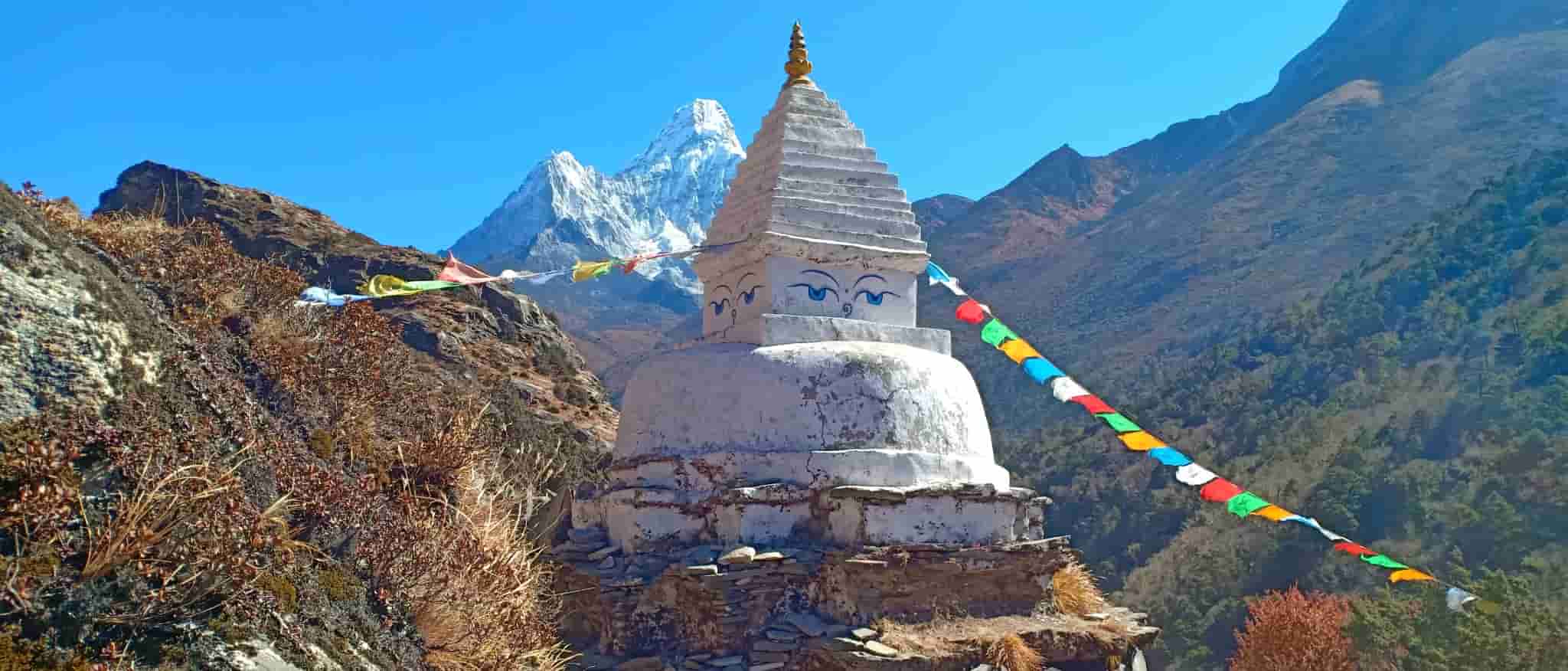
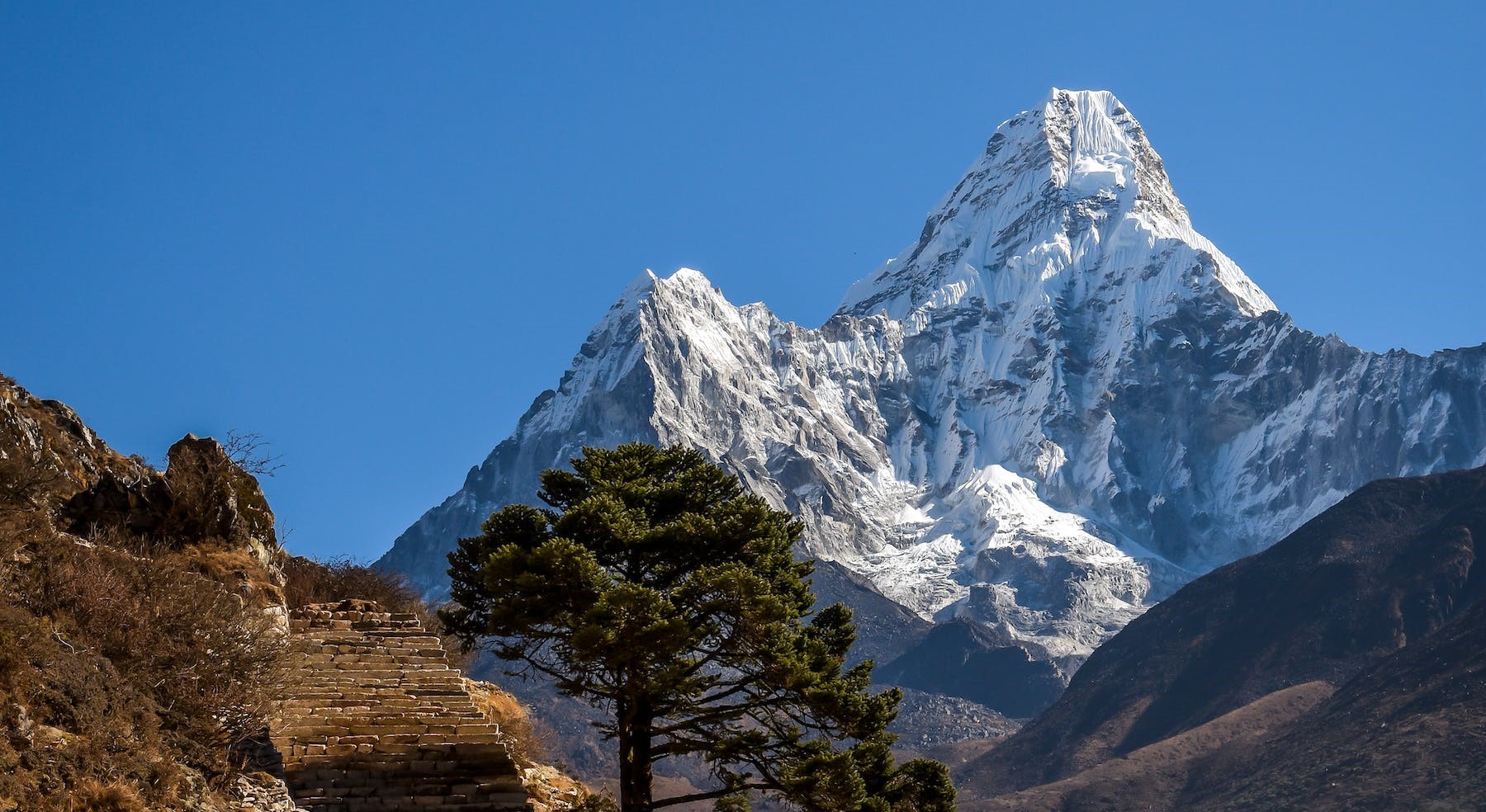
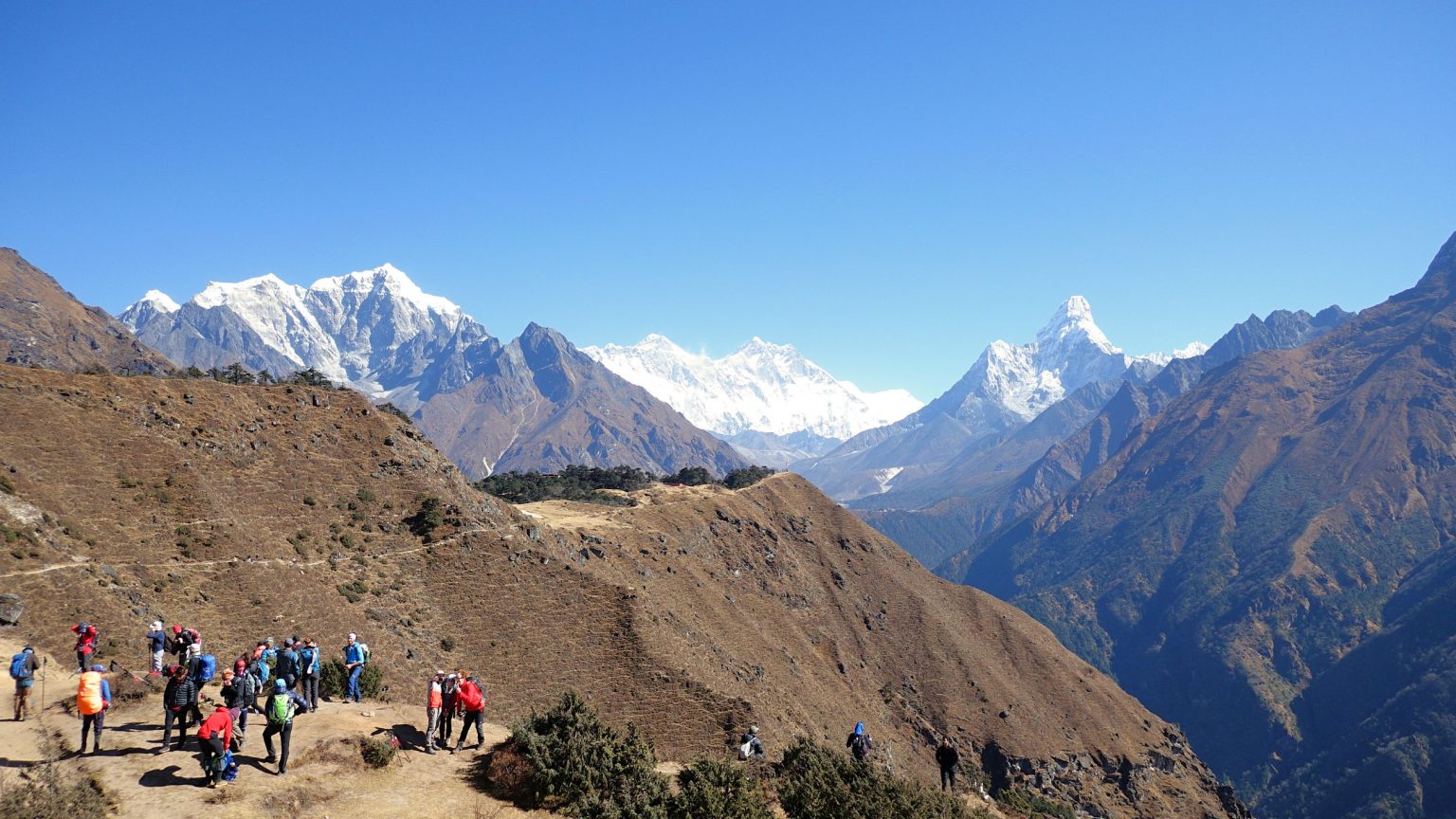
Ama Dablam is arguably the most photographed mountain in Nepal — its distinctive hanging glacier and twin-ridge silhouette dominate the skyline throughout the Everest region. Most trekkers only ever see it from a distance, on the Everest Base Camp trail. The Ama Dablam Base Camp Trek is the route for people who want to walk right up to it, stand where climbing expeditions stage their summit attempts, and get some of the closest mountain views in the entire Khumbu — all without needing a climbing permit, technical skills, or Everest Base Camp's full three-week commitment.
Table of Contents
If you're researching cost, itinerary length, or permit requirements for this trek, here's the complete, current breakdown.
Quick Facts: Ama Dablam Base Camp Trek at a Glance
| Detail | Figure |
|---|---|
| Region | Khumbu, Sagarmatha National Park, Everest region |
| Base Camp elevation | 4,570–4,600 m |
| Trek duration | 7–13 days (8-day itinerary is the most common standard) |
| Daily walking time | 4–8 hours |
| Difficulty | Moderate |
| Starting point | Lukla (accessed via flight from Kathmandu or Manthali/Ramechhap) |
| Cost | Approx. USD 1,000–1,850 (standard packages); premium options up to $2,999 |
| Permits required | Sagarmatha National Park Entry Permit + Khumbu Pasang Lhamu Rural Municipality Entry Fee |
| Best season | Spring (March–May) and autumn (September–November) |
| Technical skills required | None — this is a trekking route, not a climb |
1. Overview: Why Trek to Ama Dablam Base Camp
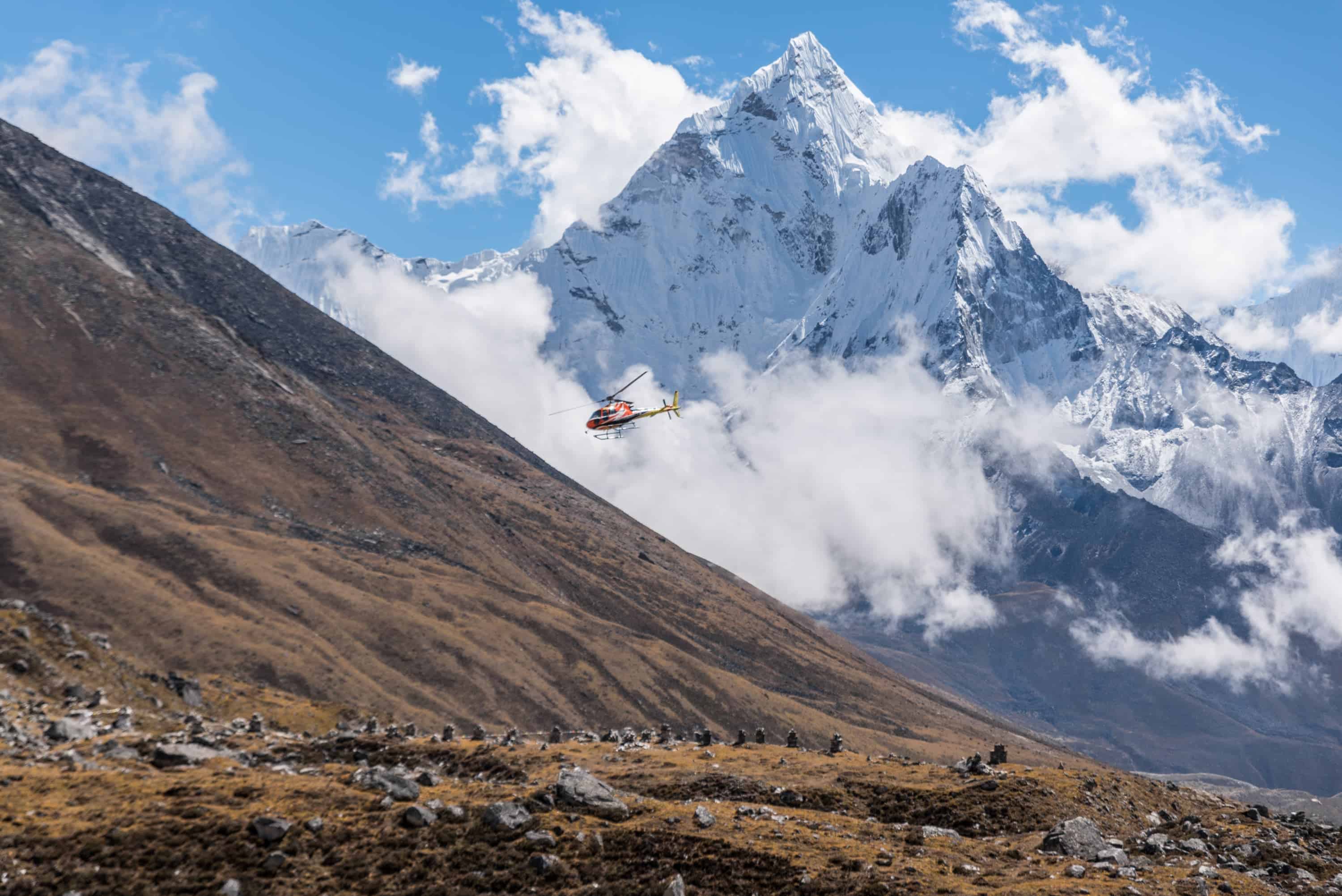
Ama Dablam stands at 6,812 m, with a lower western peak at 6,170 m, and its "dablam" — the hanging glacier that gives the mountain its name — is one of the single most recognizable features in Himalayan mountaineering. The Base Camp Trek follows the well-established Everest Base Camp trail as far as Pangboche, then branches east into the Ama Dablam base camp valley, reaching the same staging ground used by mountaineering expeditions attempting the summit.
Because the trek tops out at roughly 4,600 m — nearly 800 m lower than Everest Base Camp's 5,364 m — it carries a meaningfully lower altitude-sickness risk while still delivering genuine high-Khumbu scenery: Everest, Lhotse, Nuptse, and Ama Dablam itself, often from closer range than the classic EBC route offers. It's a popular choice for trekkers who are short on time, want a gentler introduction to high altitude, or plan to attempt Everest Base Camp or Island Peak in a future season and want an acclimatization dry run first.
2. Ama Dablam Base Camp Trek Itinerary: Day-by-Day
Here's what a well-paced 8-day standard itinerary looks like. Northern Trekking Team can extend this to include Kongma La Pass, Chhukung, or a combination with Everest Base Camp for trekkers with more time available.
| Day | Route | Walking Time | Altitude |
|---|---|---|---|
| 1 | Fly Kathmandu → Lukla, trek to Phakding | 3–4 hrs | 2,610 m |
| 2 | Phakding → Namche Bazaar | 5–6 hrs | 3,440 m |
| 3 | Acclimatization day in Namche (optional hike to Everest View Hotel) | 2–3 hrs | 3,440 m |
| 4 | Namche → Tengboche | 5–6 hrs | 3,860 m |
| 5 | Tengboche → Pangboche | 3–4 hrs | 3,930 m |
| 6 | Pangboche → Ama Dablam Base Camp (day visit) → back to Pangboche or Deboche | 6–7 hrs | 4,600 m |
| 7 | Pangboche/Deboche → Namche Bazaar | 5–6 hrs | 3,440 m |
| 8 | Namche → Lukla, fly back to Kathmandu | 6–7 hrs trek + flight | 1,400 m |
Extended Options
- Combine with Everest Base Camp: Adds roughly 5–6 days, routing via Dingboche, Lobuche, and Gorak Shep before returning through the Ama Dablam valley.
- Add Kongma La Pass: A more demanding variation crossing at 5,535 m, connecting Chhukung to Lobuche, extending the trek to around 12–13 days total.
- Helicopter return: Several operators offer a helicopter flight back to Kathmandu from Pangboche or Namche instead of flying out via Lukla, cutting a day or two off the return leg.
3. Ama Dablam Base Camp Trek Cost: What You're Paying For
Standard guided packages typically range from USD 1,000 to 1,850 per person, with premium services (private guide, upgraded lodges, helicopter add-ons) pushing toward USD 2,000–3,000. Here's what makes up that figure.
| Cost Component | Typical Range (USD) | Notes |
|---|---|---|
| Lukla flights (round trip) | $350–$400 | Often routed via Manthali/Ramechhap in peak season |
| Sagarmatha National Park Permit | ~$30 | Fixed fee, included in most packages |
| Khumbu Pasang Lhamu Rural Municipality Fee | ~$20–$30 | Fixed fee, included in most packages |
| Guide fee | $25–$35/day | $30–$40/day for a female guide, where requested |
| Porter fee | $18–$25/day | Typically carries 20–25 kg |
| Teahouse accommodation + full board meals | Bundled in package | Basic but comfortable along the route |
| Kathmandu hotel (pre/post-trek) | Often included | 1–2 nights standard |
| Standard full package total | $1,000–$1,850 | Most common range for an 8-day guided trek |
| Premium package total | $1,750–$3,000 | Better lodges, private guide, optional helicopter |
What's Usually Excluded
- International airfare and Nepal visa fees
- Personal travel/medical insurance
- Alcoholic drinks, hot showers, and Wi-Fi at higher teahouses
- Tips for guide and porter
- Personal trekking gear
4. Permits Required for the Ama Dablam Base Camp Trek
Unlike the restricted Manaslu or Tsum Valley routes, the Ama Dablam Base Camp Trek sits within an open, well-established conservation area, so the permit process is straightforward.
| Permit | Cost | Purpose |
|---|---|---|
| Sagarmatha National Park Entry Permit | ~NPR 3,000 (approx. $30) | Grants access to the national park the entire route passes through |
| Khumbu Pasang Lhamu Rural Municipality Entry Fee | ~NPR 2,000–3,000 (approx. $20–30) | Local municipality fee, replaces the old TIMS requirement in most of the Khumbu region |
Permit Notes
- Both permits are typically arranged by your trekking agency in advance, avoiding the checkpoint markup for purchasing on arrival.
- A passport-size photo and passport copy are usually required for permit processing.
- Unlike Manaslu or other restricted areas, no special restricted-area permit is needed to reach Ama Dablam Base Camp — only a summit attempt on the mountain itself requires a full climbing permit and government liaison officer.
- A licensed guide isn't a strict legal requirement here (unlike restricted areas), but is strongly recommended for safety, permit handling, and altitude management.
5. Best Season for the Ama Dablam Base Camp Trek
| Season | Months | Conditions |
|---|---|---|
| Spring | March–May | Rhododendron blooms, clear mountain views, mild daytime temperatures |
| Autumn | September–November | Stable post-monsoon weather, the most popular season, best overall visibility |
| Winter | December–February | Cold but generally trekkable at this altitude; quieter trails |
| Monsoon | June–August | Cloud cover, rain, and limited flight reliability into Lukla — not recommended |
Autumn also happens to be when Ama Dablam mountaineering expeditions are actively climbing, so trekkers reaching base camp in this window often get to see real expedition teams preparing for their summit push — a highlight many trekkers specifically plan their dates around.
6. How Difficult Is the Ama Dablam Base Camp Trek?
The trek is rated moderate — meaningfully easier than the full Everest Base Camp trek, since it reaches a lower maximum altitude (4,600 m vs. 5,364 m) over fewer days, but it still requires a genuine baseline of fitness. What you should be prepared for:
- Walking 4–8 hours a day on uneven, rocky Khumbu trail terrain
- Elevations where oxygen levels run roughly 30–40% lower than sea level
- No technical climbing skills required — this is a trekking route, not a mountaineering ascent
- At least 6–8 weeks of cardiovascular and leg-strength preparation beforehand is recommended
- A willingness to pace conservatively and follow your guide's acclimatization schedule
Recommended Pre-Trek Preparation
- Build cardiovascular endurance with regular hiking, running, or stair climbing for 6–8 weeks before departure.
- Break in trekking boots well ahead of time to avoid blisters on multi-day walking stretches.
- Get a basic medical check-up if you have any cardiovascular or respiratory history.
- Practice walking with a daypack loaded to your expected trekking weight.
- Purchase travel insurance that covers trekking up to at least 5,000 m and helicopter evacuation.
7. What to Pack
- Sturdy, broken-in hiking boots
- Layered clothing system: base layers, insulating mid-layer, waterproof/windproof shell
- Warm hat, gloves, and a good sleeping bag (rated to at least -10°C to -15°C)
- Sunglasses with UV protection and high-SPF sunscreen
- Trekking poles for the steeper descents
- Water bottle or hydration system with purification tablets/filter
- Basic personal first-aid kit and any personal medications
- Headlamp with spare batteries
8. Why Trek With Northern Trekking Team
Getting close to Ama Dablam is as much about pacing and local knowledge as it is about fitness — knowing when the base camp valley is quiet, which acclimatization stops actually help, and how to read the Khumbu's fast-changing weather. Northern Trekking Team builds every Ama Dablam Base Camp itinerary around properly paced acclimatization, licensed local Sherpa guides, and permits handled in advance so nothing slows you down at the trailhead. View the full itinerary and package details here.
Frequently Asked Questions
How many days does the Ama Dablam Base Camp Trek take?
Most standard itineraries run 7–8 days from Kathmandu and back. Extended versions combining Kongma La Pass or Everest Base Camp can run 12–13 days.
How much does the Ama Dablam Base Camp Trek cost?
Standard guided packages range from approximately USD 1,000 to 1,850 per person, with premium services pushing toward USD 2,000–3,000.
What is the highest altitude reached on this trek?
Ama Dablam Base Camp sits at approximately 4,570–4,600 m, noticeably lower than Everest Base Camp's 5,364 m.
Do I need a special permit to reach Ama Dablam Base Camp?
No special climbing permit is needed to trek to base camp — only the Sagarmatha National Park Entry Permit and the Khumbu Pasang Lhamu Rural Municipality Entry Fee are required. A full climbing permit is only needed for an actual summit attempt on the mountain.
Is the Ama Dablam Base Camp Trek harder than Everest Base Camp?
No, it's generally considered easier — lower maximum altitude, fewer days, and a shorter overall distance, while still passing through the same Namche and Tengboche section of trail.
What is the best time of year for this trek?
Spring (March–May) and autumn (September–November) offer the most stable weather and clearest mountain views. Autumn also coincides with active Ama Dablam climbing expeditions at base camp.
Can I combine this trek with Everest Base Camp?
Yes — many trekkers extend their itinerary to include both, typically adding 5–6 days to route through Dingboche, Lobuche, and Gorak Shep before or after visiting Ama Dablam Base Camp.
Ready to plan your Ama Dablam Base Camp Trek with permits, guide, and itinerary fully arranged? See the full itinerary and book with Northern Trekking Team.
Recent From Ama Dablam Base Camp Trek: Cost, Itinerary & Permits
Jun 27, 2022
Jun 27, 2022

Jul 19, 2022
Sep 20, 2025
Jan 03, 2023
Feb 03, 2023
Feb 17, 2023
Feb 23, 2023
Mar 03, 2023
Mar 14, 2023
Mar 20, 2023
Mar 28, 2023
Apr 06, 2023
Jul 31, 2023
Aug 28, 2023

Jan 04, 2026


Mar 10, 2026
Mar 10, 2026



Apr 03, 2026
Sep 10, 2026
Sep 14, 2026