2nd Sep, 2026
Pokalde Peak Climbing 2026–2027: 19-Day Everest Region Adventure
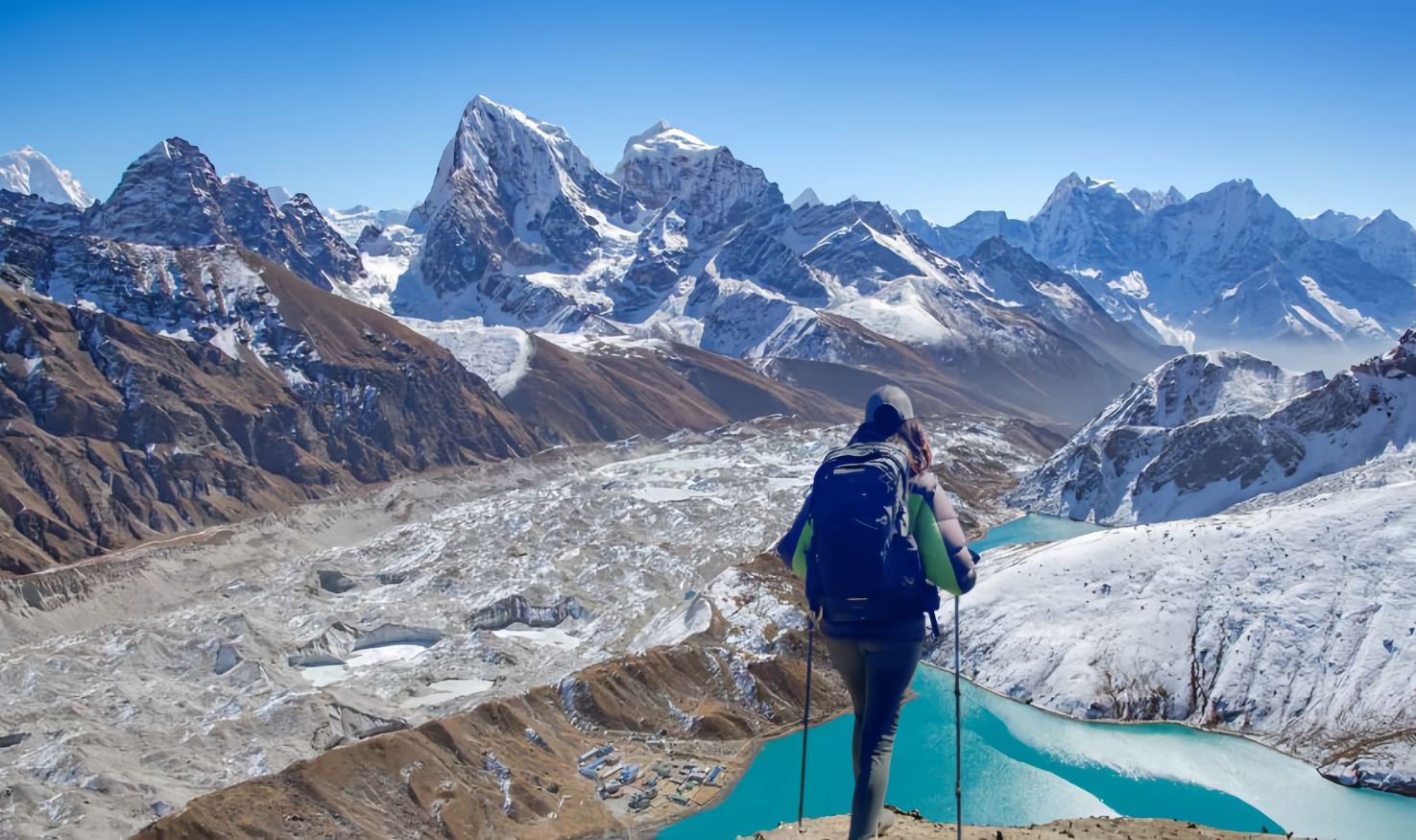
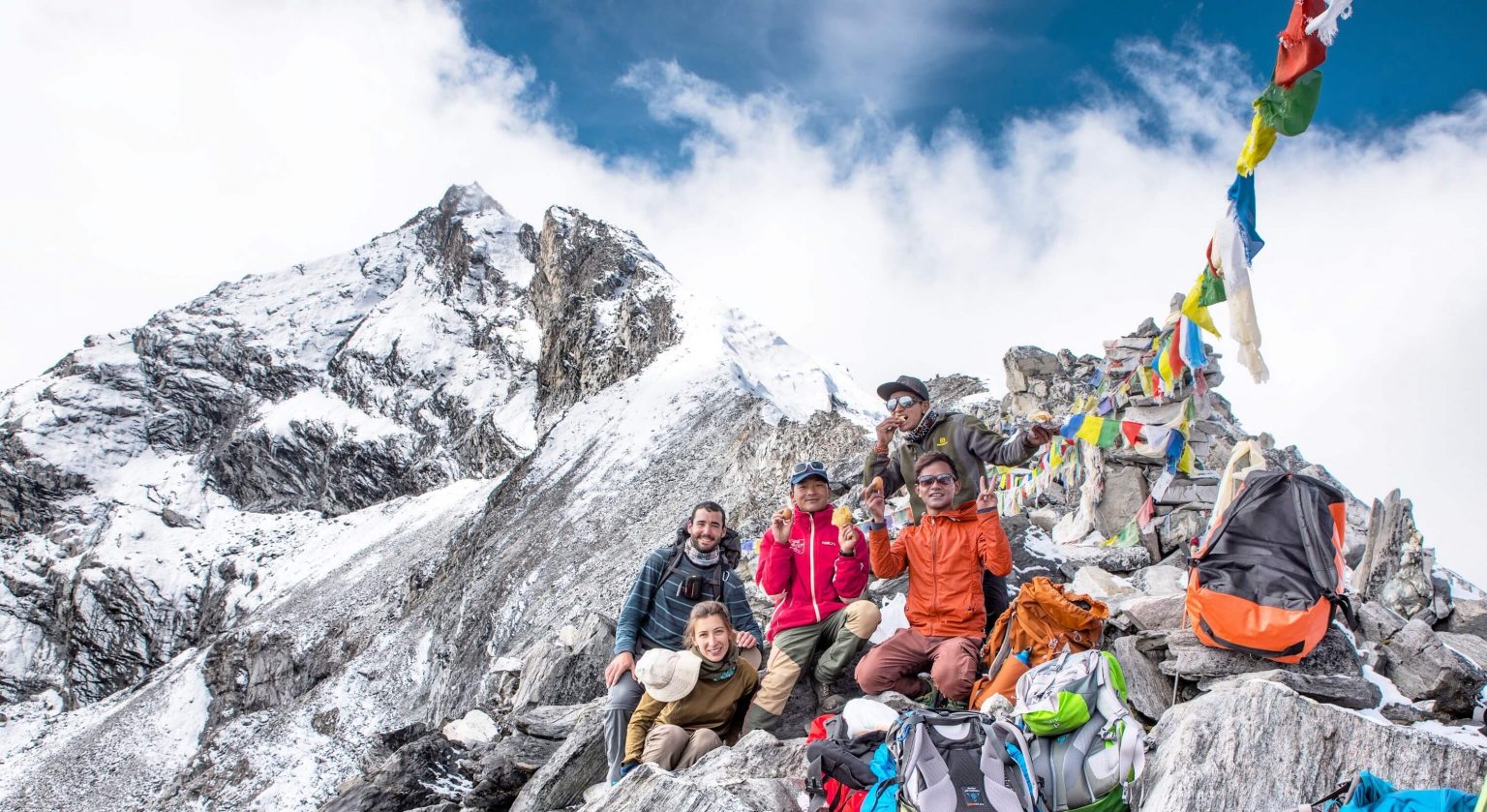
If you've already ticked off a few treks and you're now looking at that next step — the one where trekking poles get swapped for an ice axe and crampons — Pokalde Peak deserves a serious look. At 5,806 meters (19,048 ft), it's one of Nepal's classic "trekking peaks," and honestly, the name undersells it. This isn't a walk-up. It's a genuine, technical introduction to Himalayan mountaineering, set right in the heart of the Everest region, with some of the best up-close mountain views you'll get anywhere in Nepal.
Table of Contents
This guide walks you through everything — the route, the difficulty, the best time to go, what's included, and why 2026–2027 is shaping up to be a great window to attempt it.
Why Pokalde Peak?
Pokalde sits quietly below the busier trails of the Khumbu, tucked just beneath the Kongma La Pass — one of the three high passes of the Everest Three Passes trek. Most people walking past it are headed to Everest Base Camp or over Kongma La and never realize there's a summit sitting right there, waiting.
That's part of the appeal. You get all the classic Everest region highlights — Lukla, Namche Bazaar, the Tengboche Monastery, Dingboche, Everest Base Camp itself, and Kala Patthar — and then, instead of turning around and heading home like everyone else, you keep going. You cross Kongma La, set up camp below the summit, and climb.
The Nepal Mountaineering Association (NMA) classifies Pokalde as a Group B peak, and it has a reputation among climbers as one of the more demanding peaks in that category. It's not overly technical in terms of rope-work compared to bigger objectives, but the exposure, altitude, and unpredictable terrain near the summit mean it commands real respect. The first recorded ascent, made via the cliff route connected to Kongma La, dates back to 1953 — so you'll be following in some genuinely historic footsteps.
The Route in Brief
The full journey to the summit and back runs 19 days from Kathmandu to Kathmandu, and it's built around a gradual, sensible acclimatization plan rather than rushing you toward altitude.
You'll fly into Lukla and follow the familiar EBC trail through Phakding, Namche Bazaar, Tengboche, and Dingboche, with built-in rest days along the way. From Dingboche, the trail pushes on to Lobuche, Gorak Shep, and Everest Base Camp itself, with a sunrise hike up to Kala Patthar for arguably the best mountain panorama in the entire region.
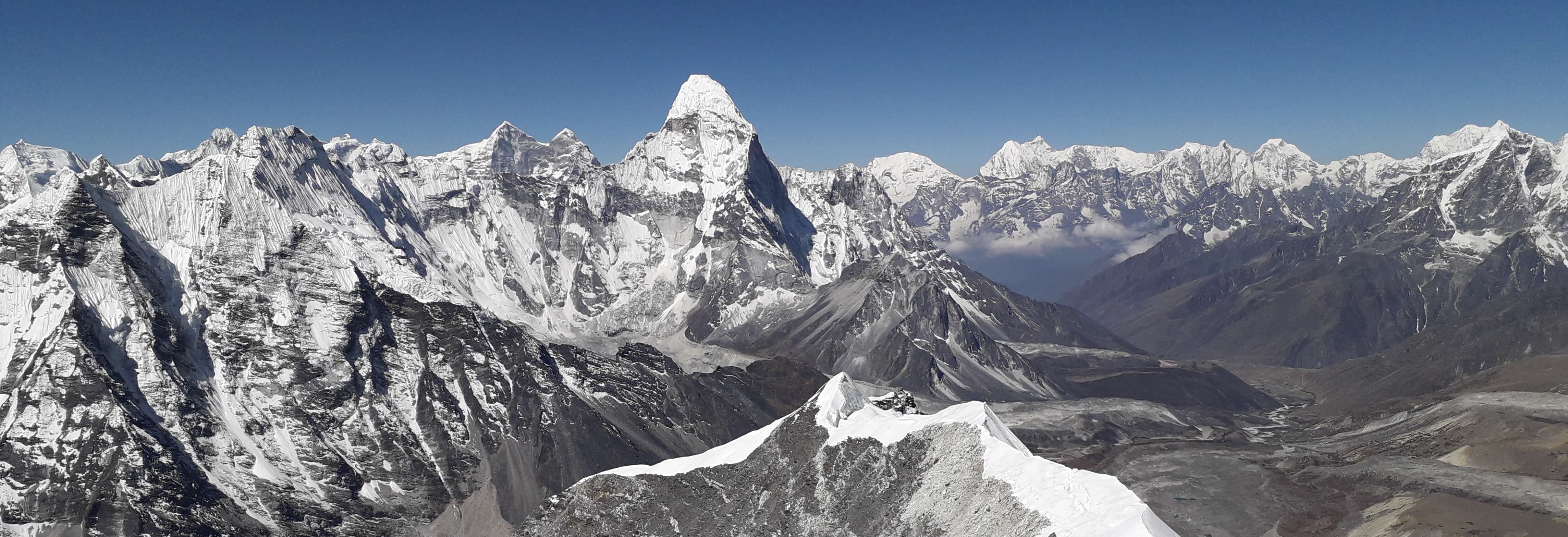
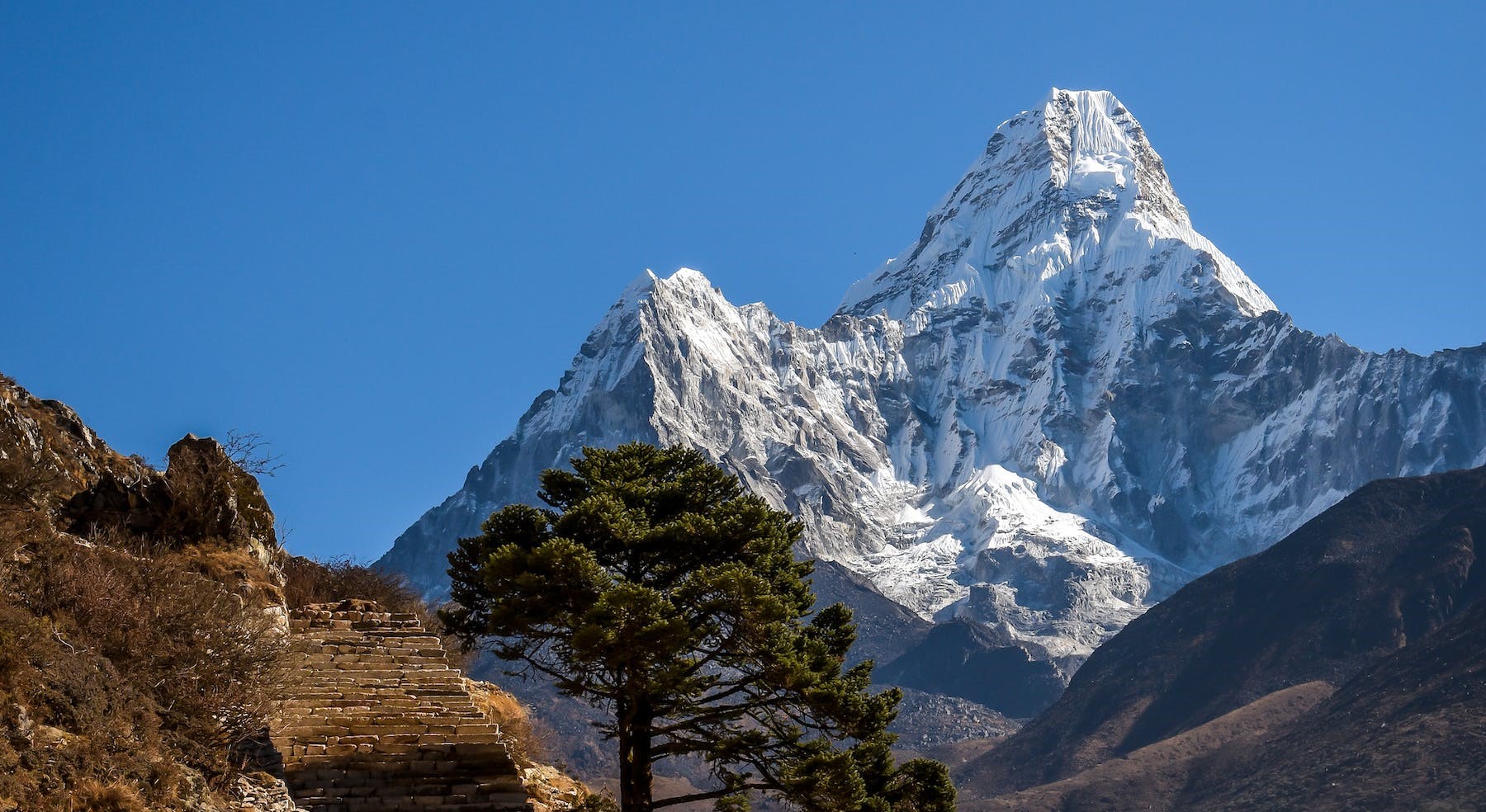
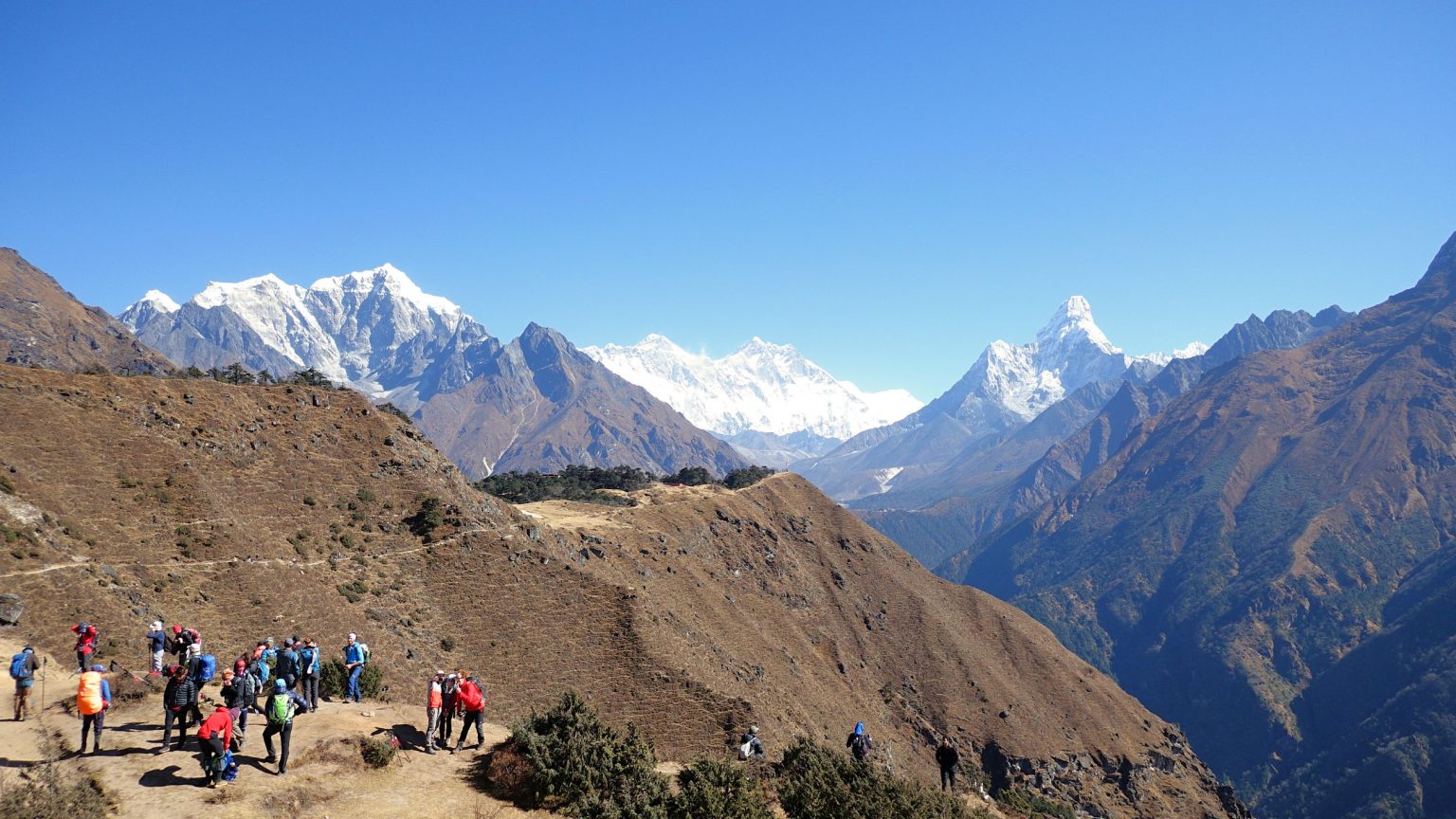
From there, the trip shifts gears. Instead of retracing your steps back to Lukla like a standard EBC trek, you head over the Kongma La Pass (5,535m) to Pokalde Peak Base Camp, then up to High Camp, and finally to the summit at 5,806 meters. From the top, the view is genuinely staggering — Nuptse, Lhotse, and Ama Dablam all rise up around you, along with a wide sweep of the Khumbu's highest peaks. After the summit push, the trail descends through Chhukung, back through Tengboche and Namche, and out to Lukla for the flight home.
How Hard Is It, Really?
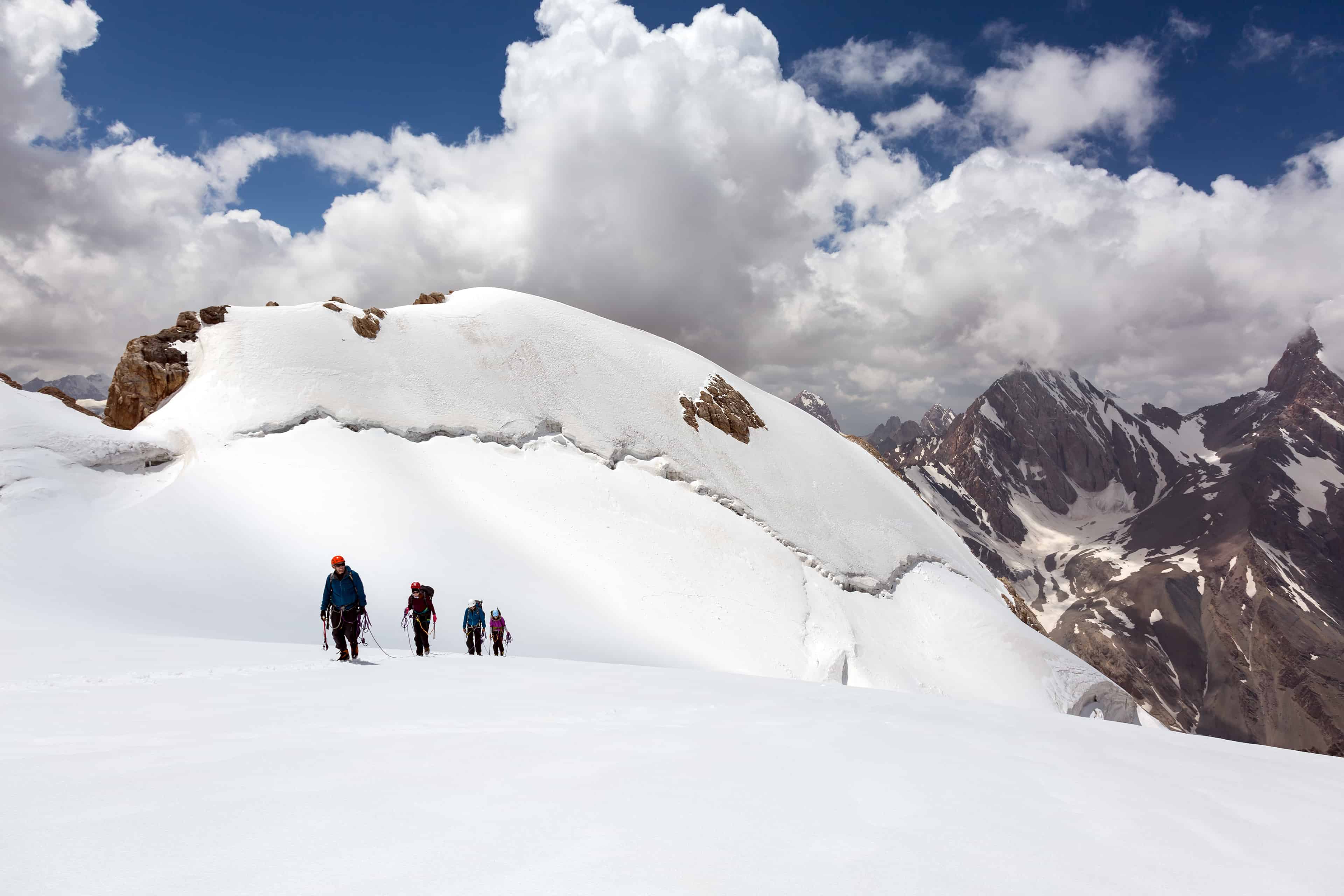
Let's be straightforward: Pokalde is graded "hard," and it earns that grade. You don't need prior technical climbing experience to attempt it, which makes it a genuinely good first peak for strong trekkers — but you do need solid physical fitness, some long-distance trekking experience under your belt, and the mental readiness to handle high altitude, cold, and a real summit day involving fixed ropes, an ice axe, and crampons.
The good news is that the base camp and summit are only around 650 vertical meters apart, so once you're acclimatized and at base camp, the final push isn't a multi-day slog — it's a focused, demanding single push where your training pays off.
Pokalde Peak Climbing Itinerary
| Day | Itinerary | Altitude | Distance | Walking Time |
|---|---|---|---|---|
| Day 1 | Arrival in Kathmandu | 1,400 m / 4,593 ft | — | — |
| Day 2 | Fly to Lukla and trek to Phakding | 2,643 m / 8,671 ft | 7.8 km | 3–4 hrs |
| Day 3 | Trek from Phakding to Namche Bazaar | 3,440 m / 11,286 ft | 11 km | 6–7 hrs |
| Day 4 | Namche Bazaar – Acclimatization Day | 3,440 m / 11,286 ft | — | Around 2 hrs hiking |
| Day 5 | Trek from Namche Bazaar to Tengboche | 3,857 m / 12,654 ft | 10 km | 5–6 hrs |
| Day 6 | Trek from Tengboche to Dingboche | 4,400 m / 14,435 ft | 9 km | 5–6 hrs |
| Day 7 | Dingboche – Rest & Acclimatization Day | 4,400 m / 14,435 ft | — | Around 2 hrs hiking |
| Day 8 | Trek from Dingboche to Chhukung | 4,730 m / 15,518 ft | 4.5 km | 2–3 hrs |
| Day 9 | Cross Kongma La Pass and trek to Lobuche | 5,550 m / 18,209 ft (Pass) | 11 km | 8–9 hrs |
| Day 10 | Trek from Lobuche to Gorakshep and Everest Base Camp | 5,364 m / 17,598 ft (EBC) | 12 km | 7–8 hrs |
| Day 11 | Kalapatthar early morning; trek to Dzongla via Lobuche | 5,550 m / 18,208 ft (Kalapatthar) | 12 km | 6–7 hrs |
| Day 12 | Trek from Dzongla via Cho La Pass and Thangnak to Gokyo Lake | 5,420 m / 17,782 ft (Pass) | 6 km | 7–8 hrs |
| Day 13 | Gokyo Lake – Rest & Acclimatization Day | 4,700 m / 15,419 ft | — | Rest day |
| Day 14 | Trek from Gokyo to Lungden via Renjo La Pass | 5,360 m / 17,585 ft (Pass) | 11.5 km | 7–8 hrs |
| Day 15 | Trek from Lungden to Namche Bazaar | 3,440 m / 11,286 ft | 18 km | 7–8 hrs |
| Day 16 | Trek from Namche Bazaar to Lukla | 2,860 m / 9,383 ft | 19 km | 6–7 hrs |
| Day 17 | Fly from Lukla to Kathmandu | 1,400 m / 4,593 ft | — | Flight |
| Day 18 | Final Departure from Kathmandu | — | — | — |
Best Time to Climb Pokalde Peak
Like most of the Everest region, Pokalde has two clear climbing windows:
- Autumn (September–November) — the high season, with the most stable weather and the clearest mountain views of the year.
- Spring (March–May) — the shoulder season, when temperatures are milder and rhododendrons are blooming lower down the valley.
The monsoon months (June–August) and deep winter are generally avoided for this climb, given the added risk from snow, cloud cover, and cold at these altitudes.
What's Included
This particular 19-day package is built as a complete, fully supported expedition rather than a bare-bones trek. It includes a Kathmandu sightseeing day covering Durbar Square, Pashupatinath, Swayambhunath, and Boudhanath, domestic flights to and from Lukla, all trekking permits and the Pokalde Peak climbing permit, an experienced climbing guide, full board meals on the trek, lodge accommodation on the trekking sections, camping gear at base camp, and technical group climbing equipment like ropes, harnesses, and ice axes. A refundable sleeping bag and down jacket are also part of the deal, which takes some pressure off your packing list.
What it doesn't cover — standard for this kind of trip — is international airfare, travel insurance (which absolutely needs to cover emergency evacuation above 5,500m), personal climbing gear, and tips for your guide and support crew.
Pokalde Peak Climbing Difficulty
Pokalde Peak Climbing is rated as a hard trekking peak, and it earns that grade honestly. Classified as a Group B peak by the Nepal Mountaineering Association, it's considered one of the more demanding peaks in its category, combining a long high-altitude approach with a genuinely technical summit day involving fixed ropes, crampons, and an ice axe on exposed, unpredictable terrain near the top. You don't need prior technical climbing experience to attempt it, but you do need strong physical fitness, prior long-distance trekking experience, and the mental resilience to handle sustained high altitude — the route climbs above 5,000 meters for multiple days and peaks at 5,806 meters (19,048 ft), with real risk of Acute Mountain Sickness if acclimatization isn't respected. The trail itself adds to the challenge, following a largely unfrequented path through Kongma La Pass (5,535m) rather than the busier main trekking routes, so you're often on rougher, less-trodden ground with fewer people around. That said, the base camp and summit are only about 650 vertical meters apart, so once you're properly acclimatized, the final push is a focused, single-day effort rather than a multi-day grind — tough, but achievable for a well-prepared climber. For the full itinerary, fitness recommendations, and fixed 2026–2027 departure dates, see the complete Pokalde Peak Climbing trip page.
Pokalde Peak Climbing FAQ(s)
1. How high is Pokalde Peak?
Pokalde Peak stands at 5,806 meters (19,048 ft) above sea level, making it one of the higher trekking peaks in the Everest region.
2. How difficult is Pokalde Peak Climbing?
It's graded "hard" and classified as a Group B peak by the Nepal Mountaineering Association (NMA). It's considered one of the more demanding trekking peaks, requiring good fitness, prior trekking experience, and a genuine summit push involving fixed ropes, crampons, and an ice axe.
3. Do I need prior climbing experience for Pokalde Peak?
No formal technical climbing experience is required, but you should have completed at least one long-distance high-altitude trek beforehand and be in strong physical condition. Basic training in using crampons, an ice axe, and fixed ropes is provided by your climbing guide before the summit attempt.
4. How many days does the Pokalde Peak Climbing trip take?
The standard itinerary runs 19 days from arrival in Kathmandu to final departure, including acclimatization days, the trek in and out, and the summit push.
5. What is the best season to climb Pokalde Peak?
Autumn (September–November) and spring (March–May) are the two best windows, offering the most stable weather and clearest mountain views. Monsoon (June–August) and deep winter are generally avoided.
6. What route does the Pokalde Peak Climbing trip follow?
The trek follows the classic Everest Base Camp trail through Lukla, Namche Bazaar, Tengboche, and Dingboche, continues to Everest Base Camp and Kala Patthar, then crosses the Kongma La Pass (5,535m) to reach Pokalde Peak Base Camp before the final summit push.
7. How does Pokalde Peak compare to Island Peak or Lobuche Peak?
Pokalde is generally considered more technically demanding than Lobuche and roughly comparable to or slightly harder than Island Peak in terms of terrain and unpredictability, though it's a shorter final summit push once you reach base camp. It's a popular choice for climbers looking for a serious step up from standard trekking.
8. Is Pokalde Peak Climbing good for beginner climbers?
It can be, for beginners who are physically fit, mentally prepared, and have solid trekking experience — but it's not considered an "easy" introduction to peak climbing. It's better suited to trekkers ready for their first real technical challenge rather than absolute first-timers.
9. What permits are required for Pokalde Peak Climbing?
You'll need a Sagarmatha National Park entry permit, a Khumbu Pasang Lhamu Rural Municipality fee, and a Pokalde Peak climbing permit issued through the NMA. These are typically arranged by your trekking agency.
10. What is the maximum altitude reached on this trek?
The highest point is the summit of Pokalde Peak at 5,806 meters, though trekkers also pass through Kala Patthar (5,550m) and cross Kongma La Pass (5,535m) along the way.
11. Do I need travel insurance for Pokalde Peak Climbing?
Yes, and it's essential. Your policy should cover high-altitude trekking and climbing up to at least 6,000 meters, including emergency helicopter evacuation, since the route spends multiple days above 5,000 meters.
12. What kind of accommodation is used during the trek?
You'll stay in standard hotels in Kathmandu, teahouses/lodges along the main trekking trail, and camping tents at Pokalde Base Camp and High Camp for the final summit stages.
13. What is the risk of altitude sickness on Pokalde Peak?
The risk is real, given the sustained time spent above 4,000–5,000 meters. Proper acclimatization days, gradual ascent, and staying hydrated significantly reduce the risk, and your guide will monitor for symptoms of Acute Mountain Sickness (AMS) throughout the trip.
14. What climbing gear is needed for Pokalde Peak?
You'll need mountaineering boots compatible with crampons, an ice axe, a climbing harness, carabiners, a helmet, and a sleeping bag rated for extreme cold, along with standard trekking clothing layers. Technical group climbing gear is typically provided as part of the package.
15. How much does Pokalde Peak Climbing cost?
Pricing varies by operator and group size but typically starts around $3,900 per person for a fully supported 19-day package including permits, guide, domestic flights, and camping gear at base camp.
For the complete itinerary, fixed 2026–2027 departure dates, and full inclusions, check the official trip page: Pokalde Peak Climbing.
Ready to Plan Your Climb?
Pokalde Peak is the kind of trip that rewards people who've already fallen in love with the Everest region and want to go one step further — literally, to the summit. It combines everything that makes the Khumbu special — the Sherpa villages, the monasteries, the jaw-dropping views of Everest, Lhotse, and Ama Dablam — with the genuine achievement of standing on top of a Himalayan peak.
For full pricing, fixed 2026–2027 departure dates, and the complete day-by-day itinerary, check out the official trip page here: Pokalde Peak Climbing.
If you've got questions about fitness requirements, gear rental in Kathmandu, or how Pokalde compares to other trekking peaks like Island Peak or Lobuche, the team behind this Pokalde Peak Climbing package can help you figure out if it's the right next challenge for you.
Recent From Pokalde Peak Climbing 2026–2027: 19-Day Everest Region Adventure
Jun 27, 2022
Jun 27, 2022

Jul 19, 2022
Sep 20, 2025
Jan 03, 2023
Feb 03, 2023
Feb 17, 2023
Feb 23, 2023
Mar 03, 2023
Mar 14, 2023
Mar 20, 2023
Mar 28, 2023
Apr 06, 2023
Jul 31, 2023
Aug 28, 2023

Jan 04, 2026


Mar 10, 2026
Mar 10, 2026



Apr 03, 2026
Sep 10, 2026
Sep 14, 2026