14th Sep, 2026
Everest View Trek: Route, Difficulty, Permits & Cost
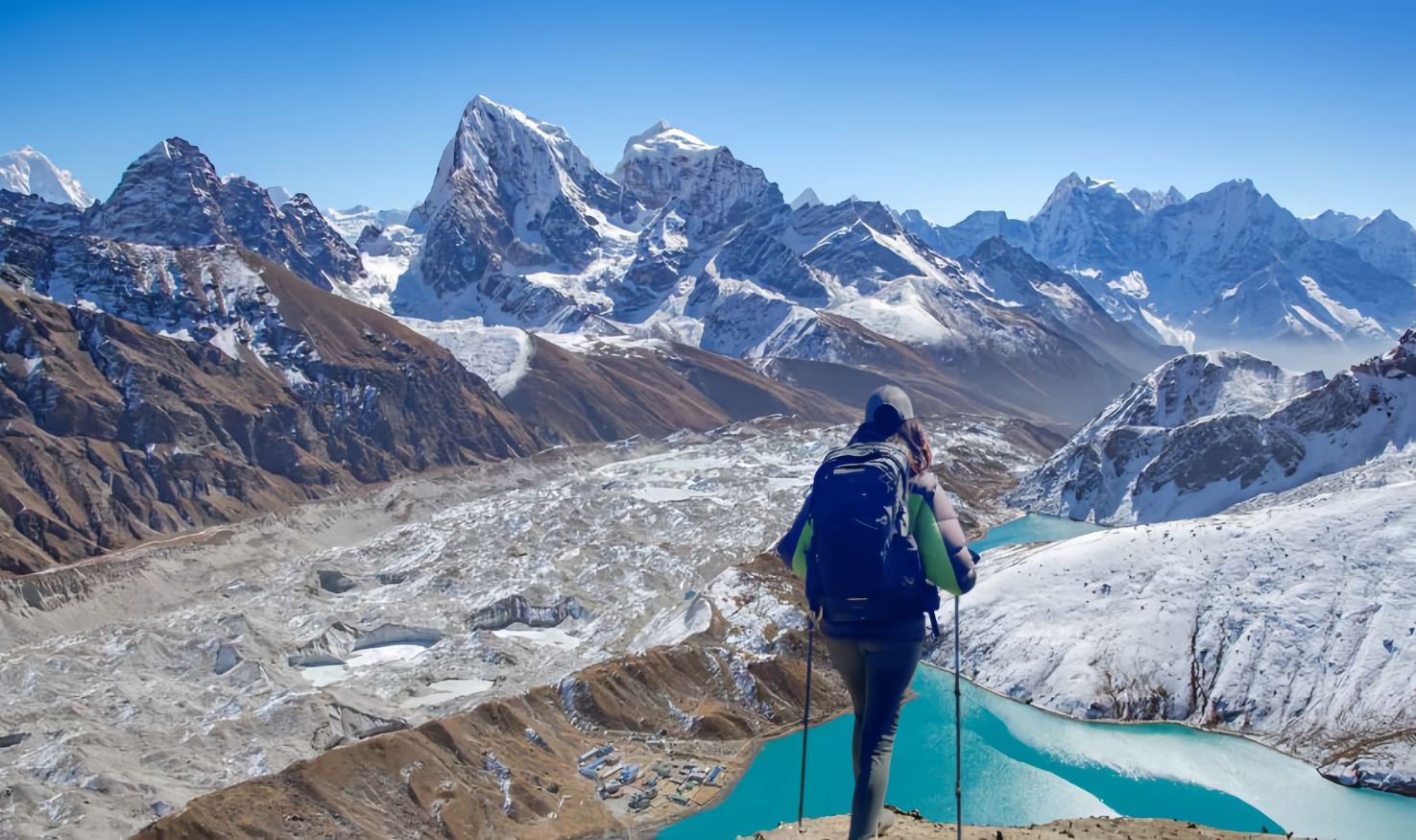
Ask ten people what stops them from doing an Everest trek, and most of them won't say "the mountain." They'll say "I don't have three weeks off work" or "I'm not sure my knees can handle a month of walking." Fair enough. The good news is you don't need either of those things to actually see Everest with your own eyes.
Table of Contents
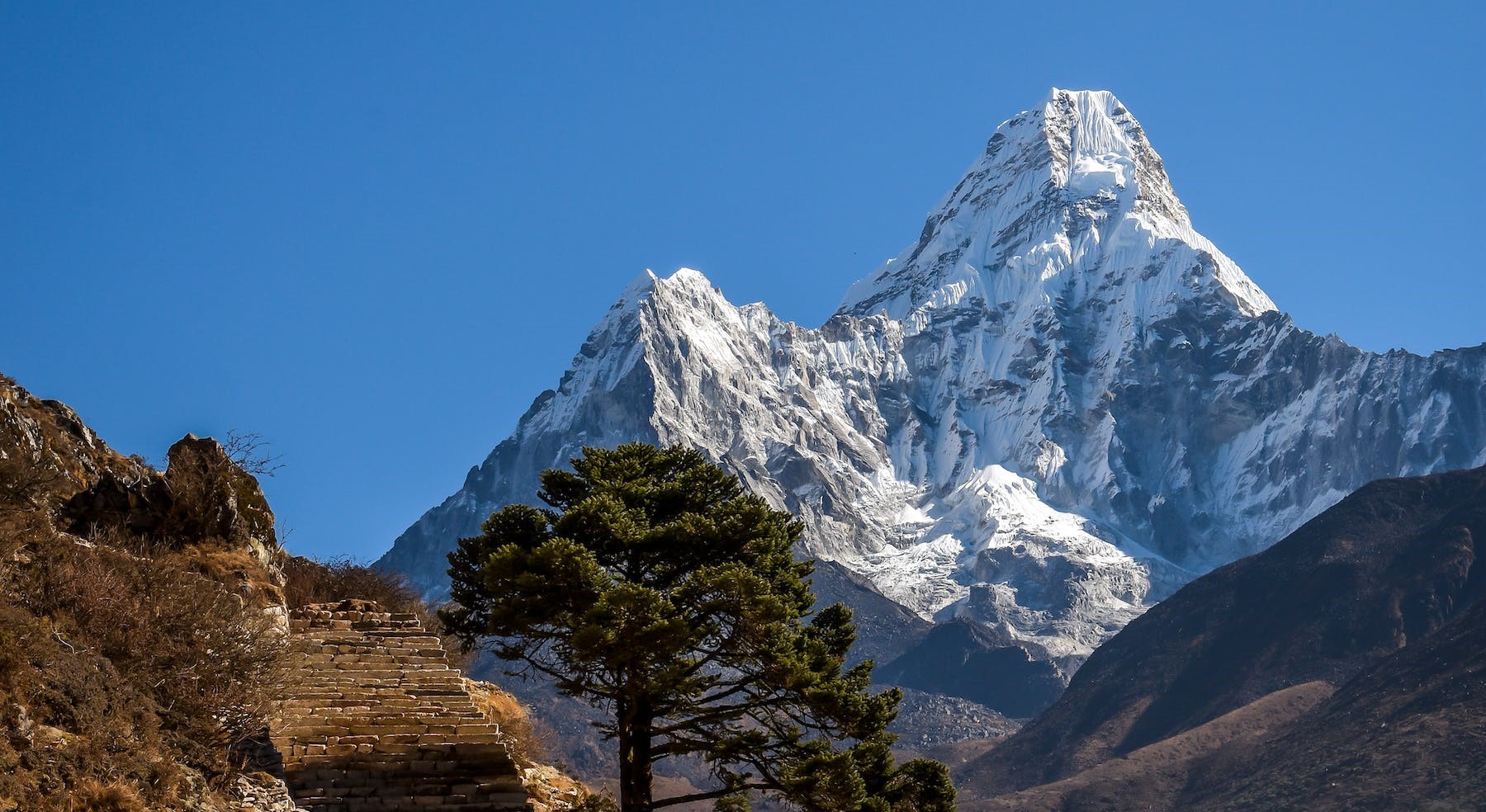
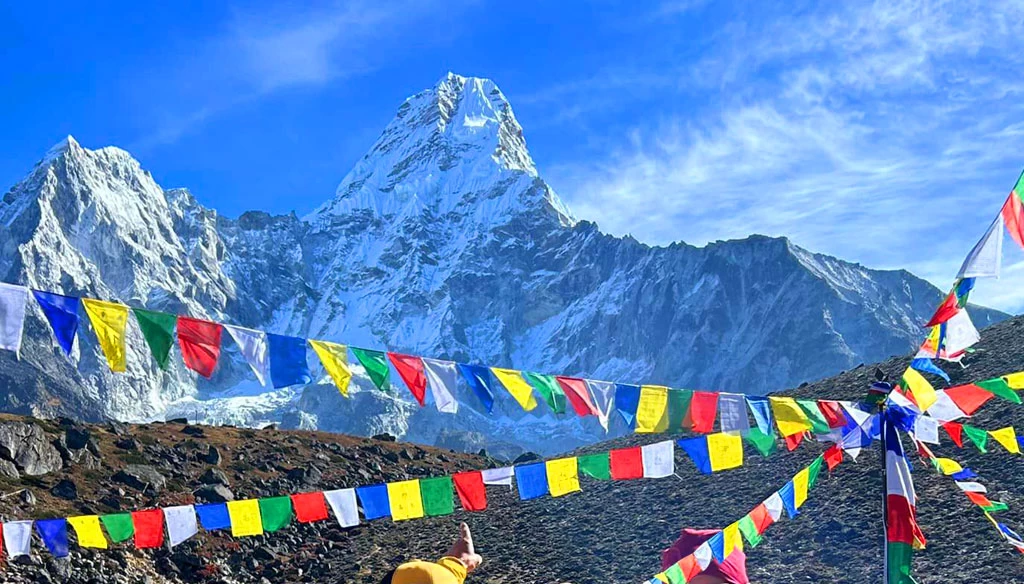
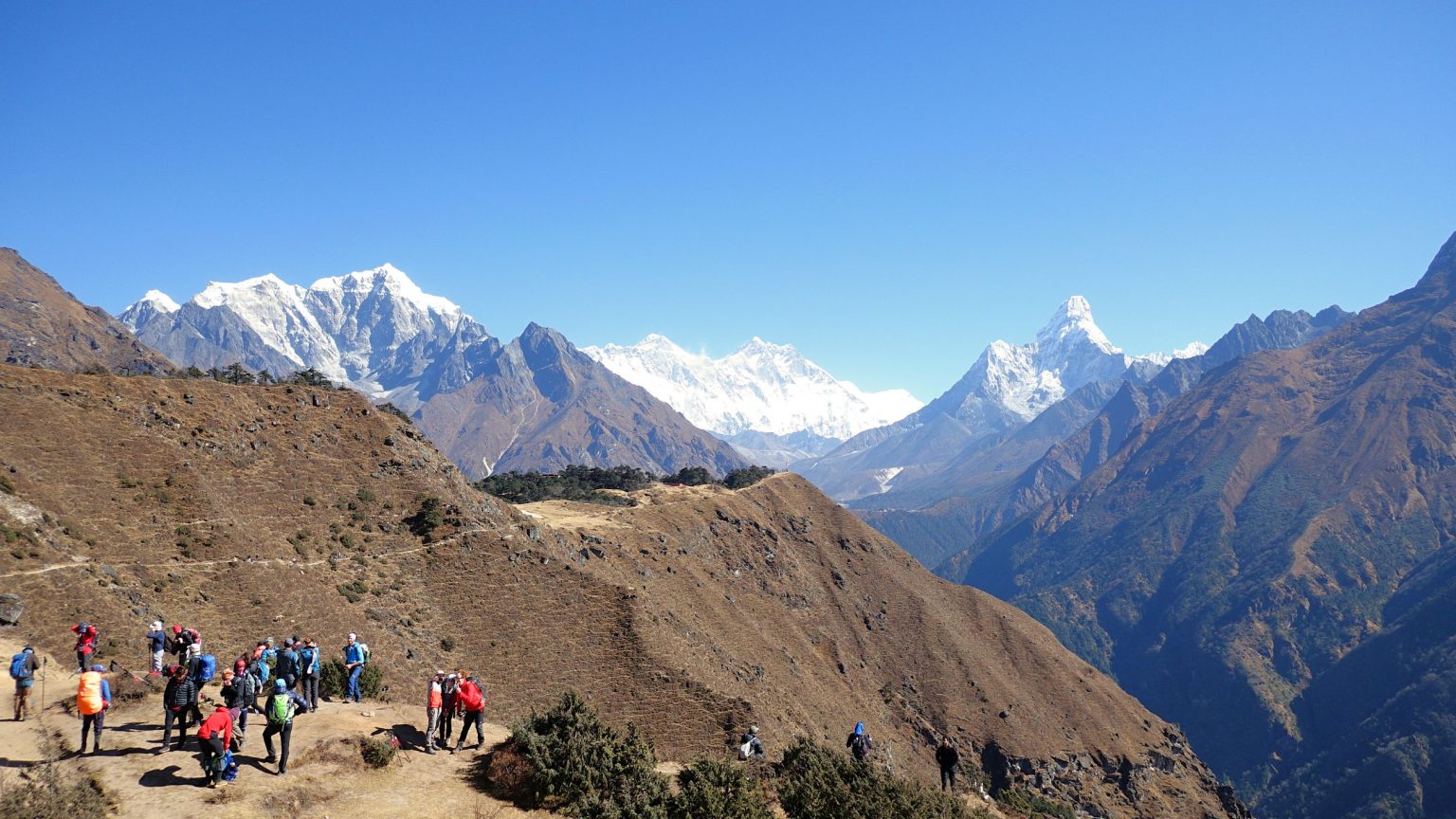
The Everest View Trek is the answer for that exact person — seven days, one flight into the mountains, a walk through the same trail every Everest climber has used for seventy years, and a front-row seat to Everest, Lhotse, and Ama Dablam from a ridge above Namche Bazaar. No Base Camp, no glacier, no three-week diary clearance.
This piece isn't a marketing brochure. It's a straight walkthrough of the route itself, how hard it actually is, what permits you'll need, and what it costs — including a current fixed-departure price of USD 950 per person, which is genuinely one of the more affordable ways into the Khumbu.
👉 Check dates and book: Everest View Trek – Northern Trekking Team
What This Trek Actually Is
There's a bit of naming confusion worth clearing up first. This trek goes by a few names — Everest View Trek, Everest Panorama Trek, sometimes just "the short Everest trek" — but they're all pointing at the same idea: fly to Lukla, walk up to Namche Bazaar, climb a ridge for a close-up look at Everest from the famous Everest View Hotel, then walk back down and fly home.
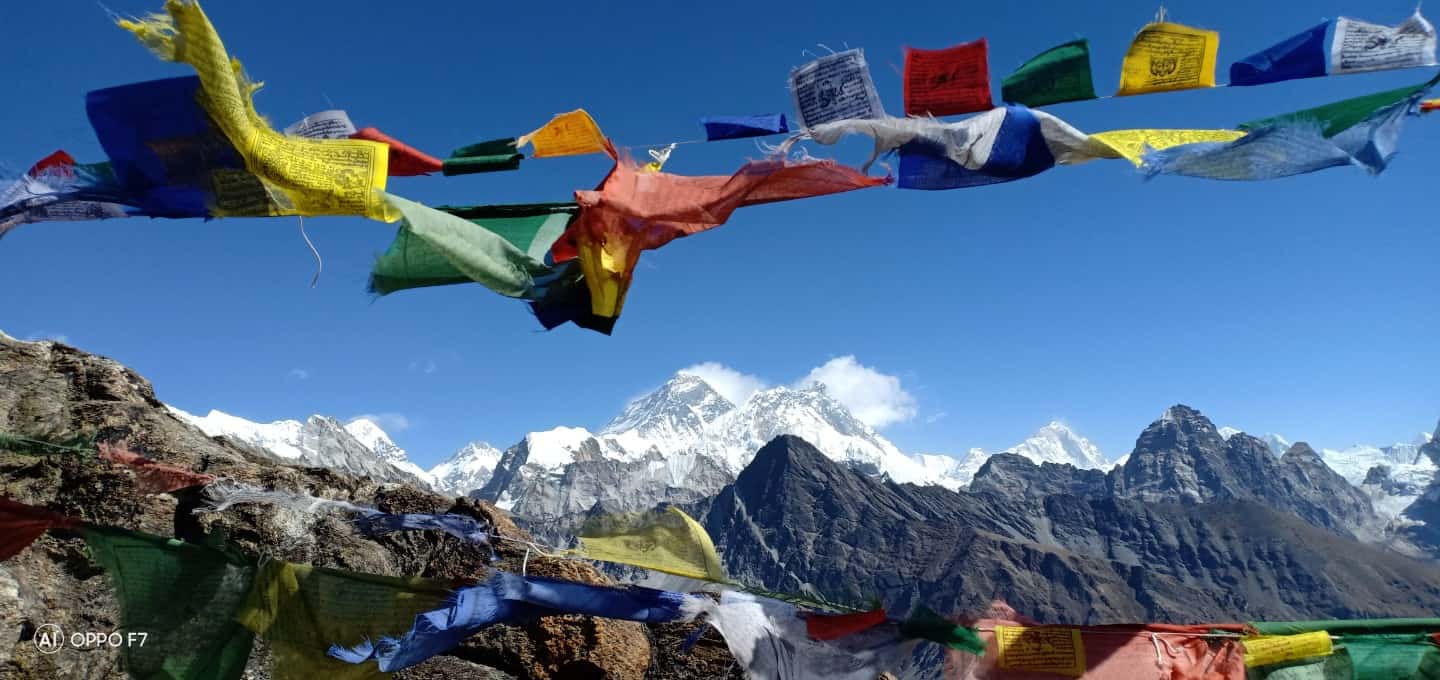
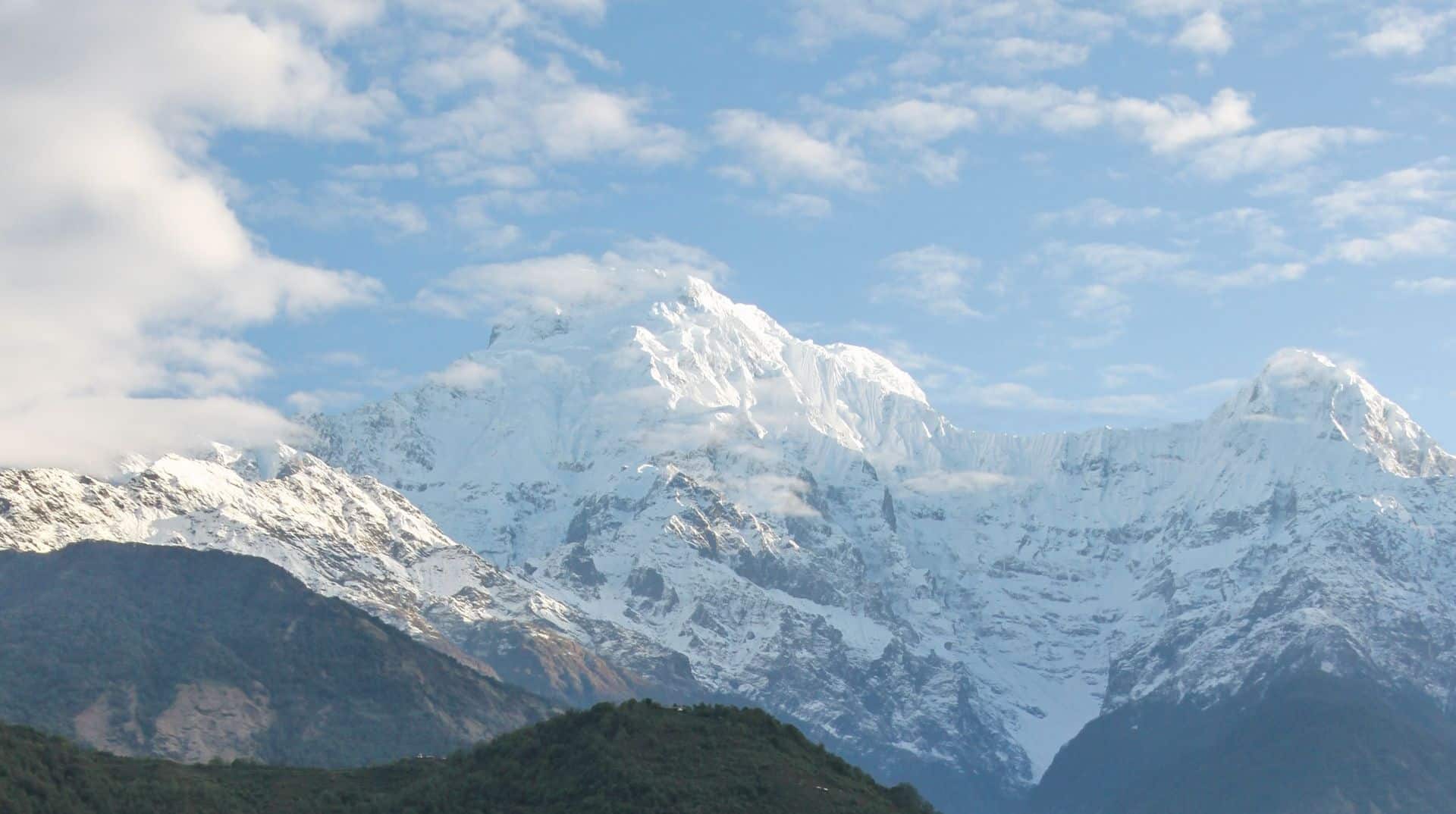
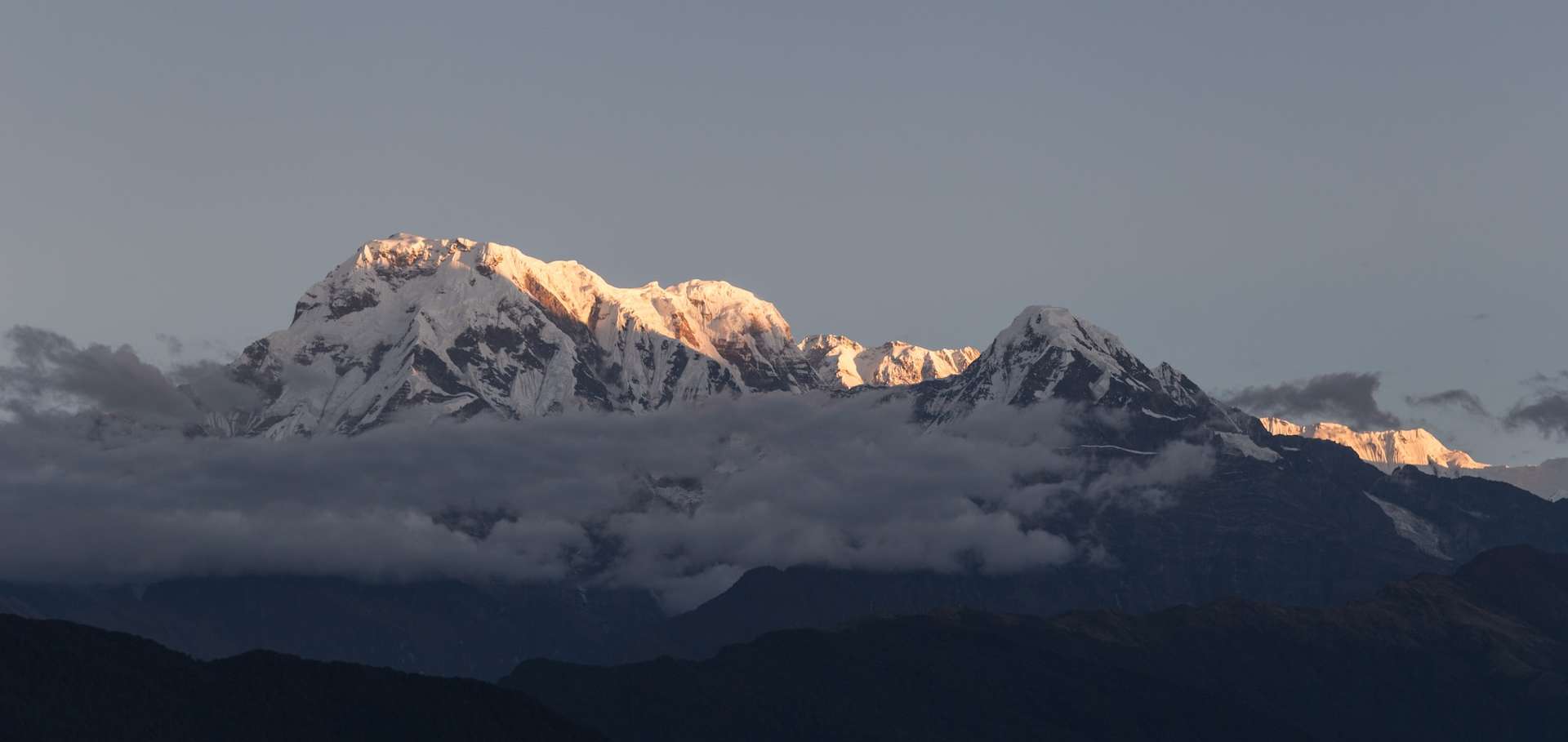
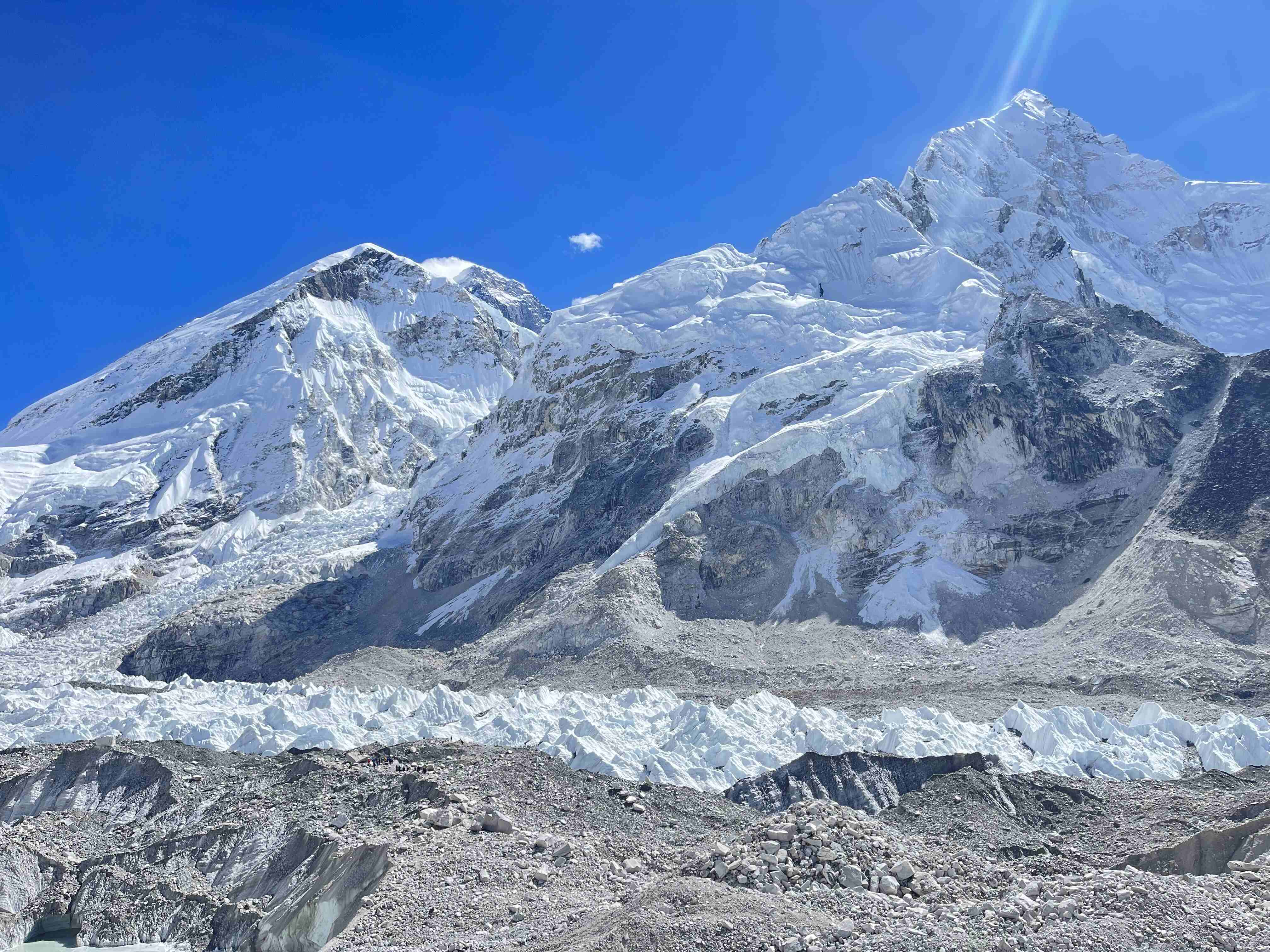
You don't go anywhere near Base Camp. You don't cross the Khumbu Icefall or stand at 5,364 metres. What you do get is the flight into Tenzing-Hillary Airport (built by Sir Edmund Hillary himself, and still one of the most talked-about short flights anywhere), several days on the actual trail used by Everest expeditions, and a genuinely close mountain view — Everest sits at 8,849 m, and you'll be looking at it from roughly 3,880 m, which is close enough that it fills the frame.
It's a trek built for people with a week to spare rather than a month.
Everest View Trek Trip Snapshot
| Duration | 7 Days (Kathmandu to Kathmandu) |
| Difficulty | Easy to Moderate |
| Max Altitude | 3,880 m (Everest View Hotel) |
| Group Size | 1–10 |
| Meals | Breakfast, Lunch, Dinner |
| Accommodation | Teahouse/lodge on trek, hotel in Kathmandu |
| Best Season | September–May (peak: Sept–Nov and Mar–May) |
| Starting Price | USD 950 per person on fixed group departures |
Total walking time across the trip works out to somewhere around 25–28 hours spread over five active trekking days — which is a fraction of what the full Base Camp trek demands.
Route & Altitude at a Glance
| Day | Route | Distance | Time | Altitude |
|---|---|---|---|---|
| 2 | Lukla → Phakding | 7.8 km | 3–4 hrs | 2,643 m |
| 3 | Phakding → Namche Bazaar | 11 km | 6–7 hrs | 3,440 m |
| 4 | Namche → Everest View Hotel (round trip) | ~4 km | ~2 hrs | 3,880 m |
| 5 | Namche → Phakding | 11 km | 6–7 hrs | 2,610 m |
| 6 | Phakding → Lukla | 7.8 km | 3–4 hrs | 2,860 m |
The trail is an out-and-back — you walk the same corridor up and down — which is actually one of the reasons the trek is manageable in a week. You're not covering new, harder ground on the way back; you're descending familiar terrain, which is noticeably easier on the legs and lungs.
How Hard Is It, Really?
Let's be specific instead of vague about this.
- The trail is rated easy to moderate, and it earns that rating. There's no technical climbing, no scrambling, no glacier travel.
- The one genuinely tough day is Day 3, Phakding to Namche — a 6–7 hour walk with a steep, switchback-heavy final climb into town. This is the day people underestimate.
- The maximum altitude of 3,880 m is high enough that altitude does matter. It's well below the 5,000+ m range where serious AMS risk spikes, but you can still feel the thinner air, especially on the climb to the Everest View Hotel.
- There's a built-in acclimatization day in Namche Bazaar — not wasted, since it doubles as the day you actually see Everest up close.
- No prior trekking experience is strictly required, but reasonable fitness helps. If you can comfortably walk 5–6 hours on hilly terrain, you'll be fine.
In short: harder than a city walking tour, easier than almost any other multi-day trek in the Everest region.
Permits You'll Need
Two permits cover this entire route:
1. Sagarmatha National Park Entry Permit — required because the trail runs through this UNESCO World Heritage-listed park from Monjo onward.
2. Khumbu Pasang Lhamu Rural Municipality Fee — the local area permit that replaced the old separate entry ticket for the Khumbu region.
Unlike some other Nepal treks, this route doesn't require a TIMS card processed separately in most current packages, since the national park and municipality permits cover trail access. Your operator will handle the paperwork before you fly out — you'll just need your passport details and a couple of passport photos in advance.
Cost: What USD 950 Gets You
Pricing on this trek varies more than people expect — from budget group departures to fully private, guided trips with extra comforts. As a benchmark:
| Trip Style | Typical Price Range |
|---|---|
| Fixed group departure | From USD 950 per person |
| Standard private trip | Roughly USD 950–1,200 per person |
| Premium/customized trip | USD 1,200–1,600+ per person |
The USD 950 fixed-departure price is currently listed for scheduled group dates running through late 2026 and into 2027, and it's a genuinely competitive rate for a fully guided 7-day Everest region trek with flights, permits, and accommodation bundled in.
Broadly, cost depends on:
- Whether you join a fixed group date or book a private departure
- The season (peak autumn and spring dates can carry a premium)
- Whether you hire a porter separately (commonly around USD 109 for the trip, carrying up to 20–25 kg)
- Hotel category in Kathmandu
For current fixed-departure dates and live pricing, the Everest View Trek page lists specific departures with confirmed prices you can book directly against.
What's Included and What Isn't
✅ Typically Included
- Airport pickup and drop-off
- 2 nights' hotel in Kathmandu with breakfast (arrival and post-trek)
- Farewell dinner in Kathmandu
- Sagarmatha National Park and Khumbu Pasang Lhamu Rural Municipality permits
- Kathmandu–Lukla–Kathmandu domestic flights and airport tax
- All teahouse/lodge accommodation during the trek
- Full board (breakfast, lunch, dinner) while trekking, plus seasonal fruit
- A licensed, English-speaking guide (with their own food, insurance, and transport covered)
- Basic medical supplies
- Sleeping bag, down jacket, and duffel bag (returnable)
❌ Typically Excluded
- Lunch and dinner in Kathmandu
- Nepal entry visa fee (payable on arrival)
- A porter, if you want one (roughly USD 109 for the trip, separately)
- International airfare
- Personal expenses: laundry, Wi-Fi, hot showers, battery charging, alcohol, snacks
- Travel insurance (essential, and should cover emergency evacuation up to at least 5,500 m even though you won't go that high — this is standard for the region)
- Personal trekking gear
- Tips for your guide
Best Time for Everest View Trek
| Season | Months | Why |
|---|---|---|
| Autumn (peak) | September–November | Clearest skies of the year, dry trails, the classic Everest-trekking window |
| Spring (shoulder) | March–May | Warmer, rhododendrons blooming, slightly hazier than autumn but still excellent |
| Winter | December–February | Cold but quiet, dramatic snow-covered views, far fewer other trekkers |
| Monsoon | June–August | Generally avoided — wet trails and limited visibility make this the one season to skip |
Because this trek stays below 4,000 m and doesn't rely on crossing an exposed high pass, it's realistically doable across a wider stretch of the calendar than treks like Base Camp or the Three Passes — which is part of why fixed departures run from October right through to December and beyond.
Packing List for Everest View Trek
You don't need mountaineering-grade gear for this trek, but a few things matter more than people expect:
- Layers, not one big jacket. Days start cold in Namche and warm up fast on the climb; a fleece plus a windproof/waterproof shell beats a single heavy coat.
- Broken-in boots. Day 3's climb into Namche is not the day to test new footwear.
- A proper sleeping bag, even though teahouses provide blankets — most operators supply one as part of the package.
- Sun protection. At altitude, UV exposure is far stronger than it feels; sunglasses with UV protection and sunscreen are non-negotiable, even in winter.
- A power bank. Charging costs extra on the trail and isn't always reliable.
- Cash in Nepali rupees for the small stuff — tea, snacks, Wi-Fi, tips — since card payments are rare once you're past Lukla.
Everest View Trek FAQs
1. What is the exact route of the Everest View Trek?
The trek starts with a flight to Lukla, then follows the classic Khumbu trail through Phakding and Namche Bazaar, with a side hike up to the Everest View Hotel (3,880 m) before retracing the same route back to Lukla for the return flight to Kathmandu.
2. How difficult is the Everest View Trek compared to Everest Base Camp?
It's rated easy to moderate, making it significantly less demanding than the full Base Camp trek. The one genuinely tough day is the climb from Phakding to Namche Bazaar; everything else is manageable for a reasonably fit trekker.
3. What permits are required for the Everest View Trek?
Two permits cover the entire route: the Sagarmatha National Park Entry Permit and the Khumbu Pasang Lhamu Rural Municipality Fee. Both are typically arranged by your trekking operator before departure.
4. How much does the Everest View Trek cost in 2026/2027?
Fixed group departures start from around USD 950 per person, while private or customized trips generally range from USD 950 to 1,600+ depending on season, group size, and comfort level.
5. What is the maximum altitude reached on this trek?
The highest point is the Everest View Hotel at approximately 3,880 m (12,730 ft), well below the altitudes reached on the full Base Camp route.
6. Is prior trekking experience needed for this route?
No, though reasonable fitness helps. If you can comfortably walk 5–6 hours on hilly terrain, the route's easy-to-moderate grading makes it accessible to first-time trekkers.
7. Does the trek price include flights and permits?
Most standard packages include Kathmandu–Lukla–Kathmandu flights, all required permits, teahouse accommodation, and full board meals — but exclude items like porters, tips, and travel insurance.
8. Is a TIMS card required for this specific route?
Unlike some other Nepal treks, this route is typically covered by the national park and rural municipality permits alone, without a separately processed TIMS card in most current packages.
9. What affects the total cost of the trek?
Price varies based on whether you join a fixed group departure or book privately, the season you travel in, whether you hire a porter, and your chosen hotel category in Kathmandu.
10. Is the Everest View Trek good value for the difficulty and route offered?
Given that it includes permits, flights, guided trekking, and a genuine close-up Everest viewpoint in just 7 days, it's considered one of the more cost-effective ways to experience the Everest region without the difficulty or duration of a full Base Camp trek.
Should You Book This?
If your goal is simply "I want to see Mount Everest, in person, without turning it into a month-long expedition," this trek does exactly that job and doesn't try to be anything more. Seven days, one real work-effort day, permits and logistics sorted for you, and a legitimate close-up view of the mountain that started it all — for a price that undercuts most other Everest-region packages.
It won't replace the full Base Camp trek if that's genuinely your goal. But as a standalone trip, or as a way to test whether high-altitude trekking suits you before committing to something longer, it's hard to beat.
Ready to check dates? Current fixed departures and live pricing (from USD 950) are listed here:
👉 Everest View Trek – Northern Trekking Team
Prices, permits, and departure availability can change — always confirm current details directly with the operator before booking.
Recent From Everest View Trek: Route, Difficulty, Permits & Cost
Jun 27, 2022
Jun 27, 2022

Jul 19, 2022
Sep 20, 2025
Jan 03, 2023
Feb 03, 2023
Feb 17, 2023
Feb 23, 2023
Mar 03, 2023
Mar 14, 2023
Mar 20, 2023
Mar 28, 2023
Apr 06, 2023
Jul 31, 2023
Aug 28, 2023

Jan 04, 2026


Mar 10, 2026
Mar 10, 2026



Apr 03, 2026