6th Oct, 2026
Island Peak Climbing Tips for First-Time Climbers
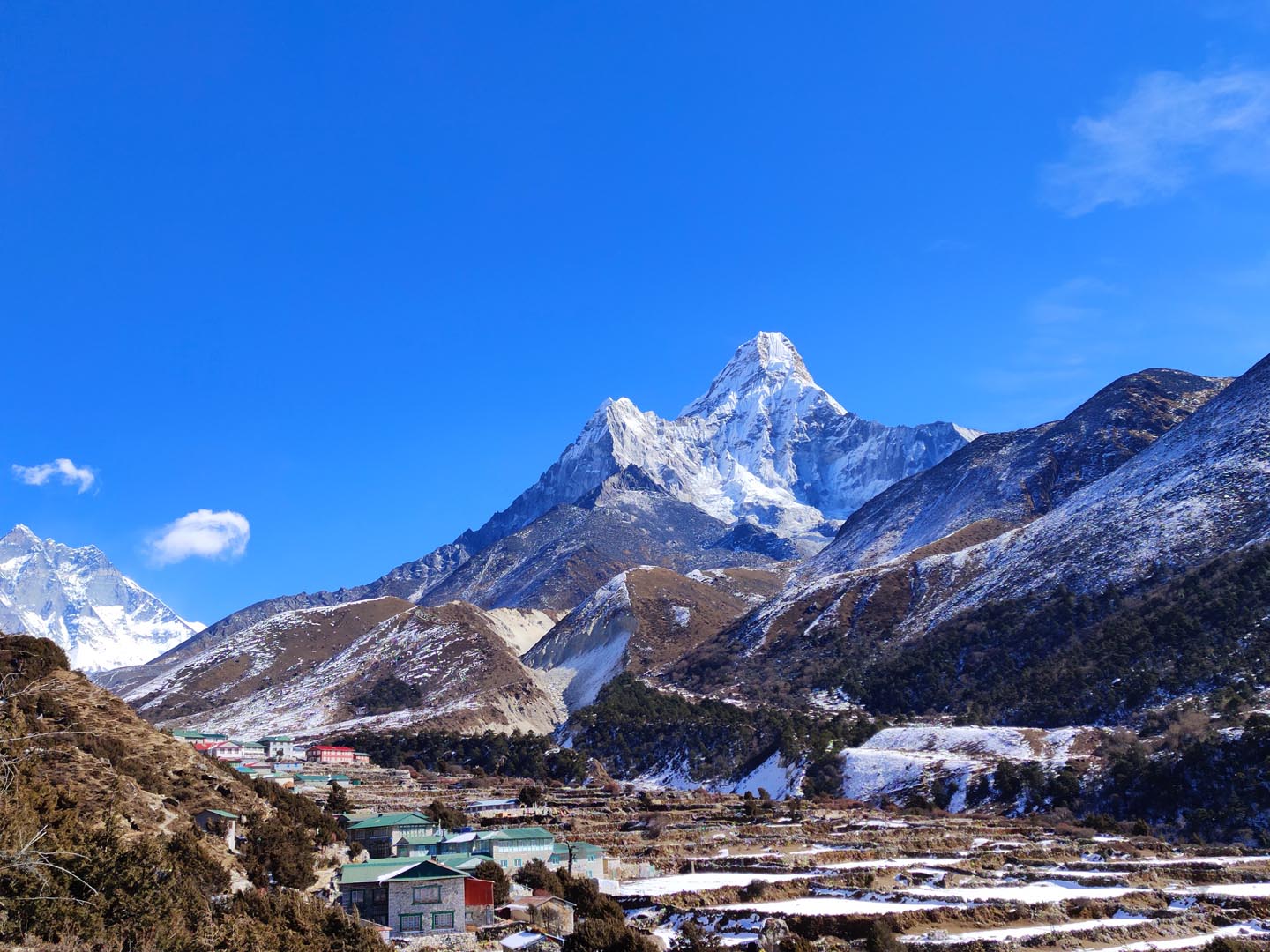
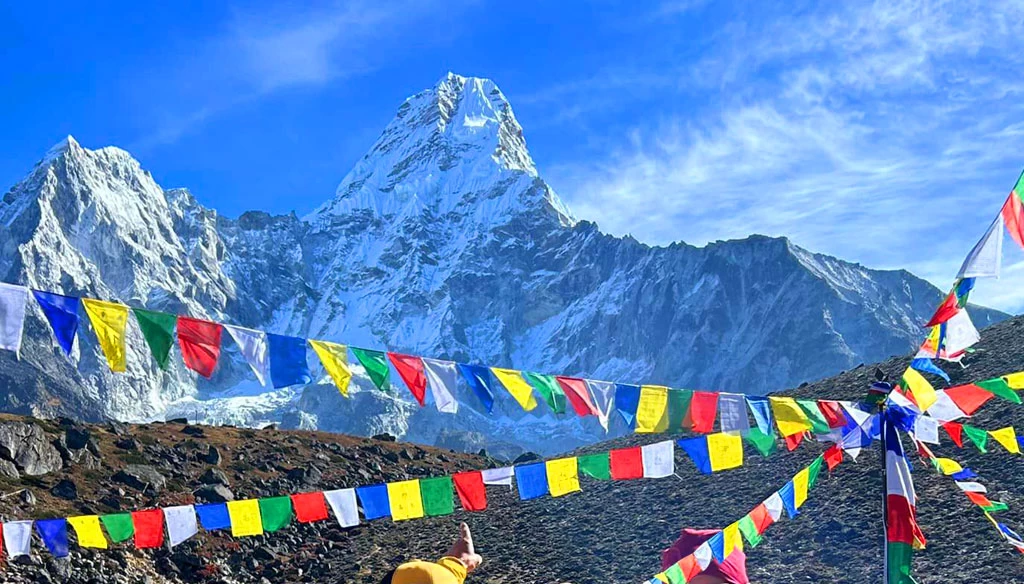
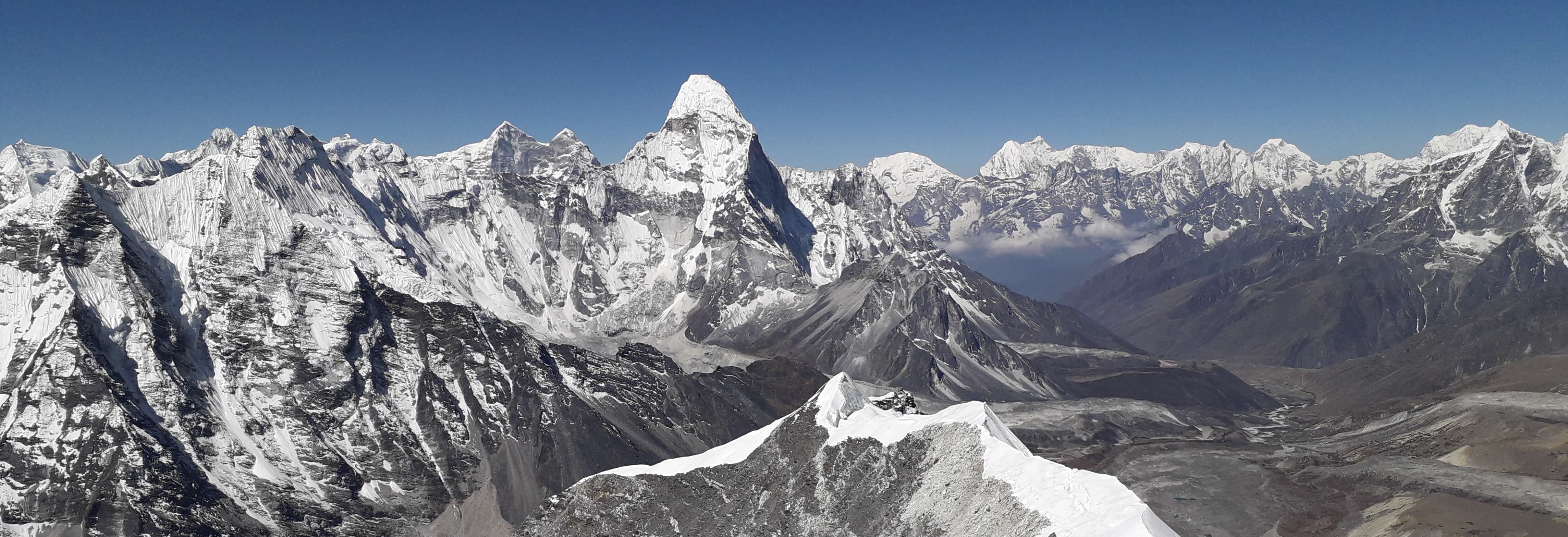
Island Peak (Imja Tse) rises to 6,189 meters (20,305 ft) in Nepal's Everest region, and it is one of the most popular first 6,000 m peaks in the Himalayas. From the summit, you look across to Lhotse, Makalu, and Ama Dablam. It is also a serious climb with a steep final section, so preparation makes all the difference.
Table of Contents
These Island Peak climbing tips come from the guides at Northern Trekking Team, who lead climbers up this mountain every season. Below the tips, you will also find the best season, permits, difficulty, and the full itinerary.
Is Island Peak Good for a First Himalayan Climb?
Yes, if you are fit, healthy, and ready for a long summit day. Island Peak is a trekking peak, so it does not need advanced mountaineering experience, but it is steeper and more exposed than easier peaks like Mera. Our 17-day Island Peak Climbing with Everest Base Camp itinerary is built for first-timers: you trek to Everest Base Camp first, which gives you excellent acclimatization, and you learn climbing skills at base camp before the summit push.
12 Island Peak Climbing Tips for First-Time Climbers
1. Train for Endurance Three to Four Months Ahead
Build cardio through hiking, running, cycling, or stair climbing, and add leg and core strength. Once a week, hike for several hours with a loaded backpack. Summit day is long, so stamina matters more than speed.
2. Combine the Climb with Everest Base Camp
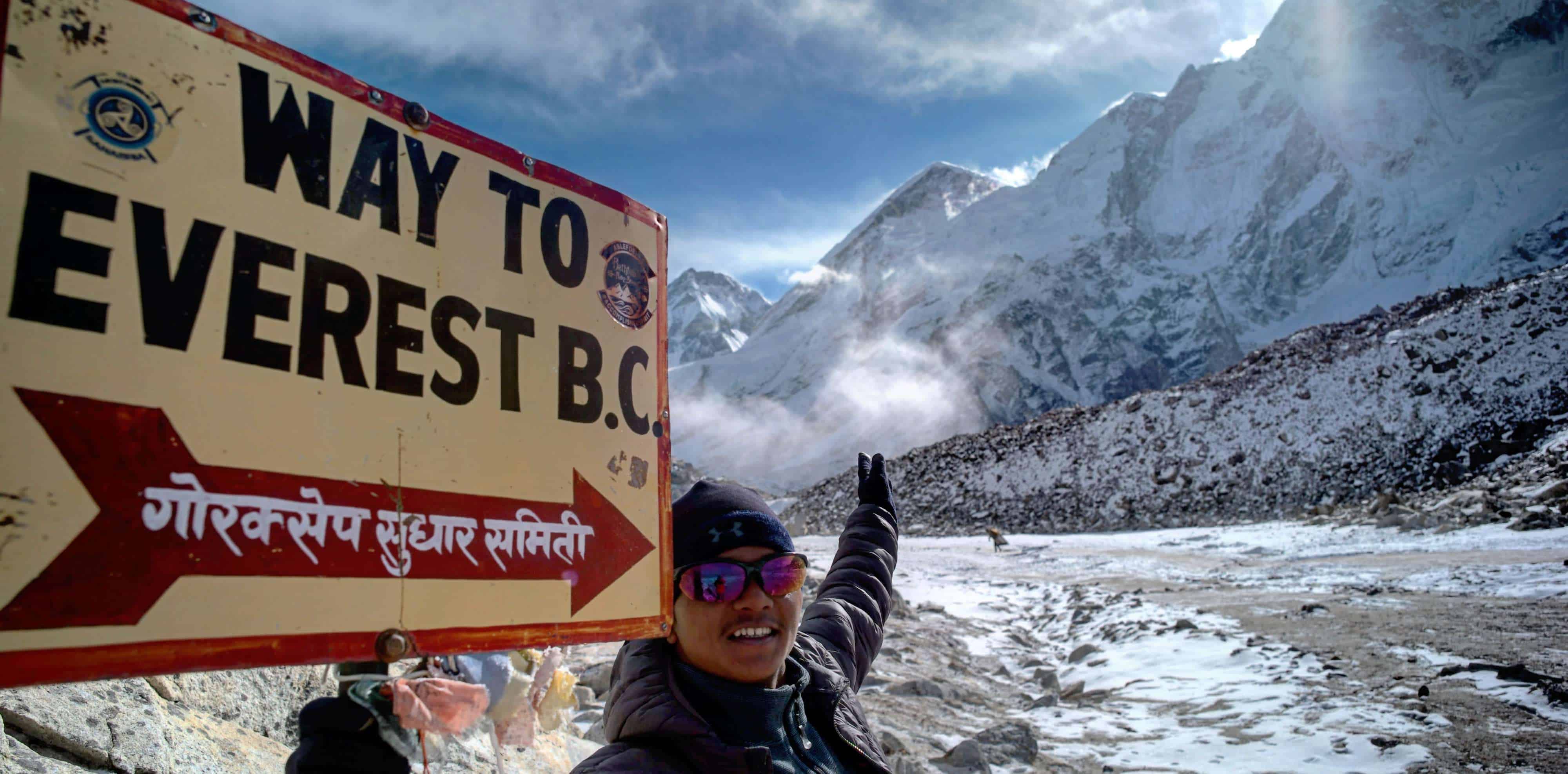
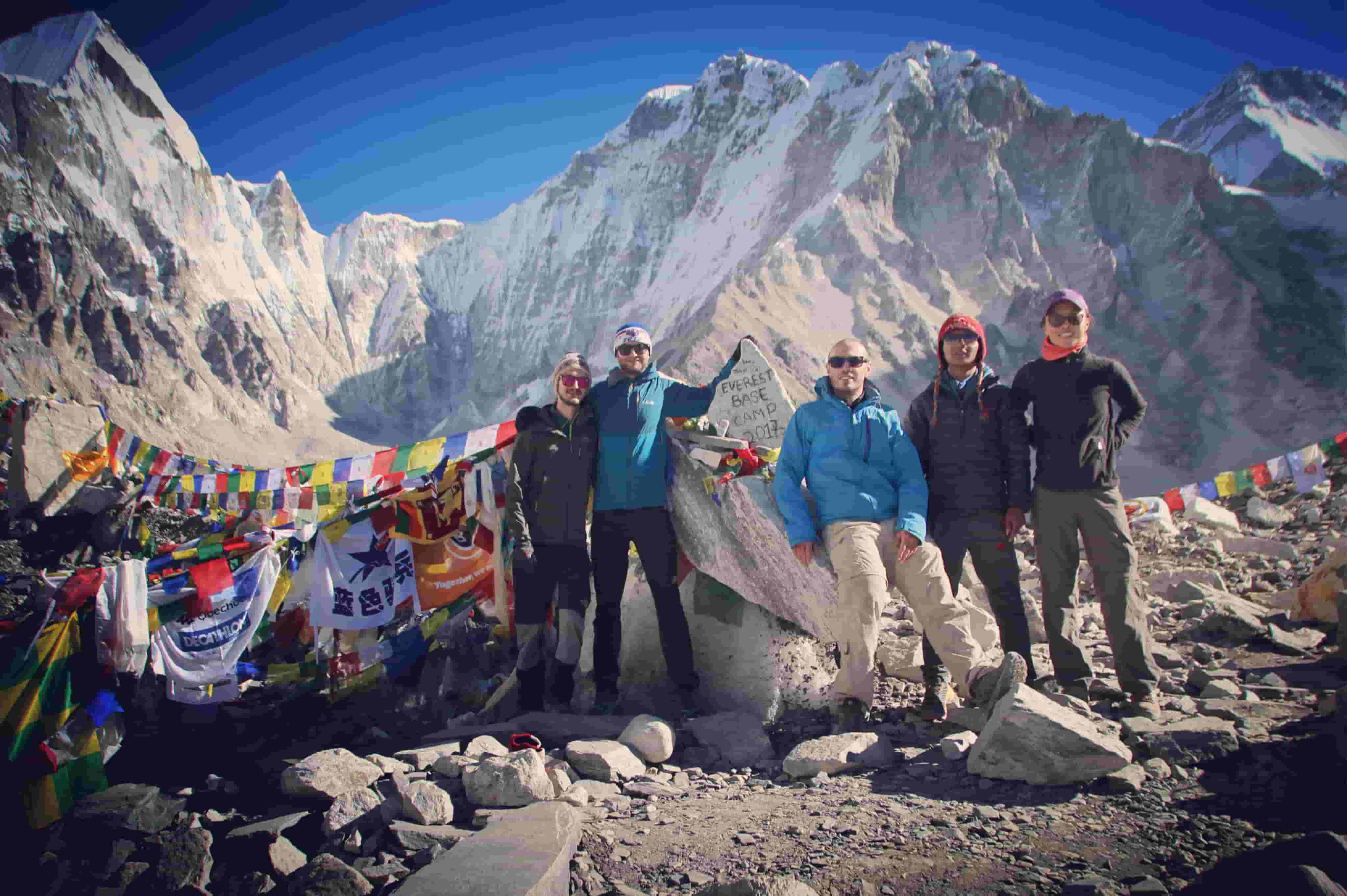
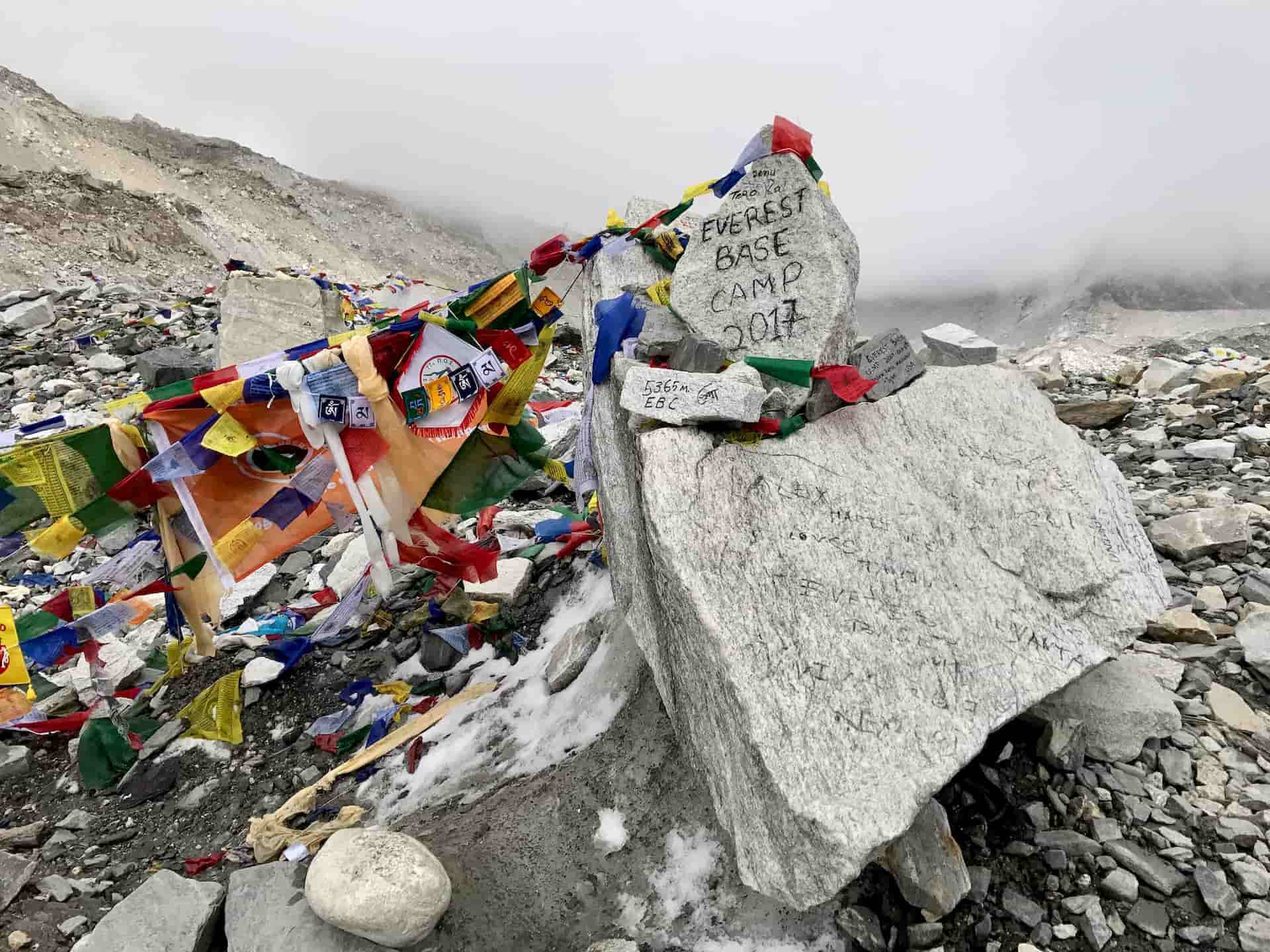
Trekking to Everest Base Camp before climbing Island Peak means you reach the peak already adapted to altitude. Our itinerary passes through Namche, Tengboche, Dingboche, Lobuche, and Gorak Shep, with rest days at Namche and Dingboche.
3. Take Acclimatization Seriously
Altitude is the main reason climbers fail to summit. Walk slowly, drink plenty of water, eat even when your appetite drops, and tell your guide early about headaches, nausea, or poor sleep. If you plan to carry altitude medication, talk to your doctor before you travel. Read our Altitude Tips for more.
4. Use Base Camp Training Fully
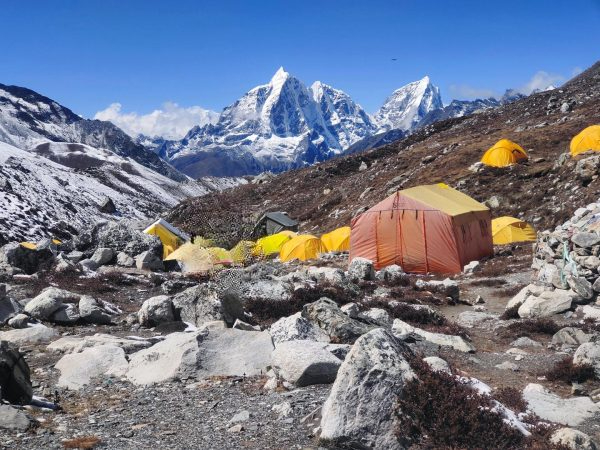
At Island Peak Base Camp (5,100 m), our guides teach you to use a harness, crampons, ice axe, and ascender, plus knots and rope handling. Practice until each step feels natural, because you will rely on these skills in the dark.
5. Break In Your Boots
Cold feet and blisters end more summit attempts than most people expect. Wear your mountaineering boots on long hikes for weeks beforehand, and test them with your crampons so the fit is secure.
6. Dress in Layers
Use a thermal base layer, fleece mid layer, down jacket (suitable for around -20°C), and a waterproof, windproof shell. Add insulated gloves or mittens, a balaclava, gaiters, and UV-protection glacier sunglasses.
7. Know What Is Provided and What to Bring
On our package, all required personal and group climbing gear is provided: crampons, ice axe, harness, helmet, ascender, descender, carabiners, and ropes. A sleeping bag, down jacket, and duffel bag are also provided (refundable). You still need your own mountaineering boots, warm layers, headlamp, and personal items, and boots can be rented in Kathmandu. See our Trekking Equipment guide.
8. Pack Light for the Lukla Flight
The Kathmandu to Lukla flight allows only 15 kg, including your daypack. Extra weight is charged by the kilo. Pack only what you need and leave extras at your Kathmandu hotel.
9. Prepare for the Steep Final Section
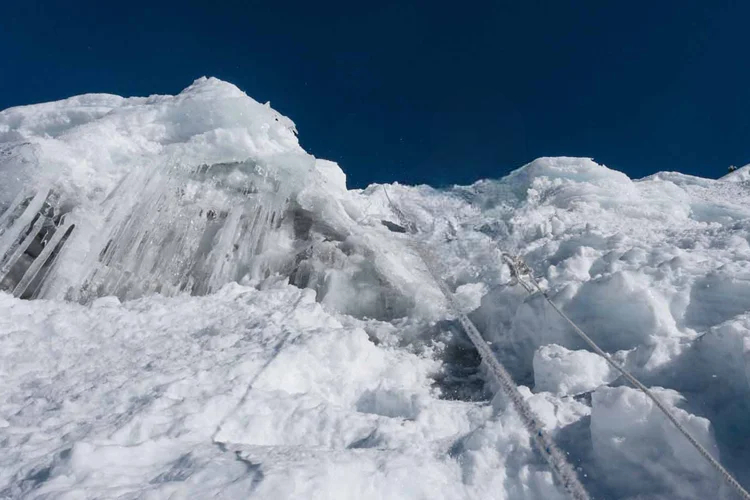
The last section of Island Peak is a steep snow and ice slope, climbed on fixed rope with an ascender. You do not need to be an expert, but you should be comfortable with heights and confident in your gear. Your guide will check your system before you climb.
10. Pace Yourself on Summit Day
The summit push starts around 1 AM by headlamp. It is a very long day that continues with the descent to Chukung, so go slow and steady, and take regular breaks. Eat snacks and sip warm drinks before you feel hungry or thirsty.
11. Trust Your Guide's Decisions
Weather and snow conditions can change quickly. A good guide will turn the team around if conditions or your health demand it. The summit is optional, but getting home safely is not. A guide is mandatory for Island Peak.
12. Get the Right Insurance
Choose travel insurance that covers high-altitude climbing above 6,000 m and emergency helicopter evacuation. This is not included in the package, so check the policy wording before you buy.
Best Season for Island Peak Climbing
The best seasons are spring (March to May) and autumn (September to November).
- Autumn (September to November): Stable weather, clear skies, and the most popular window, with strong views of the Everest range.
- Spring (March to May): Milder temperatures and longer days, though late spring can bring stronger winds and snowfall at altitude.
- Winter (December to February): Possible with an experienced guide, but very cold.
- Monsoon (June to August): Rain, cloud, and poor visibility make it a poor choice.
Island Peak Climbing Permits
Climbing Island Peak requires several permits, and Northern Trekking Team arranges them for you:
- Island Peak climbing permit and royalty, required to climb the peak.
- Sagarmatha (Everest) National Park entry permit.
- Khumbu Pasang Lhamu Rural Municipality fee.
These fees are included in the package price. You only need to bring your passport, passport photos, and travel insurance details. For visa details, see our Passport & Visa Information.
How Difficult Is Island Peak?
Island Peak is a challenging but achievable climb for fit first-timers.
- Hard: Altitude above 5,000 m, cold nights at base camp, and a very long summit day starting around 1 AM.
- Manageable: It does not require advanced technical skills, and the 17-day itinerary builds in rest days and training.
- Your edge: Fitness, acclimatization, and gear that fits well matter more than previous climbing experience.
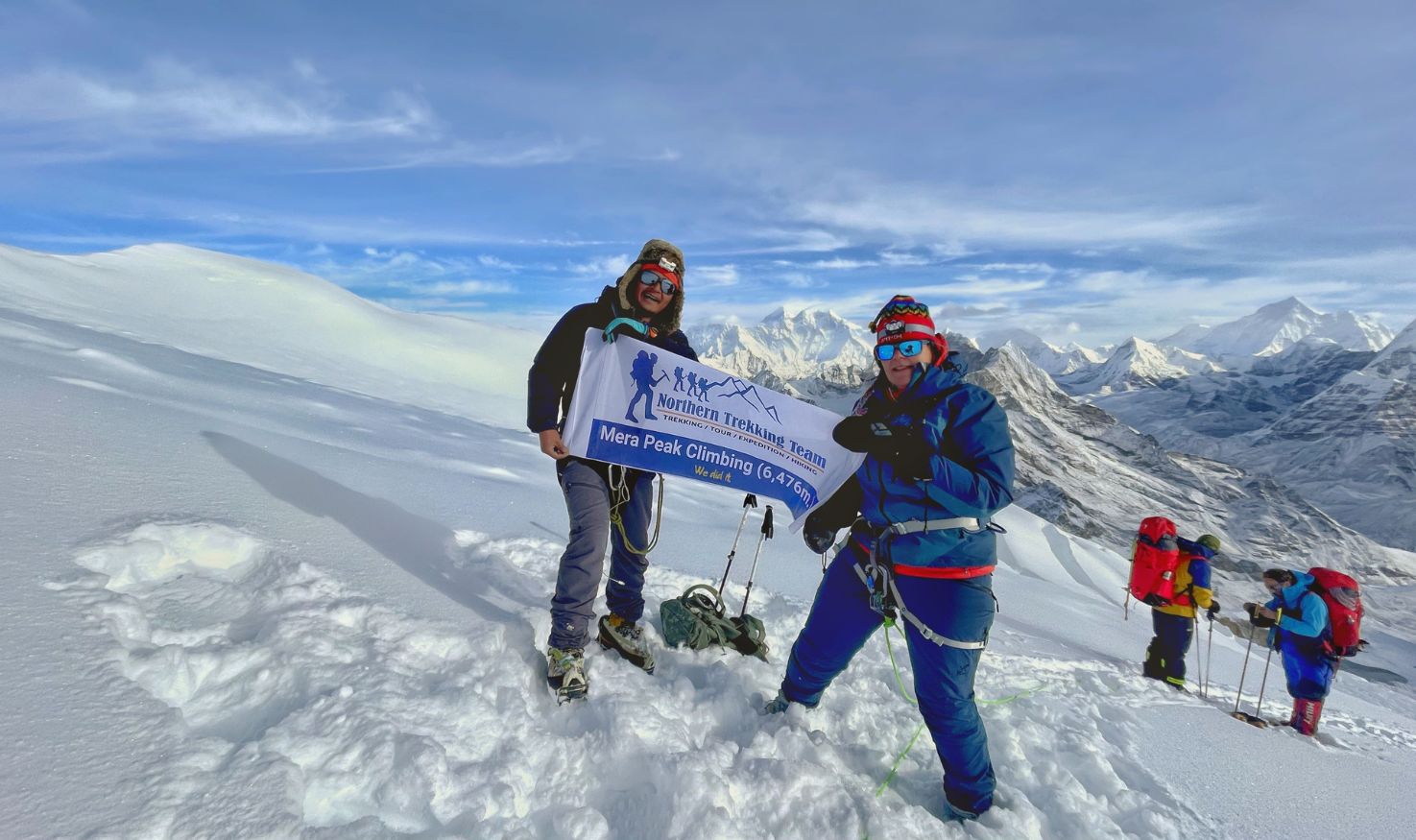
Many climbers compare it to Mera Peak Climbing, which is generally less technical. Island Peak has a steeper final headwall but a lower summit altitude, and it is a good next step if you want a more demanding climb.
Island Peak Itinerary: 17 Days at a Glance
| Day | Route | Altitude | Walking Time |
|---|---|---|---|
| 1 | Arrive in Kathmandu | 1,400 m | n/a |
| 2 | Fly to Lukla, trek to Phakding | 2,643 m | 3-4 hrs |
| 3 | Phakding to Namche Bazaar | 3,440 m | 6-7 hrs |
| 4 | Acclimatization day in Namche | 3,440 m | about 3 hrs |
| 5 | Namche to Tengboche | 3,857 m | 5-6 hrs |
| 6 | Tengboche to Dingboche | 4,400 m | 5-6 hrs |
| 7 | Rest and acclimatization at Dingboche | 4,400 m | about 2 hrs |
| 8 | Dingboche to Lobuche | 4,950 m | 6-7 hrs |
| 9 | Lobuche to Gorak Shep, hike to Everest Base Camp | 5,364 m | 7-8 hrs |
| 10 | Kala Patthar at sunrise, trek down to Dingboche | 5,550 m (peak) | 6-7 hrs |
| 11 | Rest day at Dingboche | 4,400 m | n/a |
| 12 | Dingboche to Island Peak Base Camp, climbing training | 5,100 m | 5-6 hrs |
| 13 | Summit Island Peak (6,189 m), return to Chukung | 6,189 m | Long day |
| 14 | Chukung to Pangboche | 3,985 m | 4-5 hrs |
| 15 | Pangboche to Namche Bazaar | 3,440 m | 6-7 hrs |
| 16 | Namche to Lukla | 2,860 m | 7-8 hrs |
| 17 | Fly to Kathmandu | 1,400 m | Flight |
Permits, guides, climbing gear, camping at base camp, lodges, and meals during the trek are covered in the package. See the full details on our Island Peak Climbing page.
Frequently Asked Questions
Do I need climbing experience for Island Peak?
No advanced experience is needed, but you must be fit and comfortable with heights. Basic skills are taught at base camp.
Is Island Peak dangerous?
It is not considered dangerous when you are well prepared, use proper gear, and climb with an experienced guide. Altitude and weather are the main risks.
How much does Island Peak climbing cost?
Our 17-day Island Peak Climbing with Everest Base Camp package starts from US$2,290 per person. See the trip page for current fixed departures.
What is the success rate?
It depends on weather, fitness, and acclimatization. Our guides estimate around 85% to 95% for well-prepared climbers.
Is a guide required?
Yes, a guide is mandatory for climbing Island Peak.
Is Island Peak harder than Lobuche Peak?
Both are demanding trekking peaks with long summit days. Compare them on our Lobuche Peak Climbing page.
Ready to Climb Island Peak?
Your first 6,000 m summit starts with good preparation and a team you trust. Northern Trekking Team offers experienced local guides, a gradual acclimatization plan through Everest Base Camp, and fixed departures through autumn.
Book or enquire about Island Peak Climbing | WhatsApp: +977 9842907439 | Email: info@northerntrekkingteam.com
Recent From Island Peak Climbing Tips for First-Time Climbers
Jun 27, 2022
Jun 27, 2022

Jul 19, 2022
Sep 20, 2025
Jan 03, 2023
Feb 03, 2023
Feb 17, 2023
Feb 23, 2023
Mar 03, 2023
Mar 14, 2023
Mar 20, 2023
Mar 28, 2023
Apr 06, 2023
Jul 31, 2023
Aug 28, 2023

Jan 04, 2026


Mar 10, 2026
Mar 10, 2026



Apr 03, 2026
Sep 10, 2026
Sep 14, 2026
Sep 23, 2026
Sep 23, 2026