3rd Sep, 2026
Mardi Himal Base Camp Trek: Complete Guide, Itinerary, Cost & Tips
Tucked between the more famous trails of the Annapurna region, the Mardi Himal Base Camp Trek has quietly become one of Nepal's favorite short treks — and for good reason. In just 10 days, it delivers close-up Himalayan views, quiet forest trails, and a genuine sense of discovery, without demanding the time commitment of longer routes like the Annapurna Circuit. If you're looking for a complete breakdown of the route, cost, and what to expect, the Mardi Himal Base Camp Trek package from Northern Trekking Team is a solid place to start your research and booking.
Table of Contents
Here's everything you need to know before you go.
What Makes the Mardi Himal Trek Special
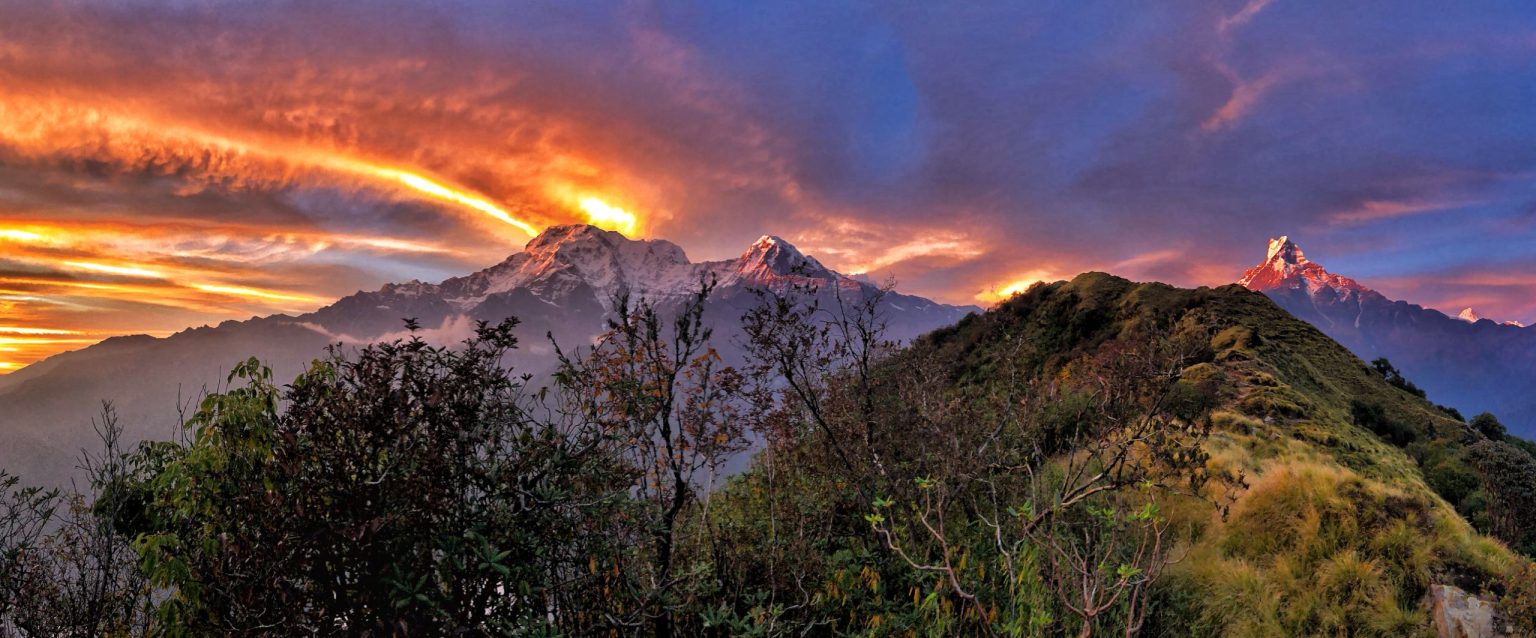
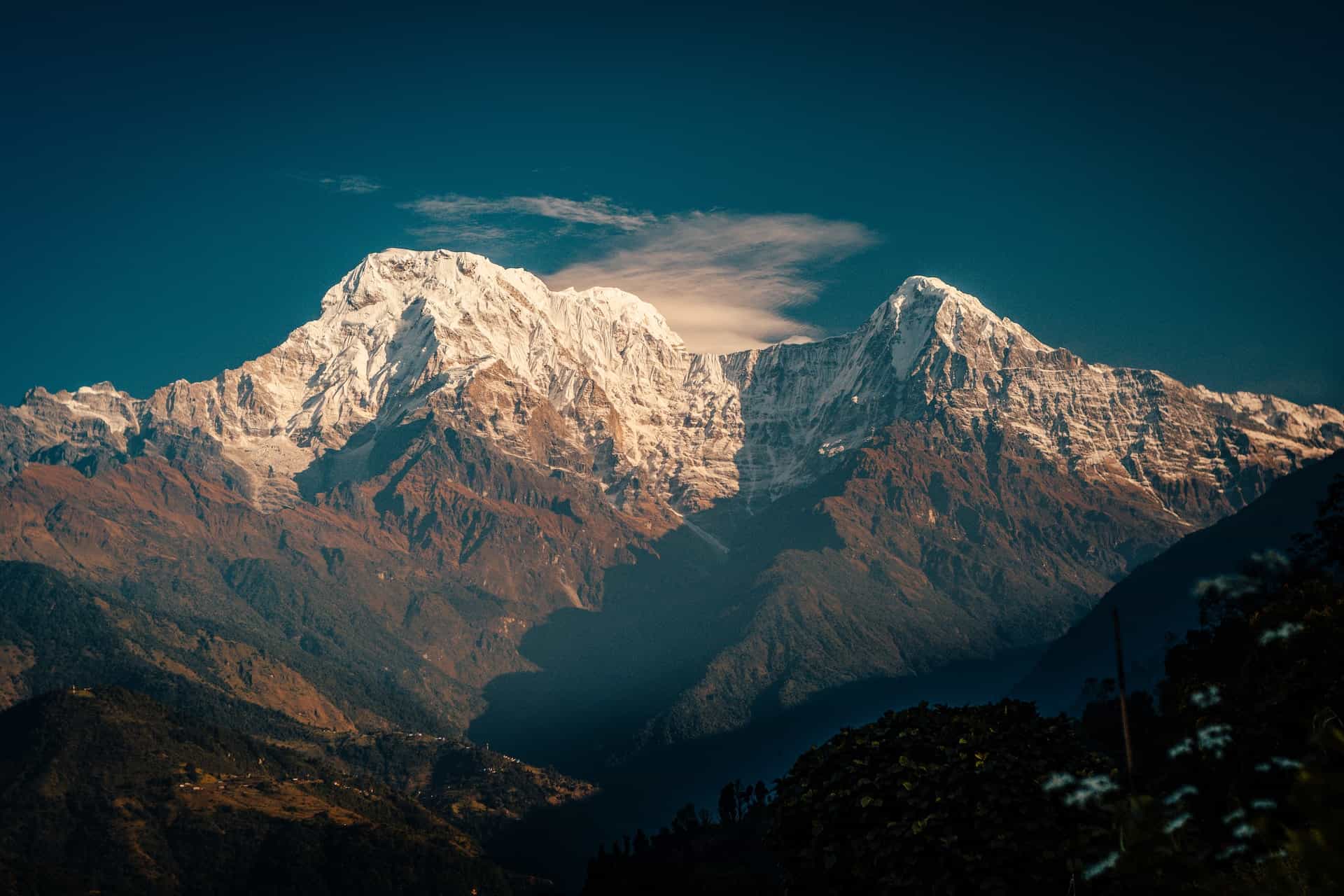
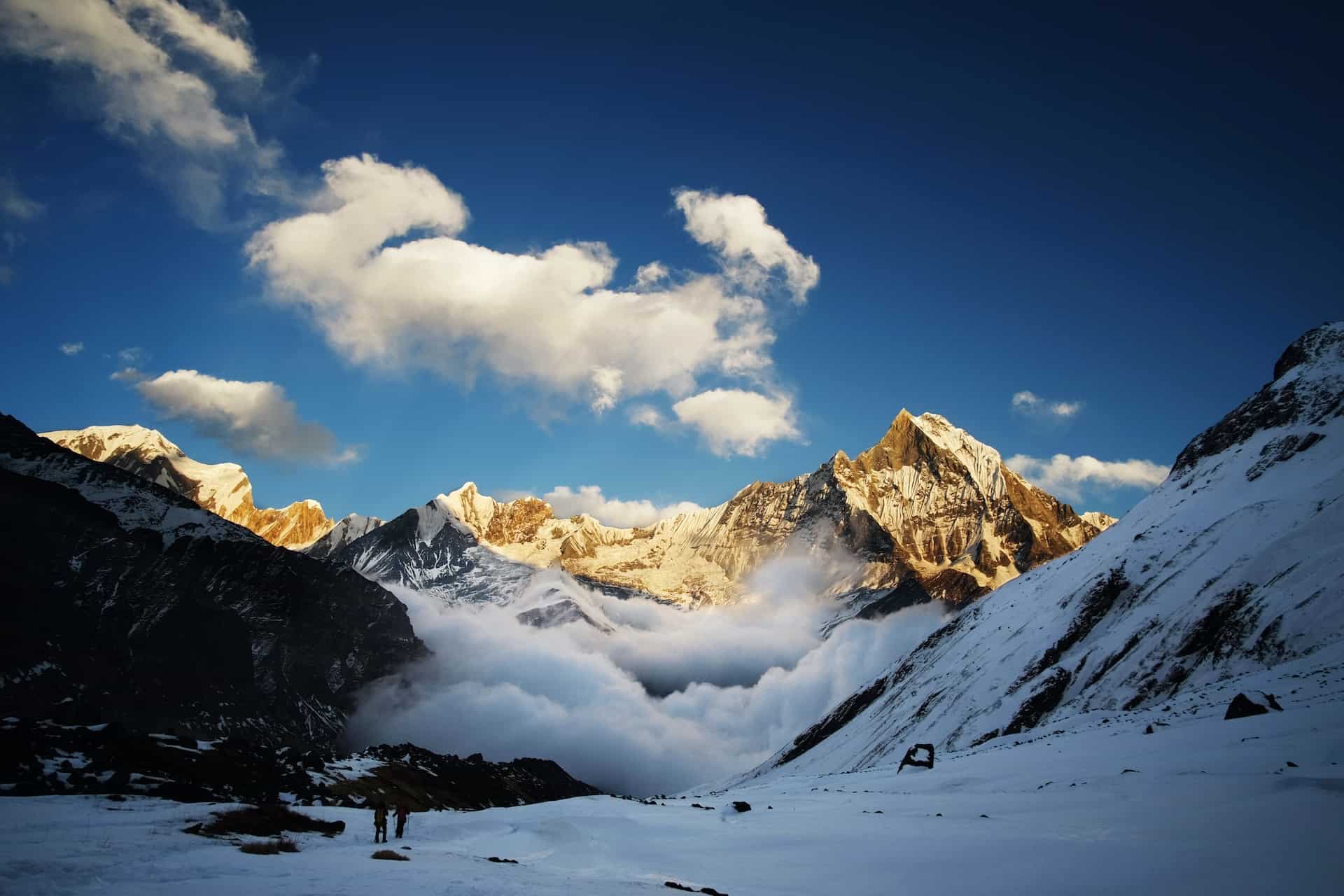
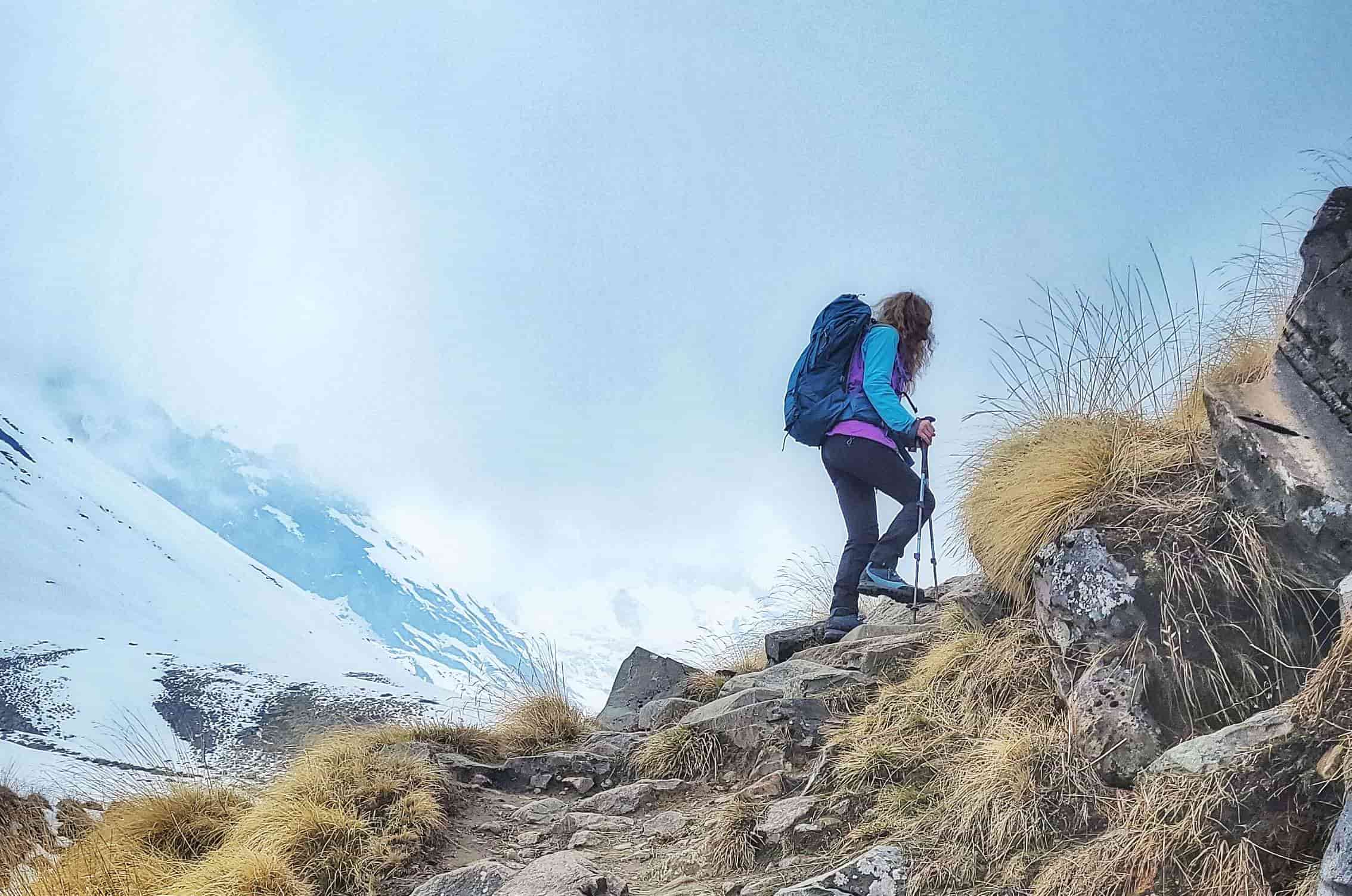
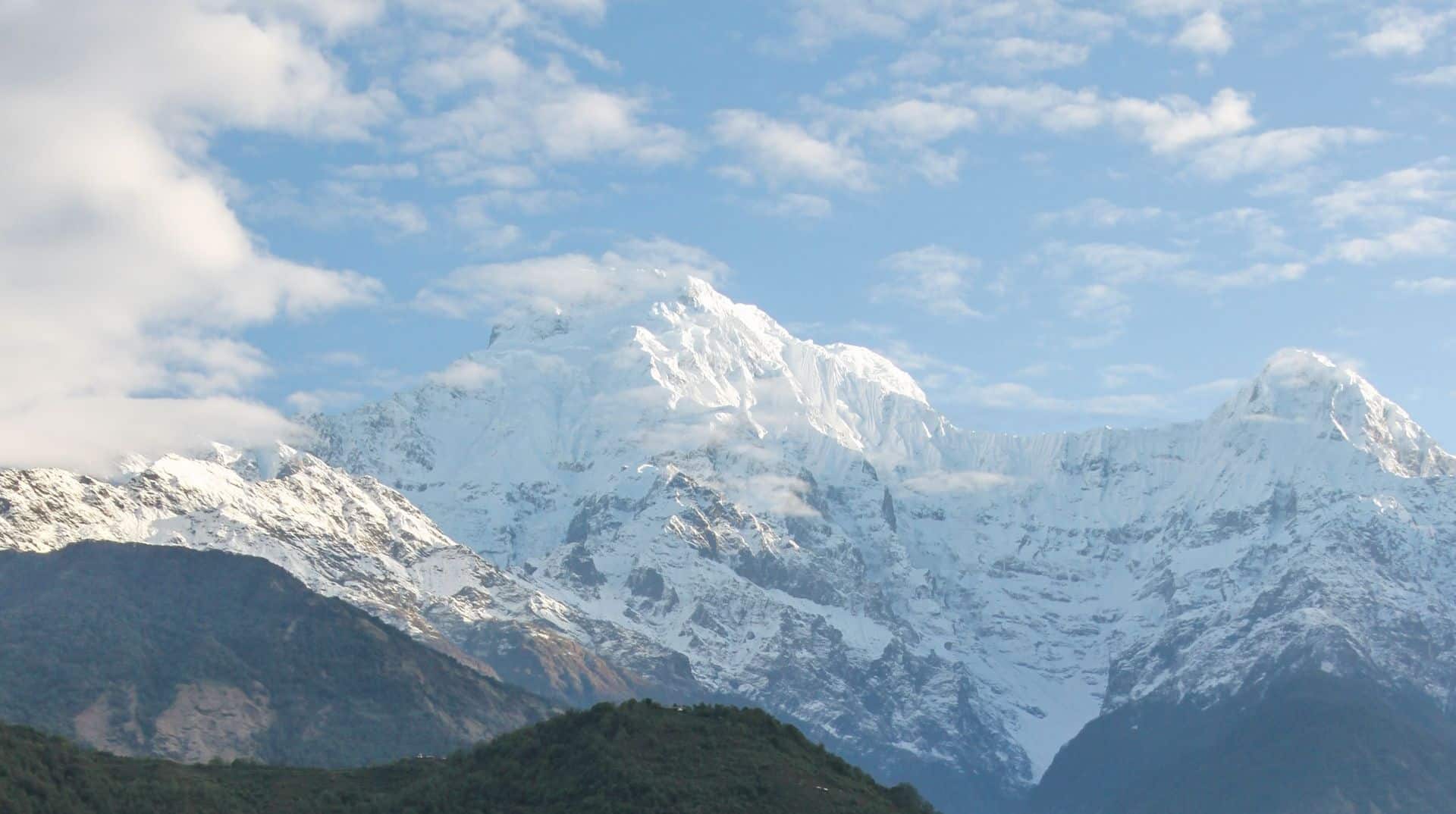
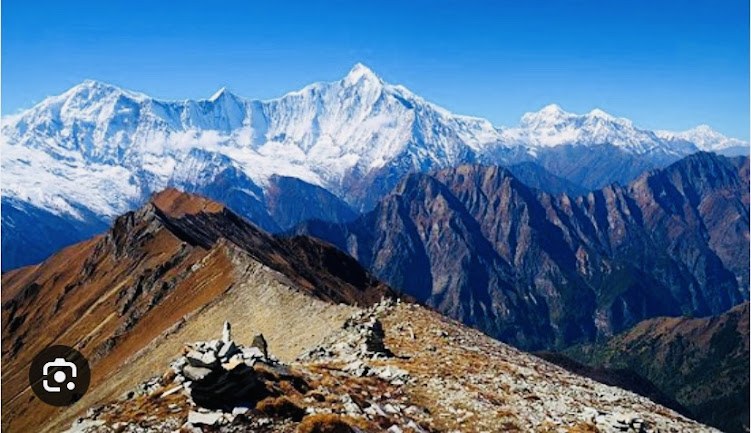
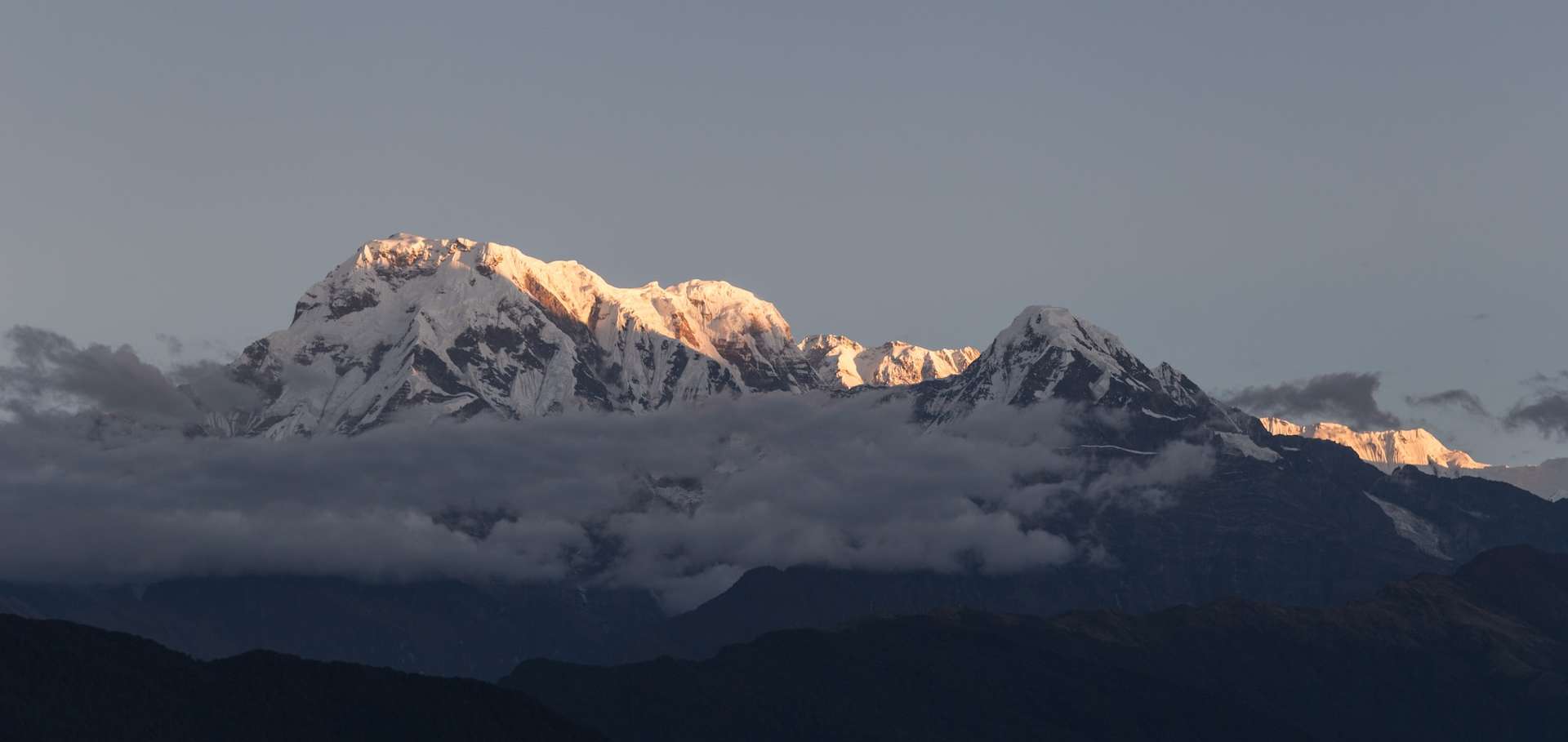
Unlike the Annapurna Base Camp or Annapurna Circuit trails, which see heavy foot traffic during peak season, Mardi Himal remains refreshingly uncrowded. The trail winds through dense rhododendron and oak forests before opening into ridgelines with jaw-dropping, almost eye-level views of Machhapuchhre (Fishtail Mountain) — a peak so sacred it has never been officially summited. Add in glimpses of Annapurna I, Annapurna South, Hiunchuli, and Gangapurna, and you have a trek that punches well above its modest length in terms of scenery.
Trek Overview and Key Facts
- Duration: 10 days (Kathmandu to Kathmandu)
- Region: Annapurna Region, Nepal
- Trek difficulty: Easy to moderate
- Maximum altitude: Mardi Himal Base Camp, around 4,500m
- Accommodation: Teahouses and lodges throughout
- Group size: 2 or more trekkers
- Best seasons: Spring (March–May) and autumn (September–November), with winter trekking also possible for the more cold-hardy
Because it reaches above 4,000 meters relatively quickly, this trek is often described as one of the fastest ways in Nepal to experience high-altitude Himalayan scenery without needing two or three weeks off work.
Mardi Himal Trek Itinerary at a Glance
Here's the itinerary with altitude details added:
| Day | Route | Altitude |
|---|---|---|
| Day 1 | Arrive in Kathmandu | 1,400m / 4,593ft |
| Day 2 | Drive to Pokhara | 822m / 2,696ft |
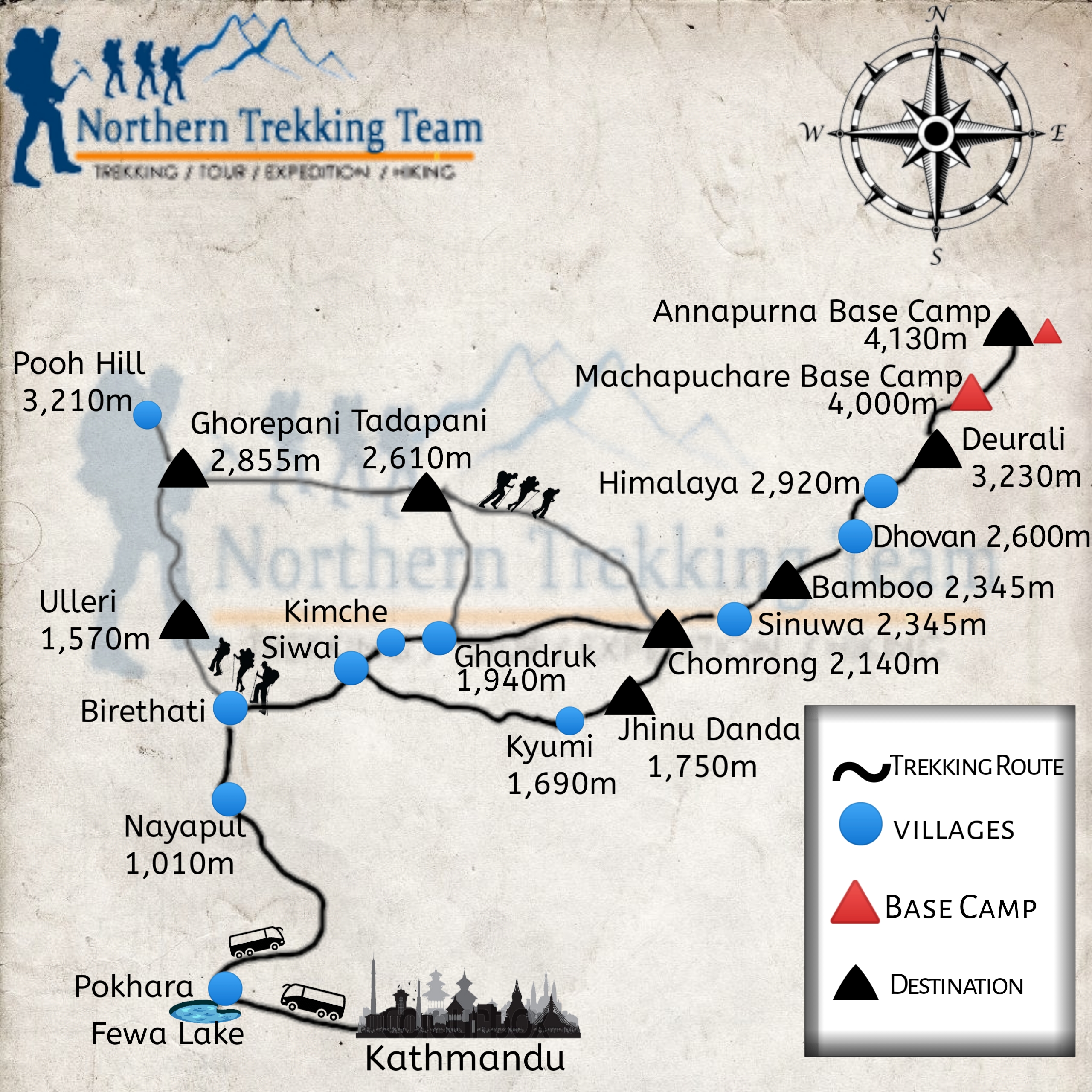
| Day 3 | Drive to Kande, trek to Deurali via Australian Camp and Pothana | Kande 1,770m/5,807ft → Deurali 3,200m/10,498ft |
| Day 4 | Trek to Forest Camp through blooming rhododendron forest | 2,550m / 8,366ft |
| Day 5 | Trek to Low Camp / Badal Danda | Low Camp 2,990m/9,809ft → Badal Danda 3,210m/11,528ft |
| Day 6 | Trek to High Camp | 3,600m / 11,810ft |
| Day 7 | Hike to Mardi Himal Base Camp and return to High Camp | 4,500m / 14,760ft (Base Camp) |
| Day 8 | Descend to Siding Village | 1,750m / 5,741ft |
| Day 9 | Trek to Lumre, drive to Pokhara | 822m / 2,696ft (Pokhara) |
| Day 10 | Drive back to Kathmandu | 1,400m / 4,593ft |
The trek's highest point is Mardi Himal Base Camp at 4,500m (14,760ft) on Day 7, with a gradual up-and-down altitude pattern typical of teahouse treks that supports acclimatization along the way.
The Highlight Day: Reaching Mardi Himal Base Camp
The seventh day is what most trekkers come for. From High Camp, an early morning hike leads to an upper viewpoint where the full sweep of the Annapurna range comes into view — Annapurna I, Annapurna South, Gangapurna, Machhapuchhre, and Gandharwa Chuli all stand shoulder to shoulder across the horizon. Because the trail isn't heavily trafficked, it's common to enjoy this panorama in near silence, a rare thing on Nepal's more popular circuits.
Culture, Wildlife, and Scenery Along the Way
Beyond the mountain views, the Mardi Himal Trek offers a rich sensory journey. Lower sections pass through terraced farmland and the village of Siding, where local lifestyles and Gurung traditions are still very much part of daily life. The forested middle stretch is home to Himalayan wildlife such as langurs and Himalayan Thar, along with colorful bird species like the Danphe (Himalayan Monal) and Kalij pheasant. Photographers in particular will find no shortage of material, from sunrise light on snow-capped peaks to the vivid red of blooming rhododendrons in spring.
How Difficult Is the Mardi Himal Trek?
This trek is generally rated easy to moderate, making it accessible to first-time trekkers with reasonable fitness. Daily walking hours range from about 3 to 7 hours, with the push to Mardi Himal Base Camp and back being the longest and most demanding day. No technical climbing or prior mountaineering experience is required, though a few weeks of cardio training beforehand will make the uphill sections noticeably easier.
Mardi Himal Trek Cost
Package pricing generally falls between USD 495 and USD 695 per person, depending on group size, season, and the specific inclusions of the operator. Typical inclusions cover:
- Airport transfers and hotel stays in Kathmandu and Pokhara
- All meals during the trek
- Licensed guide and necessary permits (ACAP and TIMS card)
- Basic trekking gear such as a sleeping bag and down jacket in some packages
Excluded costs usually include international airfare, visa fees, travel insurance, porter hire, and personal expenses like Wi-Fi or hot showers. It's worth confirming these details directly with your chosen operator, since packages can vary.
Best Time to Trek Mardi Himal
- Autumn (September–November): stable weather, excellent visibility, and comfortable daytime temperatures
- Spring (March–May): rhododendron forests in full bloom and generally clear mountain views
- Winter (December–February): possible but colder, especially at High Camp and Base Camp, with occasional snow on the trail
Packing Essentials for Mardi Himal
- Waterproof/windproof jacket and a warm down jacket
- Fleece mid-layer and thermal base layers
- Sturdy trekking boots plus camp shoes for the evenings
- Warm hat, sun hat, gloves, and UV-protection sunglasses
- Trekking poles for the steeper ridge sections
- Sleeping bag rated for cold high-camp nights
- Basic first-aid kit, sunscreen, and a headlamp
Tips for a Smooth Mardi Himal Trek
- Spend a day or two in Kathmandu or Pokhara beforehand to adjust before starting the trek
- Walk at a steady pace on the ascent days to reduce the risk of altitude discomfort
- Carry cash, as ATMs disappear once you leave Pokhara
- Book travel insurance that covers trekking above 4,000 meters
- Confirm your permits (ACAP and TIMS card) are arranged in advance through your trekking company
Similar Treks to Consider in the Annapurna Region
If Mardi Himal has you craving more of the Annapurna region — or you'd like to compare options before booking — here are a few other well-known routes worth exploring:
- Annapurna Base Camp Trek – a classic, slightly longer trek into the heart of the Annapurna Sanctuary
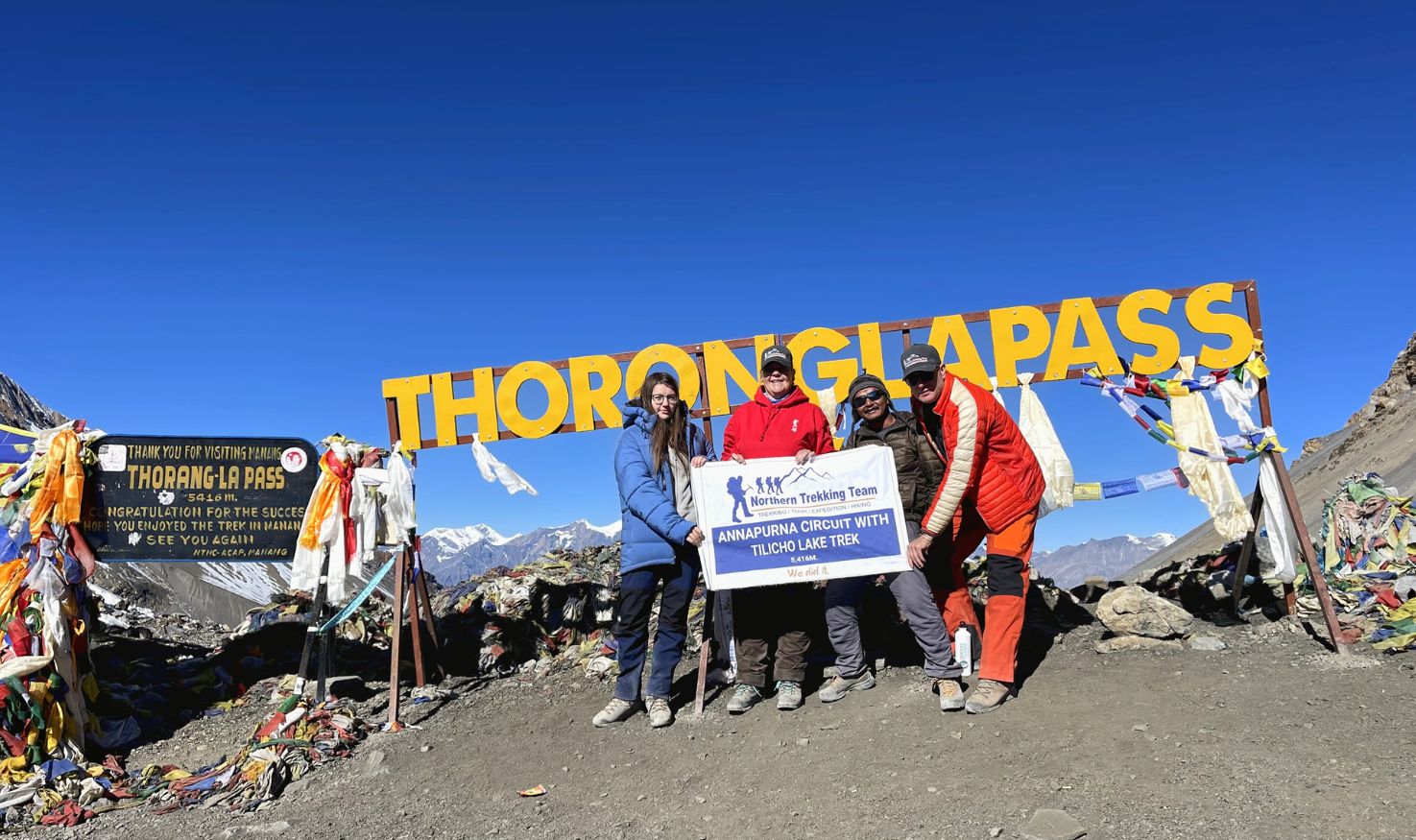
- Annapurna Circuit Trek – a longer, more diverse route that crosses the high Thorong La Pass
- Dhampus Sarangkot Trek – a shorter, easier option ideal for travelers with limited time
- Ghorepani Poonhill Trek – famous for its sunrise views over the Annapurna and Dhaulagiri ranges
- Khopra Ridge Trek – a quieter, more remote alternative with stunning ridge-top views
Each of these treks offers a different pace and perspective on the Annapurna region, so it's worth comparing durations, difficulty levels, and highlights before deciding which fits your travel plans best.
Mardi Himal Base Camp Trek FAQ(s)
1. How many days does the Mardi Himal Base Camp Trek take?
The Mardi Himal Trek typically takes 10 days from Kathmandu to Kathmandu, including travel days to and from Pokhara and 5–6 days of actual trekking.
2. What is the maximum altitude of the Mardi Himal Trek?
The highest point is Mardi Himal Base Camp at approximately 4,500m (14,760ft), reached on Day 7 of the standard itinerary.
3. Is the Mardi Himal Trek suitable for beginners?
Yes, it's considered an easy-to-moderate trek and is one of the most beginner-friendly ways to experience high-altitude Himalayan views in Nepal.
4. How much does the Mardi Himal Trek cost?
Package costs generally range from about USD 495 to USD 695 per person, depending on group size, season, and what's included.
5. What permits are required for the Mardi Himal Trek?
Trekkers need an Annapurna Conservation Area Permit (ACAP) and a TIMS card, both of which a trekking agency can arrange in advance.
6. What is the best season for the Mardi Himal Trek?
Autumn (September–November) and spring (March–May) are the best seasons, offering stable weather, clear mountain views, and (in spring) blooming rhododendron forests.
7. How difficult is the Mardi Himal Trek compared to other Annapurna treks?
It's shorter and easier than the Annapurna Base Camp Trek or Annapurna Circuit Trek, making it a good option for trekkers with limited time or moderate fitness levels.
8. Do I need a guide for the Mardi Himal Trek?
While not always legally mandatory, hiring a licensed guide is strongly recommended for safety, navigation, and permit handling, especially since parts of the trail are less marked than busier routes.
9. What kind of accommodation is available during the trek?
Trekkers stay in teahouses and lodges throughout, offering basic rooms, hot meals, and — in lower villages — amenities like Wi-Fi and hot showers for an extra fee.
10. Can the Mardi Himal Trek itinerary be shortened or customized?
Yes, many operators offer customized versions of the itinerary based on fitness level, available time, and budget, including shorter 7–8 day variations.
Final Thoughts
The Mardi Himal Base Camp Trek proves that you don't need three weeks or an extreme altitude challenge to experience the best of the Nepal Himalaya. With manageable trekking days, close-up mountain views, and a peaceful trail far from the crowds, it's an excellent choice for first-timers and seasoned trekkers alike looking for a shorter, scenic escape. For itinerary details, fixed departure dates, and booking, the Mardi Himal Base Camp Trek page from Northern Trekking Team has everything you need to plan your trip.
Recent From Mardi Himal Base Camp Trek: Complete Guide, Itinerary, Cost & Tips
Jun 27, 2022
Jun 27, 2022

Jul 19, 2022
Sep 20, 2025
Jan 03, 2023
Feb 03, 2023
Feb 17, 2023
Feb 23, 2023
Mar 03, 2023
Mar 14, 2023
Mar 20, 2023
Mar 28, 2023
Apr 06, 2023
Jul 31, 2023
Aug 28, 2023

Jan 04, 2026


Mar 10, 2026
Mar 10, 2026



Apr 03, 2026
Sep 10, 2026
Sep 14, 2026
Sep 23, 2026
Sep 23, 2026
Oct 05, 2026