4th Sep, 2026
Dhaulagiri Circuit Trek 21 Days: Itinerary, Cost, Difficulty & Complete Guide
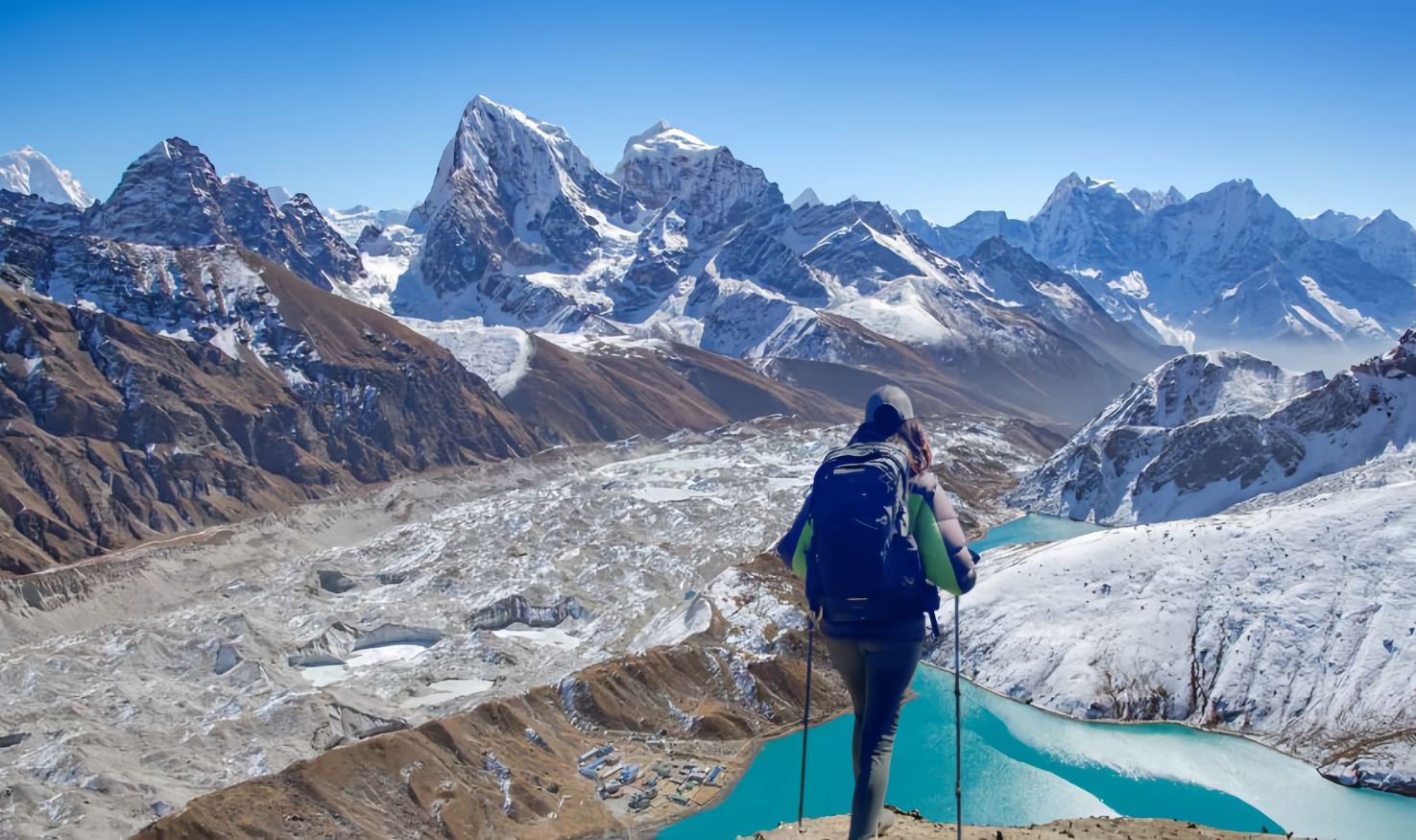
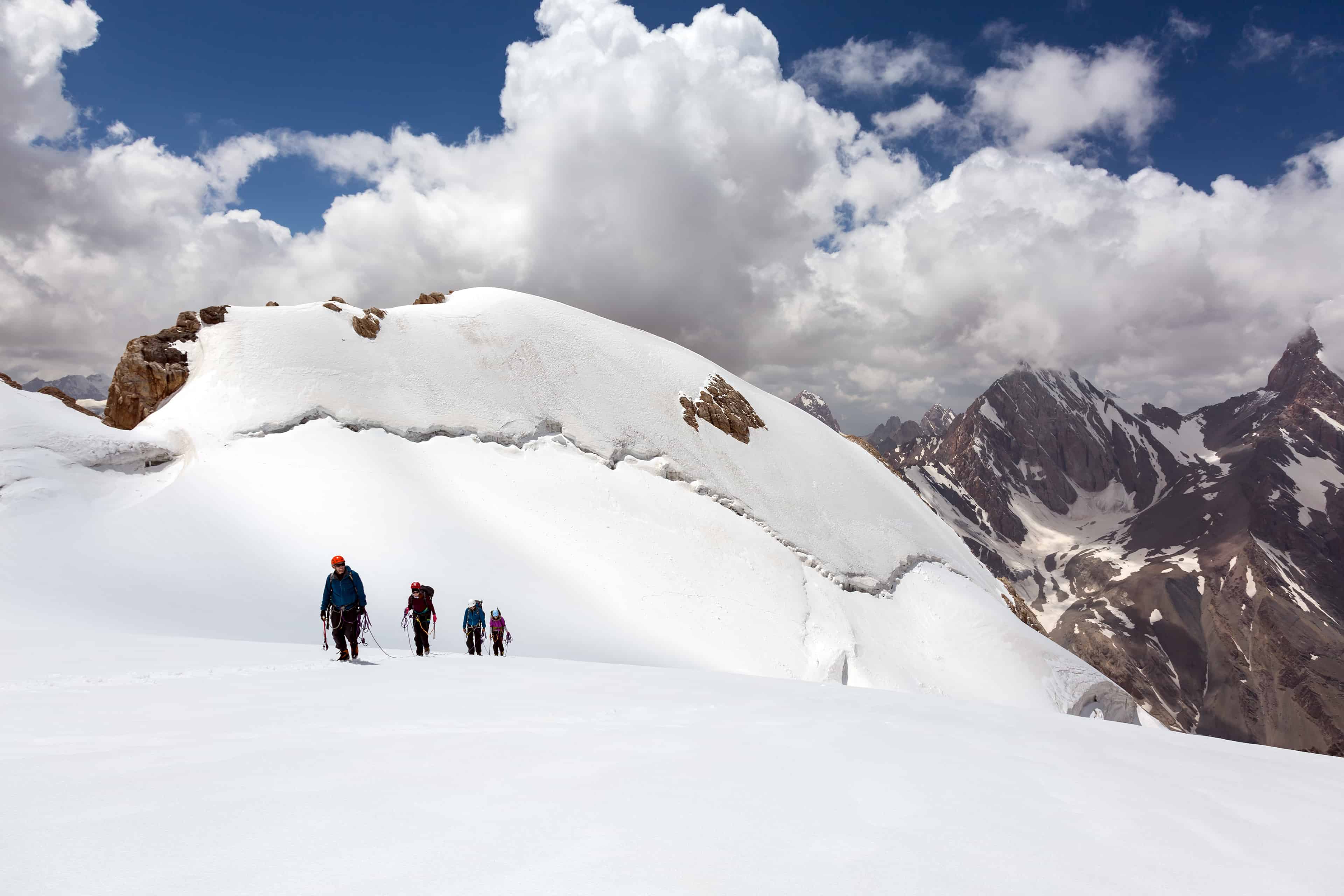
There are trekking routes in Nepal that follow crowded teahouse trails, busy with trekkers swapping stories over dal bhat every evening — and then there's the Dhaulagiri Circuit. This is a different kind of journey altogether: a remote, high-altitude wilderness route that circles the world's seventh-highest mountain through crevassed glaciers, endless moraine fields, and two of the most demanding mountain passes in the Nepal Himalaya. There are no cozy lodges waiting at the end of each day here, no menus to choose from — just a canvas tent, a dedicated camping crew, and some of the most untouched high-altitude scenery on the planet.
Table of Contents
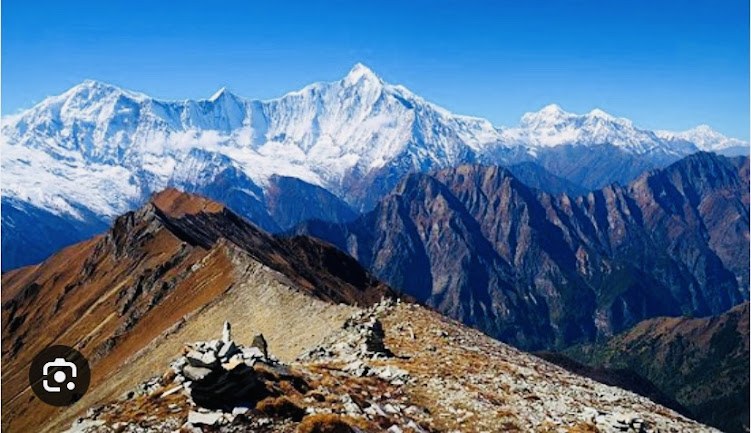
Few trekkers attempt it, because it demands real preparation: strong legs, a resilient mind, and the patience to move slowly through terrain that gives no shortcuts. Fewer still forget it, because nothing quite compares to standing at 5,360 meters on French Pass, watching the Dhaulagiri massif rise on one side and the Annapurna range unfold on the other, utterly alone with the wind and the silence of the high Himalaya.
If you're considering the 21-day Dhaulagiri Circuit Trek, this guide covers everything you need to plan it properly: the day-by-day itinerary, realistic costs, an honest look at the difficulty level, the permits you'll need, the best season to go, and exactly what to pack for a trek this remote.
Dhaulagiri Circuit Trek Overview
- Duration: 21 days (Kathmandu to Kathmandu)
- Max Altitude: French Pass, 5,360 m / Dhampus Pass, 5,240 m
- Trek Grade: Strenuous to Challenging (high-advanced)
- Trek Style: Camping trek (teahouses only on the final Annapurna section)
- Region: Dhaulagiri & Annapurna Conservation Area, western Nepal
- Starting/Ending Point: Beni (drive from Pokhara) → Ghorepani/Nayapul → Pokhara
- Best Season: Spring (March–May) and Autumn (September–November)
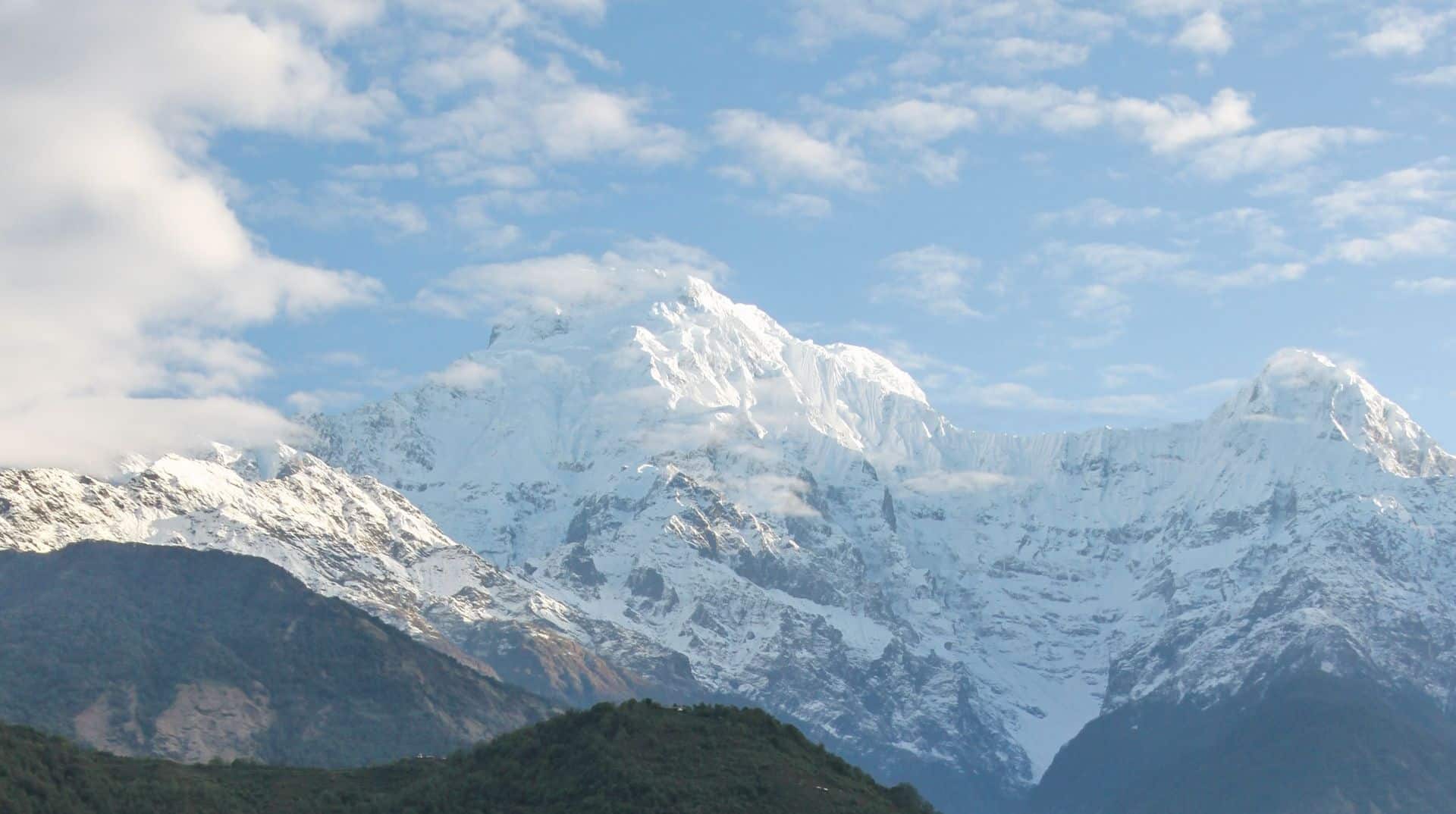
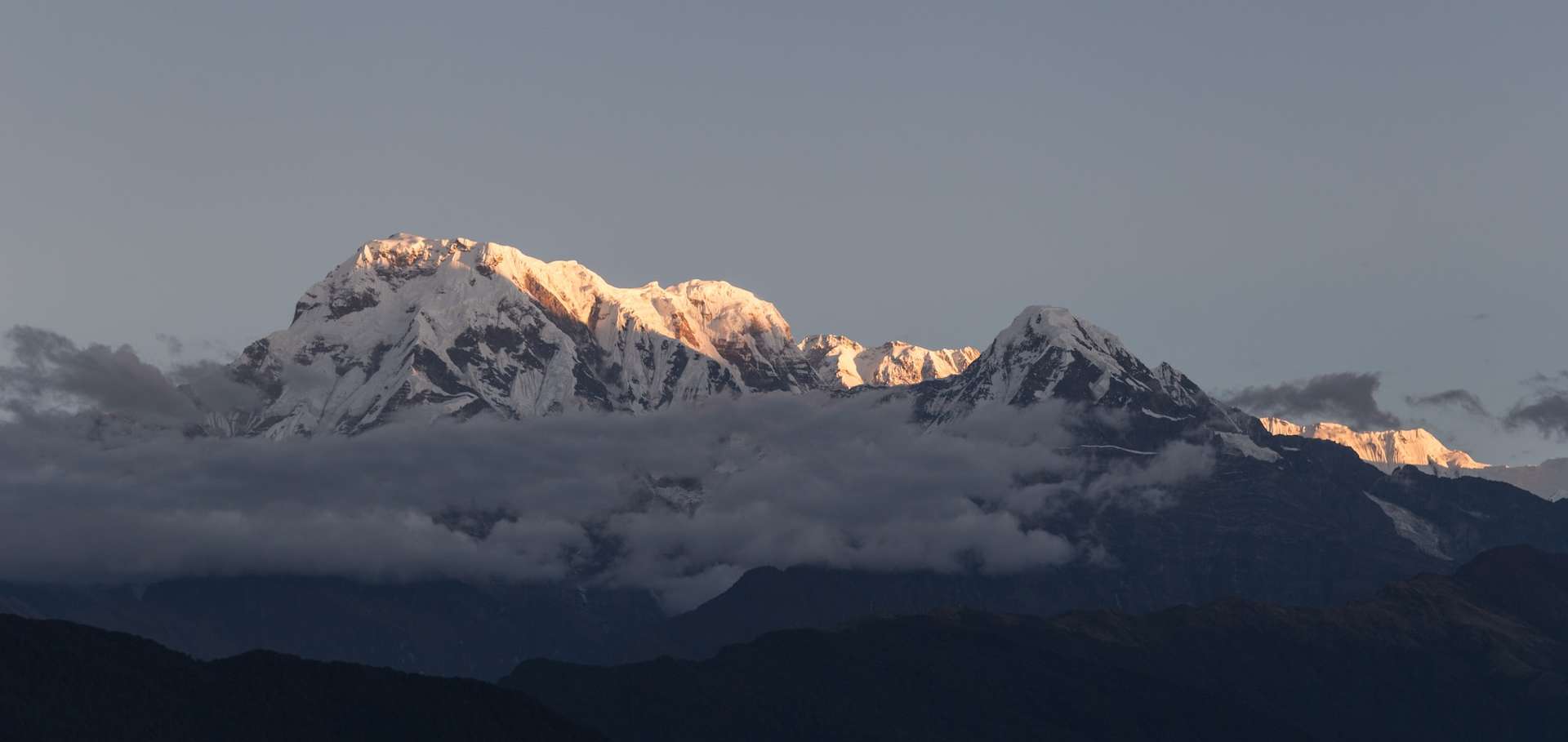
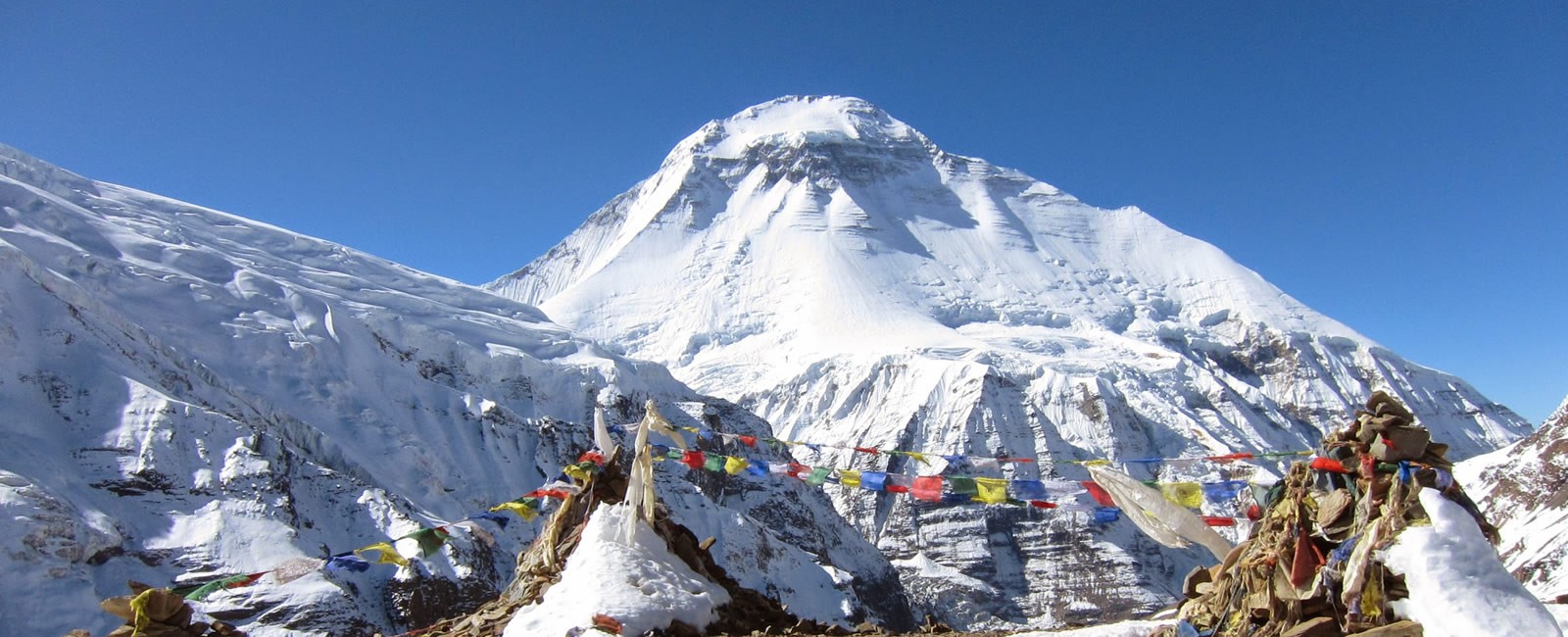
Dhaulagiri (8,167 m) is the seventh-highest mountain on Earth, and this circuit skirts its base before crossing into the remote, high-altitude basin known as Hidden Valley, then descends via the Annapurna region — meaning trekkers get to experience two dramatically different Himalayan landscapes in one journey.
Dhaulagiri Circuit Trek Difficulty
This is not a beginner's trek. It's widely considered one of the most difficult and remote treks in Nepal, often ranked alongside or just below expedition-style routes. A few reasons why:
- High altitude for extended periods — several days above 4,500–5,000 m, with two passes over 5,200 m
- Glacier travel and moraine terrain — sections require careful footing on ice and loose rock, sometimes with crampons
- Full camping expedition — there are no teahouses for most of the route, so trekkers rely on a full camping crew
- Remoteness — limited escape routes if weather turns or altitude sickness sets in, so a strong support team matters
- Prior trekking experience recommended — this route suits trekkers who have already completed a high-altitude trek (like Everest Base Camp or Annapurna Circuit) and are comfortable with multi-day exertion
Good physical fitness, mental resilience, and proper acclimatization days built into the itinerary are essential. Anyone with underlying heart, lung, or altitude-sensitivity issues should consult a doctor before booking.
Dhaulagiri Circuit Trek 21 Days Itinerary
| Day | Route | Max Altitude |
|---|---|---|
| 1 | Arrival in Kathmandu | 1,400 m |
| 2 | Drive/fly Kathmandu to Pokhara | 822 m |
| 3 | Drive Pokhara to Beni, trek to Babiyachaur | 1,000 m |
| 4 | Babiyachaur to Dharapani | 1,400 m |
| 5 | Dharapani to Muri | 1,850 m |
| 6 | Muri to Boghara | 2,080 m |
| 7 | Boghara to Dobang | 2,520 m |
| 8 | Dobang to Sallaghari (Chartare) | 3,110 m |
| 9 | Sallaghari to Italian Base Camp | 3,660 m |
| 10 | Acclimatization day at Italian Base Camp | 3,660 m |
| 11 | Italian Base Camp to Glacier Camp (Passang Karta) | 4,200 m |
| 12 | Glacier Camp to Dhaulagiri Base Camp | 4,750 m |
| 13 | Acclimatization/rest day at Dhaulagiri Base Camp | 4,750 m |
| 14 | Dhaulagiri Base Camp to Hidden Valley via French Pass | 5,360 m (pass) / 5,100 m (camp) |
| 15 | Reserve/buffer day at Hidden Valley (weather contingency) | 5,100 m |
| 16 | Hidden Valley to Yak Kharka via Dhampus Pass | 5,240 m (pass) |
| 17 | Yak Kharka to Marpha (Jomsom valley) | 2,670 m |
| 18 | Marpha to Kalopani | 2,530 m |
| 19 | Kalopani to Ghasa | 2,010 m |
| 20 | Ghasa to Tatopani, relax at the natural hot springs | 1,190 m |
| 21 | Tatopani to Ghorepani via rhododendron forest | 2,775 m |
Note: Many operators extend this route by 1–5 extra days to include a Poon Hill sunrise hike and the descent to Nayapul before driving back to Pokhara, since the Dhaulagiri Circuit naturally connects into the Annapurna region on its final stretch. Buffer/acclimatization days (especially around Italian Base Camp and Hidden Valley) are frequently shuffled depending on weather and trekker fitness — a good operator will build in flexibility rather than rushing the passes.
Dhaulagiri Circuit Trek Cost
Trekking cost depends heavily on group size, service level, and what's included. As a general guide for 2026/2027 bookings:
- Group departures (4–8 people): roughly USD 1,800–2,500 per person, all-inclusive
- Private/customized trek: typically higher per person, but with full flexibility on pace and dates
What's usually included in a full package:
- All ground transportation (Kathmandu–Pokhara–Beni and return)
- Trekking Information Management System (TIMS) card
- Restricted area permit and Annapurna Conservation Area Permit (ACAP)
- Camping crew: guide, cook, porters, and camping equipment
- Three meals a day on the trail
- Kathmandu hotel (arrival night)
What's usually excluded:
- International flights
- Nepal visa fees
- Personal trekking gear
- Travel and rescue/evacuation insurance (mandatory — must cover altitude up to 6,000 m and helicopter evacuation)
- Tips for guides and porters
- Personal expenses (snacks, hot showers, extra drinks)
Because this is a camping-based expedition rather than a teahouse trek, the cost is naturally higher than routes like Annapurna Circuit or Everest Base Camp — you're paying for a full logistics team carrying tents, kitchen equipment, and supplies through terrain with no villages for days at a time.
Permits Required
- Trekkers' Information Management System (TIMS) Card
- Annapurna Conservation Area Permit (ACAP)
- Restricted Area Permit for the Dhaulagiri region (issued through a registered trekking agency — solo trekking is not permitted on this route)
Best Time for the Dhaulagiri Circuit Trek
- Spring (March–May): Stable weather, blooming rhododendron forests on the lower sections, clear mountain views before the pre-monsoon haze builds.
- Autumn (September–November): Widely considered the best season — crisp, dry air and the clearest mountain visibility of the year.
Winter and monsoon are generally avoided: winter brings heavy snow that can close the high passes entirely, while monsoon brings leeches, landslide risk, and obscured views on the lower trail.
Essential Packing List
- Four-season sleeping bag (rated to at least -20°C) for high camps
- Down jacket and insulated layers
- Waterproof/windproof outer shell
- Sturdy waterproof trekking boots, broken in before the trip
- Gaiters, trekking poles, and (if required by your operator) microspikes or crampons for glacier sections
- Sunglasses (glacier-grade UV protection) and sunscreen
- Headlamp with spare batteries
- Water purification tablets or a filter
- Personal first-aid kit, including Diamox for altitude
- Comprehensive travel insurance documentation, including helicopter evacuation coverage
Other Similar Trekking Packages in the Eastern Region
If the remoteness and high-altitude drama of the Dhaulagiri Circuit appeals to you, Nepal's Eastern Region offers a handful of treks that match — sometimes exceed — that level of wilderness and challenge. Here are three worth considering:
Kanchenjunga Base Camp Trek
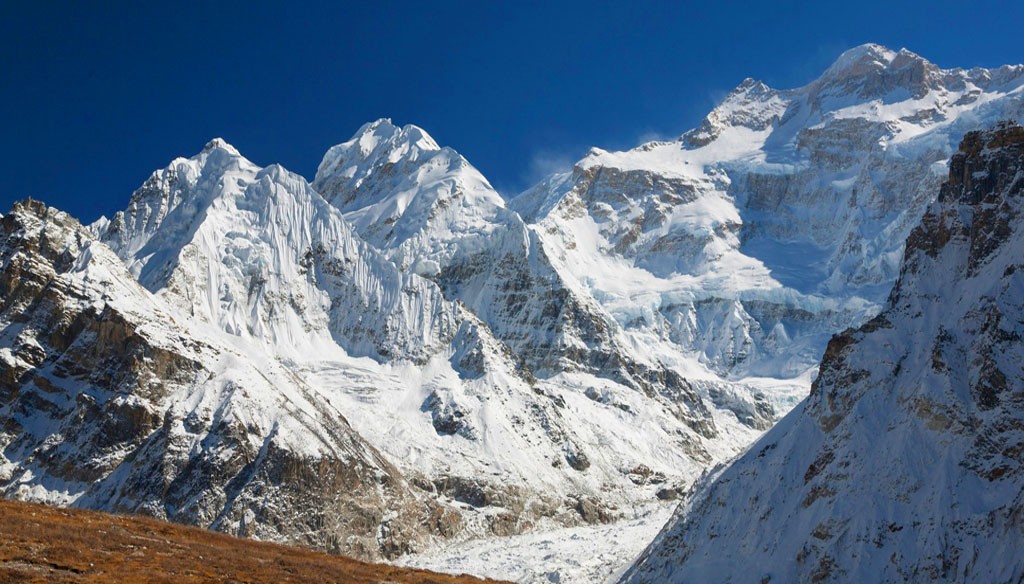
A journey to the foot of the world's third-highest mountain (8,586 m), this trek takes you into one of Nepal's most remote and least-crowded conservation areas. Over roughly 13–17 days, the route climbs through rhododendron forests, glacial valleys, and traditional Limbu and Rai villages before reaching Kanchenjunga's dramatic North or South Base Camp at over 5,100 meters. It's a strenuous trek that rewards good acclimatization planning with sweeping views of Kanchenjunga, Jannu, and — on clear days — even distant glimpses of Makalu and Everest. For trekkers who want a genuine off-the-beaten-path Himalayan experience without the crowds of Everest or Annapurna, this is one of the finest options in the country. Explore the full itinerary and cost here: Kanchenjunga Base Camp Trek
Kanchenjunga Circuit Short Trek
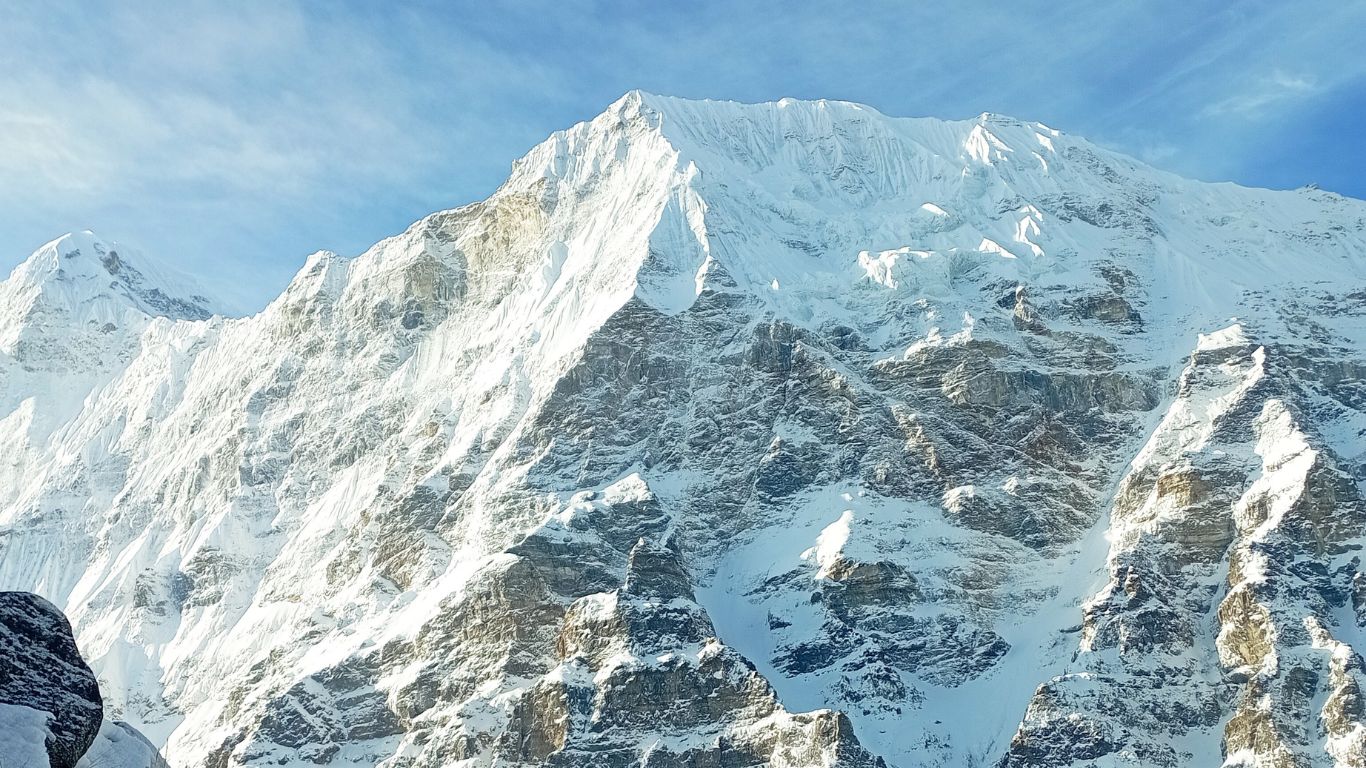
For trekkers who want the essence of the Kanchenjunga region in a shorter window, the Circuit Short Trek trims the full circumnavigation into a more manageable itinerary while still delivering high mountain passes, remote valleys, and close-up Kanchenjunga massif views. It follows much of the same trail as the longer circuit — through Ghunsa, Khambachen, and up toward the high passes near 4,200–4,800 meters — but with a tighter schedule better suited to trekkers with limited time who still want a serious, high-altitude eastern Nepal experience. Expect long trekking days, basic teahouse or lodge accommodation, and a strong sense of isolation once you're past the lower villages. Check the detailed itinerary here: Kanchenjunga Circuit Short Trek
Makalu Base Camp Trek
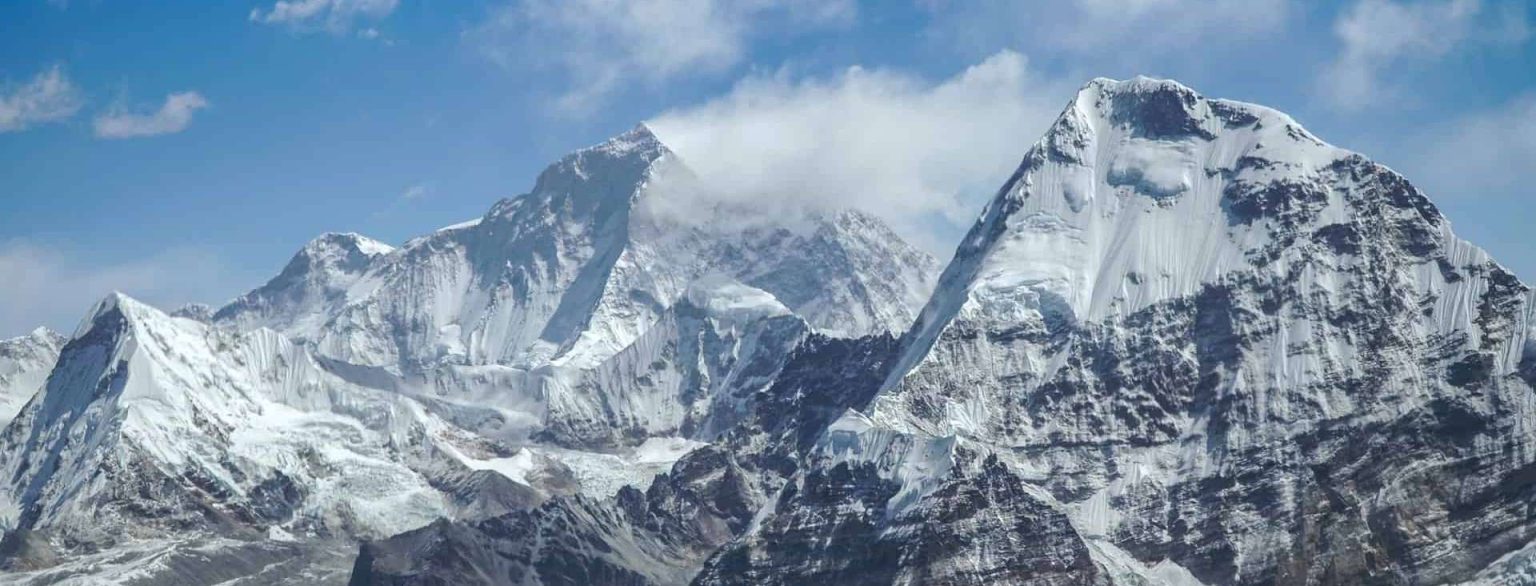
This trek leads to the base of Makalu (8,485 m), the fifth-highest mountain in the world, through the Makalu Barun National Park — one of the most biodiverse and least-developed protected areas in Nepal. Typically run over 16–21 days starting with a flight to Tumlingtar, the route climbs steadily from lush lowland forest to alpine terrain, crossing high points like Shipton La and Keke La before reaching Base Camp at around 4,870–5,250 meters, with close-up views of Makalu, Chamlang, Baruntse, and even Everest and Lhotse from nearby viewpoints. Long trekking days, rugged trail conditions, and genuine remoteness make this a demanding trek best suited to those with prior high-altitude experience — but the reward is standing beneath one of the great 8,000-meter giants with barely another trekker in sight. See the full details here: Makalu Base Camp Trek
Final Thoughts
The Dhaulagiri Circuit Trek isn't a route you do casually — it's a full Himalayan expedition that rewards serious preparation with some of the wildest, least-crowded high-altitude scenery in Nepal. Standing at French Pass with the Dhaulagiri massif on one side and the Annapurna range unfolding on the other is an experience very few trekkers in the world ever have.
If you're ready to plan your 21-day Dhaulagiri Circuit adventure with an experienced local team handling permits, camping logistics, and safety, you can view the full itinerary and book here: Dhaulagiri Circuit Trek – Northern Trekking Team
Dhaulagiri Circuit Trek FAQ(s)
1. How difficult is the Dhaulagiri Circuit Trek?
It's rated strenuous to challenging — one of the hardest treks in Nepal. Expect several days above 4,500–5,000 m, glacier walking, moraine terrain, and two high passes over 5,200 m (French Pass and Dhampus Pass), all completed as a full camping expedition rather than a teahouse trek.
2. How much does the Dhaulagiri Circuit Trek cost?
For a 2026/2027 group departure, expect roughly USD 1,800–2,500 per person, all-inclusive of permits, camping crew, meals, and transport. Private or customized treks typically cost more per person depending on group size and services.
3. How many days does the Dhaulagiri Circuit Trek take?
Most itineraries run 20–22 days from Kathmandu back to Pokhara, though some operators extend it to 26 days by adding a Poon Hill sunrise extension at the end.
4. What permits are required for the Dhaulagiri Circuit Trek?
You'll need a TIMS card, an Annapurna Conservation Area Permit (ACAP), and a Restricted Area Permit for the Dhaulagiri region. The restricted area permit means solo trekking isn't allowed — you must go through a registered trekking agency.
5. What is the highest point of the Dhaulagiri Circuit Trek?
French Pass, at 5,360 m, is the highest point on the route, followed closely by Dhampus Pass at 5,240 m.
6. Is the Dhaulagiri Circuit Trek harder than Everest Base Camp?
Yes, significantly. EBC follows well-maintained teahouse trails, while the Dhaulagiri Circuit involves glacier travel, camping logistics, higher passes, and far greater remoteness with fewer options for quick evacuation.
7. When is the best time to do the Dhaulagiri Circuit Trek?
Spring (March–May) and autumn (September–November) are best, offering stable weather and clear mountain views. Winter often closes the high passes with snow, and monsoon brings poor visibility and landslide risk.
8. Do I need prior trekking experience for the Dhaulagiri Circuit Trek?
It's strongly recommended. Trekkers should ideally have already completed a high-altitude trek like Everest Base Camp or Annapurna Circuit and be comfortable with sustained multi-day physical exertion.
9. Is travel insurance required for the Dhaulagiri Circuit Trek?
Yes, it's mandatory. Your policy must cover high-altitude trekking up to at least 6,000 m and include emergency helicopter evacuation.
10. Does the Dhaulagiri Circuit Trek use teahouses or camping?
It's primarily a camping trek — there are no teahouses for most of the route, so a full crew of guides, cooks, and porters carries tents and supplies. Teahouses only reappear on the final Annapurna region stretch near Marpha, Kalopani, and Ghorepani.
Recent From Dhaulagiri Circuit Trek 21 Days: Itinerary, Cost, Difficulty & Complete Guide
Jun 27, 2022
Jun 27, 2022

Jul 19, 2022
Sep 20, 2025
Jan 03, 2023
Feb 03, 2023
Feb 17, 2023
Feb 23, 2023
Mar 03, 2023
Mar 14, 2023
Mar 20, 2023
Mar 28, 2023
Apr 06, 2023
Jul 31, 2023
Aug 28, 2023

Jan 04, 2026


Mar 10, 2026
Mar 10, 2026



Apr 03, 2026
Sep 10, 2026
Sep 14, 2026