2nd Oct, 2026
Gokyo Renjo La Pass Trek Difficulty: Complete Guide (2026/27)
The Short Answer: Moderate to Challenging, and the Easiest of the Big Passes
The Gokyo Renjo La Pass Trek is a moderate to challenging high-altitude trek. It involves no technical climbing, no glacier crossing and no special equipment beyond normal trekking gear. The difficulty comes from altitude, long steep days and the cold, not from skill.
Table of Contents
Renjo La (about 5,345 to 5,360 m) is generally considered the easiest of the three major Everest passes, easier than Cho La and Kongma La. That said, you also climb Gokyo Ri (5,357 m), sleep at 4,790 m in Gokyo and spend nine days above 3,000 m. Anyone who is fit, patient and willing to acclimatize can do it. Anyone who rushes it, or has never been above 3,000 m, will find it hard.
This guide is based on Northern Trekking Team's 12-day itinerary and explains what makes the trek difficult, how it compares with other Everest routes and how to prepare.
Trek Facts at a Glance
| Detail | Information |
|---|---|
| Duration | 12 days, Kathmandu to Kathmandu |
| Trip grade | Moderate to challenging |
| Highest points | Gokyo Ri, 5,357 m; Renjo La, about 5,345–5,360 m |
| Highest overnight stay | Gokyo, 4,790 m (two nights) |
| Accommodation | Lodges and teahouses |
| Group size | 2 or more |
| Best seasons | October–November and March–May (also September–December and March–June per the page) |
| Price | From US$1,295 per person |
What Makes It Difficult?
1. Altitude
This is the main challenge. Here is how the itinerary climbs:
| Day | Overnight stop | Elevation | Note |
|---|---|---|---|
| 2 | Phakding | 2,610 m | Short first day after the Lukla flight |
| 3–4 | Namche Bazaar | 3,440 m | Two nights, with an acclimatization day |
| 5 | Phortse Thanga | 3,650 m | Gentle gain |
| 6 | Machhermo | 4,470 m | Biggest jump: about 820 m |
| 7–8 | Gokyo | 4,790 m | Two nights, with a Gokyo Ri climb |
| 9 | Lungden (after Renjo La) | About 4,400 m | Sleep lower after the pass |
| 10 | Namche Bazaar | 3,440 m | Long descent |
The step from Phortse Thanga (3,650 m) to Machhermo (4,470 m) is the one to watch. Mountain-medicine guidance generally suggests gaining about 500 m or less per night once you are above 3,000 m, so this day is faster than the guideline. The itinerary does include a rest day at Namche and a second night at Gokyo, which helps, but ask your guide about an extra night at Dole or Machhermo if you are new to altitude.
2. Gokyo Ri: a steep morning
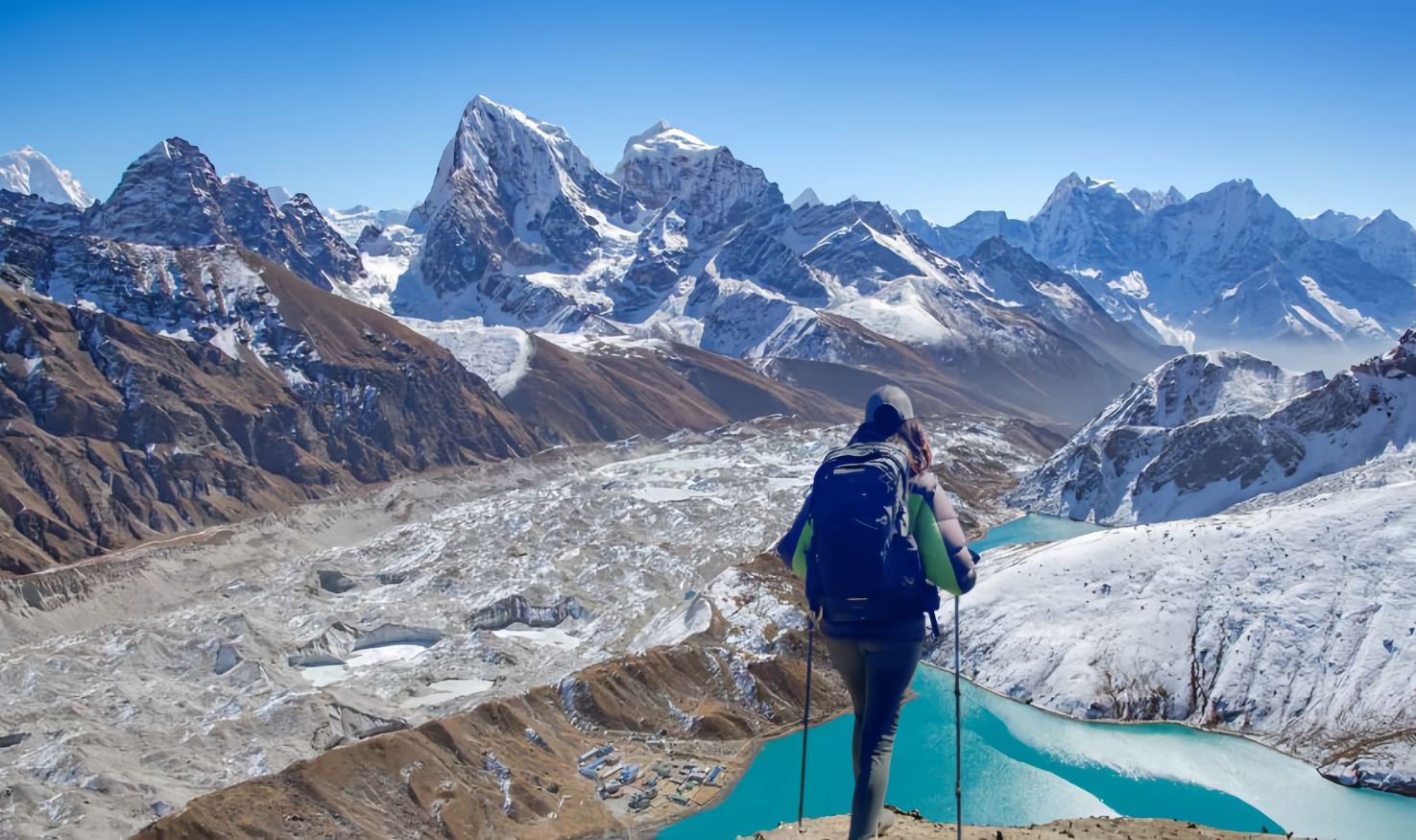
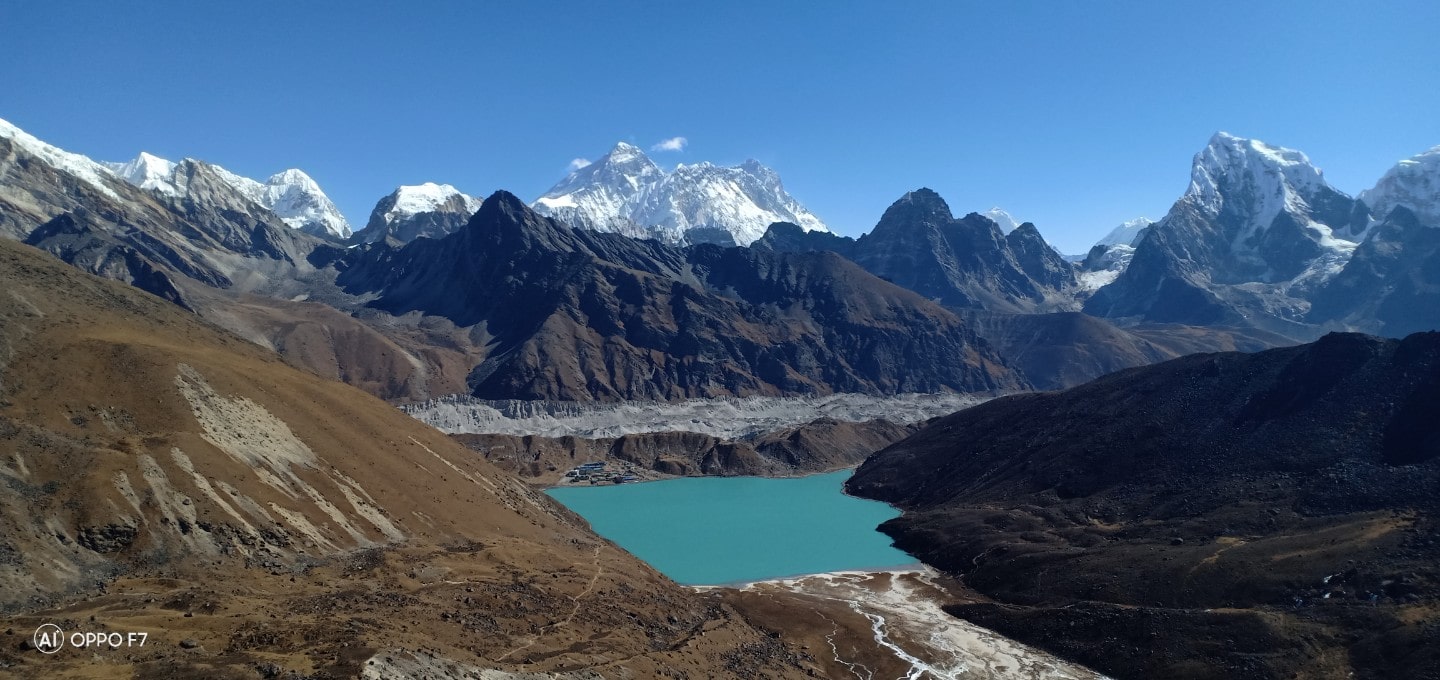
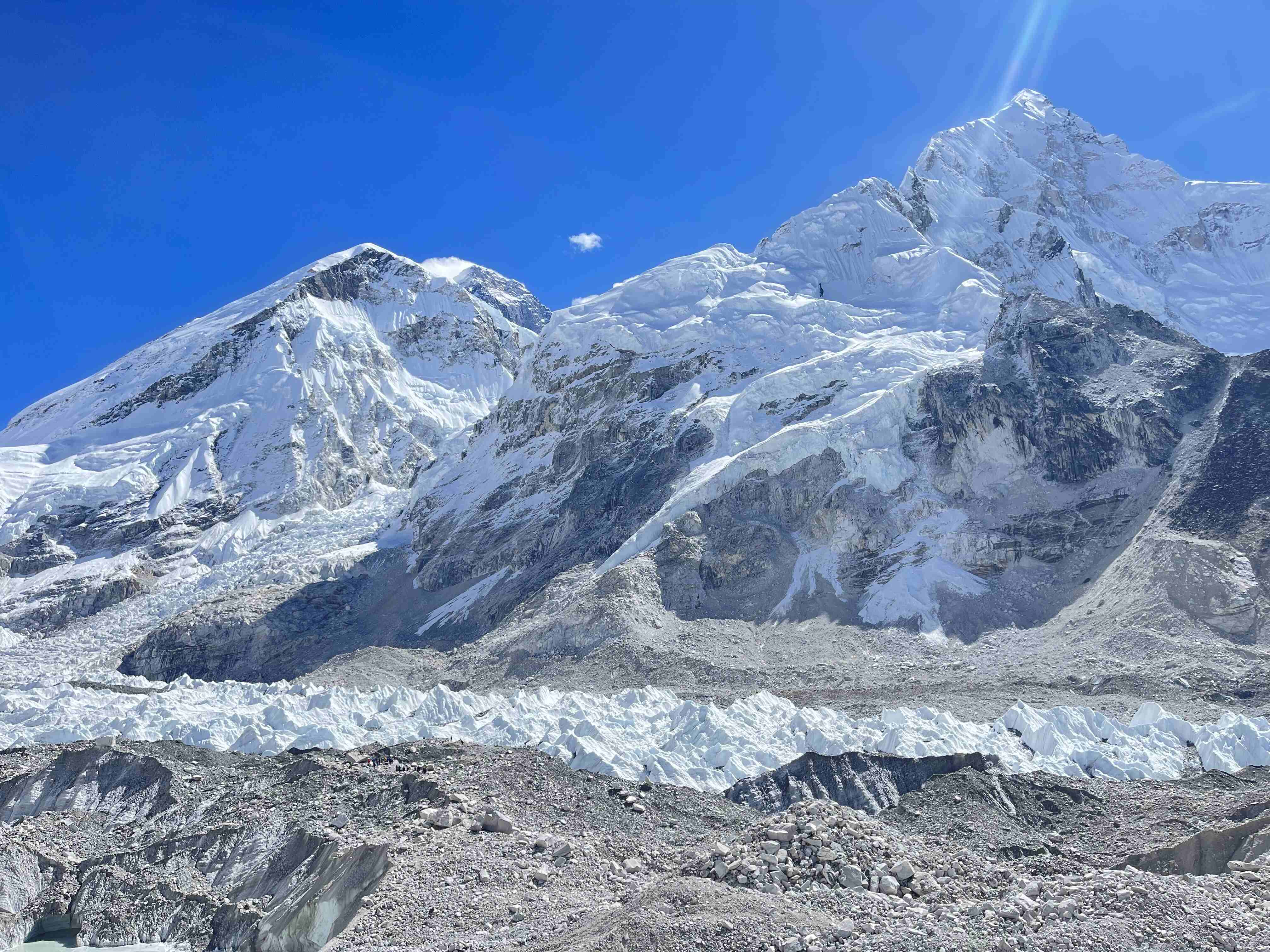
The hike from Gokyo village to Gokyo Ri (5,357 m) takes about 2 to 3 hours up and 4 to 5 hours return, and it is steep. The reward is a sunrise view of four 8,000 m peaks: Everest, Lhotse, Makalu and Cho Oyu, over the Ngozumpa Glacier and the turquoise Gokyo Lakes.
3. Renjo La day
Crossing Renjo La from Gokyo to Lungden is the main challenge on the trek. Other operators report about 6 to 8 hours in total:
- Ascent (3–4 hours): A steady, relentless climb over stone steps, boulders and some loose scree.
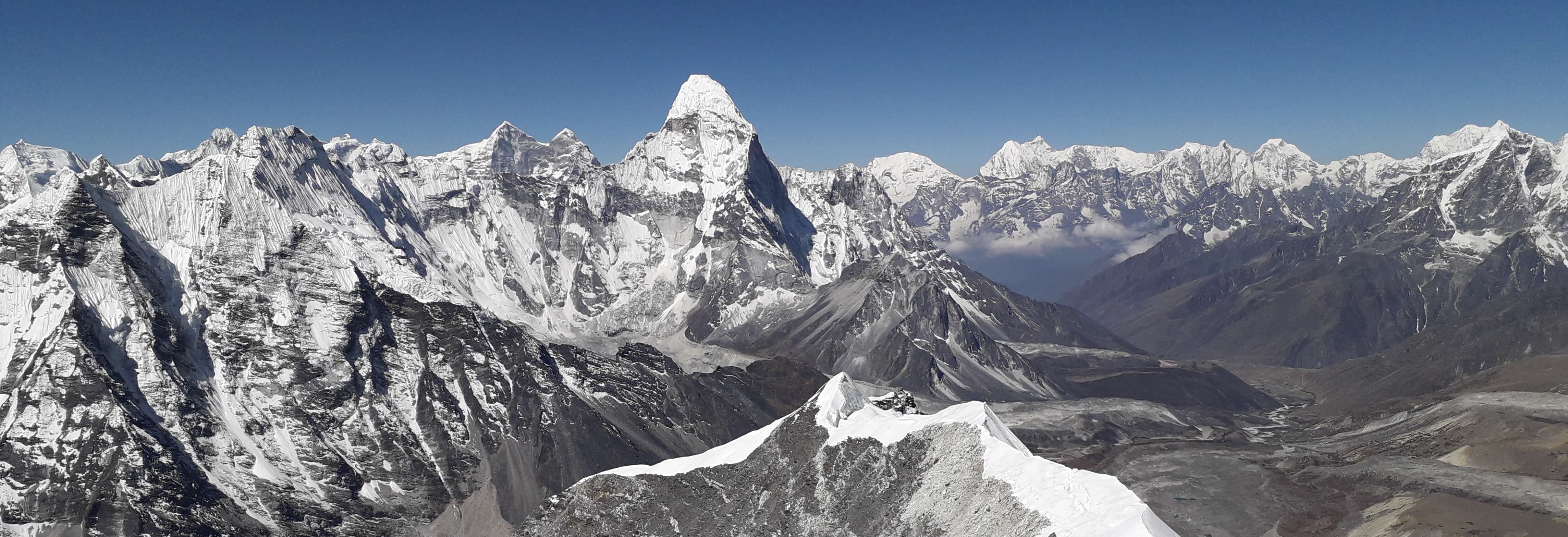
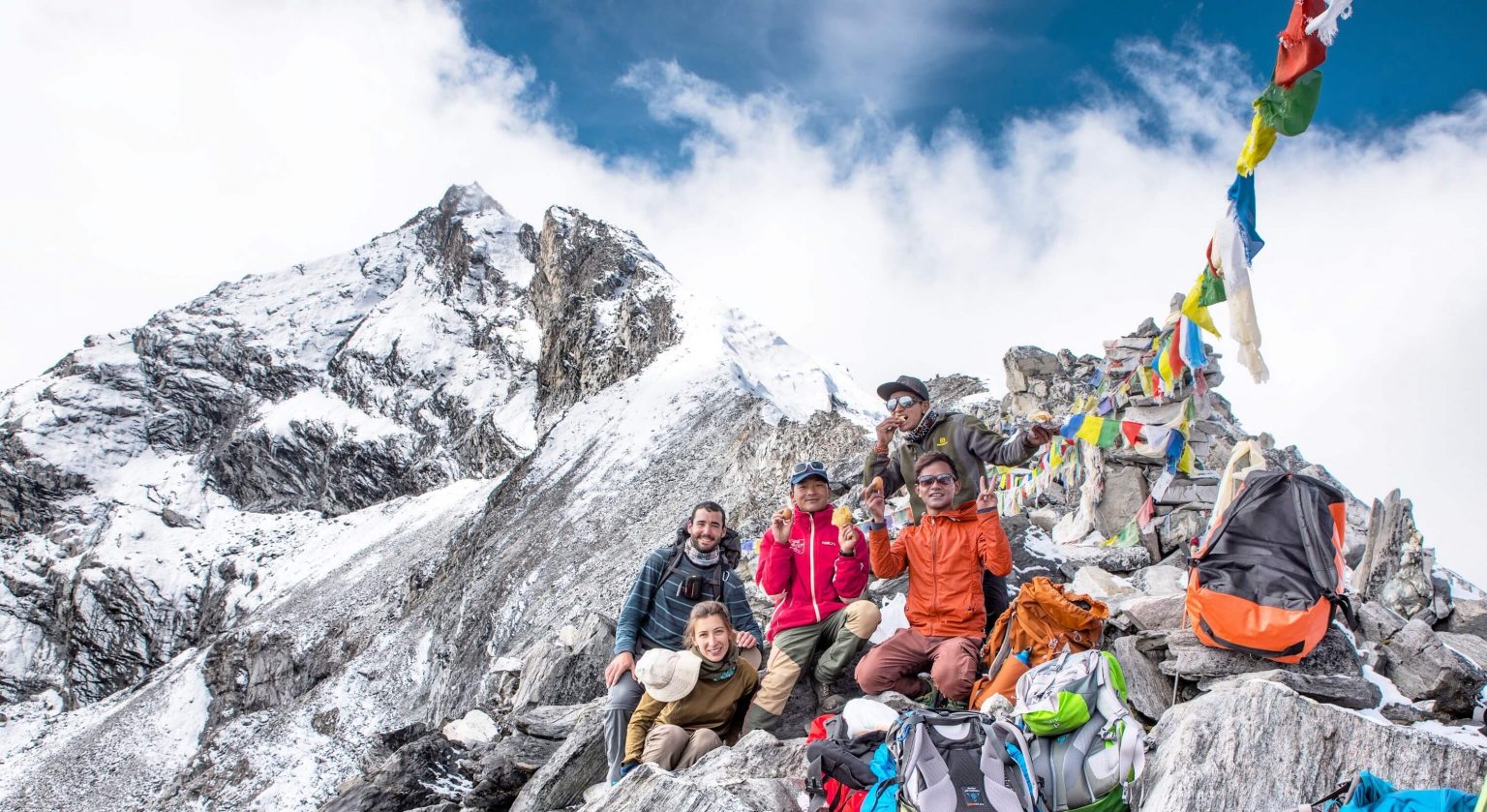
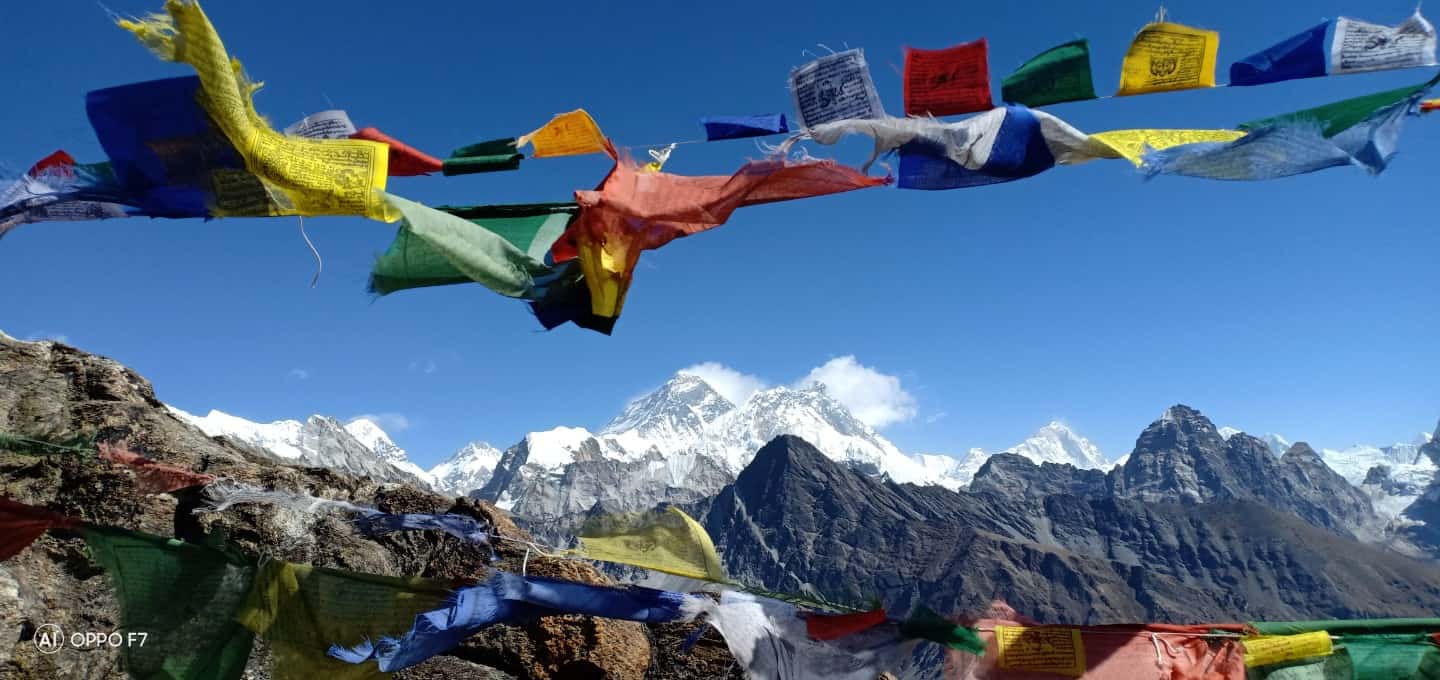
- Summit: A prayer-flag-covered pass with a 360-degree view of Everest, Lhotse, Makalu, Cho Oyu and the Gokyo Lakes.
- Descent (3–4 hours): A long, rocky descent toward Lungden, hard on the knees.
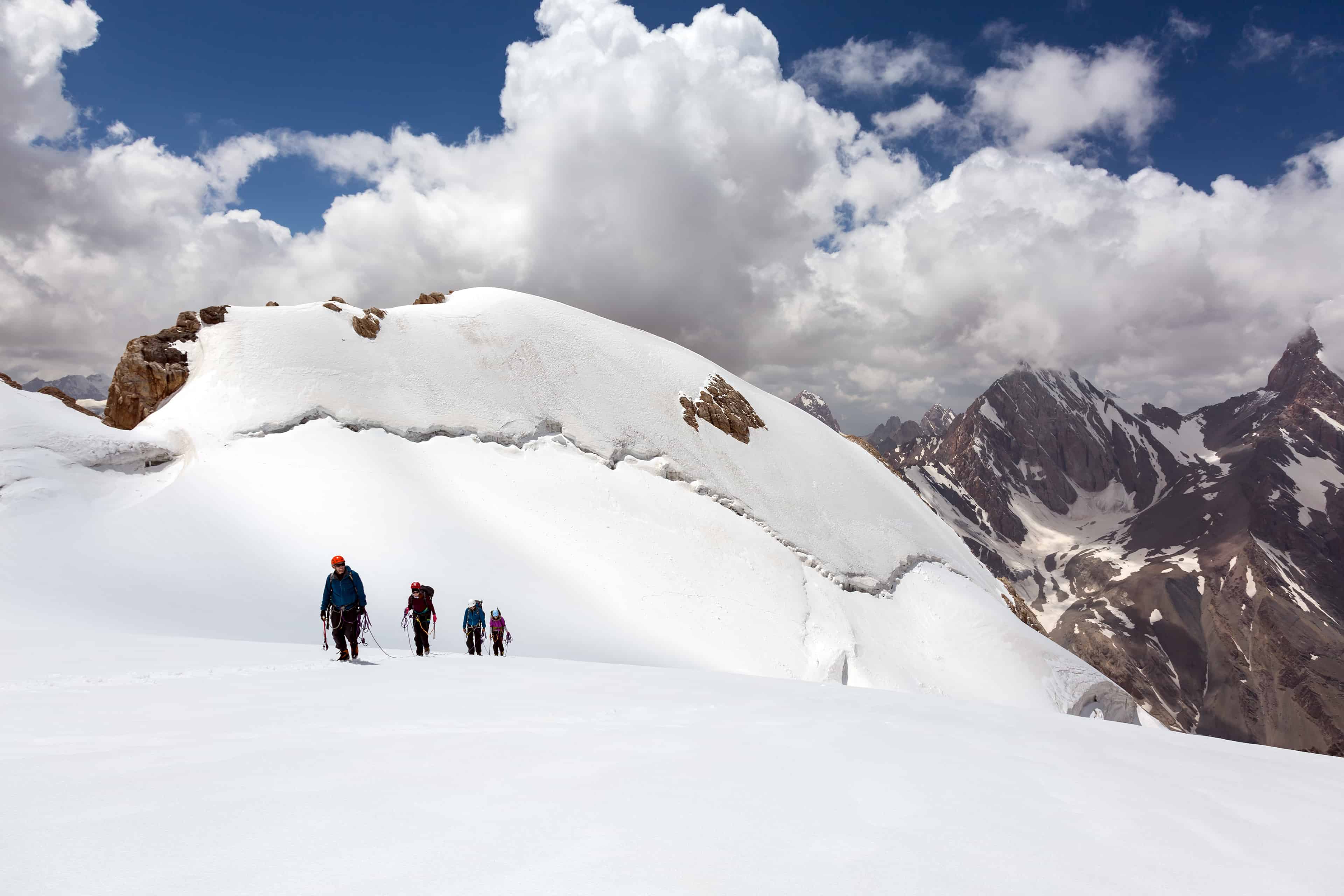
There are no ropes, crampons or glaciers. In winter or after fresh snow, light microspikes can help.
4. A long final descent
The trek from Lungden back to Namche is a long day of roughly 7 to 8 hours (about 18 km), via Marlung and Thame. After the excitement of the pass, tired legs have to keep going.
5. Cold and weather
Nights at Machhermo and Gokyo are freezing, especially in November and December. Wind is common at Gokyo and on the pass. Pack warm layers and a four-season sleeping bag.
6. Basic facilities
Rooms are simple, bathrooms are shared above Namche, and heating is usually only in the dining room. Hot showers, charging and Wi-Fi cost extra and become more expensive with altitude.
Difficulty Scorecard
| Factor | Rating (out of 5) | Notes |
|---|---|---|
| Altitude | 4 | Sleeping at 4,790 m and crossing a 5,350 m pass |
| Physical effort | 3.5 | 5–8 hour days, steep ascents |
| Technical difficulty | 1 | No ropes or ice, basic scrambling only |
| Weather and cold | 3.5 | Cold nights, wind on the pass |
| Remoteness | 3 | Quieter than Everest Base Camp, but lodges at every stop |
| Overall | 3.5 / 5 | Moderate to challenging |
Day-by-Day Difficulty
| Day | Route | Difficulty |
|---|---|---|
| 1 | Arrive in Kathmandu | Easy |
| 2 | Fly to Lukla, trek to Phakding | Easy |
| 3 | Phakding to Namche Bazaar | Moderate (steady climb) |
| 4 | Acclimatization in Namche, hike to Everest View Hotel | Easy |
| 5 | Namche to Phortse Thanga | Moderate |
| 6 | Phortse Thanga to Machhermo | Moderate to hard (big altitude gain) |
| 7 | Machhermo to Gokyo | Moderate |
| 8 | Gokyo Ri climb (5,357 m) | Hard (steep, early start) |
| 9 | Renjo La to Lungden | Hard (the main challenge) |
| 10 | Lungden to Namche Bazaar | Moderate to hard (long descent) |
| 11 | Namche to Lukla | Moderate (long day) |
| 12 | Fly to Kathmandu | Easy |
How It Compares With Other Everest Treks
| Trek | Highest point | Passes | Difficulty |
|---|---|---|---|
| Everest View Trek | Under 4,000 m | None | Easy to moderate |
| Gokyo Lake Trek | 5,357 m (Gokyo Ri) | None | Moderate to challenging |
| Everest Base Camp Trek | 5,364 m / 5,545 m | None | Moderate to challenging |
| Gokyo Renjo La Pass Trek | 5,357 m / ~5,350 m | One (Renjo La) | Moderate to challenging |
| Everest Base Camp with Gokyo Lakes | 5,545 m | None | Challenging |
| Everest Three High Passes Trek | 5,535 m (Kongma La) | Three | Strenuous |
Renjo La is a good stepping stone to the Three Passes. You get a real high-pass crossing in a quieter valley without the glacier of Cho La or the length of the full circuit.
Is It Suitable for Beginners?
It is possible for fit beginners, but not ideal for first-time trekkers. Some operators say beginners are welcome with good preparation, while others advise prior trekking experience. A realistic view:
- Good fit: healthy, active people who have done multi-day hikes, can walk 5–7 hours a day and are willing to train.
- Think twice: people who have never trekked, have never been above 3,000 m or have heart, lung or blood-pressure conditions that have not been checked by a doctor.
If you are new to trekking, consider the Everest Base Camp trek or Gokyo Lake trek first, and add Renjo La later.
How to Prepare
Fitness (12 weeks before)
- Weeks 1–4: Walk, jog or cycle 3–4 times a week, with one longer weekend hike.
- Weeks 5–8: Add hills and a 5–8 kg pack, plus squats, lunges and step-ups.
- Weeks 9–11: Back-to-back long days of 5–6 hours to mimic trek conditions.
- Week 12: Rest, test your boots and layers and finish packing.
Altitude
- Walk slowly and take the Namche and Gokyo rest days seriously.
- Drink 3–4 litres of water a day and avoid alcohol and sleeping pills.
- Report headache, nausea, dizziness or unusual tiredness to your guide straight away.
- Never go higher with worsening symptoms, and be ready to descend.
- Talk to your doctor about altitude medication before you travel.
Gear that helps
- Waterproof, broken-in trekking boots and thick wool socks
- Layers: thermal base, fleece, down jacket, waterproof shell, warm hat and gloves
- Trekking poles, essential for the long stone-step ascent and descent
- Gaiters and light microspikes if you travel in winter or after snow
- Sunglasses with UV protection and high-SPF sunscreen
- Headlamp, power bank and water purification
Northern Trekking Team provides sleeping bags, down jackets and walking poles if you do not have your own (to be returned after the trek), which can save you money on gear.
Best Time to Trek
October to November gives the most stable weather and clearest views, and March to May brings warmer days and blooming rhododendrons on the lower sections. Fixed departures currently run from 3 October to late December 2026, but December is much colder at Gokyo and on the pass, so choose autumn if it is your first high-altitude trek.
What Does It Cost?
The package starts from US$1,295 per person. It includes airport transfers, two nights in a Kathmandu hotel with breakfast, round-trip flights between Kathmandu and Lukla (via Ramechhap in peak season), ten nights in lodges, three meals a day, a licensed first-aid-trained guide, a porter for every two trekkers, Sagarmatha National Park and Khumbu Pasang Lhamu permits, an oximeter and first-aid kit, a SIM card, a certificate, T-shirt, cap and duffel bag, and a farewell dinner. An assistant guide joins for groups of six or more.
Visa, international flights, insurance, Kathmandu lunches and dinners, drinks, snacks, showers, charging, Wi-Fi, extra baggage (15 kg limit on the Lukla flight) and tips are extra.
Safety and Planning Tips
- Buy the right insurance. Choose a policy covering trekking above 5,500 m and emergency helicopter evacuation.
- Add a buffer day. Lukla flights can be delayed by weather, so avoid a tight international connection.
- Start early on pass day. Leaving around sunrise gives you daylight and better weather for the long descent.
- Pace yourself. Slow and steady beats fast and exhausted.
- Carry cash. Rupees are needed for showers, snacks and tips, and ATMs are limited above Namche.
Ready to Cross Renjo La?
If you want the Everest region's big scenery, a real high-pass crossing and quieter trails than Base Camp, this trek is a rewarding choice. View the full Gokyo Renjo La Pass Trek itinerary, fixed departures and price, or message Northern Trekking Team to talk through your fitness, experience and the best date for you.
FAQs: Gokyo Renjo La Pass Trek Difficulty
1. How difficult is the Gokyo Renjo La Pass Trek?
It is moderate to challenging. There is no technical climbing, but you reach 5,357 m at Gokyo Ri, cross Renjo La at about 5,350 m and walk 5–8 hours on many days, with several nights above 4,400 m. Altitude, steep stone-step ascents and cold are the main challenges. Fit trekkers who acclimatize well generally manage it comfortably.
2. How high is Renjo La Pass?
The itinerary lists Renjo La at 5,345 m, and other sources give figures up to about 5,360 m. The difference is normal for Himalayan passes. Gokyo Ri, which you climb on Day 8, is 5,357 m. Your highest overnight stay is Gokyo at 4,790 m.
3. Is Renjo La harder than Cho La or Kongma La?
No. Renjo La is generally considered the easiest of the three high passes. Cho La involves a glacier crossing and often needs microspikes, and Kongma La is the highest and longest. Renjo La is still a long, steep day, but the trail is well defined and mostly stone steps and rocky paths with no ice or glacier.
4. How many hours do I walk on Renjo La day?
About 6–8 hours from Gokyo to Lungden: roughly 3–4 hours up to the pass and 3–4 hours down. Start early, bring plenty of water and snacks, and use trekking poles. Timing depends on your pace, the snow and the weather.
5. Is altitude sickness a risk?
Yes. You sleep at 4,470 m in Machhermo and 4,790 m in Gokyo, and climb above 5,300 m twice. The itinerary includes acclimatization days at Namche and Gokyo, but the jump to Machhermo is large, so walk slowly, drink plenty of water and ask about an extra night if you are new to altitude. Descend if symptoms worsen.
6. Can beginners do the Gokyo Renjo La Pass Trek?
Fit beginners with training and a guide can, but it is not ideal for first-time trekkers. Prior multi-day trekking and some exposure to altitude make it much easier. If you have never trekked above 3,000 m, consider the Everest Base Camp or Gokyo Lake trek first.
7. How is it different from the Gokyo Lake trek?
The Gokyo Lake trek goes up and back down the same valley, while the Renjo La version crosses a high pass to Lungden and returns via Thame and Namche. That adds a long pass day and a different descent route, with fewer people and a more varied landscape, at the cost of more difficulty.
8. What fitness do I need, and how should I train?
You should be able to walk 5–7 hours a day on hills with a daypack. Train for 12 weeks with hiking, running or cycling, leg strength work and weighted hill walks, including back-to-back long days. Practise with your boots and poles so your feet and knees are ready for the steep descents.
9. When is the best time to go?
October to November and March to May offer the most stable weather. Autumn brings clear skies, and spring is warmer with blooming forests. December is colder, with freezing nights at Gokyo and possible snow on the pass. Monsoon (June to August) is usually avoided.
10. How much does it cost and what is included?
It starts from US$1,295 per person, with flights to and from Lukla, hotel nights in Kathmandu, lodge accommodation, meals, a licensed guide, porters, permits, an oximeter and a first-aid kit included. Visa, international flights, insurance, drinks, showers, charging, Wi-Fi and tips are extra. See current dates on the Gokyo Renjo La Pass Trek page.
Recent From Gokyo Renjo La Pass Trek Difficulty: Complete Guide (2026/27)
Jun 27, 2022
Jun 27, 2022

Jul 19, 2022
Sep 20, 2025
Jan 03, 2023
Feb 03, 2023
Feb 17, 2023
Feb 23, 2023
Mar 03, 2023
Mar 14, 2023
Mar 20, 2023
Mar 28, 2023
Apr 06, 2023
Jul 31, 2023
Aug 28, 2023

Jan 04, 2026


Mar 10, 2026
Mar 10, 2026



Apr 03, 2026
Sep 10, 2026
Sep 14, 2026