10th Mar, 2026
Everest Base Camp Trek Difficulty: How Hard is the Journey to the Foot of Everest?
Introduction
The Everest Base Camp trek stands among the most famous trekking adventures in the world. Every year thousands of travelers arrive in Nepal hoping to walk beneath Mount Everest and experience the culture of the Khumbu region. One question appears repeatedly during trip planning: how difficult is the Everest Base Camp trek?
Table of Contents
Many trekkers worry about whether they have enough fitness or experience to complete the journey. The route does not require technical climbing skills, yet the combination of altitude, distance, and daily hiking hours creates a demanding environment.
Understanding the real difficulty of the Everest Base Camp trek helps trekkers prepare properly. Knowing what to expect from terrain, altitude, weather, and daily trekking stages allows travelers to train, pack correctly, and plan a suitable itinerary.
This guide from Northern Trekking Team explains the physical difficulty of the Everest Base Camp trek, daily hiking challenges, altitude factors, and how trekkers prepare for a safe and enjoyable journey to the base of the world’s highest mountain.
Everest Base Camp Trek Overview
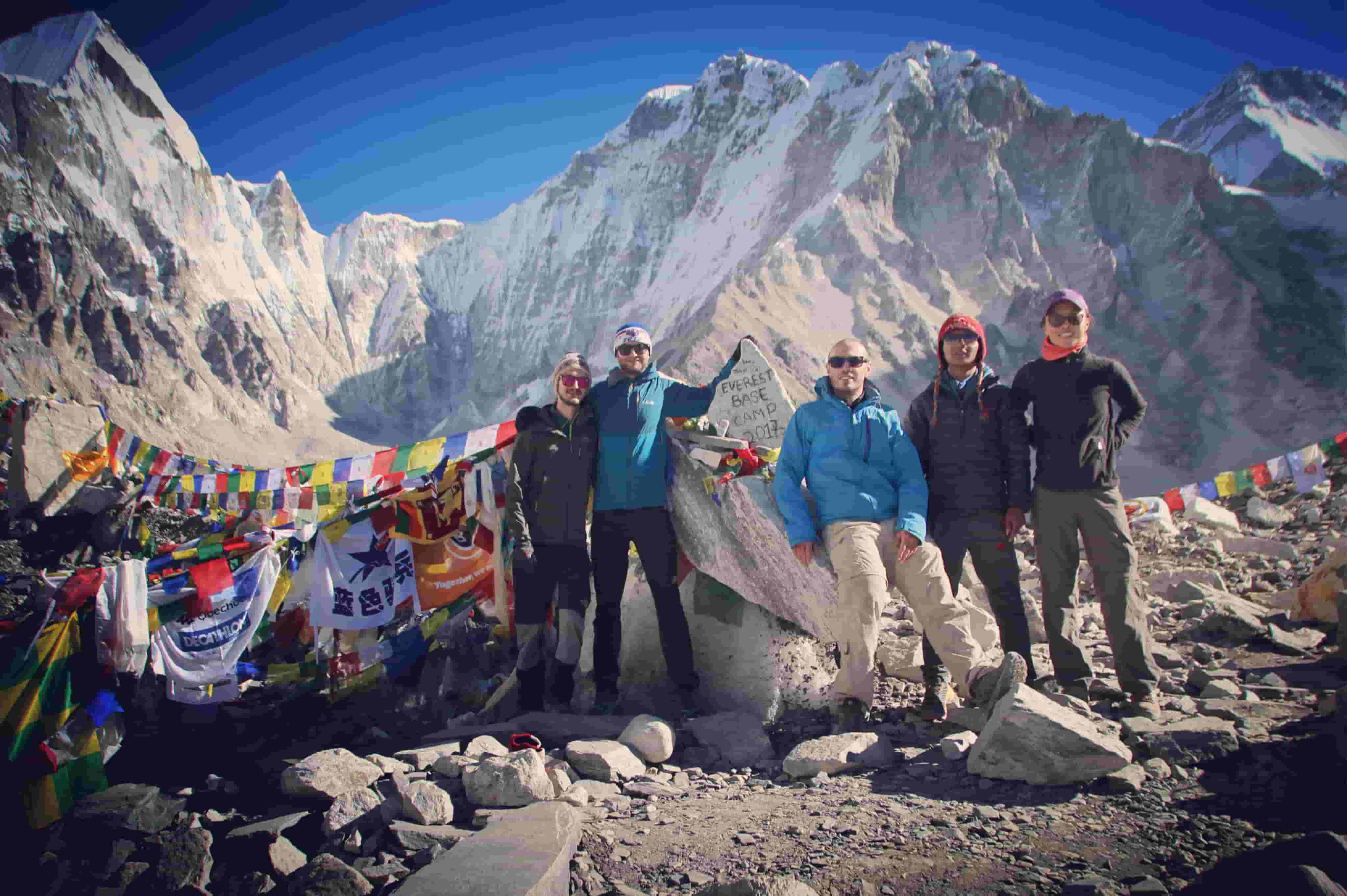
The Everest Base Camp trek takes place in the Khumbu region of eastern Nepal inside Sagarmatha National Park.
Typical trek statistics include:
• Trek duration: 12–14 days
• Maximum elevation: 5,545 meters at Kala Patthar
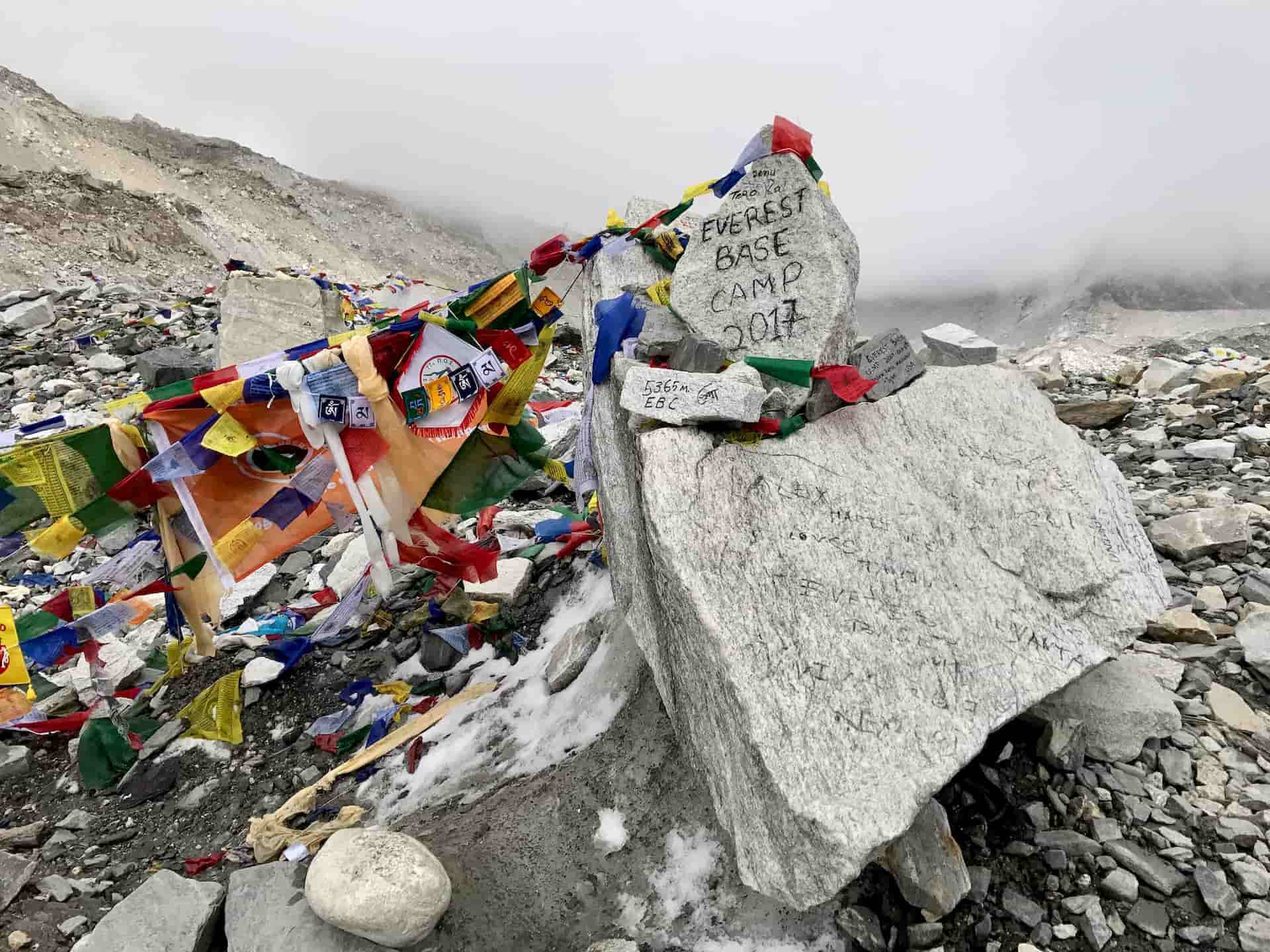
• Everest Base Camp altitude: 5,364 meters
• Total distance: about 130 kilometers round trip
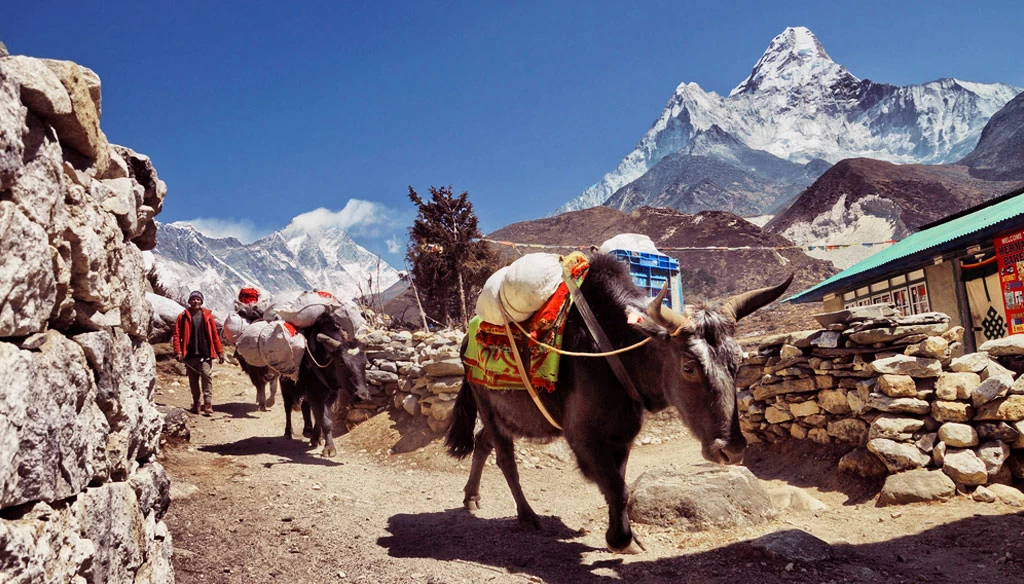
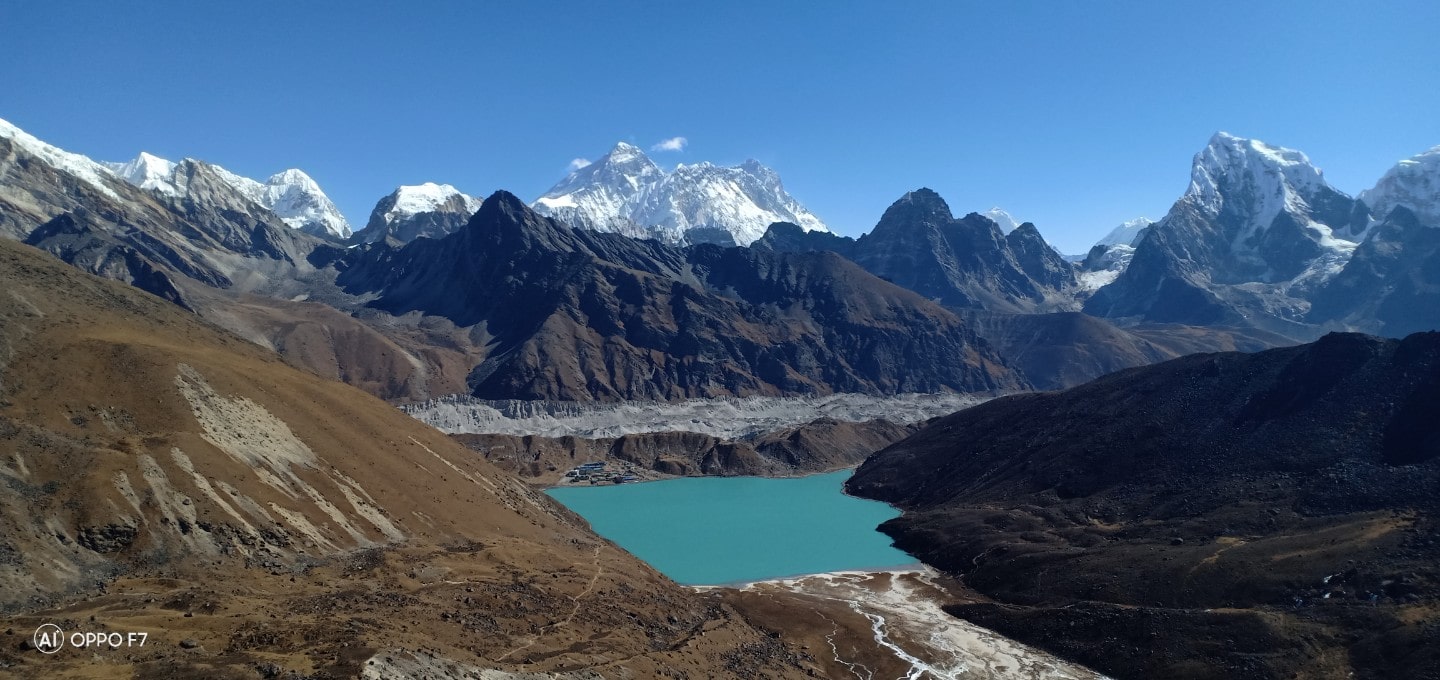
Trekkers walk through Sherpa villages, cross suspension bridges, and climb gradual mountain trails while surrounded by some of the highest peaks on Earth.
Why the Everest Base Camp Trek is Challenging
Several factors contribute to the difficulty of the trek.
High Altitude
Altitude represents the most significant challenge.
As trekkers climb higher, oxygen levels decrease.
Examples of oxygen availability:
• 3,000 meters: about 70 percent of sea-level oxygen
• 4,000 meters: about 60 percent
• 5,000 meters: about 50 percent
Reduced oxygen forces the body to work harder during physical activity.
Altitude also increases the risk of acute mountain sickness (AMS).
Long Daily Hiking Hours
Trekkers usually walk 5 to 7 hours per day during the journey.
Some days include steep climbs or rocky terrain, especially between:
• Phakding and Namche Bazaar
• Tengboche and Dingboche
• Lobuche and Gorak Shep
Walking several hours daily for nearly two weeks requires strong endurance.
Elevation Gain and Descent
The trail constantly rises and falls across mountain ridges and valleys.
Even though the final destination sits at 5,364 meters, trekkers climb far more vertical distance because of repeated ascents and descents.
For example, the climb from the Dudh Koshi river valley to Namche Bazaar involves nearly 600 meters of elevation gain in one day.
Cold Weather Conditions
Temperatures drop significantly above 4,000 meters.
Typical conditions include:
• Namche Bazaar: 5°C to 10°C during daytime
• Lobuche: around freezing
• Everest Base Camp: often below -10°C at night
Cold temperatures increase physical fatigue.
Remote Mountain Terrain
The trail includes several terrain types:
• Rocky mountain paths
• Stone staircases
• Suspension bridges
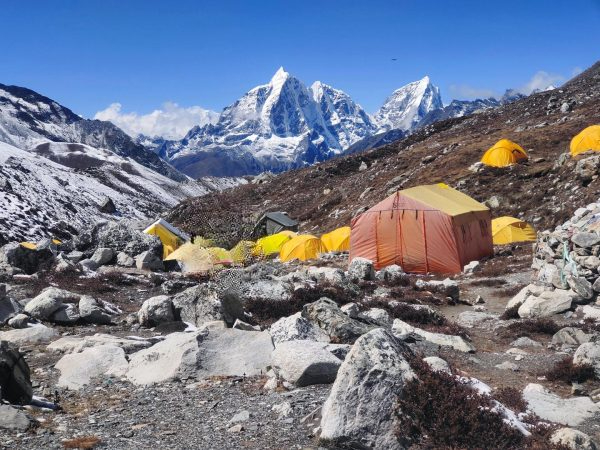
• Glacier moraines
Trekkers must maintain balance and steady pacing throughout the trek.
Everest Base Camp Trek Difficulty by Trekking Day
Understanding the daily trekking stages helps evaluate difficulty.
Lukla to Phakding
Walking time: 3–4 hours
This first day remains relatively easy with gradual downhill terrain.
Phakding to Namche Bazaar
Walking time: 5–6 hours
This section becomes the first major challenge. The steep climb to Namche Bazaar tests stamina.
Namche Bazaar Acclimatization Day
Trekkers hike toward Everest View Hotel before returning to Namche. The purpose involves altitude adaptation rather than distance.
Namche to Tengboche
Walking time: 5 hours
The trail descends into the valley and climbs again to Tengboche Monastery.
Tengboche to Dingboche
Walking time: 5–6 hours
The terrain becomes more open and altitude increases steadily.
Dingboche Acclimatization Day
Trekkers hike toward Nagarjun Hill for acclimatization.
Dingboche to Lobuche
Walking time: 5 hours
This stage includes memorial sites honoring climbers and gradually enters glacial terrain.
Lobuche to Everest Base Camp
Walking time: 6–7 hours
Trekkers reach Gorak Shep before continuing toward Everest Base Camp.
Who Can Complete the Everest Base Camp Trek?
Many people believe the trek requires elite athletic ability. In reality, trekkers of many ages successfully complete the journey each year.
Successful trekkers usually possess:
• Moderate physical fitness
• Ability to walk several hours daily
• Positive mental attitude
Trekkers from their twenties to their sixties regularly reach Everest Base Camp with proper preparation.
Fitness Preparation for the Trek
Preparing for the Everest Base Camp trek improves comfort and safety.
Recommended training activities include:
• Hiking with elevation gain
• Stair climbing workouts
• Running or cycling for endurance
• Strength training for legs and core
A 12-week training program usually provides sufficient preparation.
Mental Challenges of the Trek
Mental strength becomes important during high-altitude trekking.
Trekkers may face:
• Cold mornings
• Long walking days
• Thin air at high altitude
Maintaining a positive mindset helps overcome these challenges.
Tips to Make the Trek Easier
Several strategies reduce the difficulty of the Everest Base Camp trek.
Walk Slowly
Sherpa guides often repeat the phrase “bistari bistari”, meaning slowly.
A slower pace conserves energy and oxygen.
Drink Plenty of Water
Hydration helps reduce altitude sickness risk.
Trekkers should drink 3–4 liters daily.
Follow Acclimatization Days
Rest days at Namche Bazaar and Dingboche allow the body to adjust to altitude.
Carry a Light Daypack
Most trekkers carry only essential items while porters transport larger bags.
Eat Regular Meals
Energy from carbohydrates helps maintain strength during long trekking days.
Everest Base Camp Trek Difficulty Compared to Other Treks
The Everest Base Camp trek ranks as moderate to challenging.
Comparison with other Nepal treks:
• Annapurna Base Camp Trek – moderate
• Everest Base Camp Trek – moderate to challenging
• Manaslu Circuit Trek – challenging
• Three Passes Trek – very challenging
Altitude and trek length place Everest Base Camp slightly above moderate difficulty.
Why Trek with Northern Trekking Team
Choosing the right trekking company significantly improves the trekking experience.
Northern Trekking Team offers:
• Experienced licensed guides
• Safe acclimatization itineraries
• Porter support for comfortable trekking
• Detailed preparation guidance
Professional support helps trekkers complete the Everest Base Camp trek safely and confidently.
Conclusion
The Everest Base Camp trek difficulty often appears intimidating at first. Yet the journey remains achievable for most trekkers with proper preparation, realistic pacing, and a well-planned itinerary.
Altitude, daily hiking hours, and mountain terrain create the main challenges, but none require technical climbing skills. Trekkers who train beforehand and follow acclimatization schedules usually succeed.
The reward for this effort includes unforgettable Himalayan scenery, welcoming Sherpa culture, and the remarkable experience of standing beneath Mount Everest.
With the guidance of Northern Trekking Team, trekkers approach the adventure with confidence and enjoy one of the most extraordinary journeys on Earth.
Recent From Everest Base Camp Trek Difficulty: How Hard is the Journey to the Foot of Everest?
Jun 27, 2022
Jun 27, 2022

Jul 19, 2022
Sep 20, 2025
Jan 03, 2023
Feb 03, 2023
Feb 17, 2023
Feb 23, 2023
Mar 03, 2023
Mar 14, 2023
Mar 20, 2023
Mar 28, 2023
Apr 06, 2023
Jul 31, 2023
Aug 28, 2023

Jan 04, 2026


Mar 10, 2026
Mar 10, 2026



Apr 03, 2026
Sep 10, 2026
Sep 14, 2026
Sep 23, 2026
Sep 23, 2026
Oct 05, 2026