17th Sep, 2026
Nar Phu Valley Trek: 11-Day Itinerary, Cost & Permits
Most people trekking the Annapurna Circuit walk right past the turn-off to Nar Phu without knowing it's there. A single suspension bridge at Koto leads north into a side valley that was closed to outsiders until 2002 — a restricted, Tibetan-influenced world of fortress villages, canyon trails and one of the highest passes in the Annapurna region. The Nar Phu Valley Trek is for travellers who have done a "normal" Himalayan trek already, or who simply want the version of Nepal that most tour groups never see.
Table of Contents
It runs 11 days from Kathmandu back to Kathmandu, tops out at 5,240 m on the Kang La Pass, and requires a special government permit on top of the usual paperwork. It is not a trek for absolute beginners, but it rewards the effort with landscapes and villages that the crowded Annapurna and Everest trails simply cannot offer anymore.
This guide covers the full 11-day itinerary, the permits you'll need and 2026 fees, a realistic cost breakdown, the best months to go, difficulty, food and lodging, and the questions travellers ask us most.
Book or customise this trek here: Nar Phu Valley Trek — Northern Trekking Team
Quick Facts: Nar Phu Valley Trek at a Glance
| Detail | Information |
|---|---|
| Trek duration | 11 days (Kathmandu to Kathmandu) |
| Maximum altitude | Kang La Pass — 5,240 m / 17,191 ft |
| Trip starts / ends | Kathmandu / Kathmandu |
| Difficulty | Moderate |
| Accommodation | Lodge / teahouse throughout |
| Meals | Breakfast, lunch and dinner included |
| Best seasons | September–December, March–May |
| Permits required | Restricted Area Permit (RAP) + ACAP |
| Guide | Mandatory licensed guide, included |
| Group size | Minimum 2 people |
| Region | Annapurna (Manang district), Nepal |
Why Choose the Nar Phu Valley Trek?
This is a trek for people who want genuine remoteness, not a quieter version of a busy trail. Here's what sets it apart:
- A restricted valley, not a bypassed one. Nar Phu only opened to foreign trekkers in 2002. Daily visitor numbers are still controlled through permit checkpoints, so the trail stays quiet even in peak season.
- Fortress villages you won't see anywhere else. Phu is built around a stone watchtower and a barricade of thick wooden doors, built to spot and repel invaders — a defensive layout that has barely changed in centuries.
- One of the great Buddhist monasteries. Tashi Lhakhang Monastery is counted among 108 of the world's most significant Buddhist monasteries, and sits right on the route.
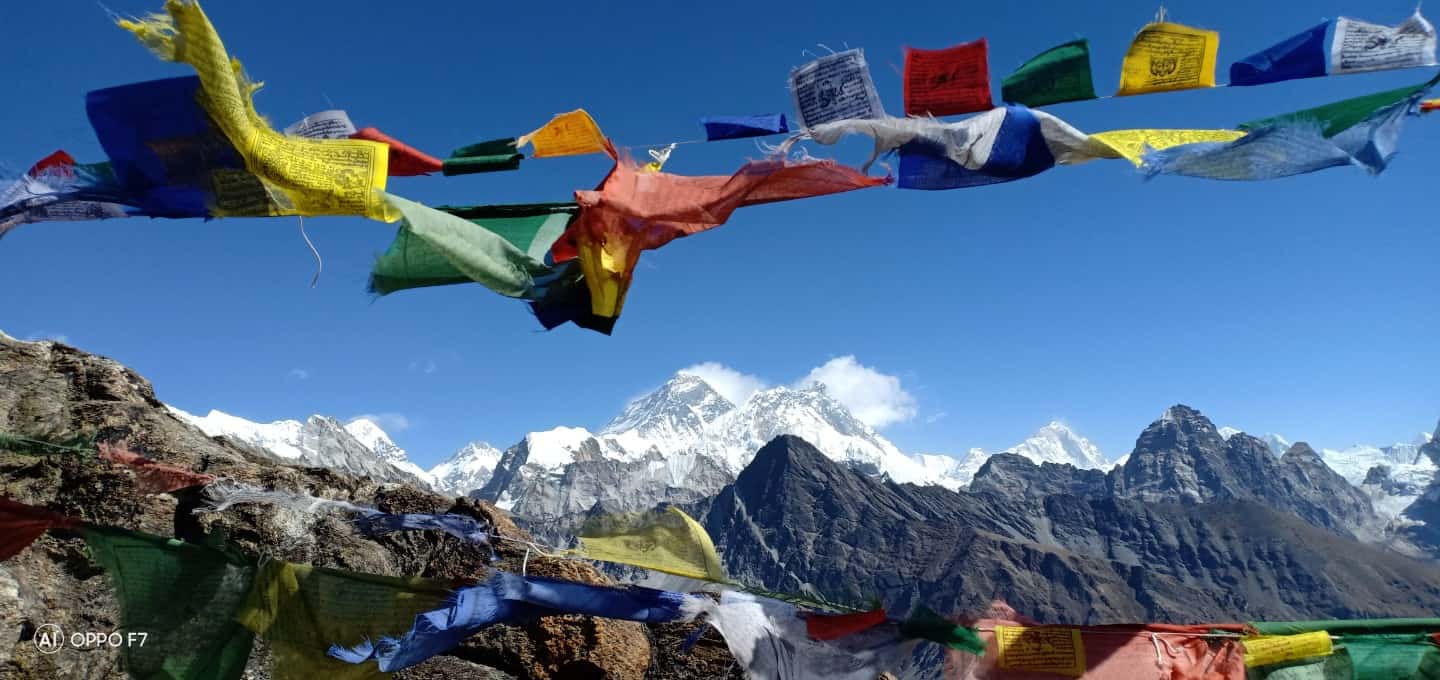
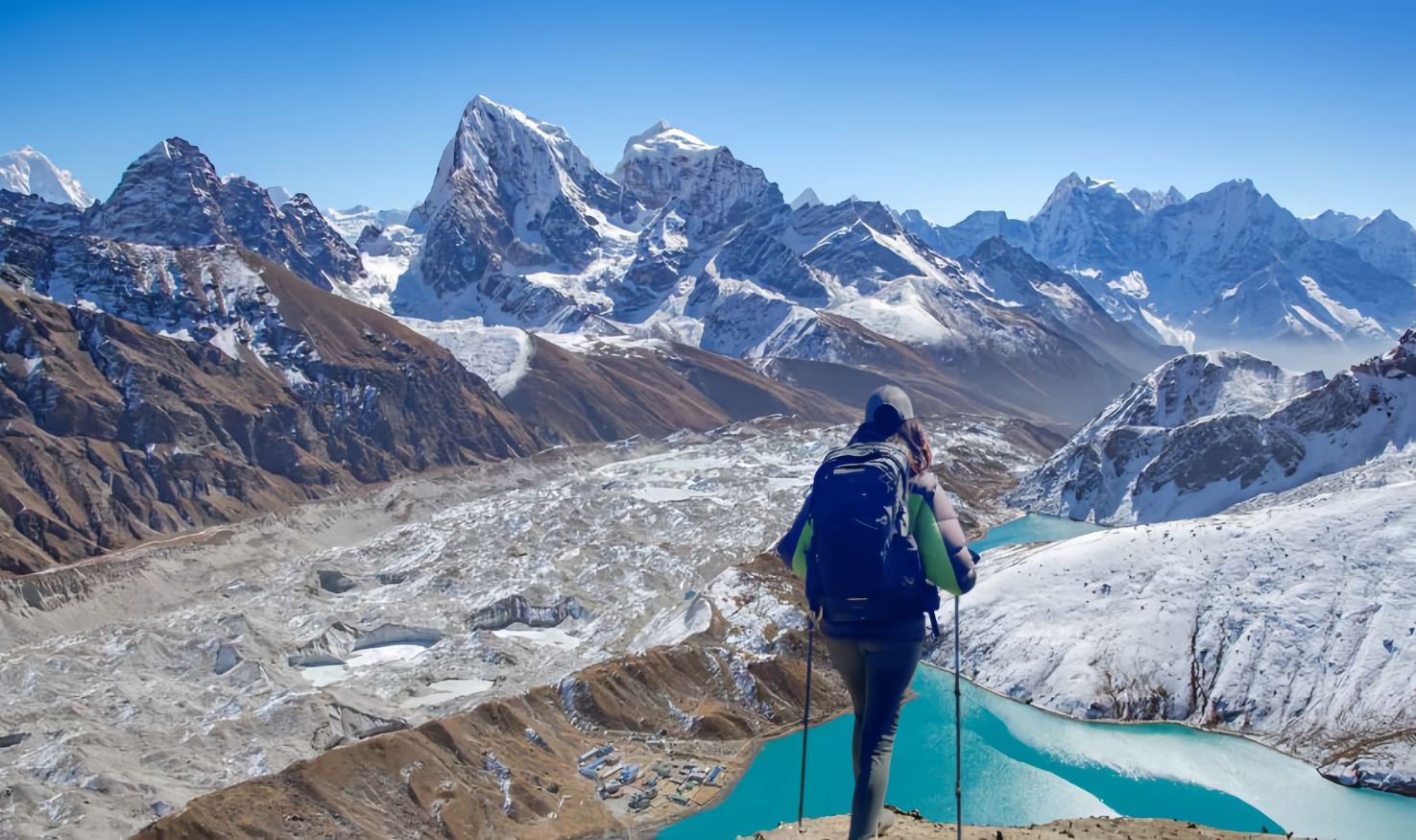
- A genuine high pass. The Kang La Pass at 5,240 m is a proper mountain crossing, not a token high point — with blue sheep, prayer flags and a 360° panorama at the top.
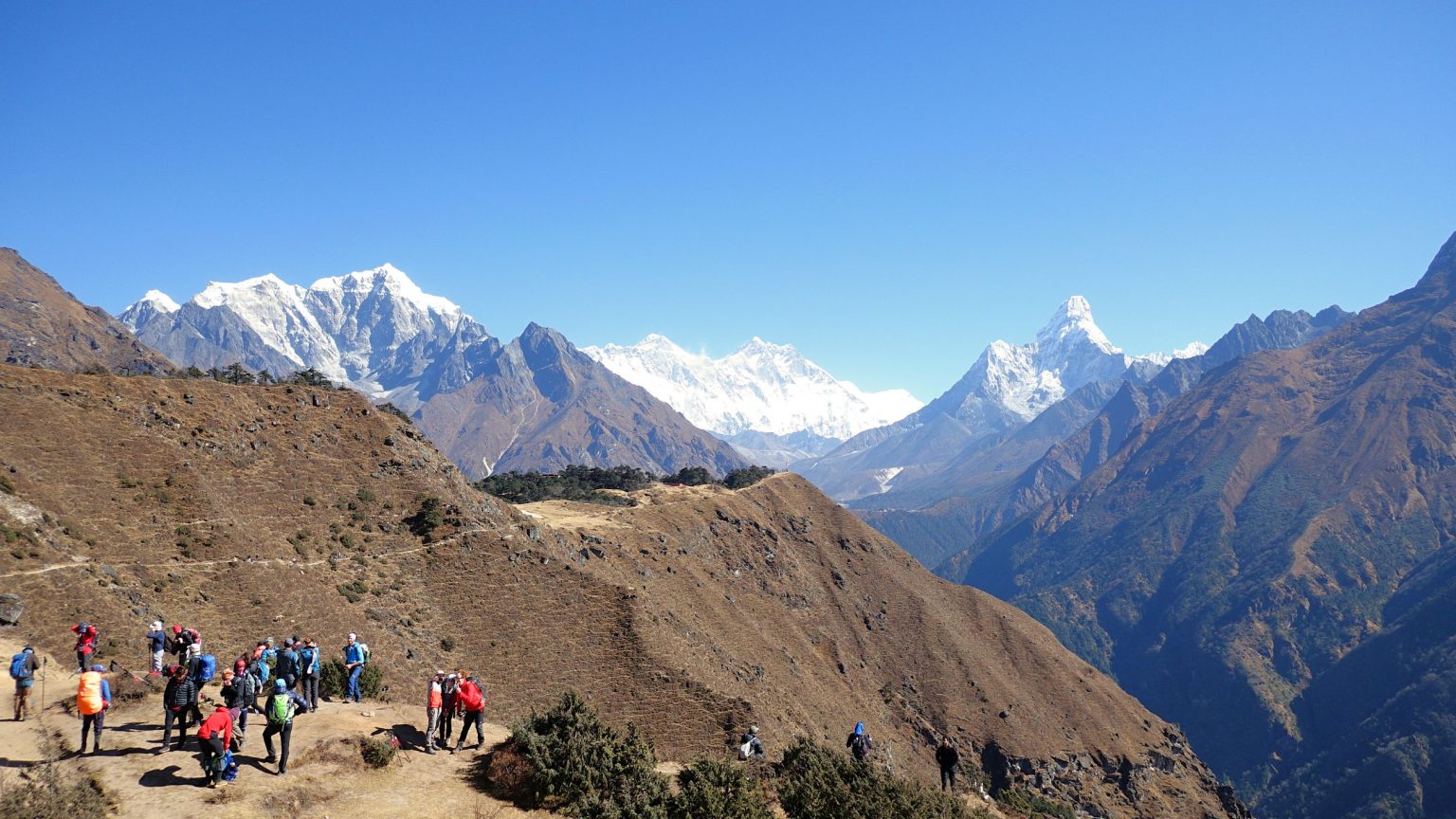
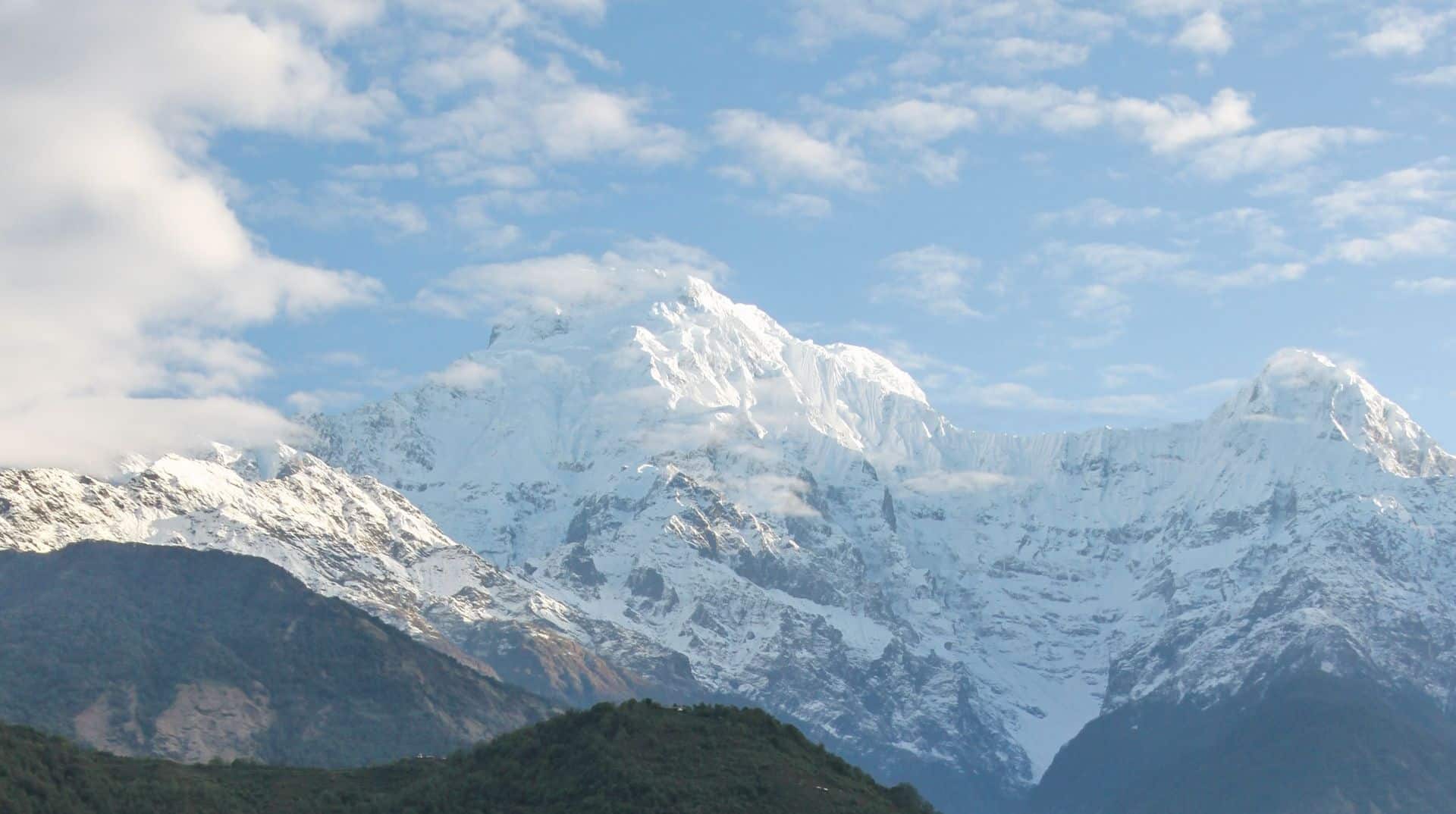
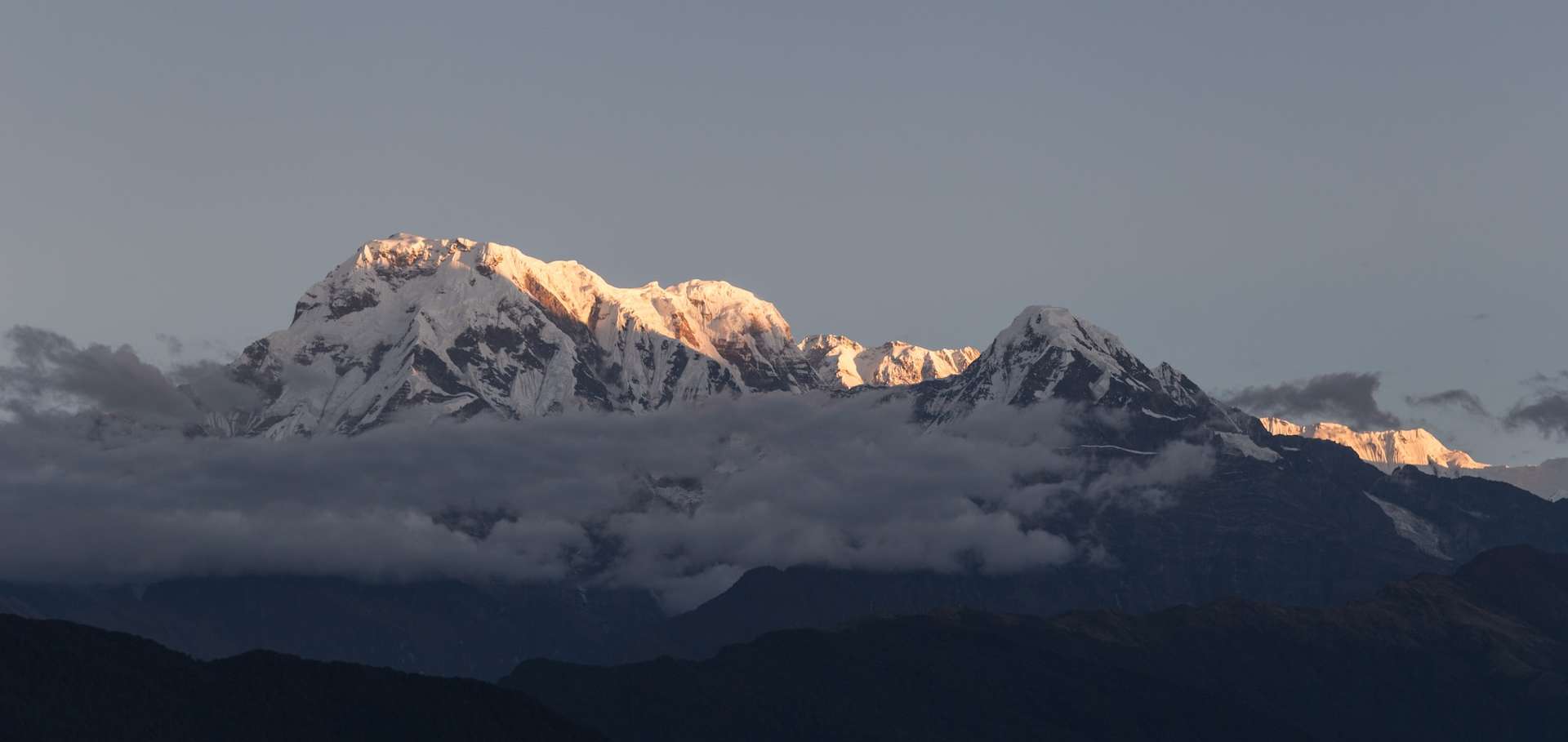
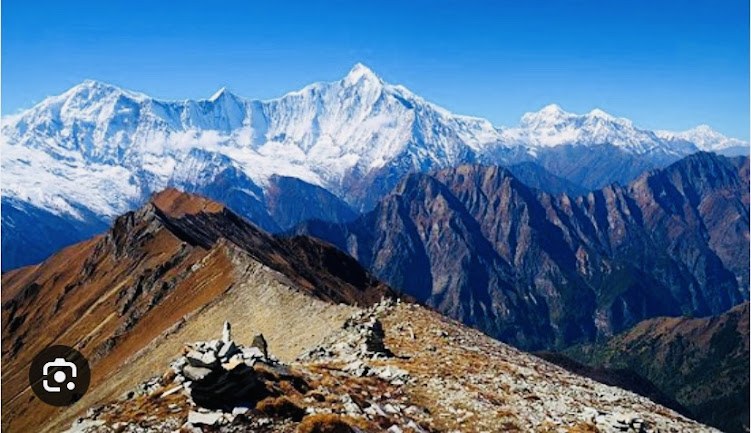
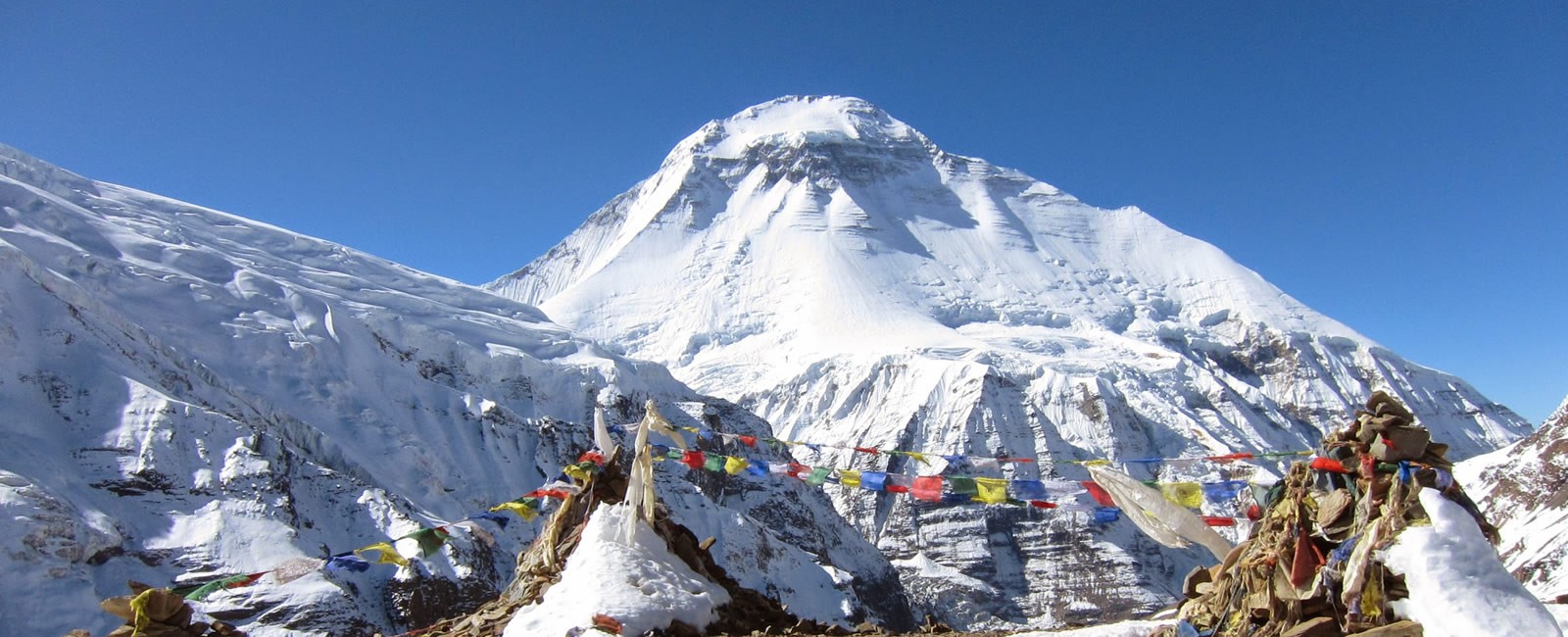
- A five-mountain skyline. Annapurna (8,091 m), Manaslu (8,163 m), Dhaulagiri (8,167 m) and Himlung Himal (7,126 m) all appear across the trek, often from the same ridge.
- Deep Tibetan culture. Nar and Phu are Bhote villages — descendants of Tibetan migrants — with their own dialect, dress and monastic traditions, largely undiluted by tourism infrastructure.
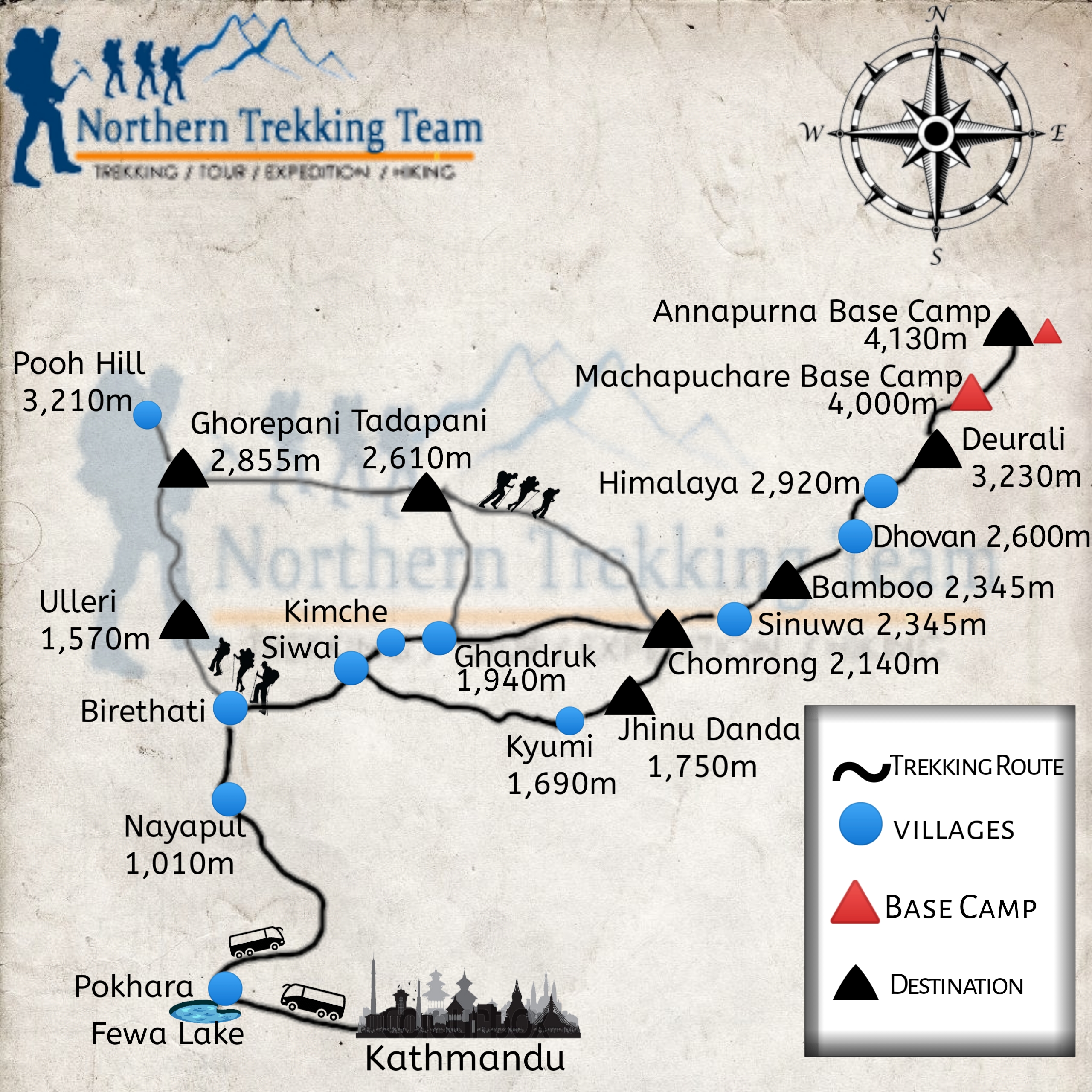
Route note: Nar Phu is a restricted area layered onto the classic Annapurna Circuit route. This itinerary loops out to Phu, back through Nar, and rejoins the circuit at Ngawal before exiting via Pisang and Besisahar. It can be shortened to around 9 days for stronger groups — ask us about a faster itinerary if time is tight.
11-Day Nar Phu Valley Trek Itinerary
This is the itinerary we run at Northern Trekking Team, built around safe acclimatisation and the best village stays rather than distance covered.
Itinerary Summary Table
| Day | Route | Elevation | Notes |
|---|---|---|---|
| 1 | Arrival in Kathmandu | 1,400 m | Airport transfer, briefing |
| 2 | Drive Kathmandu → Koto | 2,600 m | Full-day drive via Besisahar |
| 3 | Trek Koto → Meta | 3,560 m | Through canyon and forest trail |
| 4 | Trek Meta → Phu | 4,080 m | Past chortens and old monasteries |
| 5 | Acclimatisation day in Phu | 4,080 m | Optional hike to Himlung Himal Base Camp |
| 6 | Trek Phu → Nar Phedi | 3,490 m | Retrace the trail, visit monasteries en route |
| 7 | Trek Nar Phedi → Nar | 4,110 m | Past painted, bamboo-topped chortens |
| 8 | Trek Nar → Ngawal via Kang La Pass | 3,660 m (pass 5,240 m) | The trek's high point and hardest day |
| 9 | Trek Ngawal → Pisang, drive to Besisahar | 760 m | Via Ghyaru viewpoint, then road transfer |
| 10 | Drive Besisahar → Kathmandu | 1,400 m | Approx. 6-hour drive |
| 11 | Final departure | — | Airport transfer for your flight home |
Day-by-Day Detail Itinerary
Day 1 — Arrival in Kathmandu (1,400 m)
Our representative meets you at Tribhuvan International Airport and transfers you to your hotel. The rest of the day is yours, with a trek briefing to run through the days ahead.
Day 2 — Drive from Kathmandu to Koto (2,600 m)
A full day on the road along the Annapurna Circuit route, on what is genuinely one of Nepal's more dramatic drives. Koto is the checkpoint village where the Nar Phu side valley branches off, and where your Restricted Area Permit is first checked.
Day 3 — Trek from Koto to Meta (3,560 m)
The trek proper begins early. The trail follows a narrow canyon beneath a wide waterfall before climbing a steep hill; Meta sits just beyond it, with your first proper view of snow-capped peaks opening up ahead.
Day 4 — Trek from Meta to Phu (4,080 m)
A dramatic day through Tibetan chortens, weathered monasteries and old pilgrimage markers before the trail delivers you to Phu — a walled, ancient village that feels like stepping back several centuries.
Day 5 — Acclimatisation day in Phu (4,080 m)
A built-in rest day at altitude. Explore Phu's narrow lanes and stone houses, and — for those with energy to spare — hike toward Himlung Himal Base Camp, where sightings of wild blue sheep are common.
Day 6 — Trek from Phu to Nar Phedi (3,490 m)
Retrace the trail back down the valley to Nar Phedi, a small settlement built around Tibetan monastic tradition. There's time to visit the local monasteries and gompas before dark.
Day 7 — Trek from Nar Phedi to Nar (4,110 m)
A climb up to Nar past painted, bamboo-topped chortens. Nar is the larger and older of the two namesake villages, with good food and lodging and a strong sense of its own history.
Day 8 — Trek from Nar to Ngawal (3,660 m) via the Kang La Pass (5,240 m)
The defining day of the trek. An early start, well before sunrise, is needed to reach the Kang La Pass safely. The trail itself isn't technical, but the altitude makes it feel harder than the gradient suggests. From the pass, the descent into Ngawal drops you back onto the classic Annapurna Circuit, in a beautiful Tibetan-plateau-style village.
Day 9 — Trek from Ngawal to Pisang (3,250 m), drive to Besisahar (760 m)
A shorter trekking day via Ghyaru, a village with excellent mountain views, before dropping to Pisang. From there, it's a road transfer back down to Besisahar for a comfortable night in a hotel.
Day 10 — Drive from Besisahar to Kathmandu
Around six hours on the road back to Kathmandu, with the trek's villages, culture and mountain views to look back on. The afternoon is free once you arrive.
Day 11 — Final departure
Our airport representative transfers you to Tribhuvan International Airport roughly three hours before your scheduled flight home.
Want to shorten this to 9 days, add extra acclimatisation, or combine it with a few days in Pokhara or Chitwan? We customise it — tell us your dates.
Nar Phu Valley Trek Permits (2026)
Unlike most Annapurna-region treks, Nar Phu is a restricted area. That means more paperwork, a mandatory guide and a minimum group size — but your agency handles all of it.
Permits You Need
| # | Permit | Issued by | Purpose |
|---|---|---|---|
| 1 | Restricted Area Permit (RAP) | Department of Immigration, Nepal | Entry to the restricted Narpa and Nasho rural municipalities |
| 2 | Annapurna Conservation Area Permit (ACAP) | NTNC / Nepal Tourism Board | Entry to the wider Annapurna Conservation Area |
A TIMS card is generally not required separately for restricted areas, since the RAP already records trekker information at government checkpoints.
2026 Permit Fees (indicative)
| Permit | Cost |
|---|---|
| RAP — September to November (peak season) | USD 100 for the first 7 days, then USD 15 per extra day |
| RAP — December to August (off-season) | Typically lower than peak-season rates |
| ACAP | Approx. USD 25 per person (one-time fee) |
Both permits are included in the Northern Trekking Team package price — you do not pay these separately.
Important notes:
- The RAP can only be applied for by a registered Nepali trekking agency; independent or solo applications are not accepted.
- A minimum of two trekkers is required to obtain the permit — genuine solo trekking in Nar Phu is not possible.
- Fees are per person and tied to the number of days spent inside the restricted area, so route changes can affect cost — confirm your exact itinerary with us before booking.
- Permit fees and rules are revised periodically by the Nepal government; we'll confirm current requirements before you travel.
Do You Need a Guide?
Yes — for two separate reasons. Nepal requires a licensed guide for all conservation-area treks, and the Restricted Area Permit itself cannot be issued without one. On this trip, an experienced guide is included as standard, along with their salary, food, accommodation, transport and insurance.
Documents Required
- Passport valid at least six months beyond your travel dates
- Nepal visa (available on arrival at Kathmandu airport)
- Passport-sized photographs (bring spares — checkpoints may ask for extras)
- Travel insurance certificate covering trekking and emergency evacuation at altitude
Because the RAP is checkpoint-verified at Koto and along the trail, carry your permits with you at all times, not packed away in your duffel.
Nar Phu Valley Trek Cost Breakdown
Package Cost
Nar Phu Valley trekking packages typically range from USD 1,500 to USD 3,500 per person, depending on:
- Group size — per-person cost drops as the group grows
- Season — RAP fees and lodge rates run higher in the September–November peak
- Comfort level — budget teahouse packages sit at the low end; premium service with better lodges and more flexibility sits higher
- Trek length — the standard 11-day loop versus a compressed 9-day version
Prices change with season, permit fees and group size. Request a live quote for your dates.
What the Package Includes
- Airport pickup and drop by car/van
- 2 nights' standard hotel in Kathmandu, twin sharing, with breakfast (arrival day and after the trek)
- All lodge/teahouse accommodation during the trek
- Farewell dinner in Kathmandu
- Daily meals — breakfast, lunch and dinner — plus 3 cups of tea/coffee per day on trek
- Local fresh fruit (orange, apple, banana, grapes)
- Sleeping bag, down jacket and duffel bag (refundable loan)
- First aid kit, trekking T-shirt, trekking map and water bottle
- All permits and paperwork, including the Restricted Area Permit and ACAP
- Experienced, licensed guide, with salary, food, drinks, accommodation, transport and insurance covered
- Kathmandu–Koto and Besisahar–Kathmandu transfers by shared jeep or bus
What Is Excluded
- International airfare and airport taxes
- Nepal entry visa fee
- Lunch and dinner in Kathmandu
- Porter (optional — approx. USD 162 per porter, carrying up to 20–25 kg)
- Health and travel insurance (strongly recommended, and required for the RAP application)
- Personal trekking gear
- Personal expenses — laundry, Wi-Fi, phone calls, bar bills, alcohol, cold drinks, hot showers, camera and phone battery charging
- Anything not listed under inclusions
Personal Spending on Trek
With meals, lodging, permits and staff already covered, daily spending on the trail is mostly incidental:
| Item | Typical cost |
|---|---|
| Bottled or soft drinks | NPR 150–400 |
| Hot shower (where available) | NPR 200–500 |
| Battery/phone charging | NPR 200–400 |
| Souvenirs in Nar or Phu | NPR 500–2,000 |
Tipping: 10% of the package cost is customary, with the guide typically receiving roughly double the porter's share. Bring cash in Nepali rupees, handed over on the last day.
Carry enough cash before you leave Besisahar or Koto. There are no ATMs once you're inside the restricted area, and lodges do not take cards.
Best Time for the Nar Phu Valley Trek
| Season | Months | Conditions | Verdict |
|---|---|---|---|
| Autumn | Sep–Dec | Clear skies, stable weather, sharp mountain views | Best overall |
| Spring | Mar–May | Warmer days, good visibility, occasional afternoon cloud | Excellent |
| Winter | Jan–Feb | Kang La Pass may be snowbound and unsafe to cross | Avoid |
| Monsoon | Jun–Aug | Heavy rain, landslide risk on the Besisahar–Koto road, obscured views | Avoid |
Best single months: October and November, then April and May.
Because the route crosses a 5,240 m pass, timing matters more here than on lower Annapurna treks — a late-season snowfall can close the Kang La Pass entirely, so autumn and spring are genuinely the only reliable windows.
How Difficult Is the Nar Phu Valley Trek?
Moderate to challenging. This is not a first Himalayan trek, and it's rated the way it is for four reasons:
- High altitude. You spend several nights above 3,500 m and cross a pass at 5,240 m — real altitude, with a genuine acclimatisation day built in at Phu.
- Remote terrain. Narrow canyon trails, exposed sections and long, isolated stretches between villages, with limited rescue infrastructure compared to the main Annapurna Circuit.
- A demanding pass day. The Kang La Pass crossing is long, starts before dawn, and needs settled weather.
- Longer trekking days. Several days run 5–7 hours, on rougher trail than the well-paved lower Annapurna routes.
The one section to respect most is Day 8 — the Kang La Pass. It isn't technical, but altitude, cold and an early start combine to make it the hardest day of the trip.
Preparation (start 6–8 weeks out)
- Build a base of regular cardio — hiking, running or cycling, 4–5 times a week
- Add back-to-back long hikes on weekends (5–7 hours), ideally with a loaded daypack
- Include hill or stair training to prepare for sustained ascents and descents
- Practise at altitude beforehand if you can — even a few days above 3,000 m helps
- Break in your boots fully; blisters compound quickly on multi-day remote trails
- Strength-train legs and core — squats, lunges, step-ups — twice a week
Anyone in good general fitness with some multi-day trekking experience, ideally at altitude, is well suited to this trek.
Accommodation and Food
Lodges on this route are simple teahouses, not the boutique properties you'd find on lower Annapurna trails — expect basic but adequate comfort, especially past Koto.
- Simple twin rooms, often with shared bathrooms in the more remote villages
- Hot showers where available, usually for a small extra charge
- Dining rooms centred on a wood stove — the social hub of every lodge
- Electricity for charging is limited in the highest villages and may cost extra
- No reliable Wi-Fi once past Koto; expect to be offline for several days
Food is straightforward mountain fare, included throughout as breakfast, lunch and dinner:
- Dal bhat, Nepal's staple rice-lentil meal, available everywhere and often the best option at altitude
- Noodle soups, momos, and simple pasta dishes
- Tibetan-influenced dishes in Nar and Phu, reflecting the valley's Bhote culture
- Three cups of tea or coffee per day included on trek
- Local fresh fruit supplied where available
Dietary requirements can be accommodated with advance notice, but options narrow considerably above Koto — let us know at booking so we can plan accordingly.
Essential Packing List
Nar Phu demands proper high-altitude kit — closer to a full trekking-peak packing list than a teahouse trek at lower elevation.
Clothing
- 3–4 quick-dry trekking shirts
- Fleece jacket and a warm base layer
- Down jacket (provided on loan)
- Waterproof/windproof outer jacket and pants
- Long thermal underwear (2 sets)
- Warm hat, sun hat, gloves (including a warm waterproof pair for the pass)
- 4–5 pairs of trekking socks
Footwear
- Sturdy, broken-in trekking boots with good ankle support
- Camp shoes or sandals for evenings
Gear
- 30–40 L daypack
- Trekking poles — essential for the pass day and canyon descents
- Sleeping bag (provided on loan) rated for sub-zero temperatures
- Reusable water bottle plus purification tablets or a filter
- Sunglasses (category 3–4 for the pass), SPF 30+ sunscreen, lip balm
- Headlamp with spare batteries
- Power bank
- Basic first aid kit, including blister care and altitude medication if prescribed
Documents & Health
- Passport, visa, spare passport photos
- Travel insurance certificate covering high-altitude trekking and evacuation
- Personal medication, diarrhoea and altitude remedies, rehydration salts
Your main bag goes with the shared transport; personal trekking gear travels with you or your porter if you hire one.
Culture and Etiquette in Nar and Phu
Nar and Phu are Bhote villages — Tibetan Buddhist communities that have lived largely apart from the rest of Nepal's trekking economy. A few courtesies matter more here than on busier trails:
- Greet people with "Namaste", palms together
- Ask permission before photographing people, homes or private religious spaces
- Walk clockwise around chortens, mani walls and monasteries
- Remove shoes before entering monasteries and private homes
- Dress modestly, especially near religious sites
- Support local guesthouses and small shops directly rather than bringing everything from Kathmandu
- Carry all rubbish, including batteries and packaging, back out with you
The Tashi Lhakhang Monastery near Phu is one of the trip's cultural highlights — treat it, and the communities around it, with the same respect you'd bring to any active place of worship.
Frequently Asked Questions
1. Is the Nar Phu Valley Trek suitable for beginners?
Not ideally. It's rated moderate to challenging, crosses a 5,240 m pass, and involves remote, less-supported terrain. Trekkers with some prior high-altitude experience will get the most out of it.
2. How much does the Nar Phu Valley Trek cost?
Packages typically run USD 1,500–3,500 per person depending on group size, season and comfort level. Request a quote for your dates.
3. What permits do I need, and are they included?
A Restricted Area Permit (RAP) and an Annapurna Conservation Area Permit (ACAP). Both are arranged by us and included in the package price.
4. Can I trek Nar Phu solo?
No. The Restricted Area Permit requires a minimum of two trekkers and a licensed guide arranged through a registered agency — solo, independent trekking is not permitted here.
5. Is there a risk of altitude sickness?
Yes — this is a genuine altitude concern, given nights above 3,500 m and a 5,240 m pass. A dedicated acclimatisation day in Phu is built into the itinerary, and your guide monitors for symptoms throughout.
6. Can this itinerary be shortened?
Yes, a compressed 9-day version is possible for stronger, well-acclimatised groups. Ask us about a faster itinerary.
7. Is there Wi-Fi or phone signal on the trek?
Limited. Coverage largely disappears past Koto, and lodges in Nar and Phu rarely have reliable Wi-Fi — plan on being offline for several days.
8. Do I need a sleeping bag?
Yes, though one is provided on loan as part of the package, rated for the cold nights at altitude.
9. What's the biggest physical challenge on this trek?
The Kang La Pass on Day 8 — a long, high, early-start day that combines altitude, cold and distance in one push.
10. Can I combine this with other trips in Nepal?
Yes. The trek starts and ends in Kathmandu, leaving room to add Pokhara, Chitwan, or extra sightseeing before or after. Ask us to build the full itinerary.
Ready for Nepal's Hidden Valley?
The Nar Phu Valley Trek is what's left of the Himalaya before it was on every travel list — fortress villages, a genuine high pass, and Tibetan culture that hasn't been reshaped for trekkers. Eleven days, one restricted valley, and views of four 8,000 m giants along the way.
👉 View full trip details, dates and prices — Nar Phu Valley Trek
📞 Call or WhatsApp: +977 9842907439 | ✉️ info@northerntrekkingteam.com
Recent From Nar Phu Valley Trek: 11-Day Itinerary, Cost & Permits
Jun 27, 2022
Jun 27, 2022

Jul 19, 2022
Sep 20, 2025
Jan 03, 2023
Feb 03, 2023
Feb 17, 2023
Feb 23, 2023
Mar 03, 2023
Mar 14, 2023
Mar 20, 2023
Mar 28, 2023
Apr 06, 2023
Jul 31, 2023
Aug 28, 2023

Jan 04, 2026


Mar 10, 2026
Mar 10, 2026



Apr 03, 2026
Sep 10, 2026