15th Sep, 2026
How Long is the Gokyo Lake Trek? Distance and Duration
Gokyo Lake Trek – A Himalayan Lakes and Glacier Adventure
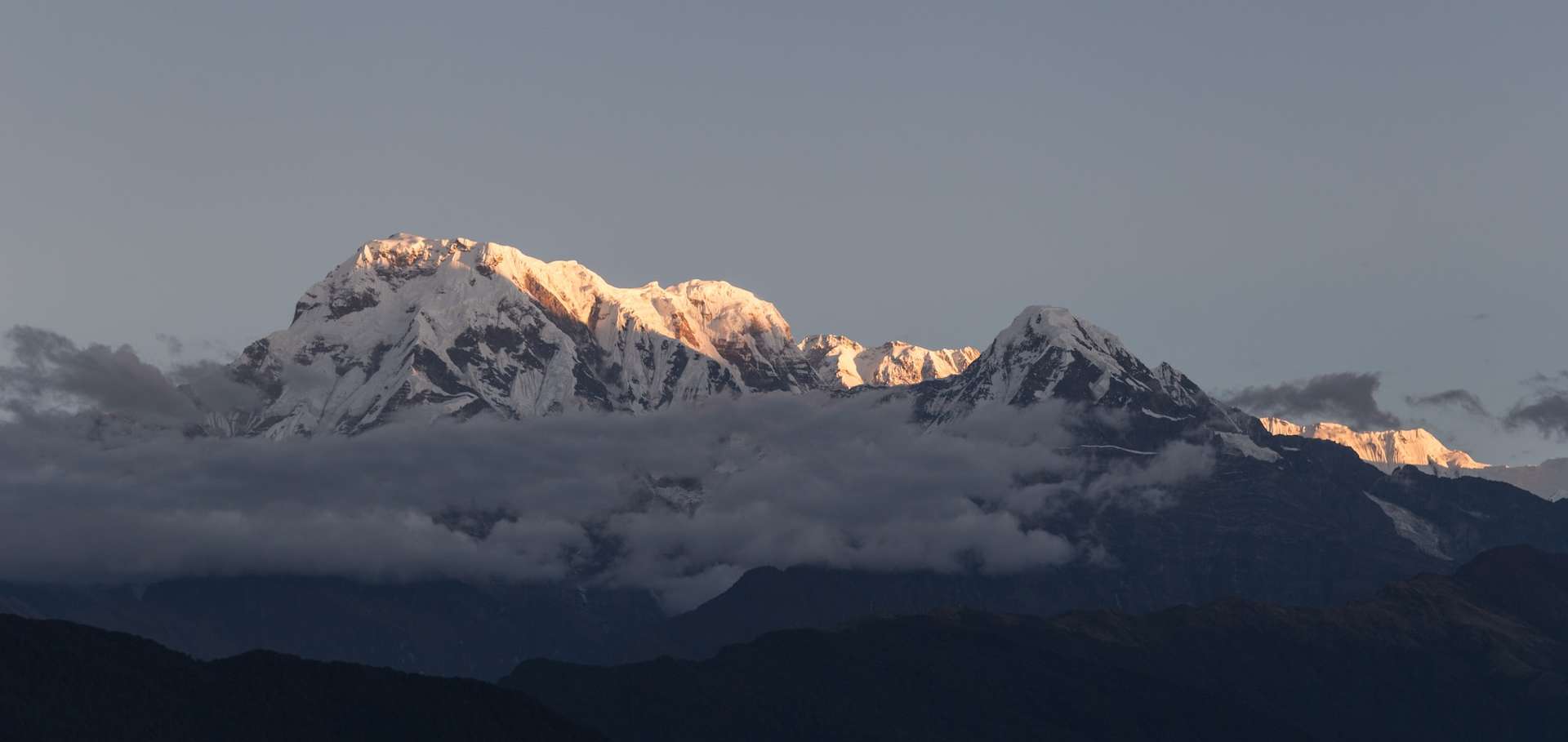
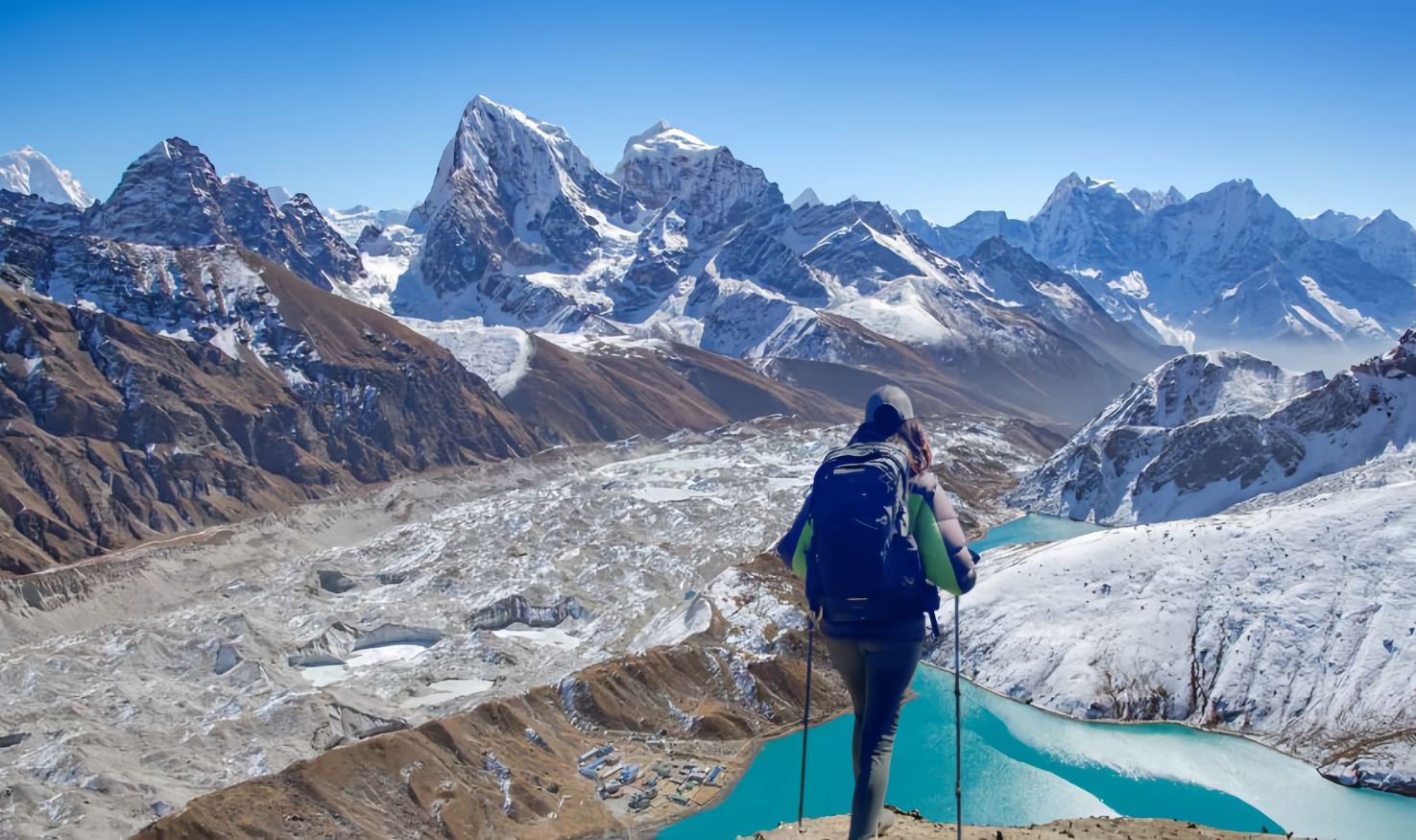
The Gokyo Lake Trek offers one of the most scenic ways to experience the Everest region without walking all the way to Everest Base Camp. The trek begins with a short, scenic 35-minute flight from Kathmandu to Lukla (2,860 m), the gateway to the Khumbu region. From there the trail follows the Dudh Koshi River through Namche Bazaar and up the Gokyo Valley before returning to Lukla for the flight back to Kathmandu. The total Gokyo Lake trekking distance is approximately 70–75 miles (112–120 km) round trip, depending on the exact route taken.
Table of Contents
Trekking Highlights:
- Reach the turquoise Gokyo Lakes at 4,750 m, one of the highest freshwater lake systems in the world
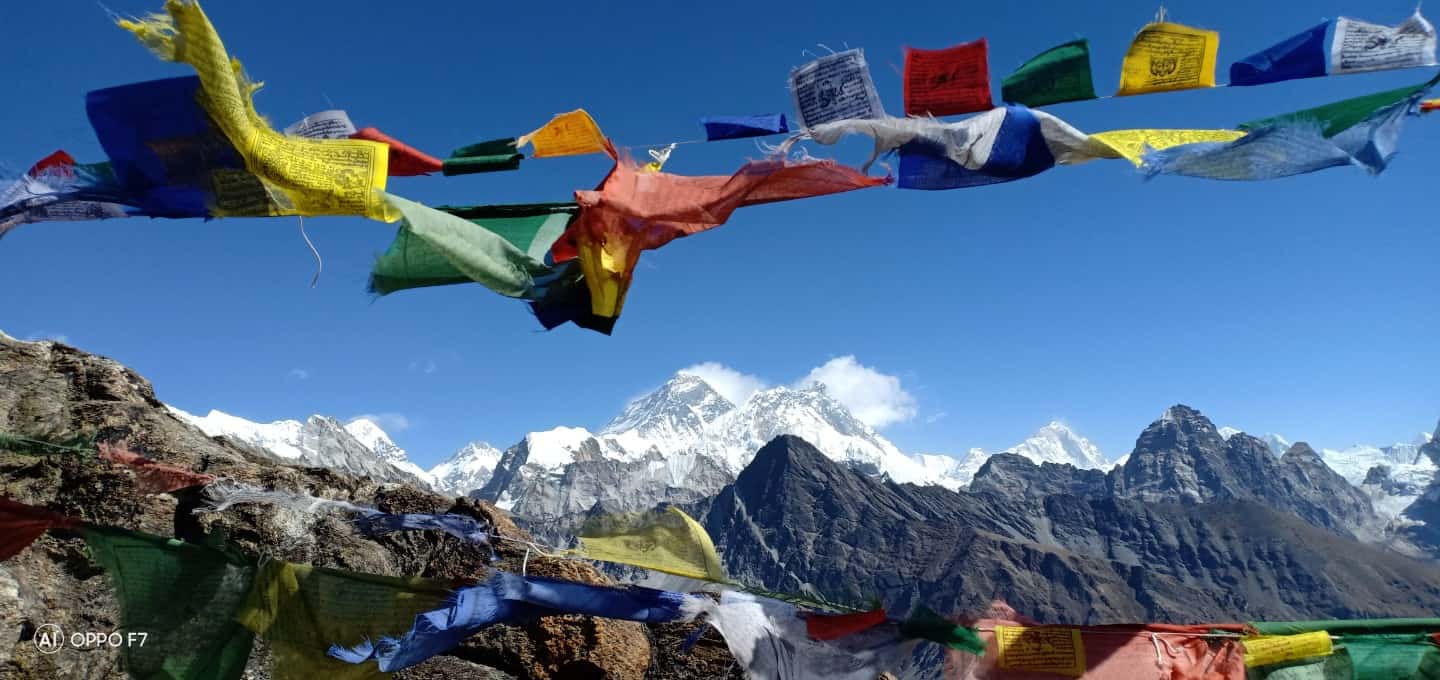
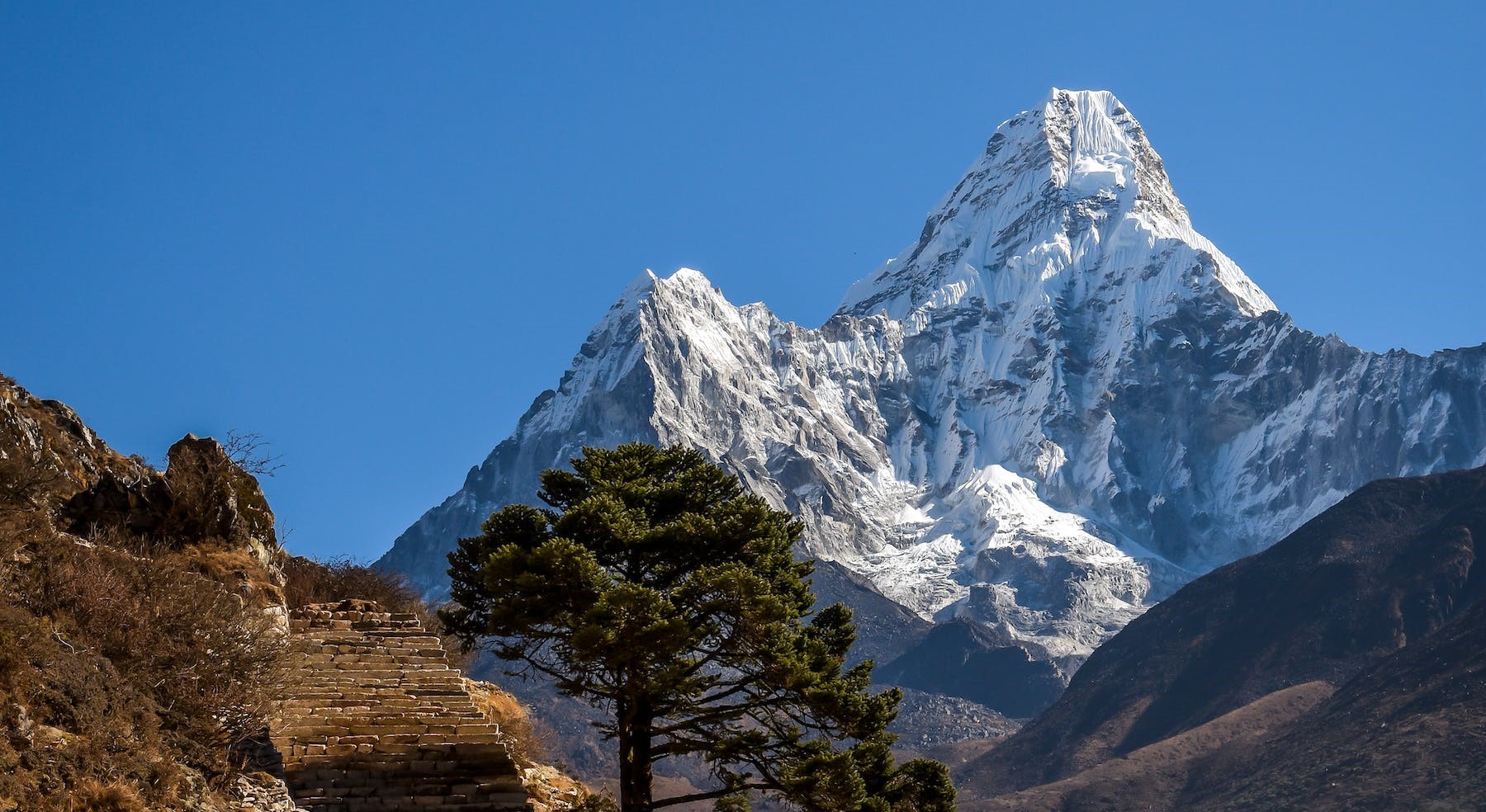
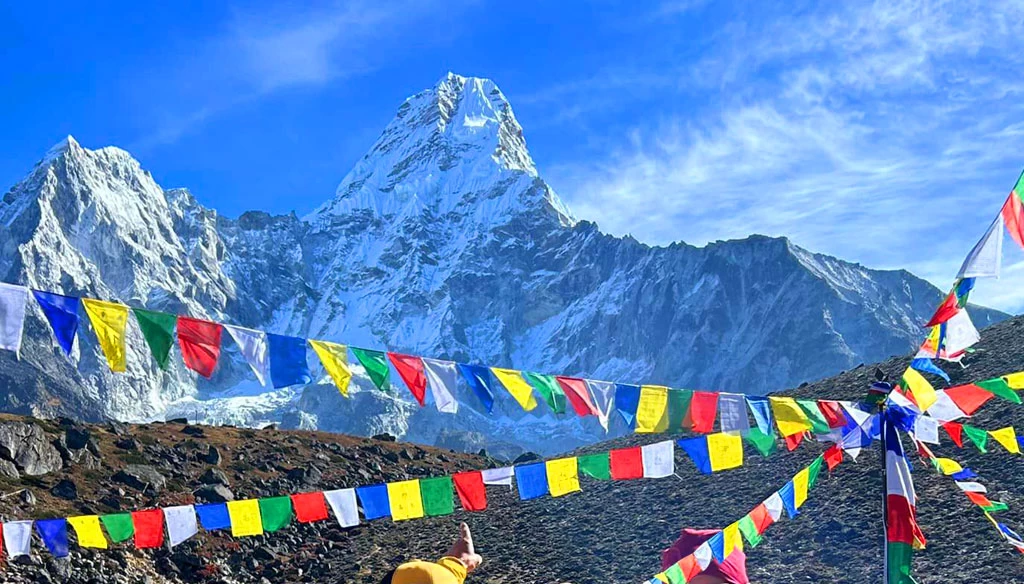
- Climb Gokyo Ri (5,357 m) for panoramic views of Everest, Lhotse, Makalu, Cho Oyu, and Ama Dablam
- Cross the Ngozumpa Glacier, the longest glacier in the Himalayas
- Explore Sherpa culture in Namche Bazaar, Dole, and Gokyo village
- Visit the Sherpa Museum in Namche Bazaar
- See the school established by Sir Edmund Hillary at Khumjung village
- Walk through Sagarmatha National Park, home to diverse Himalayan flora and fauna
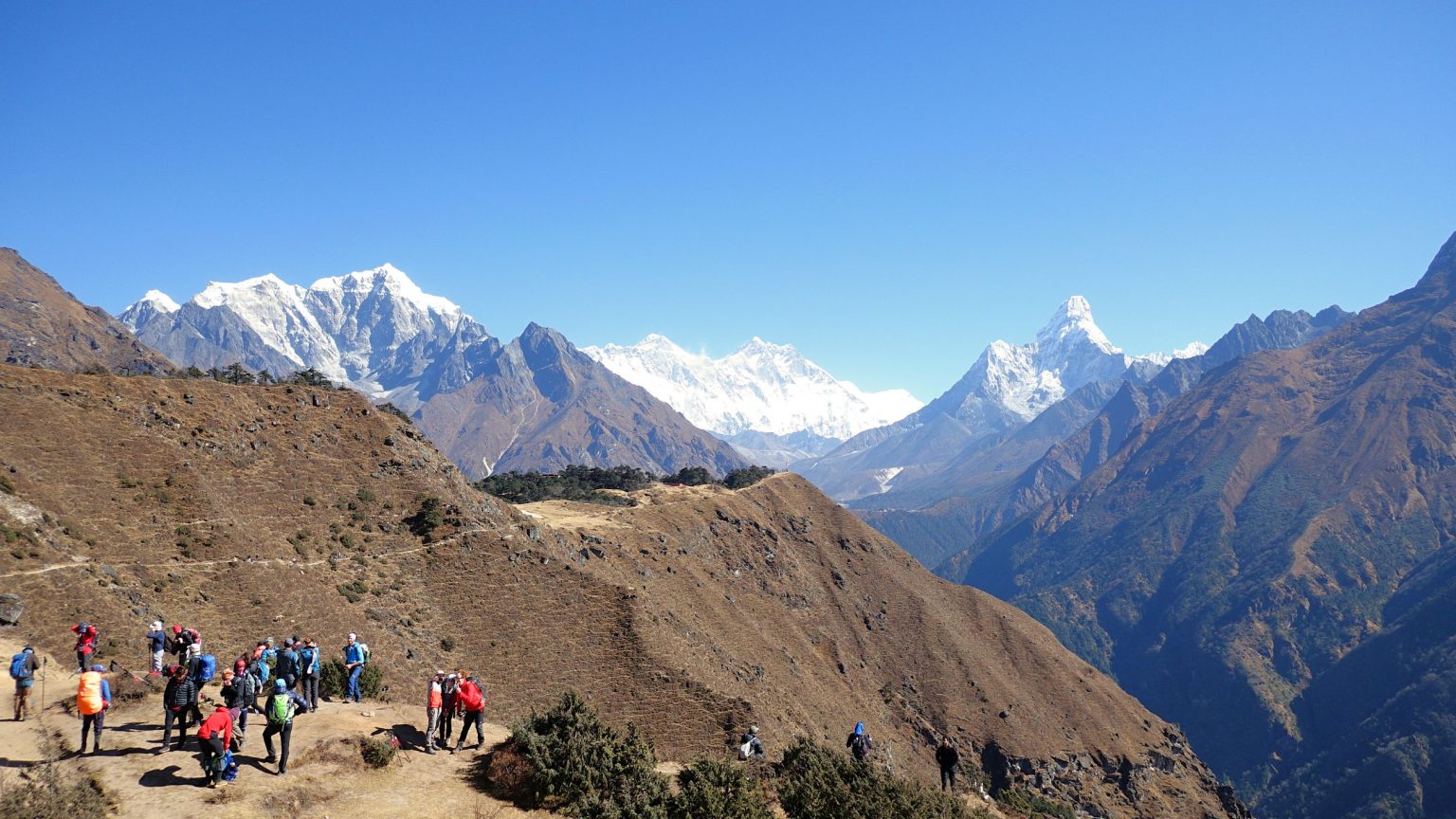
- Enjoy the same iconic Khumbu scenery as the Everest Base Camp Trek, on a quieter trail
Trail Conditions and Difficulty
The Gokyo Lake Trek trail climbs steadily from Lukla up the Dudh Koshi valley through Namche Bazaar, Dole, and Machhermo before reaching Gokyo village and, beyond it, the Ngozumpa Glacier. The most demanding section is the pre-dawn climb up Gokyo Ri, a steep 2- to 3-hour ascent rewarded with sweeping Himalayan panoramas. The trek is rated moderate in difficulty, and good general fitness combined with proper acclimatization is what matters most for a safe and enjoyable trip.
Food and Accommodation:
- Stay in teahouses and lodges throughout the trek, with basic twin-share rooms
- Enjoy three meals a day — Dal Bhat, Tibetan bread, soups, momos, pasta, and even pizza on the trail
- Hot showers, Wi-Fi, and phone charging are available at most teahouses, usually for a small extra charge
Trekking Time and Daily Overview:
- Total trekking time: 12 days, including flights
- Average daily hike: 3–7 hours
- Average walking distance daily: 6–18 km
- Maximum elevation: Gokyo Ri, 5,357 m (17,575 ft)
Transportation:
- Scenic flight from Kathmandu to Lukla: around 35 minutes
- Return flight from Lukla to Kathmandu: around 35 minutes
- During peak season, Lukla flights may operate from Ramechhap airport, roughly 4–5 hours east of Kathmandu by road
Best Time for the Gokyo Lake Trek:
- Autumn season (September through November) — clear skies and the most stable mountain weather
- Spring season (March through May) — pleasant temperatures and good visibility
- These months offer the safest conditions and the best views of the surrounding peaks and lakes
Permits and Guide Requirement:
- Sagarmatha National Park Permit
- Khumbu Pashang Lhamu Rural Municipality entry fee
- A licensed, English-speaking guide is arranged as part of every trek package
- One porter per two trekkers is included to carry shared luggage
How Long is the Gokyo Lake Trek?
The Gokyo Lake Trek with Northern Trekking Team runs as a well-paced 12-day itinerary, including the Kathmandu–Lukla flights on either end. The trek starts at Lukla (2,860 m) and climbs steadily to Gokyo village (4,800 m), with Gokyo Ri (5,357 m) as the highest point of the journey.
Important stops along the way include Phakding (2,643 m), Namche Bazaar (3,440 m), Phortse Thanga (3,680 m), and Machhermo (4,470 m), before reaching Gokyo (4,800 m) and the turquoise Gokyo Lakes. One acclimatization day is built in at Namche Bazaar, and a second day at Gokyo is set aside for the climb to Gokyo Ri and further exploration of the upper lakes.
The return route retraces the trail back through Dole and Namche Bazaar to Lukla, before flying back to Kathmandu. This trek offers dramatic mountain scenery, glacier views, and rich Sherpa culture without the crowds of the classic Everest Base Camp route. It's best done in spring (Mar–May) or autumn (Sep–Nov) for stable weather and the clearest mountain views.
Gokyo Lake Trek Distance, Duration, and Altitude
The full route from Lukla back to Lukla covers roughly 112–120 km on foot, with two short flights bookending the trek. Below is a day-by-day distance, time, and elevation summary based on the standard 12-day itinerary.
| Day / Route | Distance (Hours) | Elevation |
|---|---|---|
| Day 1: Arrival in Kathmandu | — | 1,400 m |
| Day 2: Fly to Lukla – Trek to Phakding | 7.8 km (3–4 hrs) | 2,860 m → 2,643 m |
| Day 3: Phakding – Namche Bazaar | 11 km (6–7 hrs) | 3,440 m |
| Day 4: Acclimatization in Namche Bazaar | ~3 hrs hiking | 3,440 m |
| Day 5: Namche Bazaar – Phortse Thanga | 7.4 km (5–6 hrs) | 3,680 m |
| Day 6: Phortse Thanga – Machhermo | 6 km (5–6 hrs) | 4,470 m |
| Day 7: Machhermo – Gokyo | 7 km (3 hrs) | 4,800 m |
| Day 8: Acclimatization – Hike to Gokyo Ri | — | 5,357 m |
| Day 9: Gokyo – Dole | 12 km (6–7 hrs) | 4,040 m |
| Day 10: Dole – Namche Bazaar | — (5–6 hrs) | 3,440 m |
| Day 11: Namche Bazaar – Lukla | 18 km (6–7 hrs) | 2,860 m |
| Day 12: Fly to Kathmandu | — | 1,400 m |
Gokyo Lake Trek Itinerary with Distance and Elevation: Daily Route Plan
How Many Acclimatization Days Do I Need on the Gokyo Lake Trek?
Two acclimatization days are built into the standard Gokyo Lake Trek itinerary — one at Namche Bazaar (3,440 m) and one at Gokyo (4,800 m). These are essential stops for the body to adjust before climbing higher toward Gokyo Ri (5,357 m).
The Namche Bazaar acclimatization day includes a hike up to the Everest View Hotel (3,880 m) for a coffee with a view of Mt. Everest, followed by a visit to Khumjung village and its monastery, before returning to explore Namche's monasteries and Sherpa Museum. The Gokyo acclimatization day is centered on the climb to Gokyo Ri, along with a visit to the fourth Gokyo Lake and views of Cho Oyu, Gyachung Kang, and the Ngozumpa Glacier.
- These two acclimatization days are your best insurance against altitude sickness before reaching Gokyo Ri (5,357 m). Don't skip them.
- Proper acclimatization on the Gokyo Lake Trek increases both safety and enjoyment at the highest points of the trip.
Are You Planning Some Side Trips During the Gokyo Lake Trek?
Consider these alternative routes for a different experience
Trekkers with extra time or a taste for adventure can combine the Gokyo Lake Trek with nearby routes:
- Option 1: Gokyo Renjo La Pass Trek – This route combines the beauty of Gokyo with the thrill of crossing Renjo La Pass, offering a less crowded, equally scenic alternative path to Gokyo with stunning views of the Everest massif.
- Option 2: Everest Base Camp with Gokyo Lakes Trek – A comprehensive journey combining the iconic Everest Base Camp with the tranquil Gokyo Lakes, ideal for trekkers who want the best of both experiences on one trip.
- Option 3: Short Everest Base Camp Trek – For those with less time, this condensed route covers the highlights of the Everest region, including Namche Bazaar and Tengboche, in a shorter time frame.
Each of these alternatives offers a different pace and focus while sharing the same spectacular Khumbu scenery. Talk to your guide about combining routes if your schedule allows more time on the trail.
Allocate Extra Days for Unforeseen Circumstances
It's wise to plan for a buffer day or two around any Gokyo Lake Trek itinerary. The trek covers close to 120 km at altitudes reaching 5,357 m, and a few things can affect the schedule:
- Flight delays are common on the Kathmandu–Lukla route. Mountain weather conditions or technical issues can ground flights with little notice.
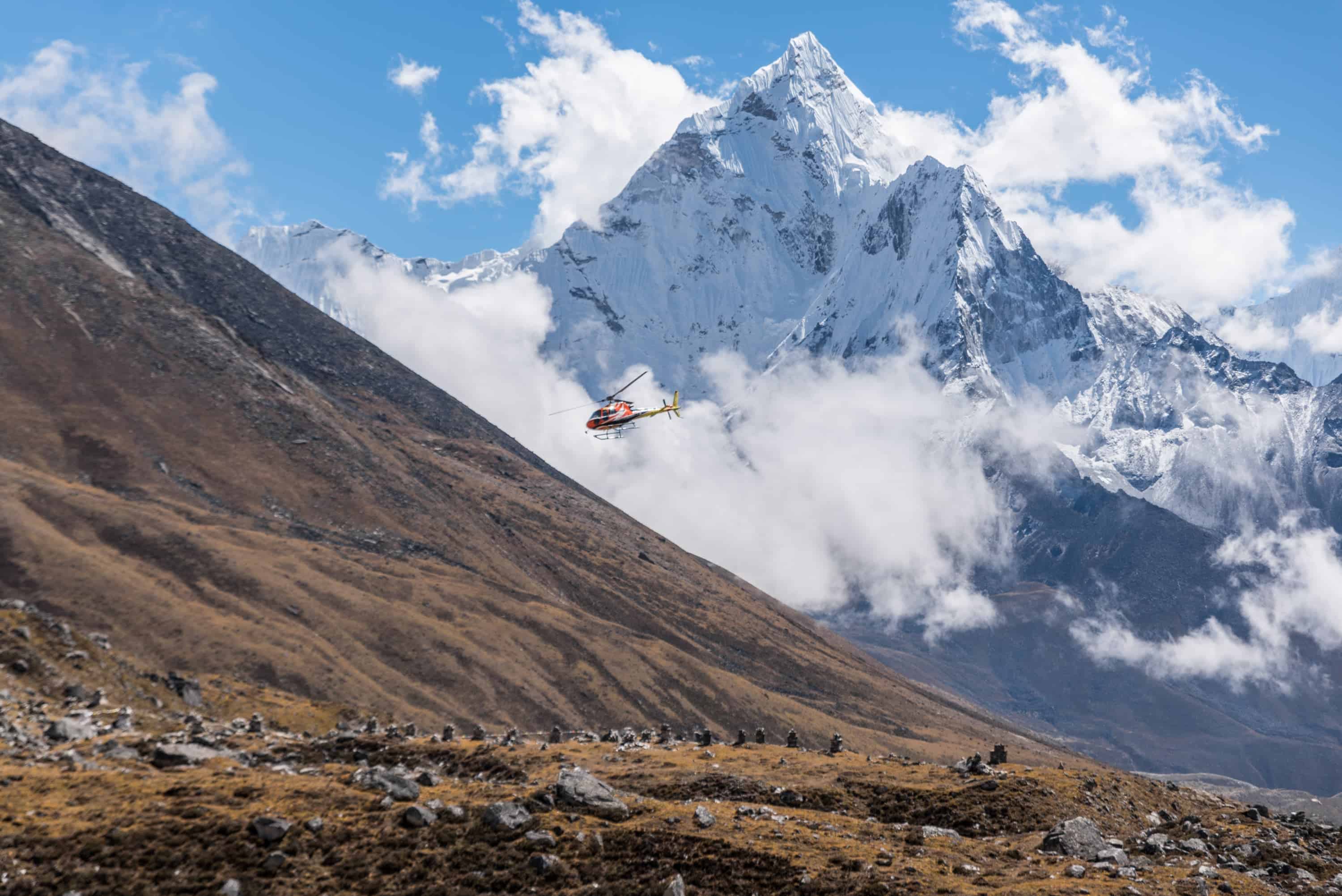
- In case of flight cancellation, a helicopter can be arranged to maintain your schedule, at an extra shared cost among passengers.
- Altitude symptoms may slow the pace above 4,000 m, particularly around Machhermo or Gokyo, sometimes calling for extra rest.
- Booking your Kathmandu arrival a day or two ahead of the trek departure gives a buffer against any travel delays before the trek even begins.
- A little flexibility in your schedule reduces stress and keeps the trip enjoyable, even if the mountains don't cooperate on the exact planned day.
One More Day for Kathmandu Sightseeing
Trekkers arriving in Kathmandu a day or two before the trek departs can use the extra time to explore the city's UNESCO World Heritage Sites — Kathmandu Durbar Square, Swayambhunath (the Monkey Temple), Boudhanath Stupa, and Pashupatinath Temple are all a short drive from Thamel. It's also a smart buffer against the Kathmandu–Lukla flight's weather sensitivity, since arriving early reduces the risk of missing your trek's start date. This addition pairs naturally with the Gokyo Lake Trek itinerary and can be added either before departure or after the trek wraps up.
How Long is the Flight from Kathmandu to Lukla?
The flight from Kathmandu to Lukla covers a dramatic Himalayan route and takes approximately 35 minutes. Lukla's Tenzing-Hillary Airport, built with support from Sir Edmund Hillary, is one of the most famous — and most weather-sensitive — airstrips in the world, so flight schedules can shift depending on mountain conditions. During the high season, flights to and from Lukla sometimes operate out of Ramechhap airport instead, roughly 4–5 hours east of Kathmandu by road, so it's worth confirming your departure airport ahead of time.
How Long is the Return Flight from Lukla to Kathmandu?
The return flight from Lukla to Kathmandu is also about 35 minutes in the air, though trekkers typically catch the first available flight of the morning to reduce the risk of weather-related delays later in the day. Most trekkers on the Gokyo Lake Trek arrive back in Kathmandu by mid-morning, leaving the rest of the day free to relax or explore before a farewell dinner.
Final Words
The Gokyo Lake Trek covers roughly 112–120 km round trip and takes 12 days in total, including flights, two essential acclimatization days, and the climb to Gokyo Ri (5,357 m). The trek's defining highlight is the sunrise view from Gokyo Ri over Everest, Lhotse, Makalu, Cho Oyu, and the Ngozumpa Glacier below.
Since the trek relies on short mountain flights rather than long road transfers, it's worth building in a day or two of buffer in Kathmandu — either before departure or after the trek — in case of weather-related flight delays to or from Lukla. A day of Kathmandu sightseeing pairs naturally with this extra time.
Overall, budget for around 12 to 14 days for the full, comfortable experience of the Gokyo Lake Trek. This window provides sufficient acclimatization, safer trekking toward Gokyo Ri, and enough flexibility to absorb the occasional flight delay without disrupting your travel plans.
Northern Trekking Team runs the Gokyo Lake Trek as a 12-day guided itinerary with experienced local Sherpa guides, all required national park permits, full teahouse accommodation, and complete logistical support — so you can plan your own Himalayan lakes adventure with confidence.
FAQs: "How Long is the Gokyo Lake Trek?"
1. What is the standard duration of the Gokyo Lake Trek?
The Gokyo Lake Trek usually takes 12 days from arrival in Kathmandu to the return flight from Lukla. This includes two acclimatization days and allows time to properly enjoy Gokyo Ri and the surrounding lakes. Most trekkers with Northern Trekking Team follow the 12-day itinerary.
2. How long is the Gokyo Lake Trek distance?
The Gokyo Lake Trek covers approximately 70 to 75 miles (112 to 120 km) round trip from Lukla, depending on the specific route taken. Daily distances range from around 6 km to 18 km.
3. What is the maximum altitude reached on the Gokyo Lake Trek?
The highest point is Gokyo Ri at 5,357 m (17,575 ft). The Gokyo Lakes themselves sit at around 4,750 m, and Gokyo village is at approximately 4,800 m.
4. How many acclimatization days do I need for the Gokyo Lake Trek?
Two rest days are recommended — one at Namche Bazaar (3,440 m) and one at Gokyo (4,800 m). These are important to avoid altitude sickness before the climb to Gokyo Ri.
5. Can I reach Gokyo Lake without going to Everest Base Camp?
Yes. The Gokyo Lake Trek is a standalone route that lets trekkers experience the Everest region's lakes, glaciers, and mountain views without walking all the way to Everest Base Camp.
6. Is a guide mandatory for the Gokyo Lake Trek?
While not always legally required, a licensed, English-speaking guide is included in every Northern Trekking Team package and strongly recommended for safety, navigation, and cultural insight in this high-altitude region.
7. When is the best time to do the Gokyo Lake Trek?
The best seasons are autumn (September to November) for the clearest skies and most stable weather, and spring (March to May) for pleasant temperatures and good mountain visibility.
8. How difficult is the Gokyo Lake Trek?
The trek is rated moderate. Daily walks range from 3 to 7 hours, and the toughest single stretch is the steep, high-altitude climb to Gokyo Ri. No technical climbing is required, but good fitness and careful acclimatization are essential.
9. What permits are required for the Gokyo Lake Trek?
You need the Sagarmatha National Park Permit and the Khumbu Pashang Lhamu Rural Municipality entry fee. Northern Trekking Team arranges both as part of the Gokyo Lake Trek package.
10. How long is the flight from Kathmandu to Lukla?
The scenic flight to Lukla takes about 35 minutes. During peak season, flights may operate from Ramechhap airport instead, which is roughly 4–5 hours from Kathmandu by road.
11. How long is the return flight from Lukla to Kathmandu?
The return flight is also about 35 minutes, and trekkers typically take the earliest available flight to minimize the risk of weather-related delays.
12. What should I pack for the Gokyo Lake Trek?
Pack layered clothing, a windproof and waterproof jacket, a warm down jacket, trekking boots, a sleeping bag, trekking poles, sunglasses, sunscreen, and a basic first-aid kit. Temperatures drop sharply above 4,000 m, especially around Gokyo Ri.
13. Are alternative routes possible for the Gokyo Lake Trek?
Yes. Popular options include the Gokyo Renjo La Pass Trek for a quieter alternative path, or combining the route with Everest Base Camp on the Everest Base Camp with Gokyo Lakes Trek for a longer, more comprehensive journey.
14. How much does the Gokyo Lake Trek cost?
The Gokyo Lake Trek cost can range from approximately USD 1,075 to USD 2,400 per person, depending on group size and season. Northern Trekking Team's standard 12-day package starts from around $1,449 USD.
15. Is altitude sickness a concern on the Gokyo Lake Trek?
Yes, particularly above 4,000 m approaching Gokyo and Gokyo Ri. Walk slowly, stay hydrated, take the built-in acclimatization days seriously, and watch for symptoms. Guides carry an oximeter and first-aid kit to monitor trekkers throughout the journey.
16. What kind of accommodation is available on the Gokyo Lake Trek?
Teahouses and lodges are available along the entire route, offering basic twin-share rooms with shared bathrooms in most villages (Lukla, Phakding, and Namche have attached toilets). Facilities become more basic at higher altitudes.
17. Do I need travel insurance for the Gokyo Lake Trek?
Yes. Insurance covering high-altitude trekking above 5,000 m, medical emergencies, and helicopter evacuation is mandatory, given the remote terrain and altitude reached at Gokyo Ri.
18. How should I prepare physically for the Gokyo Lake Trek?
Start training at least 15 days before departure with walking, jogging, or aerobic exercises. Good baseline fitness makes both the daily trekking days and the Gokyo Ri climb far more manageable.
19. What happens if my Lukla flight is delayed or cancelled?
Flight delays are common due to mountain weather. In case of cancellation, a helicopter can be arranged to maintain your schedule, at an additional shared cost among passengers.
20. Can I add extra days in Kathmandu before or after the trek?
Yes. Arriving in Kathmandu a day or two before departure is recommended as a buffer against flight delays, and it's a great opportunity to explore the valley's UNESCO World Heritage Sites at a relaxed pace.
Recent From How Long is the Gokyo Lake Trek? Distance and Duration
Jun 27, 2022
Jun 27, 2022

Jul 19, 2022
Sep 20, 2025
Jan 03, 2023
Feb 03, 2023
Feb 17, 2023
Feb 23, 2023
Mar 03, 2023
Mar 14, 2023
Mar 20, 2023
Mar 28, 2023
Apr 06, 2023
Jul 31, 2023
Aug 28, 2023

Jan 04, 2026


Mar 10, 2026
Mar 10, 2026



Apr 03, 2026
Sep 10, 2026