
1st Oct, 2026
Is Altitude Sickness a Risk on the Ama Dablam Base Camp Trek?
The Short Answer: Yes, But It Is Manageable
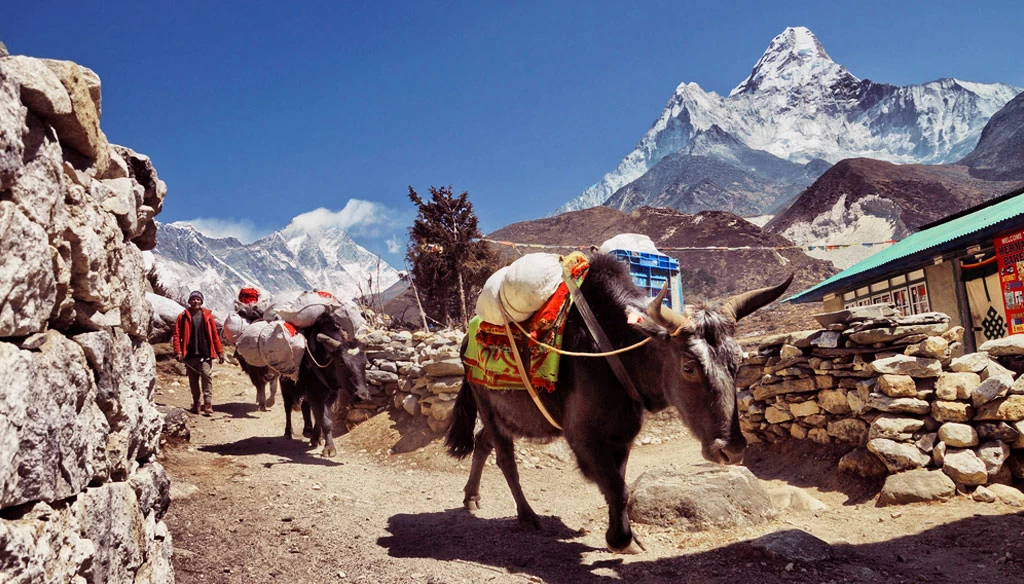
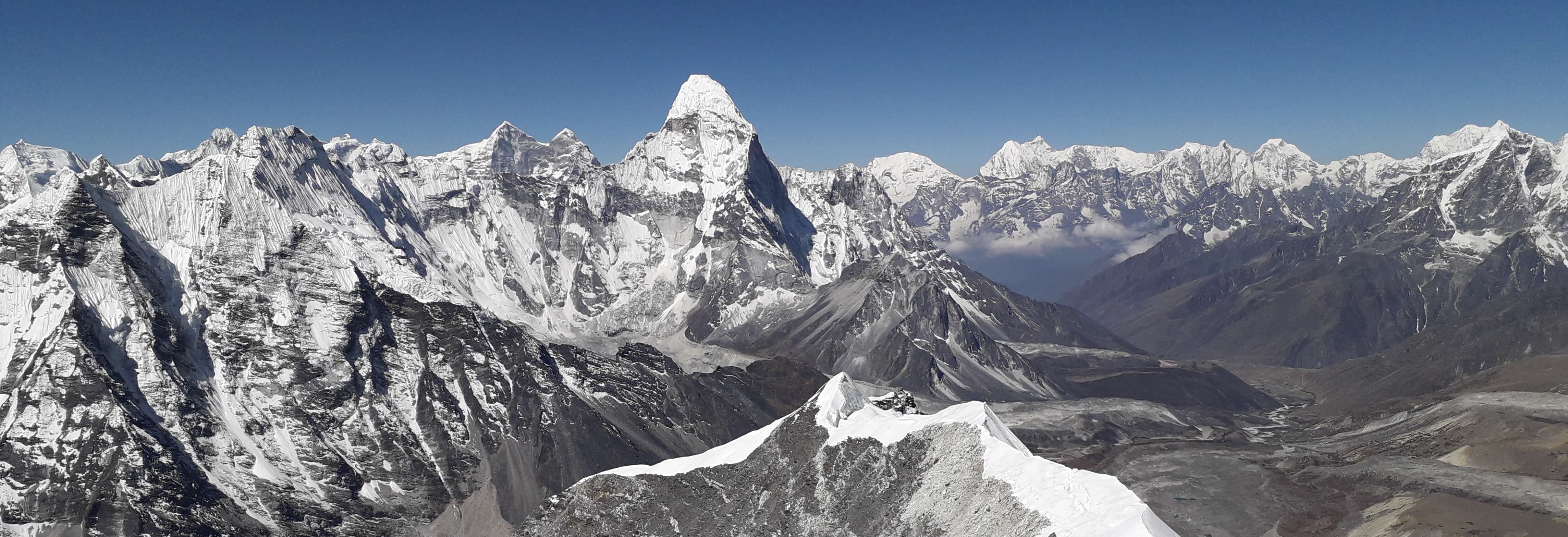
Altitude sickness is a real risk on the Ama Dablam Base Camp trek, as it is on any trek that climbs above about 2,500 to 3,000 m. The good news is that this route is one of the gentler high-altitude options in the Everest region. Your highest overnight stop, Pangboche, sits at roughly 3,985 m, and you reach Ama Dablam Base Camp (about 4,600 m) as a day trip, then return to sleep lower.
Table of Contents
That "climb high, sleep low" pattern, plus a full acclimatization day at Namche Bazaar, makes the trek considerably safer than routes that sleep above 4,500 or 5,000 m. It does not make anyone immune. Altitude illness can affect fit, young and experienced trekkers just as easily as anyone else, so understanding the risk and the warning signs matters.
This guide explains where the risk is highest on the route, how to recognise symptoms, what to do about them and how to lower your chances of getting sick. It is based on Northern Trekking Team's 10-day itinerary, and it follows widely accepted guidance from medical bodies such as the Wilderness Medical Society.
Altitude on the Route at a Glance
| Stage | Elevation | What happens |
|---|---|---|
| Kathmandu | 1,400 m | Arrival and preparation |
| Lukla | 2,860 m | Flight in; trek starts |
| Phakding | 2,610 m | First night, lower than Lukla |
| Namche Bazaar | 3,440 m | Two nights, with an acclimatization day |
| Phortse | 3,840 m | First night close to 4,000 m |
| Pangboche | 3,985 m | Highest overnight stay |
| Ama Dablam Base Camp | About 4,600 m | Day trip only |
| Namche Bazaar | 3,440 m | Descent |
| Lukla | 2,860 m | Final night before the flight out |
Compared with other popular treks, the sleeping altitude is moderate:
| Trek | Highest sleeping altitude | Altitude risk |
|---|---|---|
| Everest View trek | Under 4,000 m | Low to moderate |
| Ama Dablam Base Camp trek | About 3,985 m | Moderate |
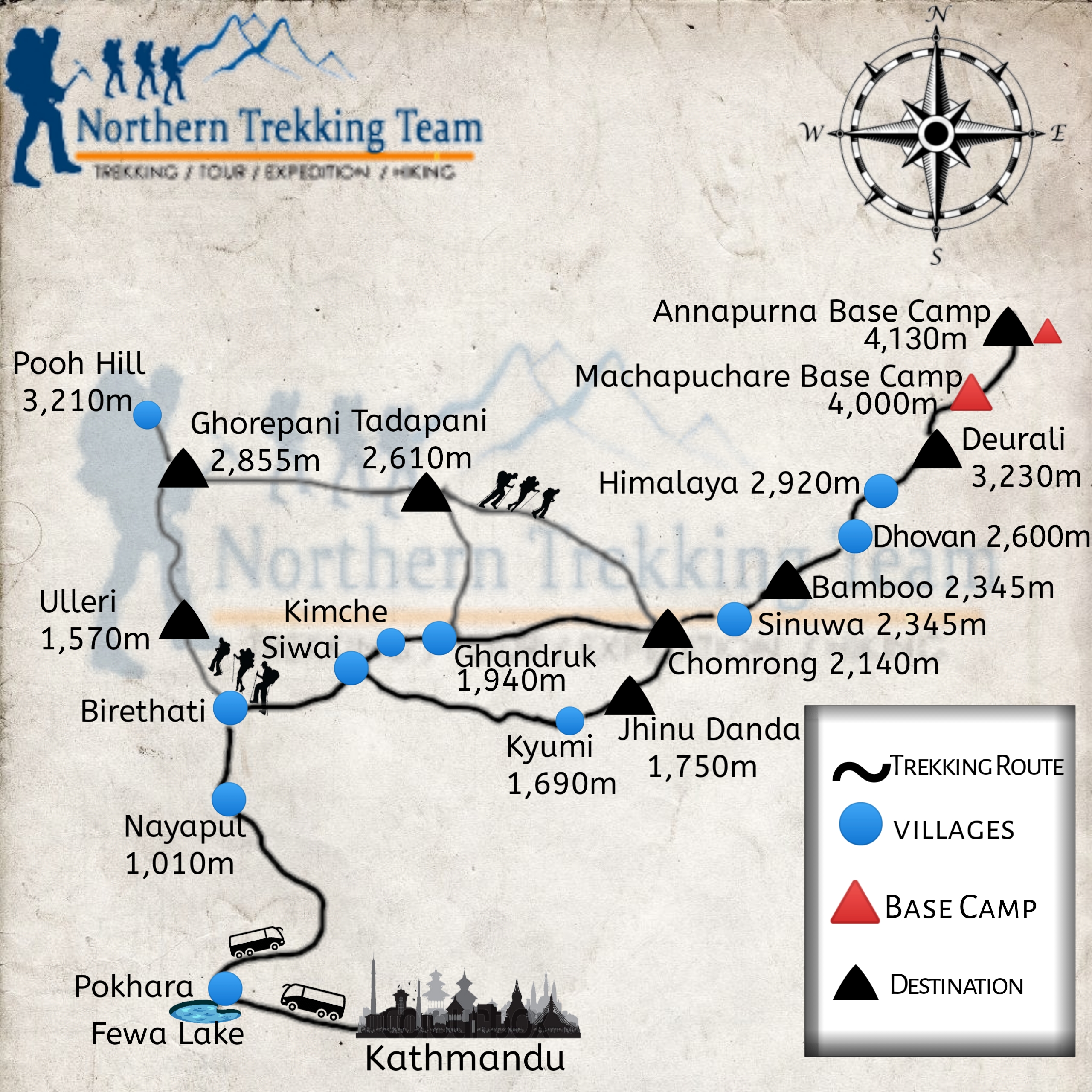
| Annapurna Base Camp | About 4,130 m | Moderate |
| Everest Base Camp trek | About 5,170 m (Gorak Shep) | Moderate to high |
What Is Altitude Sickness?
Altitude sickness happens when your body does not adjust quickly enough to lower oxygen levels at height. It ranges from mild to life-threatening:
- Acute mountain sickness (AMS): The most common form. It is usually mild and improves with rest and slower ascent.
- High-altitude pulmonary edema (HAPE): Fluid in the lungs. It is rare but serious.
- High-altitude cerebral edema (HACE): Swelling of the brain. It is rare but life-threatening.
AMS can progress to HAPE or HACE if warning signs are ignored, which is why early recognition and honest reporting are so important.
Where Is the Risk Highest on This Itinerary?
1. The first big climb to Namche (Day 3)
After the Lukla flight, you walk from Phakding (2,610 m) to Namche Bazaar (3,440 m), a gain of about 830 m in a single day. Medical guidelines recommend that once you are above 3,000 m, your sleeping altitude should rise by no more than about 500 m per night, so this day is the biggest jump on the route. Starting the trek at Phakding, which is lower than Lukla, and then taking a rest day at Namche, are what make it safe for most trekkers. Walk slowly and do not push the pace on this day.
2. Namche to Phortse and Pangboche (Days 5 and 6)
These stages are gentler, with gains of about 400 m and then about 145 m in sleeping altitude. They are within guidelines, but you are now close to 4,000 m, and symptoms are more likely to appear. Sleep can be restless at this height, and mild headaches are common.
3. The day trip to Ama Dablam Base Camp (Day 7)
The final climb from Pangboche is steep and rough, with a rise of about 600 m to roughly 4,600 m. You do not sleep there, which is a major safety advantage, but you are working hard at altitude. Set off early, drink water and eat before you go, and be ready to turn back if you feel unwell.
Recognising the Symptoms
Mild to moderate AMS
- Headache (the most common sign)
- Nausea or loss of appetite
- Dizziness or light-headedness
- Unusual tiredness or weakness
- Poor sleep
Danger signs: stop and tell your guide immediately
HAPE (lungs):
- Breathlessness at rest
- A persistent, wet or bubbly cough
- Chest tightness
- Extreme fatigue and a blue or grey tinge to the lips
HACE (brain):
- Loss of balance or difficulty walking in a straight line
- Confusion, strange behaviour or irritability
- Severe headache that does not improve
- Drowsiness or difficulty staying awake
Headache plus any of these signs is an emergency. Do not wait to see if it passes.
The Golden Rules If Symptoms Appear
Mountain medicine guidance boils down to a few simple rules:
- Do not go higher until symptoms have fully gone.
- Rest at the same altitude, or descend a little, if symptoms are mild.
- Descend if symptoms get worse or do not improve. A descent of 500 to 1,000 m is usually enough to help.
- Descend immediately for HACE or HAPE. For lung symptoms, descend at least 1,000 m or until symptoms resolve, and arrange medical help.
- Never leave someone with symptoms alone, and never ignore a "mild" headache that is getting worse.
On this itinerary, descending is relatively easy, because the trail returns to Namche and Lukla and evacuation by helicopter can be arranged if needed. Your guide makes the call, and it should always be respected.
How to Reduce Your Risk
Follow the ascent rules
- Do not rush the first days. Accept the early start but keep the pace slow.
- Respect the acclimatization day at Namche. Do a short hike to a higher viewpoint (for example toward the Everest View Hotel) and return to sleep.
- Above 3,000 m, keep rises in sleeping altitude modest and include a rest day every few days, as the itinerary does.
Look after your body
- Drink 3 to 4 litres of water a day, and more in dry, cold air.
- Eat well, even when your appetite drops. Carbohydrate-rich meals such as dal bhat, noodles and porridge help.
- Avoid alcohol and sleeping pills, which can depress breathing at night.
- Avoid smoking.
- Keep warm and rest properly each afternoon.
Walk smart
- Use the Sherpa pace: slow and steady, with regular breaks.
- If you cannot talk in short sentences while walking, you are going too fast.
- Do not race ahead of your group or your guide.
Prepare before you fly
- Train for fitness. It helps your endurance, but it does not prevent altitude sickness, so do not rely on it.
- See a doctor before the trip, especially if you have heart, lung, blood-pressure or blood conditions, are pregnant, or have had altitude illness before.
- Think about medication. Acetazolamide (often called Diamox) can help prevent AMS in people at higher risk. The Wilderness Medical Society lists 125 mg every 12 hours as the standard preventive dose, but whether you need it, and the right dose for you, is a decision to make with your doctor. Prescription treatments for severe illness should only be used under medical guidance.
- Buy the right insurance. Choose a policy covering trekking above 4,500 m and emergency helicopter evacuation.
Who Is at Higher Risk?
You may be more likely to get altitude illness if you:
- Have had altitude sickness on a previous trip
- Ascend faster than the recommended rate
- Are dehydrated, exhausted or ill
- Drink alcohol or use sleeping pills at altitude
- Have certain heart or lung conditions
Age, gender and fitness are poor predictors. Some very fit people get sick, while some less fit trekkers do well, so listen to your body rather than comparing yourself with others.
Can an Oximeter Help?
Pulse oximeters are popular on treks, and a daily reading can be a useful extra clue. Readings drop naturally with altitude, and they vary with cold hands, device quality and activity, so numbers alone do not diagnose anything. Symptoms matter more than the number on the screen. Treat the oximeter as a supplement to your guide's judgment, not a replacement for it.
What Happens in an Emergency?
On a trek like this, the safety plan is simple: stop climbing, descend, and call for help if symptoms are serious. Guides are trained to recognise warning signs and carry first-aid supplies, and helicopter evacuation is available in the Khumbu region when conditions allow. Clinics and aid posts operate in the area during trekking seasons. Costs for rescue and treatment are not covered by the package, which is why insurance with evacuation cover is essential.
Best Season and Altitude Safety
January to March and September to December are the recommended seasons. Cold and wind can make altitude symptoms feel worse, and winter nights are very cold, so pack warm layers and a good sleeping bag. Autumn tends to offer stable weather and clear skies, which helps with morning departures and safe evacuations if needed.
Ready to Trek With Confidence?
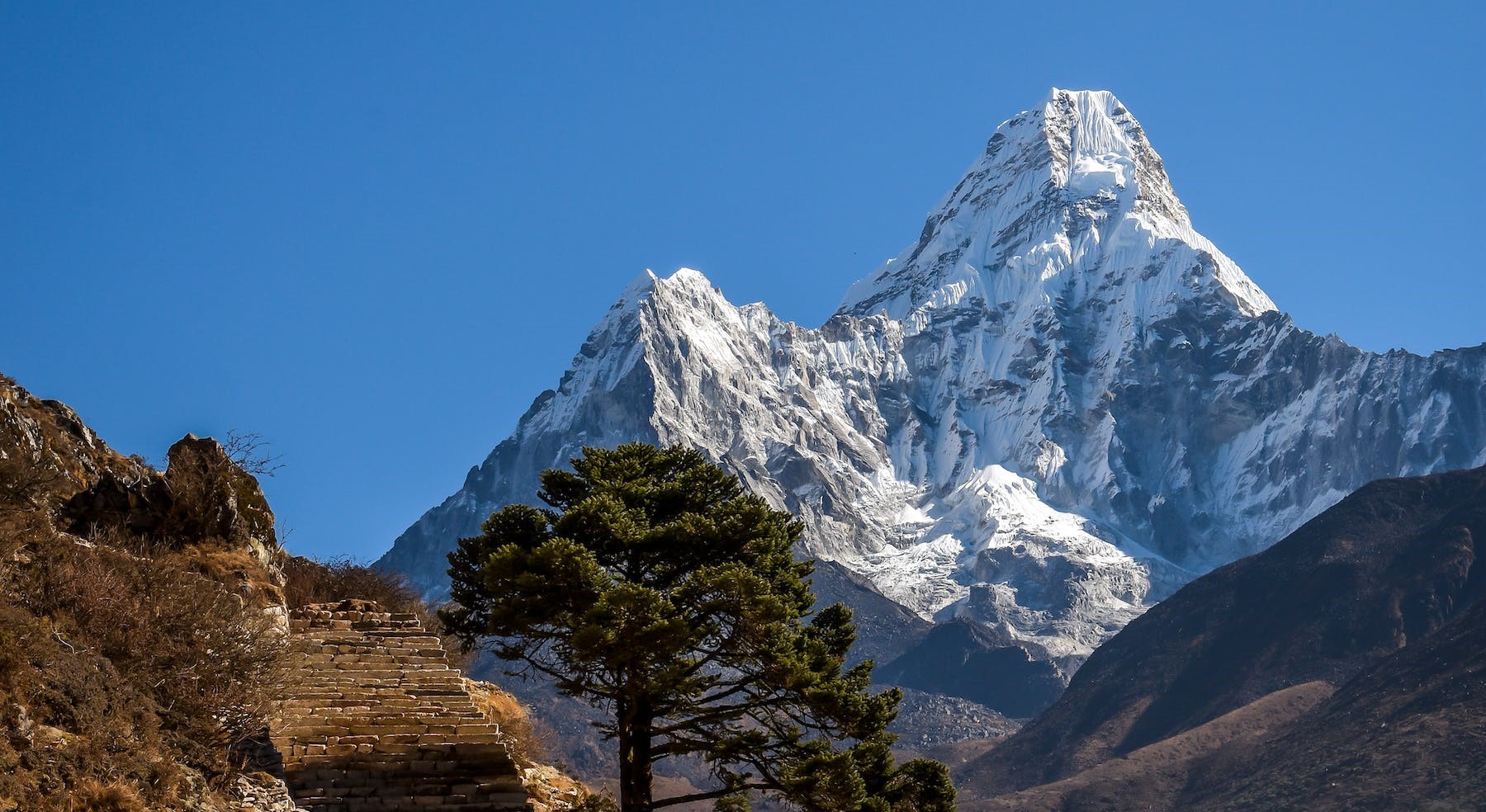
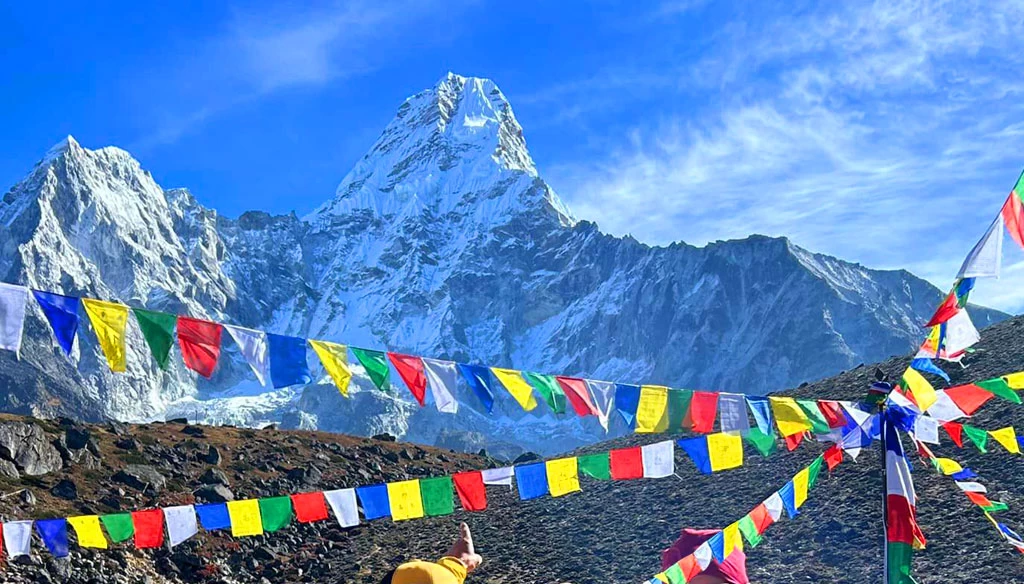
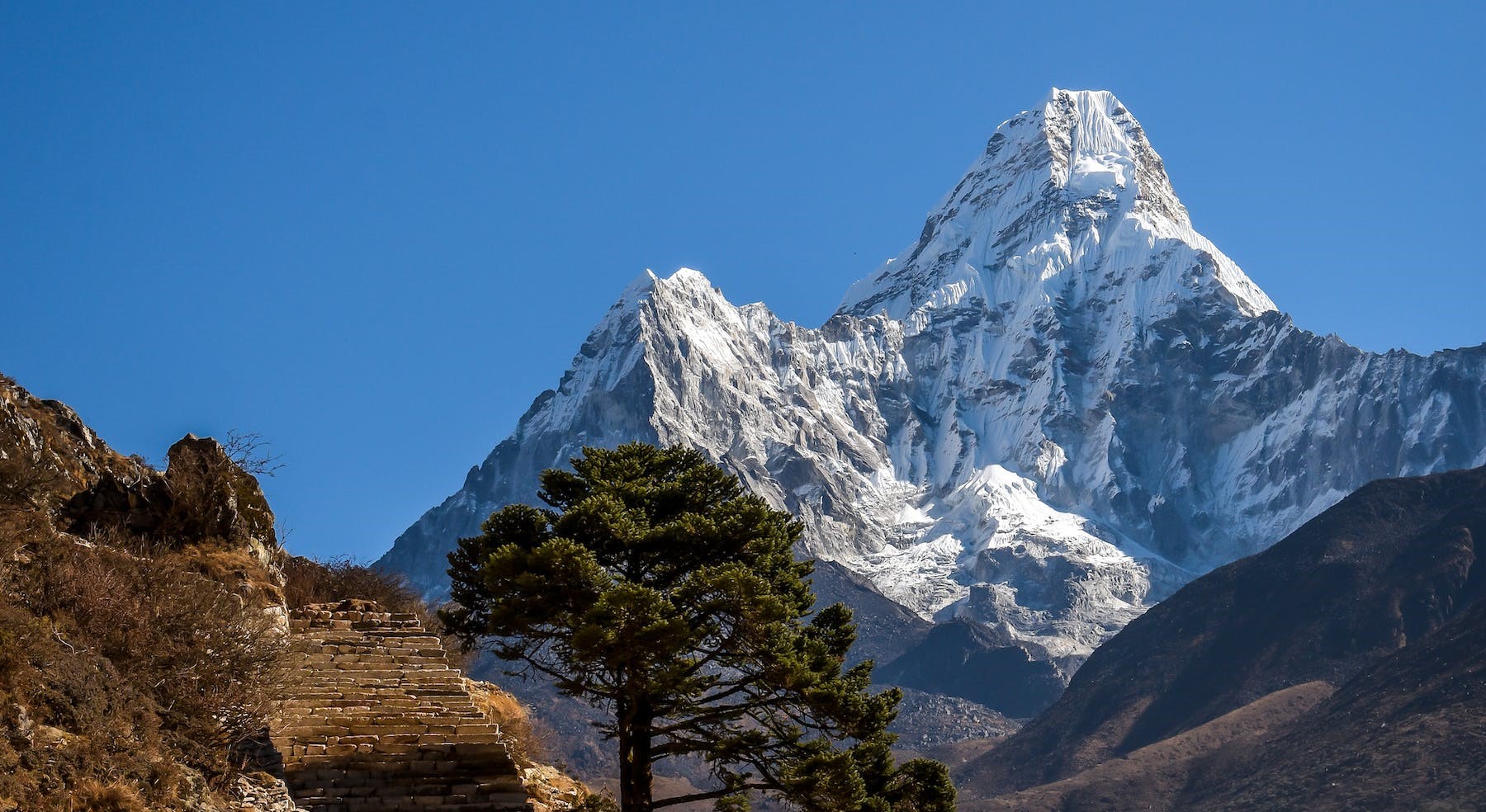
The Ama Dablam Base Camp trek is a beautiful, relatively moderate way to see one of the most striking mountains in the Himalayas, and a smart choice for trekkers who want Everest-region scenery with lower sleeping altitudes. Explore the full Ama Dablam Base Camp Trek itinerary, dates and price, or contact Northern Trekking Team to talk through your fitness, health and altitude questions before you book. The package starts from US$1,035 per person, and fixed departures are scheduled for 3 October, 11 November and 9 December 2026.
FAQs: Altitude Sickness on the Ama Dablam Base Camp Trek
1. Is altitude sickness a risk on the Ama Dablam Base Camp trek?
Yes, but the risk is moderate and manageable. You sleep no higher than about 3,985 m at Pangboche and visit Base Camp (around 4,600 m) as a day trip. The itinerary includes an acclimatization day at Namche Bazaar and gradual gains after that. Even so, altitude sickness can affect anyone, so a slow pace, hydration and honest reporting of symptoms are essential.
2. How high does the trek go?
The highest point is Ama Dablam Base Camp at about 4,600 m, reached as a day trip from Pangboche. Your highest overnight stay is Pangboche at roughly 3,985 m. Other sources give the base camp height as about 4,570 m, so you may see both figures. The mountain itself rises to 6,812 m, but trekkers do not climb it.
3. Is it less risky than the Everest Base Camp trek?
Generally, yes. Everest Base Camp involves sleeping at about 5,170 m in Gorak Shep and climbing to Kala Patthar at 5,545 m, which exposes you to far more altitude. On the Ama Dablam trek, your sleeping altitude stays below 4,000 m. The risk is not zero, but it is lower, which is why the route suits trekkers who want Everest-region scenery with less altitude stress.
4. What are the first signs of altitude sickness?
A headache is the most common first sign, often with nausea, loss of appetite, dizziness, unusual tiredness or poor sleep. These symptoms are typical of mild AMS. Tell your guide as soon as they appear, rest, drink water and do not ascend until they have fully gone. If symptoms get worse, descent is the safest treatment.
5. Which days are riskiest?
Day 3 (Phakding to Namche) has the largest gain in sleeping altitude, about 830 m, so pace yourself. Days 5 and 6 put you close to 4,000 m, where mild symptoms and poor sleep are common. Day 7, the trip to Base Camp, is physically demanding at about 4,600 m, but you return to sleep lower, which reduces the risk.
6. Can I prevent altitude sickness with fitness or medication?
Fitness helps with endurance but does not prevent altitude illness. The best prevention is a slow ascent, rest days, hydration and avoiding alcohol and sleeping pills. Acetazolamide can reduce the risk in people who are more susceptible, and guidelines list 125 mg every 12 hours as a standard preventive dose. Ask your doctor whether it is right for you before you travel.
7. What should I do if I get a headache at altitude?
Stop, tell your guide, drink water and rest. Do not go higher until the headache has completely gone. Mild pain relievers may help, but if the headache is severe, keeps getting worse or comes with vomiting, confusion, loss of balance or breathlessness, treat it as serious and descend. Never ignore symptoms to keep up with the group.
8. What are HAPE and HACE, and how serious are they?
HAPE is fluid in the lungs, causing breathlessness at rest, a wet cough and extreme fatigue. HACE is brain swelling, causing confusion, loss of coordination and drowsiness. Both are rare on this route but life-threatening, and both need immediate descent and medical help. Warning signs should never be ignored, which is why trekkers should report even mild symptoms early.
9. Do I need travel insurance with evacuation cover?
Yes. Choose a policy that covers trekking up to at least 4,600 m, and preferably higher, and includes emergency helicopter evacuation and medical treatment. Rescue costs can be very high, and the trek package does not include client insurance. Check the policy wording carefully and carry a copy with you on the trail.
10. Who should see a doctor before booking?
Anyone with heart or lung disease, high blood pressure, blood disorders, a history of altitude illness, or who is pregnant should get medical advice before trekking at altitude. A doctor familiar with altitude medicine can advise on medication and risk. Older trekkers and those with any health concern should also check with their doctor. For trip details, visit the Ama Dablam Base Camp Trek page.
Recent From Is Altitude Sickness a Risk on the Ama Dablam Base Camp Trek?
Jun 27, 2022
Jun 27, 2022

Jul 19, 2022
Sep 20, 2025
Jan 03, 2023
Feb 03, 2023
Feb 17, 2023
Feb 23, 2023
Mar 03, 2023
Mar 14, 2023
Mar 20, 2023
Mar 28, 2023
Apr 06, 2023
Jul 31, 2023
Aug 28, 2023

Jan 04, 2026


Mar 10, 2026
Mar 10, 2026



Apr 03, 2026
Sep 10, 2026
Sep 14, 2026
Sep 23, 2026