11th Oct, 2026
Island Peak With Everest Base Camp: The 17-Day Climb and Trek Plan
Introduction: Two Goals, One Smart Plan
Few trips in Nepal pack as much into a single schedule as Everest Base Camp combined with Island Peak (Imja Tse, 6,189 m). You trek to the foot of the world’s highest mountain, climb Kala Patthar above 5,500 m, then use all that altitude conditioning to attempt your first Himalayan summit above 6,000 m.
Table of Contents
It is also the logical way to climb Island Peak. By the time you reach Island Peak Base Camp on Day 12, you have already slept above 5,100 m, stood at 5,364 m at Everest Base Camp and climbed to about 5,550 m on Kala Patthar. That is far better preparation than flying straight to Chhukung.
This guide walks through the 17-day plan in four phases, explains why each stage is there, flags the days that need careful pacing, and covers cost, gear, training and the top 10 questions climbers ask. It is written for people planning a serious climb, not just a trek, so it is honest about where this schedule is tight.
The Plan at a Glance
| Detail | Information |
|---|---|
| Duration | 17 days, Kathmandu to Kathmandu |
| Activity | Trek (Everest Base Camp) plus peak climb (Island Peak) |
| Highest point | Island Peak summit, 6,189 m |
| Other key altitudes | Everest Base Camp 5,364 m; Kala Patthar about 5,550 m; Island Peak Base Camp 5,100 m |
| Grade | Hard |
| Accommodation | Teahouses and lodges; camping at Island Peak Base Camp |
| Group size | 2 or more |
| Best seasons | March to May and September to December |
| Support | Trek guide, climbing guide, cook, kitchen staff and support staff |
| Price | From US$2,290 per person |
The 17 Days in Four Phases
| Phase | Days | Goal |
|---|---|---|
| 1. Approach and acclimatize | 1 to 8 | Fly to Lukla and climb steadily to Lobuche (4,950 m) with rest days at Namche and Dingboche |
| 2. Everest Base Camp and Kala Patthar | 9 to 11 | Reach 5,364 m and 5,550 m, then return to Dingboche for a second rest |
| 3. Island Peak climb | 12 to 13 | Train at base camp, then summit push at about 1 AM |
| 4. Return | 14 to 17 | Descend to Lukla and fly back to Kathmandu |
Day-by-Day Itinerary
| Day | Route | Walking time | Sleeping altitude | Notes |
|---|---|---|---|---|
| 1 | Arrive Kathmandu | None | 1,400 m | Meet your team, trek briefing |
| 2 | Fly to Lukla, trek to Phakding | 3 to 4 hrs (7.8 km) | 2,643 m | Easy start |
| 3 | Phakding to Namche Bazaar | 6 to 7 hrs (11 km) | 3,440 m | Steep climb, about +800 m |
| 4 | Acclimatization day in Namche | About 3 hrs hike | 3,440 m | Everest View Hotel hike |
| 5 | Namche to Tengboche | 5 to 6 hrs (10 km) | 3,857 m | Monastery views |
| 6 | Tengboche to Dingboche | 5 to 6 hrs (9 km) | 4,400 m | Cross the tree line |
| 7 | Rest and acclimatization in Dingboche | About 2 hrs hike | 4,400 m | Nangkartshang hike optional |
| 8 | Dingboche to Lobuche | 6 to 7 hrs (8 km) | 4,950 m | Thin air, cold nights |
| 9 | Lobuche to Gorak Shep, hike to Everest Base Camp | 7 to 8 hrs (12 km) | 5,164 m (EBC 5,364 m) | Big day |
| 10 | Kala Patthar at dawn, then trek back to Dingboche | 6 to 7 hrs (9 km, per the page) | 4,400 m | Very long day |
| 11 | Rest and acclimatization in Dingboche | Optional short hike | 4,400 m | Recovery before the peak |
| 12 | Dingboche to Island Peak Base Camp, climbing training | 5 to 6 hrs (5 km) | 5,100 m (tents) | Skills session |
| 13 | Island Peak summit (6,189 m), back to Chhukung | Very long summit day | About 4,730 m | Start about 1 AM |
| 14 | Chhukung to Pangboche | 4 to 5 hrs (12 km) | 3,985 m | Gentle descent |
| 15 | Pangboche to Namche Bazaar | 6 to 7 hrs (13 km) | 3,440 m | Long, mostly downhill |
| 16 | Namche to Lukla | 7 to 8 hrs (18 km) | 2,860 m | Final trek day |
| 17 | Fly Lukla to Kathmandu | Short flight | 1,400 m | Farewell dinner |
The page lists Day 10 at 5,164 m and Day 11 at 4,730 m in the elevation fields, while the text places both nights at Dingboche (4,400 m). Follow your guide’s daily briefing for exact figures.
Phase 1 (Days 1 to 8): Build Your Altitude Base
The first eight days follow the classic Everest Base Camp route, and they matter more than they look.
- Day 2 starts low and easy. You descend from Lukla (2,860 m) to Phakding, so your body adjusts gently.
- Day 3 is the first real test. After the Hillary Suspension Bridge, a long climb takes you to Namche Bazaar at 3,440 m.
- Day 4 is a true acclimatization day. You hike to the Everest View Hotel (about 3,880 m), then sleep back in Namche.
- Days 5 to 6 climb through Tengboche to Dingboche (4,400 m), crossing the tree line.
- Day 7 is a second rest day, with a gentle hike around Dingboche.
- Day 8 reaches Lobuche (4,950 m), where nights are cold and sleep is often poor.
If you have never trekked above 3,500 m, this phase is where you learn how your body behaves at altitude. For a closer look at the route, see the Everest Base Camp Trek page.
Phase 2 (Days 9 to 11): Everest Base Camp and Kala Patthar
Day 9: Everest Base Camp
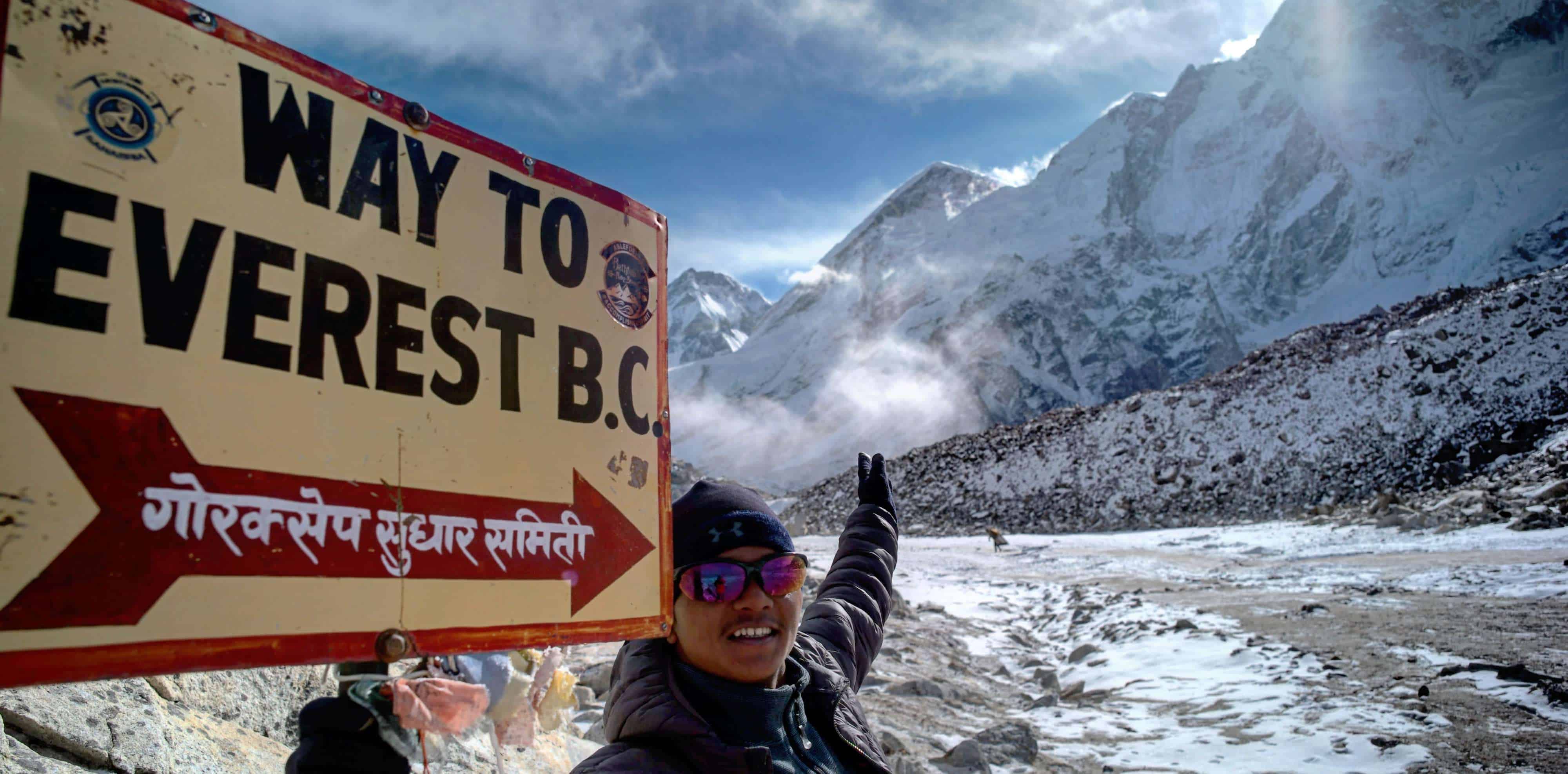
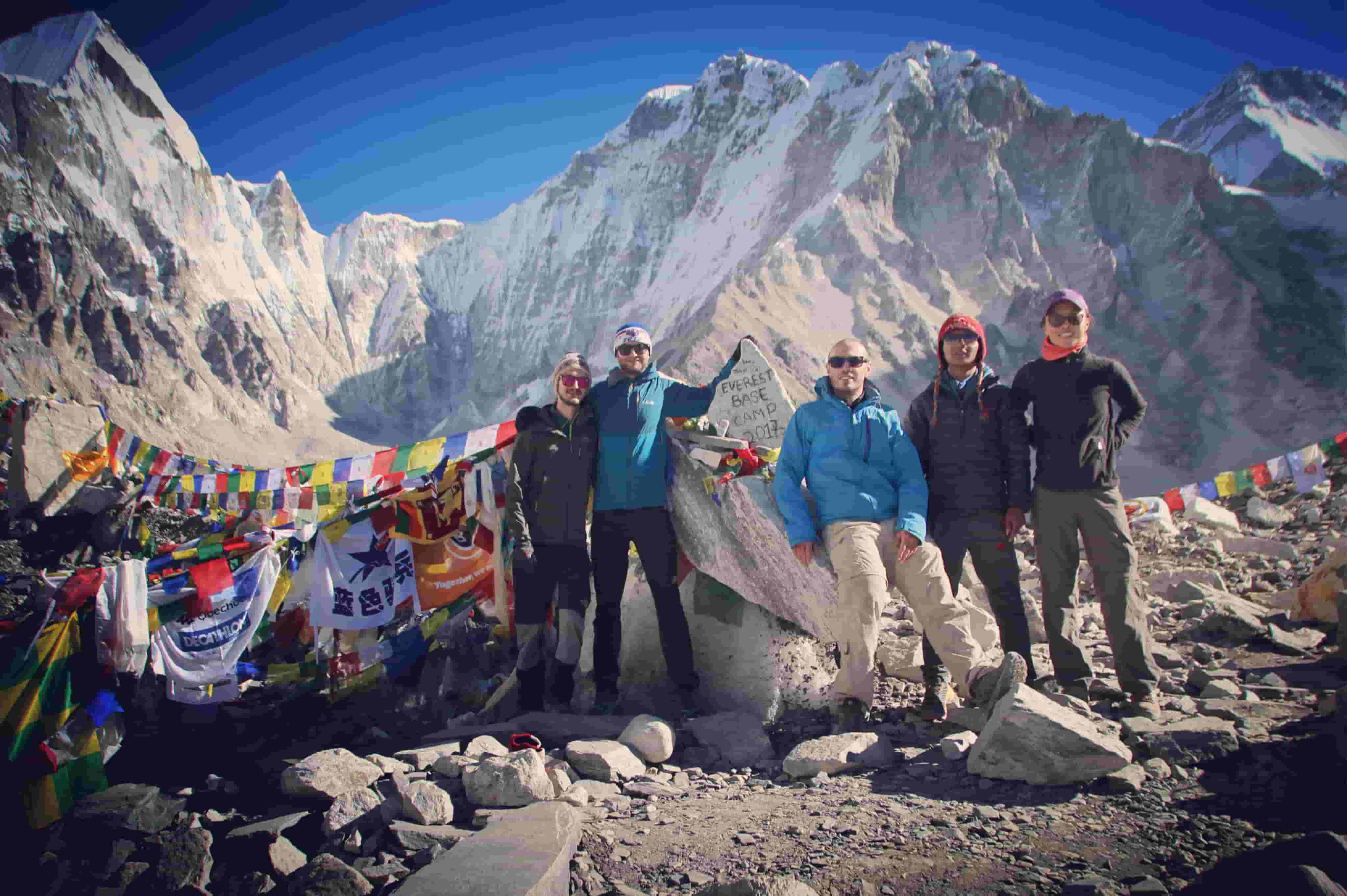
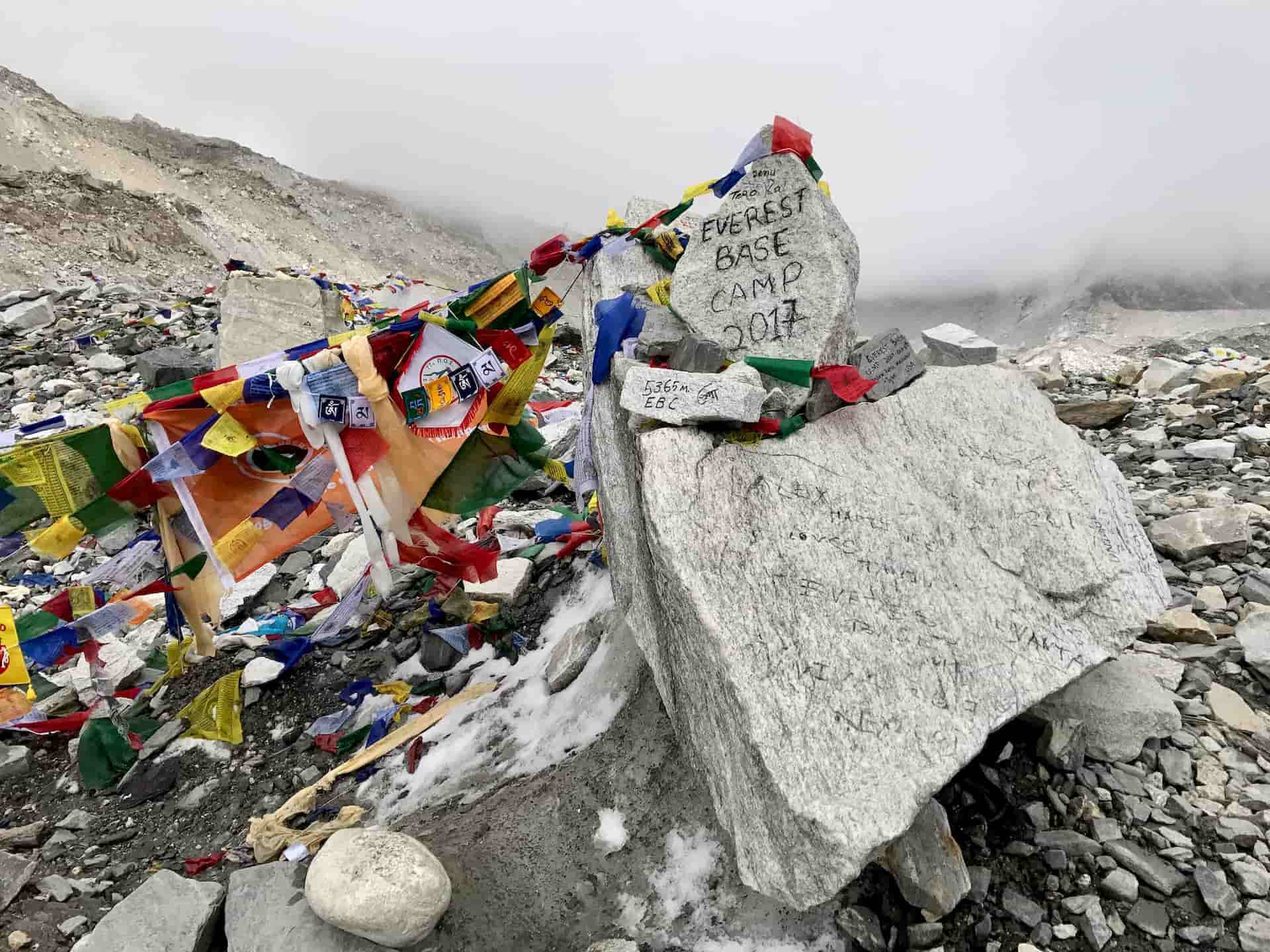
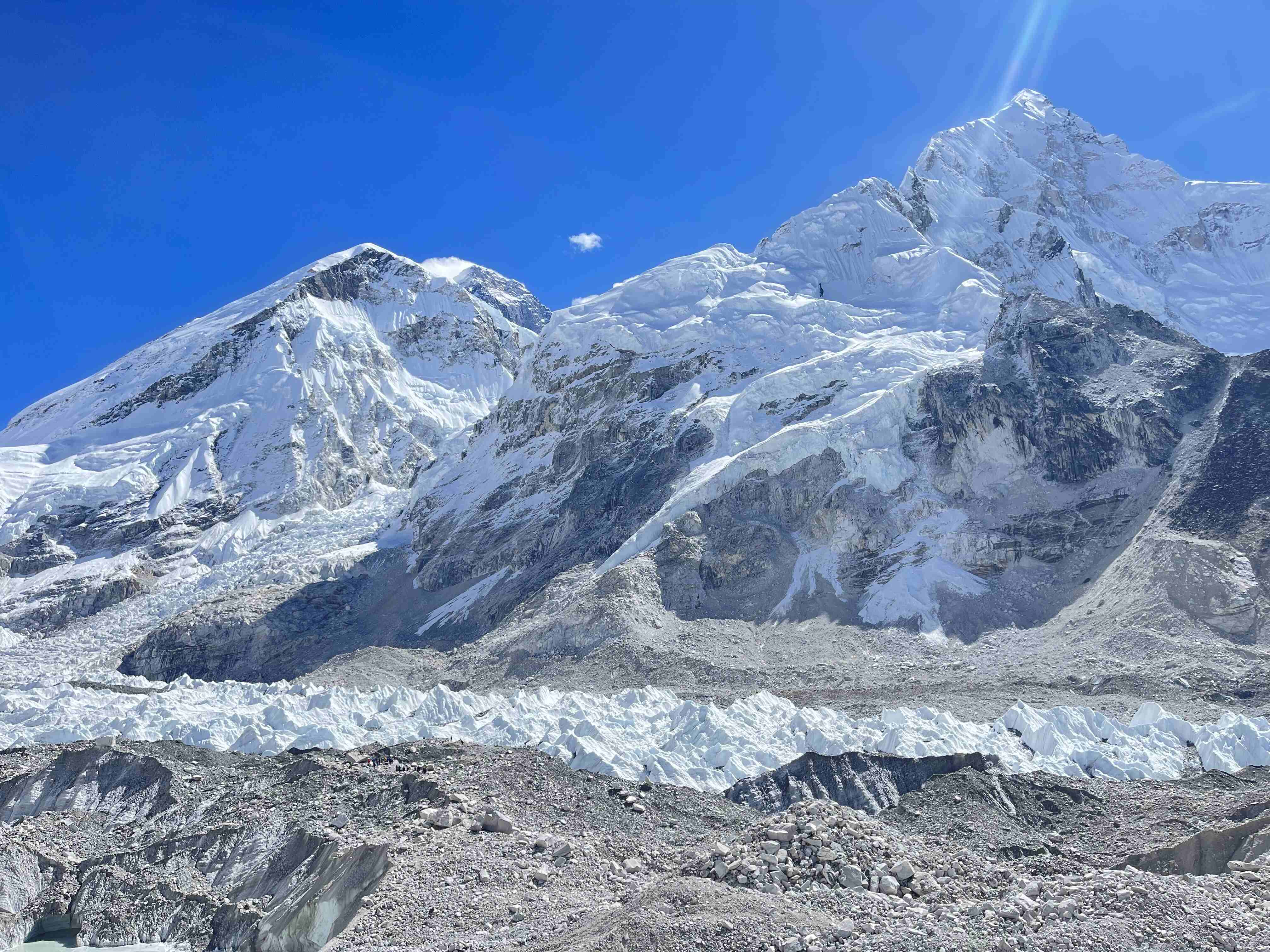
You trek from Lobuche to Gorak Shep (5,164 m), drop your bag, and walk to Everest Base Camp at 5,364 m. This is a long day, listed at 7 to 8 hours (the text says 8 to 9). You see the Khumbu Icefall, but not the summit of Everest from the camp itself.
Day 10: Kala Patthar and the Long Descent
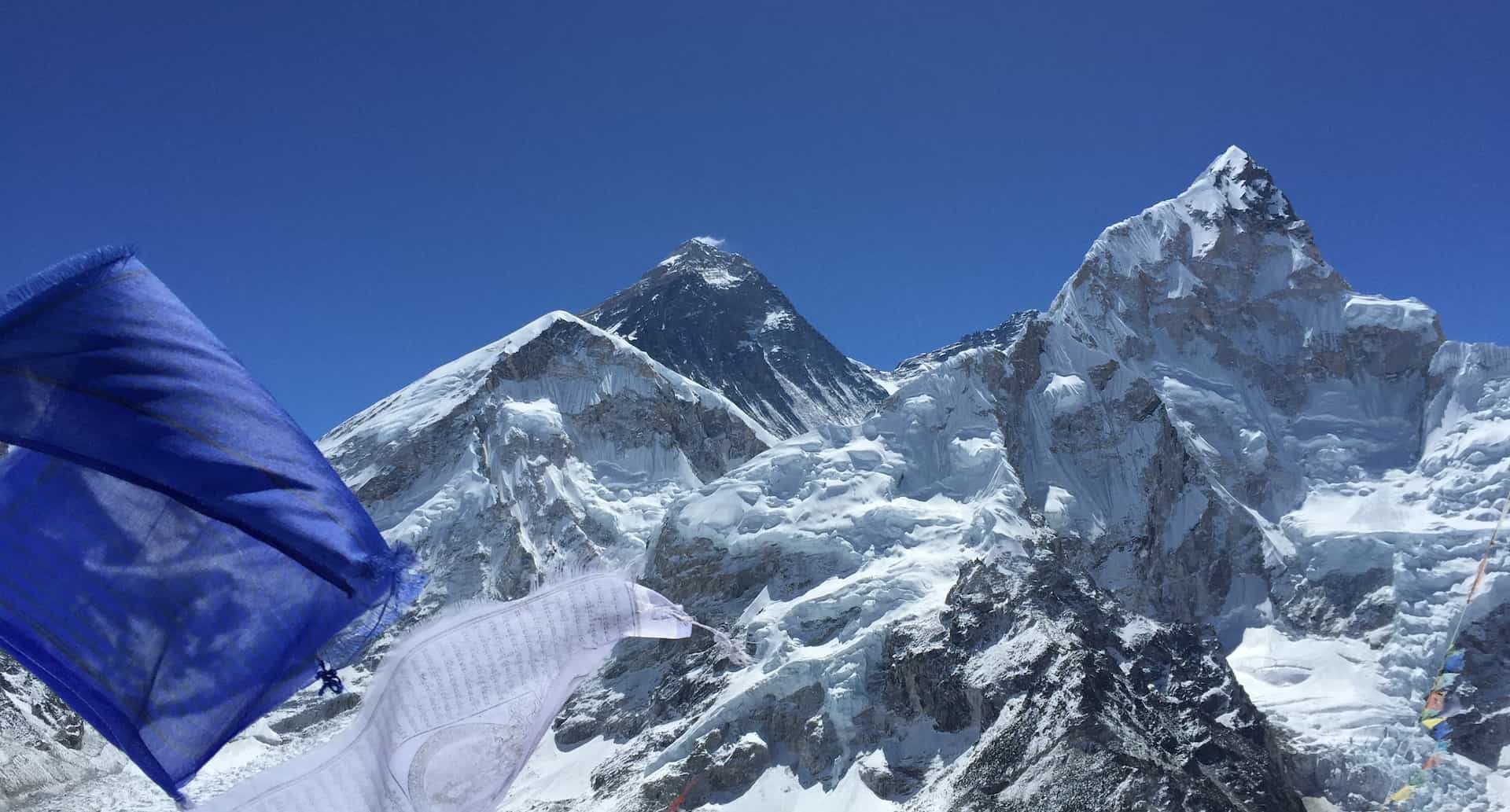
Early in the morning you climb Kala Patthar (about 5,550 m) for the classic Everest, Lhotse and Nuptse panorama. Then you trek back down to Dingboche, a total the page lists as 9 km and 6 to 7 hours. In practice, this combines a dawn climb above 5,500 m with a long descent, so it will feel like one of the hardest days of the entire trip. Start early, carry plenty of water and snacks, and keep your pace steady.
Day 11: Rest in Dingboche
The page schedules a second acclimatization day at Dingboche before the climb. Use it properly: sleep, eat, hydrate and wash your gear. If you feel unwell, tell your guide. A tired climber who skips rest here is likely to struggle on summit day.
Phase 3 (Days 12 to 13): Island Peak
Day 12: Island Peak Base Camp (5,100 m)
You trek from Dingboche toward Chhukung and on to Island Peak Base Camp, about 5 to 6 hours, and sleep in tents. The package includes tents for each member, a dining tent with table and chairs, a kitchen tent and a toilet tent. In the afternoon, the climbing guide runs a training course: crampons, ice axe, harness, jumar (ascender) and descender, and moving on fixed rope. Pay attention. These skills are what make the summit day safe.
Day 13: Summit Day (6,189 m)
The team leaves around 1 AM from base camp. The route, as commonly described, involves:
- Steep rocky gullies and scrambling in the dark
- A crampon point, then a glacier section with crevasses, where ladders may be used in some seasons
- A steep headwall climbed on a fixed rope with a jumar
- A narrow summit ridge with exposure
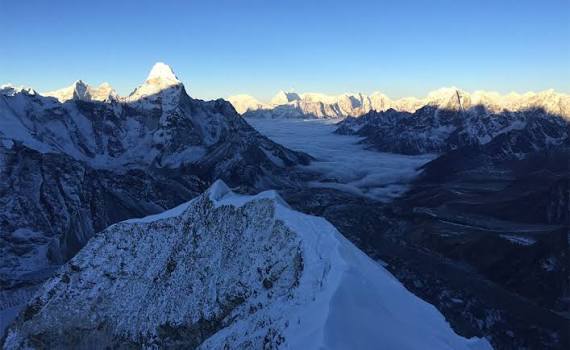
- The summit, with views of Lhotse, Makalu, Ama Dablam and Baruntse
- A descent, including rappelling on steep sections, back to base camp and down to Chhukung
The page says you reach the summit around noon, which is late. Other operators advise topping out earlier because afternoon winds pick up, so ask your guide about the target summit time and the turn-around time. The whole day, from base camp to Chhukung, can easily last 12 to 16 hours. Your guide makes the final call on conditions, and you should respect it.
Phase 4 (Days 14 to 17): The Way Home
The return is easier on your lungs but long on your legs.
- Day 14: Chhukung to Pangboche (3,985 m), 4 to 5 hours.
- Day 15: Pangboche to Namche Bazaar, 6 to 7 hours, mostly downhill.
- Day 16: Namche to Lukla (2,860 m), 7 to 8 hours and about 18 km.
- Day 17: Fly to Kathmandu, with a farewell dinner.
Is This Plan Realistic? An Honest Look at the Schedule
| Strength | Why it matters |
|---|---|
| Two rest days (Namche and Dingboche), plus a second at Dingboche | Strong acclimatization for a 6,000 m peak |
| EBC and Kala Patthar first | You sleep at 5,164 m and climb to about 5,550 m before the summit push |
| Climbing training at base camp | Practice with your gear and your guide before summit day |
| All climbing gear and camping included | Less to buy or carry |
| Guide, climbing guide, cook and staff | A full support team |
| Pressure point | What to do |
|---|---|
| No buffer day for summit weather | Ask about adding 1 to 2 spare days, and avoid booking an international flight within 3 days of your Lukla return |
| Day 9 to Day 10 back to back | Day 9 reaches 5,364 m, then Day 10 climbs Kala Patthar and descends to Dingboche. Pace yourself and be honest about how you feel |
| Summit day length | Train for 10 to 14 hour days, and bring plenty of food and water |
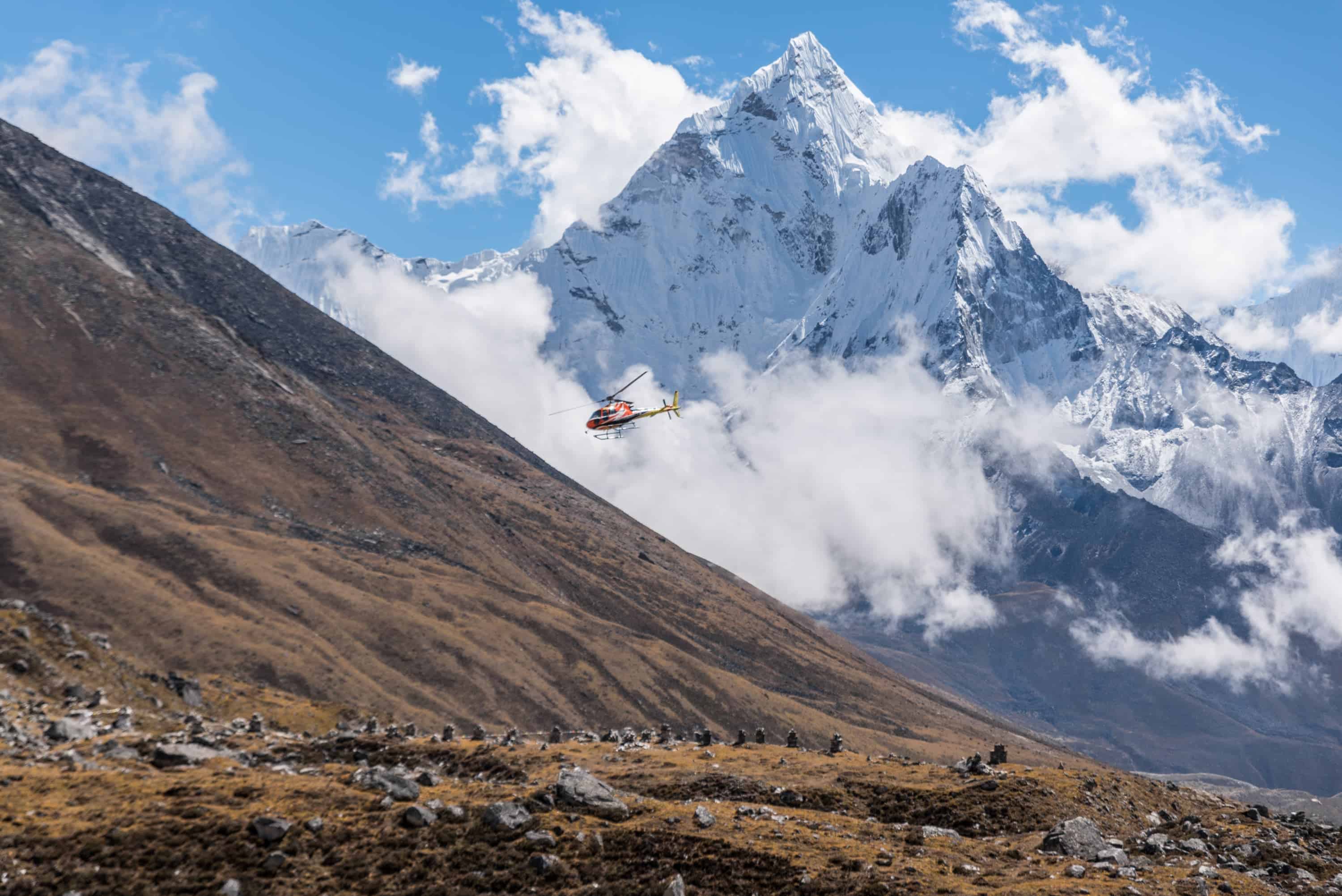
| Lukla flights | Weather delays are common, so a helicopter backup may be needed |
If you want a built-in margin, ask about a longer version, or consider the company’s Lobuche Peak Climbing or Mera Peak Climbing for different difficulty and altitude profiles.
Fitness and Experience Required
The page rates the trip Hard and says it is not for beginners. You need:
- Strong endurance: the ability to walk 6 to 8 hours a day for consecutive days, plus a 10 to 14 hour summit day
- Altitude experience or a conservative plan: previous trekking above 3,500 m helps
- Comfort with heights and exposure: the headwall and summit ridge are steep
- Willingness to learn: basic crampon, ice axe and rope skills are taught at base camp
The company notes that people of many ages complete the trip and recommends that anyone over 60 consult a doctor first.
12-Week Training Plan
| Weeks | Focus | Weekly plan |
|---|---|---|
| 1 to 3 | Build a base | Cardio 4 times a week (running, cycling, stairs); strength twice a week |
| 4 to 6 | Add hills and weight | Hill hikes with an 8 to 10 kg pack for 3 to 4 hours; leg and core strength |
| 7 to 9 | Build endurance | Back-to-back long hikes (4 to 6 hours each); one session of 8 hours or more |
| 10 to 11 | Simulate the trek | Long days in your trekking and mountaineering boots; practice with a harness and crampons if possible |
| 12 | Taper | Easier walks, rest, gear check |
Include downhill practice (the Day 16 descent is long), and break in your boots thoroughly.
Altitude Safety
- Walk slowly and drink 3 to 4 liters of water a day.
- Avoid alcohol and sleeping pills.
- Eat even when your appetite drops.
- Tell your guide early about headache, nausea, dizziness or poor sleep.
- Ask your doctor about altitude medication before you travel.
- Descend if symptoms worsen. That is the cure.
For more detail, read the company’s altitude tips and its page on acute mountain sickness.
Cost, Inclusions and Departures
Price: From US$2,290 per person. The FAQ section of the page quotes older figures (about US$2,129 and US$1,989), so confirm the current price.
Included: private ground transport and airport transfers, 2 nights in a 3-star Kathmandu hotel with breakfast, a farewell dinner, Kathmandu to Lukla and return flights, lodge and teahouse stays, three meals a day on trek with tea or coffee, snacks and seasonal fruit, a trek guide and a climbing guide, cook and support staff, local municipality and Island Peak permit and royalty fees, all required climbing gear, camping equipment at base camp, a climbing training course, a refundable down jacket, sleeping bag and duffel bag, a first-aid kit, a trekking map and a T-shirt.
Not included: international flights, Nepal visa (USD 30 for 15 days, USD 50 for 30 days, USD 125 for 90 days, payable on arrival), Kathmandu lunches and dinners, personal gear, drinks, showers, charging, Wi-Fi, travel insurance, tips and extra nights from delays. A porter is optional at US$319 per porter (20 to 25 kg). See the company’s passport and visa information.
Fixed departures: Listed from October to November 2026 and from September to November 2027, with a 17-day span between start and end dates. Check availability on the trip page.
Gear: What Is Provided and What You Bring
Provided: crampons, ice axe, ascender (jumar), harness, figure-eight descender, carabiners, helmet, climbing rope, down-filled mattress, camping equipment and a climbing training course.
You bring: mountaineering boots that fit crampons, base layers, a warm down jacket (suited to about -20°C), a waterproof shell, insulated gloves or mittens, a balaclava or buff, UV-protection glacier sunglasses, a headlamp with spare batteries, trekking poles, a sleeping bag if you prefer your own (loaned bags are rated for cold nights), a daypack and personal items. Rentals are available in Kathmandu. For the full checklist, see the company’s trekking equipment guide.
Best Season
| Season | Months | Conditions |
|---|---|---|
| Autumn | September to November | Stable weather, clear skies, cold nights |
| Spring | March to May | Warmer, with stronger winds later in the season |
| Winter and monsoon | December to February, June to August | Very cold or wet; generally not recommended |
Other Northern Trekking Team Options to Compare
| Trip | Best for |
|---|---|
| Everest Base Camp Trek | Trekking without a summit |
| Lobuche Peak Climbing | A steeper, more technical alternative |
| Mera Peak Climbing | Less technical, higher altitude |
| Everest Three High Passes Trek | A full Khumbu circuit without climbing |
| Gokyo Lake Trek | Quieter valleys and turquoise lakes |
Browse the full list on the peak climbing page, or ask the team to customize a trip.
Island Peak With Everest Base Camp: FAQs
1. How many days does Island Peak with Everest Base Camp take?
The Northern Trekking Team plan takes 17 days from Kathmandu to Kathmandu, including arrival and departure days. That covers 10 days of trekking to Everest Base Camp and Kala Patthar, a rest day at Dingboche, base camp training, the summit day and the descent. The company suggests that three weeks is the ideal schedule, so add spare days for weather and flight delays.
2. Is it a good idea to combine Everest Base Camp with Island Peak?
Yes. The Base Camp section acts as a long acclimatization program. You sleep at 5,164 m at Gorak Shep, stand at 5,364 m at Everest Base Camp and climb to about 5,550 m on Kala Patthar before moving to Island Peak. That prepares your body far better than going directly to Island Peak Base Camp.
3. How hard is the 17-day Island Peak and EBC trip?
The page rates it Hard. The trek involves long days at high altitude, and the summit day includes steep terrain, a fixed-rope headwall, cold and a 12 to 16 hour day. You need strong fitness and ideally some previous high-altitude experience. No technical climbing background is required, because the team teaches the basics at base camp.
4. What is summit day like?
You leave Island Peak Base Camp (5,100 m) around 1 AM. You scramble up rocky gullies, put on crampons, cross a glacier, climb a steep headwall on a fixed rope with a jumar and follow a narrow ridge to the summit at 6,189 m. Afterwards you descend, rappel the steep sections and trek back to Chhukung. The page says you reach the top around noon, but other operators recommend an earlier summit, so ask your guide about the plan and the turn-around time.
5. Do I need climbing experience?
No technical climbing experience is required, but you must be comfortable with heights and willing to learn. The package includes a climbing training course at base camp covering crampon use, ice axe technique, rope handling and using a jumar and descender. A guide is mandatory for Island Peak, and permits are issued through a registered agency.
6. How much does it cost?
The trip is listed from US$2,290 per person, and fixed departures show the same price. The package includes flights to and from Lukla, hotels, lodges, meals on trek, guides and staff, permits, climbing gear and camping equipment. International flights, visa, insurance, personal gear, drinks, tips and an optional porter (US$319) are extra. Confirm the current price, because the FAQ section of the page still shows older figures.
7. What insurance do I need?
Travel insurance is essential. It must cover mountaineering to the summit altitude (6,189 m) and emergency helicopter evacuation. The trip page mentions cover for 5,500+ m in some places, but the summit is higher than that, so choose a policy that explicitly covers climbing up to at least 6,200 m. Read the exclusions carefully, because some policies do not cover peak climbing.
8. What is the best time of year?
March to May and September to early December offer the most stable weather. Autumn has clear skies and cold nights, while spring is warmer but windier later in the season. Winter and the monsoon are generally not recommended. Northern Trekking Team lists fixed departures from October to November 2026 and September to November 2027.
9. What if the weather or flights delay the trip?
The schedule has no built-in spare day, so delays can matter. Lukla flights are often cancelled by weather, and summit day depends on wind and conditions. Ask about adding 1 to 2 buffer days, avoid booking your international flight within 2 to 3 days of the Lukla return, and keep a helicopter option in mind. If flights are cancelled, the company can arrange a helicopter at extra cost, shared among passengers.
10. What gear do I need, and can I rent it?
The package provides crampons, ice axe, harness, helmet, ascender, descender, carabiners, rope, camping gear and a refundable down jacket, sleeping bag and duffel bag. You bring mountaineering boots that fit crampons, thermal layers, a waterproof shell, insulated gloves, glacier sunglasses, a headlamp and personal items. Rentals are available in Kathmandu. Keep your luggage under about 15 kg for the Lukla flights.
Final Thoughts
Climbing Island Peak after Everest Base Camp is one of the smartest ways to attempt your first 6,000 m summit. The trek builds your altitude tolerance, the base camp training builds your skills and the 17-day schedule fits into a normal holiday. It is also demanding, with long days, a tight timetable and a summit push that tests your fitness and judgment, so prepare with a 12-week training plan, ask about buffer days and be honest with your guide about how you feel.
Ready to plan? View dates and prices on the Island Peak Climbing with EBC page, explore other peak climbing options, meet the team or contact Northern Trekking Team on WhatsApp at +977 9842907439 or by email at info@northerntrekkingteam.com.
Recent From Island Peak With Everest Base Camp: The 17-Day Climb and Trek Plan
Jun 27, 2022
Jun 27, 2022

Jul 19, 2022
Sep 20, 2025
Jan 03, 2023
Feb 03, 2023
Feb 17, 2023
Feb 23, 2023
Mar 03, 2023
Mar 14, 2023
Mar 20, 2023
Mar 28, 2023
Apr 06, 2023
Jul 31, 2023
Aug 28, 2023

Jan 04, 2026


Mar 10, 2026
Mar 10, 2026



Apr 03, 2026