10th Sep, 2026
Ama Dablam Base Camp Trek: Complete Guide 2026-2027
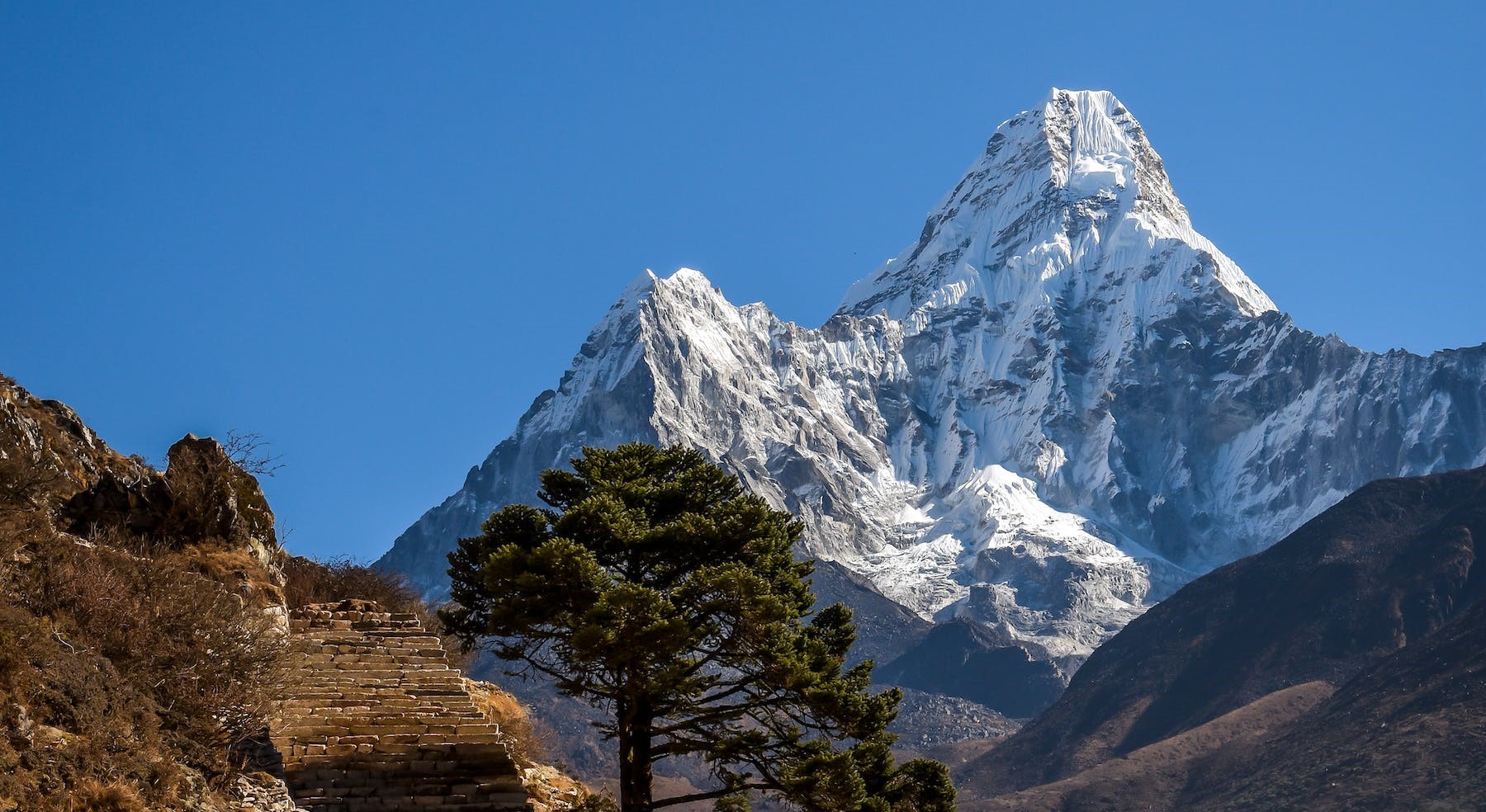
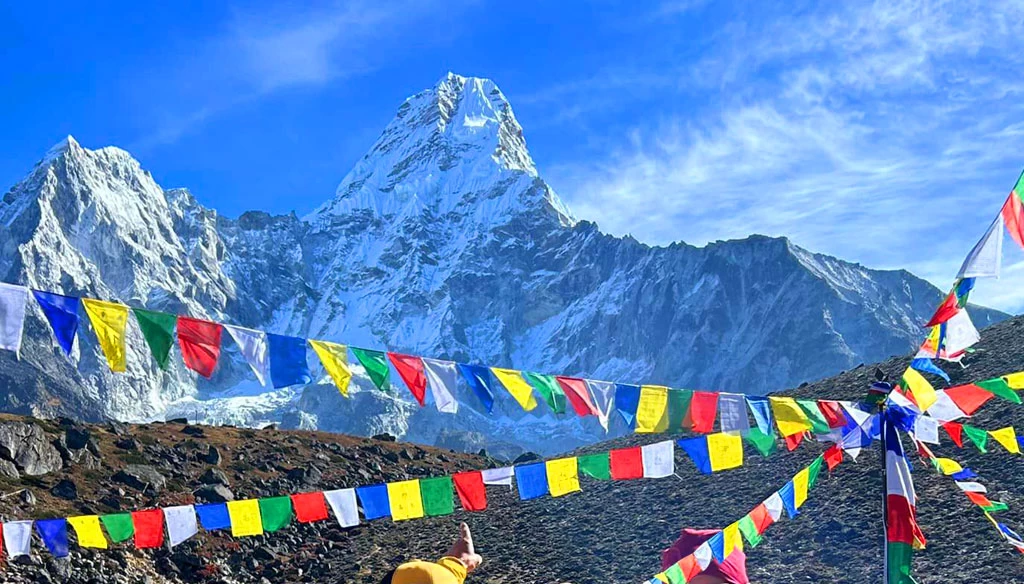
If you want the magic of the Everest region without committing to the full three-week Everest Base Camp trail, the Ama Dablam Base Camp Trek is one of the best-kept secrets in the Khumbu. Over 10 days, you'll walk through the same iconic Sherpa villages as EBC trekkers — Namche Bazaar, Tengboche, Pangboche — before veering off the busy main trail to stand beneath one of the most beautiful peaks on Earth: the 6,812m "Matterhorn of the Himalayas," Ama Dablam.
Table of Contents
For most travelers, the classic Everest Base Camp trek is a bucket-list milestone — but it also demands 12–14 days on the trail, a punishing climb to 5,364m, and increasingly crowded teahouses during peak season. The Ama Dablam Base Camp Trek offers a compelling alternative: it shares the same starting point (the thrilling Lukla flight), the same legendary Khumbu villages, and many of the same jaw-dropping mountain views — Everest, Lhotse, Nuptse, and Ama Dablam among them — but wraps up in roughly two-thirds of the time, at a gentler maximum altitude, and along quieter side trails that most EBC trekkers never explore.
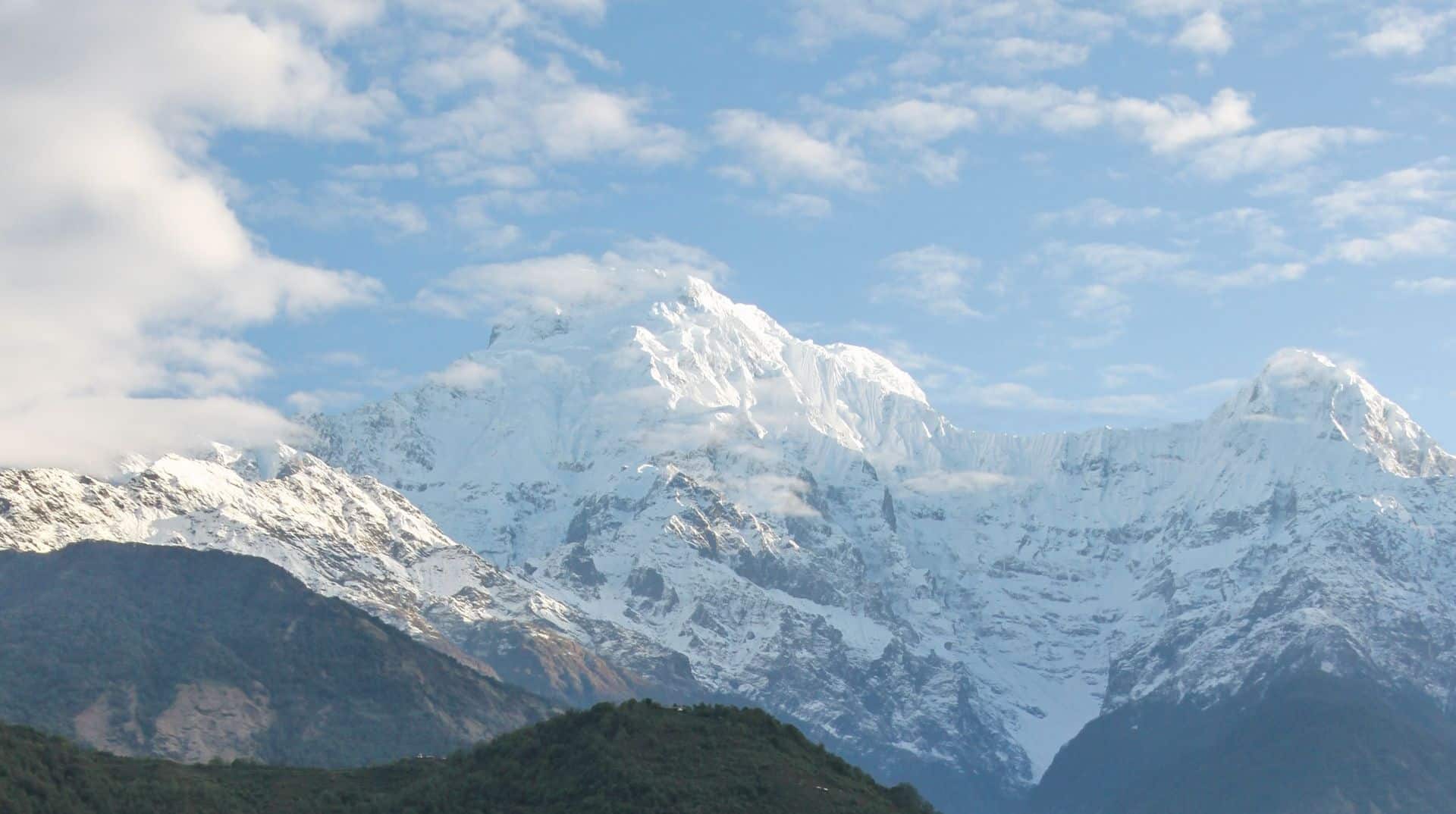
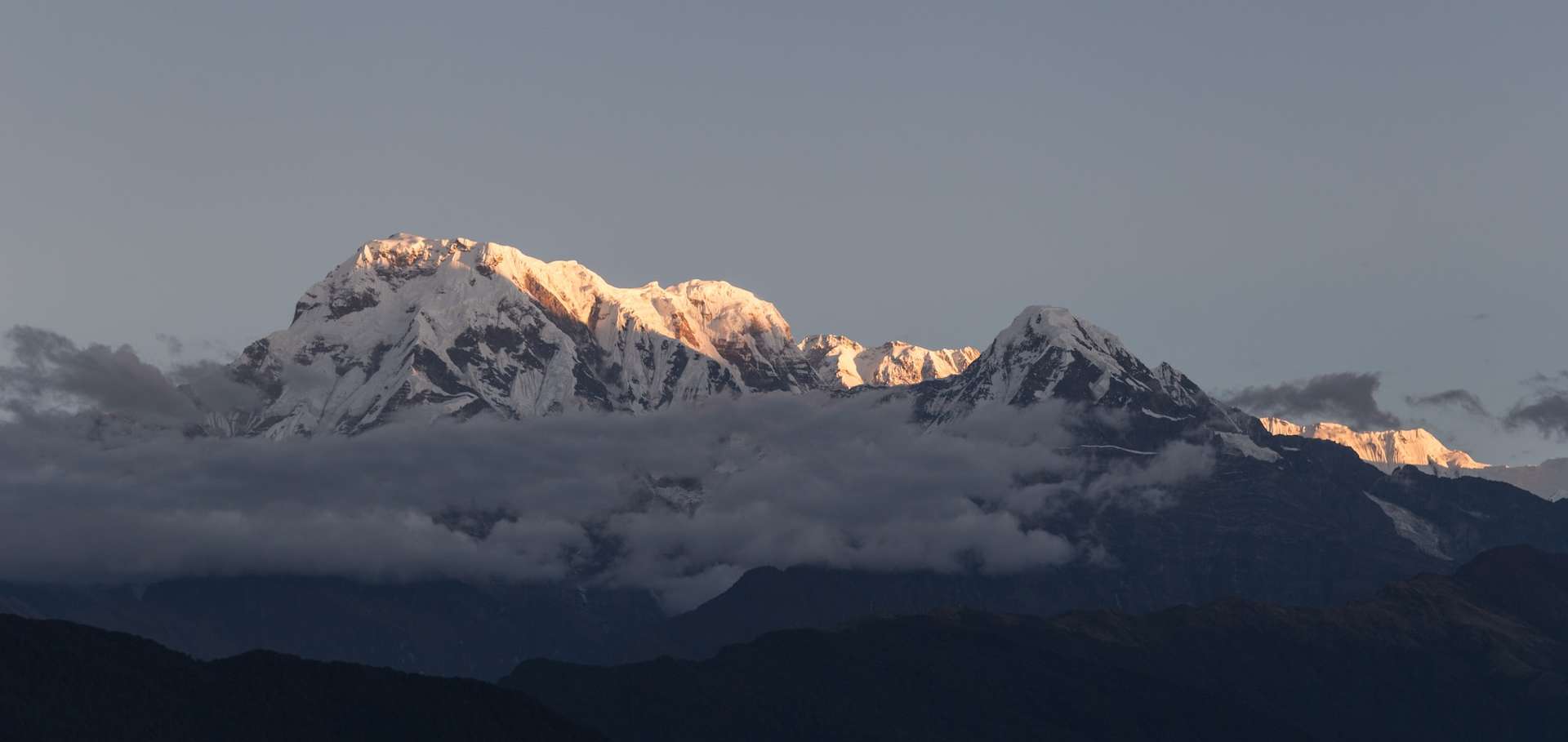
What makes this trek special isn't just its efficiency, though. Ama Dablam itself is arguably the most photogenic mountain in the entire Himalayan range — a sheer, ice-draped spire that has captivated climbers and photographers since it was first summited in 1961. Standing at its base camp, with its hanging glacier and fluted ridgelines rising directly overhead, delivers a sense of scale and drama that's hard to match anywhere else in Nepal, including at Everest Base Camp itself, where the mountain of Everest is famously less visually striking up close than its neighbors.
Along the way, you'll also get a genuine, unhurried immersion into Sherpa culture — passing through Namche Bazaar's bustling market streets, the centuries-old monastery at Tengboche, and the quieter farming village of Phortse, home to many of the region's most decorated mountaineers. Because the route ventures off the main EBC corridor between Namche and Pangboche, you'll trade some of the crowds and queues of the high season for a more personal, immersive trekking experience — without sacrificing any of the classic Khumbu scenery.
This trek suits a wide range of travelers: first-time high-altitude trekkers who want a taste of the Everest region without the full EBC commitment, experienced hikers short on vacation time, and even those considering an Ama Dablam climbing expedition in the future who want to scout the approach and test their acclimatization beforehand.
Why Trek to Ama Dablam Base Camp?
Ama Dablam is instantly recognizable — a sharp, glacier-draped pyramid that dominates the skyline throughout the Everest region. While thousands of trekkers photograph it from a distance on the EBC trail, relatively few make the short detour to stand at its base camp (4,600m). That makes this trek a quieter, more intimate alternative for travelers who want:
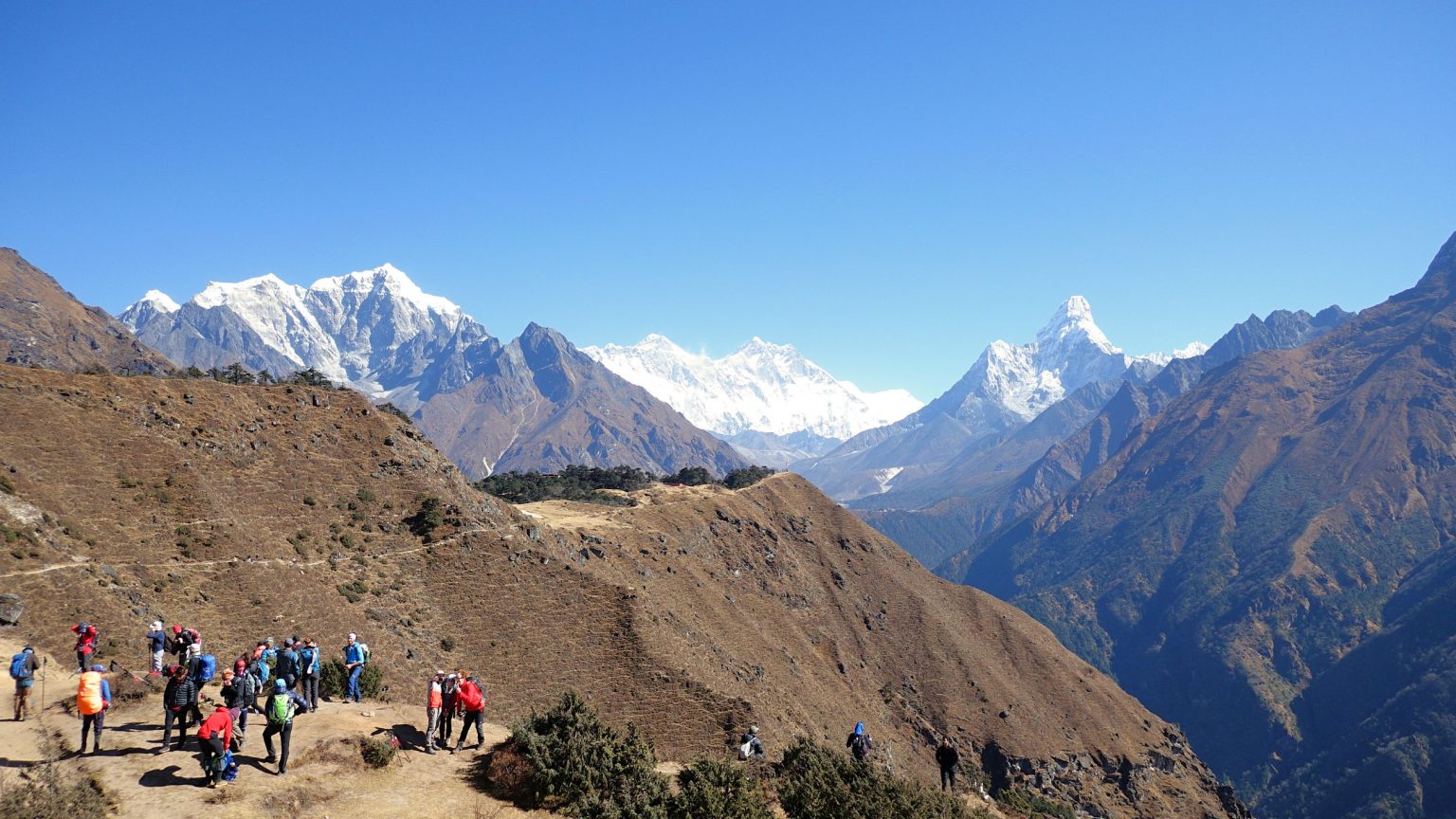
- Classic Khumbu scenery — Everest, Lhotse, Nuptse, and Ama Dablam itself, all visible along the way
- Authentic Sherpa culture in villages like Namche Bazaar, Khumjung, Phortse, and Pangboche
- A shorter, less crowded route than the full Everest Base Camp trek
- A moderate difficulty level suitable for fit beginners, not just experienced high-altitude trekkers
- A genuine sense of discovery, since Ama Dablam Base Camp itself sees far fewer visitors than Everest Base Camp
Ama Dablam Base Camp Trek: Quick Facts
| Detail | Information |
|---|---|
| Duration | 10 days (Kathmandu to Kathmandu) |
| Trek Difficulty | Moderate |
| Max Altitude | 4,600 m (Ama Dablam Base Camp) |
| Starting Point | Lukla (via flight from Kathmandu) |
| Best Season | March, April, May, September, October, November |
| Accommodation | Teahouses/lodges |
| Group Size | 1–10 people (private trips also available) |
| Region | Everest (Khumbu), Nepal |
| Permits Required | Sagarmatha National Park Permit, Khumbu Pasang Lhamu Rural Municipality Permit |
| Guide | Mandatory (licensed guide required for all foreign trekkers) |
Ama Dablam Base Camp Trek Itinerary
Day 1: Arrival in Kathmandu (1,400m)
Your adventure begins the moment you land at Tribhuvan International Airport, where a Northern Trekking Team representative will greet you and transfer you to your hotel in Thamel — Kathmandu's lively tourist hub. Once settled, you'll meet your trekking guide for a detailed pre-trek briefing covering the itinerary, packing essentials, altitude safety, and any last-minute questions. With the rest of the day free, wander Thamel's narrow lanes packed with gear shops, bakeries, and rooftop cafés, or pick up any missing trekking equipment before heading into the mountains. Overnight in a hotel in Kathmandu.
Day 2: Fly to Lukla (2,860m), trek to Phakding (2,610m)
An early-morning transfer to the domestic terminal sets you up for one of the world's most scenic — and famously thrilling — mountain flights. The 35-minute flight weaves between snow-capped peaks before touching down at Tenzing-Hillary Airport in Lukla, often ranked among the most dramatic airstrips on Earth. From Lukla, you'll begin trekking almost immediately, following a gently descending trail through pine forests and past mani stones and prayer wheels. The walk takes roughly 3 hours and drops you into Phakding, a peaceful village on the banks of the Dudh Koshi River — a gentle introduction to the days ahead. Overnight in a teahouse.
Day 3: Phakding to Namche Bazaar (3,440m)
Today marks your first real climb, and it's a memorable one. The trail hugs the roaring Dudh Koshi River, crossing several long suspension bridges draped in colorful prayer flags — including the famous Hillary Suspension Bridge. After passing through the entrance checkpoint of Sagarmatha National Park at Jorsalle, the trail begins a steep, steady 600m+ ascent through pine forest. On a clear day, look out for your very first glimpse of Everest peeking above the ridgeline partway up the climb. The trek takes 5–6 hours and ends at Namche Bazaar, the vibrant amphitheater-shaped Sherpa capital of the Khumbu, where stone houses cascade down the hillside and bakeries, gear shops, and bars cater to trekkers and climbers alike. Overnight in a teahouse.
Day 4: Acclimatization Day in Namche Bazaar
Rather than a day of rest, this is an active acclimatization day built around the golden rule of high-altitude trekking: "climb high, sleep low." Most trekkers hike up to the Everest View Hotel (3,880m) or the neighboring villages of Khunde and Khumjung, both offering staggering panoramas of Everest, Lhotse, Ama Dablam, and Thamserku. Khumjung is also home to a monastery said to house a yeti scalp relic, and the Sir Edmund Hillary-founded Khumjung School. Back in Namche, you can browse the Saturday market (if timing aligns), visit the Sagarmatha National Park Visitor Centre for excellent mountain photography and Sherpa culture displays, or simply rest your legs at a café with a mountain view. Overnight in Namche Bazaar.
Day 5: Namche Bazaar to Phortse Village (3,840m)
Leaving the busier EBC trail behind, today's route branches onto a quieter path that most Everest Base Camp trekkers never see. The trail winds through fragrant rhododendron and juniper forest, with long, open stretches offering some of the best unobstructed views of Ama Dablam, Everest, and Lhotse on the entire trek. You may spot Himalayan tahr grazing on the hillsides, and the trail passes traditional Sherpa herding settlements along the way. After roughly 5–6 hours of walking, you arrive in Phortse — a traditional, close-knit farming and climbing village known for producing many of the Khumbu's most accomplished mountaineering Sherpas. Overnight in a teahouse.
Day 6: Phortse Village to Pangboche (3,985m)
The trail descends briefly from Phortse before climbing again toward Pangboche, crossing rugged, exposed terrain strung with fluttering prayer flags and mani walls. As you gain elevation, Ama Dablam looms increasingly close and dramatic, its fluted ridges and hanging glacier dominating the skyline. Pangboche is home to one of the oldest Buddhist monasteries in the Khumbu region, reputedly founded by Lama Sange Dorje over 300 years ago, and is considered a spiritual gateway for climbers heading toward Ama Dablam and Everest. The walk takes around 3–4 hours. Overnight in a teahouse, with Ama Dablam rising directly above the village.
Day 7: Day Hike to Ama Dablam Base Camp (4,600m), Return to Pangboche
This is the emotional and scenic climax of the trek. Trekking light (without full packs), you'll follow a rugged trail that climbs steadily out of Pangboche toward the base of Ama Dablam itself, gaining roughly 600m over 3–4 hours. As you approach, the mountain's famous hanging glacier and knife-edge ridges come into sharp focus, and on clear days you can often spot climbers' tents and fixed ropes on the lower slopes during climbing season (typically October–November). Base camp itself sits in a dramatic amphitheater with sweeping views back toward Kangtega, Thamserku, and the Imja Valley. After soaking in the views and a well-earned rest, you'll retrace your steps back down to Pangboche for a second night, allowing your body to properly acclimatize after the high point of the trek.
Day 8: Pangboche to Namche Bazaar (3,440m)
Heading back down the valley, the trail passes through Tengboche, home to the Khumbu's largest and most famous monastery, set on a ridge with one of the most photographed mountain backdrops in the world — Everest, Ama Dablam, and Nuptse all visible from the monastery courtyard. If timing allows, a stop to witness a monastic prayer ceremony is a memorable cultural highlight. From Tengboche, the trail descends through rhododendron forest, crosses the Dudh Koshi one final time, and climbs back up to Namche Bazaar — a 5–6 hour day retracing familiar ground with the bonus of now-easier acclimatized lungs. Overnight in Namche Bazaar.
Day 9: Namche Bazaar to Lukla (2,860m)
The last trekking day is largely downhill, following the Dudh Koshi River back through Jorsalle, Monjo, and Phakding before the final climb up to Lukla. With acclimatization behind you, the 6–7 hour walk feels noticeably easier than the ascent, giving you time to reflect on the trek, chat with porters and guides, and soak in the mountain scenery one last time. Many trekkers use the evening in Lukla to celebrate with fellow travelers and support staff before departing the mountains. Overnight in a teahouse.
Day 10: Fly Back to Kathmandu (1,400m)
An early-morning flight from Lukla — weather-dependent, as with all Khumbu flights — carries you back over the foothills to Kathmandu. After landing, you'll be transferred to your hotel with the rest of the day free to rest, shop for souvenirs in Thamel, or arrange a massage after nine days on the trail. The trip concludes with a farewell dinner, a fitting close to your Ama Dablam Base Camp adventure. Overnight in a hotel in Kathmandu.
Note: Flight schedules to and from Lukla are highly weather-dependent, and 1–2 buffer days are often recommended in your travel planning in case of delays.
How Much Does the Ama Dablam Base Camp Trek Cost?
Package prices for the Ama Dablam Base Camp Trek typically range from around $1,035 to $1,850 per person, depending on the operator, group size, and season. Fixed departures with established agencies — including 2026 group dates in September, October, November, and December — start from around $1,035 per person.
What's usually included:
- Airport transfers and ground transportation in Kathmandu
- 2 nights' hotel in Kathmandu with breakfast
- Kathmandu–Lukla–Kathmandu domestic flights and airport tax
- Teahouse/lodge accommodation during the trek
- All meals (breakfast, lunch, dinner) plus tea/coffee while trekking
- Sagarmatha National Park entry permit and Khumbu Pasang Lhamu Rural Municipality fee
- A licensed, English-speaking guide and porter, including their food, insurance, and wages
- First-aid kit and water purification tablets
- Farewell dinner in Kathmandu
What's usually excluded:
- Nepal entry visa fee
- International airfare
- Travel and health insurance (including high-altitude emergency evacuation coverage)
- Personal expenses (laundry, snacks, Wi-Fi, battery charging)
- Tips for guide and porter (customary, and generally expected)
Permits Required for the Ama Dablam Base Camp Trek
Since this trek follows the same corridor as the Everest Base Camp trail through Sagarmatha National Park, you'll need two permits — both of which are typically arranged by your trekking agency:
| Permit | Approx. Cost (Foreigners) |
|---|---|
| Sagarmatha National Park Entry Permit | NPR 3,000 (~$23) |
| Khumbu Pasang Lhamu Rural Municipality Fee | NPR 3,000 (~$23) |
A licensed guide is mandatory for all foreign trekkers in this region, and solo independent trekking is not permitted. TIMS cards are not required in the Khumbu, since local permit checkpoints have replaced the system there.
How Difficult Is the Ama Dablam Base Camp Trek?
This trek is rated moderate — a notch below the full Everest Base Camp trek in terms of both duration and altitude exposure. At 4,600m, the base camp sits roughly 850m lower than EBC (5,364m), which means less risk of severe altitude sickness, though proper acclimatization is still essential.
You don't need technical climbing experience or prior mountaineering skills, but you should have:
- Good general fitness and cardiovascular endurance
- Some hiking experience, ideally on multi-day or hilly terrain
- 5–7 hours of daily walking stamina across uneven, high-altitude trails
First-time trekkers with a reasonable fitness base and a sensible training plan in the weeks before departure can complete this trek comfortably.
Best Time to Trek to Ama Dablam Base Camp
The two prime trekking seasons in the Khumbu apply here as well:
- Spring (March–May): Warming temperatures, blooming rhododendrons, and clear mountain views. One of the most popular windows.
- Autumn (September–November): Widely considered the best season overall — stable weather, crisp visibility, and comfortable daytime trekking temperatures.
- Winter (December–February): Colder and quieter, with fewer crowds, but higher sections can be very cold, especially at night.
- Monsoon (June–August): Generally avoided due to rain, leeches at lower elevations, and clouded mountain views, though it can suit botany-focused or off-season travelers.
Ama Dablam Base Camp Trek vs. Everest Base Camp Trek
| Factor | Ama Dablam Base Camp Trek | Everest Base Camp Trek |
|---|---|---|
| Duration | ~10 days | ~14 days |
| Max Altitude | 4,600m | 5,364m |
| Difficulty | Moderate | Moderate to challenging |
| Crowds | Quieter, less trafficked | Busiest trail in the Khumbu |
| Views | Ama Dablam up close, plus Everest/Lhotse/Nuptse | Everest, Kala Patthar viewpoint, full Khumbu panorama |
| Best for | Time-limited trekkers, first-time high-altitude hikers | Trekkers wanting the classic "Everest" milestone |
Cultural Experience on the Ama Dablam Base Camp Trek
Beyond the mountain views, one of the most rewarding parts of the Ama Dablam Base Camp Trek is the deep immersion into Sherpa culture and Himalayan Buddhist tradition that unfolds along the trail. Unlike treks that simply pass through villages, this route spends extended time in some of the Khumbu's most culturally significant settlements — offering a genuine window into a way of life shaped by centuries of mountain living, trade, and faith.
Namche Bazaar: The Sherpa Capital
Namche Bazaar is more than just an acclimatization stop — it's the cultural and commercial heart of the Khumbu region. Originally a trading post on the ancient salt route between Tibet and Nepal, Namche's amphitheater of stone houses still buzzes with the energy of its Saturday market, where locals from surrounding villages sell yak cheese, fresh vegetables, and handwoven textiles. The Sagarmatha National Park Visitor Centre here offers insight into Sherpa mountaineering history and the region's unique high-altitude ecology, while numerous small museums and galleries showcase traditional Sherpa clothing, tools, and climbing artifacts from decades of Everest expeditions.
Khumjung and Khunde: Everyday Sherpa Life
The acclimatization side-trip to Khumjung and Khunde villages reveals a quieter, more traditional side of Khumbu life away from the trekking crowds. Khumjung is home to a monastery said to house a yeti scalp relic, a beloved local legend, as well as the Khumjung School, founded by Sir Edmund Hillary in 1961 as part of his decades-long commitment to supporting Sherpa communities after his historic Everest ascent. Walking through these villages, you'll see terraced potato fields, traditional stone farmhouses, and yak herds grazing on hillside pastures much as they have for generations.
Tengboche Monastery: The Spiritual Heart of the Khumbu
Perched on a ridge with a jaw-dropping backdrop of Everest, Ama Dablam, and Nuptse, Tengboche Monastery is the largest and most important Buddhist monastery in the Khumbu region. Founded in 1916, it remains an active center of worship and learning for local monks. If your timing coincides with a prayer ceremony, you may be able to witness monks chanting to the deep resonance of traditional horns and drums — a powerful, unforgettable experience set against one of the most dramatic mountain panoramas in the world. The monastery also hosts the Mani Rimdu festival each autumn, one of the most vibrant religious celebrations in the Everest region, featuring masked dances that reenact the triumph of Buddhism over pre-Buddhist beliefs.
Phortse and Pangboche: Living Mountain Traditions
Venturing off the main EBC trail toward Phortse offers a rare glimpse into a working Sherpa farming and climbing village, largely untouched by the tourist infrastructure found in busier parts of the Khumbu. Phortse is famously the home village of a disproportionate number of Nepal's most accomplished high-altitude climbing Sherpas, many of whom have summited Everest multiple times. In Pangboche, you'll find one of the oldest monasteries in the Khumbu region, reputedly founded over 300 years ago by Lama Sange Dorje, considered a spiritual guardian of the valley. The village has long served as a staging point for climbers attempting Ama Dablam and Everest, giving it a unique atmosphere that blends mountaineering history with deep-rooted religious tradition.
Everyday Cultural Touchpoints Along the Trail
Throughout the trek, smaller cultural details enrich the journey at every turn:
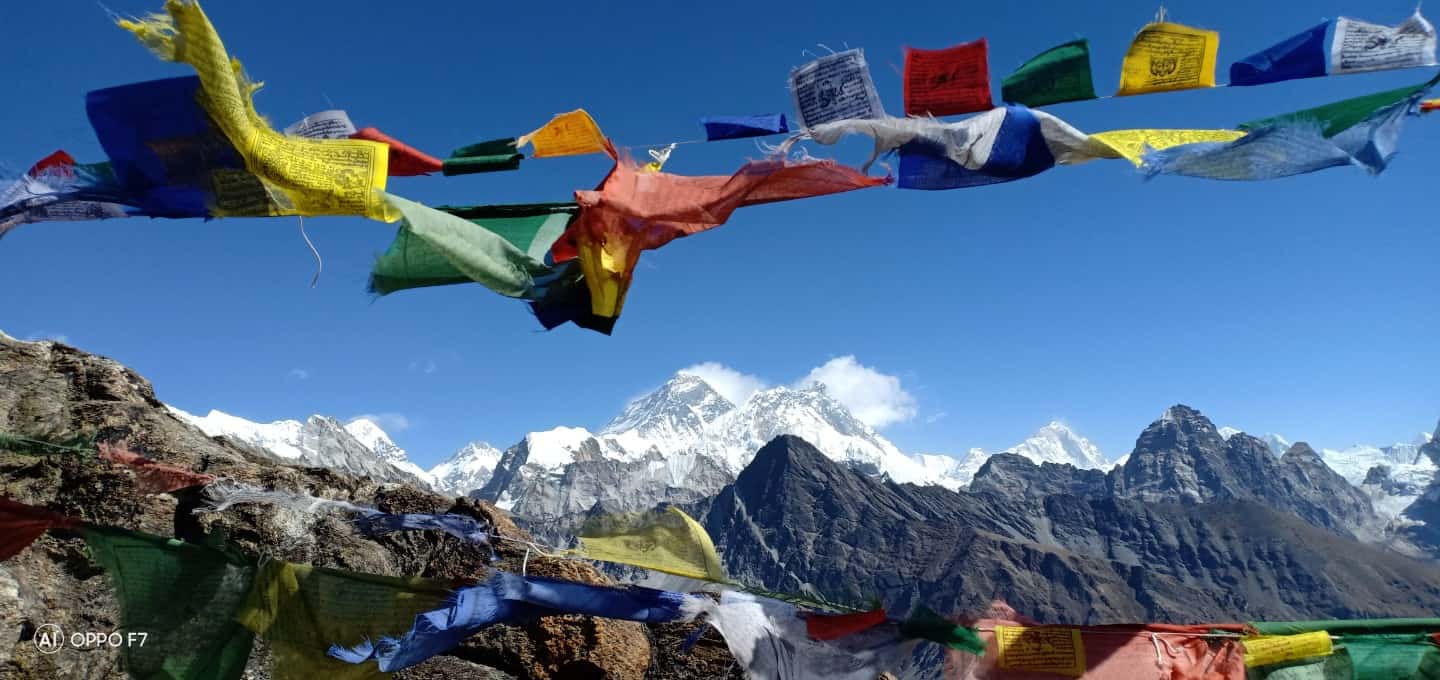
- Prayer flags and mani walls line the trails, inscribed with Buddhist mantras believed to carry blessings on the wind
- Chortens and stupas mark significant points along the route, meant to be passed on the left as a sign of respect
- Teahouse hospitality offers a chance to sit with Sherpa families, share meals like dal bhat and yak cheese, and hear firsthand stories about mountaineering, local festivals, and daily high-altitude life
- Traditional architecture, with stone-walled houses, carved wooden window frames, and yak-dung fuel stores, reflects centuries of adaptation to the harsh Himalayan climate
Together, these cultural encounters transform the Ama Dablam Base Camp Trek from a simple mountain trek into a genuine cultural journey — one where the region's Buddhist heritage and Sherpa way of life feel just as central to the experience as the stunning peaks themselves.
Trekking Equipment for Ama Dablam Base Camp Trek
Packing right for the Ama Dablam Base Camp Trek can make the difference between an enjoyable adventure and a miserable one. With temperatures ranging from mild spring days in Kathmandu to sub-zero nights above 4,000m, layering and quality gear are essential. Here's a complete equipment checklist organized by category.
Head and Hands
- Sun hat or cap — for lower-altitude sun protection
- Warm woolen or fleece hat — covers ears at high altitude and during cold mornings
- Buff or neck gaiter — versatile protection against sun, wind, and dust
- Sunglasses (UV protection, category 3–4) — essential for glare off snow and ice near base camp
- Lightweight gloves — for general trekking and dexterity
- Insulated/waterproof gloves or mittens — for cold mornings and the base camp day hike
Upper Body Layers
- Moisture-wicking base layers (2–3) — thermal tops for cold mornings and evenings
- Trekking t-shirts (2–3) — quick-dry, breathable fabric
- Fleece jacket or mid-layer — for insulation during rest stops and evenings
- Insulated down jacket — critical for high-altitude cold; many operators provide one on request
- Waterproof/windproof outer shell jacket — protects against rain, wind, and snow
Lower Body Layers
- Moisture-wicking base layer leggings/thermals — for cold nights and high-altitude days
- Trekking trousers (2 pairs) — durable, quick-dry, and comfortable for daily hiking
- Waterproof/windproof shell trousers — for rain, snow, or wind exposure at altitude
- Fleece trousers (optional) — extra warmth for evenings in teahouses
Footwear
- Broken-in trekking boots — waterproof, ankle-supporting, and well-worn before the trip to avoid blisters
- Trekking socks (4–5 pairs) — wool or synthetic blend, moisture-wicking
- Liner socks (optional) — worn under trekking socks to reduce friction and blisters
- Camp shoes/sandals — lightweight footwear to rest your feet in teahouses each evening
- Gaiters (optional) — useful if trekking during or after snowfall
Sleeping and Rest Gear
- Sleeping bag (rated to at least -15°C to -20°C) — teahouses provide blankets, but a proper cold-rated bag is essential above Namche; many operators offer these on request
- Sleeping bag liner — adds warmth and keeps the bag clean
- Inflatable travel pillow (optional) — for extra comfort at teahouses
Backpacks and Bags
- Daypack (30–40L) — for carrying daily essentials like water, snacks, camera, and extra layers
- Duffel bag (for porter-carried gear) — most operators provide one; used to transport your main luggage between teahouses
- Dry bags or packing cubes — to keep gear organized and protected from moisture
Trekking Accessories
- Trekking poles — highly recommended for stability on steep, uneven, or icy sections, especially the Ama Dablam Base Camp day hike
- Headlamp with spare batteries — essential for early starts, teahouse power cuts, and night bathroom trips
- Water bottles (2 x 1L) or hydration bladder — bring at least 2–3 liters of carrying capacity
- Water purification tablets or filter — for safe drinking water refills along the trail
- Trekking map or GPS device (optional) — useful for route awareness, though your guide will lead the way
Health and Personal Care
- Personal first-aid kit — blister plasters, pain relievers, altitude sickness medication (e.g., Diamox, on doctor's advice), rehydration salts
- Sunscreen (SPF 50+) and lip balm with SPF — UV exposure is intense at altitude
- Hand sanitizer and wet wipes — useful given limited washing facilities at higher elevations
- Personal medications — packed with a copy of prescriptions if needed
- Basic toiletries — toothbrush, toothpaste, quick-dry towel, toilet paper
Documents and Electronics
- Passport (with spare photocopies) and passport-sized photos — required for permits and visa processing
- Cash (Nepali Rupees) — for personal expenses, tips, and items not included in your package, since ATMs become unavailable past Namche Bazaar
- Travel and medical insurance documents — proof of coverage, including high-altitude emergency evacuation
- Power bank — charging facilities in teahouses often come at an extra cost
- Camera and spare batteries — cold temperatures drain batteries quickly, so carry spares close to your body for warmth
Optional Extras
- Snacks/energy bars — for extra fuel between meals
- Earplugs — helpful in shared teahouse rooms
- Playing cards or a book — for downtime during acclimatization days
- Trekking gaiters and microspikes — useful if trekking in winter or after fresh snowfall near base camp
Packing tip: Most reputable trekking agencies, including Northern Trekking Team, provide a down jacket, sleeping bag, and duffel bag on request as part of their package — check with your operator before buying or renting these items separately in Kathmandu, where quality trekking gear rental shops are widely available in Thamel at reasonable prices.
Ama Dablam Base Camp Trek FAQs
1. How difficult is the Ama Dablam Base Camp Trek?
The trek is rated moderate — challenging enough to require good fitness and some hiking experience, but easier than the full Everest Base Camp trek since it reaches a lower maximum altitude (4,600m vs. 5,364m). No technical climbing skills are needed, just solid stamina for 5–7 hours of daily walking on uneven, high-altitude trails.
2. How many days does the Ama Dablam Base Camp Trek take?
Most itineraries run 10 days, including Kathmandu arrival and departure days. This makes it roughly a third shorter than the classic 12–14 day Everest Base Camp trek, while still covering many of the same iconic Khumbu villages.
3. How much does the Ama Dablam Base Camp Trek cost?
Package prices typically range from $1,035 to $1,850 per person, depending on the operator, group size, and season. Most packages include domestic flights, teahouse accommodation, all meals during the trek, a licensed guide and porter, and required permits.
4. What permits do I need for the Ama Dablam Base Camp Trek?
You'll need the Sagarmatha National Park Entry Permit and the Khumbu Pasang Lhamu Rural Municipality Fee, both usually arranged by your trekking agency. A licensed guide is also mandatory for all foreign trekkers in this region — solo independent trekking is not permitted.
5. What is the maximum altitude on this trek?
The highest point is Ama Dablam Base Camp itself, at 4,600 meters (15,092 feet). This is notably lower than Everest Base Camp (5,364m), which reduces — though doesn't eliminate — the risk of altitude sickness.
6. When is the best time to do the Ama Dablam Base Camp Trek?
Autumn (September–November) and spring (March–May) are the two best seasons, offering stable weather, clear mountain views, and comfortable trekking temperatures. Winter is colder but quieter, while the monsoon season (June–August) is generally avoided due to rain and poor visibility.
7. Do I need prior trekking experience?
No prior high-altitude experience is required, though it helps. What matters most is good general fitness, some hiking background, and mental readiness for multiple consecutive days of walking at altitude. Many first-time trekkers complete this route successfully with basic pre-trip training.
8. How is the Ama Dablam Base Camp Trek different from the Everest Base Camp Trek?
Ama Dablam Base Camp is shorter (10 vs. ~14 days), reaches a lower maximum altitude, and follows quieter side trails between Namche and Pangboche instead of the busiest sections of the main EBC corridor — while still passing through the same iconic villages like Namche Bazaar and Tengboche.
9. Is a guide mandatory for this trek?
Yes. Since April 2023, Nepal has required all foreign trekkers in the Everest (Khumbu) region to be accompanied by a licensed guide from a registered trekking agency. This is enforced at checkpoints along the route.
10. What is included in a typical Ama Dablam Base Camp Trek package?
Most packages include Kathmandu hotel stays, domestic flights (Kathmandu–Lukla–Kathmandu), teahouse accommodation, daily meals during the trek, a licensed guide and porter, required permits, and a first-aid kit. Usually excluded are your Nepal visa fee, international airfare, travel insurance, and personal expenses like Wi-Fi or laundry.
Final Thoughts
The Ama Dablam Base Camp Trek delivers everything that makes the Khumbu special — dramatic mountain scenery, warm Sherpa hospitality, and genuine high-altitude adventure — in a shorter, quieter package than the classic Everest Base Camp route. It's an excellent choice whether you're short on time, trekking at altitude for the first time, or simply want a more peaceful trail with equally unforgettable views.
You can view the detailed itinerary, current fixed departure dates, and book this trek directly through Northern Trekking Team: Ama Dablam Base Camp Trek.
Recent From Ama Dablam Base Camp Trek: Complete Guide 2026-2027
Jun 27, 2022
Jun 27, 2022

Jul 19, 2022
Sep 20, 2025
Jan 03, 2023
Feb 03, 2023
Feb 17, 2023
Feb 23, 2023
Mar 03, 2023
Mar 14, 2023
Mar 20, 2023
Mar 28, 2023
Apr 06, 2023
Jul 31, 2023
Aug 28, 2023

Jan 04, 2026


Mar 10, 2026
Mar 10, 2026



Apr 03, 2026