4th Jan, 2026
Is Island Peak Hard to Climb? Difficulty, Training, and Summit Tips 2026
Is Island Peak Hard to Climb?
Island Peak climbing difficulty is one of the most searched questions by people dreaming of a Himalayan summit that’s technical but not extreme. At 6,189m, it stands as Nepal’s most popular trekking peak, drawing climbers through the Khumbu region, starting from Lukla and looping back after the climb, usually by flight, sometimes by helicopter if weather shifts fast.
Table of Contents
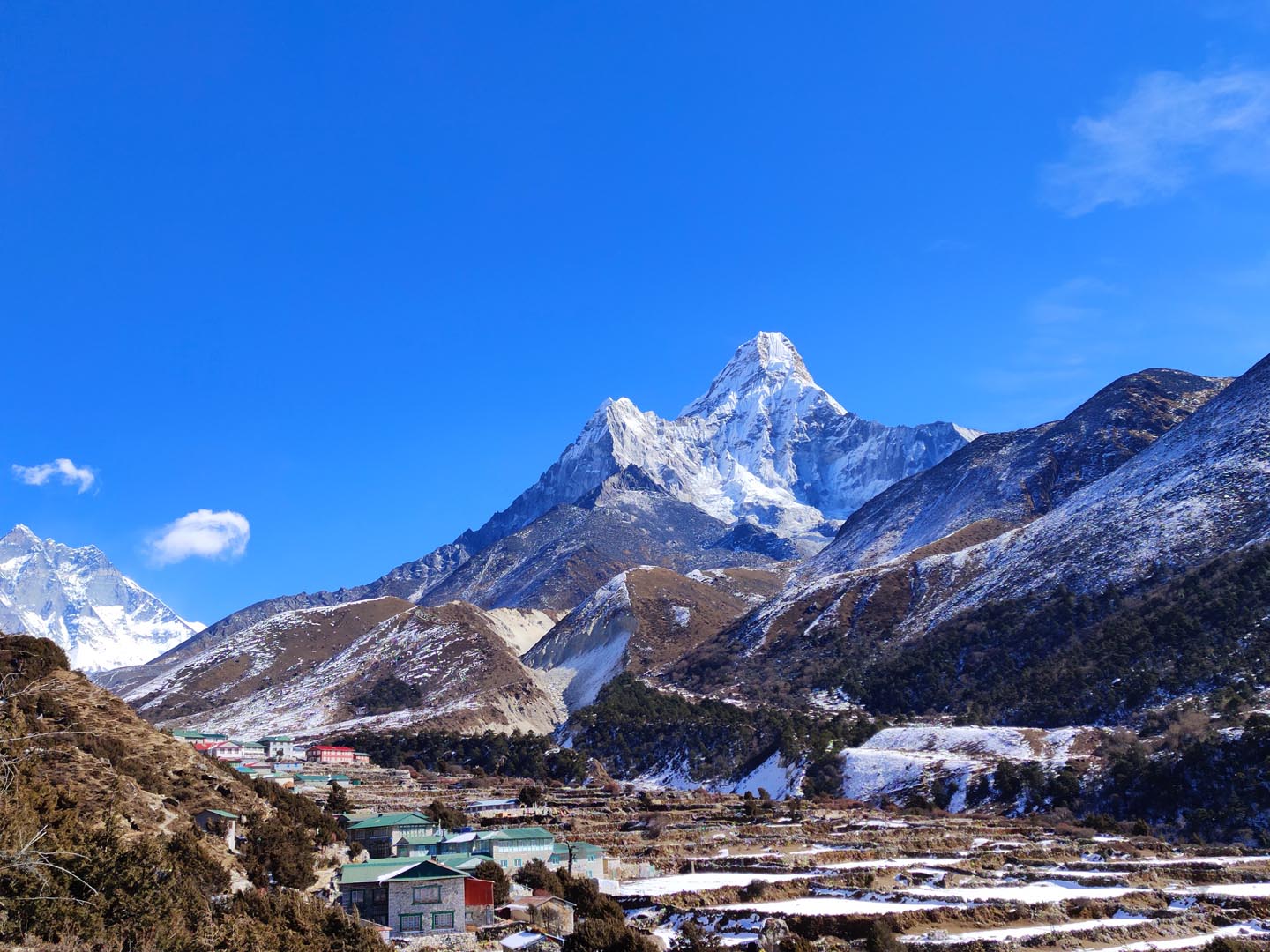
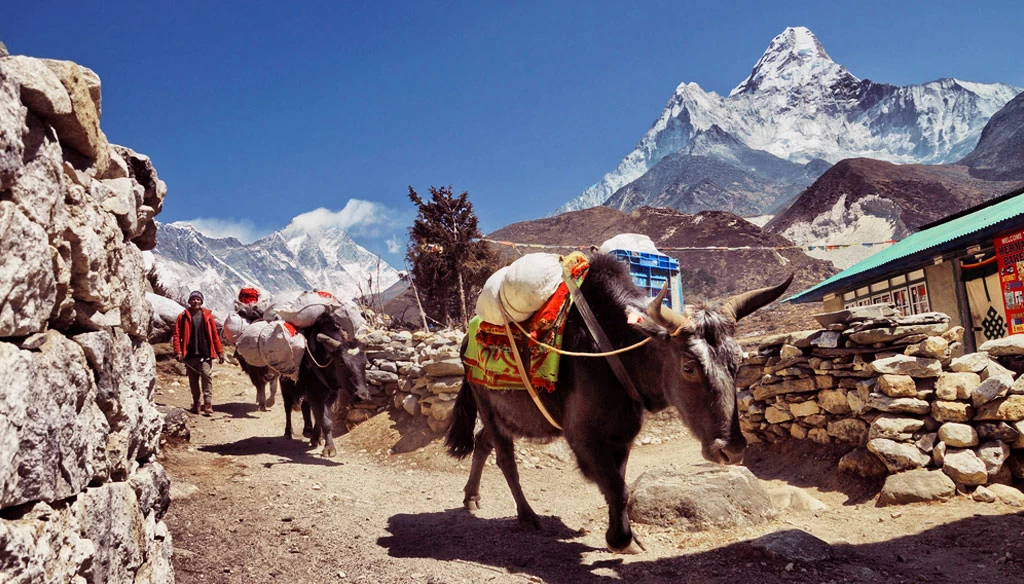
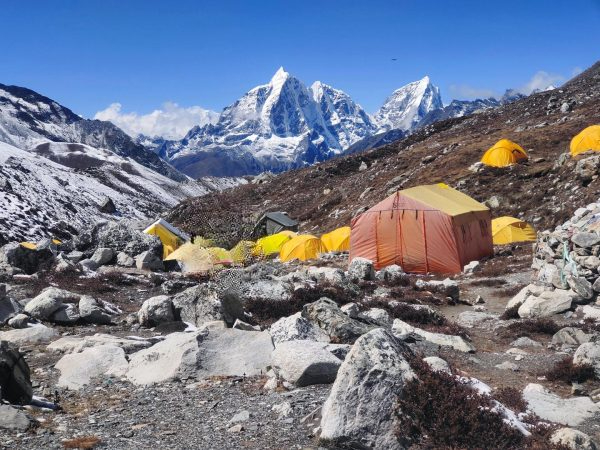
The climb starts like a storybook trek. The trail winds through Sherpa villages, across bridges that swing lightly over milky glacier rivers, into forests scented with wet bark and juniper smoke from distant tea houses. For the first several days, you’re not climbing the peak at all you’re earning your altitude slowly. That trek ends at Island Peak Base Camp, where the tents glow yellow under cold night skies, and the climb begins early the next morning, long before the sun touches the snow.
So, is Island Peak hard to climb? Yes, but it’s a measured difficulty, layered rather than overwhelming. It asks for stamina, focus, and basic glacier travel skills, but it doesn’t demand expert ice-climbing experience. The mountain’s personality is friendly until the final hours, where the air thins sharply, the slope steepens, and the climb becomes deliberate and quiet. It’s the kind of challenge that makes your heartbeat loud in your ears and your breathing the metronome of your progress.
What Makes Island Peak Feel Hard?
Altitude is the biggest force shaping how hard the climb feels. Above 5,500m, the oxygen drops enough that your body slows, not from weakness but from scarcity. The cold amplifies everything. The wind can slice through the silence like fabric tearing. Even the sun feels different at that height—bright, close, and fierce, reflecting off snow so intensely it stings your eyes if you’re not shielded by dark glacier glasses.
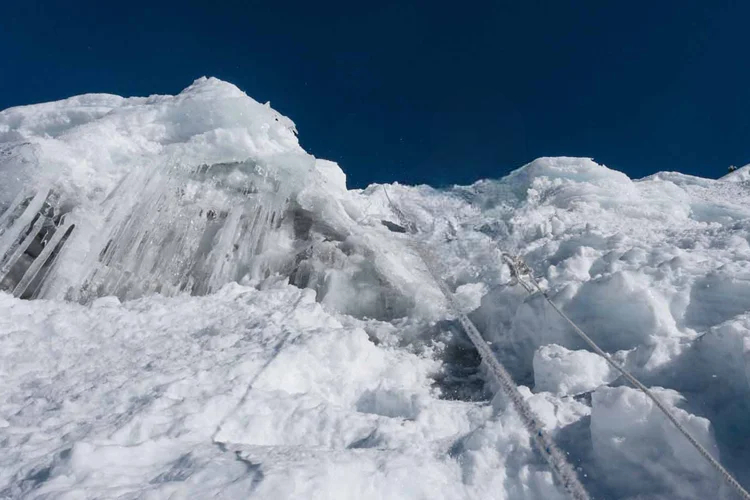
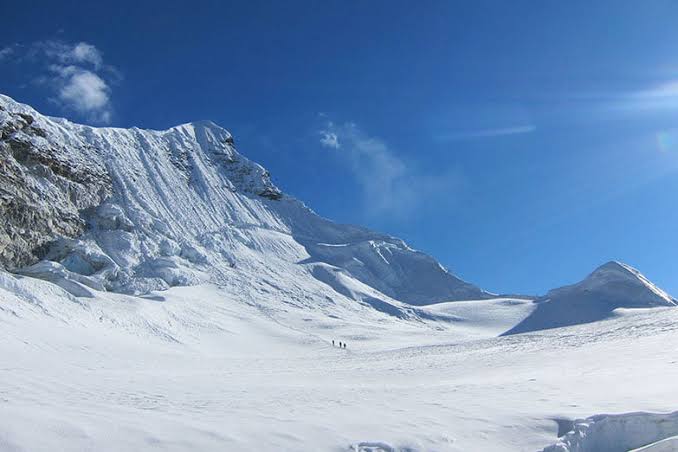
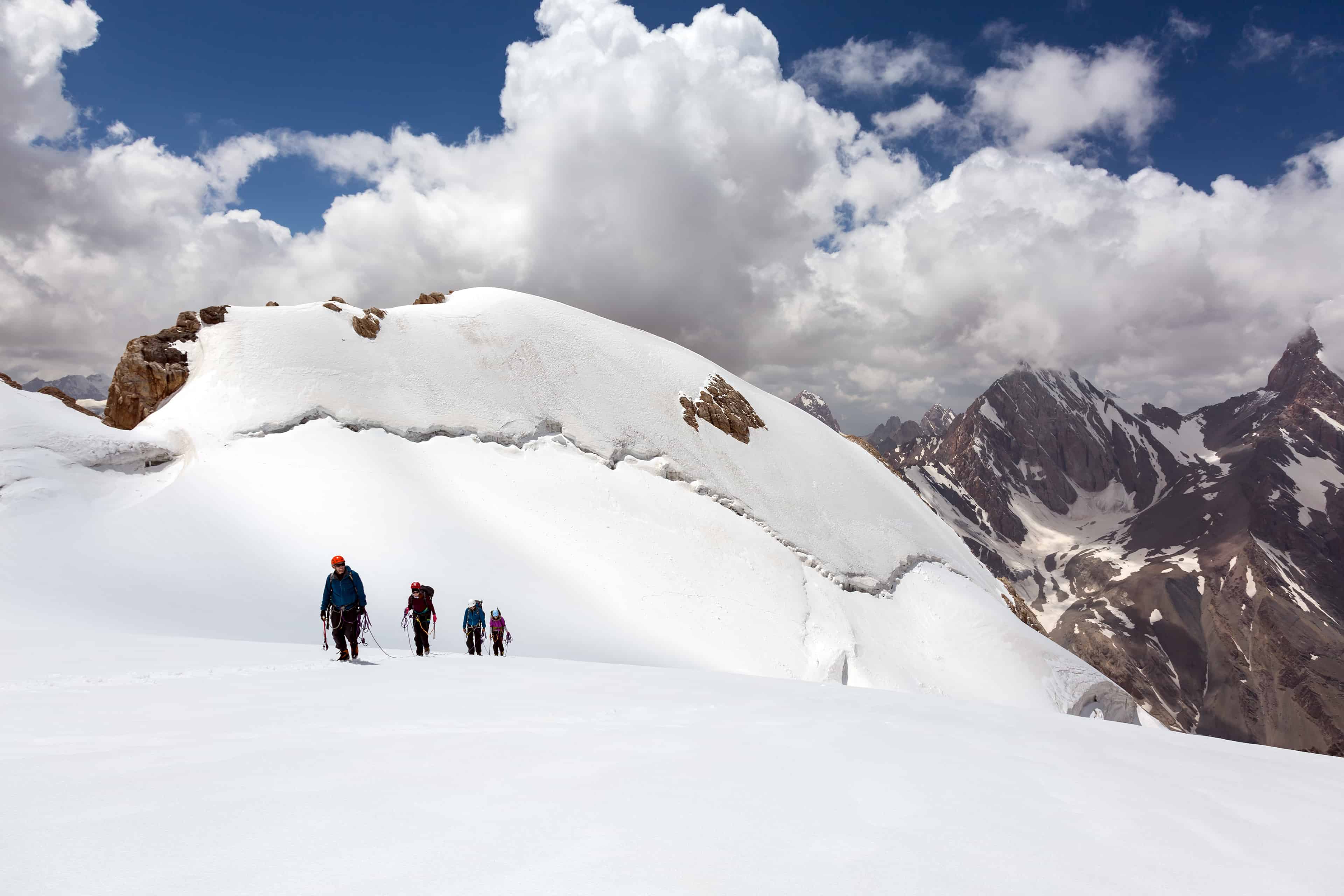
The glacier section introduces technical elements. You’ll wear crampons, connect to a rope team, and walk across a crevassed glacier guided by someone experienced. The snow under your feet crunches like brittle sugar. The headwall near the summit tilts around 40–50 degrees, steep enough that you’ll feel the exposure, the need for grip, and the importance of steady rhythm. There’s no room for rushing here. Every climber pauses a little more, speaks a little less, checks gear twice, and sips water consciously, knowing hydration is part of the strategy, not an afterthought.
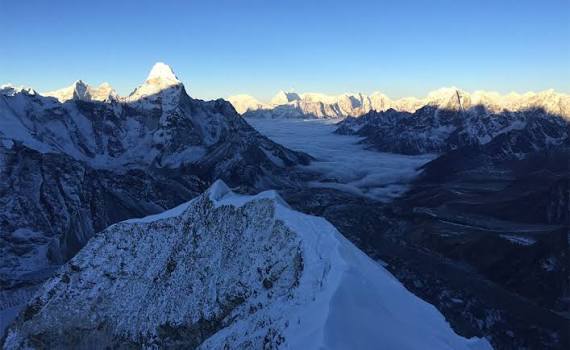
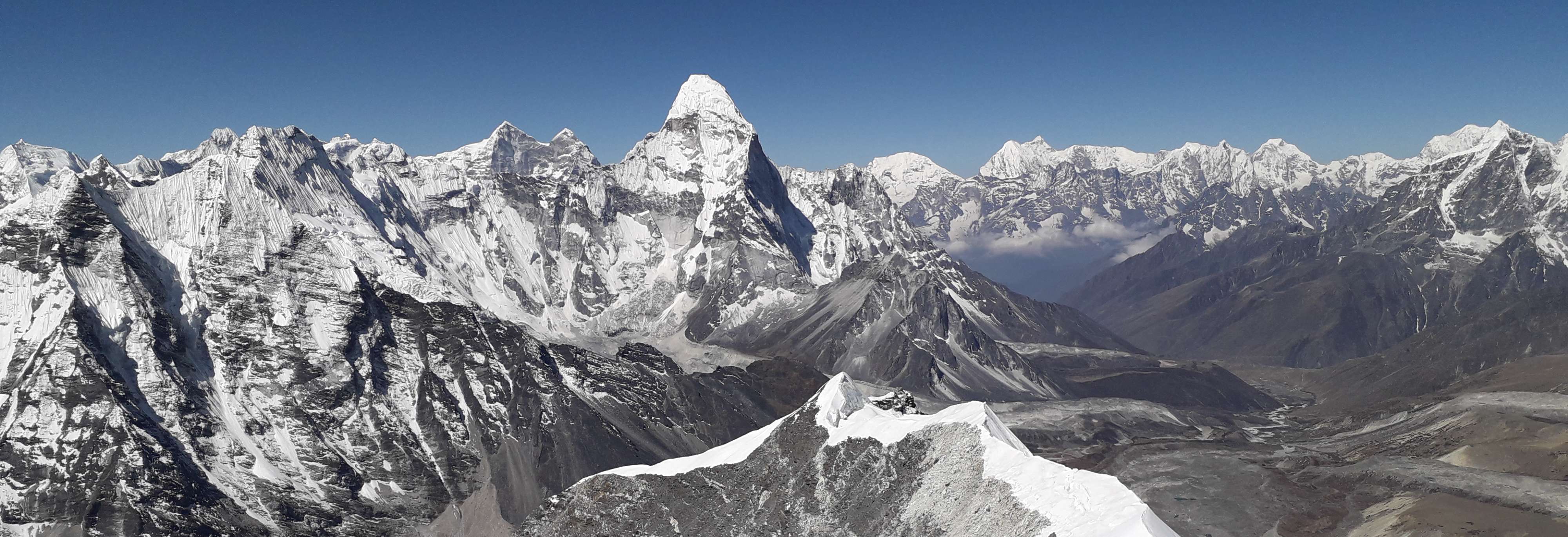
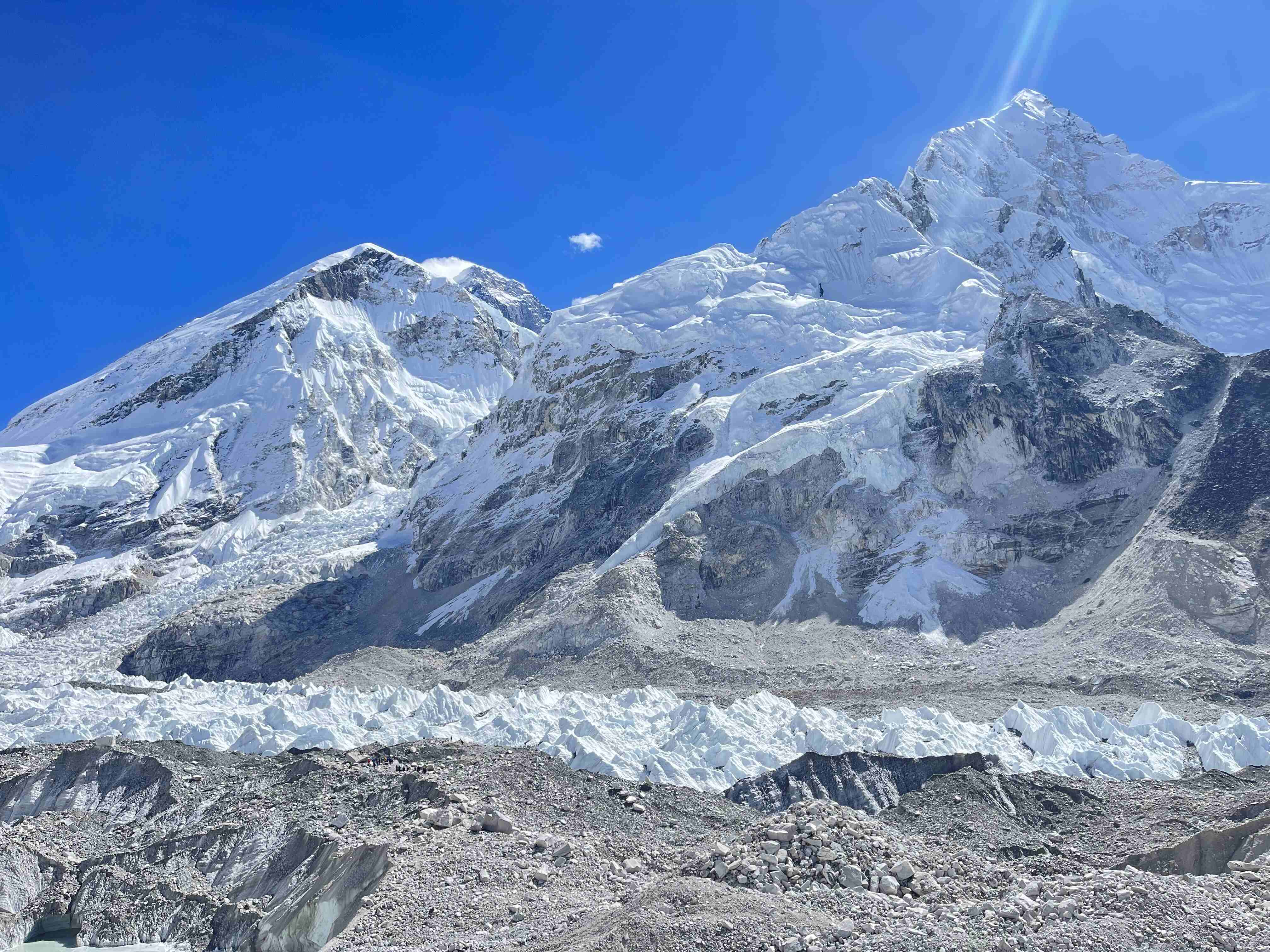
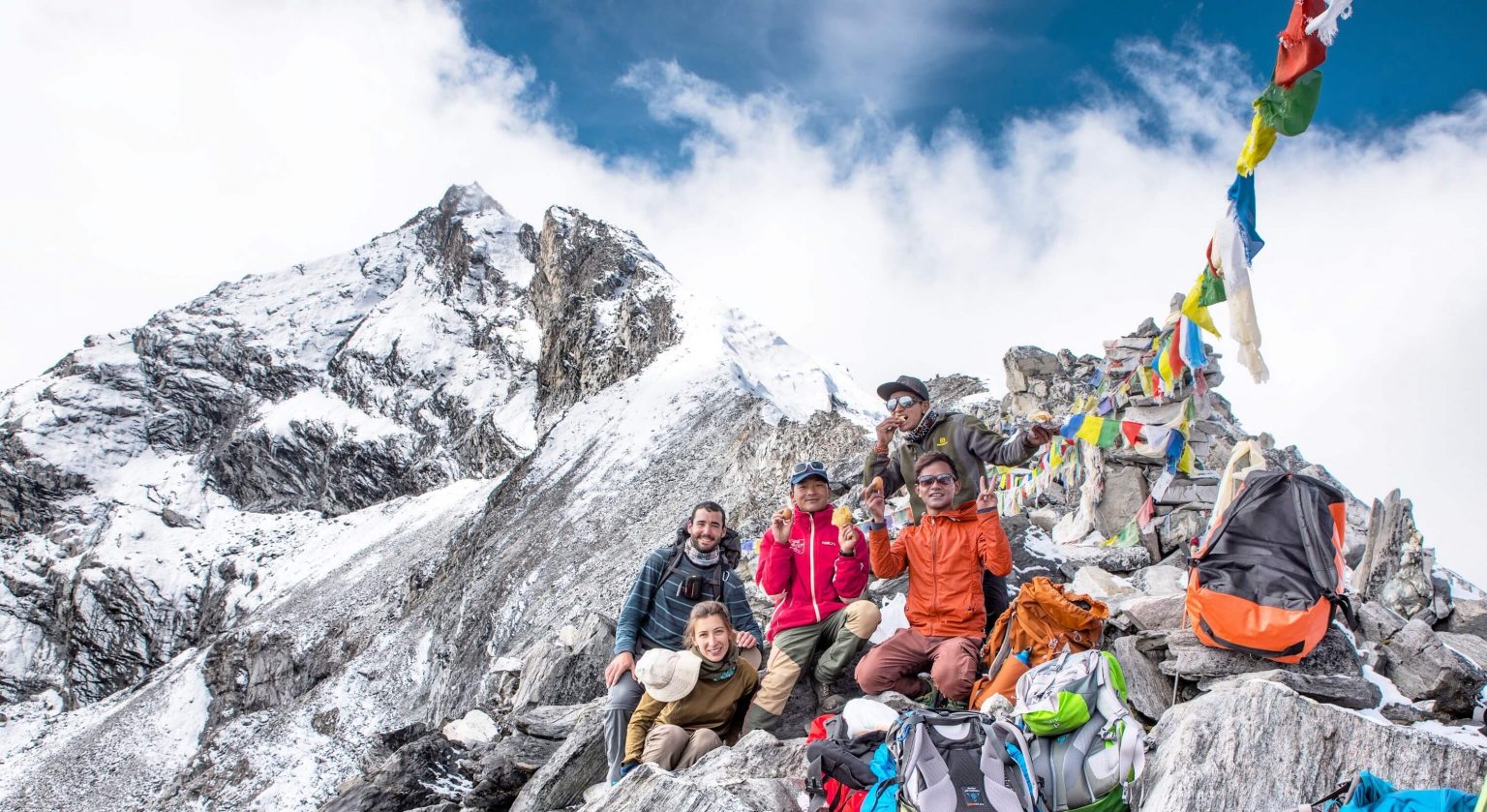
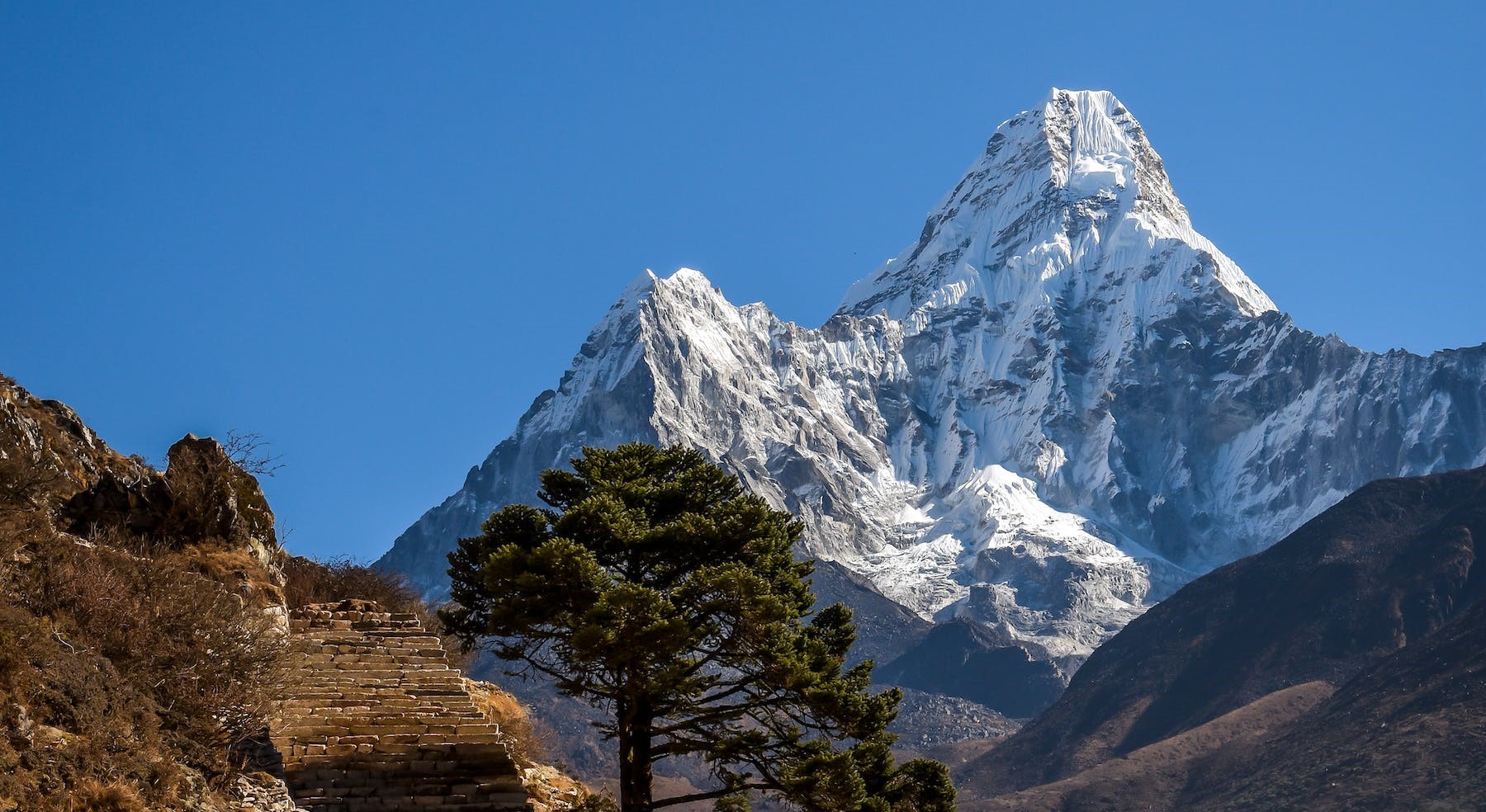
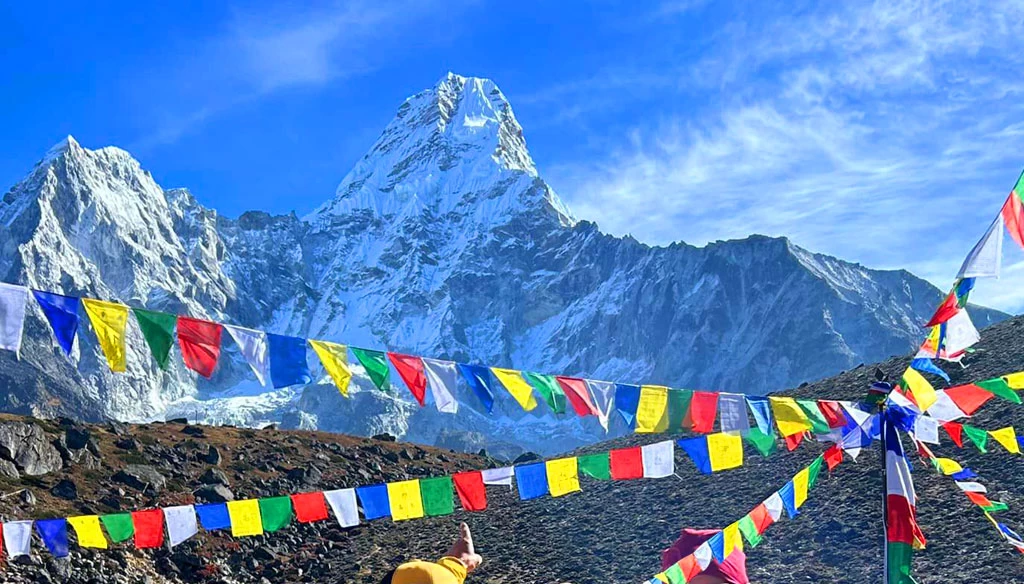
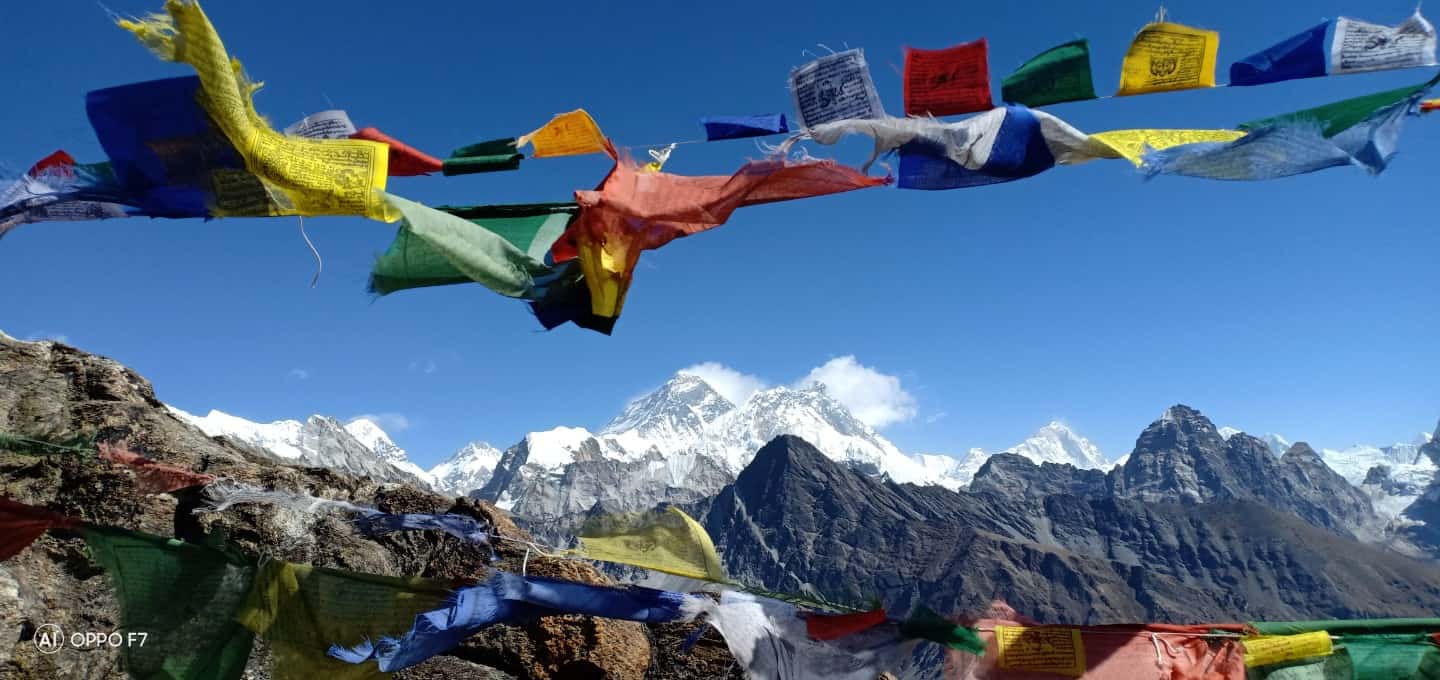
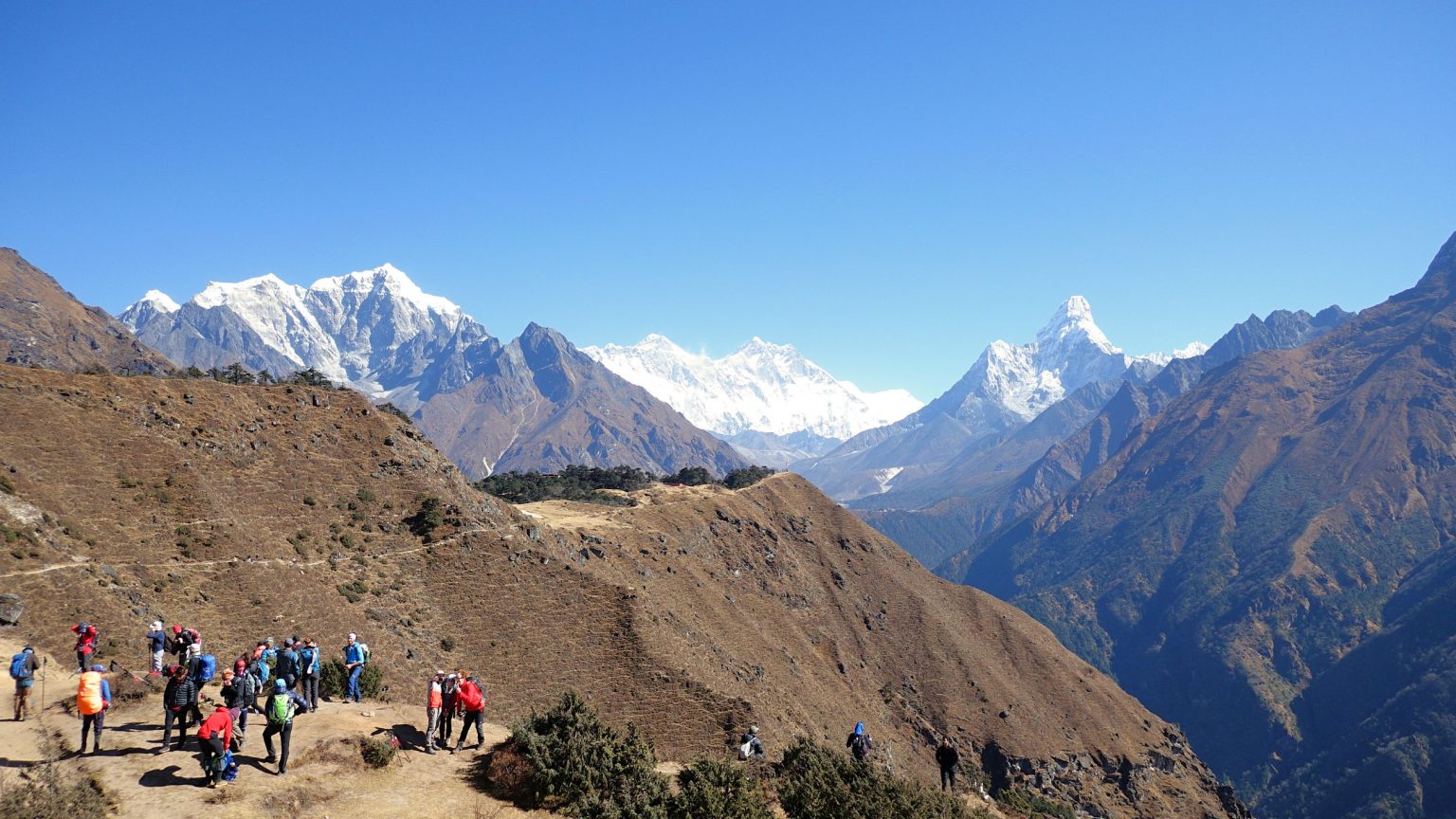
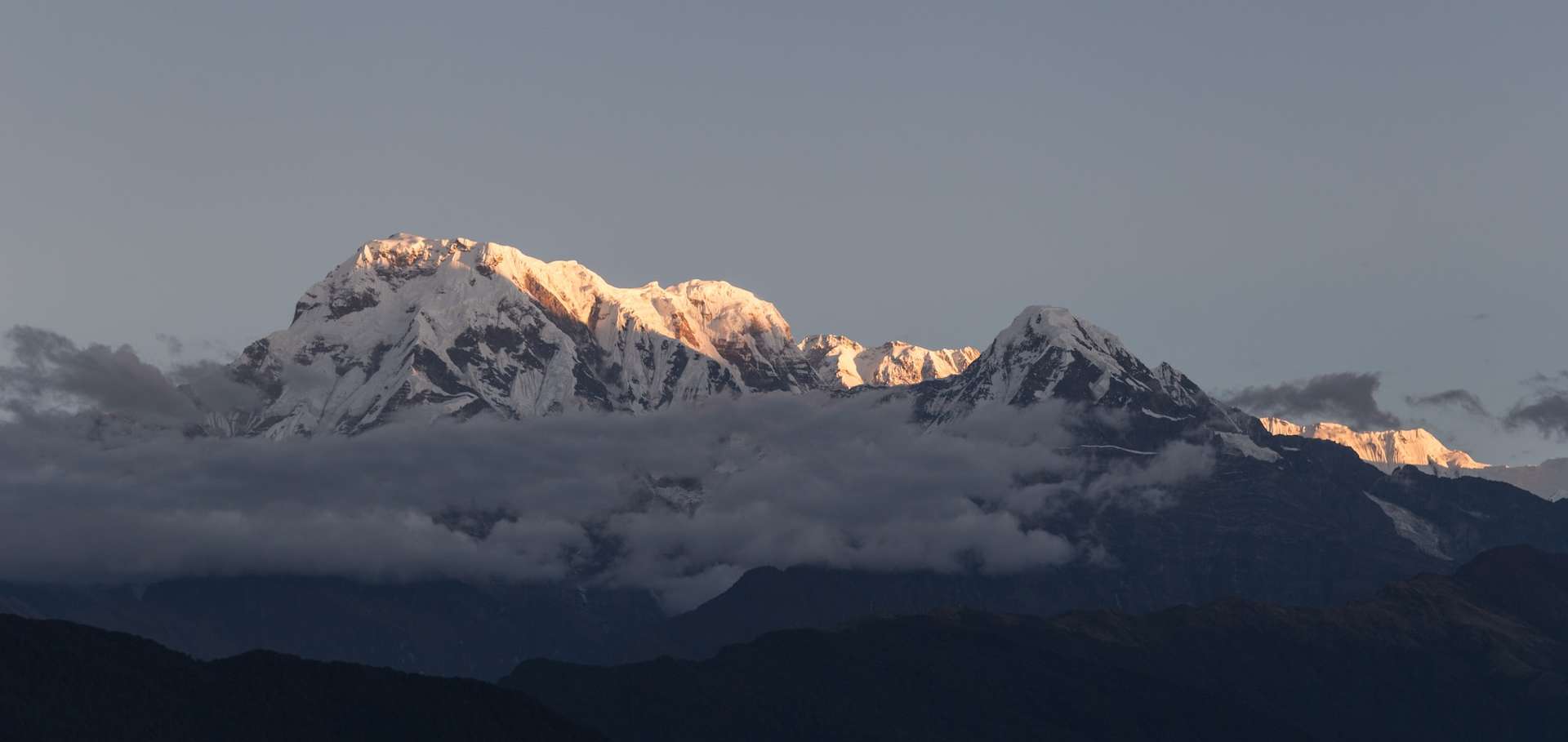
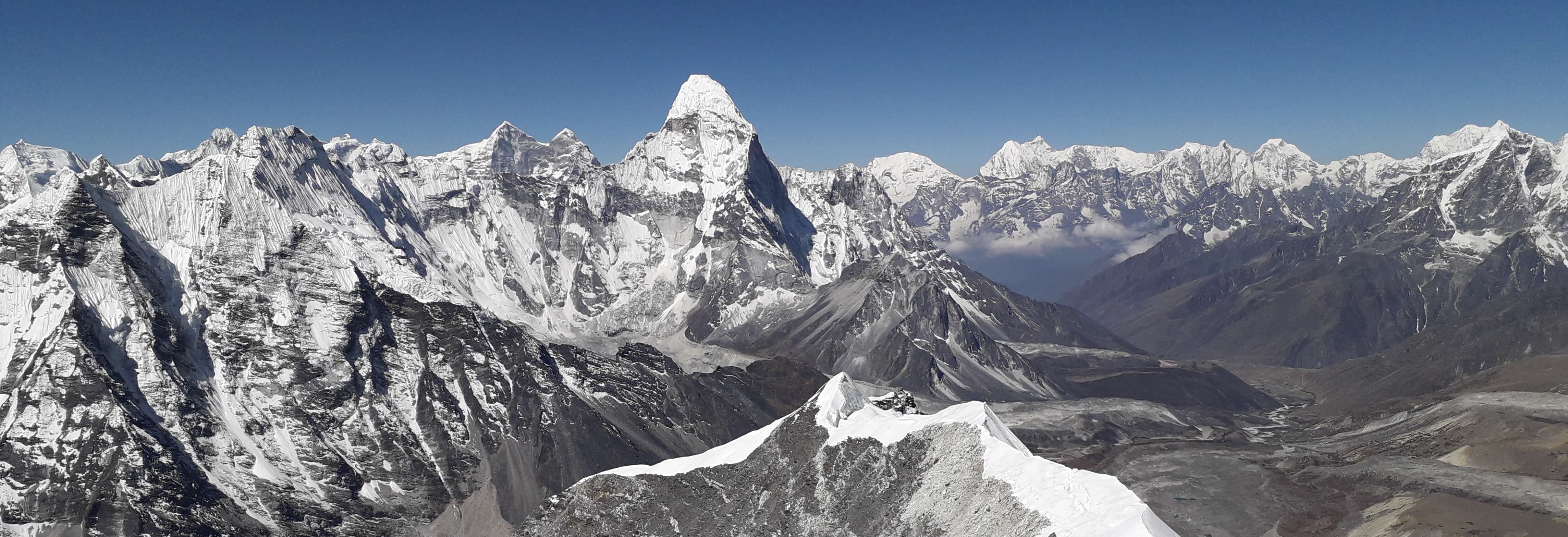
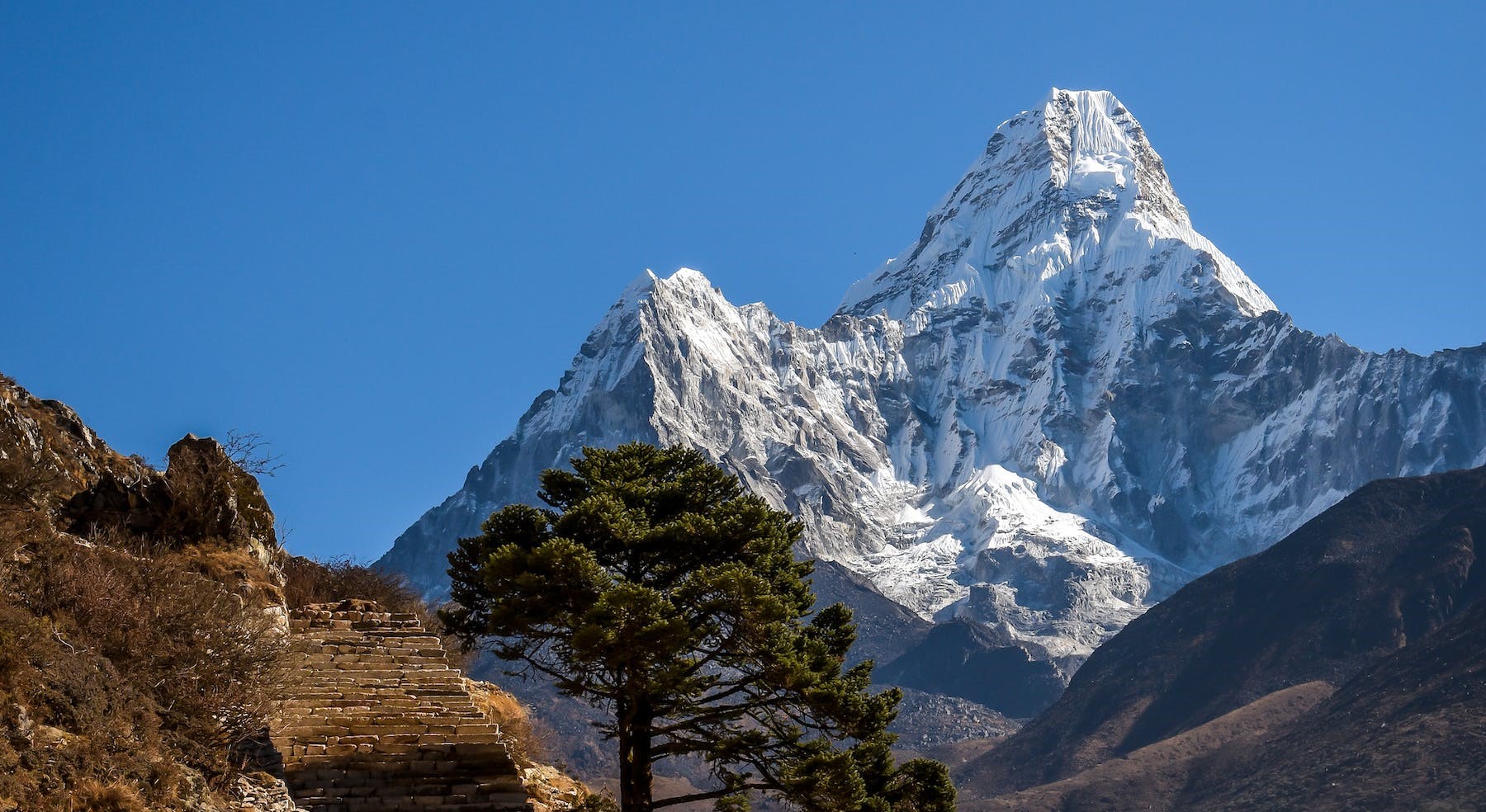
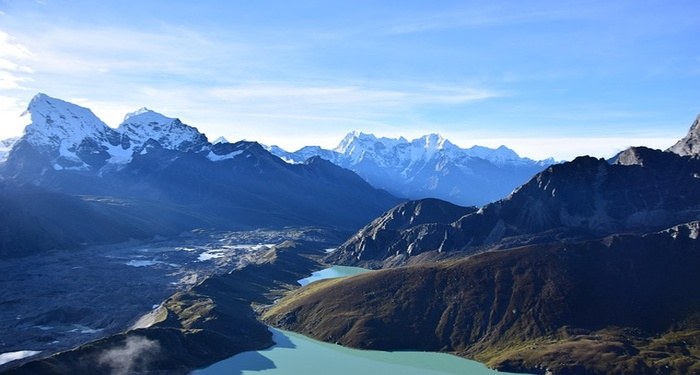
Weather can shift quickly in the Khumbu, especially in shoulder months. This is why Island Peak itineraries always include buffer days. The climb itself might take 8–12 hours round-trip from High Camp depending on pace and conditions. Summit time is short, often 5–10 minutes. Not because it isn’t beautiful, but because the mountain doesn’t let you linger long at that height. The reward is panoramic—Everest, Lhotse, Nuptse, Ama Dablam standing monumental, ridges folding endlessly into distance like frozen waves.
Technical Difficulty Level of Island Peak
Island Peak is graded F to PD on the Alpine scale, meaning it’s a basic snow and glacier climb with moderate difficulty. It’s not rock technical, and you don’t need to be an advanced mountaineer, but you do need to be comfortable on snow, moving in crampons, and clipped into a fixed line during the final headwall section.
Most climbers learn these basics during the acclimatization phase, typically around Dingboche or Chukung, or on the glacier training day at Khare. You’ll practice walking roped, handling an ice axe, learning how to self-arrest on snow, and getting used to crampon movement. The goal isn’t to make you perfect at it, just comfortable enough that your mind doesn’t fight the equipment on summit day.
Pre-Climb Training for Island Peak
Good fitness changes the entire experience of how hard Island Peak feels. Most climbers train 6–8 weeks before departure, focusing on cardio endurance, uphill stamina, core strength, and long walks with a light pack. Training ideas that work well include stair climbing, hill hiking, cycling, swimming, or steady jogging to build cardiovascular resilience. You don’t need to carry heavy loads on the trek because porters usually manage the climbing gear and personal luggage.
Mental pacing matters as much as physical training. Altitude climbing is slow by nature. You move in sync with your body adapting. The strongest climbers here aren’t always the fastest, they’re the most patient. Those who respect rest days, eat even when appetite dips, and let acclimatization protect them instead of seeing it as wasted time.
Essential Gear for Island Peak Climbing
To climb Island Peak safely, you’ll need snow-ready boots, crampons, a harness, ice axe, warm layers, glacier glasses, insulated gloves, headlamp, and a sleeping bag rated around -20°C. Most trekking companies provide the climbing hardware if it’s part of the package, but personal gear needs to fit you well.
The cold is sharper in the early hours. Your headlamp beam becomes your world on the glacier before dawn. You want gloves that don’t stiffen instantly, glasses that block reflection, boots that don’t pinch while you ascend, and layers that don’t trap sweat but still hold warmth. It’s not about expensive gear, it’s about correct gear.
Success Rate and Who Finds It Hardest
Island Peak summit success rates are generally high for guided groups when acclimatization is done properly and weather windows are respected. Most people fail to summit not because the mountain is too technical, but because they underestimate altitude or overestimate speed. Rushing is the enemy here.
It feels hardest for people who haven’t trained their cardio, those uncomfortable on snow, or anyone pushing upward without giving their body enough time to adapt. It feels achievable for fit trekkers, those guided well, and climbers who approach the peak like a layered mission instead of a sprint.
Final Thoughts
Island Peak is hard in a way that stays with you, but not in a way that stops you. It challenges your lungs, your patience, and your relationship with cold and altitude, but it doesn’t ask you to be an expert mountaineer. It asks you to be steady, prepared, and respectful of pacing. The mountain is safe and manageable with guides, porters, buffer days, and a body trained for endurance.
Recent From Is Island Peak Hard to Climb? Difficulty, Training, and Summit Tips 2026
Jun 27, 2022
Jun 27, 2022

Jul 19, 2022
Sep 20, 2025
Jan 03, 2023
Feb 03, 2023
Feb 17, 2023
Feb 23, 2023
Mar 03, 2023
Mar 14, 2023
Mar 20, 2023
Mar 28, 2023
Apr 06, 2023
Jul 31, 2023
Aug 28, 2023

Jan 04, 2026


Mar 10, 2026
Mar 10, 2026



Apr 03, 2026
Sep 10, 2026
Sep 14, 2026
Sep 23, 2026
Sep 23, 2026
Oct 05, 2026