
30th Sep, 2026
How Difficult Is the Ama Dablam Base Camp Trek? A Complete Difficulty Guide
The Short Answer: Moderate, and Very Doable
The Ama Dablam Base Camp trek is a moderate trek. It is not technical, it does not need climbing skills, and it stays noticeably lower than the Everest Base Camp trek. At about 4,600 m, the highest point is more than 700 m below Everest Base Camp (5,364 m), and you never sleep above roughly 4,000 m.
Table of Contents
That does not make it easy. You still walk 4–7 hours a day on rocky Himalayan trails, sleep at altitude and gain height quickly on the trail from Lukla. The good news is that with sensible fitness and a slow pace, most healthy trekkers handle it well, and it is one of the best short alternatives to the Everest region's busier routes.
Here is exactly what makes it challenging, and how to prepare.
Trek Facts at a Glance
Based on Northern Trekking Team's 10-day itinerary:
| Detail | Information |
|---|---|
| Duration | 10 days, Kathmandu to Kathmandu |
| Difficulty grade | Moderate |
| Highest point | Ama Dablam Base Camp, about 4,600 m |
| Highest overnight stop | Pangboche, about 3,985 m |
| Accommodation | Lodges and teahouses |
| Group size | 1–10 |
| Best seasons | January–March and September–December |
| Starting point | Flight from Kathmandu to Lukla |
| Price | From US$1,035 per person |
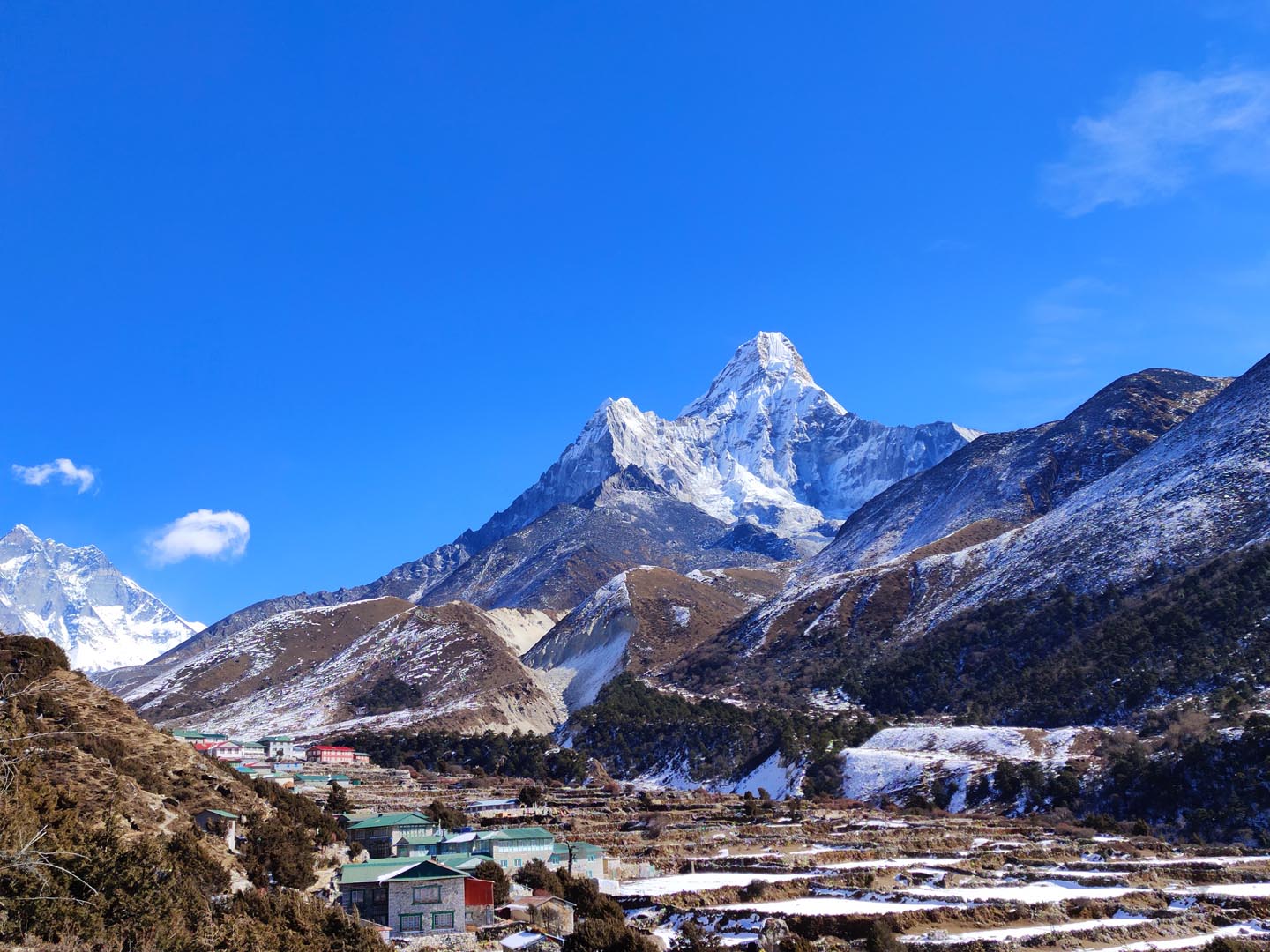
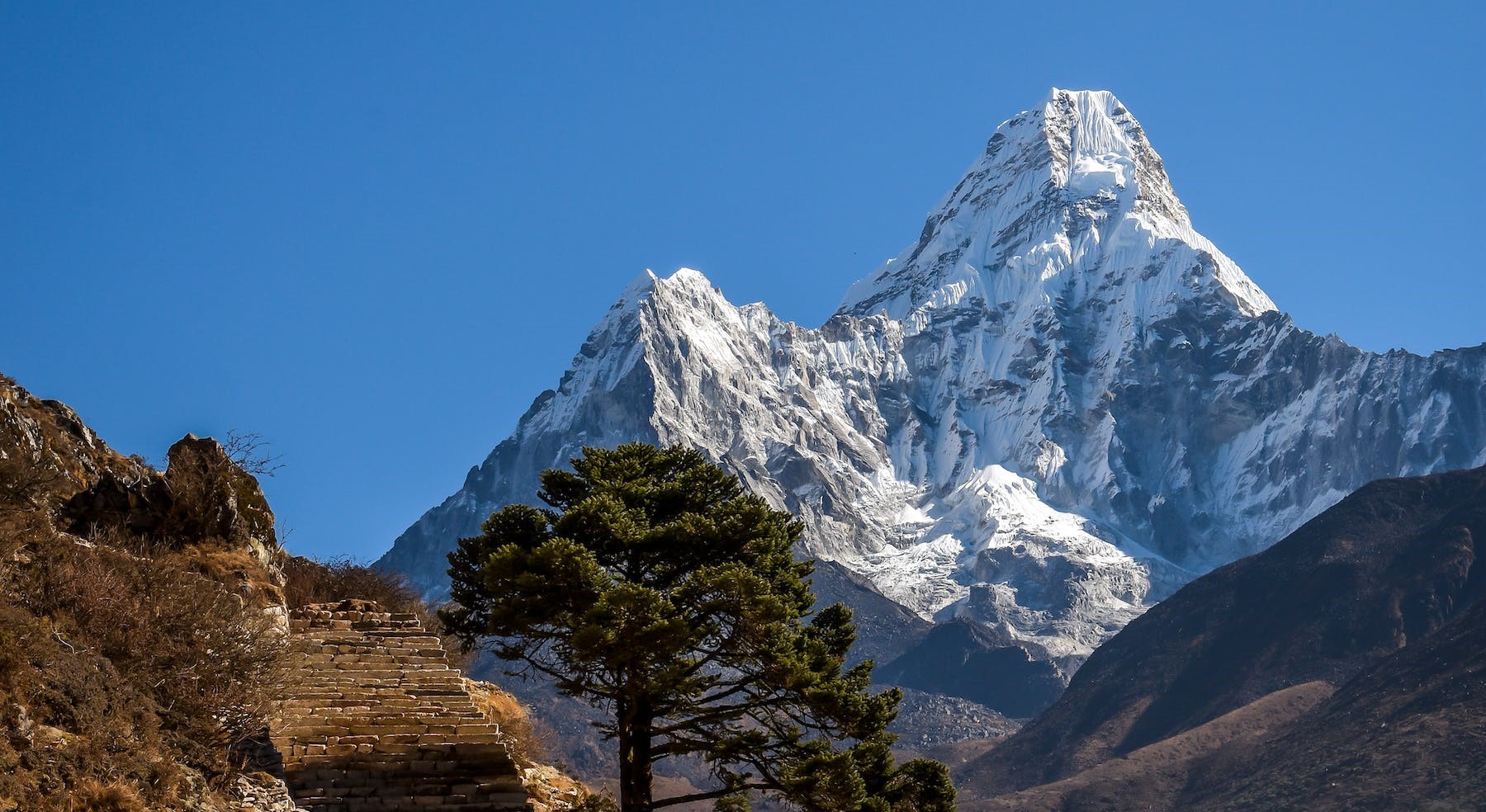
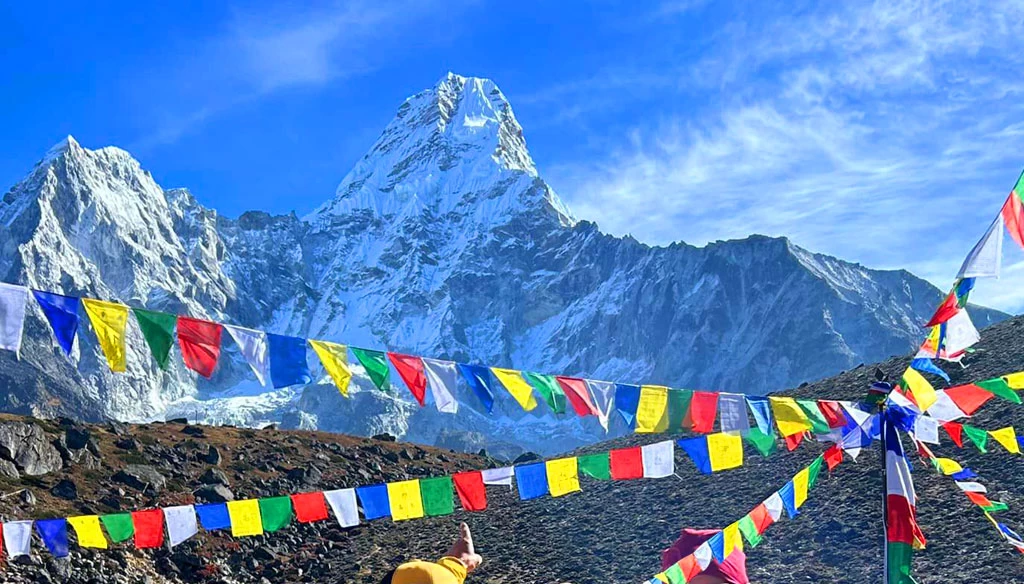
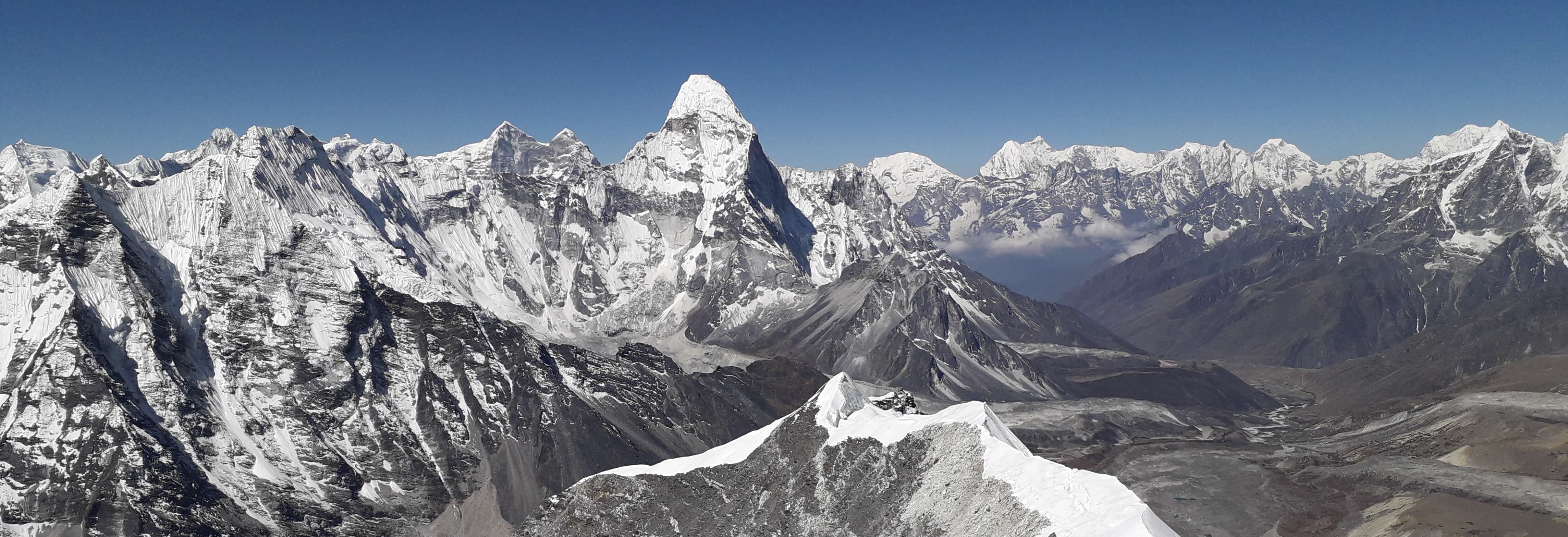
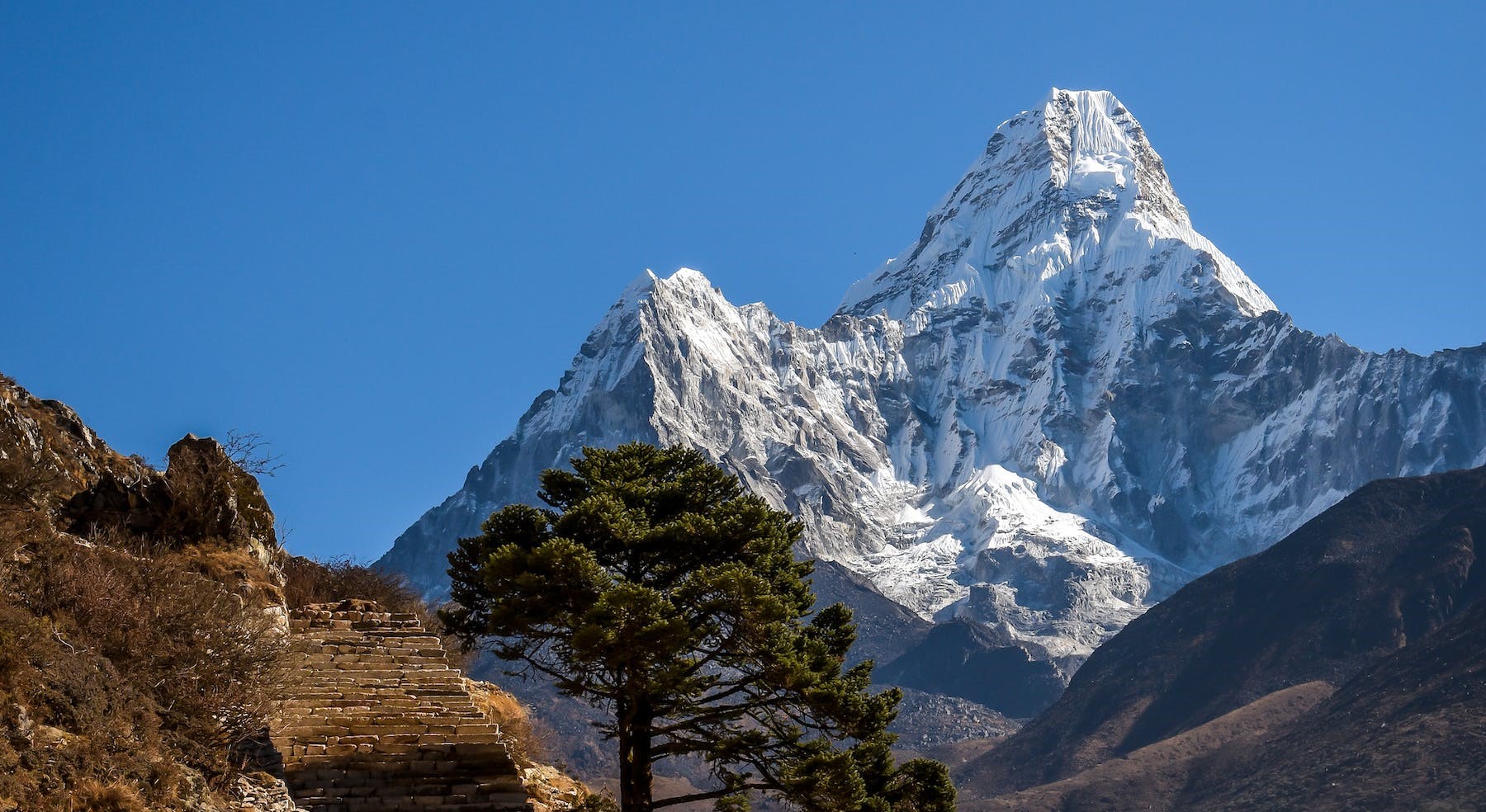
Ama Dablam itself rises to 6,812 m, and its steep ridges and hanging glacier have earned it the nickname "the Matterhorn of the Himalayas". You trek to its base to admire it, not to climb it. If a summit attempt is your goal, see the Ama Dablam Expedition.
What Makes the Ama Dablam Base Camp Trek Challenging?
1. Altitude (the main factor)
Altitude is the biggest challenge on any Khumbu trek. Here is how it builds on this itinerary:
| Stage | Elevation |
|---|---|
| Kathmandu | 1,400 m |
| Lukla | 2,860 m |
| Phakding | 2,610 m |
| Namche Bazaar | 3,440 m |
| Phortse | 3,840 m |
| Pangboche | 3,985 m |
| Ama Dablam Base Camp (day trip) | 4,600 m |
The route is well graded. After the big climb to Namche (about 830 m), the daily gains are modest, and you spend a full acclimatization day there. You reach the base camp as a day trip from Pangboche, then return to sleep lower. That "climb high, sleep low" pattern makes the trek much safer than routes where you sleep above 5,000 m.
Even so, altitude sickness can affect anyone, regardless of age or fitness, so a slow pace and good hydration matter.
2. Daily walking hours
Expect roughly 4–7 hours of walking most days, on uneven trails with plenty of ups and downs, suspension bridges and stone steps. The return days are the longest, especially the walk from Namche back to Lukla.
3. The push from Pangboche to Base Camp
Many trekkers consider this the toughest part of the route. The trail leaves the main Everest path and follows a rough, steep track for about three hours each way. It is not dangerous, but it is a workout at nearly 4,600 m, so allow a full day and start early.
4. Weather and season
Days can be sunny and pleasant, and nights cold. In winter (January and February) temperatures drop well below freezing at night, and snow can slow progress. Autumn brings clearer skies, and spring offers warmer days, though the trails get busier.
5. Basic facilities
Teahouses provide simple twin rooms, hot meals and a shared dining room with a stove, but heating in bedrooms is rare. Hot showers, charging and Wi-Fi are usually extra and more limited as you climb.
Day-by-Day Difficulty
| Day | Route | Elevation | Difficulty |
|---|---|---|---|
| 1 | Arrive in Kathmandu | 1,400 m | Easy |
| 2 | Fly to Lukla, trek to Phakding | 2,610 m | Easy, short walk |
| 3 | Phakding to Namche Bazaar | 3,440 m | Moderate, steady climb |
| 4 | Acclimatization day in Namche | 3,440 m | Easy, optional hike |
| 5 | Namche to Phortse | 3,840 m | Moderate |
| 6 | Phortse to Pangboche | 3,985 m | Moderate |
| 7 | Day trip to Ama Dablam Base Camp | 4,600 m | Moderate to hard |
| 8 | Pangboche to Namche Bazaar | 3,440 m | Moderate, long descent |
| 9 | Namche Bazaar to Lukla | 2,860 m | Moderate, long day |
| 10 | Fly to Kathmandu | 1,400 m | Easy |
How It Compares With Other Everest Treks
| Trek | Highest point | Overall difficulty |
|---|---|---|
| Ama Dablam Base Camp | About 4,600 m | Moderate |
| Everest View Trek | Under 4,000 m | Easy to moderate |
| Everest Base Camp Trek | 5,364 m (Kala Patthar 5,545 m) | Moderate to challenging |
| Gokyo Lake Trek | About 5,357 m (Gokyo Ri) | Challenging |
| Everest Three High Passes Trek | 5,535 m (Kongma La) | Strenuous |
Ama Dablam Base Camp sits comfortably in the middle. It is harder than a scenic short trek but noticeably gentler than the high-altitude classics, so it makes an excellent step up or a first taste of the Everest region.
Is It Suitable for Beginners?
Yes, for healthy, reasonably fit people with a positive attitude. No technical skills are needed and the trail is well established. That said, this is a multi-day trek at high altitude, so complete beginners should be prepared for long walking days and should train beforehand. If you have never trekked before, build up with regular hikes for a couple of months, and talk to your doctor if you have any heart, lung or blood-pressure conditions.
It is also a smart acclimatization trek for people planning bigger objectives such as Island Peak, Lobuche Peak or Ama Dablam itself.
How to Prepare: Fitness and Training
- Start 8–12 weeks ahead. Walk, jog, cycle or use the stair machine 3–4 times a week.
- Add hill hiking. Carry a 5–8 kg pack on long weekend hikes with steep ascents and descents.
- Strengthen your legs and core. Squats, lunges and step-ups make the long descents easier on your knees.
- Practise back-to-back days. Walk for 5–6 hours two or three days in a row.
- Break in your boots. Blisters cause more trouble than most people expect.
- Test your kit. Wear your layers, socks and pack on training walks.
Tips to Make the Trek Easier
- Walk slowly. In the Sherpa way, steady and slow is faster than starting fast and stopping.
- Drink 3–4 litres of water a day and eat regularly, even when you are not hungry.
- Use the rest day well. A gentle hike (for example to the Everest View Hotel) helps more than lying in bed.
- Avoid alcohol and sleeping pills at altitude.
- Report symptoms early. Headache, nausea, dizziness or unusual tiredness should be mentioned to your guide immediately.
- Use trekking poles. They save your knees on steep descents.
- Layer up. Temperatures swing widely between sun and shade, and morning and night.
- Add a buffer day. Lukla flights can be delayed by weather, so avoid tight international connections.
Best Time to Trek
Northern Trekking Team lists January to March and September to December as the best seasons, and fixed departures are currently open for 3 October, 11 November and 9 December 2026 at US$1,035 per person. Autumn offers clear views and stable weather. Winter is cold but quiet and can be beautiful for well-prepared trekkers.
What Is Included
The package covers private ground transport and airport transfers, two nights in a standard Kathmandu hotel with breakfast, Kathmandu–Lukla–Kathmandu flights, lodge accommodation on the trek, three meals a day with tea and coffee, snacks and seasonal fruit, Sagarmatha National Park and Khumbu Pasang Lhamu permits, an experienced guide and porter, a first-aid kit, water purification tablets, a sleeping bag and down jacket on request, a duffel bag, trekking T-shirt and map, and a farewell dinner. Visa, international flights, insurance, Kathmandu lunches and dinners, personal gear, charging, snacks and tips are extra.
Ready to Trek?
If you are ready to see Ama Dablam up close, explore the full Ama Dablam Base Camp Trek itinerary, dates and price or contact Northern Trekking Team for a customized plan. If you want a longer adventure, the Everest Base Camp Trek shares much of the same trail.
FAQs: Ama Dablam Base Camp Trek Difficulty
1. How difficult is the Ama Dablam Base Camp trek?
It is graded moderate. There is no technical climbing, and the highest point is about 4,600 m, well below Everest Base Camp. You still face 4–7 hours of walking most days, steady climbs, rocky trails and the effects of altitude. Most fit, healthy trekkers with good acclimatization complete it comfortably. The steepest challenge is the final stretch from Pangboche to Base Camp.
2. How high is Ama Dablam Base Camp?
Northern Trekking Team lists it at 4,600 m. Some sources give about 4,570 m, so you may see both figures. You reach it as a day trip from Pangboche (about 3,985 m), which is your highest overnight stop, so you sleep much lower than the base camp itself. The mountain summit is 6,812 m, but it is only climbed on a technical expedition.
3. Is it harder than the Everest Base Camp trek?
No. It is generally easier because it is shorter, reaches a lower altitude and keeps your overnight stays below 4,000 m. Everest Base Camp reaches 5,364 m, with Kala Patthar at 5,545 m, and involves nights above 4,900 m. Ama Dablam Base Camp shares the lower part of the same trail, so it is often chosen as a shorter, quieter alternative or as a warm-up.
4. Can beginners do the Ama Dablam Base Camp trek?
Yes, if they are healthy and reasonably fit. No technical skills are required. First-timers should train for two to three months with hiking, cardio and leg strengthening, use trekking poles and follow the guide's pace. If you have medical concerns, speak to your doctor before booking. The trek is a good introduction to high-altitude walking.
5. How many hours do I walk each day?
Typically 4–7 hours. The easiest days are the first walk to Phakding and the acclimatization day in Namche. The Pangboche to Base Camp day trip takes around 5–7 hours for the round trip, and the return days from Pangboche to Namche and Namche to Lukla are among the longest. Pace matters more than speed, so take regular breaks.
6. Is altitude sickness a risk?
Yes, altitude sickness can affect anyone above about 2,500 m, but the risk is lower here than on higher Everest-region treks. The itinerary includes a rest day at Namche, gradual gains and a day trip to the highest point, which follows the "climb high, sleep low" principle. Stay hydrated, walk slowly and tell your guide early about a headache, nausea or dizziness. Descend if symptoms worsen.
7. What is the best time to do the trek?
Northern Trekking Team suggests January to March and September to December. Autumn offers the clearest skies and stable weather, while spring brings warmer days but busier trails. Winter is cold, especially at night, but quiet and scenic if you are well equipped. Monsoon (June to August) is usually avoided because of cloud and rain, and flights can be disrupted.
8. What fitness level do I need?
You should be comfortable walking 5–6 hours a day on hills with a light daypack. Train for 8–12 weeks with regular hikes, running, cycling or stair climbing, plus some weekend hikes carrying weight. Leg strength and cardiovascular fitness matter most. You do not need to be an athlete, but being fit will make the trek far more enjoyable.
9. What are the accommodation and food like?
You stay in simple lodges and teahouses with twin rooms and shared bathrooms. Heating is usually only in the dining room, so bring a warm sleeping bag or ask about the one available on request. Meals include dal bhat, noodles, pasta, soups, eggs and momos, and vegetarian options are easy to find. Showers, Wi-Fi and charging typically cost extra.
10. Do I need travel insurance?
Yes. Choose a policy that covers trekking at altitude (at least 5,000 m) and emergency helicopter evacuation, and check that it covers flight delays. The package does not include insurance, so buy it before you travel and carry a copy. Also allow an extra buffer day at the end of the trip in case weather delays your Lukla flight.
Recent From How Difficult Is the Ama Dablam Base Camp Trek? A Complete Difficulty Guide
Jun 27, 2022
Jun 27, 2022

Jul 19, 2022
Sep 20, 2025
Jan 03, 2023
Feb 03, 2023
Feb 17, 2023
Feb 23, 2023
Mar 03, 2023
Mar 14, 2023
Mar 20, 2023
Mar 28, 2023
Apr 06, 2023
Jul 31, 2023
Aug 28, 2023

Jan 04, 2026


Mar 10, 2026
Mar 10, 2026



Apr 03, 2026
Sep 10, 2026
Sep 14, 2026
Sep 23, 2026