12th Oct, 2026
Benefits of Combining Island Peak Climbing with the Everest Base Camp Trek
Everest Base Camp (EBC) is one of the great walks of the Himalaya. Island Peak (Imja Tse, 6,189 m) is one of the most popular trekking peaks in Nepal. Most people think of them as two separate trips, but they share the same valley, the same flight to Lukla and much of the same trail. That makes them a natural pairing.
Table of Contents
At Northern Trekking Team, our Island Peak Climbing with EBC program is built around that idea. It runs 17 days from Kathmandu and combines the classic EBC route with a summit attempt on Island Peak. This guide explains the real benefits, the trade-offs, and who the combination suits.
The Combined Trip at a Glance
| Detail | Info |
|---|---|
| Duration | 17 days (Kathmandu to Kathmandu) |
| Highest points | Kala Patthar and EBC area, then Island Peak summit at 6,189 m |
| Island Peak Base Camp | About 5,100 m |
| Grade | Hard |
| Accommodation | Lodges and teahouses, plus tented camping at Island Peak Base Camp |
| Best seasons | March to May and September to December |
| Group size | 2 or more |
| Price | From US$2,290 per person |
1. Better Acclimatization Before You Climb
This is the biggest advantage. Island Peak’s summit is far higher than anything most trekkers have slept near. If you go straight to the mountain, your body has had little time to adapt.
On the combined route, you spend about 11 days climbing slowly through Namche Bazaar (3,440 m), Tengboche (3,857 m), Dingboche (4,400 m) and Lobuche (4,950 m) before reaching Gorak Shep and Everest Base Camp (5,364 m). The itinerary builds in acclimatization days at Namche and Dingboche.
By the time you start toward Island Peak Base Camp, your body has already spent days above 4,000 m and touched the altitude zone above 5,300 m. This gives your summit attempt a much better chance. If you want more background on how to handle altitude, our altitude tips page is a useful read.
2. Two Big Himalayan Goals in One Trip
For many travelers, Everest Base Camp is the dream and a Himalayan summit is the next level. Combining them means you can do both on a single trip to Nepal, instead of flying across the world twice.
You get:
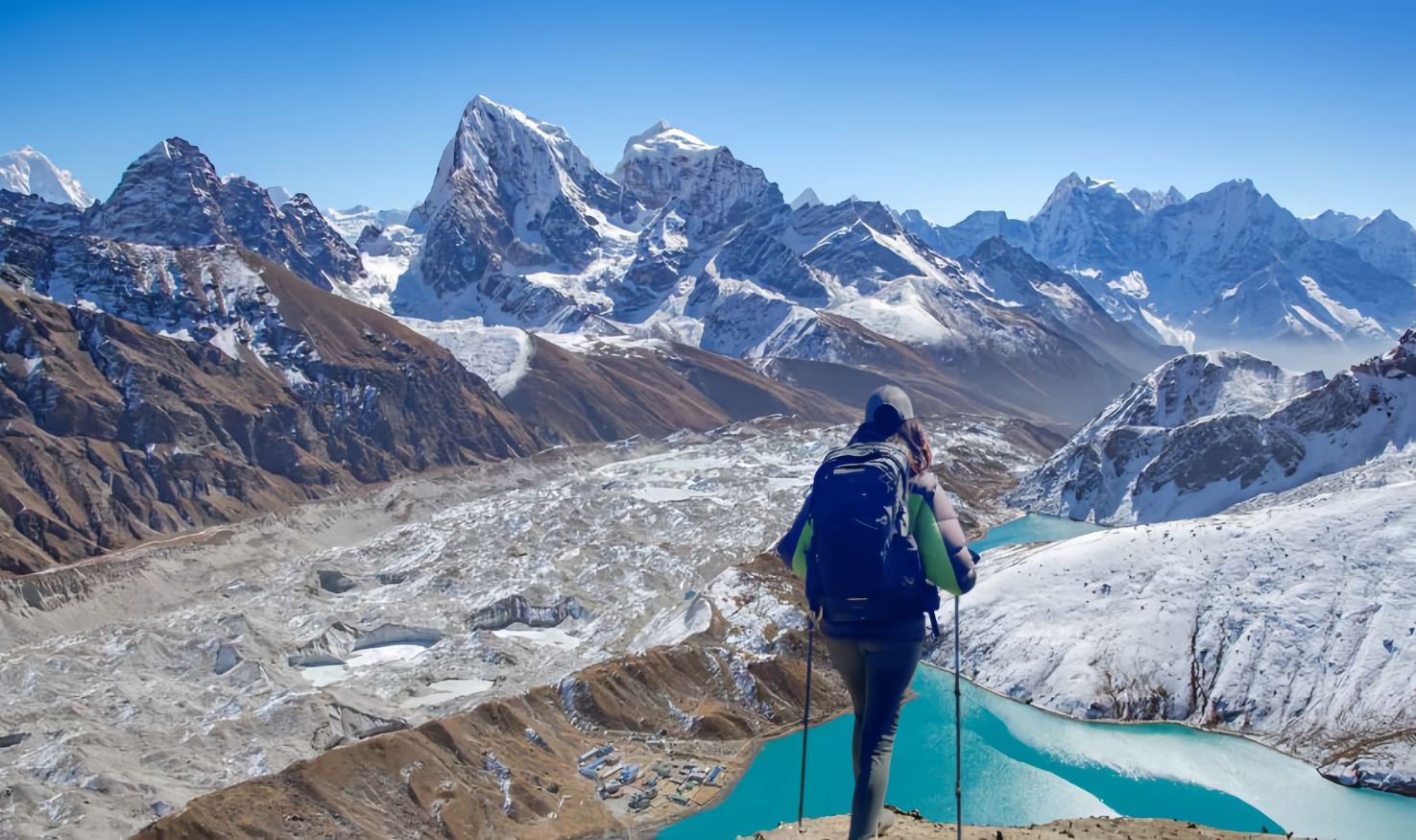
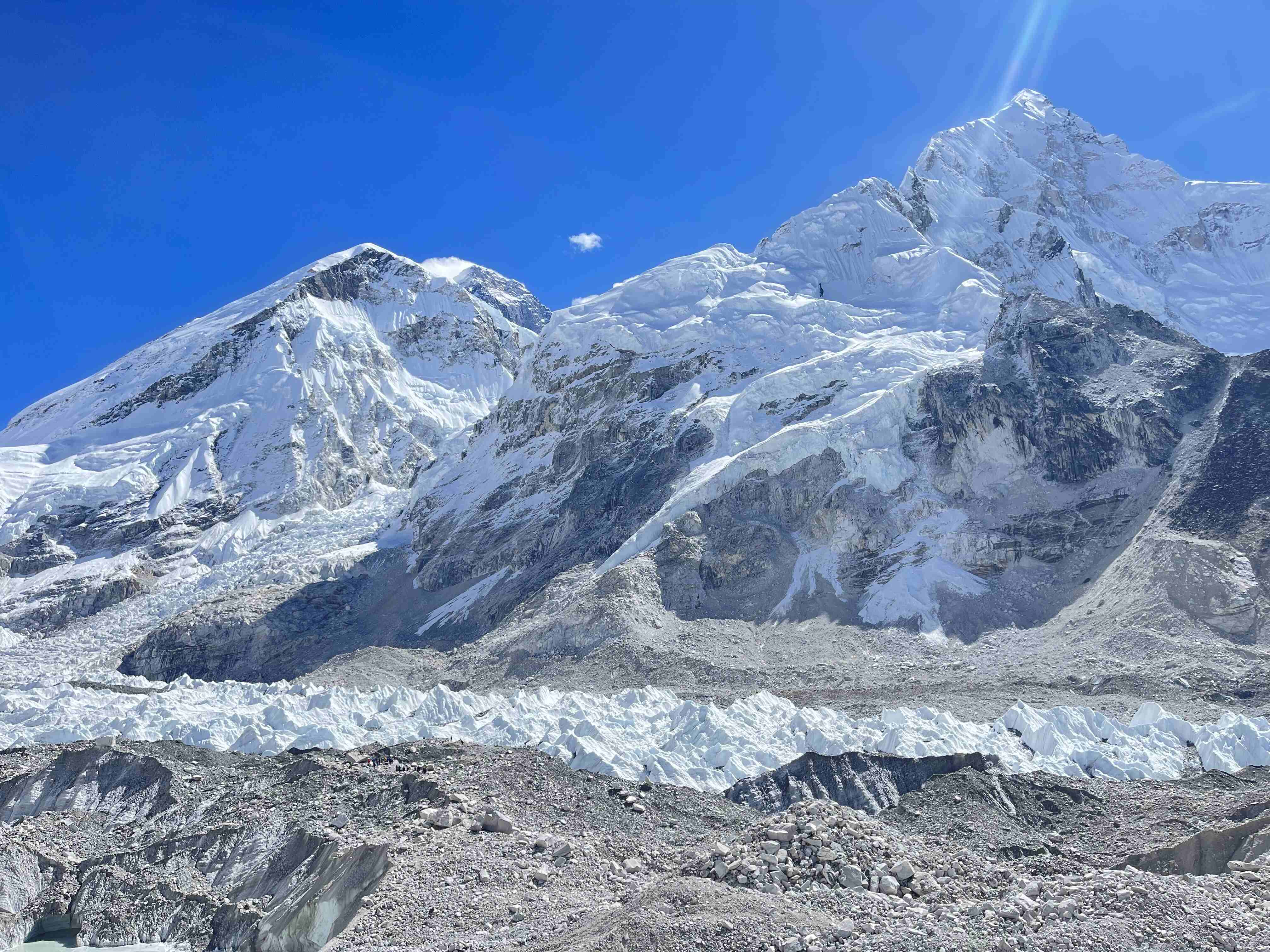
- The EBC trek, with Kala Patthar and views of Everest, Lhotse and Nuptse
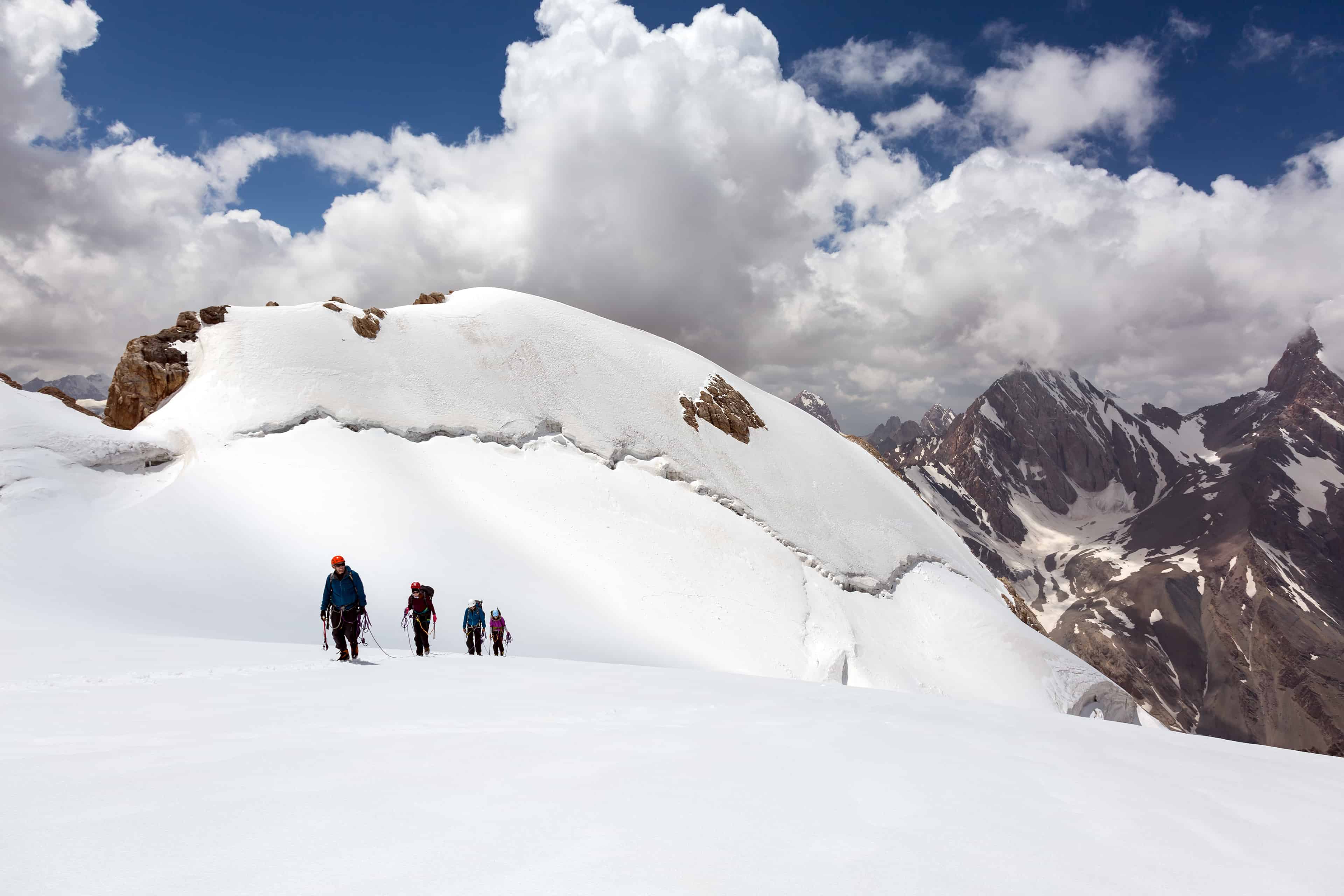
- A real summit attempt on a 6,000 m peak, with fixed ropes, crampons and an ice axe
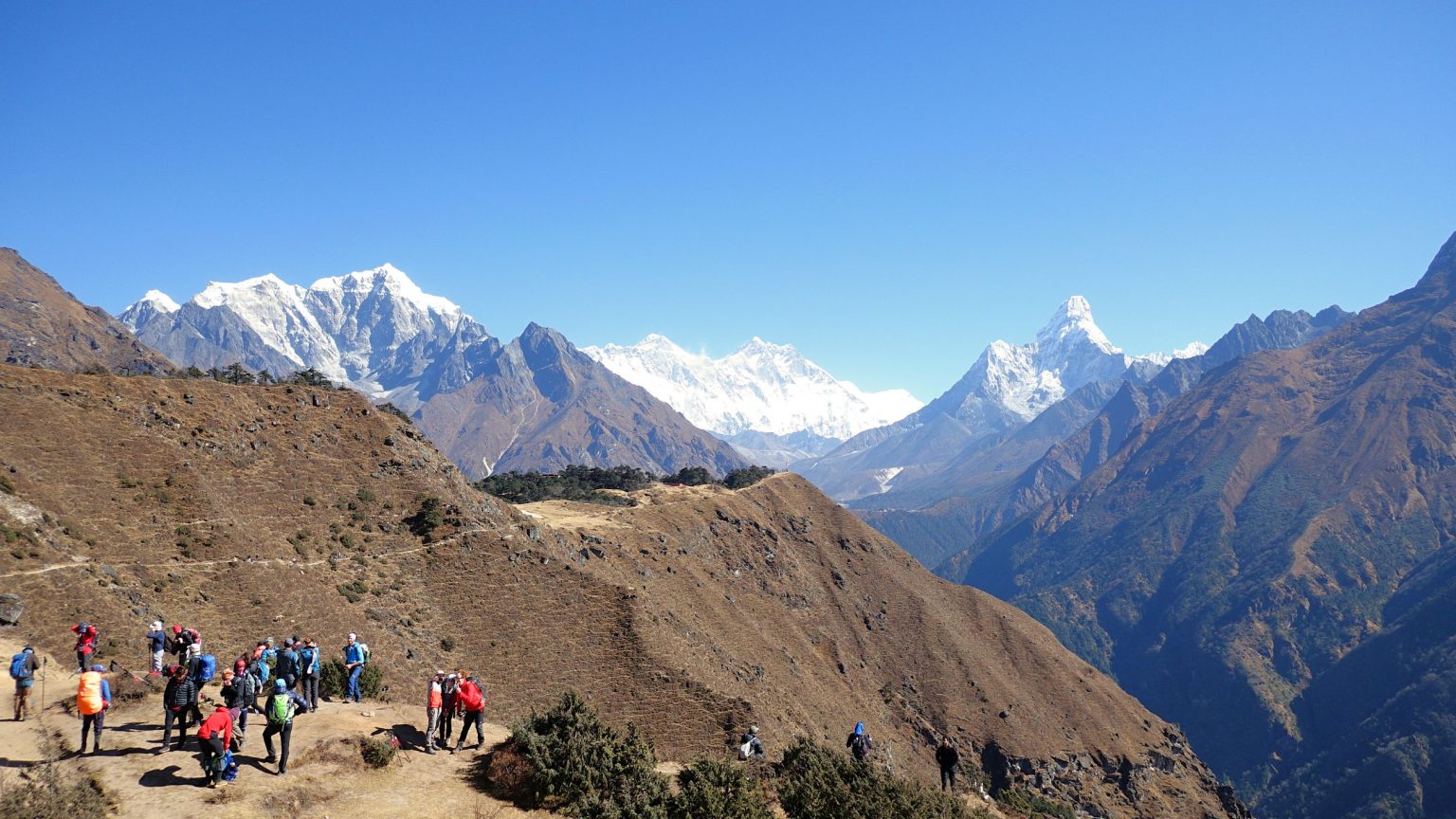
- Time in Sherpa villages, monasteries and some of the most famous mountain scenery on Earth
3. Lower Total Cost and Less Duplicated Logistics
Booking two separate trips means paying twice for the same things. A combined package shares:
- One Kathmandu–Lukla flight each way, instead of two sets of domestic tickets
- One guide team and support crew for the whole journey
- One set of permits and park fees where they overlap
- Fewer hotel and transfer nights in Kathmandu
Our combined program is currently US$2,290 per person, and it includes climbing permits, a climbing guide, group climbing gear and a base camp training course (see the cost section below). Compare that with the cost of booking an EBC trek and a separate Island Peak expedition and you’ll usually see the saving.
4. A Smoother Step Up in Fitness and Skills
The EBC walk acts as a long training block. After about 11 days of daily trekking at altitude, you arrive at Island Peak Base Camp stronger and better adapted than someone who started cold.
Island Peak itself needs some mountain skills, such as walking in crampons, using an ascender on fixed ropes and moving on a glacier. Our itinerary includes climbing training at Island Peak Base Camp before the summit push, so you learn or refresh these skills with your guide before you need them.
5. Big Variety of Scenery and Experience
The combined route offers contrasts that a single trek doesn’t:
- Forests and suspension bridges on the way to Namche Bazaar
- Tengboche Monastery and the Khumbu’s Sherpa culture
- Glacial moraine and the Khumbu Glacier near Lobuche and Gorak Shep
- Everest Base Camp and the sunrise view from Kala Patthar
- Chukung and Island Peak Base Camp, a quieter, wilder side valley
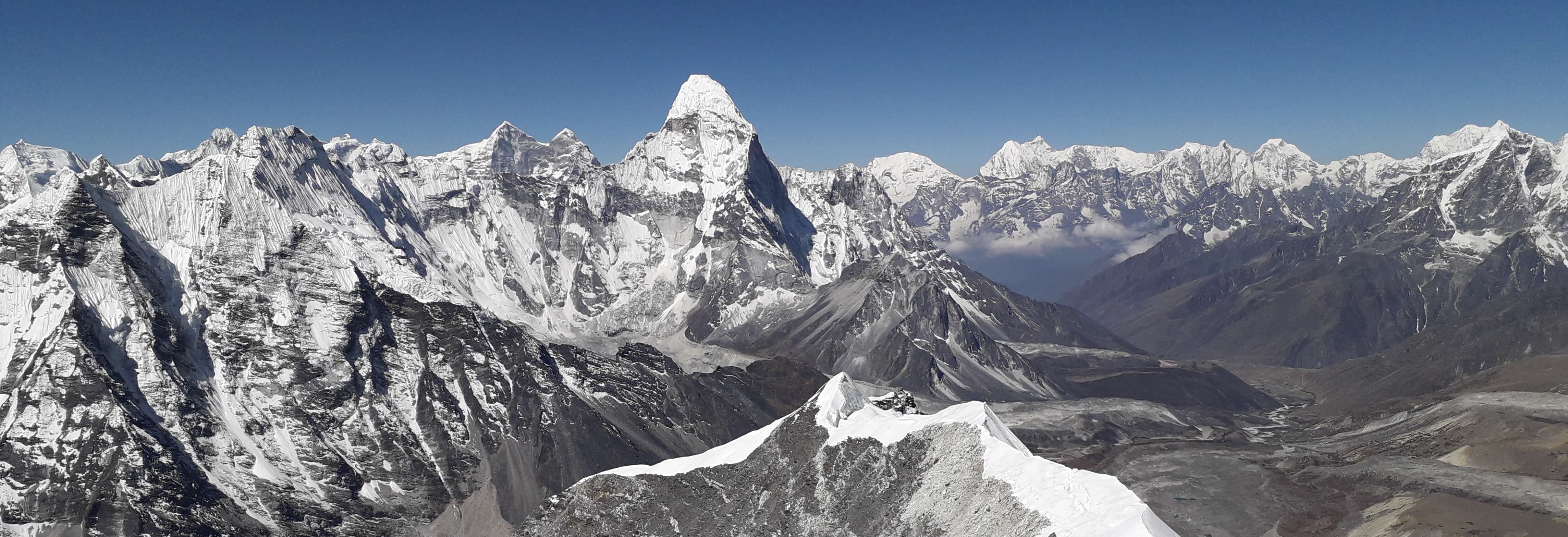
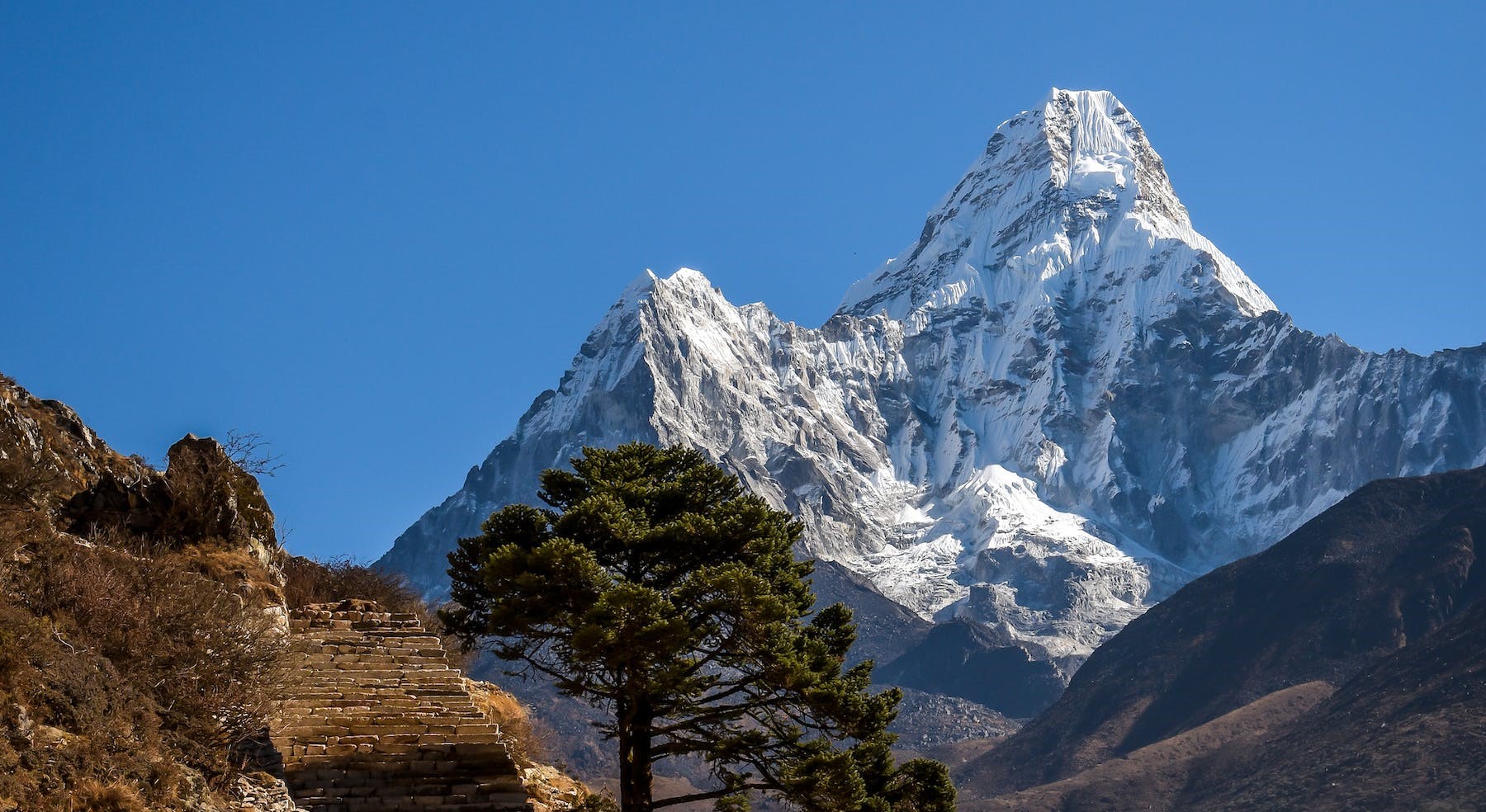
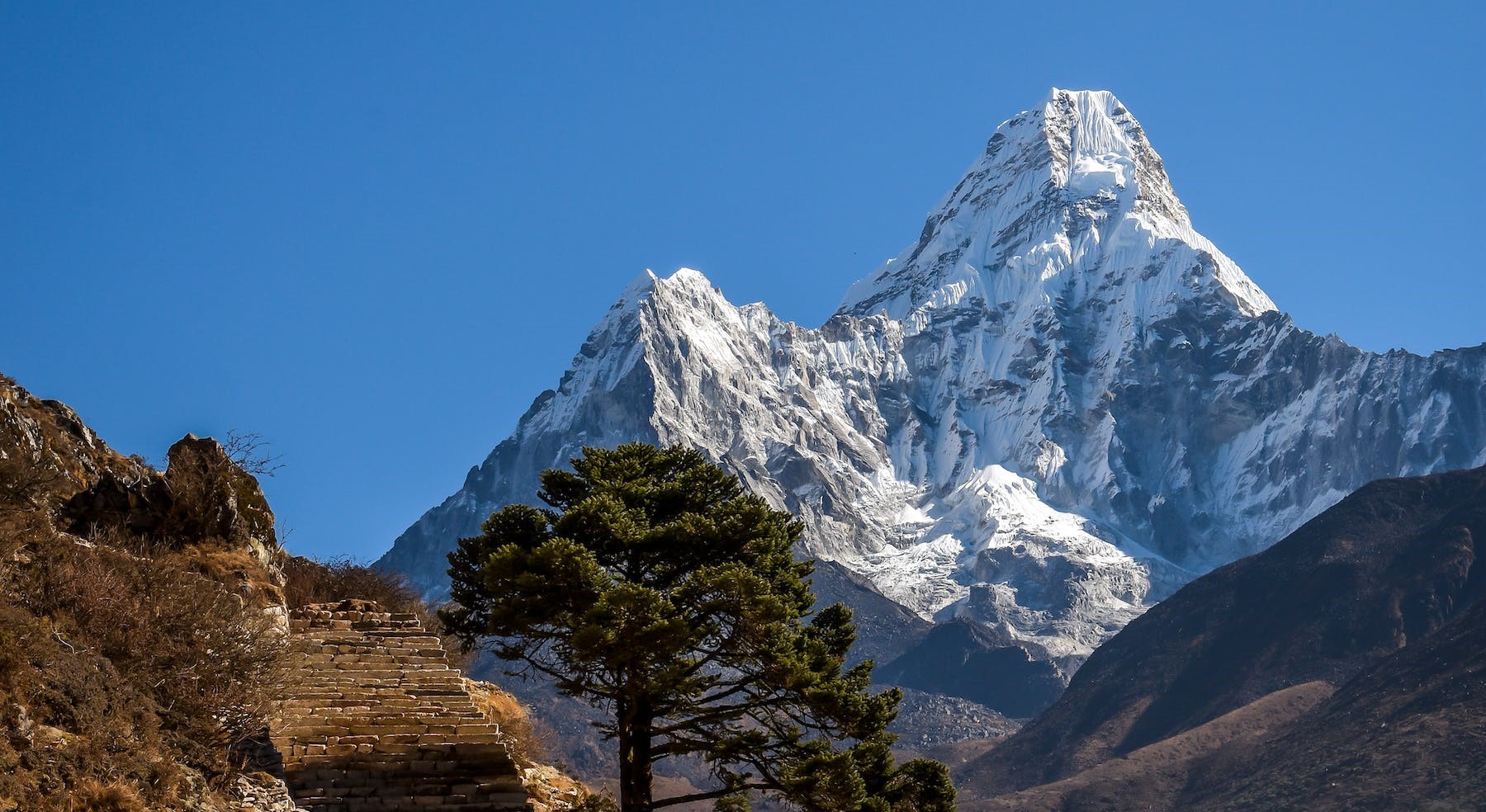
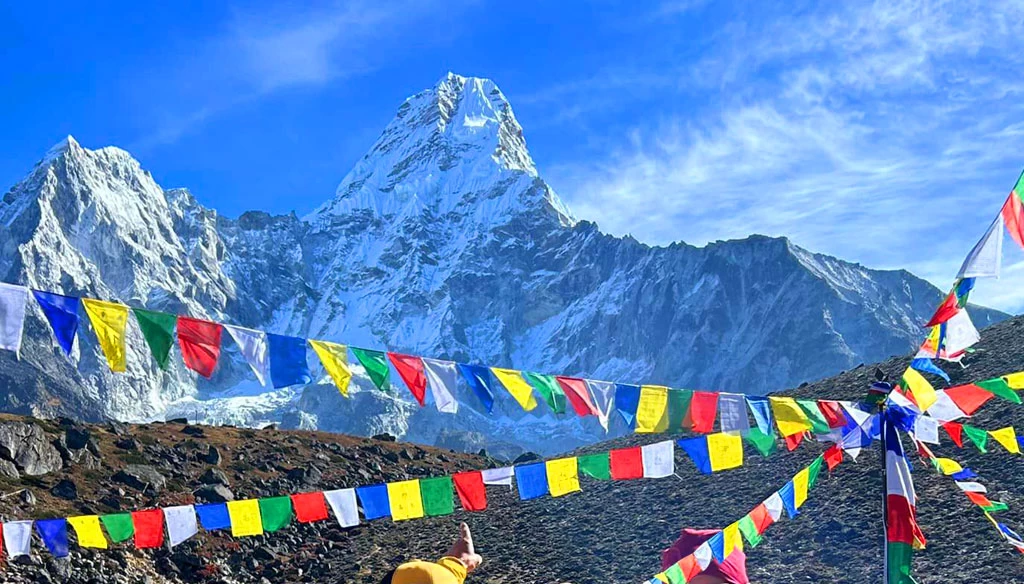
- A snow-and-ice summit day with views of Lhotse, Makalu and Ama Dablam
Many trekkers say the Island Peak section feels like a different trip from the busy EBC trail, and it adds to the overall experience.
6. Continuity with One Guide and Team
On the combined trip, the same company looks after you from Kathmandu to the summit and back. That means one team learns how you handle altitude, one guide gets to know your pace and pacing issues, and decisions on timing and weather are made by people who know your condition. If you’re not acclimatizing well, they can slow the plan before you reach the mountain.
7. Better Value from Your Time Off
You can spend roughly three weeks in Nepal and tick off two headline goals. For people who have limited leave, that is a stronger return than doing EBC one year and a peak the next.
8. Built-In Flexibility
The 17-day plan has some room for adjustment, and we recommend building extra buffer days into your trip, especially for the Lukla flights. Mountain weather can delay flights in both directions. If you want the added security of a return flight option, ask about our Everest Base Camp trek with helicopter return.
Island Peak Climbing with EBC (17 Days)
| Day | Route | Notes |
|---|---|---|
| 1 | Arrive in Kathmandu | Airport pickup and hotel |
| 2 | Fly to Lukla, trek to Phakding (2,643 m) | About 3 to 4 hours of walking |
| 3 | Phakding to Namche Bazaar (3,440 m) | About 6 to 7 hours |
| 4 | Acclimatization day in Namche | Short hike with Everest views |
| 5 | Namche to Tengboche (3,857 m) | About 5 to 6 hours |
| 6 | Tengboche to Dingboche (4,400 m) | About 5 to 6 hours |
| 7 | Acclimatization day in Dingboche | Light hike |
| 8 | Dingboche to Lobuche (4,950 m) | About 6 to 7 hours |
| 9 | Lobuche to Gorak Shep, hike to Everest Base Camp (5,364 m) | Long, strenuous day |
| 10 | Early Kala Patthar viewpoint, then descend to Dingboche | Sunrise views of Everest |
| 11 | Rest and acclimatization in Dingboche | Optional hike to Nangkartshang Gompa |
| 12 | Dingboche to Island Peak Base Camp (5,100 m) | Climbing training at camp |
| 13 | Island Peak summit (6,189 m), return to Chukung | Start around 1 am, a very long day |
| 14 | Chukung to Pangboche | About 4 to 5 hours |
| 15 | Pangboche to Namche Bazaar | About 6 to 7 hours |
| 16 | Namche to Lukla | About 7 to 8 hours |
| 17 | Fly Lukla to Kathmandu | Weather permitting |
Day details and timings can change with weather and group pace, so check the current itinerary before you book.
What’s Included and What Isn’t
Included (highlights):
- Private airport and ground transfers
- 2 nights in a 3-star Kathmandu hotel with breakfast, plus a farewell dinner
- Breakfast, lunch and dinner during the trek, plus snacks and fruit
- Domestic flights (Kathmandu–Lukla–Kathmandu) and airport tax
- Lodge and teahouse accommodation, and tented camping at Island Peak Base Camp
- A licensed trekking guide and a climbing guide, with support staff
- Island Peak permit and royalty, national park and local fees
- Climbing training course at base camp
- Group and personal climbing gear, including crampons, ice axe, harness, helmet and rope
- Sleeping bag, down jacket and duffel bag (refundable)
Not included:
- International flights and Nepal visa fee
- Lunch and dinner in Kathmandu
- Travel insurance with emergency evacuation cover (it must cover trekking and climbing above 5,500 m)
- Personal gear and personal expenses
- A personal porter (optional, at extra cost)
- Tips for staff
Is the Combination Right for You?
It suits you well if you:
- Want to see Everest Base Camp and also try a real summit
- Have good fitness and some previous trekking or high-altitude experience
- Can spend about three weeks in Nepal
- Are willing to train beforehand
It may not suit you if you:
- Have never trekked at altitude (build up with a shorter trek first)
- Don’t want to deal with early alpine starts, cold and rope work
- Need a tightly fixed schedule with no weather buffer
Honest note: this is a hard trip. Island Peak is often described as non-technical compared with bigger mountains, but summit day is long, cold and physically demanding, with fixed ropes and snow and ice sections. Prepare properly, and read our trekking equipment guide for gear advice.
Best Time for the Combined Trek
The two best seasons are March to May and September to early December. These months have the most stable weather and the clearest views. The monsoon (June to August) brings rain and poor visibility, and winter is very cold on summit day. Our fixed departures currently run in October and November 2026 and again from September to November 2027, so you can pick a date inside the good window.
Island Peak and Everest Base Camp Combination FAQs
1. How long does the Island Peak and EBC combination take?
Our program takes 17 days from Kathmandu to Kathmandu, including the flights to and from Lukla. We recommend adding a few buffer days at the end of your trip, since flights to and from Lukla can be delayed by weather. For a comfortable schedule, plan on about three weeks in Nepal in total.
2. How much does it cost?
Our combined package starts at US$2,290 per person. It covers permits, flights to and from Lukla, accommodation, meals on the trek, guides, camping and climbing equipment, and a base camp training session. International flights, visa, insurance, personal gear, tips and extra Kathmandu meals are extra. Check the trip page for current prices and departure dates.
3. Is it better to do EBC first, then Island Peak?
Yes, for most climbers. Doing EBC first means you acclimatize gradually, reaching Gorak Shep and the Kala Patthar area before going to Island Peak Base Camp. This gives your body days at high altitude and a better chance of a safe summit attempt than going directly to the peak.
4. How hard is Island Peak after the EBC trek?
It is physically demanding. The summit push usually starts around 1 am and lasts many hours, with a steep snow slope and fixed ropes near the top. The EBC trek helps your fitness and acclimatization, but you should still train before you arrive and be comfortable with long days at altitude.
5. Do I need previous climbing experience?
Island Peak is a popular entry-level 6,000 m peak, and prior mountaineering experience isn’t strictly required. Even so, you need good fitness, a head for heights and the willingness to learn. Our itinerary includes a climbing training session at Island Peak Base Camp to teach the basics of crampons, harness, fixed ropes and ice axe use.
6. Is a guide mandatory for Island Peak?
Yes. A guide is required for the Island Peak climb, and permits are arranged through a registered agency. Our package includes experienced guides and support staff.
7. What equipment do I need to bring?
Bring warm layers, a down jacket, waterproof outer layers, mountaineering boots, a sleeping bag, a headlamp and sun protection. Our package provides the technical climbing gear, including crampons, ice axe, harness, helmet and rope. Check the full list on the trip page, and note that some gear can also be rented in Kathmandu.
8. What is the best season for the combination trek?
The best periods are March to May and September to early December. Spring and autumn offer the most stable conditions, while the monsoon and deep winter make the trip harder and less safe.
9. What is the success rate for reaching the Island Peak summit?
The success rate depends on weather, acclimatization and fitness. Our trip page describes it as roughly 85% to 95% in good conditions. Treat that as an indication, not a guarantee, since guides will turn people back if conditions or health don’t allow a safe attempt.
10. What insurance do I need?
You need comprehensive travel insurance that covers high-altitude trekking and climbing above 5,500 m, plus emergency helicopter evacuation and medical costs. Check the policy wording on altitude limits and mountaineering exclusions before you buy, and buy it in your home country before you travel.
Final Thoughts
Combining Island Peak with the Everest Base Camp Trek gives you better acclimatization, better value and a stronger sense of progress, from walking the Khumbu trail to standing on a 6,000 m summit. It is not an easy trip, but with preparation, the right season and an experienced team, it is one of the most rewarding ways to spend three weeks in the Himalaya.
Ready to plan? See the full details and open dates on our Island Peak Climbing with EBC page. If you want to compare options, look at our Everest Base Camp Trek, Lobuche Peak Climbing or Mera Peak Climbing, or browse all peak climbing trips. You can also customize your trip, contact our team, or read more on the Northern Trekking Team blog.
Recent From Benefits of Combining Island Peak Climbing with the Everest Base Camp Trek
Jun 27, 2022
Jun 27, 2022

Jul 19, 2022
Sep 20, 2025
Jan 03, 2023
Feb 03, 2023
Feb 17, 2023
Feb 23, 2023
Mar 03, 2023
Mar 14, 2023
Mar 20, 2023
Mar 28, 2023
Apr 06, 2023
Jul 31, 2023
Aug 28, 2023

Jan 04, 2026


Mar 10, 2026
Mar 10, 2026



Apr 03, 2026
Sep 10, 2026
Sep 14, 2026