20th Sep, 2026
Yala Peak Climbing: Cost, Itinerary, Permits, Difficulty & Best Season – Complete Guide
Introduction
Yala Peak sits in Nepal's Langtang region, only a short drive north of Kathmandu. It is one of the most beginner-friendly Himalayan summits, so it suits trekkers who want a first taste of real mountaineering. The summit stands at roughly 5,500 m, though some sources quote up to 5,732 m.
Table of Contents
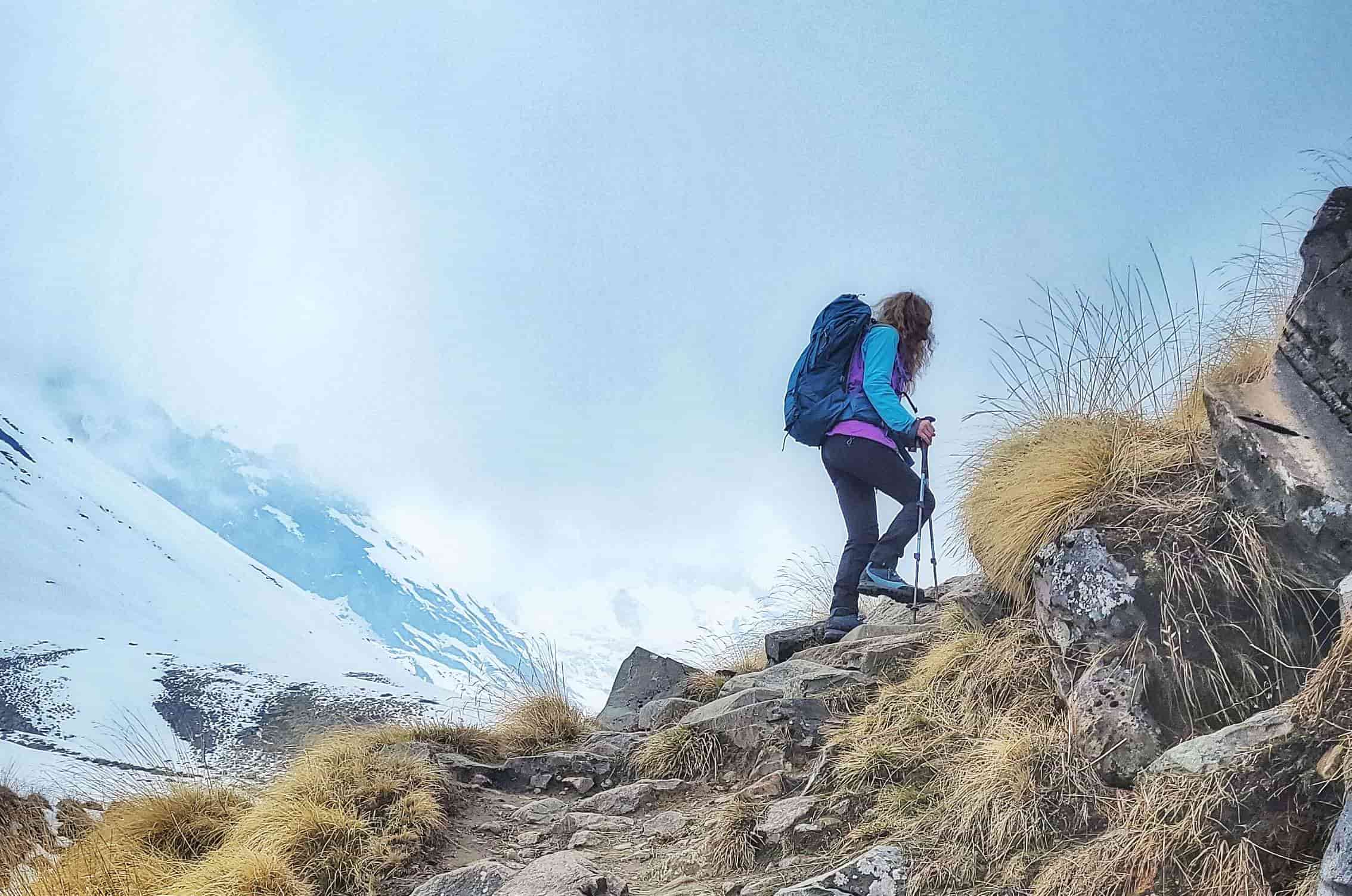
The climb follows the classic Langtang Valley trail through forests, yak pastures and Tamang villages. It then rises onto snow and glacier terrain for the summit push. From the top, you get wide views of Langtang Lirung, Dorje Lakpa and the Tibetan border peaks.
This guide covers everything you need to plan the trip: cost, permits, difficulty and the best season. If you'd rather have an expert team handle the logistics, see the Yala Peak Climbing itinerary and booking details.
What Is Yala Peak Climbing?
Yala Peak Climbing combines a scenic valley trek with a short, non-technical snow climb. The trip usually starts at Syabrubesi and passes through Lama Hotel, Langtang Village and Kyanjin Gompa. From there, you move to a high camp below the summit.
The peak is graded PD (peu difficile), with a straightforward snow and glacier approach and no severe technical sections, though you still need crampons, an ice axe and good fitness for snow above 5,000 m. That makes it a good stepping stone before bigger objectives like Island Peak or Mera Peak.
Quick facts:
- Region: Langtang National Park, Rasuwa District, Nepal
- Summit altitude: about 5,500 m (figures vary by source)
- Typical duration: 12–14 days including Kathmandu
- Grade: PD, non-technical
- Starting point: Syabrubesi, reached by road from Kathmandu
- Best for: First-time climbers with good fitness
Yala Peak Climbing Cost
The cost depends on your package, group size, season and gear needs. Most climbers spend roughly USD 2,000–2,600 in total, counting the package, permits, visa, gear, insurance and tips, but not international flights. A good package covers guides, accommodation, meals, permits and ground transport.
Yala Peak also tends to be cheaper than other trekking peaks. Climbers on Mera or Island Peak now pay USD 175–350 in NMA royalties depending on season, while Yala carries no climbing-permit charge. That saving is a big reason it appeals to budget-conscious climbers. For a tailored quote, check the Yala Peak Climbing package.
| Cost Item | Approximate Amount |
|---|---|
| Langtang National Park entry permit | NPR 3,000 (about USD 25) for foreigners |
| TIMS card / e-TIMS | About NPR 2,000 |
| NMA climbing royalty | Currently waived per most recent operator information (confirm when booking) |
| Technical gear rental (if not included) | Often included in packages |
| Sleeping bag / down jacket rental | About USD 1–2.50 per day each in Thamel |
| Trail extras (Wi-Fi, charging, hot showers) | About USD 10–20 per day |
| Total trip budget (excluding flights) | About USD 2,000–2,600 |
What's usually included in a package:
- Airport pickups and drops in Kathmandu
- Transport to and from Syabrubesi
- Licensed guide and porter support
- Teahouse lodging and camping at high camp
- Meals on the trek and climb
- Permits and climbing equipment such as crampons, harness and ice axe
Permits Required for Yala Peak
Permit rules for Nepal's peaks have changed recently, and older blogs often list outdated fees. Yala Peak no longer requires an NMA climbing permit, only a Langtang National Park entry permit and a TIMS card. Some older sources still list seasonal NMA fees, so always confirm the current rules with your operator before you travel.
Permits are checked at several points along the route. Checks take place at the park entrance near Syabrubesi and at checkpoints such as Bamboo, Langtang Village and Kyanjin Gompa. Carry your passport and permit copies at all times. Your guide or agency normally arranges everything in advance.
Permits and documents to prepare:
- Langtang National Park entry permit: NPR 3,000 for foreigners, NPR 1,500 for SAARC nationals
- TIMS card (now digital in many cases): about NPR 2,000
- Nepal visa: available on arrival or online in advance
- Travel insurance: not legally required, but strongly recommended, with high-altitude and helicopter evacuation cover
- Passport copies and passport photos: for your agency's paperwork
Yala Peak Climbing Difficulty
Yala Peak is often called one of the easiest real Himalayan summits, but easy does not mean effortless. The main challenge is altitude, not technical skill. The trek gains height steadily, and summit day is long, cold and physically demanding.
The final section crosses snow and a glacier, so you need basic crampon and ice axe skills. Your guide will teach these before the summit push, usually at base or high camp. You don't need prior mountaineering experience, but a good level of cardio fitness is essential.
What makes it manageable, and what to watch for:
- Gentle acclimatization: the Langtang Valley gains height gradually, with rest time at Kyanjin Gompa
- Non-technical route: no fixed ropes or steep ice walls on the standard line
- Long summit day: expect an early alpine start and many hours on snow
- Altitude sickness risk: watch for headache, nausea and poor sleep, and tell your guide immediately
- Cold and wind: temperatures near the summit drop sharply, even in good seasons
Best Season for Yala Peak Climbing
Spring and autumn are the two reliable windows. Late March to May and October to November match the stable-weather periods that govern most Langtang trekking. Clear skies, safer snow conditions and moderate temperatures make these months the most popular.
Spring brings blooming rhododendrons on the lower trail and warmer days. Autumn offers crisp, clear mountain views right after the monsoon. Winter is very cold and often snow-covered, while summer brings monsoon rain, leeches on the lower trail and cloudy views.
| Season | Months | Conditions | Suitability |
|---|---|---|---|
| Spring | March – May | Warm days, rhododendron blooms, stable weather | Excellent |
| Autumn | October – November | Clear skies, crisp air, great views | Excellent |
| Winter | December – February | Very cold, heavy snow possible | Experienced climbers only |
| Summer / Monsoon | June – August | Rain, clouds, leeches, poor visibility | Not recommended |
Yala Peak Climbing Itinerary Overview
A standard Yala Peak itinerary runs around two weeks. It follows the Langtang Valley from Syabrubesi through Lama Hotel, Langtang Village and Kyangjin Gompa, then moves to high camp before the summit push. Rest and acclimatization days are built in to reduce altitude risk.
Summit day begins before dawn, and you return to base camp or Kyanjin Gompa the same day, depending on the schedule. A spare day is often added in case of bad weather. You can review a full day-by-day plan on the Yala Peak Climbing trip page.
Yala Peak Climbing Itinerary at a Glance
This 12-day plan covers the classic Langtang Valley trek and the summit of Yala Peak. It includes a rest day at Kyangjin Gompa for acclimatization, and the descent follows the same valley back to Syabrubesi. You can check current departure dates and inclusions on the Yala Peak Climbing trip page.
| Day | Route / Activity | Max Altitude |
|---|---|---|
| Day 1 | Arrival in Kathmandu and transfer to hotel | 1,400 m / 4,593 ft |
| Day 2 | Preparation day in Kathmandu | 1,400 m / 4,593 ft |
| Day 3 | Drive to Syabrubesi | 1,550 m / 5,085 ft |
| Day 4 | Trek to Lama Hotel | 2,380 m / 7,808 ft |
| Day 5 | Trek to Langtang Village | 3,432 m / 11,259 ft |
| Day 6 | Trek to Kyangjin Gompa | 3,830 m / 12,565 ft |
| Day 7 | Rest day and hike to Tsergo Ri | 5,033 m / 16,512 ft |
| Day 8 | Trek to Yala Peak Base Camp | 4,700 m / 15,420 ft |
| Day 9 | Summit Yala Peak, then trek back to Kyangjin Gompa | 5,500 m / 18,044 ft |
| Day 10 | Trek to Lama Hotel | 2,380 m / 7,808 ft |
| Day 11 | Trek to Syabrubesi | 1,550 m / 5,085 ft |
| Day 12 | Drive back to Kathmandu | 1,400 m / 4,593 ft |
Yala Peak Climbing Detailed Itinerary
Below is a full day-by-day breakdown of the trip. Walking times and drive times are approximate and can change with weather, trail conditions and group pace. Your guide may adjust the plan for safety, especially around acclimatization and summit day.
Day 1: Arrival in Kathmandu and Transfer to Hotel (1,400 m / 4,593 ft)
Your journey begins when you land at Tribhuvan International Airport. A representative from the team will meet you outside the arrival hall and transfer you to your hotel. The drive shows you the busy streets of Nepal's capital.
After check-in, take some time to rest and recover from the flight. In the evening, you may meet your guide for a short welcome briefing about the trip. You can also stroll through nearby Thamel, the trekkers' hub with cafes, gear shops and restaurants.
- Altitude: 1,400 m
- Accommodation: Hotel in Kathmandu
- Meals: Welcome dinner (if included in your package)
Day 2: Preparation Day in Kathmandu (1,400 m / 4,593 ft)
This day is set aside for final preparations, permits and gear checks. Your guide will review your equipment and help you rent or buy anything missing, such as a sleeping bag, down jacket or trekking poles. The technical gear for the climb, including crampons, harness and ice axe, is usually provided in the package.
If time allows, you can visit a nearby cultural site such as Swayambhunath (Monkey Temple), Boudhanath Stupa or Pashupatinath. These visits are optional but a pleasant way to spend the day. Keep your schedule light, since long days ahead demand good energy.
- Altitude: 1,400 m
- Accommodation: Hotel in Kathmandu
- Meals: Breakfast included
Day 3: Drive to Syabrubesi (1,550 m / 5,085 ft)
After an early breakfast, you leave Kathmandu by road for Syabrubesi, the gateway to the Langtang Valley. The road winds through terraced hills, small towns and river valleys, with views of distant snow peaks on clear days. Expect a long drive of about seven to eight hours, depending on traffic and road conditions.
The final stretch follows the Trishuli River toward the Langtang region. You arrive in Syabrubesi in the afternoon, a small Tamang settlement at the start of the trail. Use the evening to repack your bag, and rest well before the first trekking day.
- Altitude: 1,550 m
- Drive time: About 7–8 hours (approx.)
- Accommodation: Teahouse in Syabrubesi
Day 4: Trek to Lama Hotel (2,380 m / 7,808 ft)
The trek starts by crossing the bridge over the Bhote Koshi River and following the Langtang Khola upstream. The trail climbs steadily through dense forest of oak, rhododendron and bamboo. You may spot langur monkeys and colorful Himalayan birds along the way.
The path passes small settlements such as Bamboo and Rimche before reaching Lama Hotel. The climb is gradual but continuous, so walk at a slow, steady pace. You spend the night in a cozy teahouse surrounded by forest and the sound of the river.
- Altitude gain: About 830 m
- Walking time: About 6–7 hours (approx.)
- Accommodation: Teahouse in Lama Hotel
Day 5: Trek to Langtang Village (3,432 m / 11,259 ft)
Today the forest slowly opens up into wide, glacial valley scenery. You pass through Ghoda Tabela, and views of Langtang Lirung (7,227 m) begin to dominate the skyline. The landscape changes from woodland to alpine meadows and yak pastures.
You reach Langtang Village in the afternoon, a rebuilt community with stone houses and stupas. The village was devastated by the 2015 earthquake and avalanche, and its recovery is a moving part of the journey. Take time to hydrate well, since this is a key acclimatization step.
- Altitude gain: About 1,050 m
- Walking time: About 6 hours (approx.)
- Accommodation: Teahouse in Langtang Village
Day 6: Trek to Kyangjin Gompa (3,830 m / 12,565 ft)
This is a shorter and easier day, giving your body time to adjust. The trail continues through yak pastures, mani walls and small settlements like Mundu and Sindum. Snow peaks tower on both sides of the valley.
You arrive in Kyangjin Gompa by midday, home to a small monastery and a local cheese factory. With the afternoon free, you can rest, explore the monastery or take a short walk around the village. Keep drinking water, and tell your guide about any headache or nausea.
- Altitude gain: About 400 m
- Walking time: About 3–4 hours (approx.)
- Accommodation: Teahouse in Kyangjin Gompa
Day 7: Rest Day and Hike to Tsergo Ri (5,033 m / 16,512 ft)
This day is dedicated to acclimatization, the most important part of any high-altitude climb. You hike up to Tsergo Ri, the highest viewpoint on the trip, starting early to catch clear morning skies. The ascent is steep and slow, but the panorama at the top is one of the best in Langtang.
From the summit ridge you see Langtang Lirung, Dorje Lakpa, Yala Peak and the peaks along the Tibetan border. After enjoying the views, you return to Kyangjin Gompa for lunch and a well-earned rest. The rule of "climb high, sleep low" helps your body adapt before the summit push.
- Highest point: 5,033 m
- Hiking time: About 6–8 hours round trip (approx.)
- Accommodation: Teahouse in Kyangjin Gompa
Day 8: Trek to Yala Peak Base Camp (4,700 m / 15,420 ft)
Leaving Kyangjin Gompa, you climb through the upper valley toward Yala Peak Base Camp. The trail is steep in sections and passes through rocky terrain and high yak pastures. Walk slowly, and take breaks to drink and eat.
Once at base camp, the team sets up tents and prepares a hot meal. Your guide will briefly go over how to use crampons and ice axe and explain the summit plan. Go to bed early, because the next morning starts well before sunrise.
- Altitude gain: About 870 m
- Walking time: About 4–5 hours (approx.)
- Accommodation: Tented camp at Yala Peak Base Camp
Day 9: Summit Yala Peak (5,500 m / 18,044 ft) and Trek Back to Kyangjin Gompa
The summit day starts in the early morning hours with warm layers, headlamps and a light breakfast. You climb steadily over rock and then onto snow, where you put on your crampons and rope up if needed. The route is non-technical, but the altitude and cold make it a demanding day.
From the top you get a wide panorama of Langtang Lirung, Shishapangma and the surrounding Himalayan giants. After photos and a short celebration, you descend to base camp for a rest and meal. You then continue down to Kyangjin Gompa, a long but rewarding day.
- Summit altitude: 5,500 m
- Total time: About 10–12 hours, including the descent (approx.)
- Accommodation: Teahouse in Kyangjin Gompa
Day 10: Trek to Lama Hotel (2,380 m / 7,808 ft)
With the summit behind you, the return trek begins. You retrace your steps down the valley, passing Langtang Village and the forest trails. The thicker air makes walking easier, and you will likely feel stronger with each step.
This is a long descent, but the views look different when walking downhill. The trail passes yak herders, waterfalls and small villages once more. You reach Lama Hotel in the evening, tired but happy.
- Altitude loss: About 1,450 m
- Walking time: About 7–8 hours (approx.)
- Accommodation: Teahouse in Lama Hotel
Day 11: Trek to Syabrubesi (1,550 m / 5,085 ft)
The final trekking day takes you through the lower forest back to Syabrubesi. The trail is mostly downhill, with a few short uphill sections. Warmer temperatures and greener scenery mark the return to lower altitude.
Once back in Syabrubesi, you can enjoy a hot shower and a relaxed dinner with your team. This is a good moment to thank your guides and porters, as tips are traditionally given at the end of the trek. Pack your bags for the drive tomorrow.
- Altitude loss: About 830 m
- Walking time: About 5–6 hours (approx.)
- Accommodation: Teahouse in Syabrubesi
Day 12: Drive Back to Kathmandu (1,400 m / 4,593 ft)
After breakfast, you board your vehicle for the return drive to Kathmandu. The journey follows the same winding road, and the scenery feels familiar yet different after the adventure. You arrive in the capital in the afternoon and transfer to your hotel.
You can spend the evening shopping for souvenirs or enjoying a farewell dinner in Thamel. Your team can help with onward travel, airport transfers or a spare day for weather delays. To plan your own dates and customize the trip, visit the Yala Peak Climbing package.
- Altitude: 1,400 m
- Drive time: About 7–8 hours (approx.)
- Accommodation: Hotel in Kathmandu
Training and Packing Tips
Start training at least two to three months before your trip. Focus on cardio, leg strength and hiking with a loaded backpack. Long weekend hikes with elevation gain are the best preparation for multiple days at altitude.
Pack for extremes, from warm valley afternoons to freezing summit mornings. Layering is the key principle. Most agencies supply technical gear, but you should bring your own broken-in boots and base layers.
Essential items:
- Insulated, waterproof mountaineering or high-altitude trekking boots
- Down jacket, waterproof shell and thermal base layers
- Warm gloves, hat, buff and UV-protection sunglasses
- 4-season sleeping bag (or rent in Kathmandu)
- Trekking poles, headlamp and spare batteries
- Water bottles, purification tablets and basic first-aid kit
- Sunscreen and lip balm with high SPF
Why Book With Northern Trekking Team?
Choosing a local, licensed operator makes a real difference on a high-altitude trip. An experienced team handles permits, safety checks and weather decisions so you can focus on the climb. Clear communication and honest pricing also matter when you are planning from abroad.
A good operator provides qualified guides who carry a pulse oximeter and first-aid kit and know when to turn around. Small groups and flexible schedules give you better acclimatization and a safer summit attempt. You can explore the full trip inclusions and departure options on the Northern Trekking Team Yala Peak page.
What to look for in an operator:
- Government-registered company with licensed climbing guides
- Transparent price with a clear inclusions and exclusions list
- Safety protocols including altitude monitoring and emergency plans
- Flexible itinerary with spare weather days
- Positive traveler reviews and responsive communication
Yala Peak Climbing FAQs
1. How high is Yala Peak?
Yala Peak is commonly listed at about 5,500 m (18,044 ft) above sea level. Some sources quote a higher figure of up to 5,732 m, so elevations vary depending on the survey. Either way, it is a high-altitude climb where you must take acclimatization seriously.
The peak sits in the Langtang region of Rasuwa District, north of Kathmandu. Its summit rewards climbers with views of Langtang Lirung, Shishapangma and the Tibetan border peaks.
2. Where is Yala Peak located?
Yala Peak is inside Langtang National Park, roughly 120 km north of Kathmandu as the crow flies. The trek starts at Syabrubesi, which you reach by a scenic road journey from the capital. From there, the trail follows the Langtang Valley up to Kyangjin Gompa and then to Yala Peak Base Camp.
It is one of the easiest peaks in Nepal to reach, because you don't need a domestic flight. That saves time and money, and it keeps the trip flexible for travelers with tight schedules.
3. How much does Yala Peak Climbing cost?
Most climbers spend roughly USD 2,000–2,600 in total. That figure covers the package, permits, visa, gear, insurance and tips, but not international flights. The exact price depends on group size, season, services and how much gear you need to rent.
A good package usually includes:
- Airport pickups and drops
- Hotel stays in Kathmandu
- Transport to and from Syabrubesi
- Licensed guide and porter support
- Teahouse accommodation and camping at base camp
- Meals during the trek and climb
- Permits and technical climbing equipment
For current pricing and departure dates, see the Yala Peak Climbing trip page.
4. What permits do I need for Yala Peak Climbing?
You need two main permits: the Langtang National Park entry permit and a TIMS card. The park permit costs NPR 3,000 (about USD 25) for foreign nationals and NPR 1,500 for SAARC nationals. The TIMS card is around NPR 2,000 and is now digital in many cases.
Permit rules for Nepal's peaks have changed recently, and older blog posts often list outdated fees. Your operator should confirm the current requirements before you travel, and normally arranges all paperwork for you.
5. Do I need an NMA climbing permit for Yala Peak?
According to the most recent operator information, Yala Peak does not currently require an NMA royalty payment. Peaks like Island Peak and Mera Peak still charge seasonal NMA fees, which is a big reason Yala is cheaper.
Some older sources still list NMA fees of USD 125–250 depending on the season. Because rules can change, always ask your trekking company to confirm the latest policy when you book.
6. How difficult is Yala Peak Climbing?
Yala Peak is one of the most beginner-friendly Himalayan summits, graded PD (peu difficile). The route is non-technical, with no fixed ropes or steep ice walls on the standard line. The main challenge is altitude, not technical skill.
Summit day is long, cold and physically demanding, often lasting 10 to 12 hours including the descent. You'll need basic crampon and ice axe skills, which your guide teaches at base camp before the climb.
7. Do I need previous climbing experience?
No, prior mountaineering experience is not required. Many climbers use Yala Peak as their first Himalayan summit. What matters is good cardiovascular fitness, a positive attitude and willingness to follow your guide's instructions.
If you have done multi-day treks at altitude, you will feel more comfortable. Beginners should train in advance and choose a reputable operator that builds in acclimatization time.
8. What is the best time to climb Yala Peak?
Spring (late March to May) and autumn (October to November) are the two best seasons. Both offer stable weather, clear skies and safer snow conditions. Spring adds blooming rhododendrons on the lower trail, while autumn delivers crisp air and sharp mountain views.
Winter is very cold and snowy, so it suits only experienced climbers. Summer means monsoon rain, cloud and leeches on the lower trail, so it is generally not recommended.
| Season | Months | Suitability |
|---|---|---|
| Spring | March – May | Excellent |
| Autumn | October – November | Excellent |
| Winter | December – February | Experienced only |
| Summer | June – August | Not recommended |
9. How many days does the Yala Peak Climbing trip take?
A standard itinerary runs 12 days from arrival to departure in Kathmandu. That includes a preparation day, a two-day drive window, seven days on the trail and a full rest day for acclimatization at Kyangjin Gompa. You can see the full day-by-day plan on the Yala Peak Climbing itinerary page.
Most operators recommend adding one or two spare days in case of weather delays or slower acclimatization. That buffer protects your international flight schedule.
10. How do I prepare and train for Yala Peak?
Start training two to three months before your trip. Focus on cardio, leg strength and hiking with a loaded backpack, since these mimic the demands of trail days and summit day.
Good training habits include:
- Hiking or stair climbing three to four times a week
- Building endurance with running, cycling or swimming
- Doing long weekend hikes with elevation gain
- Practicing with your boots and pack
- Strengthening your legs and core with squats and lunges
11. Is altitude sickness a risk on Yala Peak?
Yes. Acute Mountain Sickness (AMS) can affect anyone above 3,000 m, regardless of fitness. The itinerary includes gradual ascents and a rest day at Kyangjin Gompa, with a hike to Tsergo Ri, to help your body adapt.
Watch for these early symptoms:
- Persistent headache
- Nausea or loss of appetite
- Dizziness or unusual fatigue
- Poor sleep
Tell your guide immediately if you feel unwell. Guides typically carry a pulse oximeter and first-aid kit, and descending is the best treatment for worsening symptoms.
12. What gear do I need, and can I rent it?
You need warm layers, sturdy boots, a down jacket, a four-season sleeping bag, gloves, sunglasses and a headlamp. Technical gear like crampons, harness and ice axe is usually included in the package. Ask your operator to confirm exactly what is supplied.
Sleeping bags and down jackets can be rented in Kathmandu's Thamel district for roughly USD 1–2.50 per day each. Bring your own broken-in boots and base layers for comfort and fit.
13. Do I need travel insurance?
Travel insurance is not legally required for Yala Peak, but it is strongly recommended. The climb reaches over 5,000 m, and rescue or medical costs can be high if something goes wrong.
Choose a policy that specifically covers high-altitude trekking and climbing up to at least 5,500 m, plus emergency helicopter evacuation. Read the fine print, since some standard policies exclude activities above 4,000 m.
14. Can I climb Yala Peak solo or without a guide?
Practically, no. A licensed guide is required for Yala Peak, and it is not a route to attempt alone. Snow, glacier terrain, altitude and fast-changing weather make professional support essential for safety.
A guide also handles permits, route-finding, acclimatization decisions and emergencies. Langtang does not impose a minimum group size, so even a single climber can travel with a private guide.
15. Is Langtang safe after the 2015 earthquake, and what else should I know?
Yes, the Langtang Valley has been rebuilt and is a safe, popular trekking destination. Teahouses, trails and bridges have been restored, and the trek supports the local Tamang community that continues to recover. Permit checkpoints along the route also help track trekkers' movements.
A few practical tips:
- Carry enough cash in Nepali rupees, as ATMs are unavailable on the trail
- Budget USD 10–20 per day for charging, Wi-Fi, hot showers and bottled water
- Tip your guides and porters at the end of the trek
- Respect local customs, such as walking clockwise around stupas and mani walls
Ready to plan your climb? Check dates, inclusions and pricing on the Yala Peak Climbing trip page.
Conclusion
Yala Peak Climbing offers a rare mix of Himalayan scenery, cultural encounters and a genuine summit, without the technical demands of bigger peaks. With modest permit costs, a straightforward route and a close-to-Kathmandu location, it is one of Nepal's best introductions to peak climbing.
Plan for spring or autumn, train well and confirm permit details with your operator before you go. Take acclimatization seriously, since altitude is the real challenge here.
Ready to start planning? Check dates, inclusions and pricing on the Yala Peak Climbing trip page and get in touch with the team for a customized itinerary.
Recent From Yala Peak Climbing: Cost, Itinerary, Permits, Difficulty & Best Season – Complete Guide
Jun 27, 2022
Jun 27, 2022

Jul 19, 2022
Sep 20, 2025
Jan 03, 2023
Feb 03, 2023
Feb 17, 2023
Feb 23, 2023
Mar 03, 2023
Mar 14, 2023
Mar 20, 2023
Mar 28, 2023
Apr 06, 2023
Jul 31, 2023
Aug 28, 2023

Jan 04, 2026


Mar 10, 2026