8th Oct, 2026
Island Peak Climbing Gear & Equipment: Complete Packing Guide
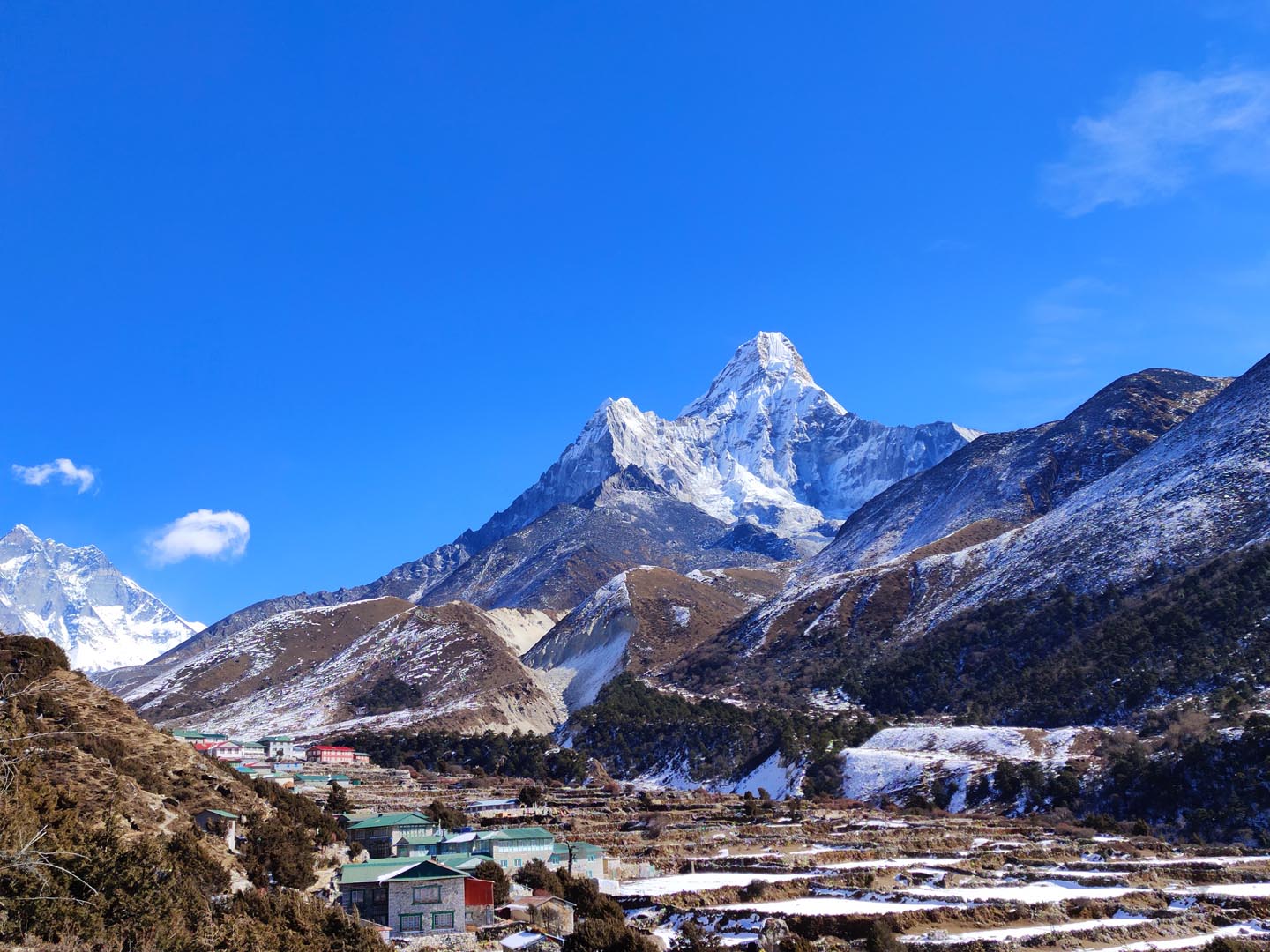
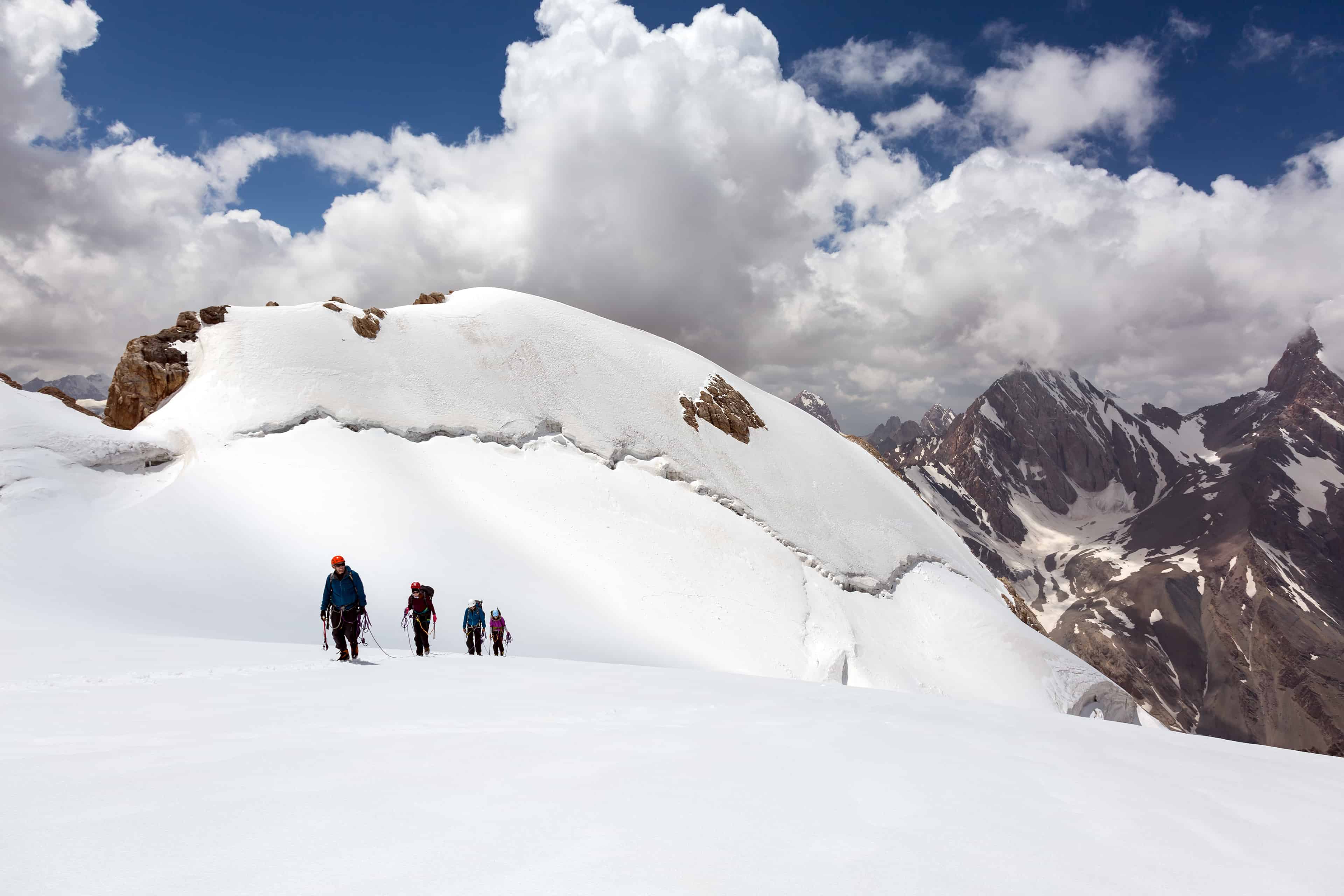
Standing on the summit of Island Peak (Imja Tse, 6,189 m / 20,305 ft) is one of the most rewarding goals in Nepal’s Everest region. It is also a serious high-altitude climb with a 1 a.m. summit start, freezing temperatures, a glacier section, and a steep fixed-rope headwall. Your gear is your safety system, so packing smart matters as much as fitness.
Table of Contents
This guide covers what to bring, what is usually provided, what you can rent in Kathmandu, and how to pack within flight limits. It is based on the equipment list for the Island Peak Climbing with EBC (17 days) itinerary by Northern Trekking Team.
What Gear Is Provided vs What You Bring
Before you buy anything, check what your package already covers. For the 17-day Island Peak package, the following are included:
| Provided in the Package | Bring or Rent Yourself |
|---|---|
| Crampons, ice axe, harness, helmet, climbing rope | Mountaineering (double or semi-rigid) boots |
| Ascender (jumar), figure-eight/descender, carabiners | Base layers, insulation, shell layers |
| Down-filled mattress at base camp | Gloves, mittens, hats, balaclava |
| Tents (sleeping, dining, kitchen, toilet) at base camp | Goggles, sunglasses, headlamp |
| Sleeping bag, down jacket, and duffel bag (refundable) | Trekking boots, socks, gaiters |
| Climbing training course at base camp | Personal first-aid kit, toiletries, snacks |
| First-aid kit carried by the team | Daypack, trekking poles, water bottles |
Confirm the exact inclusions when booking, because they can vary by package and season.
Complete Island Peak Equipment Checklist
1. Clothing: Layer for -20°C
Layering is the key to staying warm without overheating on the long summit day.
Base layer
- 2 sets of moisture-wicking thermal tops and bottoms
- Lightweight thermal gloves
Insulation layer
- Fleece or soft-shell jacket
- Hooded down jacket rated to about -20°C
Outer shell
- Waterproof, windproof jacket (Gore-Tex or similar)
- Waterproof, windproof trousers
Trekking clothes
- Lightweight trekking pants (2 pairs)
- Long- and short-sleeve moisture-wicking T-shirts
Headwear
- Insulated wool or synthetic hat
- Balaclava or buff
- Sun hat or UV-protection cap
Handwear
- Warm, waterproof gloves or mittens (for summit day)
- Lightweight inner gloves
2. Footwear: Where Not to Cut Corners
- Mountaineering boots compatible with your crampons (double or semi-rigid, warm and well broken-in)
- Trekking boots for the approach trek to base camp
- 4 to 6 pairs of warm, insulated socks
- Gaiters for snow protection
- Camp shoes or sandals for teahouses
Cold feet are one of the most common reasons climbers turn back, so test your boots on long hikes before you travel.
3. Technical Climbing Gear
- Mountaineering ice axe
- Crampons that fit your boots properly
- Climbing harness
- Lockable and non-locking carabiners
- Ascender (jumar) for fixed-rope sections
- Descender (figure-eight or ATC)
- Climbing helmet
These items are normally supplied with the package, but check fit and condition before the summit push. If you are renting from Kathmandu, inspect everything carefully.
4. Sleeping Gear
- Sleeping bag rated -20°C to -30°C
- Lightweight sleeping bag liner for extra warmth and hygiene
5. Bags and Carry Equipment
- Large duffel or backpack (50 to 70 L) for porter-carried gear
- Daypack (20 to 30 L) for water, layers, camera, and snacks
- Waterproof stuff sacks or dry bags
6. Other Essentials
- Adjustable trekking poles
- Category 4 UV sunglasses and goggles for glacier glare
- Headlamp with spare batteries (essential for the 1 a.m. start)
- 2 to 3 litres of water capacity, including an insulated bottle
- Personal first-aid kit with blister care and any doctor-approved altitude medication
- High-energy snacks and electrolytes
- SPF 50+ sunscreen, lip balm, and moisturizer
7. Personal Items
- Quick-dry towel
- Toiletries, wet wipes, and hand sanitizer
- Water purification tablets
- Power bank and camera (optional)
- Passport, permits, and insurance documents in a waterproof pouch
Packing Tips for Flights and Porters
- Lukla flight limit: Domestic flights to Lukla typically allow about 15 kg (33 lb) total, including your duffel and daypack, and extra weight can be charged. Pack lean, and keep Kathmandu items at your hotel.
- Porter loads: Porters usually carry about 20 to 25 kg combined for the group, so keep your personal bag within the agreed limit.
- Daypack first: Keep your warmest layer, water, sunscreen, snacks, camera, medication, and documents in the daypack, since the duffel may arrive later in the day.
- Waterproof everything: Use dry bags to protect your down jacket and sleeping bag.
- Label your gear: Mark your name on boots, gloves, and bags to avoid mix-ups in crowded teahouses.
Buy or Rent in Kathmandu?
Many climbers rent bulky technical items in Kathmandu to save money and luggage space. A reasonable approach is:
- Buy yourself: Boots, socks, base layers, gloves, goggles, and anything that must fit perfectly.
- Rent: Down jacket, sleeping bag, crampons, or other bulky items if not provided.
- Test everything: Check zippers, straps, sole condition, and crampon fit before leaving the shop.
Thamel in Kathmandu has many stores, and gear rentals are available for climbers who do not own specific equipment. Ask your operator for trusted shops and a fitting check.
Gear Needs by Season
- Autumn (September to November): Dry and stable, but nights are very cold. Prioritize a warm sleeping bag, insulated boots, and mittens.
- Spring (March to May): Slightly warmer, with a bit more wind and snow variability. Bring extra sun protection.
- Winter and monsoon: Not recommended for most climbers. If attempting, use the warmest possible gear and expect harsher conditions.
Common Packing Mistakes to Avoid
- Overpacking cotton clothes: Cotton holds moisture and loses heat.
- Wearing new boots: Break in your boots for weeks beforehand to avoid blisters.
- Skipping goggles and category 4 sunglasses: Snow glare can cause painful snow blindness.
- Forgetting spare headlamp batteries: Cold drains batteries quickly.
- Using poorly fitted crampons: Always test them with your boots.
- Ignoring insurance: Choose cover for high-altitude climbing and emergency helicopter evacuation above 5,500 m.
Plan Your Island Peak Route and Preparation
Island Peak is often combined with the Everest Base Camp trek for excellent acclimatization. Compare related options:
- Everest Base Camp Trek
- Lobuche Peak Climbing
- Mera Peak Climbing
- Mera Peak Climbing with Amphu Lapcha Pass Trek
- Yala Peak Climbing
- Pokalde Peak Climbing
You can also explore all peak climbing in Nepal, read the trekking equipment guide, review altitude tips, and check passport and visa information.
FAQs About Island Peak Climbing Equipment
1. What equipment do I need for Island Peak climbing?
You need technical gear (ice axe, crampons, harness, helmet, carabiners, ascender, and descender), mountaineering boots, layered clothing (thermal base layers, fleece, down jacket, waterproof shell), warm gloves and hat, a -20°C or warmer sleeping bag, goggles and category 4 sunglasses, a headlamp, a daypack and duffel, and a personal first-aid kit. Many technical items are provided in guided packages, so confirm your list first.
2. What climbing gear is provided by Northern Trekking Team?
The 17-day package lists personal and group climbing gear, including a down-filled mattress, crampons, ice axe, jumar, harness, figure-eight, carabiner, helmet, and climbing rope. It also includes camping gear at Island Peak Base Camp (sleeping tents, a dining tent, a kitchen tent, and toilet tents) and a refundable sleeping bag, down jacket, and duffel bag. Always double-check your own booking details.
3. Do I need to buy or rent mountaineering boots?
Mountaineering boots are one of the most important personal items. Buy them if you plan to climb again, because fit is critical. If you rent, try them on carefully, wear them with your climbing socks, and make sure they work with your crampons. Break in any new boots for several weeks before the trip.
4. What type of sleeping bag do I need?
Choose a bag rated for -20°C to -30°C, and add a lightweight liner for extra warmth. Nights at Island Peak Base Camp (about 5,100 m) and High Camp (about 5,500 m) are extremely cold. A refundable sleeping bag may be provided in the package, so check before buying.
5. What clothing layers are best for summit day?
Wear a moisture-wicking base layer, a fleece or soft-shell mid-layer, a hooded down jacket, and a waterproof, windproof shell with matching trousers. Add insulated mittens or warm gloves, a wool hat or balaclava, and warm socks. Keep an extra layer in your daypack so you can adjust through the 1 a.m. start and the rising sun.
6. Can I rent equipment in Kathmandu?
Yes. Gear rentals are available in Kathmandu for climbers who do not own specific items such as down jackets, sleeping bags, or technical gear. Rent bulky items to save money, but inspect condition and fit carefully, and buy key personal items like boots, gloves, and base layers when possible.
7. How much weight can I carry on the Lukla flight?
Domestic aircraft to Lukla usually allow about 15 kg (33 lb) in total, including your daypack and duffel, with extra charges for excess baggage. Porters typically carry about 20 to 25 kg per person on trek, so pack light and leave non-essential items in Kathmandu.
8. What eye protection do I need?
Bring category 4 UV sunglasses for trekking and glacier glare, and consider goggles for wind, snow, or poor visibility on summit day. Snow blindness is painful and can be dangerous, so never skip proper eye protection at altitude.
9. Do I need trekking poles and a headlamp?
Yes. Adjustable trekking poles protect your knees on long descents, and a reliable headlamp with spare batteries is essential for the pre-dawn summit start. Cold weather drains batteries quickly, so keep spares warm inside your jacket.
10. What personal safety items should I carry?
Carry a personal first-aid kit with blister treatment, pain relief, and any doctor-approved altitude medication, along with SPF 50+ sunscreen, lip balm, water purification tablets, and high-energy snacks. Make sure your travel insurance covers high-altitude climbing and emergency helicopter evacuation up to at least 5,500 m, and keep your passport, permits, and emergency contacts in a waterproof pouch.
Climb Island Peak with Northern Trekking Team
Northern Trekking Team is a government-licensed Nepal trekking company based in Thamel, Kathmandu, with experienced climbing guides, base-camp climbing training, quality technical gear, and full logistics support. The Island Peak with EBC package is listed from US$2,290 per person, with departures available through autumn 2026 and into 2027.
- View the full Island Peak Climbing itinerary, cost, and departure dates
- Customize your trip
- Learn why choose Northern Trekking Team and meet our team
- Contact us or message us on WhatsApp at +977 9842907439
Recent From Island Peak Climbing Gear & Equipment: Complete Packing Guide
Jun 27, 2022
Jun 27, 2022

Jul 19, 2022
Sep 20, 2025
Jan 03, 2023
Feb 03, 2023
Feb 17, 2023
Feb 23, 2023
Mar 03, 2023
Mar 14, 2023
Mar 20, 2023
Mar 28, 2023
Apr 06, 2023
Jul 31, 2023
Aug 28, 2023

Jan 04, 2026


Mar 10, 2026
Mar 10, 2026



Apr 03, 2026
Sep 10, 2026
Sep 14, 2026
Sep 23, 2026