28th Oct, 2026
Island Peak Climbing: Step by Step to the 6,189 m Summit of Imja Tse, Your First Himalayan 6,000er
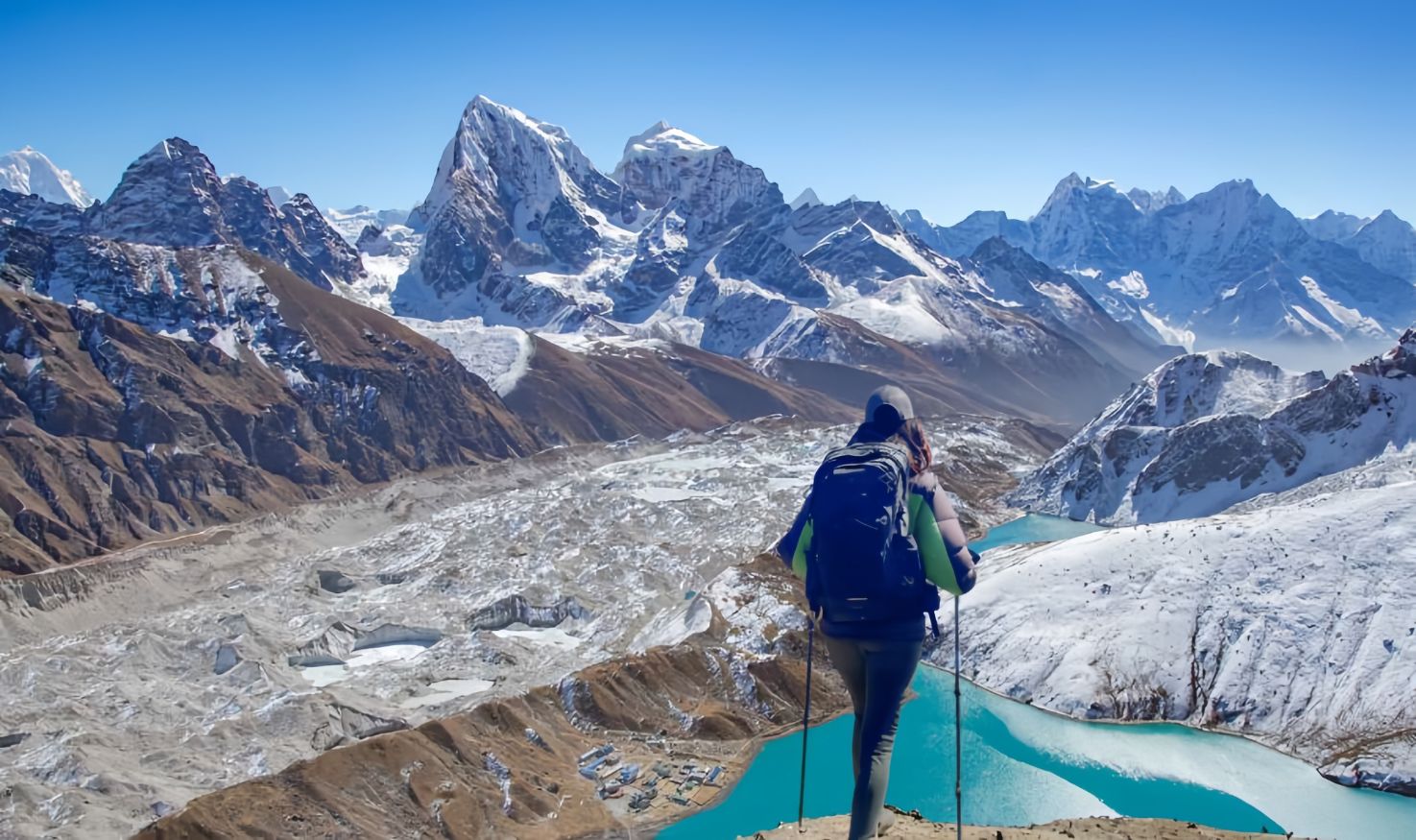
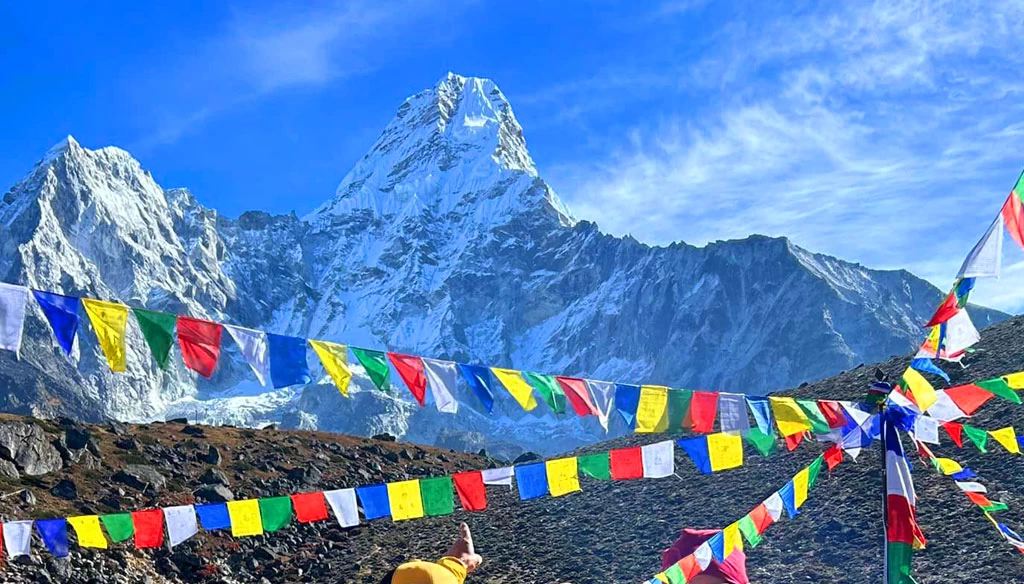
Standing in Chhukung with the Lhotse Face above you, Island Peak looks surprisingly close. It is not. But it is one of the few 6,000-metre peaks in the world where a fit, well-prepared trekker with no mountaineering background can stand on the summit.
Table of Contents
Island Peak (Imja Tse, 6,189 m) is Nepal’s most popular climbing peak and the classic first step into Himalayan mountaineering. This guide walks you through the whole climb, step by step: the trek in, the base camp skills session, the summit-day route, the key preparation steps, and the answers to the questions climbers ask most.
Island Peak Climbing at a Glance
| Detail | Information |
|---|---|
| Peak | Island Peak (Imja Tse), Khumbu region, Sagarmatha National Park |
| Summit height | 6,189 m (some sources list 6,160 m) |
| Typical duration | 16–17 days (a typical full itinerary) |
| Technical level | Moderate: glacier travel, rock scrambling and a steep fixed-rope headwall |
| Base camp | About 5,087 m |
| Summit day | 10–14 hours round trip, starting around midnight to 2 am |
| Best seasons | March–May and September–November |
| Permits | NMA climbing permit, Sagarmatha National Park permit and local fees |
| Guide | Licensed climbing guide recommended (and often required for logistics) |
What Is Island Peak?
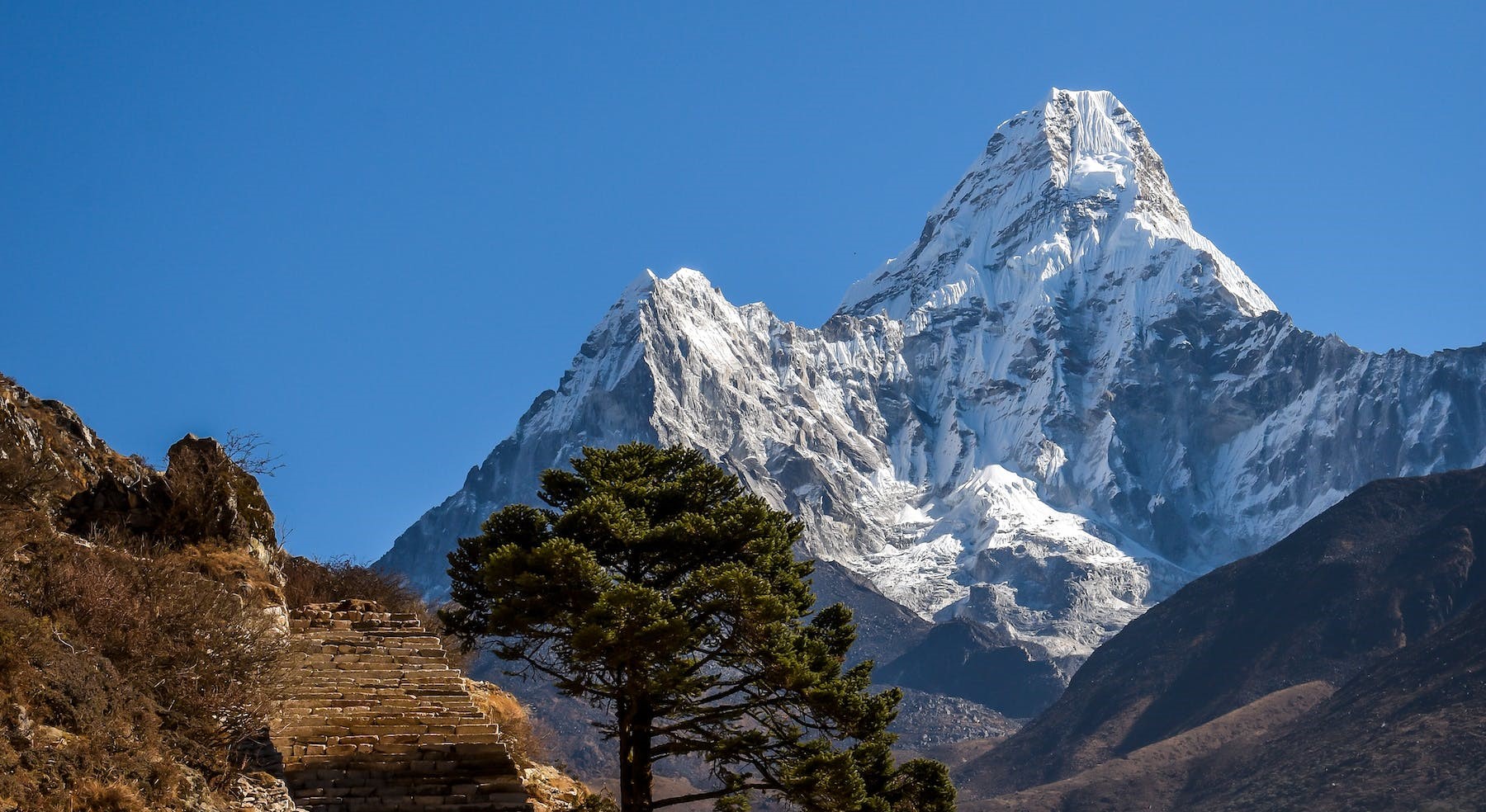
Island Peak rises from the Imja Valley above the village of Chhukung, with the Lhotse-Nuptse wall to the north and Ama Dablam to the west. A British party led by Eric Shipton named it “Island Peak” in 1951 because it looked like an island in a sea of ice when seen from Dingboche. Its local name, Imja Tse, was given later, after the Imja Glacier that flows beneath it.
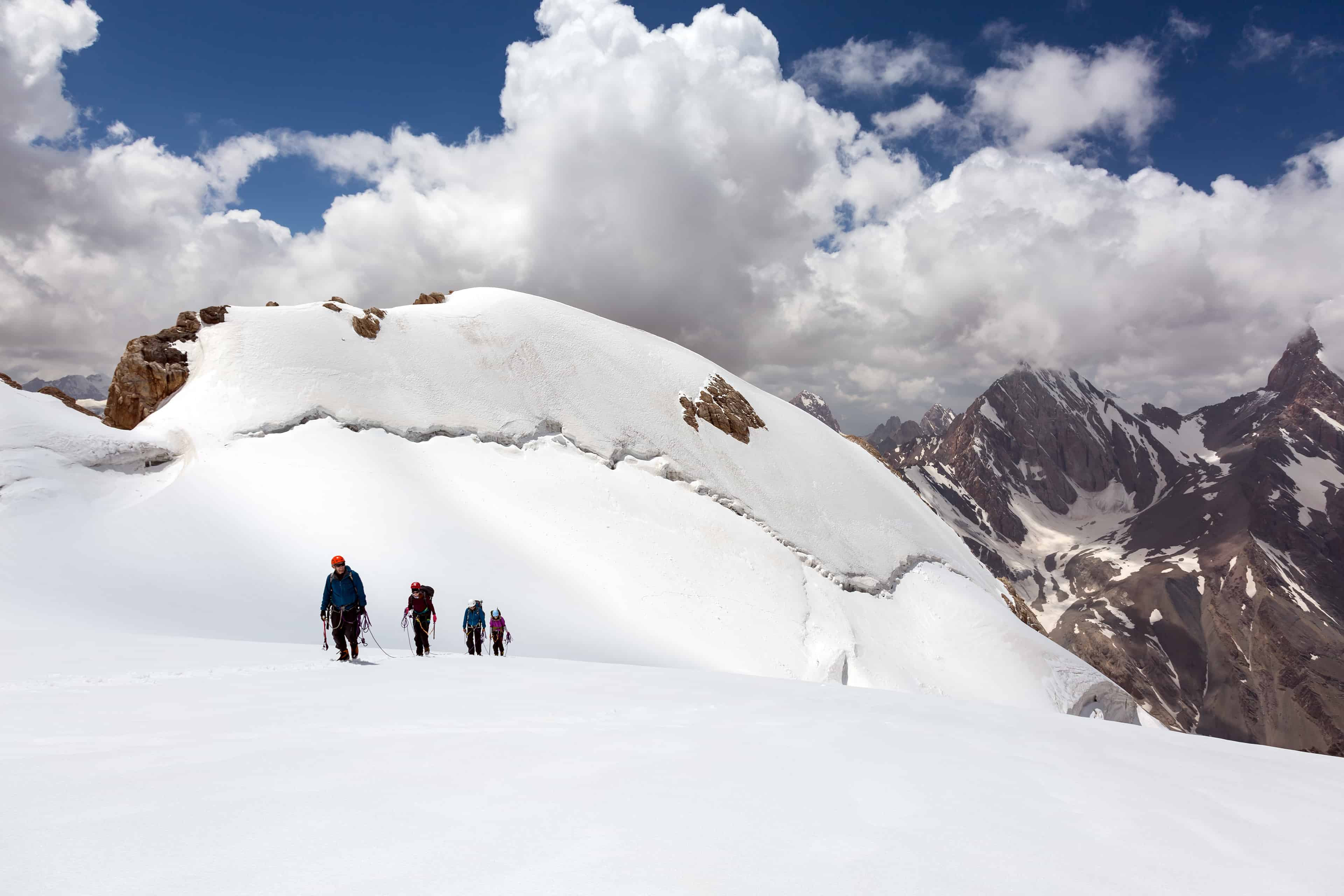
It is classified as a “trekking peak” by the Nepal Mountaineering Association (NMA), but do not let that label mislead you. You will wear a harness and crampons, use an ice axe, cross a glacier and climb a steep snow-and-ice headwall on a fixed rope. It is a real mountain.
Why Climb Island Peak?
1. It is the classic first 6,000 m peak. The technical sections are short, and your guide fixes ropes where needed.
2. The summit views are exceptional. From the top you see Lhotse, Nuptse, Makalu, Baruntse and Ama Dablam, with the Himalayan wall spread around you.
3. You can combine it with a classic trek. Many climbers add it to Everest Base Camp, which also helps acclimatization. See our 17-day Island Peak and EBC plan.
4. It prepares you for bigger peaks. Island Peak teaches you crampon technique, jumar use and abseiling, plus how your body handles altitude above 6,000 m.
5. You get a real mountaineering experience in a short time. Few objectives of this size are accessible without prior expedition experience.
Island Peak Climbing, Step by Step
Step 1: The approach trek (Days 1–9)
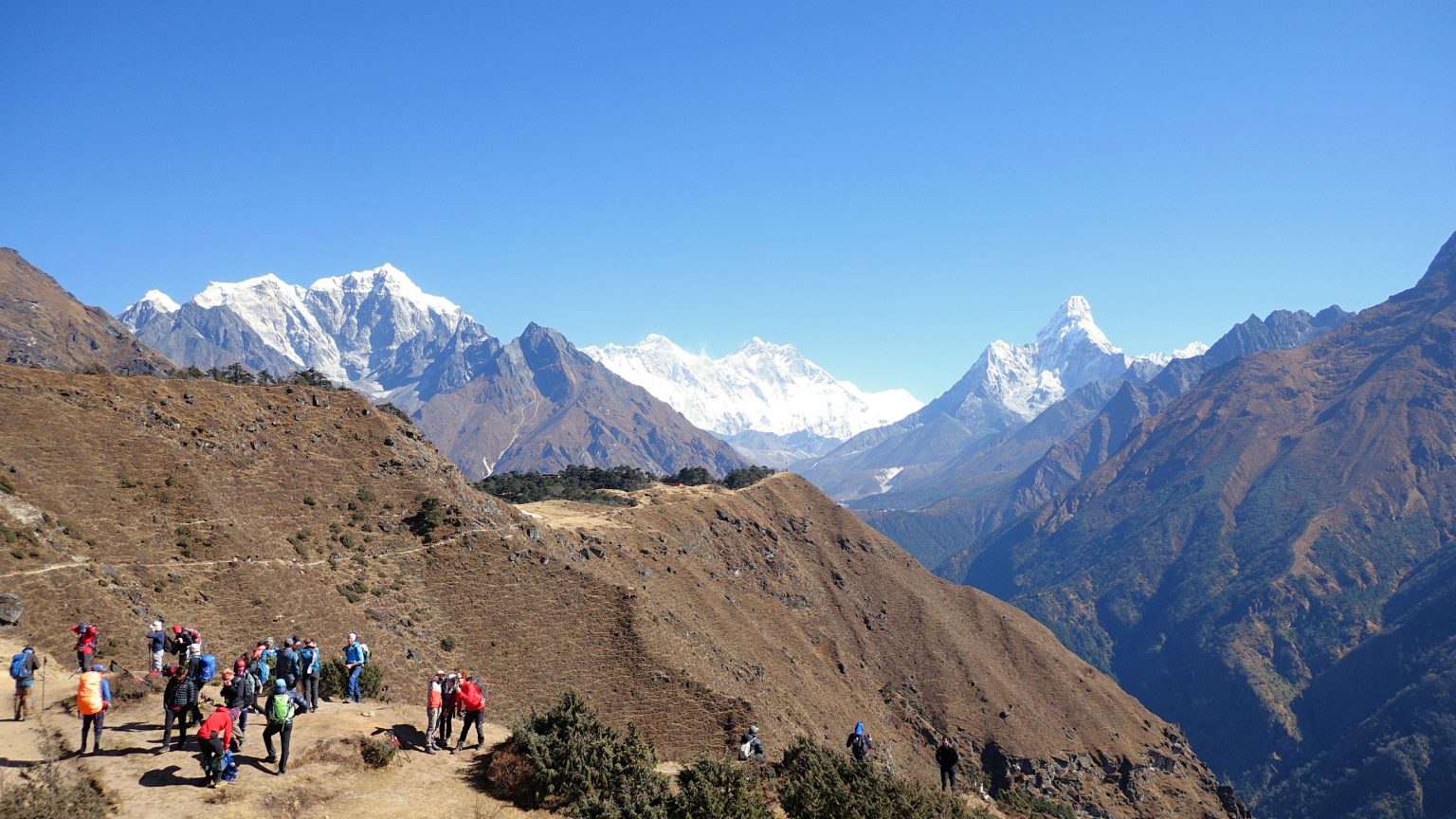
You fly to Lukla and follow the Khumbu trail through Phakding, Namche Bazaar, Tengboche and Dingboche. Two acclimatization days, at Namche and Dingboche, prepare your body for the altitude. You finish at Chhukung (4,730 m), the last village before the mountain.
Step 2: Base camp and skills training (Day 10)
From Chhukung you walk about 4–5 hours to Island Peak Base Camp (about 5,087 m). After lunch, your guide teaches or refreshes the key skills: wearing a harness and crampons, using an ice axe, climbing a fixed rope with a jumar, and abseiling. Even if you have done it before, this session matters.
Step 3: Summit day (Day 11)
The summit push begins around midnight to 2 am, so you reach the steep section while the snow is firm. The route has four parts:
- Rocky ground above base camp. A steep, scrambling climb in the dark, using a headlamp, up a loose gully and rock ridge.
- The glacier. You put on crampons and rope up to cross the Imja Glacier, with crevasses and, in some seasons, ladders.
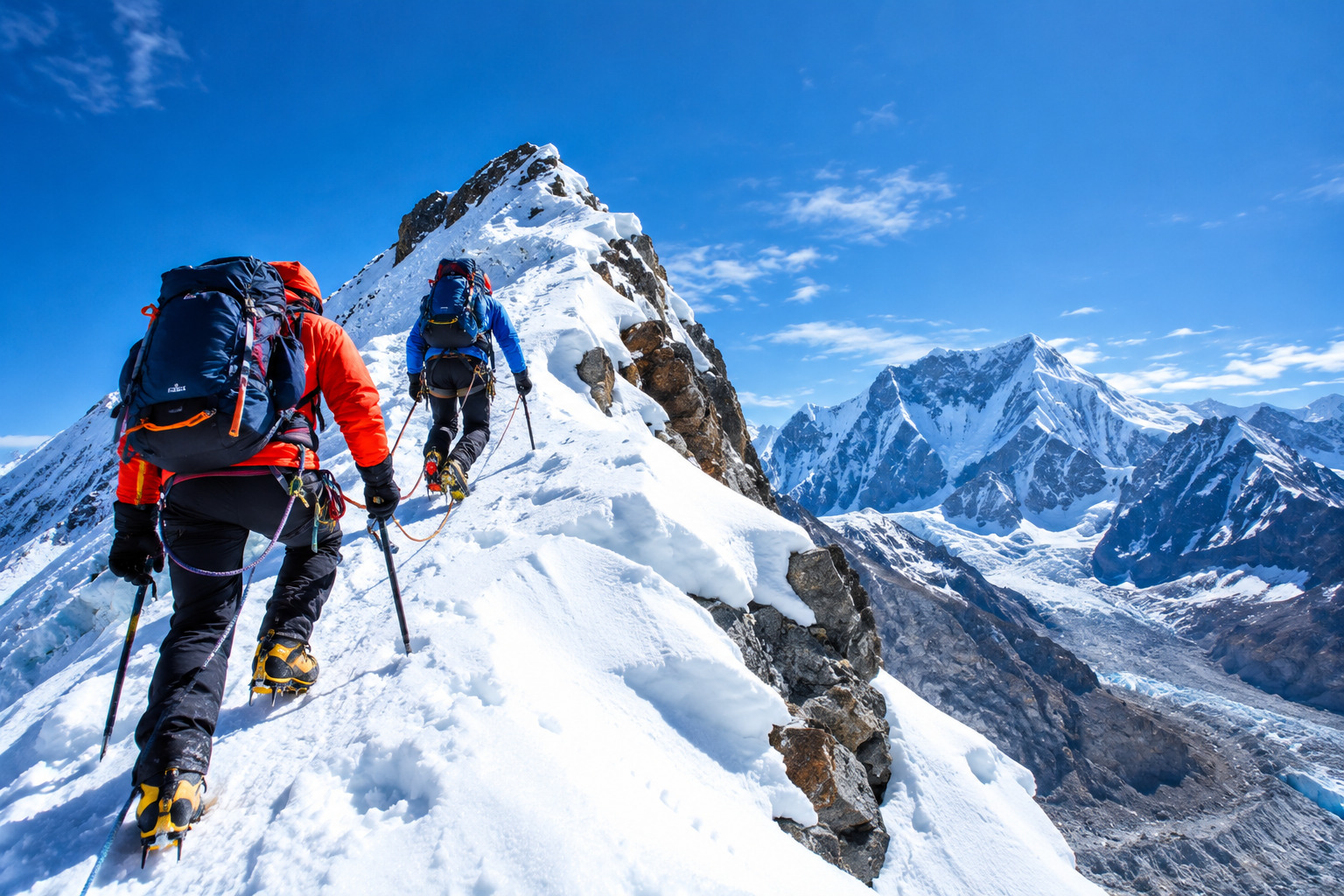
- The headwall. A steep snow-and-ice face of roughly 100–150 m at around 40–50° is the crux. You climb a fixed rope with a jumar and use your ice axe for balance.
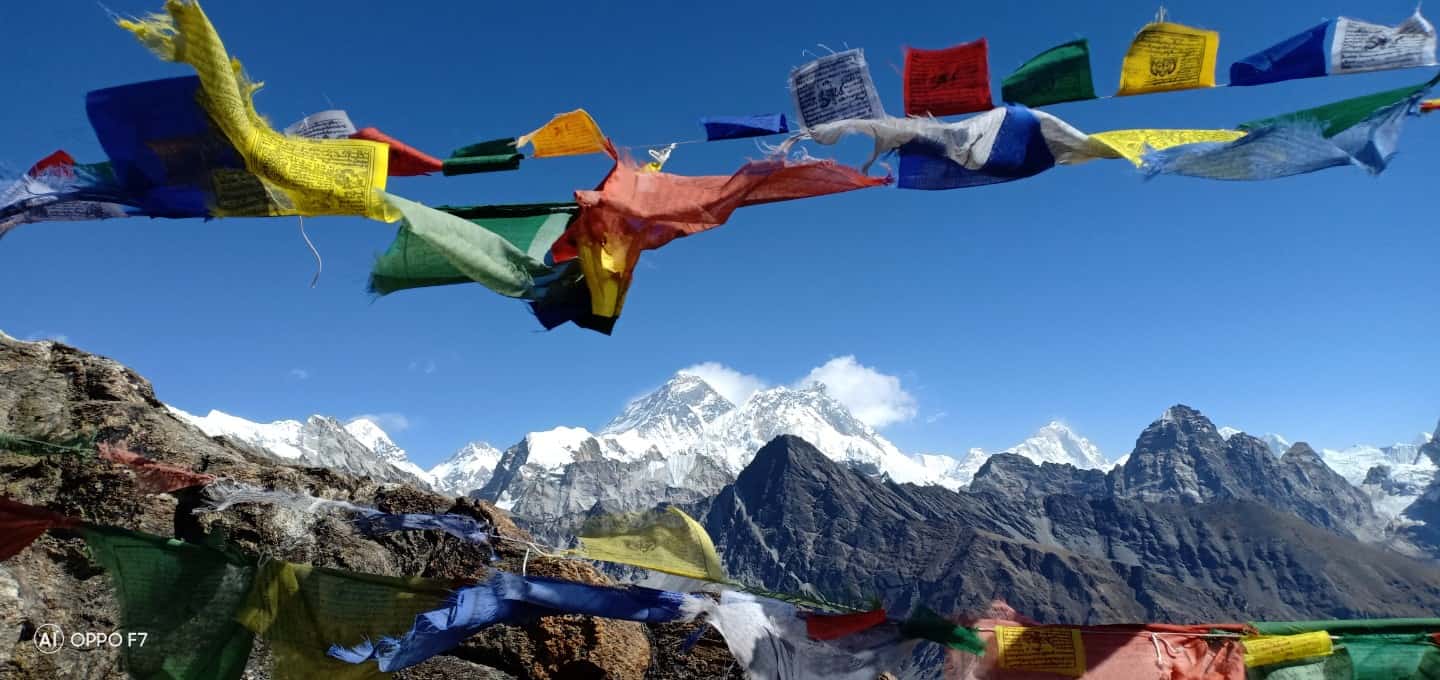
- The summit ridge. A narrow, exposed ridge leads to the summit, where prayer flags and the Himalayan panorama await.
The round trip takes roughly 10–14 hours. You descend the same way, abseiling the headwall.
Step 4: Return trek (Days 12–15)
After the summit you return to Chhukung and trek down the valley to Namche, Lukla and Kathmandu.
Typical Island Peak Itinerary: 17 Days
| Day | Plan | Altitude |
|---|---|---|
| 1 | Arrive in Kathmandu | 1,300 m |
| 2 | Preparation, permits and gear check | 1,300 m |
| 3 | Fly to Lukla, trek to Phakding | 2,610 m |
| 4 | Trek to Namche Bazaar | 3,440 m |
| 5 | Acclimatization day in Namche | 3,440 m |
| 6 | Trek to Tengboche | 3,860 m |
| 7 | Trek to Dingboche | 4,410 m |
| 8 | Acclimatization day in Dingboche | 4,410 m |
| 9 | Trek to Chhukung | 4,730 m |
| 10 | Trek to Island Peak Base Camp, skills training | 5,087 m |
| 11 | Summit day, return to base camp | 6,189 m |
| 12 | Contingency day, or descend to Pangboche | 3,985 m |
| 13 | Trek to Namche Bazaar | 3,440 m |
| 14 | Trek to Lukla | 2,860 m |
| 15 | Fly to Kathmandu | 1,300 m |
| 16 | Spare day in Kathmandu | 1,300 m |
| 17 | Departure |
Always keep Day 12 as a weather buffer. If conditions are good on Day 11, you can descend earlier and save a day.
How Difficult Is Island Peak?
Moderate to challenging. The altitude, the long summit day and the headwall are what make it demanding, not complex climbing moves.
- Physical challenge: 10–14 hours of effort at altitude, starting in the dark and the cold.
- Technical challenge: steep snow and ice on a fixed rope, plus glacier crossing.
- Mental challenge: the headwall is exposed, and the final ridge is narrow.
You do not need previous climbing experience, but you need excellent cardiovascular fitness and some previous high-altitude trekking. Read our detailed posts on Island Peak climbing difficulty, whether you need climbing experience and how hard it is after the EBC trek.
Best Time to Climb Island Peak
Autumn (late September–November) has the most stable weather, cold, clear mornings and good visibility. Spring (March–May) is warmer and also popular, with late April and May bringing the most climbers.
Winter is very cold and windy, and the monsoon brings cloud and poor conditions on the approach. Pick your dates around the weather window, and ask us about the current conditions on the glacier.
Permits and Rules
To climb Island Peak, you need:
- A climbing permit from the Nepal Mountaineering Association (NMA). The fee depends on the season and is highest in spring.
- A Sagarmatha National Park entry permit (roughly NPR 3,000 plus VAT).
- Local municipality fees.
Northern Trekking Team arranges the paperwork for you in Kathmandu. Fees and rules change each year, so see our latest guides: Island Peak permits and regulations for 2026–2027 and permit requirements, fees and application guide.
What Does Island Peak Climbing Cost?
The cost depends on your route, group size, season and level of support. The main parts are:
- NMA climbing permit and national park fees
- Climbing guide and porter wages
- Group climbing equipment (fixed ropes, ice screws, tents)
- Accommodation and meals on the trek and at base camp
- Domestic flights to and from Lukla, and ground transfers
- Insurance for staff
Not usually included: international flights, Nepal visa, personal climbing gear and clothing, travel insurance, tips and extra drinks.
For an exact quote for your dates, group size and package (with or without the Everest Base Camp trek), contact us.
Essential Gear
You will need standard trekking gear plus technical equipment:
- Climbing: mountaineering boots, crampons, ice axe, harness, helmet, jumar, carabiners and a belay device (most can be rented in Kathmandu)
- Clothing: base layers, insulated mid layer, hardshell jacket and trousers, down jacket, warm gloves and mittens, balaclava
- Other: sleeping bag rated to about –20°C, trekking poles, headlamp with spare batteries, glacier glasses or goggles, sunscreen and lip balm
See our full Island Peak gear and packing guide.
Tips for Climbing Island Peak
- Respect acclimatization. Never skip the rest days at Namche and Dingboche.
- Train for endurance. Hiking with a loaded pack, stairs and long cardio sessions matter more than strength alone.
- Practise in your boots and crampons before you arrive.
- Start slowly on summit day. Pace yourself and keep eating and drinking.
- Protect your hands and feet. Cold is a bigger risk than most climbers expect.
- Trust your guide’s turn-around decision. Summits are optional; coming home is not.
More advice is in our post on Island Peak tips for first-time climbers.
Extend or Combine Your Trip
- Everest Base Camp first. Read about the benefits of combining Island Peak with the EBC trek or our Everest Base Camp Trek.
- Try another peak. Compare with Lobuche Peak Climbing or Mera Peak Climbing.
- Add a high-pass trek. Consider the Gokyo Renjo La Pass Trek.
Why Climb With Northern Trekking Team?
Northern Trekking Team is a licensed, Kathmandu-based company (Gov Licence No. 204741/075/076, Nepal Tourism Licence No. 2651/075) with offices in Thamel. We are associated with the Nepal Tourism Board, TAAN, the Nepal Mountaineering Association and KEEP. We offer licensed climbing guides, carefully planned acclimatization, small groups and 24/7 support during your trip.
Ready to Stand on Imja Tse?
Seventeen days, one Himalayan 6,000er, and a summit view you will remember for life.
👉 View the Island Peak Climbing trip and dates
👉 Send an enquiry or message us on WhatsApp: +977 9842907439
👉 Email: info@northerntrekkingteam.com
Top 10 FAQs: Island Peak Climbing
1. How high is Island Peak?
Island Peak (Imja Tse) is 6,189 m (20,305 ft) high. Some sources list 6,160 m or 6,165 m because of different surveys. It is in the Everest (Khumbu) region, inside Sagarmatha National Park, and is a popular first 6,000-metre peak.
2. How difficult is Island Peak, and can a beginner climb it?
Island Peak is moderate to challenging. You do not need previous climbing experience, but you need very good fitness and ideally some previous trekking at altitude. The hardest parts are the long summit day (10–14 hours), the cold and the steep headwall on a fixed rope. Your guide will teach you the essential skills at base camp. Read our difficulty guide for more detail.
3. How many days does it take to climb Island Peak?
A typical itinerary takes 16–17 days from Kathmandu to Kathmandu, including arrival, preparation, two acclimatization days, a skills session, a summit day and a contingency day. You can add the Everest Base Camp trek for a longer, better-acclimatized trip. Shorter versions exist but leave less room for weather and acclimatization.
4. Do I need mountaineering experience or training before Island Peak?
No technical mountaineering experience is required, but you should prepare. Aim for 8–12 weeks of cardio, hill walking with a loaded pack, stair climbing and strength training. If you can, practise with crampons and an ice axe before you arrive. Your guide will teach you jumar use, fixed-rope climbing and abseiling at base camp. See our post on climbing experience for Island Peak.
5. What is the best time to climb Island Peak?
March to May and late September to November. Autumn usually has the most stable weather and the clearest views, while spring is warmer. Winter is very cold and windy, and the monsoon brings cloud and snowfall. Choose your dates based on current conditions on the glacier, and ask us for advice.
6. What permits do I need?
You need a climbing permit from the Nepal Mountaineering Association (NMA), a Sagarmatha National Park permit and local municipality fees. The NMA fee varies by season, with spring the most expensive. We arrange the permits for you. Fees change each year, so check our latest guides on permits and regulations for 2026–2027.
7. How much does Island Peak climbing cost?
The price depends on route, group size, season and service level. The main costs are permits, guide and porter wages, group climbing equipment, accommodation, meals, and domestic flights to Lukla. International flights, Nepal visa, personal gear, insurance and tips are usually extra. Contact us for an exact quote for your dates.
8. What happens on summit day?
You leave base camp around midnight to 2 am, climb rocky ground and cross a glacier in crampons. Then you ascend a steep snow-and-ice headwall (about 100–150 m) on a fixed rope using a jumar, and follow a narrow ridge to the summit. The round trip takes 10–14 hours. After photos and views of Lhotse, Makalu and Ama Dablam, you descend by the same route, abseiling the headwall.
9. What gear do I need, and can I rent it?
You need technical gear (mountaineering boots, crampons, ice axe, harness, helmet, jumar, carabiners) plus warm clothing, a –20°C sleeping bag, trekking poles, a headlamp, glacier glasses and sunscreen. Most technical equipment can be rented in Kathmandu. Read our Island Peak gear guide for a full packing list.
10. Do I need travel insurance, and what should it cover?
Yes. Your policy must cover climbing and trekking up to at least 6,500 m (above the summit) and include emergency helicopter evacuation and medical treatment. Check that your insurer accepts “peak climbing” or “mountaineering with ropes,” because some standard trekking policies exclude it. Carry a copy of your policy and the emergency number with you.
Recent From Island Peak Climbing: Step by Step to the 6,189 m Summit of Imja Tse, Your First Himalayan 6,000er
Jun 27, 2022
Jun 27, 2022

Jul 19, 2022
Sep 20, 2025
Jan 03, 2023
Feb 03, 2023
Feb 17, 2023
Feb 23, 2023
Mar 03, 2023
Mar 14, 2023
Mar 20, 2023
Mar 28, 2023
Apr 06, 2023
Jul 31, 2023
Aug 28, 2023

Jan 04, 2026


Mar 10, 2026
Mar 10, 2026



Apr 03, 2026
Sep 10, 2026
Sep 14, 2026