25th Nov, 2026
Yala Peak Climbing: Physical Training & Preparation Tips
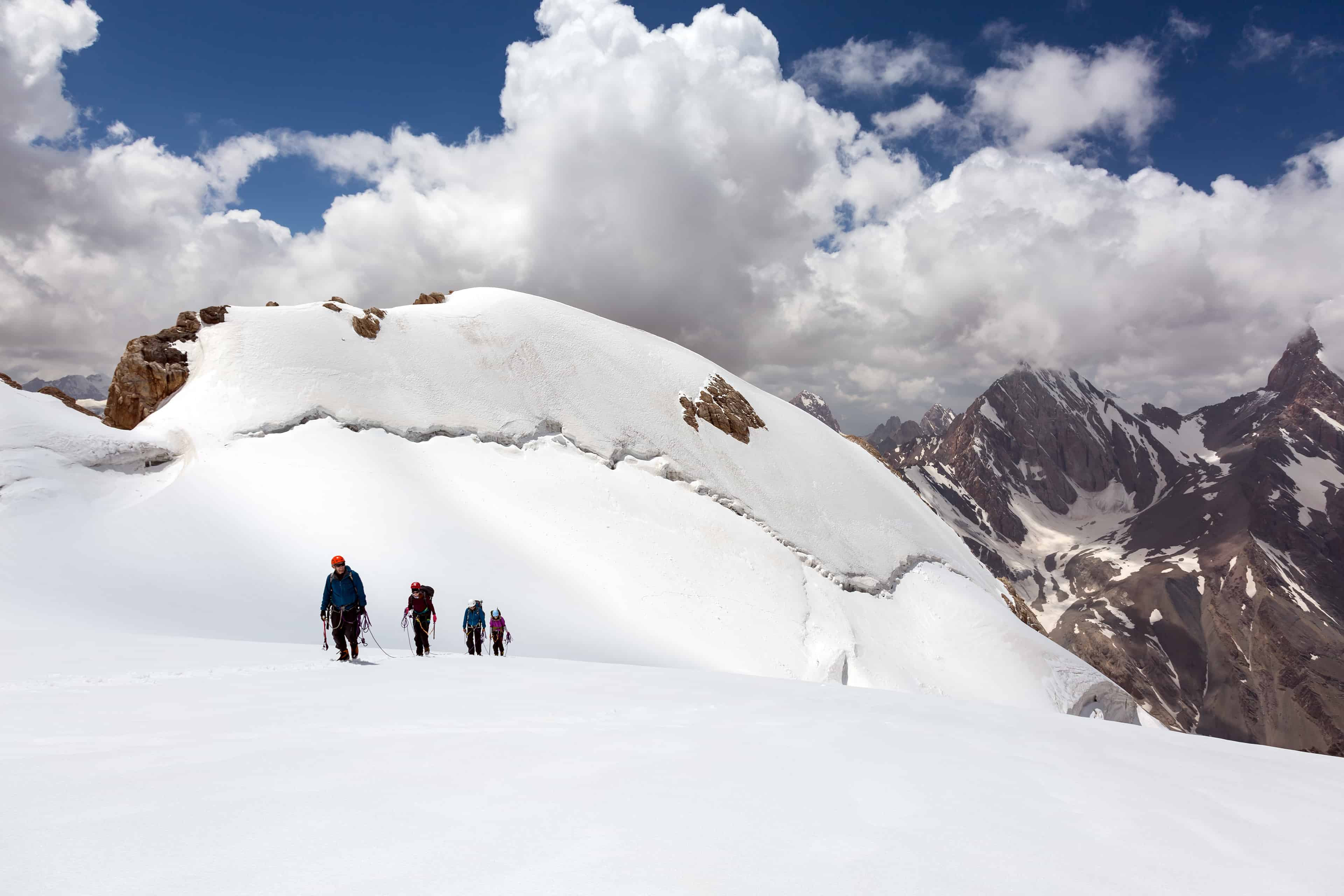
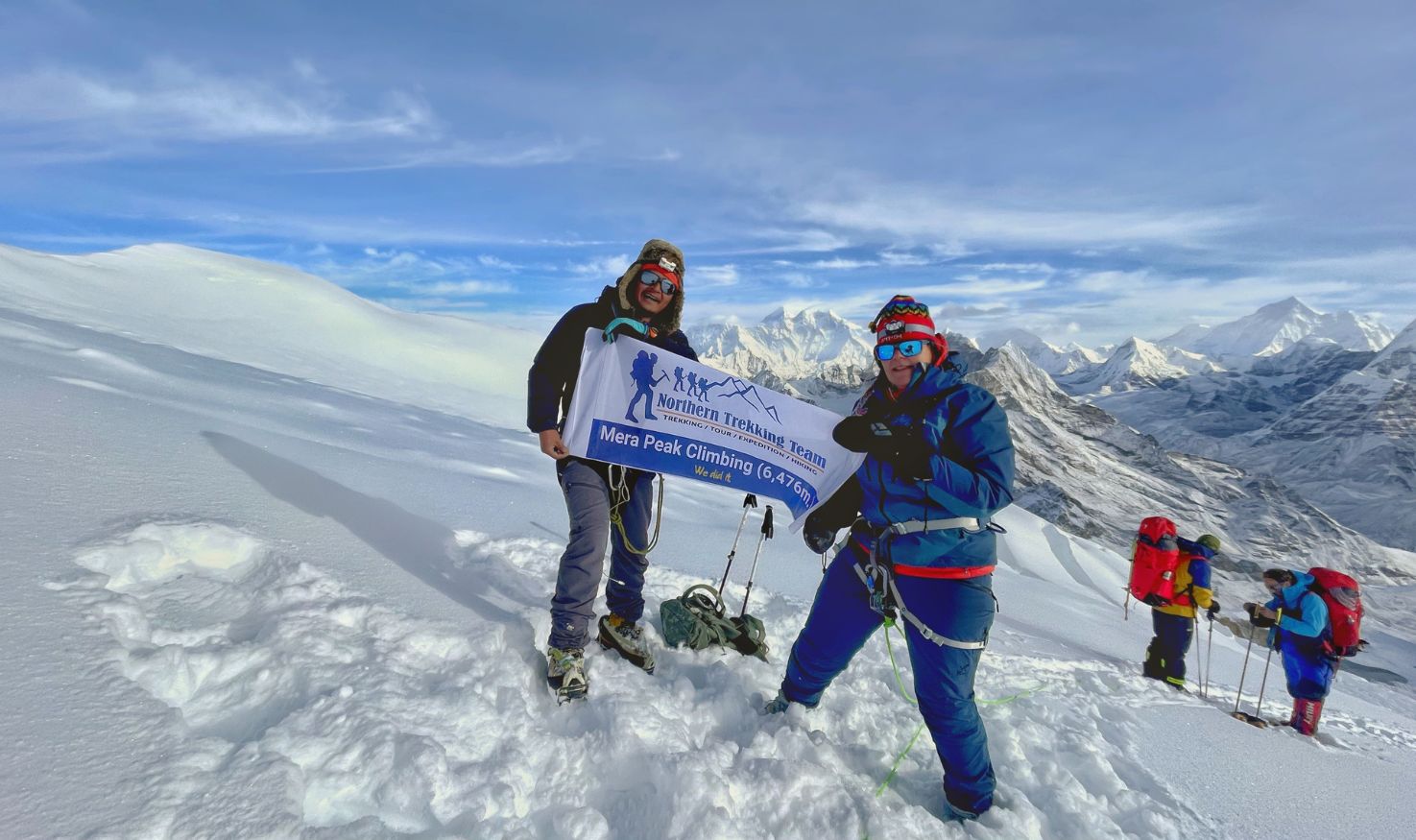
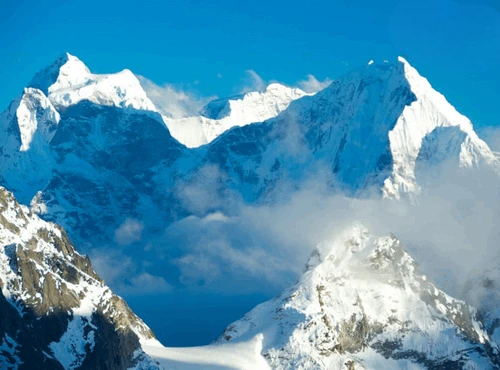
Yala Peak is one of the most popular first climbs in Nepal. It sits in the Langtang region, reaches about 5,500 m and rewards you with wide views over the Langtang range. It is also a real mountaineering objective. You will use crampons, an ice axe and ropes on a summit day that takes roughly 8–9 hours from base camp, and you will do it after days of trekking at altitude.
Table of Contents
Climbers who prepare well enjoy the experience. Climbers who arrive underprepared tend to struggle with fatigue, cold and altitude, and some turn back. This guide gives you a full, practical preparation plan, covering fitness, strength, altitude, gear skills and mindset. When you are ready to book, see our 12-day Yala Peak Climbing itinerary.
This is general training information, not medical advice. Get a medical check-up before starting a new training program or traveling to high altitude.
What Makes Yala Peak Physically Demanding?
Knowing what the climb demands tells you what to train for.
| Demand | What it means on Yala Peak |
|---|---|
| Endurance | Long walking days from Syabrubesi through Lama Hotel and Langtang village to Kyangjin Gompa |
| Altitude | Base camp at 4,700 m, summit at about 5,500 m, with a rest-day hike to Tsergo Ri at around 5,000 m |
| Summit day stamina | A pre-dawn start and roughly 8–9 hours on snow and ice from base camp |
| Leg and core strength | Steep ascents, descents and carrying a daypack |
| Cold tolerance | Sub-freezing temperatures on summit day |
| Technical skills | Crampons, ice axe, harness and rope work |
Our itinerary also includes an 8-hour drive on day 3 and again on day 12, so your back and legs need to cope with long, uncomfortable travel days as well.
How Fit Do You Need to Be?
You do not need to be an athlete, but you should be comfortably fit before you leave home. A useful benchmark is this: you can hike 5–7 hours with a loaded daypack, on consecutive days, without being wiped out. If that sounds hard today, you have time to build up. Most people need 12–16 weeks of structured training.
Check with your doctor first, especially if you have heart, lung or blood-pressure problems, are pregnant, or take regular medication.
The Four Pillars of Yala Peak Training
- Aerobic endurance (your engine)
- Leg and core strength (your frame)
- Altitude and heat/cold preparation (your adaptation)
- Technical and mental readiness (your skills and focus)
Pillar 1: Cardio and Endurance Training
Aerobic fitness is the single most useful thing you can build. A strong aerobic base helps you move efficiently in thin air and recover between days.
Best cardio options
- Hiking with a pack: The most specific training you can do.
- Stair climbing or hill repeats: Great for uphill power.
- Running: Good for overall fitness, but go easy on your joints.
- Cycling or swimming: Good low-impact alternatives.
How to structure it
- Zone 2 sessions (easy, conversational pace): 2–3 times a week for 45–90 minutes. This builds your aerobic base.
- Interval session: Once a week, for example 6–8 repeats of 3 minutes hard with 2 minutes easy recovery.
- Long weekend hike: Once a week, building from 2 hours to 6–7 hours.
Pillar 2: Strength Training
Strength protects your joints and makes long days feel easier. Focus on the legs, core and back.
Key exercises
| Exercise | Why it matters |
|---|---|
| Squats and goblet squats | Climbing and descending strength |
| Lunges and step-ups | Uphill power and balance |
| Deadlifts or hip hinges | Back and hip strength for carrying a pack |
| Calf raises | Calf endurance on steep ground |
| Planks and side planks | Core stability on uneven ground |
| Push-ups and rows | Upper-body support for ice axe and poles |
Do two strength sessions a week with 3 sets of 8–12 reps, using weights that challenge you but allow good form.
Add downhill training
Long descents on Days 10 and 11 can hurt your knees and quads. Include slow, controlled step-downs and downhill hiking in training, but build up gradually.
Pillar 3: Altitude Preparation
You cannot fully train for altitude at home, but you can prepare smartly.
Before the trip
- Train high if you can. Even a few days above 2,500 m before you travel can help.
- Consider simulated altitude training only with professional guidance.
- Study the symptoms of altitude sickness. Our Acute Mountain Sickness guide and altitude tips are a good start.
On the trip
Our itinerary builds in acclimatization:
- Gradual height gain from Syabrubesi (1,550 m) to Lama Hotel (2,380 m), Langtang village (3,432 m) and Kyangjin Gompa (3,830 m).
- A rest-day hike to Tsergo Ri, which lets your body adapt before you head to base camp.
- A night at base camp (4,700 m) before the summit push.
Altitude habits to practice now
- Drink plenty of water every day.
- Eat carbohydrate-rich meals even when you are not hungry.
- Walk slowly and breathe steadily.
- Report headaches, nausea or dizziness to your guide immediately.
Pillar 4: Technical Skills and Gear Familiarity
What you will use
On summit day you will use crampons, an ice axe, a harness, a helmet and ropes. Our package includes a climbing training course at base camp, so you do not need prior technical experience. Still, a little practice helps.
How to prepare
- Take a basic mountaineering or ice-skills course if you have the time and budget.
- Practice walking in crampons on a gentle snow slope if you can access one.
- Learn basic knots and harness use from a local climbing gym or club.
- Break in your boots. Wear your mountaineering boots on training hikes to avoid blisters.
- Test all your layers in cold weather before you leave.
Gear to check before you fly
Review our trekking equipment list and the full gear list on the trip page. Climbing gear can be rented in Kathmandu, but personal items like boots and a warm sleeping bag are best brought from home.
Pillar 5: Mental Preparation
Summit day is as much a mental challenge as a physical one. You will wake in the dark, it will be freezing and the effort will be long.
- Practice discomfort. Train in poor weather and do long days when you are tired.
- Break big goals into small steps. Think "reach the next ridge," not "reach the summit."
- Learn to slow down. Pace is your best friend.
- Accept the call to turn back. Your guide's decision about weather or safety is part of the plan, not a failure.
A Sample 16-Week Training Plan
Adjust this plan to your starting fitness, and rest when you need to.
| Weeks | Focus | Weekly outline |
|---|---|---|
| 1–4 | Build the base | 3 cardio sessions (30–60 min), 2 strength sessions, 1 weekend hike (2–3 hrs) |
| 5–8 | Add volume | 3 cardio sessions (45–75 min) including 1 interval session, 2 strength sessions, weekend hike (3–4 hrs) with a light pack |
| 9–12 | Build endurance | 3–4 cardio sessions, 2 strength sessions, back-to-back weekend hikes (4–6 hrs each) with a 6–8 kg pack |
| 13–15 | Peak training | Long hikes of 6–7 hrs with a full daypack, hill repeats, stair work with a pack, boot and layer testing |
| 16 | Taper | Light activity, mobility work, rest and final packing |
Weekly rhythm to aim for
- 2 strength days
- 2–3 cardio days
- 1 long hike
- 1–2 full rest days
Nutrition and Recovery
- Eat enough. Training burns a lot of fuel. Include carbohydrates, lean protein and healthy fats.
- Hydrate. Aim for pale urine throughout the day.
- Sleep well. Seven to nine hours supports recovery.
- Stretch and use a foam roller. Mobility work reduces stiffness.
- Listen to pain. Sharp or lasting pain is a sign to rest and get advice.
On the trek, our teahouse meals are hearty, with rice, noodles, soup, eggs and vegetables. Bring some energy snacks for summit day.
Common Training Mistakes
- Starting too late. Cramming into a few weeks leads to injury.
- Only training in a gym. Gym work helps, but you need real hiking too.
- Skipping strength work. Weak legs and core tire quickly.
- Ignoring downhill training. Descents are hard on knees.
- Wearing new boots. Blisters can end a trip.
- Overtraining. More is not always better. Rest builds fitness.
- Neglecting altitude knowledge. Fitness does not protect you from altitude sickness.
Your Pre-Departure Checklist
- [ ] Medical check-up completed
- [ ] 12–16 weeks of training done
- [ ] At least two 6–7 hour hikes with a loaded pack
- [ ] Boots broken in
- [ ] Insurance covering emergency evacuation up to 5,500 m or higher
- [ ] Gear list reviewed
- [ ] Passport and visa ready
- [ ] Altitude symptoms and rules understood
Travel and health insurance is essential and not included in our package. Make sure it covers emergency evacuation at the altitudes you will reach.
Other Climbs to Build Experience
If you want more experience before or after Yala, consider:
For trekking in the same area, see the Langtang Valley Trek and the Langtang Short Trek. Or browse all peak climbing in Nepal.
Why Climb Yala Peak with Northern Trekking Team?
Northern Trekking Team is a government-licensed Kathmandu company and an associate of NMA, TAAN and NTB, with a TripAdvisor presence. Our Yala Peak package includes:
- An experienced climbing guide
- A climbing training course at base camp
- All group and personal climbing gear listed on the trip page
- Camping gear and a support team at base camp
- Langtang permits and the TIMS card
- First-aid support and safety planning
Learn more why choose Northern Trekking Team, read our terms and conditions and meet our team.
Frequently Asked Questions: Yala Peak Training and Preparation
1. How long should I train for Yala Peak?
Ideally 12–16 weeks. If you are already fit and hike regularly, 8–10 weeks of focused preparation can be enough.
2. Do I need mountaineering experience?
No formal experience is needed. Our package includes a climbing training course at base camp. Previous trekking at altitude and some practice with crampons help a lot.
3. How fit do I need to be?
You should be able to hike for 5–7 hours with a daypack on consecutive days and recover well. Summit day takes about 8–9 hours from base camp.
4. What is the best exercise to prepare for Yala Peak?
Hiking with a weighted pack, especially on hills and stairs. It trains your legs, lungs and feet in the most specific way.
5. Can I prepare for altitude at home?
Not fully. Fitness helps you cope with the effort, but it does not prevent altitude sickness. Learn the symptoms and follow a slow itinerary like ours.
6. How much weight should I carry in training?
Start light and build up to the weight of your real daypack, usually about 6–8 kg. Avoid heavy loads that strain your back or knees.
7. What should I do about my knees on the descent?
Strengthen your quads, glutes and calves, practice controlled downhill hiking and use trekking poles on the trek.
8. Should I train with my climbing boots?
Yes. Wear them on longer hikes to check fit and prevent blisters before the trip.
9. What if I have a busy schedule?
Prioritize consistency. Three or four shorter sessions a week plus one long weekend hike are better than occasional marathon sessions.
10. Is Yala Peak suitable for beginners?
Fit first-time climbers can succeed with a good guide and proper preparation. It is a serious climb, so take the training seriously.
11. How do I deal with the cold on summit day?
Test layers in cold weather before you go, keep extremities warm and carry spare gloves. Our guides check everyone before the push.
12. What if I get sick or tired on the trek?
Tell your guide early. Resting, descending or adjusting the plan is always an option, and safety comes first.
Start Training Today, Summit Tomorrow
Preparation turns Yala Peak from a gamble into a well-planned adventure. Build your fitness steadily, practice with your gear, learn about altitude and keep your mind flexible. Then the climb itself becomes the reward.
View the full Yala Peak Climbing itinerary, then book this trip, customize your trip or contact Northern Trekking Team for 2027 dates.
Recent From Yala Peak Climbing: Physical Training & Preparation Tips
Jun 27, 2022
Jun 27, 2022

Jul 19, 2022
Sep 20, 2025
Jan 03, 2023
Feb 03, 2023
Feb 17, 2023
Feb 23, 2023
Mar 03, 2023
Mar 14, 2023
Mar 20, 2023
Mar 28, 2023
Apr 06, 2023
Jul 31, 2023
Aug 28, 2023

Jan 04, 2026


Mar 10, 2026
Mar 10, 2026



Apr 03, 2026
Sep 10, 2026
Sep 14, 2026