4th Nov, 2026
Langtang Short Trek Without Rushing: How to Experience Himalayan Scenery in Just 5–7 Days
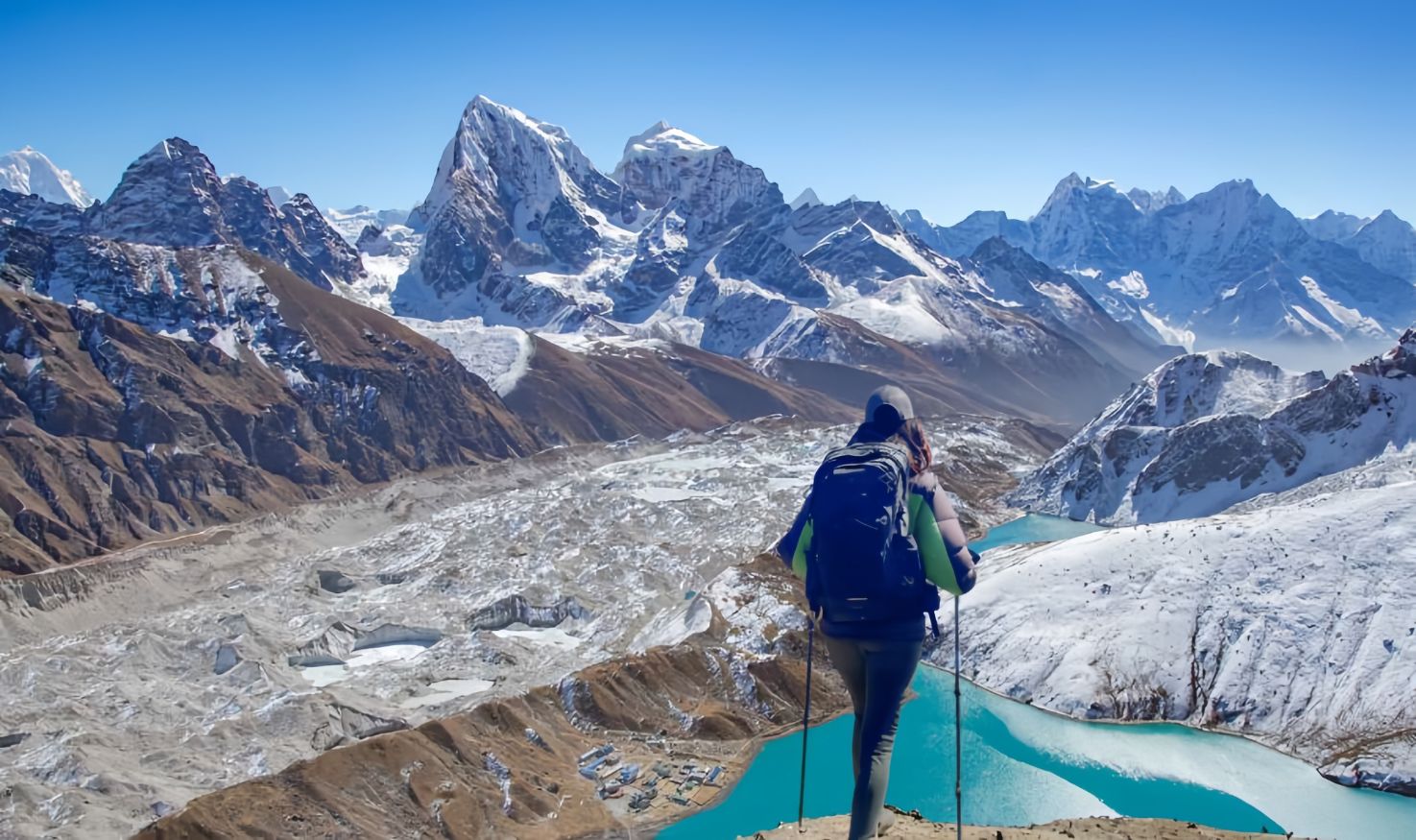
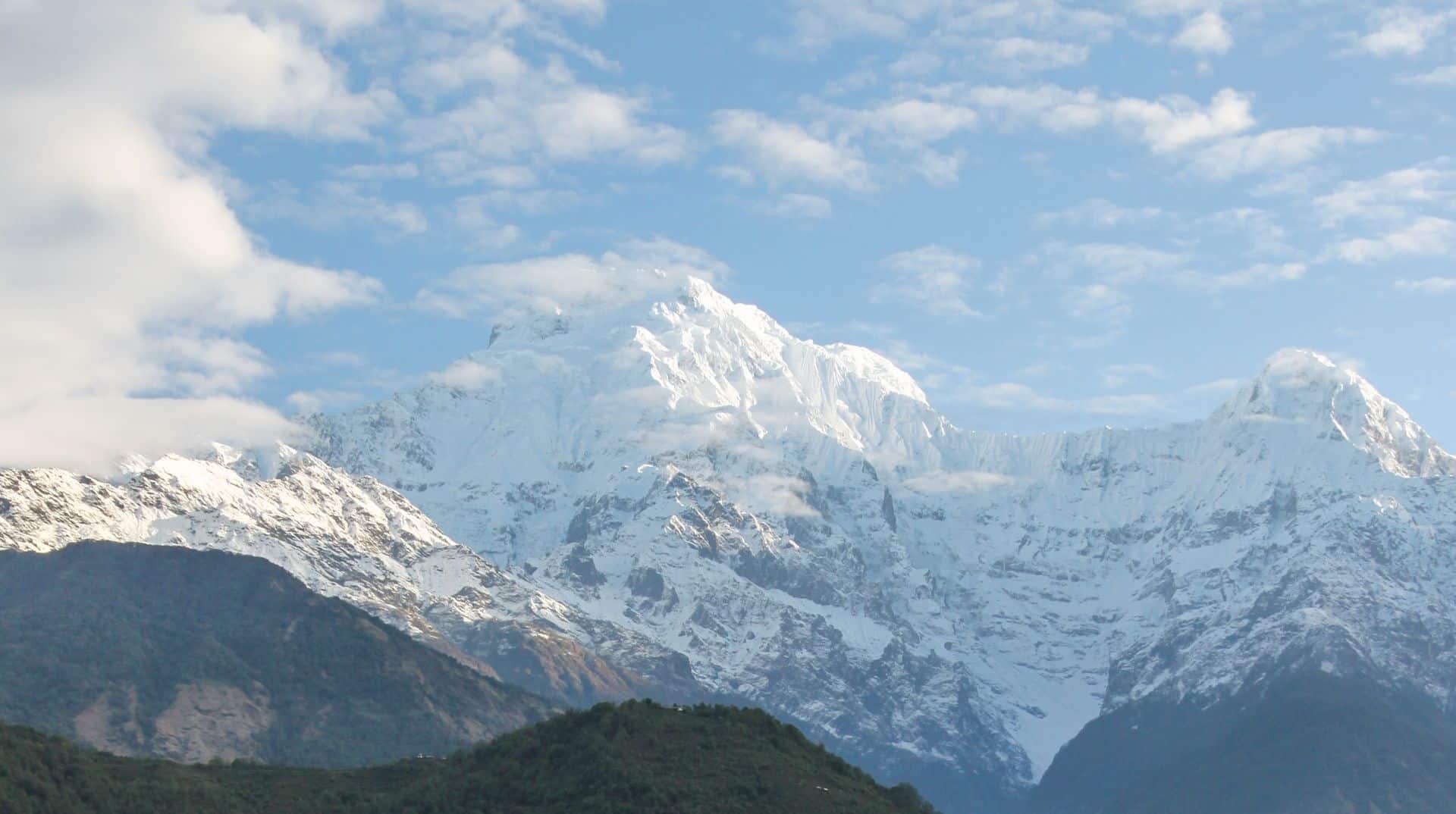
You don’t need two weeks off work to walk into the Himalayas. Langtang Valley starts only a day’s drive from Kathmandu. Within a week you can walk through rhododendron forest, pass Tamang villages, and stand at the foot of glacier-covered peaks at Kyanjin Gompa.
Table of Contents
This guide explains how the Langtang short trek works, what a realistic itinerary looks like, how hard the days are, and how to plan it so the trip feels like a journey and not a race. It draws on the 7-day Langtang Short Trek run by Northern Trekking Team.
1. Can You Complete the Langtang Short Trek in 5–7 Days?
Yes, with the right expectations. The standard short Langtang trek takes 7 days from Kathmandu to Kathmandu. That count includes two driving days, one at each end, so you spend about five days on the trail.
Could you do it in 5 or 6 days? In principle, by merging the descent days or starting the walk on the afternoon of arrival at the trailhead. But that means longer walking days and less time to adjust to altitude. For most people, 7 days is the sweet spot: short enough to fit a busy schedule, long enough to enjoy the valley without feeling hurried.
If you have a few extra days, the 9-day Langtang Valley Trek adds breathing room. Whichever route you choose, you can also customize your trip to match your pace.
2. What Makes the Short Langtang Trek Different?
Langtang is often called the “Valley of Glaciers,” and it sits inside Langtang National Park, roughly 30 km north of Kathmandu. A few things set the short version apart:
- Closest big-mountain trek to Kathmandu. There are no flights to catch. A scenic road journey of about 6–7 hours takes you to the start at Syabrubesi.
- Mountain scenery plus living culture. The valley is home to Tamang communities, with prayer flags, monasteries and traditional stone houses along the trail.
- A single, simple route. You walk up the valley and return the same way, which makes logistics easy and the days predictable.
- A real Himalayan finish. You end at Kyanjin Gompa, surrounded by Langtang Lirung (7,246 m), Yala Peak and the wider Langtang Himalayan range.
- Moderate difficulty. It is demanding enough to feel like an achievement, but it does not require climbing skills or technical gear.
3. Best Short Langtang Trek Route and Itinerary
Here is the 7-day plan with walking hours and altitudes from the Northern Trekking Team itinerary:
| Day | Route | Altitude | Time |
|---|---|---|---|
| 1 | Kathmandu to Syabrubesi (drive) | 1,460 m | 6–7 hrs drive |
| 2 | Syabrubesi to Lama Hotel | 2,560 m | 6–7 hrs |
| 3 | Lama Hotel to Langtang Village | 3,430 m | 6–7 hrs |
| 4 | Langtang Village to Kyanjin Gompa | 3,900 m | 3–4 hrs |
| 5 | Kyanjin Gompa (optional Tserko Ri) back to Lama Hotel | 2,560 m | 6–7 hrs |
| 6 | Lama Hotel to Syabrubesi | 1,460 m | 5–6 hrs |
| 7 | Syabrubesi to Kathmandu (drive) | 1,400 m | 6–7 hrs drive |
Day-by-day in brief:
- Days 1–2: The drive takes you through terraced hills and river valleys to Syabrubesi. The next morning you climb through dense forest, with waterfalls and the sound of the Langtang River beside you, to Lama Hotel.
- Day 3: The forest opens up into a wide, high valley. You arrive at Langtang Village with views of Langtang Lirung and a chance to meet local families.
- Day 4: A short, gentle walk to Kyanjin Gompa. The shorter day is deliberate, because it lets your body adjust at 3,900 m.
- Day 5: The Kyanjin morning is yours for exploring or an early start for Tserko Ri (see below), followed by the long descent to Lama Hotel.
- Days 6–7: Return to Syabrubesi, then drive back to Kathmandu.
4. Kyanjin Gompa: The Main Highlight of the Short Trek
Kyanjin Gompa is the reason this trek exists. This small settlement at about 3,900 m sits in a wide bowl of snow peaks, and for many trekkers it is the most memorable stop in the whole valley.
Why it’s worth the walk:
- Mountain views at your doorstep. Langtang Lirung and Yala Peak are visible from the village, and the glaciers feel close.
- A working Buddhist monastery. Visit the gompa, watch daily life unfold, and learn how the community lives at altitude.
- Local cheese and yak products. The area is known for its small cheese factory, a popular stop for trekkers.
- Time to rest. The short walk on Day 4 gives you a relaxed afternoon to explore, take photos and let the scenery sink in.
If you’d like to extend your time here, the longer Langtang Valley itinerary builds in extra days around Kyanjin, and the Langtang with Gosaikunda Trek continues to the sacred lakes.
5. Is Tserko Ri Possible on a Short Langtang Trek?
Tserko Ri is the classic high viewpoint above Kyanjin Gompa. The Northern Trekking Team page lists it at around 5,000 m (commonly given as about 4,984 m), and it offers a sweeping sunrise panorama over the Langtang range.
Can you do it on the short trek? Sometimes. The itinerary includes it as an early-morning hike on Day 5, before the descent to Lama Hotel. That makes Day 5 a big day:
- The Tserko Ri climb is steep and takes several hours.
- You then continue down the valley for a long descent on the same day.
- Altitude gain from Kyanjin to the summit is substantial, and you have had only one night at 3,900 m.
My advice:
- Treat Tserko Ri as an optional bonus, not a guarantee. Fitness, weather and how you feel decide the day.
- Start in the dark with a headlamp for the best chance of clear sunrise views.
- If you have any symptoms of altitude sickness, skip it. Kyanjin Gompa’s own views are excellent.
- Choosing a 8–9 day itinerary with an extra night at Kyanjin gives you a much better chance of reaching the summit comfortably.
Read the altitude tips before you go.
6. Langtang Short Trek Difficulty and Daily Walking Hours
The Langtang short trek is rated moderate. You don’t need technical skills, but you do need decent fitness and a willingness to walk for several hours a day.
What makes it manageable:
- Walking days are about 3–7 hours, with the longest on Days 2, 3 and 5.
- The trail is well marked and passes through teahouse villages, so you are never far from food and shelter.
- The route climbs steadily rather than in sudden jumps, which helps with acclimatization.
What makes it challenging:
- Long uphill days on Days 2 and 3.
- Altitude above 3,000 m from Day 3 onward.
- A long, knee-testing descent on Day 5 if you do Tserko Ri first.
Preparation tips:
- Build stamina with 4–6 weeks of hiking, stair climbing or cycling.
- Break in your boots before arrival.
- Walk slowly, drink plenty of water and listen to your body.
For gear guidance, see the trekking equipment page and the packing and equipment advice.
7. Best Season for a Short Langtang Valley Trek
- Autumn (September–November): The most popular season. Skies are clear, the air is crisp and mountain views are at their best.
- Spring (March–May): Warmer days, blooming rhododendrons in the lower forest and good visibility, with occasional afternoon cloud.
- Winter (December–February): Cold but often clear. Expect freezing nights at higher stops, and bring proper warm gear.
- Monsoon (June–August): Not ideal. Rain, leeches in the forest, cloud cover and slippery trails make views and walking harder.
Northern Trekking Team lists January–March and September–December as the main windows, and its fixed departures run through November and December 2026. For the balance of weather and views, October–November and March–April are the safest choices.
8. Langtang Short Trek Cost and Transportation from Kathmandu
Cost: The 7-day Langtang Short Trek with Northern Trekking Team starts from US$749 per person, and several fixed departures are listed for November and December 2026 at that price. Check the trip page for current dates and availability.
What is typically included:
- Private tourist vehicle from Kathmandu to Syabrubesi and back
- One night in a Kathmandu hotel and six nights in teahouses (twin sharing)
- Breakfast, lunch and dinner on the trek, with tea or coffee
- Langtang National Park permit and TIMS card
- An experienced, licensed English-speaking guide, and porters (one per two trekkers)
- Group first-aid kit and pulse oximeter
- Use of a sleeping bag, duffel bag, down jacket and walking poles if you don’t have your own
- Farewell dinner and a trip certificate
What is not included: international flights, Nepal visa fees, travel insurance, personal gear, drinks, snacks, hot showers, charging, tips and any extra nights.
Getting there: The drive from Kathmandu to Syabrubesi takes roughly 6–7 hours and is the way you start and finish. Roads can be bumpy, so bring motion sickness tablets if you are prone to it.
Before you travel, check the passport and visa information and arrange travel insurance that covers high-altitude trekking and evacuation.
9. Who Should Choose a Short Langtang Trek?
This trip is a great fit if you are:
- Short on time. You have about a week and want a real Himalayan experience.
- A first-time trekker. The route is straightforward, supported and moderate.
- Looking for culture and mountains. You want Tamang villages, monasteries and glaciers in one trip.
- Adding trekking to a Nepal holiday. It pairs well with sightseeing in Kathmandu or Pokhara.
- A returning visitor. You want something different from the Everest and Annapurna crowds.
It may not suit you if you want a full high-altitude challenge such as Everest Base Camp, or if you have heart, lung or serious health conditions without medical clearance. In that case, consider an easier route such as the Tamang Heritage Trail Trek or explore other short hikes in Nepal.
10. Essential Tips for Planning a Short Langtang Adventure
- Book in advance for October–November, when departures fill quickly.
- Allow a buffer day in Kathmandu before and after the trek in case of road delays or weather.
- Pace yourself. Walk slowly, especially above 3,000 m, and drink 3–4 litres of water a day.
- Pack in layers. Mornings and evenings are cold, even in autumn. Bring a warm jacket, hat, gloves and a good sleeping bag.
- Carry small cash. Charging, hot showers and snacks are paid extras at teahouses.
- Tell your guide how you feel. Headache, nausea or unusual tiredness at altitude should always be reported.
- Get proper insurance covering trekking up to at least 4,000 m and emergency evacuation.
- Learn the basics of altitude sickness. Read the guidance on safety and security in Nepal as well as the altitude tips page.
- Travel with a licensed team. Learn more about why choose Northern Trekking Team and meet our team.
Frequently Asked Questions (FAQs)
1. How many days is the Langtang short trek?
The standard version takes 7 days, including the drives to and from Syabrubesi.
2. Can I do the Langtang trek in 5 days?
It is possible in principle by compressing the walking days, but it means long days and little time to acclimatize. Most trekkers prefer 7 days.
3. How difficult is the Langtang short trek?
Moderate. There are long walking days and some altitude, but no technical climbing.
4. What is the highest point on the trek?
Kyanjin Gompa is the main stop at about 3,900 m. The optional Tserko Ri viewpoint is around 5,000 m.
5. Do I need previous trekking experience?
No, but a reasonable level of fitness helps. Training for several weeks beforehand is recommended.
6. Is altitude sickness a risk?
Yes, above 3,000 m it can affect anyone. Walk slowly, drink plenty of water and tell your guide about any symptoms.
7. Is Tserko Ri included?
It is part of the Day 5 plan as an early-morning hike, subject to weather, fitness and how you feel.
8. How much does the Langtang short trek cost?
It starts from US$749 per person with Northern Trekking Team. Check the trip page for current departures.
9. What permits do I need?
You need the Langtang National Park entry permit and a TIMS card. Both are arranged in the package.
10. How long is the drive from Kathmandu to Syabrubesi?
About 6–7 hours by private tourist vehicle.
11. What is the best time to go?
Autumn (September–November) and spring (March–May) offer the clearest views and most comfortable weather.
12. Where do we stay?
In local teahouses and lodges on twin-sharing beds, with a hotel in Kathmandu.
13. Can solo travelers join?
Yes. Fixed departures welcome individual travelers, and private trips can be arranged.
14. What should I pack?
Layers, a down jacket, sturdy boots, a rain jacket, a headlamp, sunscreen and a refillable water bottle.
15. Can I extend the trek?
Yes. Options include the Langtang Valley Trek, the Langtang with Gosaikunda Trek, or a trip combined with other Nepal tours.
Final Thoughts
The Langtang short trek proves that a Himalayan adventure does not have to be rushed. In about a week you can leave Kathmandu behind, walk through forest and village, and reach the glacier-ringed meadows of Kyanjin Gompa, all with comfortable lodges and local guides along the way.
Ready to plan yours? View the full 7-day Langtang Short Trek, explore more treks in the Langtang region, or contact Northern Trekking Team to book a departure or build a custom itinerary.
Recent From Langtang Short Trek Without Rushing: How to Experience Himalayan Scenery in Just 5–7 Days
Jun 27, 2022
Jun 27, 2022

Jul 19, 2022
Sep 20, 2025
Jan 03, 2023
Feb 03, 2023
Feb 17, 2023
Feb 23, 2023
Mar 03, 2023
Mar 14, 2023
Mar 20, 2023
Mar 28, 2023
Apr 06, 2023
Jul 31, 2023
Aug 28, 2023

Jan 04, 2026


Mar 10, 2026
Mar 10, 2026



Apr 03, 2026
Sep 10, 2026
Sep 14, 2026