3rd Nov, 2026
Langtang Short Trek: Itinerary, Difficulty & Trekking Tips
Only a day’s drive from Kathmandu, the Langtang Valley is one of the few places in Nepal where you can walk from subtropical forest to glacier-carved alpine meadows in about a week. The Langtang Short Trek is built for travelers with limited time who still want real Himalayan scenery, Tamang culture and a summit-style viewpoint at the end.
Table of Contents
This guide covers the 7-day Langtang trek itinerary, how hard it is, how to handle the altitude, permits, costs, the best season and practical tips. If you want to book or customize the route, see our full Langtang Short Trek – 7 Days page.
Langtang Short Trek at a Glance
| Detail | Information |
|---|---|
| Duration | 7 days (Kathmandu to Kathmandu) |
| Difficulty | Moderate |
| Starting and ending point | Kathmandu (drive to and from Syabrubesi) |
| Highest overnight stay | Kyanjin Gompa, 3,900m / 12,795ft |
| Highest viewpoint | Tserko Ri, about 5,000m / 16,404ft |
| Accommodation | Lodges and teahouses |
| Group size | 1 to 10 |
| Best seasons | Mar–May and Sep–Dec (also Jan–Feb for cold, clear days) |
| Region | Langtang National Park |
| Price | From US$749 per person |
Why Choose the Langtang Short Trek?
It is close and fast. Langtang lies roughly 30 km north of Kathmandu as the crow flies, so you spend your time on the trail rather than on flights. There is no domestic flight, which also means fewer weather delays.
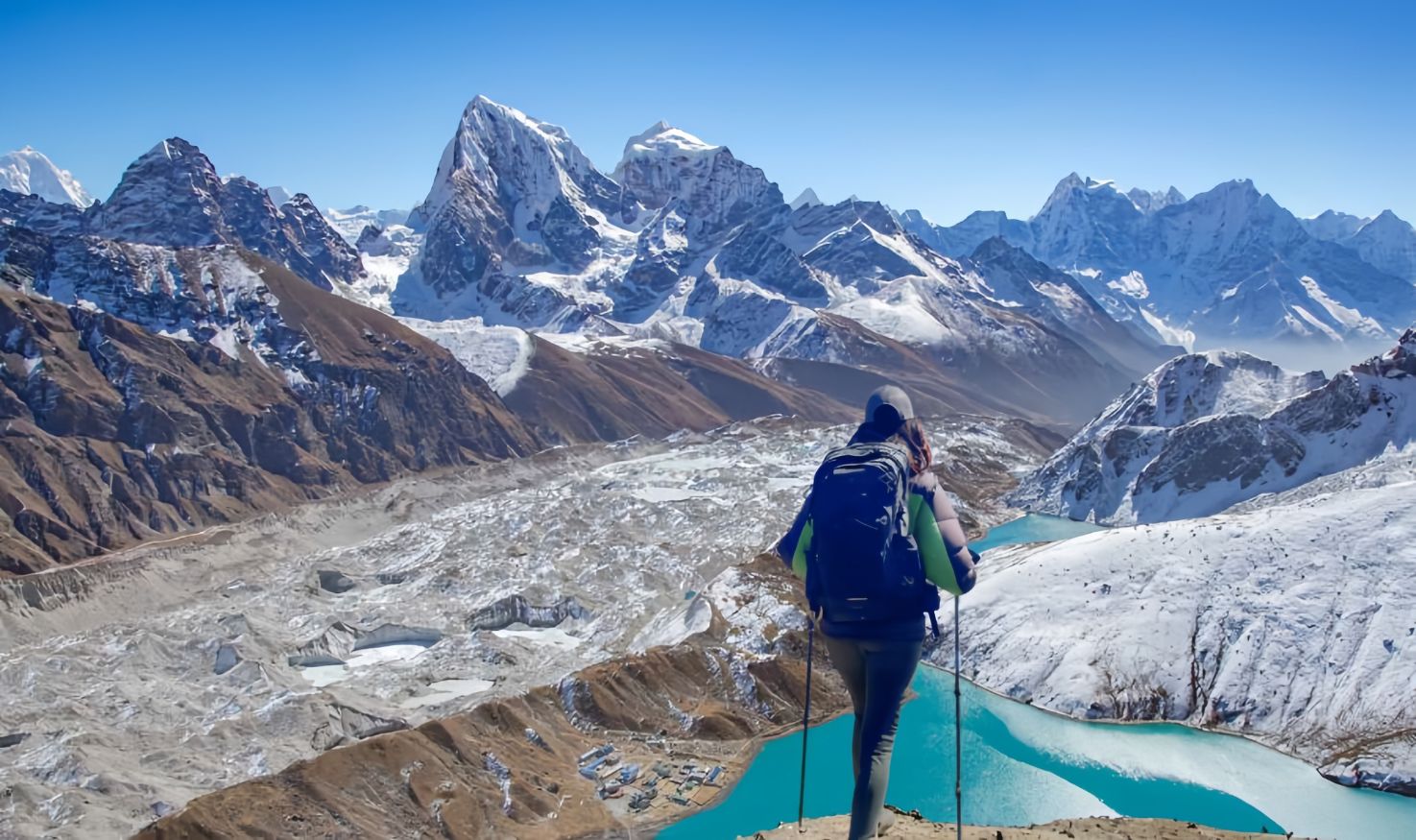
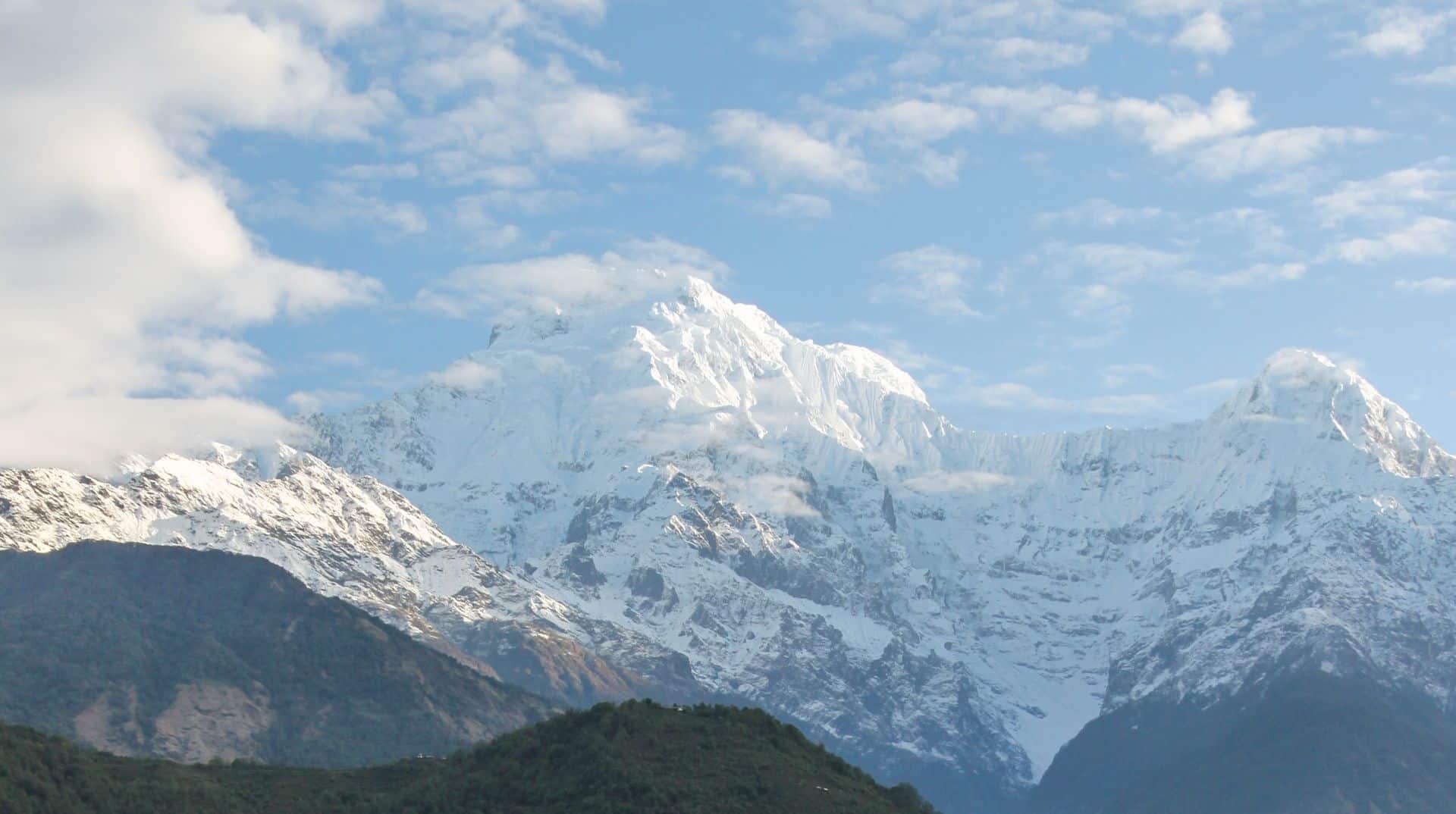
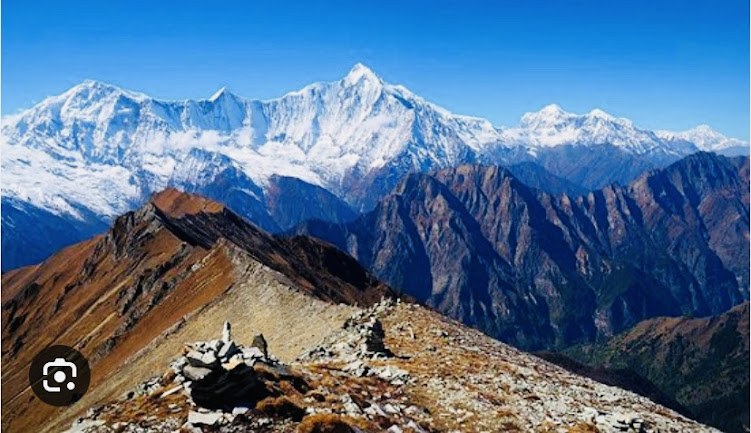
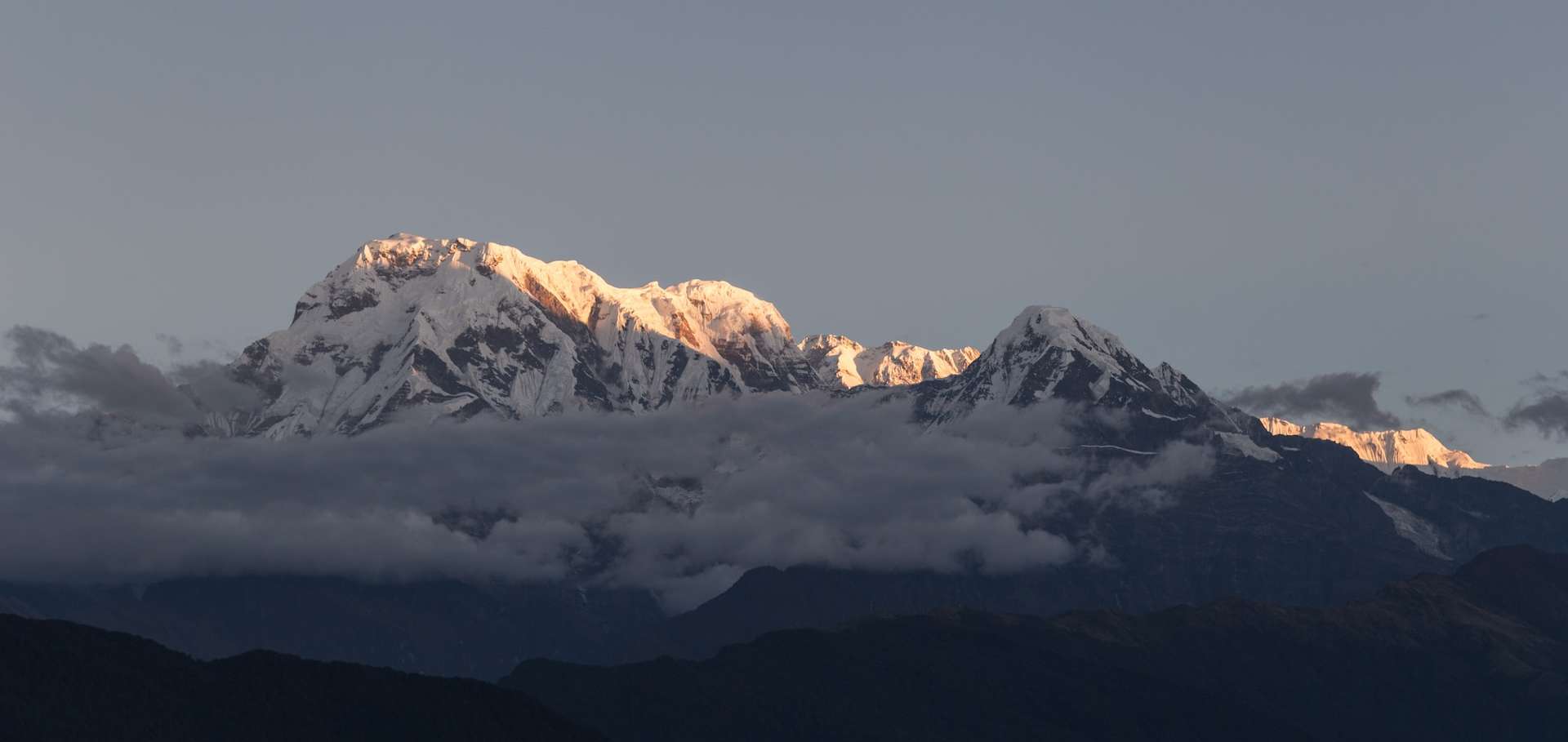
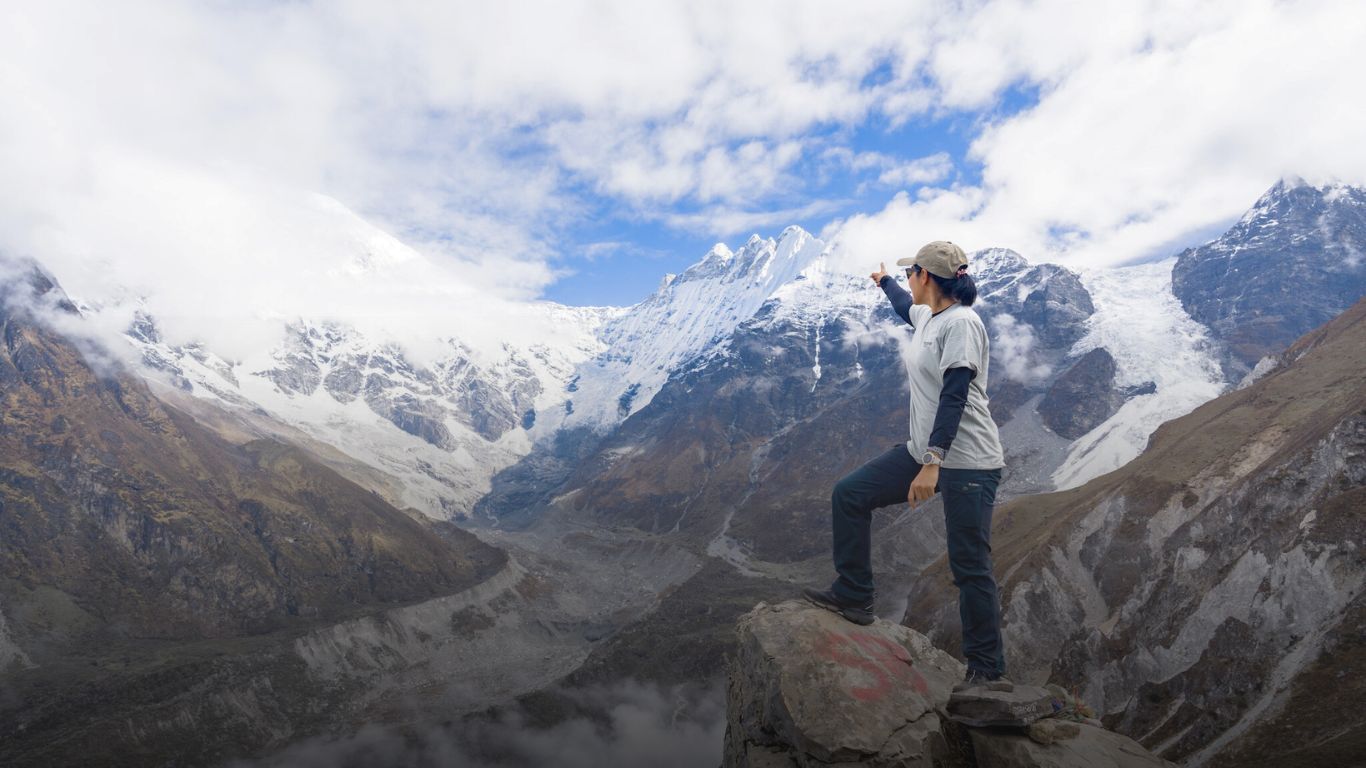
The landscape changes every day. You begin in rhododendron and bamboo forest beside the Langtang River, climb into the high valley around Langtang Village, and finish among glaciers and snow peaks at Kyanjin Gompa. Known as the “Valley of Glaciers,” it sits inside Langtang National Park, home to red pandas, Himalayan tahr and langur monkeys.
The culture is distinct. This is Tamang country, with Tibetan Buddhist monasteries, prayer wheels, mani walls and village life that has stayed close to its traditions. The valley also carries the memory of the 2015 earthquake, and the rebuilt villages are a reminder of the resilience of the people who live here. Staying in local teahouses directly supports that recovery.
It suits first-time Himalayan trekkers. The trail is well marked, teahouses are comfortable and frequent, and the daily walking times are manageable for a reasonably fit walker.
Langtang Short Trek Itinerary: Day by Day
Day 1: Drive from Kathmandu to Syabrubesi (1,460m), 6–7 hours
Leave Kathmandu in the morning and drive north along winding mountain roads through Trishuli and Dhunche. You will pass terraced farms, rivers, waterfalls and glimpses of the Ganesh Himal range. Syabrubesi is the gateway village to Langtang. Check into your lodge, meet your guide and porters, and rest before the climb.
Day 2: Trek to Lama Hotel (2,560m), 6–7 hours
Cross the Bhote Koshi River and follow the Langtang River upstream. The trail climbs steadily through oak, rhododendron and bamboo forest, with plenty of chances to spot langur monkeys and, if you are lucky, a red panda. Lama Hotel is a small forest settlement, and the nights here are quiet and cool.
Day 3: Trek to Langtang Village (3,430m), 6–7 hours
The forest thins and the valley opens up. You walk past waterfalls, suspension bridges and yak pastures, with Langtang Lirung (over 7,200m) towering ahead. Langtang Village is a Tamang settlement with stone houses and rebuilt lodges. Spend the evening walking around the village and talking with local families.
Day 4: Trek to Kyanjin Gompa (3,900m), 3–4 hours
This is a short walking day, which helps your body adapt. The trail passes mani walls, glacial moraine and wide yak pastures before reaching Kyanjin Gompa, a Buddhist monastery with a local cheese factory. Use the afternoon for an easy acclimatization walk around the village and monastery, and drink plenty of water. This is the highest point where you sleep on the trek.
Day 5: Hike to Tserko Ri (about 5,000m), then descend to Lama Hotel (2,560m)
Start before sunrise for the climb to Tserko Ri, the highest viewpoint of the trek. The reward is a sweeping panorama of Langtang Lirung, Yala Peak, Kimshung and the surrounding Himalayan range. After the views, return to Kyanjin Gompa for breakfast, then continue down the valley to Lama Hotel. It is a long, demanding day, so start early and keep a steady pace.
Day 6: Trek from Lama Hotel to Syabrubesi (1,460m), 5–6 hours
A gentler descent along the river brings you back to Syabrubesi. The air gets thicker and warmer, and your legs will appreciate the downhill. Celebrate with your crew over a final trail dinner.
Day 7: Drive back to Kathmandu
Drive back to Kathmandu, with plenty of time to reflect on the trek. Our team can arrange a farewell dinner and help you with onward travel plans.
How Difficult Is the Langtang Short Trek?
The Langtang Short Trek is rated moderate. You do not need technical climbing skills or previous high-altitude experience, but you do need steady fitness. These are the factors that decide how hard it feels:
- Daily walking time: Most days involve 5–7 hours on the trail, with a lot of steady uphill on days 2 and 3.
- Altitude gain: You go from 1,460m to 3,900m in four days, which is quick. The short Day 4 is the main acclimatization buffer.
- Tserko Ri day: The climb to nearly 5,000m followed by a long descent is the most demanding day of the trek.
- Terrain: Mostly well-built trails, stone steps and suspension bridges. There are no technical sections.
If you are worried about the pace, consider the longer Langtang Valley Trek, which adds extra days for acclimatization and side trips.
Altitude and Acclimatization
Altitude is the real challenge of Langtang, not the terrain. Ascending from 1,460m to 3,900m in four days is fast for most people, so respect the warning signs.
- Walk slowly and steadily. “Bistari, bistari” (slowly, slowly) is the golden rule in Nepal.
- Drink 3–4 litres of water a day. Hydration helps your body adjust.
- Avoid alcohol and smoking on the way up.
- Learn the symptoms of altitude sickness: headache, nausea, dizziness, poor sleep and loss of appetite.
- Tell your guide early. If symptoms get worse, the only safe cure is to descend.
Read our detailed altitude tips and our guide to acute mountain sickness before you travel. Our guides carry an oximeter and a first-aid kit and check your oxygen levels during the trek.
Best Time for the Langtang Short Trek
- Spring (March to May): Warm days, blooming rhododendrons and good mountain views.
- Autumn (September to November): Crisp, clear skies and stable weather. This is the most popular season, so book teahouses early.
- Winter (December to February): Cold mornings and nights, especially at Kyanjin Gompa, but excellent visibility and quiet trails.
- Monsoon (June to August): Wet trails, leeches in the lower forest and cloud-covered views. It is not the best time for this trek.
Our fixed departures run through the autumn and early winter, so you can join a group or arrange a private trip.
Permits and Documents
You need two permits for Langtang:
- Langtang National Park entry permit
- TIMS (Trekkers’ Information Management System) card
Both are arranged by Northern Trekking Team as part of the package. You also need a valid passport and a Nepal visa. See our passport and visa information for the latest guidance.
What Is Included in the Package?
On our Langtang Short Trek, you get:
- All transfers by private tourist vehicle between Kathmandu and Syabrubesi
- 1 night in a Kathmandu hotel and 6 nights in teahouses along the trek
- Breakfast, lunch and dinner during the trek, with tea or coffee
- Langtang National Park permit and TIMS card
- An experienced, government-licensed, English-speaking guide, with an assistant guide for groups above 6
- Porters (one for every two trekkers)
- Sleeping bag, down jacket, duffel bag and walking poles if you need them
- First-aid kit, oximeter and water purification tablets
- Local SIM card, trekking map, certificate, T-shirt and cap
- Farewell dinner in Kathmandu and all government taxes
International flights, visa fees, travel insurance, personal gear, drinks, tips and extra nights are not included. Check the full inclusions and exclusions before booking.
Packing List and Trekking Tips
Essential gear:
- Broken-in waterproof trekking boots and moisture-wicking socks
- Layers: base layer, fleece, down jacket, and waterproof shell
- Warm hat, gloves, sun hat and sunglasses with UV protection
- Sunscreen, lip balm and a refillable water bottle
- Headlamp (vital for the pre-dawn Tserko Ri climb)
- Trekking poles for the long descents
- A power bank, since charging costs extra in teahouses
See our full trekking equipment guide and packing list for trekking.
Practical tips from our guides:
- Train for 6–8 weeks with hill walking, stair climbing and cardio.
- Start early every day. Mornings are clearer and give you a cushion for slow afternoons.
- Carry cash in Nepali rupees. ATMs are not available on the trail.
- Respect local customs. Walk to the left of mani walls and chortens, and dress modestly in villages and monasteries.
- Try the local food, including dal bhat, Tibetan bread and fresh yak cheese at Kyanjin Gompa.
- Buy insurance that covers trekking up to 5,000m, including emergency evacuation.
- Choose a licensed operator who puts safety first. Read our safety and security in Nepal page for more.
Why Trek With Northern Trekking Team?
Northern Trekking Team is a government-licensed, Kathmandu-based company with local guides who know the Langtang trails well. Our trekkers consistently rate us 5 stars, praising our guides, porters and safety standards. We keep groups small, pay our staff fairly and insure everyone on the team. You can also customize your trip if you want extra acclimatization days or a private departure.
Explore more options in the Langtang region, including the Tamang Heritage Trail Trek and the Langtang with Gosaikunda Trek.
Top 10 FAQs About the Langtang Short Trek
1. How many days is the Langtang Short Trek?
The standard itinerary is 7 days from Kathmandu back to Kathmandu. That includes two driving days (to and from Syabrubesi) and five days on the trail. Because it is compact, it fits easily into a two-week Nepal holiday along with sightseeing in Kathmandu or Pokhara.
2. How difficult is the Langtang Short Trek?
It is rated moderate. There are no technical sections, but you will walk 5–7 hours a day, gain altitude quickly, and finish with a long Tserko Ri and descent day. Good fitness, a steady pace and proper hydration make it very doable for most active adults, including first-time trekkers.
3. What is the highest point on the Langtang Short Trek?
You sleep at most at Kyanjin Gompa (3,900m). The highest point you reach is the Tserko Ri viewpoint at about 5,000m (16,404ft), which gives panoramic views of Langtang Lirung, Yala Peak and the surrounding range.
4. What is the best time to do the Langtang Short Trek?
Spring (March to May) and autumn (September to November) offer the best weather and clearest views. Winter is cold but quiet and bright, while monsoon (June to August) is wet and generally not recommended.
5. Do I need a guide for the Langtang trek?
Yes, we strongly recommend one. Independent trekking is allowed on the Langtang route, but a licensed guide improves safety, helps with altitude and weather decisions, handles permits and lodging, and gives you cultural insight you will not get alone. Our package includes a guide and porters.
6. What permits do I need for the Langtang Short Trek?
You need a Langtang National Park entry permit and a TIMS card. Northern Trekking Team arranges both and includes them in the package price, so you only need to bring your passport and passport-sized photos.
7. How much does the Langtang Short Trek cost?
Our 7-day package starts from US$749 per person. It covers transport, accommodation, meals on the trek, permits, guide, porters, equipment support and more. International flights, visa fees, insurance, drinks, tips and personal expenses are extra. Prices can vary with group size and season, so check the trip page for current departures.
8. Is altitude sickness a risk on the Langtang Short Trek?
It can be, because the trek climbs quickly from 1,460m to 3,900m and then to nearly 5,000m. Most trekkers manage well by walking slowly, drinking enough water, sleeping low if possible and reporting symptoms early. If symptoms worsen, you must descend. Our guides monitor your oxygen saturation throughout.
9. What kind of accommodation and food can I expect?
You stay in simple teahouses with twin-sharing rooms and shared bathrooms. Meals include dal bhat, noodles, momos, soups, eggs, porridge and Tibetan bread, plus tea and coffee. Rooms get colder and facilities more basic as you climb, so bring a warm sleeping bag (we can provide one).
10. Can I extend or customize the Langtang Short Trek?
Yes. Popular extensions include adding an extra acclimatization day at Kyanjin Gompa, a hike up Kyanjin Ri, or choosing the longer Langtang Valley Trek or Langtang with Gosaikunda Trek. Use our customize trip form to design a private itinerary.
Conclusion: Is the Langtang Short Trek Right for You?
If you want a real Himalayan experience in just one week, with forest trails, glacier views, Tamang culture and a high viewpoint at the end, the Langtang Short Trek is one of Nepal’s best choices. It is close to Kathmandu, well supported with teahouses, and achievable for most active travelers who prepare and respect the altitude.
Ready to go? Check the dates and book your place on the Langtang Short Trek, or make an enquiry and our team in Kathmandu will help you plan every detail. You can also reach us on WhatsApp at +977 9842907439.
Recent From Langtang Short Trek: Itinerary, Difficulty & Trekking Tips
Jun 27, 2022
Jun 27, 2022

Jul 19, 2022
Sep 20, 2025
Jan 03, 2023
Feb 03, 2023
Feb 17, 2023
Feb 23, 2023
Mar 03, 2023
Mar 14, 2023
Mar 20, 2023
Mar 28, 2023
Apr 06, 2023
Jul 31, 2023
Aug 28, 2023

Jan 04, 2026


Mar 10, 2026
Mar 10, 2026



Apr 03, 2026
Sep 10, 2026
Sep 14, 2026