23rd Nov, 2026
Yala Peak Climbing Guide & Equipment Checklist
Yala Peak Climbing: A Guide for Your First Himalayan Summit
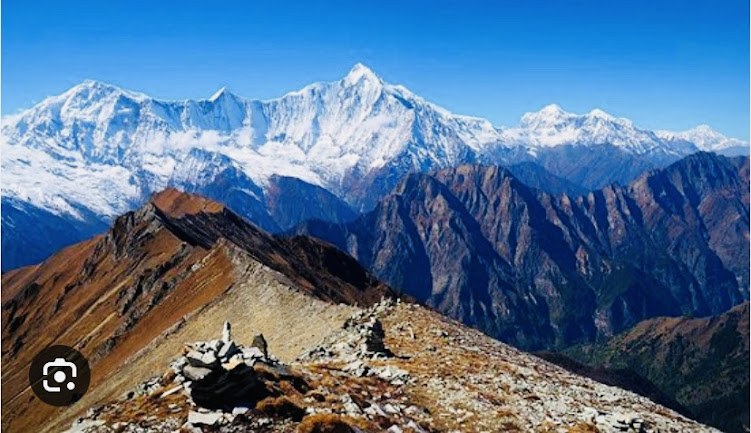
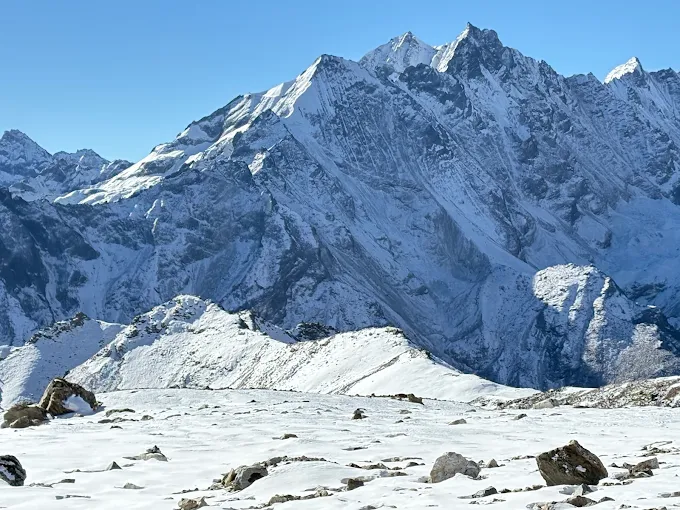
Yala Peak is one of the most popular trekking peaks in Nepal. It rises above Kyanjin Gompa in the Langtang region, only a day's drive from Kathmandu, and tops out at about 5,500 m. You get glacier views, snow climbing and a real summit day, without the long flights and remote logistics of the Everest region.
Table of Contents
It is also a climb that rewards good preparation. The right guide and the right equipment make the difference between a stressful trip and a safe, enjoyable one. This guide explains what the climb involves, why a Sherpa guide matters, and exactly what to pack, hire and prepare.
You can see the full route, inclusions and booking options on our Yala Peak Climbing – 12 Days page.
Yala Peak Climbing at a Glance
| Detail | Information |
|---|---|
| Region | Langtang, Nepal |
| Duration | 12 days (Kathmandu to Kathmandu) |
| Maximum altitude | About 5,500 m |
| Base Camp | About 4,700 m |
| Start and end | Kathmandu, with a drive to and from Syabrubesi |
| Best seasons | March to May and September to November |
| Accommodation | Lodges and teahouses, with tents at Base Camp |
| Price | From USD 1,315 per person |
What the Climb Involves
The trip begins with a drive from Kathmandu to Syabrubesi, then follows the Langtang Valley through rhododendron and oak forest, Tamang villages and high alpine meadows. You spend a rest day at Kyanjin Gompa to acclimatize, with a hike to Tserko Ri, before moving up to Base Camp.
Summit day starts early, usually well before dawn, so you climb on firmer snow in more stable weather. You walk with crampons and an ice axe on snow, with your guide leading, and return to Kyanjin Gompa the same day. The peak is generally regarded as one of Nepal's more accessible trekking peaks, but altitude, cold and a long summit day still make it a serious undertaking.
If you want to explore more of the region first, see our Langtang Valley Trek, Langtang Short Trek and Tamang Heritage Trail Trek.
Why Hire a Sherpa Guide for Yala Peak Climbing?
Some climbers wonder whether they can do Yala Peak alone. In practice, a licensed Sherpa guide is the single most valuable part of your trip. Here is why.
- Safety on snow and glacial terrain. Conditions change daily. A guide reads the snow, the weather and the route, and decides when to push on and when to turn back.
- Altitude management. Your guide monitors your pace, breathing and general condition, and recognizes the early signs of altitude sickness before they become dangerous.
- Route knowledge. The summit route can be hard to read in poor visibility. An experienced guide knows the line, the safe sections and the hazards.
- Technical support. Your guide fits your crampons and harness, teaches rope and ice-axe basics, and fixes ropes where needed.
- Logistics and paperwork. Guides coordinate lodges, camps, permits and checkpoints so you can focus on the climb. Rules for Langtang trekking and climbing may require a guide, and a licensed operator keeps you compliant.
- Emergency response. If something goes wrong, your guide knows the evacuation routes and has communication and first-aid training.
- Local culture and insight. Sherpa and Tamang guides bring knowledge of the villages, monasteries and mountain traditions you will walk through.
Hiring a guide is not a luxury. It is what turns a risky solo effort into a well-supported expedition.
Role and Responsibilities of a Climbing Guide
A good Yala Peak guide does much more than walk in front of you. On our trips, your guide is responsible for:
- Planning and pacing the itinerary. Adjusting the daily schedule for weather, group fitness and acclimatization.
- Briefing and training. Explaining the route, safety rules and how to use crampons, ice axe, harness and rope before summit day.
- Leading the climb. Choosing the route, setting the pace and deciding the summit window.
- Monitoring health. Checking each climber's condition and managing altitude risks.
- Managing the team. Coordinating porters, cooks and support staff.
- Handling logistics. Organizing lodging, meals, transport and permits.
- Making safety decisions. Turning the group back when conditions or health require it, even close to the summit.
- Responding to emergencies. Providing first aid, arranging evacuation and keeping the office informed.
Qualifications and Experience of a Sherpa Climbing Guide
Not all guides are equal, so it is worth knowing what to look for. A strong Yala Peak guide should have:
- A government license to lead trekking and climbing groups in Nepal
- Formal mountaineering training, ideally through a recognized Nepal mountaineering course
- Wilderness first-aid and altitude-sickness training
- Many seasons of experience on Langtang routes and Yala Peak itself
- Good English (or the language of your group) so briefings are clear
- A calm, safety-first attitude and a willingness to turn back when needed
- Insurance cover and proper pay, which reflect a responsible operator
Northern Trekking Team is licensed in Nepal and is associated with the Nepal Mountaineering Association, TAAN and the Nepal Tourism Board. Our guide's salary, food, accommodation, transport and insurance are covered in the package price. Learn more about our team and why climbers choose us.
Essential Yala Peak Climbing Equipment Checklist
Your kit falls into four groups: technical gear, clothing, personal trekking items and group equipment. Our package includes a lot of the technical and group gear, which makes packing simpler. This is the master checklist.
Quick-view checklist
- Mountaineering boots (crampon-compatible)
- Crampons, ice axe, harness, helmet
- Carabiners, ascender and descender
- Base layers, insulation layers and shell layers
- Warm hat, gloves, mittens and buff
- Sleeping bag rated for very cold nights, plus liner
- Daypack and duffel bag
- Headlamp, sunglasses, goggles and sun protection
- Trekking poles and water bottles
- First-aid kit and toiletries
The sections below explain each group in detail. For our official packing information, see the Trekking Equipment guide on our website.
Technical Climbing Gear and Mountaineering Equipment
Yala Peak is a snow climb, so you need proper mountaineering equipment.
| Item | What to know |
|---|---|
| Mountaineering boots | Warm, stiff-soled and compatible with your crampons. Fit and warmth matter more than brand |
| Crampons | Must match your boot type and be adjusted before the climb |
| Ice axe | A general mountaineering axe of suitable length for your height |
| Climbing harness | Adjustable so it fits over thick layers |
| Helmet | Protects against falling ice and rock |
| Carabiners | Both locking and non-locking |
| Ascender (jumar) | For fixed-rope sections |
| Descender (figure-eight or ATC) | For controlled descent on ropes |
| Snow gaiters | Keep snow out of your boots and add warmth |
| Climbing rope | Carried and set up by your guide team |
Our Yala Peak package includes required personal and group climbing gear such as crampons, ice axe, harness, figure-eight, carabiners, helmet and climbing rope, plus climbing training at Base Camp. Check the trip page for the latest inclusions, and ask us if you prefer to bring your own boots.
Clothing and Layering System for Yala Peak
The Langtang trail takes you from warm forest to freezing glacier within days. A layering system lets you adjust to every condition.
Base layers
- Two or three moisture-wicking thermal tops and bottoms
- Lightweight thermal liner gloves
Insulation layers
- Fleece or soft-shell jacket
- A warm down jacket with a hood, suitable for very cold nights and summit mornings
Shell layers
- Waterproof and windproof jacket
- Waterproof trousers
Trekking clothes
- Lightweight trekking trousers
- Long- and short-sleeve moisture-wicking tops
Head, hands and feet
- Insulated hat, balaclava or buff, and a sun hat or cap
- Warm, waterproof gloves or mittens, plus lightweight inner gloves
- Four to six pairs of warm socks
- Mountaineering boots for the climb and trekking boots for lower altitude
Layering tip: Start summit day slightly cool. You warm up quickly once you move, and sweating in the cold is a risk. Add a layer at stops, and keep one spare insulating layer in your daypack.
Personal Trekking Equipment
Beyond technical gear and clothing, you need personal items that keep you comfortable and healthy on a 12-day trip.
Packs and bags
- Large pack or duffel for porters (our team provides a duffel bag)
- Daypack of about 20 to 30 liters for daily essentials
- Waterproof dry bags
Sleeping
- A four-season sleeping bag (rated roughly -20°C to -30°C) and a lightweight liner. Our package includes a sleeping bag and down jacket on a refundable basis
Eyes, sun and light
- UV-protection sunglasses and spare goggles
- A headlamp with spare batteries, essential for the pre-dawn start
- High-SPF sunscreen and lip balm
Hydration and food
- Insulated water bottles or a hydration system
- Water purification tablets (provided) or a filter
- High-energy snacks you enjoy
Health and hygiene
- Personal first-aid kit with blister care and your regular medication
- Toiletries, wet wipes, hand sanitizer and a quick-dry towel
Other
- Trekking poles
- Camera, power bank and charging cables (the cold drains batteries faster)
- Travel documents, insurance papers and cash
See also our guides on altitude tips and passport and visa information.
Equipment Rental in Kathmandu
You do not need to buy every item. Kathmandu has plenty of gear shops, especially in Thamel, where you can rent or buy mountaineering equipment.
Good items to rent
- Mountaineering boots, crampons, ice axe, harness and helmet
- Down jackets and sleeping bags, if you do not own warm ones
Better to buy or bring your own
- Base layers, socks and gloves
- Trekking boots you have already broken in
- Sun protection, personal medication and toiletries
Rental tips
- Try on boots with the socks you will wear on the mountain.
- Check that crampons fit your boots securely before leaving the shop.
- Inspect straps, buckles, zippers and stitching for wear.
- Ask your guide to check your gear at the pre-trip briefing.
- Plan your rental on your preparation day in Kathmandu, since our itinerary includes one for final shopping and gear checks.
Because our package already covers technical climbing gear, many of our clients only need to bring boots, clothing and personal items. Ask our team what applies to your booking.
Guide, Porter and Support Staff Requirements
A Yala Peak trip depends on a small, well-organized team.
- Licensed climbing guide: Leads the trek and summit climb.
- Trek Sherpa and assistants: Support the group on the trail and climb.
- Porters: Carry luggage between camps. Our standard luggage limit is 20 to 25 kg per person, and a porter for your personal luggage is arranged separately.
- Cook and kitchen staff: Prepare meals at Base Camp, where we provide dining, kitchen and toilet tents.
- Support staff: Help with camp setup and logistics.
Responsible staffing matters. Look for an operator that pays fair wages, provides proper insurance and suitable gear for its staff, and keeps porter loads at safe limits. Tipping guides and porters at the end of the trip is customary and appreciated.
For more about how we run our trips, read our terms and conditions or contact us.
Preparation Tips for a Successful Yala Peak Climb
Train for stamina and strength
Start three to four months ahead. Combine cardio (hiking, running, cycling, stair climbing) with leg and core strength work, and add long hikes with a loaded pack. Aim to build up to several consecutive hiking days.
Break in your boots
Wear your trekking boots on long training walks. Blisters can end a trip faster than altitude can.
Respect acclimatization
Our itinerary includes a rest day at Kyanjin Gompa with a hike to Tserko Ri. Walk slowly, drink plenty of water and tell your guide at once if you feel headaches, nausea or dizziness.
Choose the right season
March to May and September to November offer the most stable weather and best snow conditions. The monsoon brings heavy rain and poor visibility, and winter is extremely cold.
Get proper insurance
Your policy should cover climbing up to 5,500 m and emergency helicopter evacuation. It is essential and is not included in the price.
Learn the basics before you go
Practice walking in crampons and handling an ice axe if you can. We also run climbing training at Base Camp before summit day.
Pack smart
Keep summit-day items together in your daypack: warm layers, headlamp, gloves, goggles, water and snacks. Use dry bags for valuables.
Prepare mentally
Summit day is long and cold. Break the climb into small goals, stay patient and trust your guide.
Combine Yala Peak With Other Himalayan Climbs
Once you have climbed Yala Peak, you may want a bigger challenge. Compare our Island Peak Climbing, Mera Peak Climbing, Lobuche Peak Climbing and Pokalde Peak Climbing, or browse all peak climbing trips in Nepal.
Frequently Asked Questions About Yala Peak Climbing and Equipment
1. Do I need a guide to climb Yala Peak?
We strongly recommend a licensed Sherpa guide for safety, route-finding, altitude monitoring and logistics. Our package includes an experienced climbing guide.
2. What technical equipment do I need for Yala Peak?
You need mountaineering boots, crampons, ice axe, harness and helmet, plus carabiners and rope for fixed sections. Our package includes required personal and group climbing gear.
3. Can I rent equipment in Kathmandu?
Yes. Boots, crampons, ice axe, harness, helmet, down jackets and sleeping bags can be rented in Kathmandu, especially in Thamel.
4. What kind of sleeping bag do I need?
A four-season down sleeping bag suited to very cold nights, with a liner for extra warmth. Our package includes a sleeping bag and down jacket on a refundable basis.
5. Is Yala Peak technical?
It is generally regarded as one of Nepal's more accessible trekking peaks, but you still walk on snow in crampons and may use fixed ropes. You do not need advanced skills, but good fitness and basic training are important.
6. How long is summit day?
Summit day usually takes 8 to 9 hours from Base Camp, including the return, followed by the trek back to Kyanjin Gompa.
7. How heavy can my luggage be?
Our standard limit for the porter-carried bag is 20 to 25 kg. Pack light and keep daily essentials in your daypack.
8. Do I need to bring my own boots?
Many climbers prefer to bring or rent their own boots for the best fit. Ask our team what is included in your booking before you buy anything.
9. When is the best time to climb Yala Peak?
March to May and September to November offer the most stable weather and clearest views.
10. What should I do if I feel altitude sickness?
Tell your guide immediately. Rest, hydrate and descend if symptoms worsen. Make sure your insurance covers emergency evacuation.
Ready to Climb Yala Peak With the Right Team and Gear?
With an experienced Sherpa guide, a well-planned itinerary and the right equipment, Yala Peak becomes a safe and unforgettable first Himalayan summit. See the full itinerary and price on our Yala Peak Climbing page, book this trip, customize your trip, or reach us on WhatsApp at +977 9842907439 or at info@northerntrekkingteam.com.
Recent From Yala Peak Climbing Guide & Equipment Checklist
Jun 27, 2022
Jun 27, 2022

Jul 19, 2022
Sep 20, 2025
Jan 03, 2023
Feb 03, 2023
Feb 17, 2023
Feb 23, 2023
Mar 03, 2023
Mar 14, 2023
Mar 20, 2023
Mar 28, 2023
Apr 06, 2023
Jul 31, 2023
Aug 28, 2023

Jan 04, 2026


Mar 10, 2026
Mar 10, 2026



Apr 03, 2026
Sep 10, 2026