17th Nov, 2026
Yala Peak Climbing: Complete Guide and Tips for Climbers
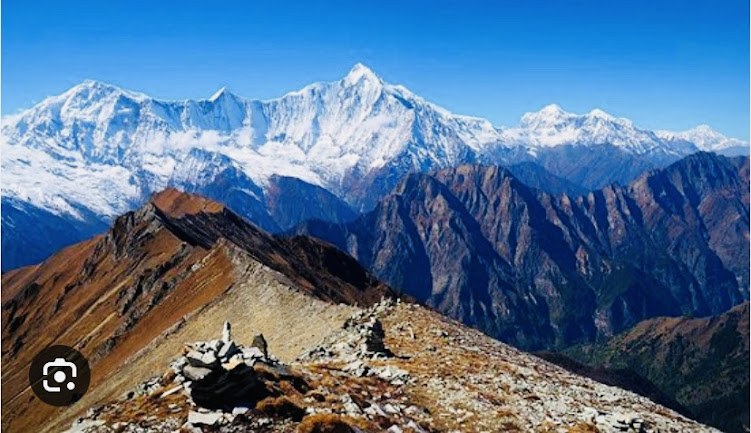
Few trekking peaks in Nepal combine a classic valley trek, a real glaciated summit and a quiet corner of the Himalayas as well as Yala Peak. Set above the Buddhist village of Kyanjin Gompa in the Langtang region, Yala Peak is one of the most accessible ways to stand above 5,000 meters, practice crampon and ice-axe skills, and look across the Langtang Himalaya and into Tibet.
Table of Contents
It is also close to Kathmandu. You can be in the trailhead village of Syabrubesi after a long day's drive, which makes Yala an attractive choice when time is limited.
This guide covers everything climbers ask before booking: the route, the real difficulty, the best season, permits, gear, altitude safety and training. For the full day-by-day plan and current booking options, see the Yala Peak Climbing 12-day trip page from Northern Trekking Team.
Yala Peak at a Glance
| Detail | Information |
|---|---|
| Region | Langtang, north of Kathmandu |
| Summit height | Commonly quoted between about 5,500 m and 5,732 m (see note below) |
| Base camp | About 4,700 m on Northern Trekking Team's itinerary (other operators use 4,400 to 4,800 m) |
| Typical duration | 12 days from Kathmandu to Kathmandu |
| Activity | Trekking plus peak climbing |
| Trailhead | Syabrubesi |
| Best seasons | March to May and September to December |
| Accommodation | Hotels in Kathmandu, teahouses on the trek, tents at base camp |
| Group size | Small groups or private departures |
| Starting price | From around $1,315 per person for the 12-day package (check the trip page for current pricing) |
A note on the summit height. Published figures for Yala Peak vary widely, from about 5,500 m to 5,732 m, because the summit area is broad and sources use different survey points. Treat the number as approximate, and check what your operator uses in its itinerary and altitude chart.
Why Climb Yala Peak?
A classic valley trek with a summit at the end
Yala is not an isolated peak far from civilization. You trek through the Langtang Valley first, walking through forests, past waterfalls, through Tamang villages and up into open yak pastures. By the time you reach Kyanjin Gompa, you are acclimatized, warmed up and surrounded by white peaks.
A real introduction to Himalayan climbing
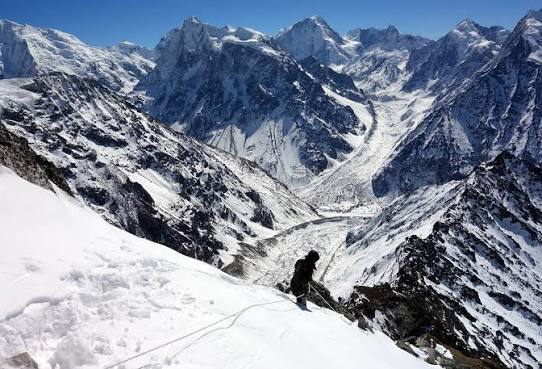
Yala is a trekking peak, but it still asks you to use crampons, an ice axe, a harness and rope systems on snow and ice. It is a practical stepping stone toward bigger objectives such as Island Peak or Mera Peak.
Big views for a modest summit
From the top you can see Langtang Lirung, Langtang Ri, the Shishapangma range in Tibet and countless ridgelines. Under clear skies the panorama is outstanding for a peak of this size.
Fewer crowds than Everest or Annapurna
The Langtang region is quieter than Nepal's most famous trekking areas, which means more space, simpler logistics and a more authentic village experience.
Yala Peak Climbing Route and Itinerary
Northern Trekking Team's standard plan is a 12-day trip from Kathmandu. Here is how the journey unfolds:
| Day | Plan | Approx. altitude |
|---|---|---|
| 1 | Arrive in Kathmandu, hotel transfer | 1,400 m |
| 2 | Preparation day, gear check, briefing | 1,400 m |
| 3 | Drive to Syabrubesi | 1,550 m |
| 4 | Trek to Lama Hotel | 2,380 m |
| 5 | Trek to Langtang village | 3,432 m |
| 6 | Trek to Kyanjin Gompa | 3,830 m |
| 7 | Rest day with a hike toward Tsergo Ri | up to about 5,000 m |
| 8 | Trek to Yala Peak Base Camp (tent camp) | 4,700 m |
| 9 | Summit day, then descend to Kyanjin Gompa | 5,500 m (approx.) |
| 10 | Trek to Lama Hotel | 2,380 m |
| 11 | Trek to Syabrubesi | 1,550 m |
| 12 | Drive back to Kathmandu | 1,400 m |
The valley section (Days 3 to 6)
The trail from Syabrubesi follows the Langtang Khola upstream through dense forest, with steady climbing and regular teahouse stops. Expect rhododendron and oak forest, mani walls, landslide-scarred slopes and increasingly dramatic views as the valley opens up above Langtang village.
Acclimatization at Kyanjin Gompa (Day 7)
Kyanjin Gompa sits at roughly 3,830 m. A rest day here is not optional fluff. Use it to hike higher and sleep lower, which is the safest way to adjust. Tsergo Ri is a popular acclimatization viewpoint (its height is quoted differently by different sources, so ask your guide).
Base camp and training (Day 8)
Base camp is a tent camp above the main valley. The package includes camping gear, a cook team and a climbing training session so you can rehearse crampon walking, ice-axe use and rope handling before summit day.
Summit day (Day 9)
The summit push starts early in the morning, often in darkness. The climb is typically about 8 to 9 hours round trip from base camp as described on the trip page, covering rocky terrain, glacier travel and snow slopes before the summit ridge. Weather, snow conditions and your pace will decide the exact timing, and your guide has the final word on whether to continue.
Descent and return (Days 10 to 12)
After the summit you descend to Kyanjin Gompa, then retrace the valley to Syabrubesi and drive back to Kathmandu.
How Difficult Is Yala Peak?
Opinions vary, and the honest answer sits in the middle.
- Some operators call Yala "easy" or "beginner-friendly."
- Northern Trekking Team rates the overall trip as hard, because it combines multi-day trekking, altitude and a technical summit day.
- Other operators label it moderate.
The difference comes down to what you compare it with. Yala is gentler than many trekking peaks, but it is still a high-altitude climb.
What makes it challenging:
- Altitude: you sleep above 4,000 m and summit above 5,000 m
- Cold and wind on summit day
- Long, tiring days with early starts
- Using crampons, ice axe and ropes on snow and ice
- Weather that can change quickly
What makes it manageable:
- Gradual acclimatization through the valley
- A rest day at Kyanjin Gompa
- Training at base camp
- Guide support and fixed-rope assistance where needed
- No extremely technical climbing
Bottom line: A fit trekker with some high-altitude trekking experience can climb Yala with a good guide. Previous mountaineering skills help, but they are not strictly necessary if you receive proper training and instruction.
Best Time to Climb Yala Peak
Spring (March to May)
Stable weather, snow in good condition and blooming rhododendrons on the lower trail. This is the peak climbing season.
Autumn (September to November)
Clear skies and dry conditions after the monsoon. Temperatures are colder, especially in November, but visibility is excellent.
Winter (December to February)
Possible but very cold, with unstable snow in places. Suitable only for experienced, well-equipped climbers.
Monsoon (June to August)
Heavy rain, leeches, cloud and poor visibility. Not recommended for climbing.
Tip: Whatever season you choose, ask for at least one spare day on the summit window, or build flexibility into your schedule. A single weather day can decide your success.
Permits and Fees
Yala Peak lies inside Langtang National Park, so you will need:
- Langtang National Park entry permit
- TIMS card (Trekkers' Information Management System)
- Climbing permit, where required. Sources disagree on whether a separate peak permit is currently charged for Yala, so confirm this with your operator.
Northern Trekking Team's package lists the Langtang permits and TIMS card as included, and the team arranges the paperwork for you. Government fees change, so verify current costs at booking.
What Is Included, and What Is Not
Typically included (Northern Trekking Team package)
- Airport transfers and 2 nights in a Kathmandu hotel with breakfast
- Local bus tickets between Kathmandu and Syabrubesi
- Lodge or teahouse accommodation and tent camping at base camp
- Three meals a day on the trek, plus tea, snacks and seasonal fruit
- Langtang permits and TIMS card
- Licensed climbing guide, cook and support staff
- Climbing training course at base camp
- Personal and group climbing equipment (crampons, ice axe, harness, helmet, ropes and more)
- Refundable sleeping bag, down jacket and duffel bag
- Farewell dinner in Kathmandu
Typically not included
- International flights and Nepal visa
- Travel and evacuation insurance
- Lunch and dinner in Kathmandu
- Porter service for personal luggage (the package notes a baggage limit of around 20 to 25 kg)
- Personal expenses such as Wi-Fi, charging, laundry, alcohol and hot showers
- Tips for staff
- Extra nights caused by early arrival or late departure
Always read the inclusion list on the Yala Peak trip page before comparing prices with other companies.
Yala Peak Gear Checklist
You can rent technical gear in Kathmandu, and many packages supply the group equipment. Here is a practical list.
Footwear
- Mountaineering boots compatible with crampons
- Trekking boots for the lower valley
- 4 to 6 pairs of warm socks
- Gaiters
Clothing
- Thermal base layers (top and bottom)
- Fleece or soft-shell jacket
- Hooded down jacket rated for very cold conditions
- Waterproof and windproof shell jacket and trousers
- Lightweight trekking pants and T-shirts
- Insulated hat, balaclava or buff, and a sun hat
- Liner gloves and warm waterproof gloves or mittens
Climbing equipment
- Ice axe, crampons, harness, helmet
- Carabiners, ascender and descender device
- Ropes and group gear (normally supplied by the operator)
Sleeping and packing
- Sleeping bag rated for very low temperatures
- Liner for extra warmth
- Duffel bag and daypack (20 to 30 L)
- Dry bags
Other essentials
- Headlamp with spare batteries
- UV-protection sunglasses
- Trekking poles
- Insulated water bottle and water purification
- Sunscreen SPF 50+ and lip balm
- Personal first-aid kit and altitude medication prescribed by your doctor
- Energy snacks
For a longer checklist, see Northern Trekking Team's trekking equipment guide.
Altitude Safety Tips
Yala Peak climbs well above 5,000 m. Acute Mountain Sickness (AMS) can affect anyone, regardless of fitness.
- Ascend gradually. Do not skip the rest day at Kyanjin Gompa.
- Hydrate constantly. Aim for several liters of fluid a day.
- Walk slowly. Use a steady "mountain pace" rather than racing.
- Report symptoms early. Headache, nausea, dizziness, loss of appetite and unusual fatigue should always be shared with your guide.
- Never ascend with worsening symptoms. Descend if symptoms increase.
- Avoid alcohol and sleeping pills at altitude.
- Discuss altitude medication with a doctor before you travel.
Read the altitude tips from Northern Trekking Team for more details.
How to Train for Yala Peak
A strong base of fitness makes the whole trip more enjoyable.
- Cardio: Running, cycling, swimming or brisk hiking three to four times a week
- Legs and core: Squats, lunges, step-ups and planks
- Loaded hikes: Weekend hikes with a 6 to 8 kg pack, building toward 6 to 8 hours
- Stairs or hill repeats: Great for simulating long climbs
- Back-to-back days: Practice walking on tired legs
- Mental preparation: Early alarms, cold, wind and slow progress are normal on summit day
Start at least 8 to 12 weeks before departure if you are not already active. If you can, try a short mountaineering course or an introductory ice-and-snow day to familiarize yourself with crampons and an ice axe.
Practical Tips for First-Time Climbers
- Break in your boots. Blisters ruin trips.
- Pack light but warm. The summit is cold, but you carry everything yourself on summit day.
- Keep batteries warm. Store phones and headlamp batteries inside your jacket.
- Eat even when you are not hungry. Energy keeps you warm and moving.
- Listen to your guide. Turnaround decisions are made for safety, not to spoil your summit.
- Respect the environment. Pack out your rubbish and avoid disposable plastic bottles.
- Buy proper insurance. Make sure it covers high-altitude trekking and climbing up to at least the peak's elevation, plus helicopter evacuation.
- Keep expectations flexible. Weather and conditions can stop even strong climbers.
Combine Yala Peak With Other Langtang Adventures
If you have extra time, consider combining the climb with:
- Langtang Valley Trek for a trek-only experience of the same valley
- Langtang with Gosaikunda Trek to add the sacred alpine lakes
- Tamang Heritage Trail Trek for a cultural route with a gentler profile
Looking for your next peak after Yala? Consider Pokalde Peak Climbing, Lobuche Peak Climbing, Island Peak Climbing or Mera Peak Climbing.
Frequently Asked Questions
Where is Yala Peak?
Yala Peak is in the Langtang region of Nepal, above Kyanjin Gompa, inside Langtang National Park.
How high is Yala Peak?
Quoted heights range from about 5,500 m to 5,732 m depending on the source. The Northern Trekking Team itinerary lists about 5,500 m, so confirm the figure used by your operator.
How long does Yala Peak climbing take?
A typical itinerary runs 12 days from Kathmandu to Kathmandu, including a drive to Syabrubesi, a valley trek, acclimatization and a summit day. Some operators run 10 to 14 day versions.
Is Yala Peak good for beginners?
It is often recommended as a first trekking peak, but it is not a walk. You need good fitness, altitude tolerance and willingness to learn basic snow skills, ideally with a guide and base camp training.
Do I need previous climbing experience?
Not necessarily, but some mountaineering or high-altitude trekking experience helps. Training at base camp covers the essentials.
What is the best time for Yala Peak climbing?
Spring (March to May) and autumn (September to November) offer the most stable weather and best conditions.
How much does Yala Peak climbing cost?
Costs vary by group size, season and inclusions. Northern Trekking Team's 12-day package starts from around $1,315 per person. Check the trip page for up-to-date prices.
What permits do I need?
A Langtang National Park permit and TIMS card are required, and a climbing permit may apply depending on current rules. Your operator can confirm and arrange these.
Do I need a guide?
A licensed climbing guide is strongly recommended for safety, route finding, weather decisions and rope work.
Where will I sleep?
Hotels in Kathmandu, teahouses along the trek and tents at base camp.
What if I get altitude sickness?
Tell your guide immediately. The safest response is to stop ascending and descend if symptoms worsen. Seek medical help for severe symptoms.
Final Thoughts
Yala Peak climbing is a rewarding blend of valley trekking, village culture and genuine Himalayan climbing. It is accessible, scenic and achievable for prepared trekkers, yet it still demands respect for altitude, cold and changing conditions.
If you are ready to take the next step, review the full Yala Peak Climbing itinerary and pricing, or contact the Northern Trekking Team to ask about departure dates, private trips and customized itineraries. Browse more options on their peak climbing page.
Recent From Yala Peak Climbing: Complete Guide and Tips for Climbers
Jun 27, 2022
Jun 27, 2022

Jul 19, 2022
Sep 20, 2025
Jan 03, 2023
Feb 03, 2023
Feb 17, 2023
Feb 23, 2023
Mar 03, 2023
Mar 14, 2023
Mar 20, 2023
Mar 28, 2023
Apr 06, 2023
Jul 31, 2023
Aug 28, 2023

Jan 04, 2026


Mar 10, 2026
Mar 10, 2026



Apr 03, 2026
Sep 10, 2026