26th Nov, 2026
Yala Peak Climbing Summit Day: Route, Preparation & Safety Tips
Yala Peak Summit Day: What It Really Feels Like
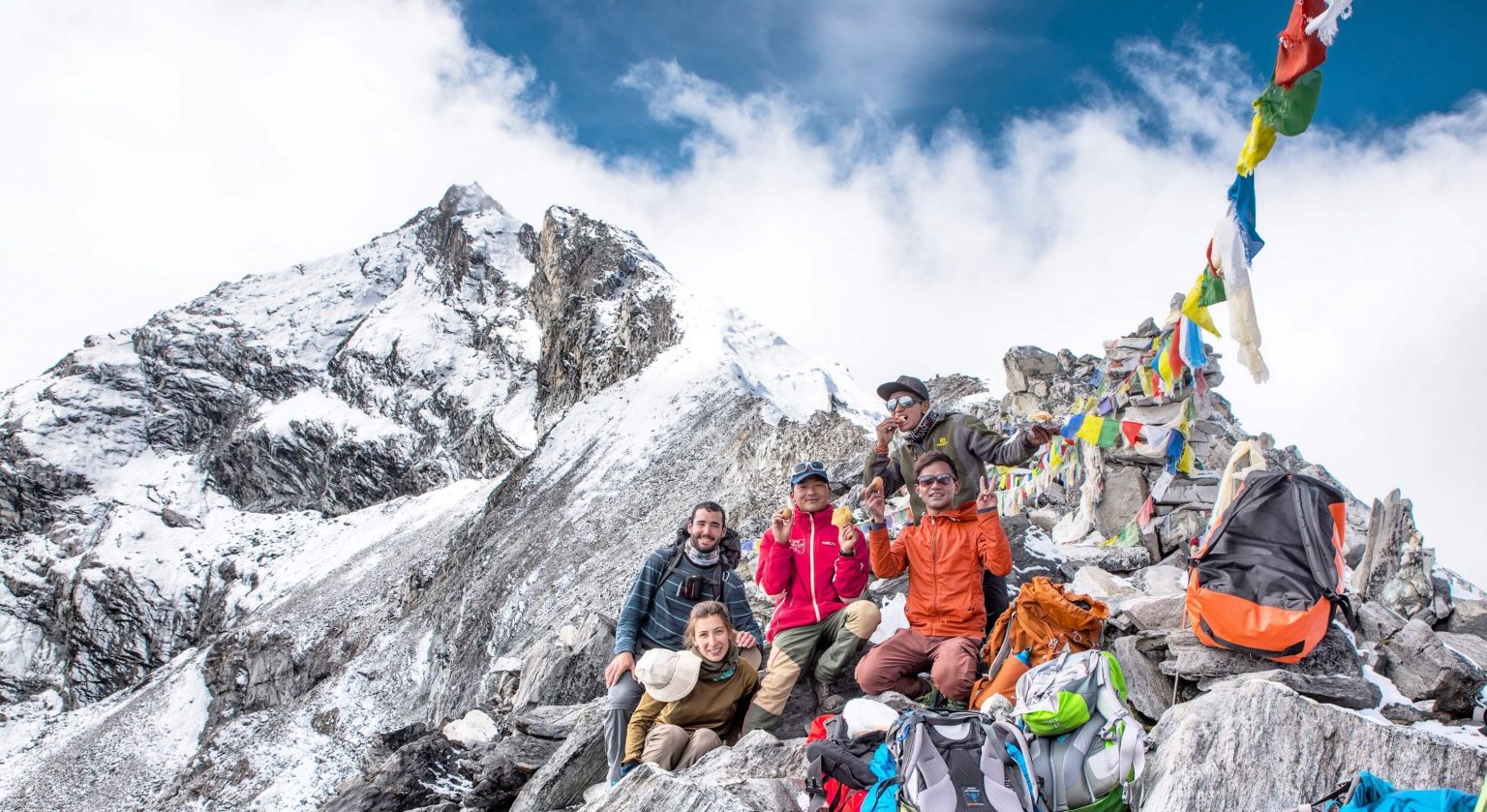
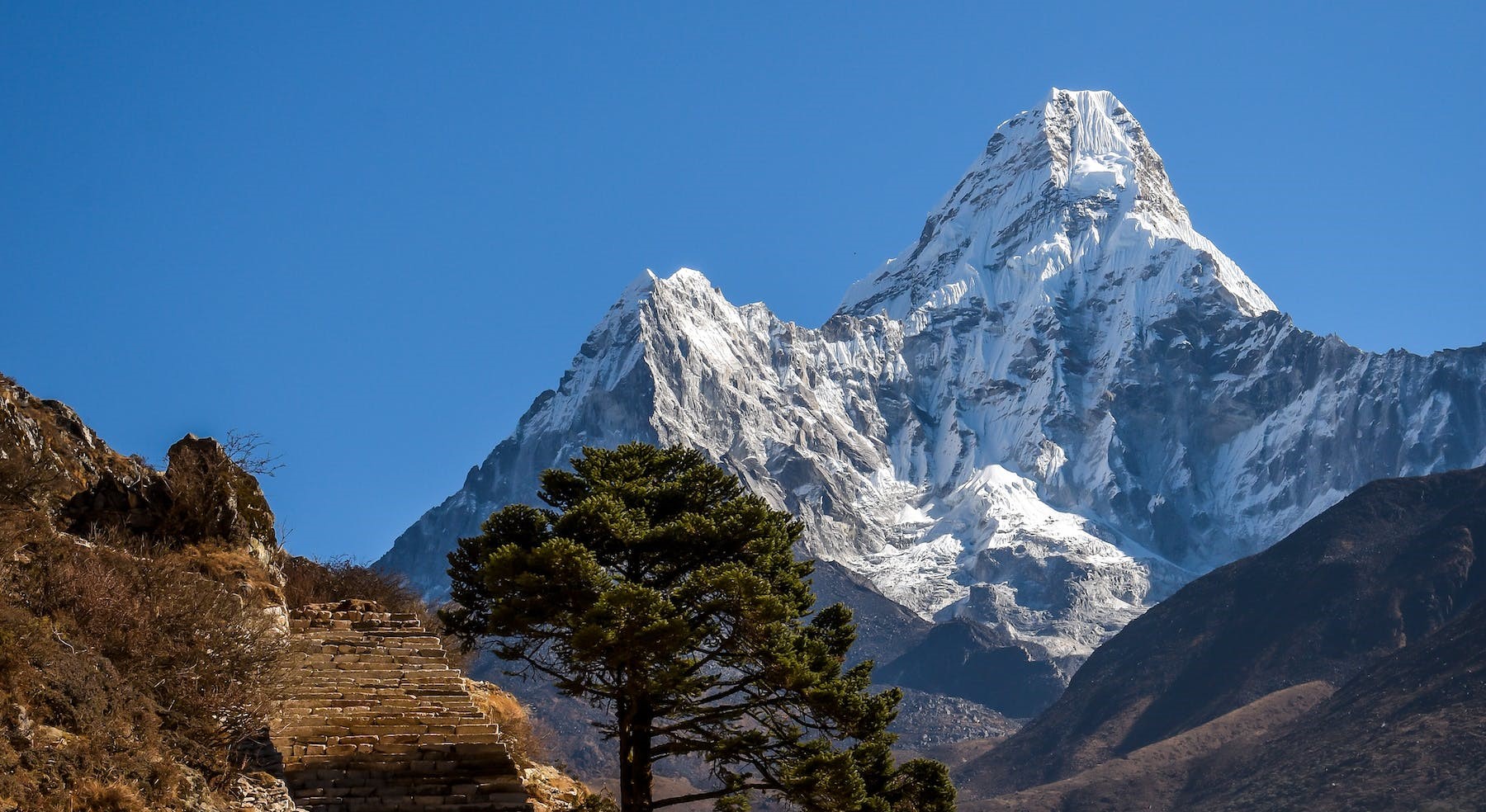
Every Yala Peak climb builds toward one long day. You leave a cold tent at 4,700 m in the dark, rope up on snow and ice, and stand on top with the Langtang Himalaya spread out around you.
Table of Contents
Summit day is the part that decides whether the climb is a highlight or an ordeal. Most of that outcome is settled before you leave base camp, through your fitness, your acclimatization, your gear and your decisions on the mountain.
This guide walks you through the summit day route, the technical sections, how to prepare and the safety habits that matter most. It is based on our 12-day itinerary at Northern Trekking Team.
👉 See the full route, inclusions and price on the Yala Peak Climbing 12 Days page.
Yala Peak Climbing at a Glance
| Detail | Information |
|---|---|
| Region | Langtang, Nepal |
| Trip duration | 12 days (Kathmandu to Kathmandu) |
| Summit altitude | About 5,500 m (18,044 ft). Published figures vary slightly by source |
| Base camp | 4,700 m (15,420 ft), tented camp |
| Summit day | Base camp → summit → descent to Kyangjin Gompa |
| Climb time up | About 8–9 hours from base camp, according to our trip page |
| Technical gear | Crampons, ice axe, harness, helmet, rope |
| Best seasons | March–May and September–December |
| Trip price | From US$1,315 per person (check the trip page for current rates) |
Before Summit Day: The Climb-Up Matters
Summit day works because of the eight days before it. Here is how the itinerary prepares your body.
| Day | Stop | Altitude |
|---|---|---|
| 3 | Drive to Syabrubesi | 1,550 m |
| 4 | Trek to Lama Hotel | 2,380 m |
| 5 | Trek to Langtang Village | 3,432 m |
| 6 | Trek to Kyangjin Gompa | 3,830 m |
| 7 | Rest and acclimatization day, with a hike toward Tsergo Ri (close to 5,000 m) | 3,830 m |
| 8 | Trek to Yala Peak Base Camp | 4,700 m |
| 9 | Summit day | About 5,500 m |
Day 7 is crucial. Hiking high and sleeping low at Kyangjin Gompa is a classic acclimatization method. It primes your body for the 4,700 m base camp and the summit push after that.
At base camp, our package includes a climbing training course where you practise crampon walking, ice axe use and rope handling before you need them for real. Make the most of it.
The Yala Peak Summit Day Route, Stage by Stage
Exact timings depend on conditions, pace and your guide's judgment, so treat these stages as a guide rather than a timetable.
Stage 1: The alpine start
Summit days begin in the dark, usually in the early hours of the morning. The aim is to climb while the snow is firm and to be back below the exposed sections before the sun softens the slopes and the afternoon weather arrives.
You'll eat a quick breakfast, finish your gear check and set off by headlamp. Your guide will confirm the start time based on the forecast and snow conditions.
Stage 2: Moraine and rocky ground above base camp
From the camp at 4,700 m, the first section is rocky terrain and loose moraine. It is not technical, but it is slow going in the dark. Walk steadily and conserve your energy, because the real work is ahead.
Stage 3: Snow slopes and the technical climb
As you gain height, the ground turns to snow and ice, and you'll put on your crampons. This is where the ice axe, harness and rope come into play. Our trip page describes the climb as steep and technically challenging, and it relies on crampons, ice axes and ropes.
On this section, expect:
- Sustained steep snow, where you'll rest-step and breathe in rhythm
- Roped travel, with your guide setting the pace and the protection
- Fixed-line sections where you may use an ascender (jumar), which our gear list includes
Stage 4: The summit
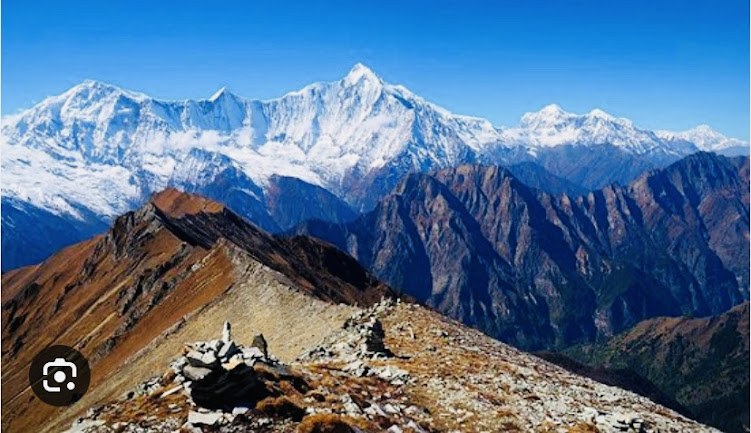
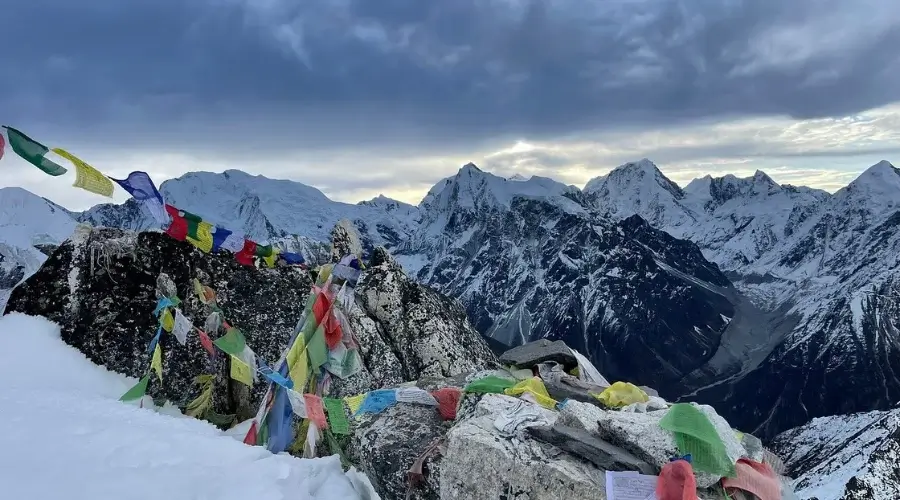
The top of Yala Peak rewards you with a wide panorama over the Langtang range and the surrounding valleys. Our trip page lists peaks in the view such as Langtang Lirung, Langtang Ri and Langtang II, with far horizons toward Manaslu, Annapurna and Dhaulagiri on a clear day.
Don't linger too long. Take your photos, drink some water and begin the descent. Reaching the summit is only halfway.
Stage 5: The descent to Kyangjin Gompa
On the itinerary, you descend from the summit all the way back to Kyangjin Gompa (3,830 m) the same day. That is a big descent on tired legs, and a lot of accidents happen here. Stay focused, keep your crampons on where needed and stay roped when your guide says so.
By the time you reach your lodge, you'll have been on the move for a very long day. Eat, hydrate and sleep. Day 10 takes you down to Lama Hotel.
How Hard Is Yala Peak Summit Day?
Our trip page rates the trip hard, and the summit day is the reason. The difficulty comes from four things together:
- Altitude. You're climbing above 5,000 m, where oxygen is roughly half the level at sea level.
- Duration. The climb takes 8–9 hours up, and then you still need to descend all the way to Kyangjin Gompa.
- Cold and wind. Pre-dawn temperatures at 4,700–5,500 m are well below freezing.
- Technical terrain. Steep snow and ice need crampon and rope skills.
Yala Peak is often called a beginner-friendly peak, but that label is relative. It is "easy" compared with 6,000 m peaks, yet it is still a serious high-altitude climb. Good fitness, a gradual ascent and an experienced guide make it very achievable for motivated trekkers. For comparison, see Lobuche Peak, Island Peak and Mera Peak.
Summit Day Preparation: What to Do Before You Go
1. Build fitness for long, slow days
Train for endurance, not speed. Aim for 6–8 weeks of:
- Long hikes of 4–6 hours with a weighted pack
- Stair climbing or uphill walking
- Leg and core strength: squats, lunges, step-ups and planks
- Back-to-back training days to simulate fatigue
2. Learn the basics before you arrive
Our base camp training will teach you the essentials, but if you can, practise walking on uneven ground in boots, and read up on crampon and ice axe technique so the skills feel familiar.
3. Break in your boots
You'll need mountaineering boots that fit your crampons. Wear them on long walks before the trip. Blisters at altitude are miserable.
4. Pack your summit-day kit the night before
Lay out and test everything. Cold fingers and a dead headlamp at 3 a.m. are easy to prevent.
Summit day essentials checklist
| Category | What to carry |
|---|---|
| Lower body | Thermal base layer, insulated or shell trousers |
| Upper body | Base layer, fleece, down jacket, windproof and waterproof shell |
| Hands | Thin liner gloves plus warm waterproof mittens or gloves |
| Head and face | Warm hat, balaclava or buff, UV helmet liner |
| Feet | Mountaineering boots, 2 pairs of warm socks, gaiters |
| Climbing gear | Crampons, ice axe, harness, helmet, carabiners, ascender |
| Eyes | Category 4 sunglasses (plus goggles in wind) |
| Light | Headlamp with fresh spare batteries |
| Fuel and water | Insulated bottle, high-energy snacks |
| Protection | SPF 50+ sunscreen, lip balm |
Our package includes personal and group climbing gear such as crampons, an ice axe, a harness and a helmet, so check the trip inclusions before you buy anything. For a full list, see our trekking equipment guide. Gear rentals are also available in Kathmandu.
Summit Day Safety Tips
1. Respect altitude, always
Above 4,000 m, acute mountain sickness (AMS) is a real possibility even for fit people. Learn the signs.
| Mild AMS | Danger signs (descend immediately) |
|---|---|
| Headache | Severe or worsening headache |
| Nausea, poor appetite | Persistent vomiting |
| Dizziness, fatigue | Loss of balance, stumbling |
| Poor sleep | Confusion, breathlessness at rest, wet cough |
If you feel unwell, tell your guide at once. Descending is the most effective treatment. Read more in our altitude tips and Acute Mountain Sickness guide.
2. Follow your guide's turnaround decision
The mountain isn't going anywhere. Weather, snow conditions, group pace and your own health all feed into the decision to continue or turn back. A good guide sets turnaround times and sticks to them. Never push past a turnaround call because you're close.
3. Check the weather and snow
Our trip page reminds climbers to be prepared for extreme conditions and to check the forecast before attempting the summit. Wind, fresh snow and poor visibility are all reasons to delay or abandon a summit attempt.
4. Stay roped and clipped in
Follow your guide's rope instructions every time. Check your harness, knots and carabiners before leaving camp, and again at the start of each technical section.
5. Keep your crampons and axe under control
- Keep your feet apart and your crampon points clear of your trouser legs and gaiters.
- Hold the ice axe correctly, and never leave it dangling loose.
- Walk deliberately on steep ground. A fall on snow is hard to stop.
6. Drink and eat, even when you don't want to
Altitude suppresses appetite and thirst. Sip water regularly (use an insulated bottle so it doesn't freeze) and snack every hour or so.
7. Protect against cold and sun
- Frostbite: Wiggle your fingers and toes often, and tell your guide if any part of you goes numb.
- Snow blindness: Wear category 4 sunglasses whenever the sun is up.
- Sunburn: UV is intense at altitude. Reapply sunscreen on your nose and lips.
8. Save energy for the descent
Most mistakes happen on the way down, when you're exhausted. Eat something at the summit, stay focused and stay roped until your guide says otherwise.
9. Carry proper insurance
Your travel insurance must cover emergency evacuation to 5,500 m or higher. This is essential, as stated on our trip page.
Best Time for Yala Peak Summit Day
| Season | Months | Summit conditions |
|---|---|---|
| Spring | March–May | Stable weather, good snow, the most popular time |
| Autumn | September–November | Clear and dry after the monsoon, but colder |
| Winter | December–February | Extremely cold and less stable snow |
| Monsoon | June–August | Rain, poor visibility, unsafe for climbing |
For the best chance of a clear summit day, choose late April–May or mid-October–November.
What's Included in the Yala Peak Package?
Our package includes:
- Airport transfers and 2 nights in a Kathmandu hotel
- Lodge accommodation on the trek and tented camp at base camp
- All meals during the trek, plus snacks and seasonal fruit
- Langtang Conservation Area permit and TIMS card
- An experienced climbing guide, with his wages, food, transport and insurance
- Climbing training at base camp
- Personal and group climbing gear (crampons, ice axe, harness, helmet, rope and more)
- Camping equipment, cook, kitchen staff and support team at base camp
- A refundable sleeping bag, down jacket and duffel bag
- Local bus transfers Kathmandu–Syabrubesi–Kathmandu
Not included: international flights, visa, lunch and dinner in Kathmandu, personal gear, travel insurance, tips and personal expenses.
See the full details and the latest price on the trip page.
Why Climb Yala Peak with Northern Trekking Team?
- A licensed Nepali company (Nepal Tourism License 2651/075)
- Experienced climbing guides who manage pace, safety and turnaround decisions
- Built-in acclimatization with a rest day at Kyangjin Gompa
- Climbing training at base camp before you head up
- All technical group gear provided, so you don't have to buy it
- A Tripadvisor-recognized operator with 24/7 support
Learn more about us, see why Northern Trekking Team or browse more peak climbing in Nepal.
Frequently Asked Questions (FAQs)
1. How long is summit day on Yala Peak?
Our trip page puts the climb at about 8–9 hours from base camp to the summit. You then descend to Kyangjin Gompa the same day, so expect a very long day overall.
2. How high is Yala Peak?
Our itinerary lists the summit at about 5,500 m (18,044 ft). You may see slightly different figures from other sources.
3. Is Yala Peak summit day technical?
Yes, moderately. It involves steep snow and ice, and you'll use crampons, an ice axe and ropes. Previous mountaineering experience is helpful, and we provide training at base camp.
4. What time do we start on summit day?
Climbers normally leave in the early hours of the morning, in the dark. Your guide will confirm the exact time based on the weather and snow conditions.
5. Can a beginner climb Yala Peak?
Fit, motivated beginners with good trekking experience can climb it with a guide and some training. It remains a hard, high-altitude climb, so prepare seriously.
6. What if I get altitude sickness on summit day?
Tell your guide immediately. The safest treatment is to descend. If symptoms are serious, you'll be taken down at once and, if needed, evacuated.
7. What gear do I need to bring myself?
Warm layers, mountaineering boots, gloves, sunglasses, headlamp and other personal items. We supply the technical group gear. Check our equipment guide.
8. What is the best season for the summit?
Spring (March–May) and autumn (September–November) have the most stable conditions.
9. What happens if the weather is bad on summit day?
Your guide may delay, shorten or cancel the summit attempt for safety. Safety always comes before the summit.
10. Is travel insurance necessary?
Yes. It must cover emergency evacuation at altitudes of 5,500 m and above.
Final Thoughts: Be Ready for the Big Day
Yala Peak summit day is demanding, but it is also one of the most rewarding days you'll spend in the Himalaya. If you train sensibly, acclimatize properly, trust your guide and keep safety first, you give yourself the best chance of standing on top and getting back down happy.
Spring and autumn departures fill early. Reserve your dates and start training today.
👉 View the 12-Day Yala Peak Climbing Trip
👉 Send an Inquiry or Customize Your Trip
📞 WhatsApp / Phone: +977 984-2907439
📧 Email: info@northerntrekkingteam.com
Recent From Yala Peak Climbing Summit Day: Route, Preparation & Safety Tips
Jun 27, 2022
Jun 27, 2022

Jul 19, 2022
Sep 20, 2025
Jan 03, 2023
Feb 03, 2023
Feb 17, 2023
Feb 23, 2023
Mar 03, 2023
Mar 14, 2023
Mar 20, 2023
Mar 28, 2023
Apr 06, 2023
Jul 31, 2023
Aug 28, 2023

Jan 04, 2026


Mar 10, 2026
Mar 10, 2026



Apr 03, 2026
Sep 10, 2026