6th Nov, 2026
Is the Langtang Short Trek Suitable for Beginners?
Standing at 3,900 meters in Kyanjin Gompa, with Langtang Lirung (7,246m) filling the sky and yak bells ringing in the cold air, many first-time trekkers ask the same question: “Could I really do this?”
Table of Contents
The honest answer is yes, with proper preparation.
The Langtang Short Trek is one of the best introductions to Himalayan trekking in Nepal. It is short, close to Kathmandu, lodge-based and culturally rich. It still involves real altitude gain and long walking days, so beginners should know what to expect before they book.
This guide covers difficulty, altitude, fitness, training, packing, safety and common mistakes, so you can decide with confidence.
Quick Answer: Is Langtang Short Trek Good for Beginners?
| Factor | Details |
|---|---|
| Suitable for beginners? | Yes, for healthy people with basic fitness and a positive attitude |
| Difficulty | Moderate |
| Duration | 7 days (Kathmandu to Kathmandu) |
| Maximum altitude (trek) | 3,900m at Kyanjin Gompa |
| Optional viewpoint | Tserko Ri, around 5,000m (a stretch for first-timers) |
| Accommodation | Local lodges and teahouses |
| Technical climbing | None |
| Starting point | Syabrubesi, a 6-7 hour drive from Kathmandu |
| Best seasons | Spring (March-May) and autumn (September-December) |
What Is the Langtang Short Trek?
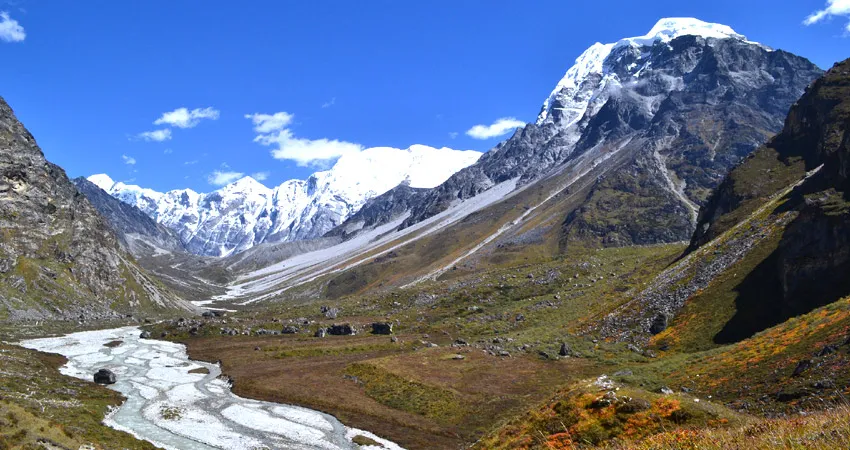
The Langtang Valley is often called the “Valley of Glaciers.” It lies inside Langtang National Park, only about 30 kilometers north of Kathmandu as the crow flies. Few places in Nepal put you this close to big Himalayan scenery without a flight or a long expedition.
The Langtang Short Trek follows the Langtang Khola (river) from Syabrubesi through rhododendron and oak forest to Lama Hotel. It continues to Langtang Village and ends at the monastery settlement of Kyanjin Gompa. Along the way you meet Tamang communities with their own Tibetan-influenced culture, language and hospitality.
Our Langtang Short Trek condenses the valley into 7 days. That makes it a good fit for travelers with limited holiday time.
Langtang Village was devastated by the 2015 earthquake and has since been rebuilt by its community. Walking through it today is a good way to understand the resilience of the Himalayan people.
Why the Langtang Short Trek Works for Beginners
1. It is short and well paced
Seven days is manageable if you are new to multi-day trekking. You will not be away from comforts for weeks, and the route is a simple up-and-back along one valley.
2. There is no technical terrain
You will not need ropes, crampons or climbing skills. The path is a well-trodden trail with stone steps, suspension bridges and forest sections. If you can walk uphill for several hours with a daypack, you have the core skill needed.
3. Teahouses make it comfortable
Lodges along the route provide beds, hot meals and warm common rooms. You do not need to carry a tent, stove or food. Your pack stays light because porters carry the main luggage on our trek.
4. The route is easy to follow
The trail follows one main valley. Combined with an experienced licensed guide, there is almost no navigation stress.
5. It is close to Kathmandu
Getting to the trailhead takes a day of road travel rather than a flight. Return transfers are straightforward, and the trek is less exposed to the flight delays that affect some other regions.
6. The scenery is exceptional
Rhododendron forest, waterfalls, alpine meadows, yak pastures, glacial moraines and snow peaks all appear in a single week. The cultural side is just as strong, with Buddhist prayer walls, monasteries and local cheese from Kyanjin.
The Honest Part: What Beginners Find Challenging
A trustworthy guide should not oversell. These are the real challenges.
Long walking days. Several days involve 6-7 hours on the trail. The distance is not extreme, but the time on your feet adds up.
Altitude. You start at about 1,460m and sleep at 3,900m. The gain is steady and mostly gentle, but altitude affects everyone differently, regardless of fitness.
Early cold. Mornings and nights at Langtang Village and Kyanjin are cold, especially in winter months.
Basic facilities. Rooms are simple and bathrooms are shared. Hot showers and phone charging may cost extra and are not always available at higher lodges.
The Tserko Ri push. Tserko Ri, at around 5,000m, is the tallest point linked to this trek. It is a steep, demanding hike and not an essential part of the experience. Beginners should treat it as optional, and your guide will decide on the day based on how you feel.
None of these are reasons to avoid the trek. They are reasons to train, pack properly and listen to your body.
Day-by-Day Difficulty for First-Time Trekkers
Here is how the 7-day itinerary feels for a newcomer.
| Day | Route | Altitude | Walking / Driving Time | Beginner Difficulty |
|---|---|---|---|---|
| 1 | Kathmandu to Syabrubesi | 1,460m | 6-7 hrs drive | Easy (bumpy road) |
| 2 | Syabrubesi to Lama Hotel | 2,560m | 6-7 hrs trek | Moderate, steady climb |
| 3 | Lama Hotel to Langtang Village | 3,430m | 6-7 hrs trek | Moderate to challenging |
| 4 | Langtang Village to Kyanjin Gompa | 3,900m | 3-4 hrs trek | Easy to moderate |
| 5 | Kyanjin Gompa to Lama Hotel (Tserko Ri optional) | 2,560m | 6-7 hrs | Moderate (long descent) |
| 6 | Lama Hotel to Syabrubesi | 1,460m | 5-6 hrs | Moderate, knee-heavy |
| 7 | Syabrubesi to Kathmandu | 1,400m | 6-7 hrs drive | Easy |
Day 2 is the first real test. You gain about 1,100 meters through humid forest, so pace yourself and hydrate well.
Day 3 takes you into open, high-altitude terrain. The air is thinner and the valley widens into yak country.
Day 4 is short, which is deliberate. It gives your body a chance to settle at 3,900m.
Days 5 and 6 are long downhill days. They can be harder on knees than lungs, so trekking poles help.
If you want a more relaxed pace with extra time at altitude, our 9-day Langtang Valley Trek adds more breathing room.
Altitude and Acclimatization: What First-Timers Need to Know
Altitude sickness (AMS) can affect anyone above roughly 2,500m, whatever their age or fitness. The Langtang Short Trek keeps its sleeping altitude at a manageable level. Even so, understand these principles:
- Walk slowly. The mountain rule is “climb high, sleep low” and, above all, “go slow.”
- Drink plenty of water. Aim for 3-4 liters per day.
- Avoid alcohol at altitude, especially in the first nights.
- Report symptoms early. Headache, nausea, dizziness, poor appetite and unusual tiredness should be mentioned to your guide immediately.
- Never ascend with worsening symptoms. Descending is the best treatment.
Our guides carry a first-aid kit and a pulse oximeter, which is listed in the trip inclusions. They check oxygen saturation to support safe decisions.
For a deeper read before you go, see our Altitude Tips and Acute Mountain Sickness guides.
How Fit Do You Need to Be?
You do not need to be an athlete, but you should not arrive untrained. A reasonable beginner profile:
- Able to walk 5-6 hours with breaks on uneven ground
- Comfortable climbing stairs or hills without getting overwhelmed
- No serious uncontrolled heart, lung or blood-pressure conditions (consult your doctor)
- Willing to walk at a slow, steady pace
A Simple 6-8 Week Training Plan
| Weeks | Focus | Example |
|---|---|---|
| 1-2 | Build base | 30-45 min brisk walking, 4 days/week |
| 3-4 | Add hills and stairs | 1-hour hill walks or stair sessions, 3 days/week |
| 5-6 | Add load | Weekend hikes of 3-5 hours with a 5-7kg daypack |
| 7-8 | Peak and taper | Back-to-back long hikes, then lighter week before travel |
Also include: squats and lunges for legs, core exercises, and a little cardio such as cycling, swimming or jogging. Break in your hiking boots before you travel.
Best Time to Do the Langtang Short Trek as a Beginner
Autumn (September to November/December) is the most popular season. Skies are usually clear, mountain views are sharp and temperatures are comfortable in the daytime.
Spring (March to May) brings rhododendrons in bloom, longer days and warmer temperatures, though haze can soften the distant views.
Winter (December to February) is possible and quiet, but nights at Kyanjin Gompa are very cold. Beginners should pack serious warm layers.
Monsoon (June to August) is generally not ideal, with leeches, slippery trails and cloudy views.
Beginners will usually be happiest in October, November, March or April.
What to Pack for a First-Time Trek
Pack light, but pack right. The essentials:
Clothing
- Moisture-wicking base layers
- Insulating fleece or light down jacket
- Waterproof, windproof shell jacket
- Trekking trousers and a warm pair for evenings
- Warm hat, sun hat and gloves
- Thermal underwear for higher nights
Footwear
- Broken-in trekking boots with good ankle support
- Camp shoes or sandals
- Several pairs of wool or synthetic trekking socks
Gear
- 25-35L daypack
- Sunglasses with UV protection
- Reusable water bottle
- Headlamp with spare batteries
- Trekking poles (helpful on descents)
Personal items
- Sunscreen and lip balm
- Basic medicines and blister care
- Toiletries, quick-dry towel and hand sanitizer
- Power bank, since charging at altitude may cost extra
Our package includes sleeping bags, duffel bags, down jackets and walking poles if you do not have your own, to be returned after the trip. For the full checklist, read our Packing List for Trekking and Trekking Equipment pages.
Permits, Cost and What’s Included
You need two documents for the Langtang region:
- Langtang National Park entry permit
- TIMS card (Trekkers’ Information Management System)
With Northern Trekking Team, both permits are arranged and included. Our Langtang Short Trek is priced from US$749 per person, and the package covers:
- Airport and trek transfers by tourist vehicle
- 1 night in a Kathmandu hotel (twin sharing)
- 6 nights in teahouses along the trail
- Breakfast, lunch and dinner during the trek
- Experienced, government-licensed English-speaking guide
- Porter service (1 porter for every 2 trekkers)
- Insurance and fair wages for all staff
- First-aid kit and pulse oximeter
- Water purification tablets
- Local SIM card with limited data
- Trekking map, certificate, T-shirt and cap
- Luggage storage in Kathmandu
Not included: international flights, Nepal visa fees, personal travel insurance covering high-altitude trekking, personal gear, drinks, snacks, hot showers, charging fees and tips.
Check the visa process on our Passport & Visa Information page before you travel.
Food and Accommodation on the Trail
Teahouses offer simple twin-share rooms with blankets. Bring a sleeping bag for extra warmth, or use the one provided in the package. Dining rooms are the social heart of every lodge, often warmed by a stove.
Typical meals include:
- Dal bhat (rice, lentils and vegetables), the classic trekker’s fuel
- Noodles, fried rice and momos
- Porridge, eggs, bread and pancakes for breakfast
- Tea, ginger lemon honey and hot chocolate
Choose vegetarian options at altitude, as they are fresher and safer. Read more on our Foods in Nepal page.
10 Practical Tips for Beginners
- Walk slowly from the first hour. Slow and steady wins at altitude.
- Train before you come. Even four weeks of hill walking changes the experience.
- Break in your boots. New boots create blisters.
- Drink water often, even when you are not thirsty.
- Layer clothing, and adjust as the sun comes and goes.
- Protect your skin. UV is strong at altitude, even in cold weather.
- Eat well, even when appetite drops.
- Trust your guide. Their local experience helps you make safe decisions.
- Get proper travel insurance covering trekking up to at least 4,000m and emergency evacuation.
- Keep a flexible mindset. Weather and road conditions can change plans.
Who Might Prefer a Different Trek?
The Langtang Short Trek is a very good fit for most healthy beginners, but consider alternatives if:
- You want more time to acclimatize: choose the 9-day Langtang Valley Trek.
- You want lower altitude and more culture: try the Tamang Heritage Trail Trek.
- You want a gentle, short hike with big views: consider the Ghorepani Poonhill Trek or the Dhampus Sarangkot Trek.
- You want a longer Langtang adventure: the Langtang with Gosaikunda Trek adds sacred high-altitude lakes.
Explore more options in our full Langtang Region collection or browse Trekking in Nepal.
Why Trek Langtang with Northern Trekking Team?
For a beginner, the guide and company matter as much as the route.
- Licensed and registered: Government License No. 204741/075/076 and Nepal Tourism License No. 2651/075
- Experienced local guides who know the valley, the weather and the signs of altitude trouble
- Fair treatment of porters and staff, all insured and fairly paid
- Small groups of 1 to 10 people for personal attention
- Flexible planning, with private and group-joining options and a customizable trip
- Strong traveler feedback, with a 5.0 rating on the trip page from trekkers, including first-timers
Read more about our team and why trekkers choose Northern Trekking Team.
Top 15 FAQs: Langtang Short Trek for Beginners
1. Is the Langtang Short Trek suitable for first-time trekkers?
Yes. It is a moderate trek with no technical climbing, a clear trail and comfortable lodges. First-timers in reasonable health can complete it with some preparation, steady pacing and a good guide. The main challenges are long walking days and altitude, not difficult terrain.
2. How difficult is the Langtang Short Trek?
It is rated moderate. Expect 6-7 hours of walking on several days, steady uphill sections, and long descents on the return. The trail is not dangerous or technical, but it does require stamina, good footwear and a willingness to go slowly.
3. Do I need previous trekking experience?
No. Many people complete this trek as their first Himalayan journey. Prior hiking experience helps, but a few weeks of regular walking, stair climbing and weekend hikes is enough preparation for most healthy people.
4. How high does the Langtang Short Trek go?
The route reaches 3,900m at Kyanjin Gompa, the highest overnight stop. Tserko Ri, at about 5,000m, is a viewpoint hike above Kyanjin and is optional for those who feel strong and well-acclimatized.
5. Is altitude sickness a risk on this trek?
It can be. Altitude sickness can affect anyone above 2,500m, regardless of fitness. The Langtang Short Trek has a steady gain, which helps, but you should still walk slowly, hydrate well, avoid alcohol and tell your guide about any symptoms. Our guides carry a pulse oximeter and first-aid kit.
6. How fit do I need to be?
You should be able to walk 5-6 hours a day with breaks, climb stairs or hills comfortably, and recover well between days. You do not need to be a runner or gym athlete. Training for 6-8 weeks with hill walks and a loaded daypack is a good approach.
7. What is the best time of year for beginners?
October, November, March and April are generally the most comfortable. Autumn brings clear skies and stable weather, while spring offers warmer temperatures and blooming rhododendrons. Winter is possible but cold, and the monsoon is not recommended.
8. Do I need a guide for the Langtang Short Trek?
Yes, and it is the safest choice for beginners. A licensed guide manages pace, accommodation, permits, altitude decisions and emergencies. Our package also includes porters, so you carry only a light daypack.
9. Can I do the Langtang Short Trek alone?
Independent trekking is not recommended for first-timers. Weather, trail conditions and altitude can change quickly, and having a guide for safety and local insight makes the trek more enjoyable.
10. What permits are needed?
You need a Langtang National Park entry permit and a TIMS card. Both are arranged and included in our package, so you do not need to handle paperwork yourself.
11. How much does the Langtang Short Trek cost?
Our 7-day Langtang Short Trek starts from US$749 per person. This includes transport, permits, a guide, porters, accommodation, meals during the trek, and more. International flights, visas, insurance, drinks and tips are extra. Please check the trip page for current pricing and fixed departures.
12. What is the accommodation like?
You stay in a comfortable twin-share hotel in Kathmandu and in local teahouses on the trail. Rooms are simple with beds and blankets, and bathrooms are usually shared. Rooms become simpler and colder as you go higher, so a warm sleeping bag helps.
13. What kind of food will I eat?
Teahouse menus include dal bhat, noodles, fried rice, momos, soups, eggs, porridge and bread. Dal bhat is a favorite because it is filling and often comes with refills. Choose vegetarian meals at higher altitude for freshness and safety.
14. Can I trek Langtang if I have a medical condition?
It depends on the condition. People with heart or lung problems, uncontrolled blood pressure, or other serious conditions should speak to their doctor before booking. Bring any regular medication, carry proper insurance and tell your guide about relevant conditions before the trek begins.
15. What if I cannot complete the trek?
Your guide will adjust the plan if needed, for example by shortening a day, resting longer or descending. Good travel insurance that covers high-altitude trekking and emergency evacuation is mandatory. Your safety always comes before the itinerary.
Final Verdict: Should Beginners Trek Langtang?
Yes, if you prepare for it.
The Langtang Short Trek gives first-time trekkers a real Himalayan experience in just one week: forests, rivers, glaciers, monasteries, Tamang hospitality and views of Langtang Lirung. It is challenging enough to feel like an achievement and manageable enough for a healthy newcomer.
Train for a few weeks, pack smart, walk slowly and trust your guide, and you will give yourself the best chance of a safe, joyful trek.
Ready to take your first Himalayan steps?
View the Langtang Short Trek itinerary, dates and price, or contact Northern Trekking Team to plan your trip. You can also reach us on WhatsApp at +977 9842907439.
Recent From Is the Langtang Short Trek Suitable for Beginners?
Jun 27, 2022
Jun 27, 2022

Jul 19, 2022
Sep 20, 2025
Jan 03, 2023
Feb 03, 2023
Feb 17, 2023
Feb 23, 2023
Mar 03, 2023
Mar 14, 2023
Mar 20, 2023
Mar 28, 2023
Apr 06, 2023
Jul 31, 2023
Aug 28, 2023

Jan 04, 2026


Mar 10, 2026
Mar 10, 2026



Apr 03, 2026